Your Ohio Hydrangea Flowers Are Turning Brown But Don’t Assume the Plant Is Finished
The colorful part of a big blue flower head is not actually the flower. Those showy pieces are sepals, and the true flowers are tiny buds hiding in the middle.
That one fact changed how I see late summer in my garden. Sepals are built to fade, harden, and change color once their job is done. Many turn green, rose, tan, or papery brown as the weeks roll on.
Here in Ohio, August heat and dry spells can speed up that change. Sun, thirst, and a sneaky gray fungus can also brown blooms early. Personally, I panicked the first time I saw it and almost grabbed the pruners.
You need to look past the flowers before you judge anything. The leaves, stems, and buds tell a very different story. So what is your shrub really saying right now?
Those Browning Hydrangea Blooms Have a Story to Tell
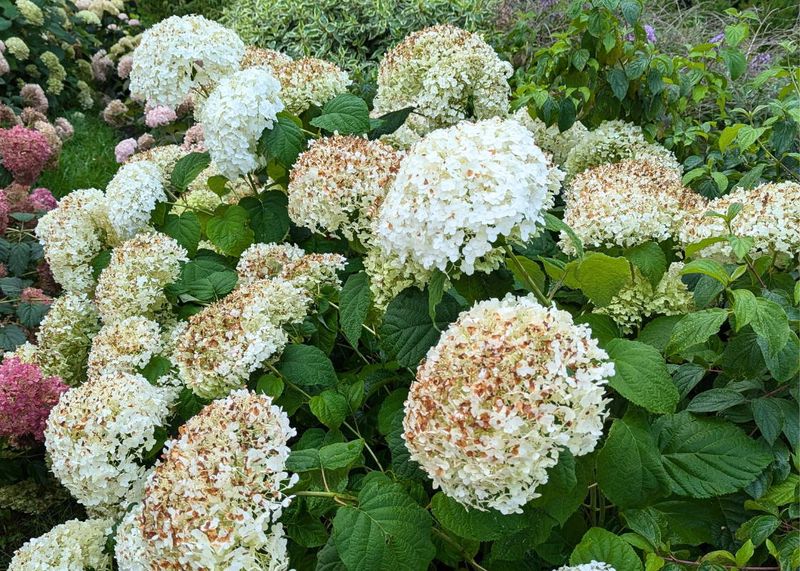
Flowers on a hydrangea are a bit like a fireworks show. The big burst comes in early summer, and then the colors slowly soften as the season moves along.
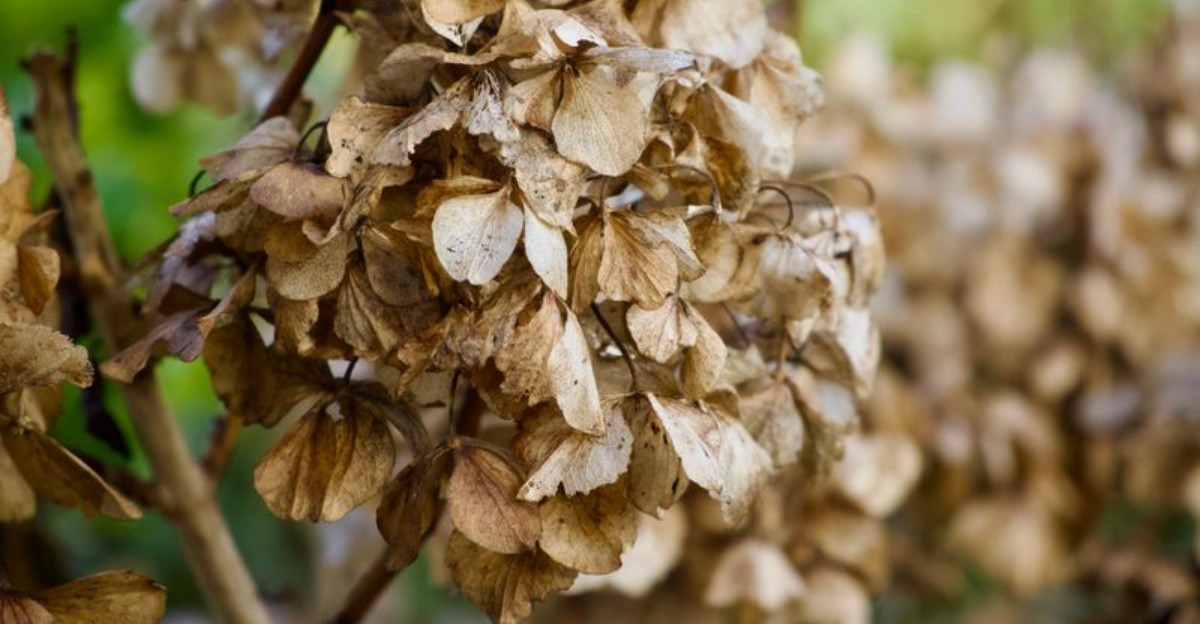
Those showy sepals start to age once the tiny fertile flowers in the center finish their work. Blue may drift to purple, pink may turn rosy green, and white panicle types often blush pink before going tan.
Eventually, many heads end up a dry, papery brown by fall.
That change is normal aging, not a crisis. If the leaves look green and firm and the stems feel sturdy, your plant is most likely fine.
I like to do a quick three-part check when browning shows up. First, look at the foliage for wilting or crispy edges.
Next, bend a stem gently to see if it is flexible and green under the bark.
Finally, notice the timing. Browning in late August or September usually points to natural fading, while browning in early July hints at stress.
Healthy roots and leaves mean the shrub is still busy storing energy for next year. A few tired blooms say very little about the plant’s future.
Thirsty Hydrangea Roots Show Up First in the Flowers
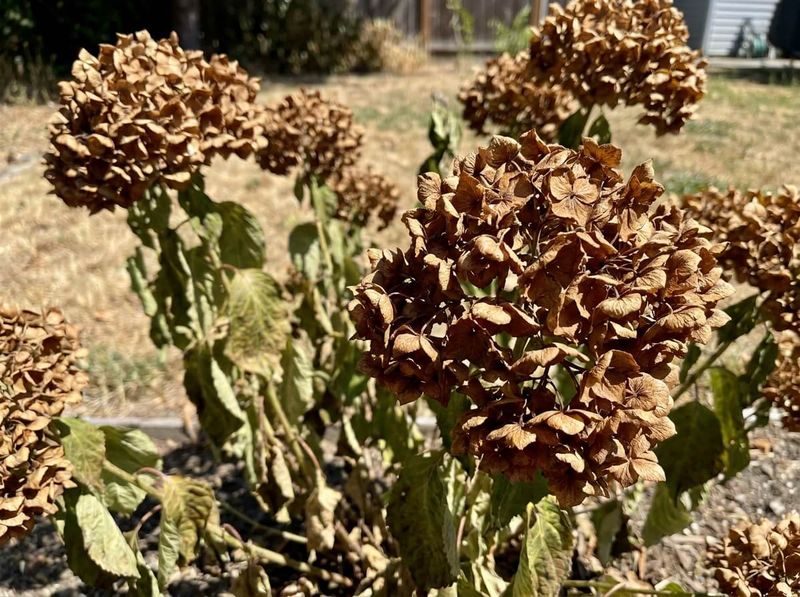
The name hydrangea comes from Greek words that roughly mean water vessel, and honestly, it fits. These shrubs drink a lot, and their roots sit fairly shallow in the soil.
When soil dries out, the plant cannot move enough water into those huge leaves and flower heads. Sepals often brown from the edges inward, and the leaves may droop or crisp.
A short afternoon slump on a hot day can be normal if the plant perks up by evening.
Morning wilting tells a different story. That usually means the soil is too dry and the shrub needs a deep drink.
Ohio State University Extension suggests about an inch of water per week for many landscape shrubs when rain falls short. Water slowly at the base so moisture soaks down several inches.
A soaker hose or a slow trickle from a garden hose works nicely.
Morning watering helps the plant face the heat with a full tank. It also lets leaves dry quickly, which keeps fungus away.
Poke a finger two inches into the soil every few days during dry spells. If it feels dry, grab the hose.
Afternoon Sun Can Scorch Delicate Hydrangea Petals
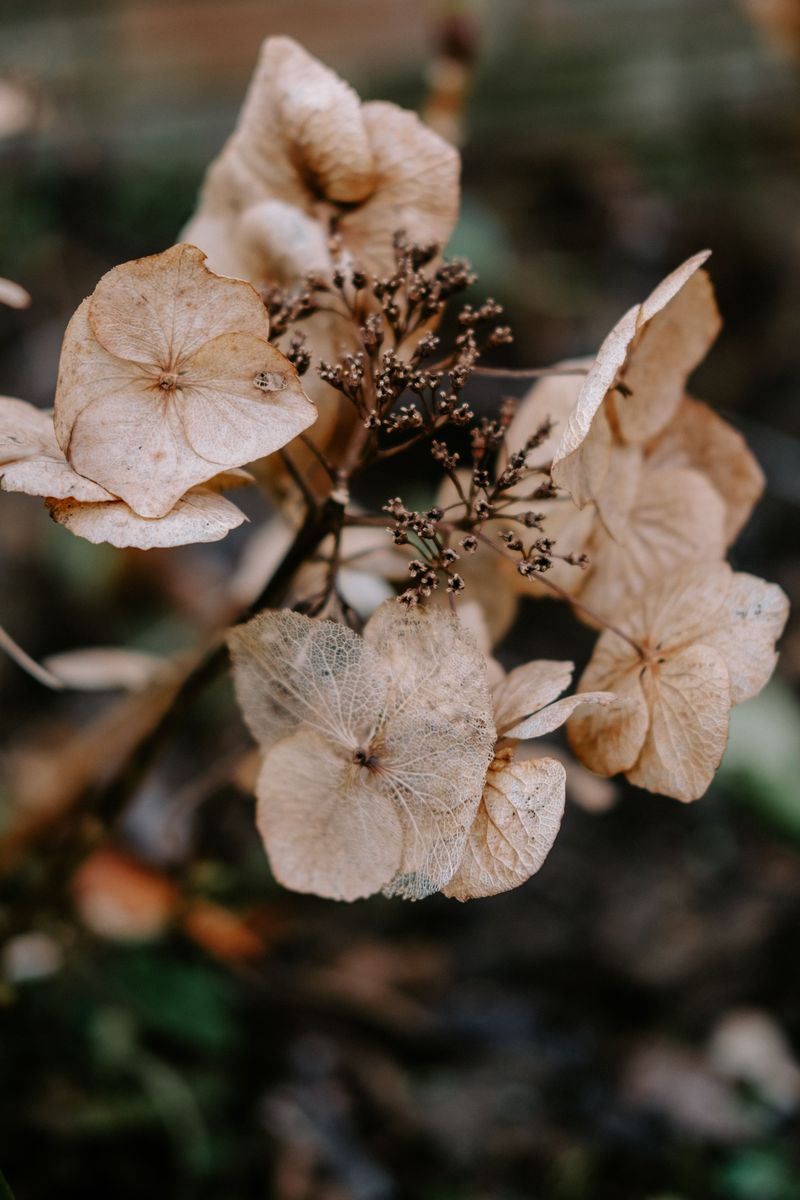
Bright sun feels great on a beach towel, but bigleaf hydrangeas see it differently. Their thin sepals and wide leaves lose water fast when the midday sun beats down.
Scorch often shows up as brown, crispy patches on the sunniest side of the shrub. Leaves may look bleached or have brown edges too.
Spots near a south or west wall, a driveway, or a sidewalk heat up even more.
Bigleaf and oakleaf types do best with morning sun and afternoon shade in most of Ohio. Panicle hydrangeas like Limelight handle much more sun.
Smooth hydrangeas such as Annabelle fall somewhere in between.
You can help a scorched plant right away. Water deeply, add mulch, and consider a temporary shade cloth during heat waves.
Potted hydrangeas get the easiest fix. Simply roll them to a shadier patio corner when the forecast climbs past 90 degrees.
Scorched blooms will not turn colorful again, so trim them if they bother you. The plant itself usually recovers once the stress eases and cooler fall weather arrives.
Fuzzy Gray Mold on Hydrangea Flowers Needs Quick Attention
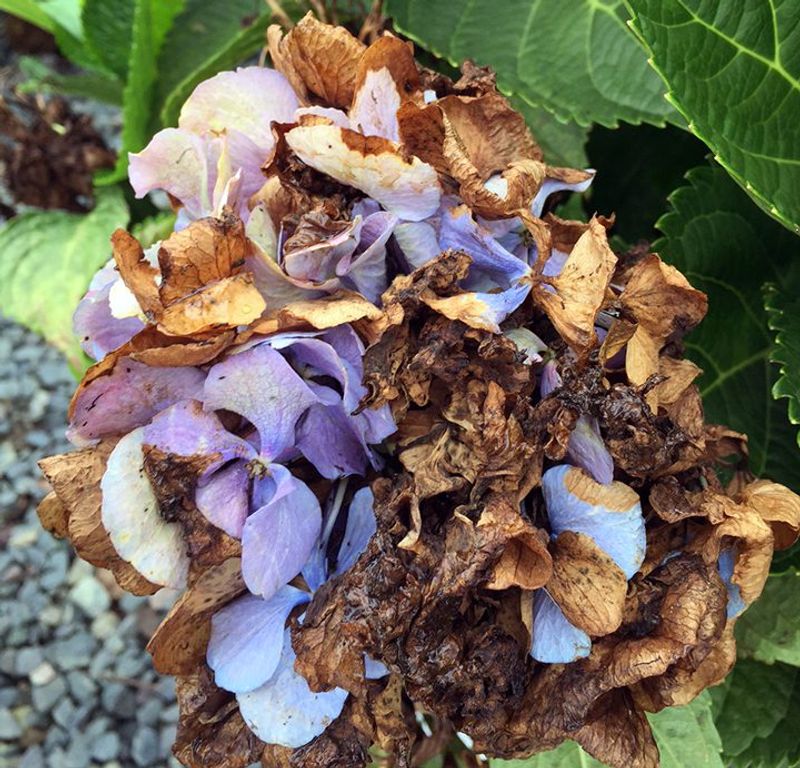
Rainy weeks and muggy nights can invite a quiet troublemaker. Botrytis blight, also called gray mold, loves cool, damp, crowded conditions.
It starts as small tan or brown spots that look a little water-soaked. Those spots spread quickly across the flower head.
In humid weather, you might spot a fuzzy gray coating, which is the fungus producing spores.
So how do you tell it apart from simple aging? Natural fading looks even and papery.
Botrytis looks blotchy, mushy, and sometimes moldy.
Management is mostly about cleanup and airflow. Snip off infected blooms and bag them instead of tossing them in the compost pile.
Wipe your pruners with rubbing alcohol between cuts.
Thin crowded nearby plants so breezes can move through. Water at the soil line rather than spraying over the top of the shrub.
Fallen petals and leaves should be raked up too, since the fungus can linger on debris. Fungicides are rarely needed for home gardens when these habits stay in place.
Good spacing often does more than any spray bottle.
Healthy Hydrangea Leaves and Buds Prove the Shrub Is Still Going
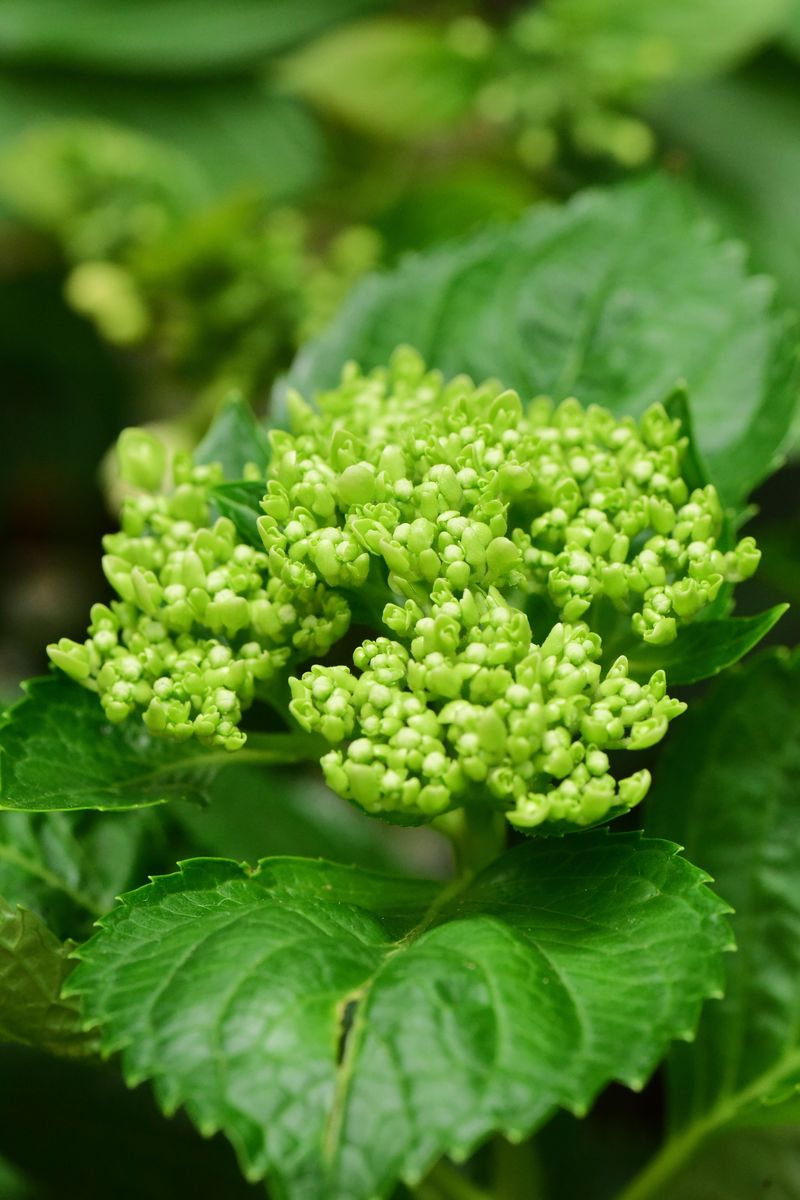
Last September, I almost gave up on a scruffy shrub by my porch. Then I spotted fat little buds tucked along the stems and felt silly for worrying.
Bigleaf and oakleaf hydrangeas set next year’s flower buds in late summer and fall. Those buds sit at the tips and along the upper stems.
Brown flower heads above them do not hurt them one bit.
Use a few easy clues to judge your plant’s health. Leaves should be mostly green, even if a few edges look rough.
Stems should bend without snapping.
A fingernail scratch on a stem should reveal green tissue underneath. Brown and brittle wood in one spot just means that branch struggled, not the whole plant.
Fall leaf color can fool people too. Oakleaf hydrangeas turn gorgeous shades of red and burgundy before dropping leaves, which is perfectly normal.
If most stems show buds and green tissue, relax. Your shrub is resting up for spring, not calling it quits.
Careful Trimming Protects Next Summer’s Hydrangea Flowers
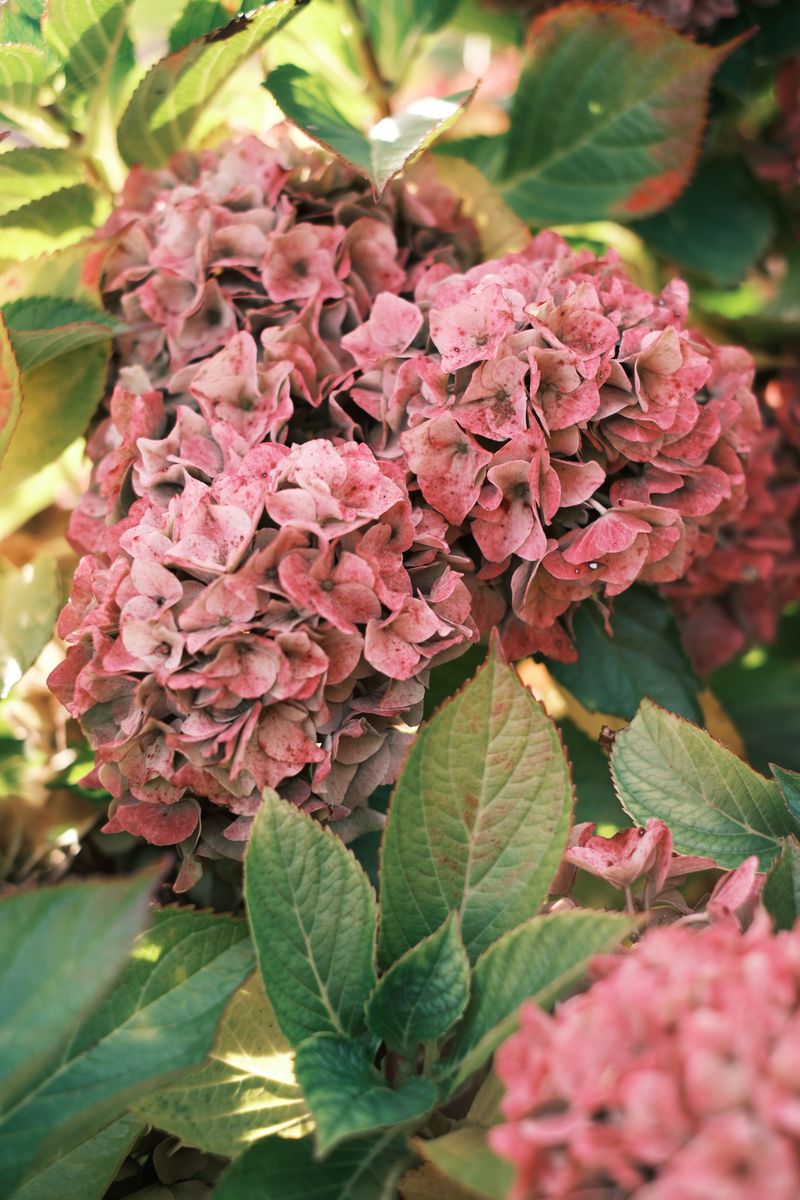
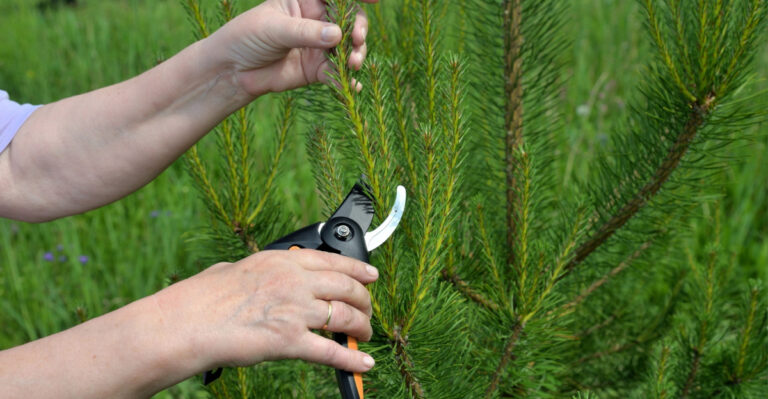
Pruners are tempting when brown blooms pile up. One wrong cut, though, can cost you a whole summer of flowers.
Bigleaf and oakleaf hydrangeas bloom on old wood, meaning last year’s stems. If you trim those, cut just below the faded flower head, above the first set of big healthy leaves.
Stop trimming by early August, since buds for next year are forming.
Reblooming bigleaf types like Endless Summer also flower on new growth. Light trimming through summer can even encourage a few extra blooms.
Panicle and smooth hydrangeas play by easier rules. They bloom on new wood, so heavy pruning in late winter or early spring works fine.
Many Ohio gardeners actually leave dried heads on through winter. They add texture against snow and may give buds a little extra shelter from cold winds.
Dried heads also make lovely indoor arrangements. Cut them when they feel papery, then stand them in a vase with no water.
Not sure which type you grow? Leave the stems alone until spring and watch where flowers appear.
Mulch and Fall Care Set Up a Big Hydrangea Comeback
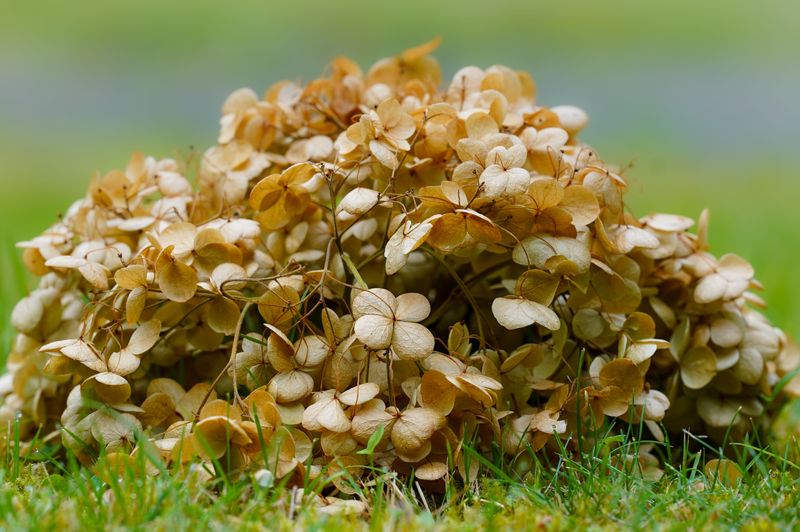
Fall feels like the end of the hydrangea show, yet it is really the setup for the next one. A little effort now pays off in June.
Spread two to three inches of shredded bark or leaf mulch around the base. Keep it a few inches away from the stems.
Mulch holds moisture, cools roots, and softens winter temperature swings.
Keep watering during dry autumn spells until the ground freezes. Roots keep growing in cool soil, and well-hydrated shrubs handle winter better.
Skip fertilizer now. Late feeding can push tender growth that frost may damage.
Northern Ohio gardeners in colder pockets sometimes wrap bigleaf types loosely with burlap. That shields buds from harsh winds and late spring freezes, which are a common reason these shrubs skip blooming.
Spring is a smart time for a soil test through your county extension office. Results show nutrients and pH, which also affect whether bigleaf blooms turn blue or pink.
Brown flowers fade away, but strong roots stay. Give them good care now, and your shrub should reward you next summer.
Browning blooms are usually just a sign that your hydrangea is wrapping up its summer show, not a sign that the plant is failing, so check the leaves, stems, and buds before reaching for the pruners.
With steady watering, a good layer of mulch, and a little patience through the colder months, your shrub should come back strong and reward you with a fresh wave of color next summer.