8 Thanksgiving Table Centerpieces You Can Make From Your Ohio Garden
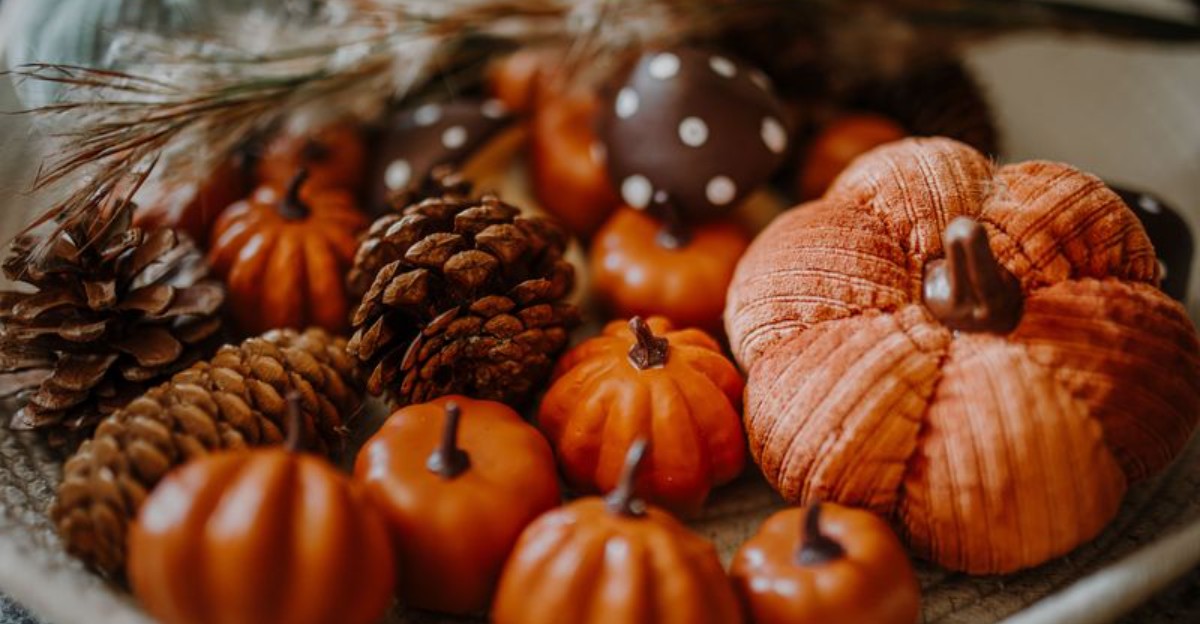
Your table doesn’t need a trip to the florist when your Ohio yard is sitting right outside the kitchen window.
Late fall leaves behind a surprising stash. Seed heads, berries, evergreen clippings, and a few stubborn blooms all look better on a dinner table than you’d expect.
Guests will assume you spent a fortune. You’ll know the whole thing came from a few snips and an old basket.
Eight ideas cover every style, from rustic farmhouse to polished and fancy. A couple take ten minutes.
A few need a little patience and a steady hand. Each one uses things most gardeners toss on the compost pile without a second look.
Some of the best picks hide in places you’ve probably walked past all season.
Grab your pruners and a basket before the weekend. The raw materials are waiting.
1. A Cornucopia Filled With Your Fall Harvest
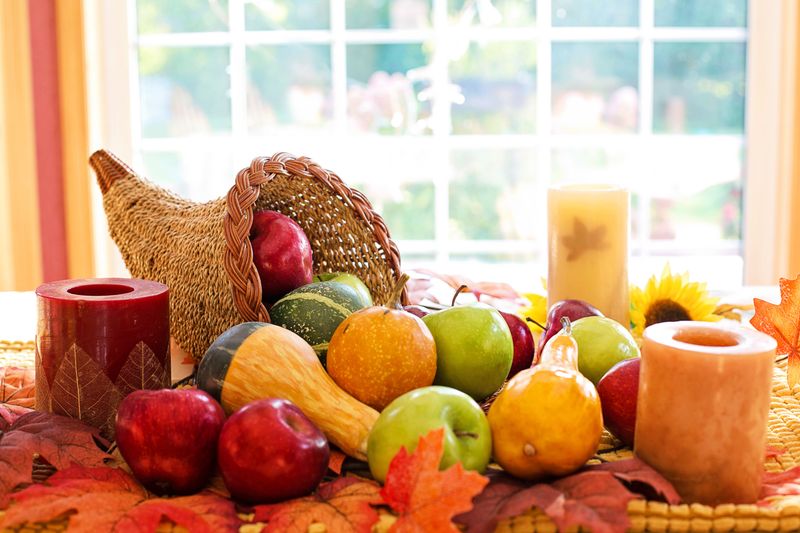
Long before store displays, folks filled a horn of plenty to show off a good year. The idea came from ancient Greek stories, and it still feels just right on a holiday table.
Start with a wicker horn from a craft store or thrift shop. Lay it on its side so the open end faces your guests.
Next, pull treasures from your own yard and kitchen. Small gourds, pumpkins, and Indian corn are easy to find across Ohio in the fall.
Apples add a shiny red touch, and Northeast Ohio U-pick orchards make gathering them a fun family trip. Clusters of Concord grapes look lovely spilling out the front.
For height, tuck a few dried wheat stalks into the back of the horn. They give the whole piece a cozy, rustic feel.
Try placing the heaviest items first, near the opening. Then fill gaps with smaller fruits so the arrangement looks full and natural.
Fresh fruit can soften after a few days, so add it the morning of your dinner. Gourds and corn can sit out for weeks without trouble.
Once the meal ends, the apples and grapes make a sweet snack. Very little goes to waste, which feels like the true spirit of giving thanks.
2. A Bowl Of Mini Pumpkins, Gourds And Indian Corn
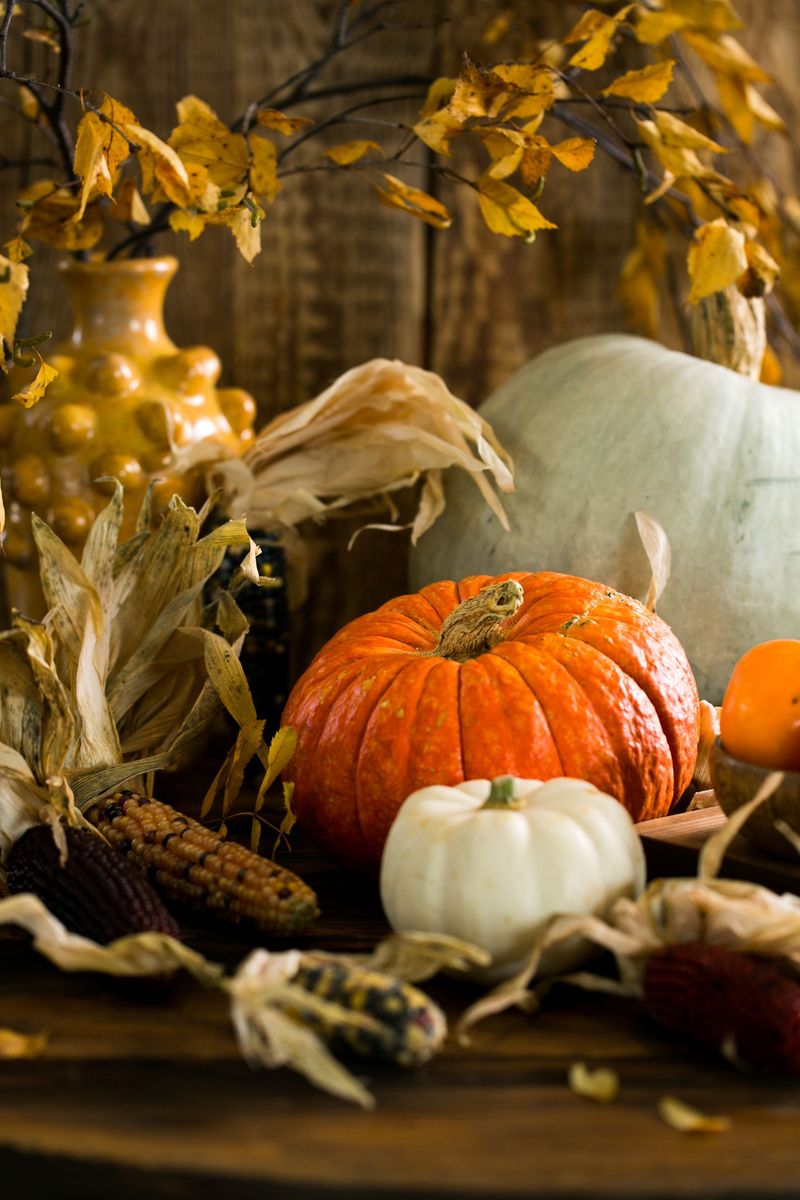
Some centerpieces take hours. Here’s one you can finish before the coffee finishes brewing.
All you need is a big bowl and a pile of small fall goodies. A wooden dough bowl, a metal basin, or even a basket works great.
Mini pumpkins come in orange, white, and soft green. Gourds add funny shapes, from warty knobs to long curved necks, so mix them up for a playful look.
Indian corn is the showstopper. Its kernels shine in red, purple, gold, and blue, almost like little stained glass windows.
Fun fact: the colors come from natural pigments, not paint. Each ear is a little different, which makes every bowl one of a kind.
For the best picks, shop or harvest in early to mid-October. That’s when Ohio patches and farm stands are bursting with choices.
Your Ohio Garden Changes Every Week. Your Plan Should Too.
Gardening in Ohio changes quickly throughout the season. Every Friday you’ll receive a simple weekly plan showing exactly what to plant, prune, fertilize, harvest, and protect so you never miss the right timing.
Wipe each piece with a damp cloth so it looks clean and glossy. A dry spot indoors keeps them firm for many weeks.
Pile the corn first, peeling the husks back so they fan out. Then nest pumpkins and gourds in between.
Kids love helping with this one. Let them pick their favorite oddball gourd for the top spot.
3. Dried Hydrangea Heads In A Rustic Container
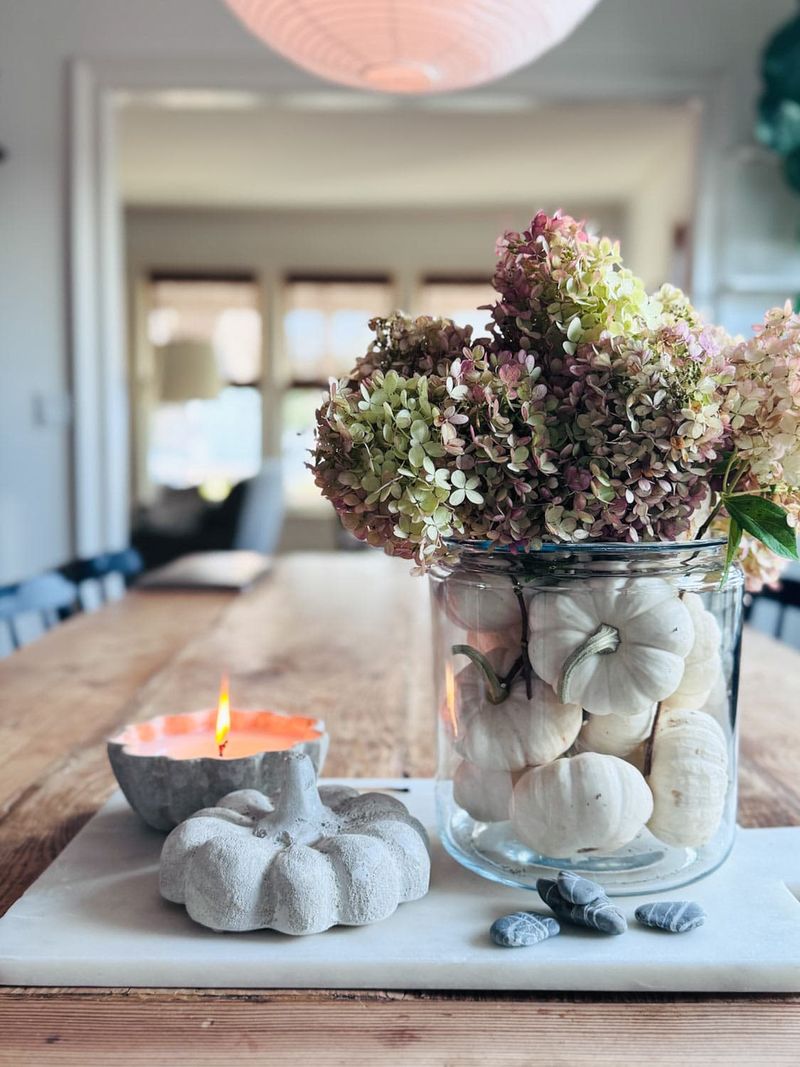
Remember those big summer flower clusters that turned soft pink and green by September? They have a second act waiting.
Hydrangeas dry beautifully, and their faded colors look like an old painting. In Ohio, harvest them from late August through early October.
Wait until the petals feel papery between your fingers. That texture tells you the bloom is ready to hold its shape.
Cut stems about 12 to 18 inches long. Strip off the leaves so the flower heads get all the attention.
Here’s the surprising trick. Place the stems in a vase with just a few inches of water, then simply walk away.
Over two to three weeks, the water slowly disappears. The blooms dry gently, keeping more of their color and fullness than a quick dry would.
Keep them out of bright sun, both while drying and on display. Sunlight fades those lovely vintage shades fast.
A light spritz of hairspray helps fragile petals stay put. Hold the can about a foot away for an even coat.
Now pick a rustic home for them. An old crock, a galvanized bucket, or a wooden box all look charming.
Best of all, these can last for months, well past the holiday.
4. Ornamental Grass Plumes In A Tall Vase
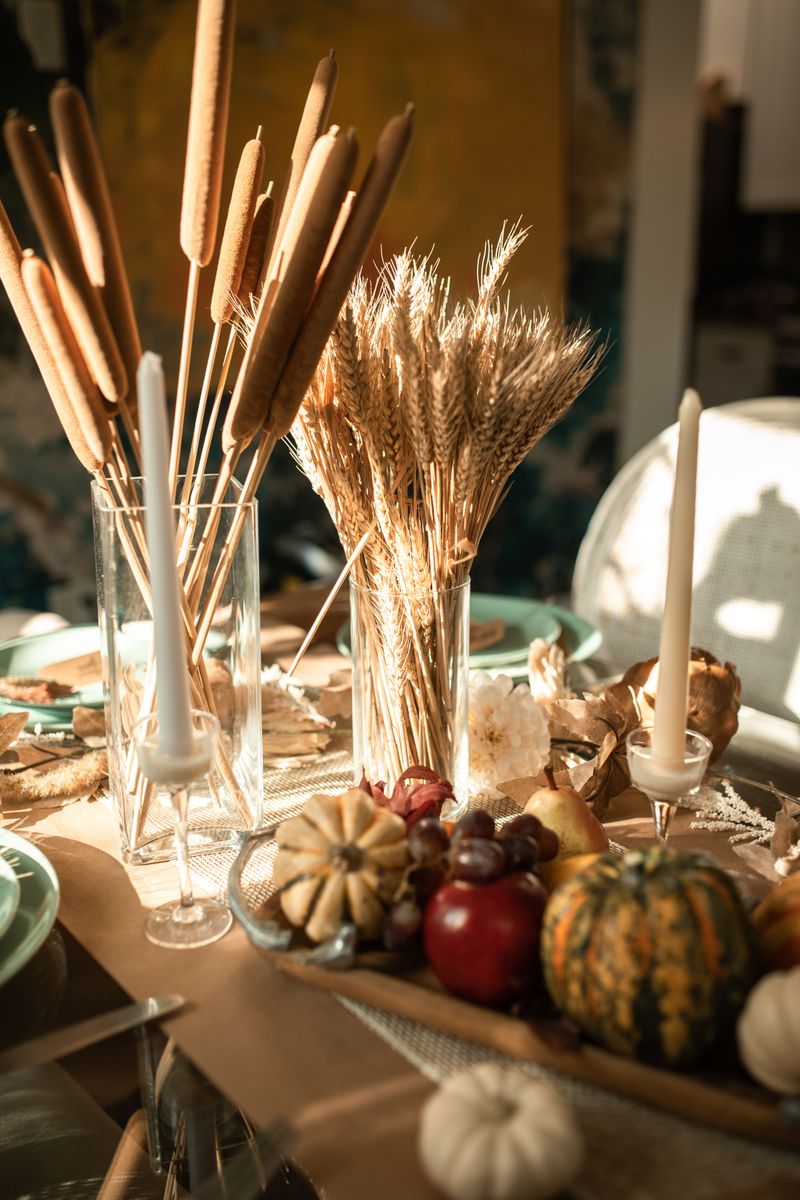
Watch your ornamental grasses on a breezy afternoon. They sway like dancers, and you can bring that grace right to your table.
Many grasses send up feathery plumes as fall rolls in. Snip a handful, and you have instant height and drama.
Karl Foerster Reed Grass offers tan seed heads with a reddish-copper glow. It stands straight and tidy in a vase.
Indian Grass, an Ohio native, makes golden, feathery plumes that shimmer in low light. Its leaves often blush orange and purple, adding extra fall color.
Switch Grass, Little Bluestem, and Pennisetum bring softer, airy plumes. Silver Plume Grass flowers in September and October with tall, shimmering tops.
Cut stems on a dry day so they hold up well. Choose plumes that just opened, since older ones may shed.
Pick a tall, narrow vase so stems stay upright. Clear glass shows off the stalks, while pottery feels earthy.
Group one type for a clean, modern look. Mix two or three kinds for a wild meadow feel.
Keep the plumes at the ends of the table or on a side buffet. That way guests can still see each other across dinner.
No water is needed, so this one is nearly effortless.
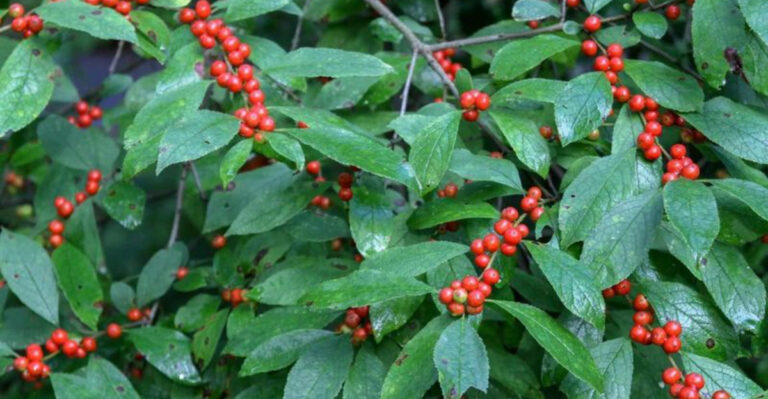
5. A Simple Vase Of Winterberry Branches
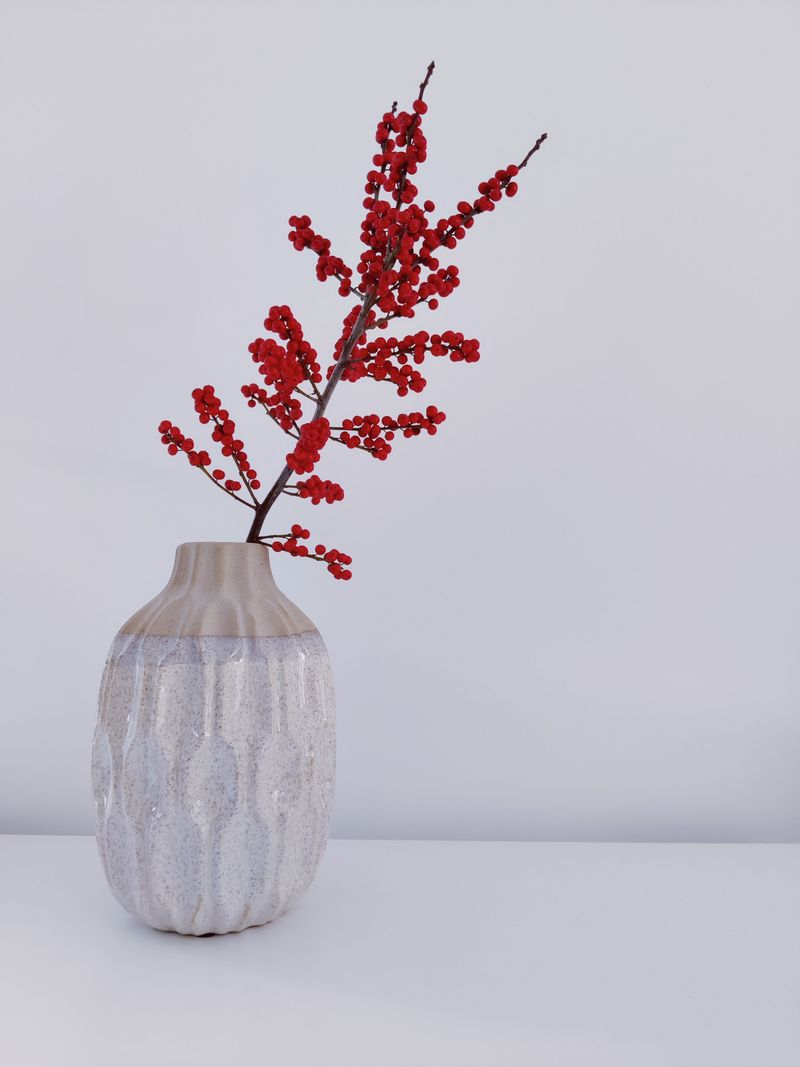
Bright red berries on bare gray stems look almost too perfect to be real. Winterberry pulls off that trick every fall.
Its proper name is Ilex verticillata, and it’s a native holly that drops its leaves. Once the leaves fall, the berries steal the show.
Branches are usually ready for cutting in November and December. That timing lines up nicely with Thanksgiving.
You get two ways to use them. Fresh cuts can sit in water, or you can go dry with no water at all.
In a dry vase, berries will shrivel a bit. Still, they keep that deep red color, so the look stays cheerful.
For the freshest display, recut each stem at an angle. Then set the vase away from sunny windows and heat vents.
Simple works best here. A white pitcher, a mason jar, or a dark crock lets the red pop.
Cut branches of different lengths for a natural shape. Odd numbers, like three or five, look more balanced than even ones.
Birds love these berries too. Leave plenty on the shrub so your feathered neighbors get a holiday feast of their own.
One snip, one vase, and you’re done.
6. Evergreen Clippings Tucked Around Pine Cones
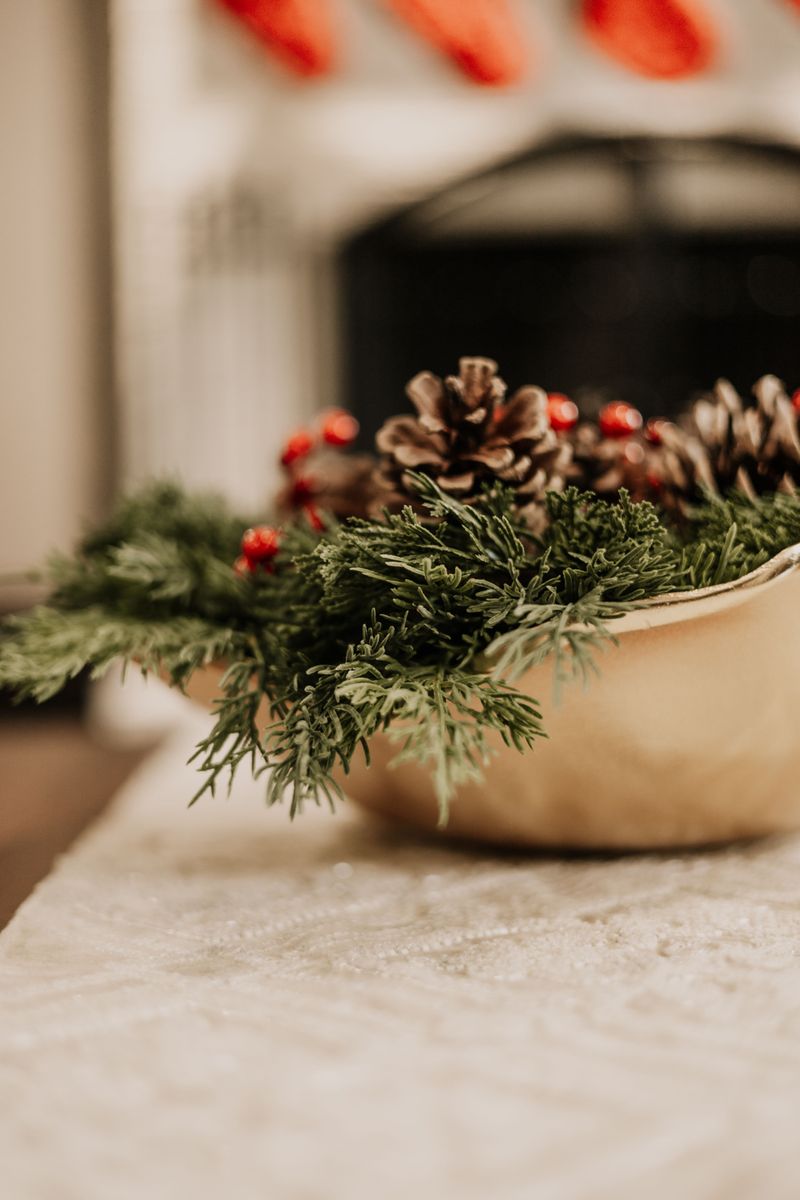
Take a deep breath near a spruce tree. That fresh, piney smell can fill your whole dining room with this easy idea.
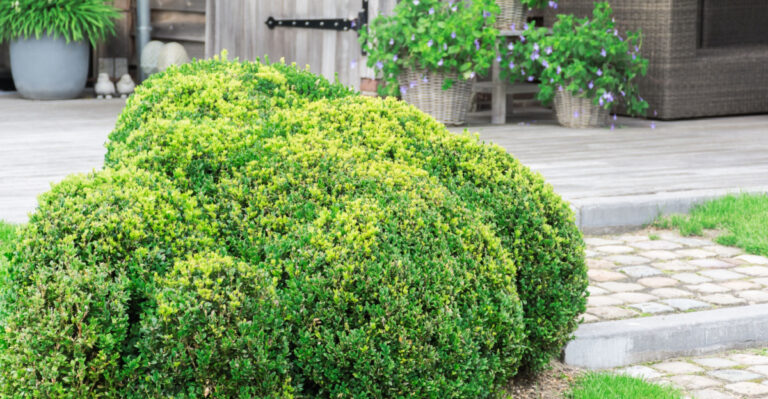
Evergreens give a rich green that pairs well with fall oranges and browns. Boxwood, Arborvitae, and Spruce grow in many Ohio yards.
Snip small pieces from the back or bottom of each shrub. Your plants won’t miss them, and they may even look tidier.
Now for the pine cones. They drop from September through December, so look under trees in your yard, parks, or nearby woods.
White pine cones ripen around early September. They shift from green to reddish purple or brown as they mature.
Long Norway spruce cones are common in Ohio yards and last for years. Mix them with smaller white pine cones for more interest.
Bake collected cones on a foil-lined sheet at about 200 degrees for 30 minutes. It dries out sap and sends hiding bugs packing.
Lay greens down the table center like a runner. Then tuck cones in clusters along the line.
Add a few candles in glass holders for a soft glow. Keep flames safely away from the greens.
Mist the clippings with water each day, and they’ll stay perky through the long weekend.
7. Dried Seed Heads Gathered From Your Perennial Beds
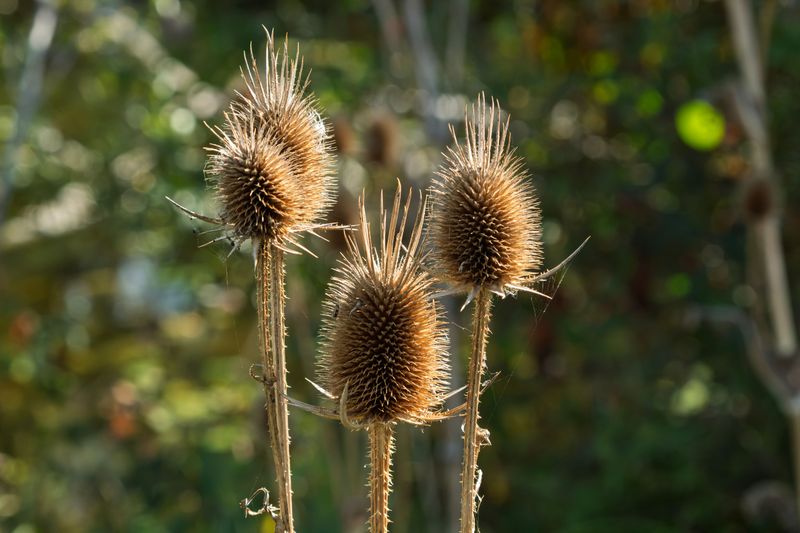
Lazy gardeners, rejoice. Skipping fall cleanup can actually give you the coolest centerpiece on the block.
Those brown flower heads left on your perennials are full of texture. Spiky, fuzzy, and round, they look like tiny sculptures.
Coneflowers, or Echinacea, form bold seed heads from July through October. Their prickly domes stand tall in any vase.
Sedum, also called Stonecrop, blooms from August to October. Its flat rusty heads dry well and hold their shape.
Black-Eyed Susans leave dark button centers from midsummer into fall. Asters bloom until the first hard frost, then form soft, dandelion-like puffs.
Agastache, Phlomis, and Eryngium are other fun picks. Phlomis has stacked whorls that look like little towers.
Gather stems on a dry morning after the dew lifts. Tie them in small bunches if you want to dry them more.
Arrange them in a crock or jar with a few grass plumes. For color, tuck in coral bells leaves in purple, red, orange, or gold.
Leave some seed heads standing outside too. Goldfinches and other birds snack on them through winter, giving you a free show from the kitchen window.
8. Rose Hips And Crabapples For Bright Pops Of Red
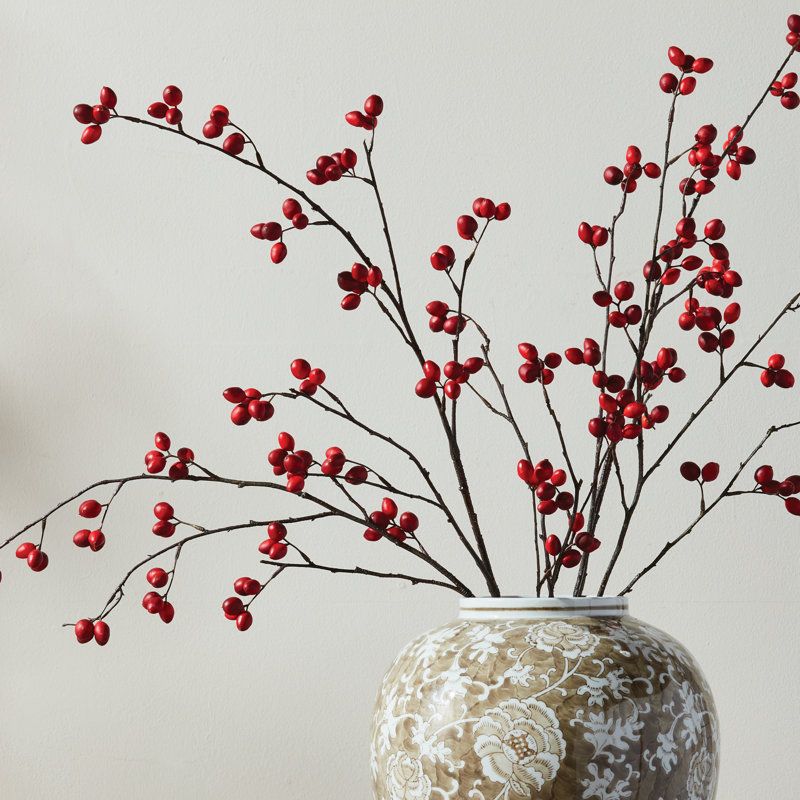
Ever notice little red balls on your rose bushes after the flowers fade? Those are rose hips, and they’re like nature’s holiday ornaments.
Fall is the ideal time to pick them. Rosa rugosa makes extra large, plump hips that really stand out.
Drop them into a vase, wind them into a wreath, or pour them around a candle. They glow like tiny lanterns.
A light mist of hairspray helps keep them round and shiny. Without it, they may wrinkle sooner.
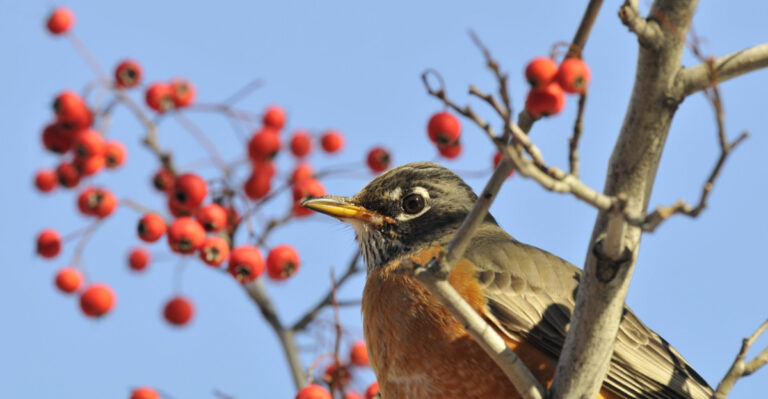
Crabapples bring even more color. Their small fruits cling to branches long after the leaves fall, often into winter.
Ohio has a special connection here. Ohio State University’s Crablandia in Wooster shows off many ornamental crabapple types.
Malus ‘Evereste’ carries orange-red fruits. ‘Street Parade’ has shiny purple-red apples, and SUGAR TYME bears bright red ones.
Cut a few fruit-loaded branches and set them in a tall vase of water. Recut the stems first so they drink well.
Mix rose hips and crabapples with evergreen sprigs for a festive combo. The red against green looks bold and happy.
Your table will sparkle with color, all picked from your own backyard.