The Fall Tomato Varieties Florida Gardeners Can Finally Plant Again
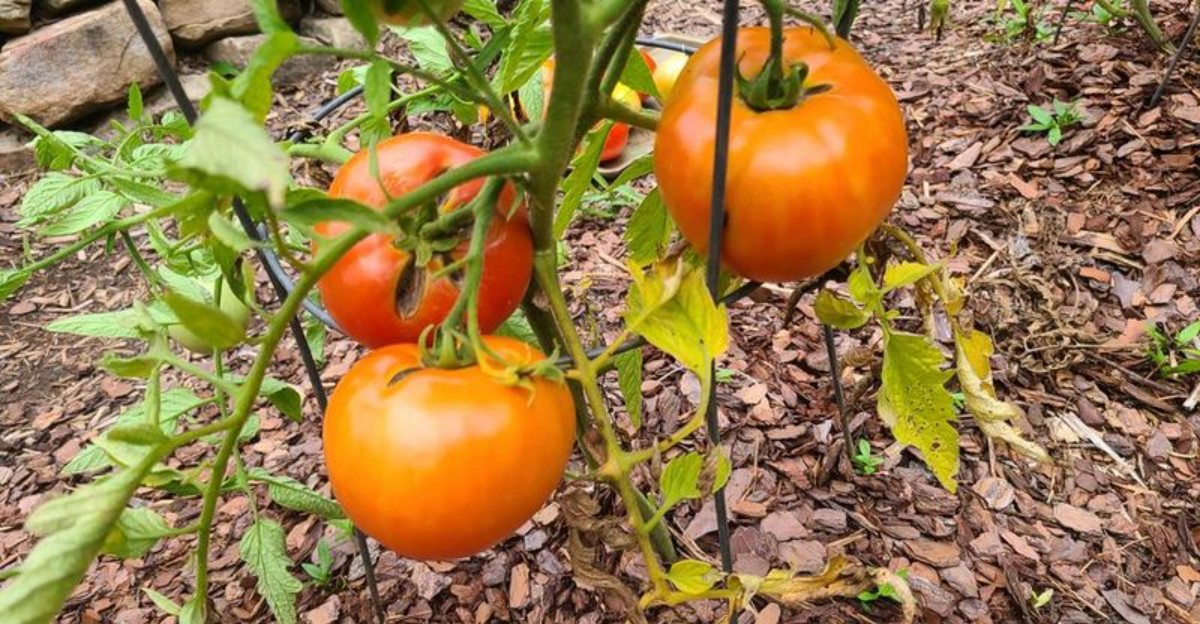
Tomato plants that quit setting fruit in July were not being lazy, as summer heat in much of Florida simply shuts down pollination.
Milder nights bring back the conditions tomatoes need to flower and hold fruit again. Variety choice can matter more now than in spring, because the season ahead brings its own challenges.
Some tomatoes handle lingering warmth better, while others resist diseases that spread quickly in fall.
Plants picked off a random shelf may grow fine and still give you little fruit. Read the tag for disease-resistance letters before buying, since those codes reveal a lot about a variety.
Gardeners farther south usually have the longest window, while northern areas face a tighter schedule before cold arrives.
Smart variety choices now can turn a short fall season into one of the year’s most productive.
1. Florida 91 Sets Fruit Even When Days Stay Hot
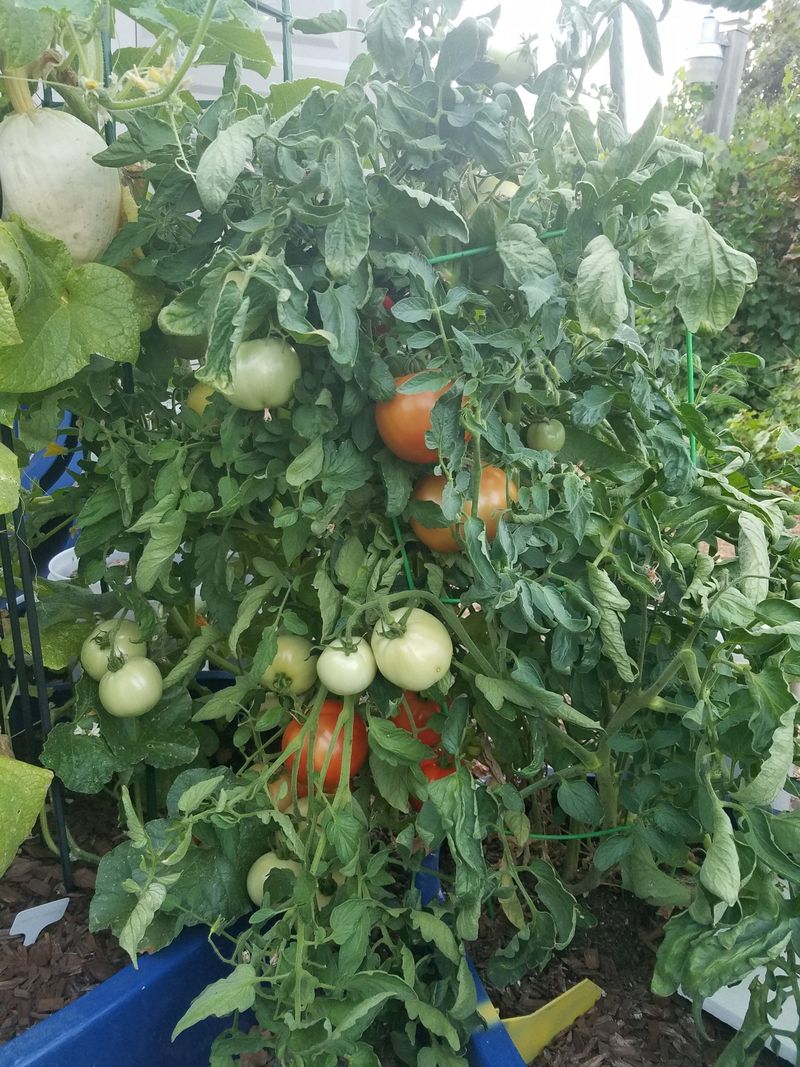
Hot weather is usually the reason tomato flowers drop without making fruit. Florida 91 was developed by the University of Florida to handle that problem better than standard slicers.
It is known as a heat-tolerant variety, which means it can often set fruit when temperatures run higher than many tomatoes like.
Plants produce medium to large red fruit with a firm texture. You will find it listed often in seed catalogs aimed at Southern growers, and it has a long track record with commercial farms.
Early fall planting is where this one really earns its spot. August and September can still bring muggy days across much of the state, so a tomato that keeps setting fruit through that stretch makes sense.
Heat tolerance has limits, though. Very warm nights can still reduce fruit set, even on a tough plant like this one.
Plant it in full sun and give it a sturdy stake or cage. Plants are determinate, so they grow to a set size and ripen much of their crop over a fairly short window.
Water deeply and evenly once the transplants settle in, since uneven moisture can lead to cracking or blossom end rot.
Flavor is pleasant and classic rather than bold. If you want dependable slicers more than heirloom taste, Florida 91 is a practical pick to start your fall bed.
2. Solar Fire Handles The Heat Of Early Fall Plantings
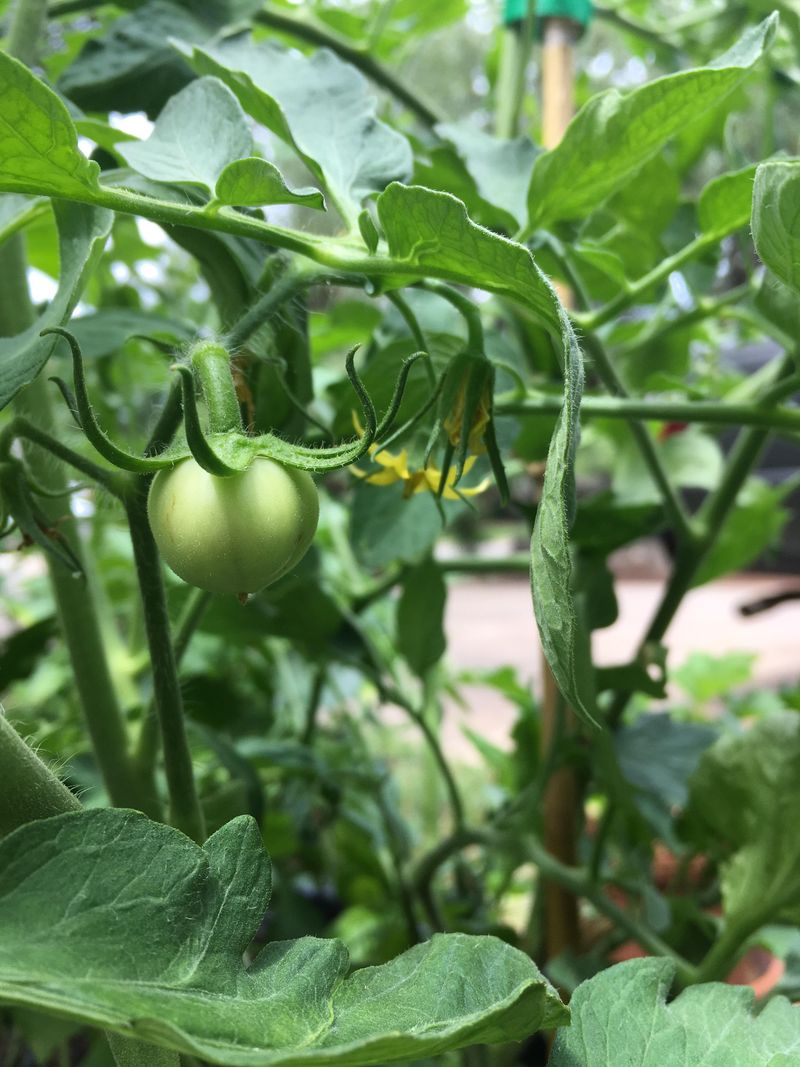
Some tomatoes sulk in the heat. Solar Fire was bred to keep working when early fall weather still feels like July.
It came out of the University of Florida breeding program and is described as a heat-set tomato.
That label means the plant is better able to form fruit during warm stretches that cause other varieties to drop their blooms. Gardeners planting in late summer often look for exactly that trait.
Fruits are large, round, and red, with a firm feel that holds up well in the kitchen. Solar Fire is also listed with resistance to several common tomato diseases, including some races of Fusarium wilt.
Resistance helps, but it is not a shield against every problem.
Good spacing and airflow still matter, especially when late summer storms keep leaves wet. Try watering at the base of the plant in the morning so foliage can dry during the day.
Your Florida Garden Changes Every Week. Your Plan Should Too.
Gardening in Florida changes quickly throughout the season. Every Friday you’ll receive a simple weekly plan showing exactly what to plant, prune, fertilize, harvest, and protect so you never miss the right timing.
Plants are determinate and stay fairly compact, which suits raised beds and smaller yards. A cage or short stake keeps the heavy fruit off the ground.
Expect your harvest to come in a big flush rather than a slow trickle. That can be handy if you like making sauce or sharing extras with neighbors.
Give it rich soil, steady moisture, and plenty of sun for the best chance at a solid crop.
3. Solar Set Was Bred To Improve Yields In Hot Fall Weather
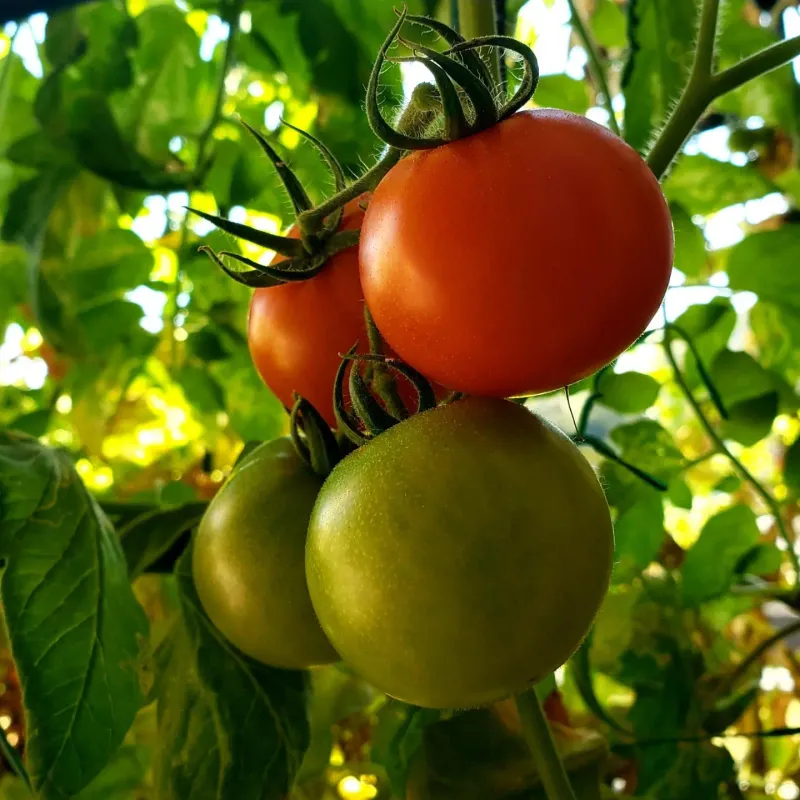
Warm nights can quietly ruin a tomato crop. Pollen loses strength in high heat, and flowers may fall off before any fruit forms.
Solar Set was released by the University of Florida as an answer to that frustrating pattern.
Breeders aimed for a plant that would set fruit more reliably during hot conditions, especially for fall and early spring crops. It became a familiar name with growers in warm regions.
So what does that mean in your yard? You may see more fruit on the vines during warm early fall weeks than you would with a typical slicer.
Fruits are medium to large, red, and firm. Plants are determinate, so they reach a set height and then focus on ripening their crop.
Yields still depend on care and weather, and no variety performs well in every season.
Steady watering is a big piece of the puzzle. Mulch around the base helps hold moisture and keeps soil from splashing onto lower leaves during heavy rain.
Watch for whiteflies, hornworms, and stink bugs, which can show up as plants grow. Checking leaves a few times a week makes it easier to catch trouble early.
Seeds for Solar Set can be harder to find than they once were. If you spot them, they are worth trying in a sunny fall bed.
4. Tasti-Lee Stands Out For Its Rich Flavor And Deep Red Color
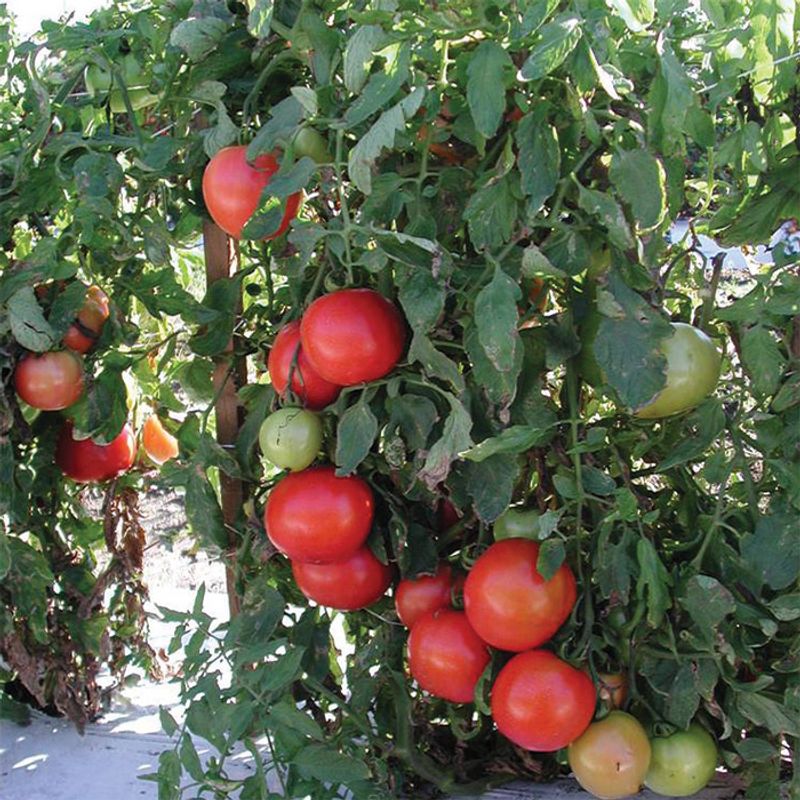
Cut one open and the color tells you something is different. Tasti-Lee has a deep red interior that looks richer than many grocery store slicers.
It was developed by Dr. Jay Scott at the University of Florida with flavor as a major goal.
Much of that red comes from higher levels of lycopene, a natural pigment found in tomatoes. Breeders also aimed for a sweeter, fuller taste than typical commercial tomatoes offer.
You may have seen the name in stores first. Tasti-Lee was grown commercially and sold in supermarkets, which made it familiar to shoppers before many home gardeners tried it.
Home seed can be tricky to locate, since availability has changed over the years.
When you do find it, treat it like any fall tomato. Give it full sun, rich soil with compost mixed in, and a sturdy support system.
Flavor can shift with growing conditions. Cooler nights later in fall may bring out sweeter fruit, while overwatering might make tomatoes taste a little bland.
Fruits are medium-sized and round, perfect for slicing onto burgers or tossing into salads.
Let tomatoes ripen fully on the vine when birds and squirrels allow it. If critters are a problem, picking at first blush and finishing them on the kitchen counter still gives good results.
5. Everglades Tomatoes Keep Producing Tiny Fruit Through Hot Weather
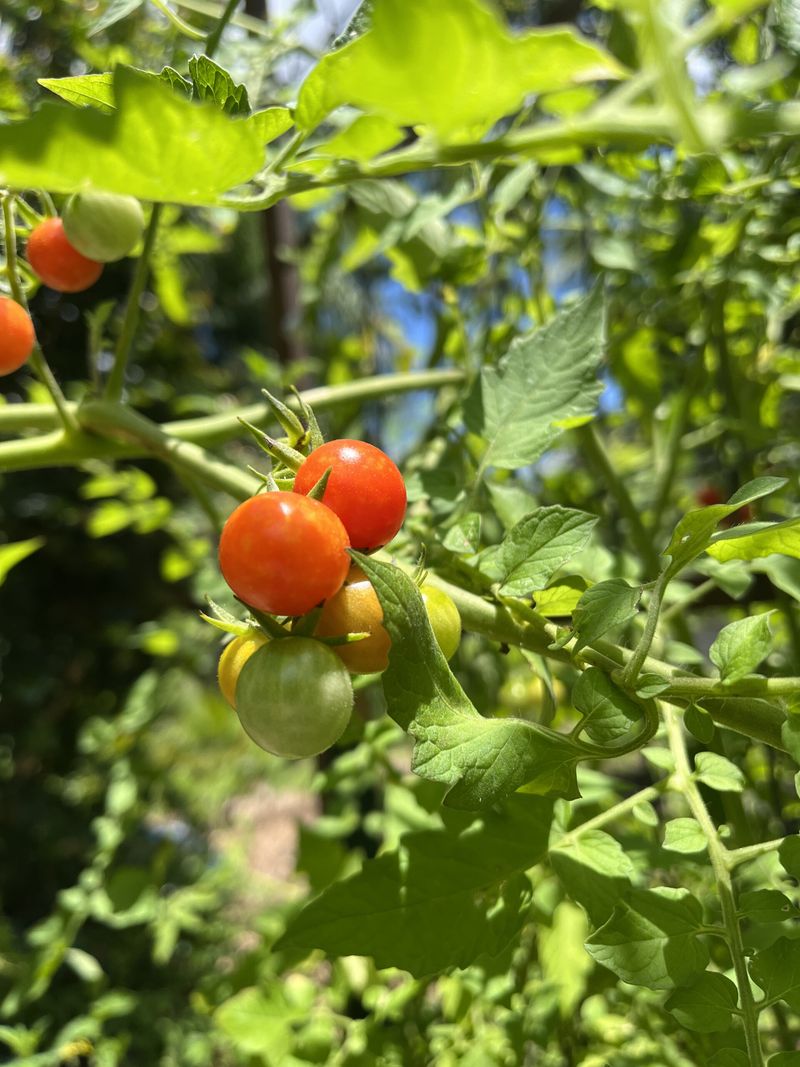
Think marbles, not baseballs. Everglades tomatoes are tiny, often about the size of a small grape or smaller.
It is a currant-type tomato that grows wild in parts of Florida, and gardeners prize it for its toughness.
Vines tend to sprawl and keep growing, so give them room or a tall trellis. Plants often reseed on their own, which means you might find surprise seedlings popping up next season.
Heat is where this little tomato shines. While big slicers may stop setting fruit in steamy weather, Everglades plants often keep flowering and producing through warm spells.
Flavor is bright and a bit tangy, packed into a single bite.
Picking can take a while because the fruit is so small. Kids often enjoy the job, and snacking straight from the vine is half the fun.
Expect some cracking after heavy rain. That is common with small tomatoes when soil moisture swings quickly.
Disease and pest pressure still exist, so a hardy reputation does not mean zero problems. Keep an eye out for leaf spots and caterpillars.
Seeds are sold by several Southern and heirloom seed companies. If you want something easy and productive for an early fall start, this small wonder is a fun addition to almost any sunny spot.
Harvest ripe tomatoes frequently so fallen fruit does not scatter seeds throughout your garden.
A little regular picking can help keep these vigorous plants from spreading into beds where you did not plan to grow them.
6. Garden Gem Was Developed With Home Gardeners In Mind
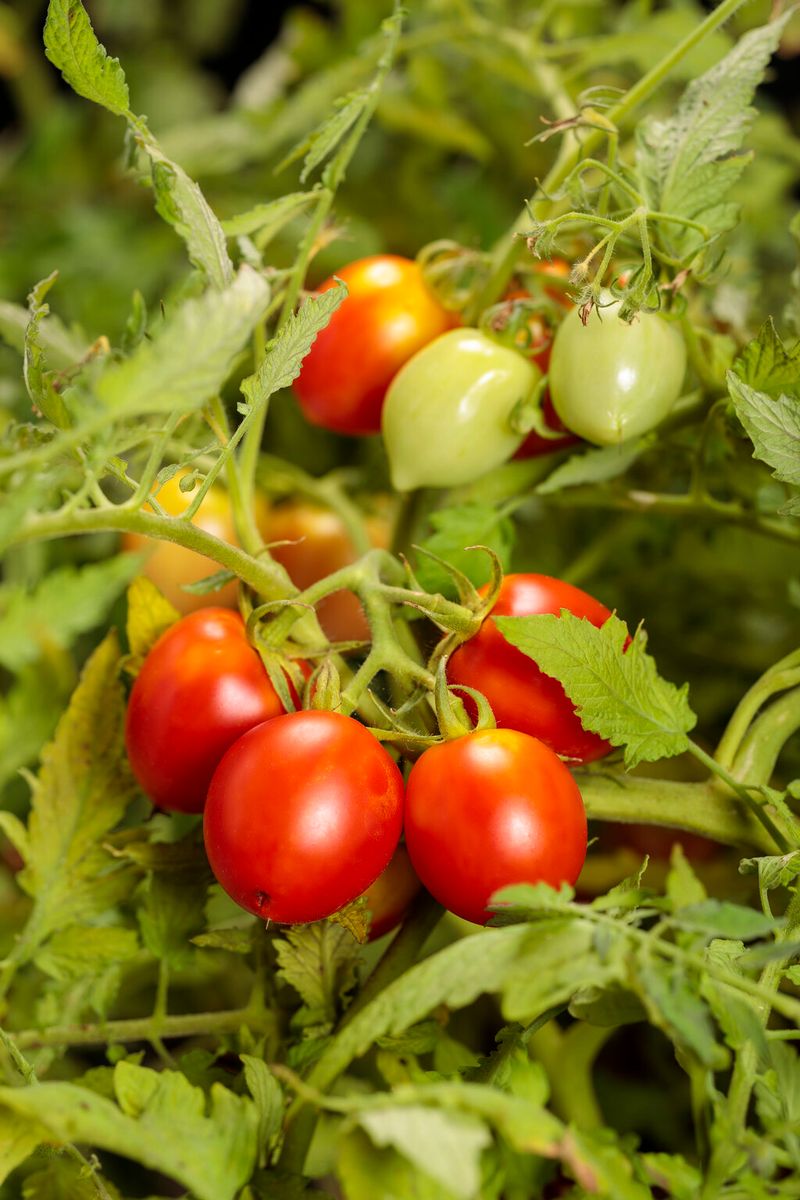
Most modern tomatoes were bred for trucks, shelves, and long shipping trips. Garden Gem took a different path.
Breeders at the University of Florida, including Dr. Harry Klee, developed it with backyard growers as the main audience.
Flavor was the top priority. The team worked on tomato taste for years, and Garden Gem came out of that effort as a small, oval fruit with a sweet, rich flavor.
Fruits sit between a cherry and a small plum tomato in size. They work well fresh, roasted, or tossed into pasta.
Plants are productive and fairly easy to manage with a stake or cage.
In Florida, seed has been offered through a UF program and some seed sellers, sometimes paired with Garden Treasure. Supplies can be limited, so ordering early in summer gives you a better shot before fall planting.
Start seeds indoors or in a shaded spot about four to six weeks before you plan to transplant. Young seedlings appreciate some protection from harsh afternoon sun at first.
Once planted, keep watering consistent and add mulch to help with moisture.
Taste can vary with weather, soil, and feeding. Even so, many home gardeners find Garden Gem a welcome change from bland store tomatoes, and it rewards a little patience.
Pick the fruits once they develop their full red color for the best flavor.
Regular harvesting also makes it easier to spot new fruit and keep track of how the plant is producing.
7. Garden Treasure Combines Rich Flavor With High Yields
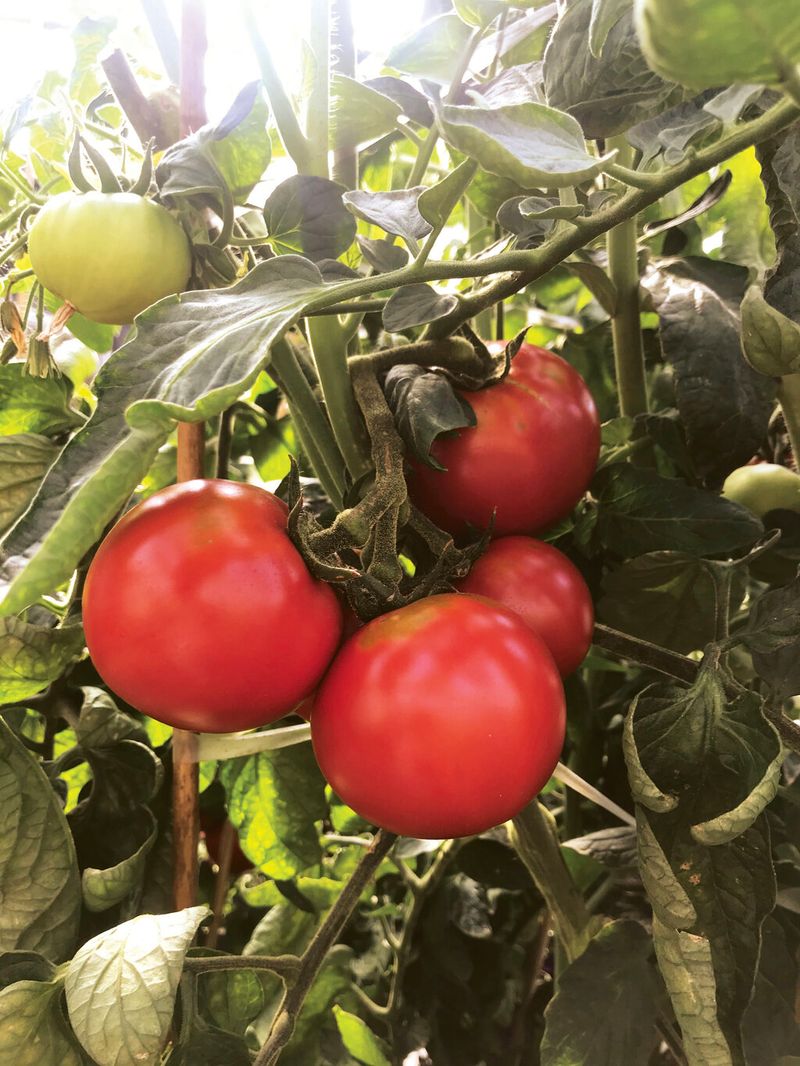
Big flavor and a big harvest rarely come in the same plant. Garden Treasure tries to offer both.
It is a sister release to Garden Gem from the University of Florida, but the fruit is larger and better suited for slicing.
Picture a classic round red tomato that fills a sandwich. Breeders worked to keep strong taste while also giving home growers a productive plant.
Yield always depends on conditions. Sun, soil, water, and pest pressure all play a part, so one yard might see heavy production while another sees an average crop.
Still, early reports from home gardeners have been encouraging.
Plants grow vigorously and need solid support. A tall cage or a stake with regular ties keeps heavy branches from bending or snapping.
Feeding matters with a productive tomato like this one. Work compost into the bed before planting, then follow a balanced fertilizer plan suggested by your local Extension office.
Too much nitrogen can lead to lots of leaves and fewer fruit.
Harvest when fruits show full color and feel slightly soft. If heavy rains are coming, picking a little early can help reduce cracking.
Pair Garden Treasure with Garden Gem in your fall bed, and you will have small snacking tomatoes plus larger slicers from the same breeding program.
Both varieties benefit from consistent watering, especially as flowers develop and fruits begin to grow.
8. Bella Rosa Offers Resistance To Tomato Spotted Wilt
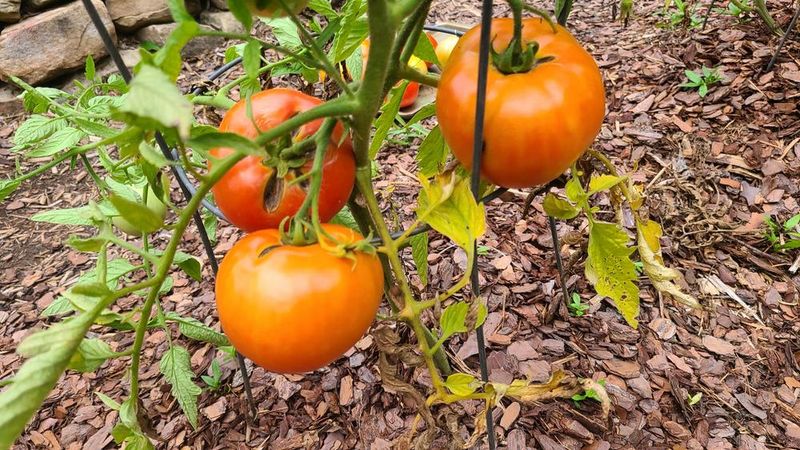
Tomato spotted wilt virus can wreck a promising plant fast. Thrips spread it while feeding, and once a plant is infected, there is no cure.
Bella Rosa is a hybrid bred with resistance to this virus, which makes it appealing in areas where it shows up often.
Resistance lowers the risk, though it does not promise a plant will stay clean. Strong virus pressure or other diseases can still cause trouble.
Fruits are large, round, and red with a firm texture. Plants are determinate and also handle heat fairly well, which helps with August and September plantings.
Thrips are tiny and easy to miss, so checking flowers and new growth is a smart habit.
Removing weeds around the garden may help, since some weeds can host thrips and the virus. Reflective mulch is another option some Extension specialists mention for reducing thrips.
If a plant shows bronzed leaves, ring spots, or stunted growth, it may be infected. Pull it out promptly so it does not act as a source for nearby plants.
Similar symptoms can have other causes, so a sample to your county Extension office can confirm the problem.
Bella Rosa gives gardeners one more practical tool. Combined with good garden habits, it can make a fall tomato bed far less stressful.