8 Things That Attract Palmetto Bugs Into Florida Homes in Winter
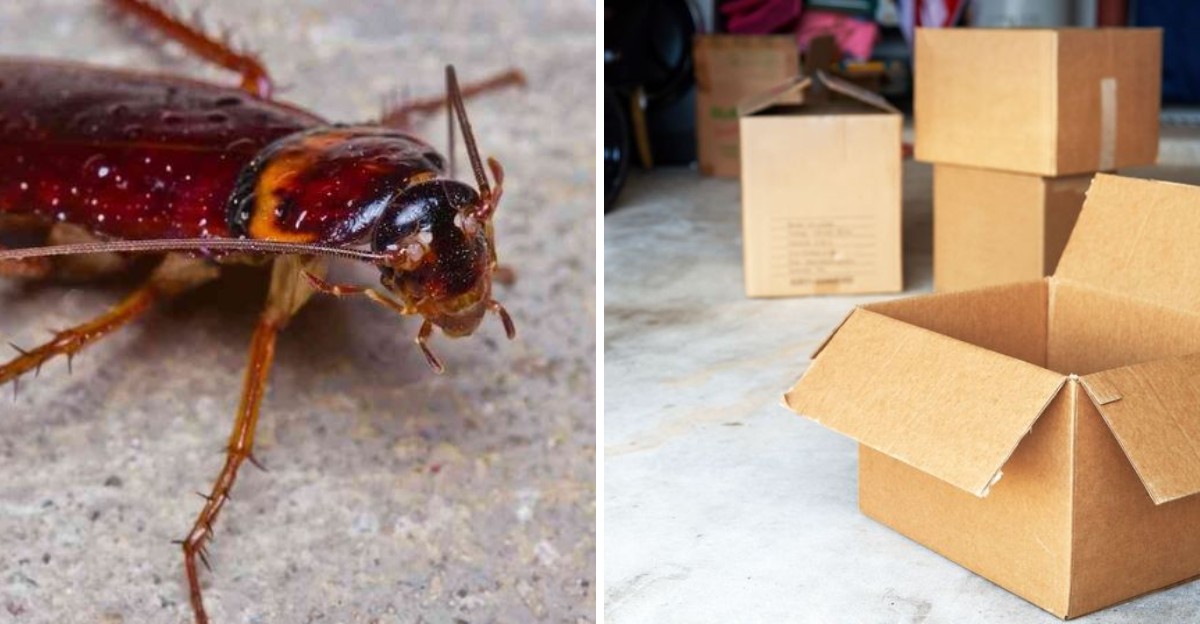
A shiny brown visitor in many Florida kitchens can spray a foul-smelling liquid when it feels cornered. Don’t tell anyone, but the first time I smelled it, I backed out of my pantry like I’d seen a ghost.
Our winters stay fairly mild, yet chilly nights can still push these big insects toward cozy spots indoors. Some of them can even glide down from trees and rooftops, landing right beside your porch door.
You might notice them near the sink at midnight, scrambling away the moment the light clicks on. My bet is that most homes invite them in without meaning to, through small daily habits we rarely notice.
Living in Florida means sharing space with plenty of bugs, but these hefty guests can be gently discouraged. Whatever keeps pulling them through your door on cool evenings is usually sitting in plain sight.
1. Leaky Pipes Under The Kitchen Sink
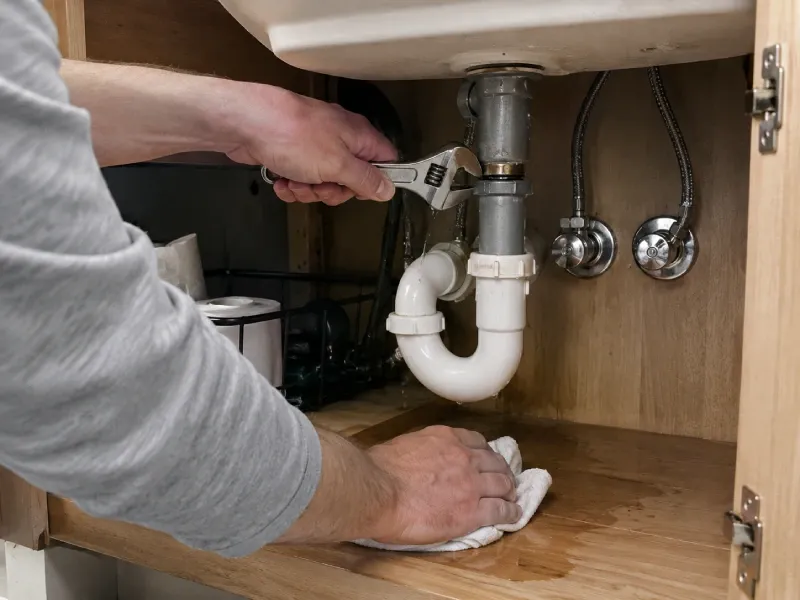
Water is the one thing these roaches crave more than crumbs, and a slow drip feels like a buffet. I once found three of them lined up under my sink, sipping from a tiny loose fitting.
American cockroaches, the most common palmetto bug, can go much longer without food than without water. That simple fact explains why damp kitchens and steamy bathrooms top their list of favorite indoor hangouts.
Winter indoors can still feel damp, because hot showers and simmering pots release plenty of moisture into the air. Condensation then gathers on cold pipes and windowsills, leaving tiny puddles that thirsty insects can easily find.
You need to grab a flashlight and peek under every sink in the house at least once a month. Look for water stains on the cabinet floor or a musty smell that hints at a hidden leak.
Tightening a loose slip nut or swapping a worn washer often takes ten minutes and costs very little. For bigger drips inside walls, calling a licensed plumber saves you from mold problems later on too.
I also like running the bathroom exhaust fan for about twenty minutes after every hot shower. Wiping the sink and tub dry before bed removes the easy nighttime drink these bugs go looking for.
Small changes like these add up fast, and your home becomes far less appealing to thirsty visitors. Fixing one dripping faucet might be the easiest pest control move you make all winter long.
2. Crumbs And Pet Food Left Out Overnight
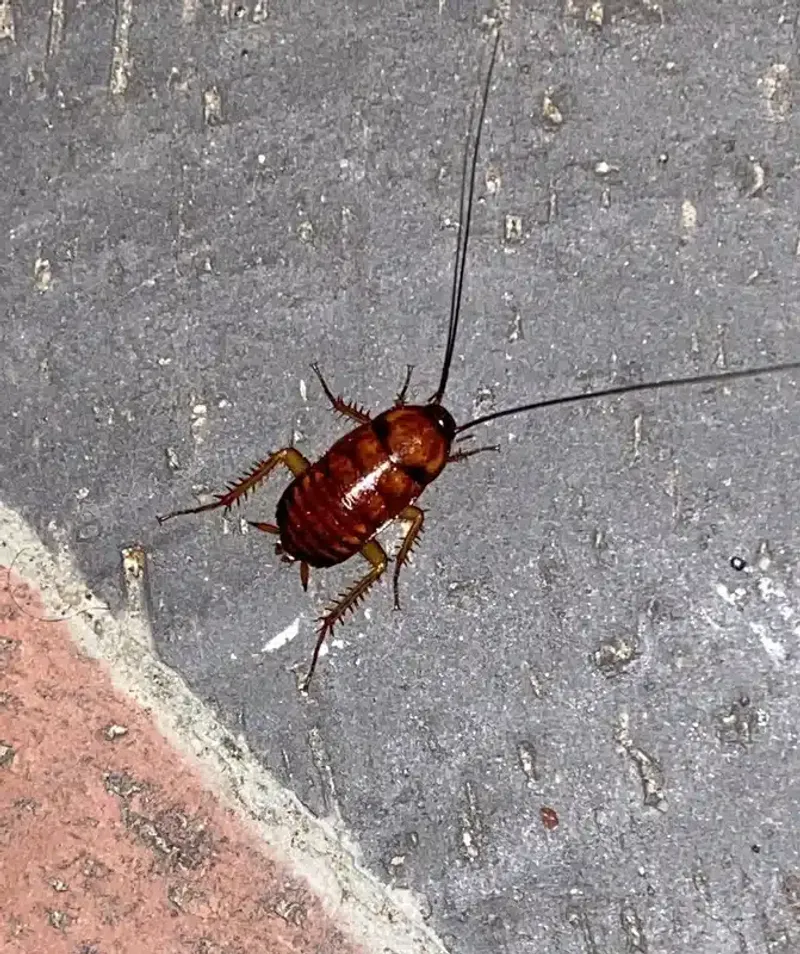
Palmetto bugs are not picky eaters, and honestly, that is what makes them such stubborn houseguests. A single cracker crumb under the toaster can look like a feast to a hungry roach.
These scavengers happily munch on greasy spills and sugary drips, plus things you would rarely consider food. American cockroaches will nibble the starchy glue in book bindings and the paper on cardboard boxes.
Pet bowls are a sneaky problem, especially when kibble sits out all night near a warm wall. I love my dog dearly, but her leftover dinner used to attract more roaches than I care to admit.
You can solve that by picking up bowls after meals and storing dry food in sealed plastic bins. Paper bags and cardboard boxes are easy for these chewers to get through, so upgrade your containers.
Holiday baking season brings extra flour dust and sticky spills that settle into corners and cabinet cracks. A quick wipe with soapy water after cooking removes most of the tasty film these insects follow.
Garbage cans deserve attention too, so choose one with a snug lid and empty it every evening. Rinsing food containers before tossing them in recycling bins cuts down on lingering smells that draw bugs closer.
What surprises me most is how fast sightings drop once the kitchen stays clean for a week or two. Hungry roaches tend to wander somewhere else when your home stops offering them free midnight snacks.
3. Damp Mulch And Leaf Piles Against The Foundation
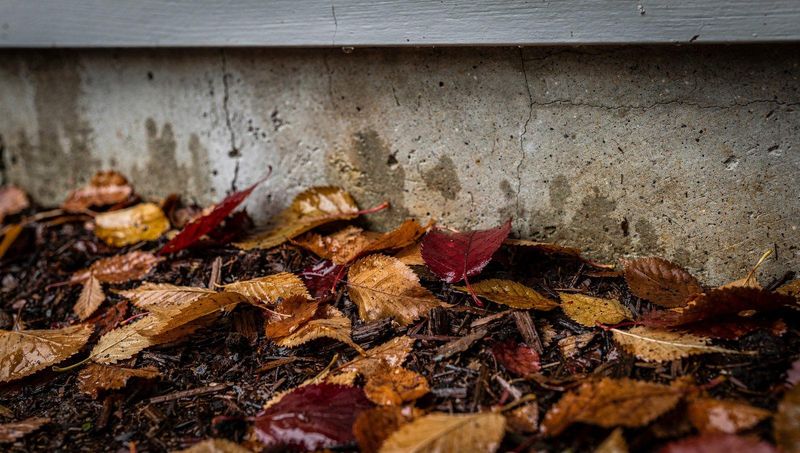
Out in the yard, the Florida woods cockroach spends much of its life tucked under leaf litter and mulch. Those damp, shady layers give it food and shelter, which is lovely until the pile touches your walls.
Dark reddish-brown and rather slow, this roach releases a strong-smelling spray whenever something disturbs its hiding spot. People sometimes call it the stinking cockroach, and after one whiff, I understand that nickname perfectly.
Winter is when many gardeners pile on fresh mulch, sometimes four or five inches deep around the house. Thick, soggy mulch stays wet for days, creating a snug roach motel right next to the foundation.
You need to rake mulch back so there is a bare strip of soil or gravel along the base. Pest experts often suggest keeping that strip roughly a foot wide to discourage bugs from moving closer.
Fallen oak leaves pile up fast in winter, so I like bagging them or adding them to compost. Just keep that compost bin well away from the house, since it can attract curious roaches too.
Firewood stacks are another favorite hideout, especially when they lean against a garage wall or porch. Store logs off the ground on a rack, and place them several feet from your doors.
Personally, I think a tidy foundation border looks sharper anyway, so this chore feels worth the effort. Your plants still get their warm mulch blanket, just not pressed right up against the siding anymore.
4. Gaps Around Doors Windows And Pipes
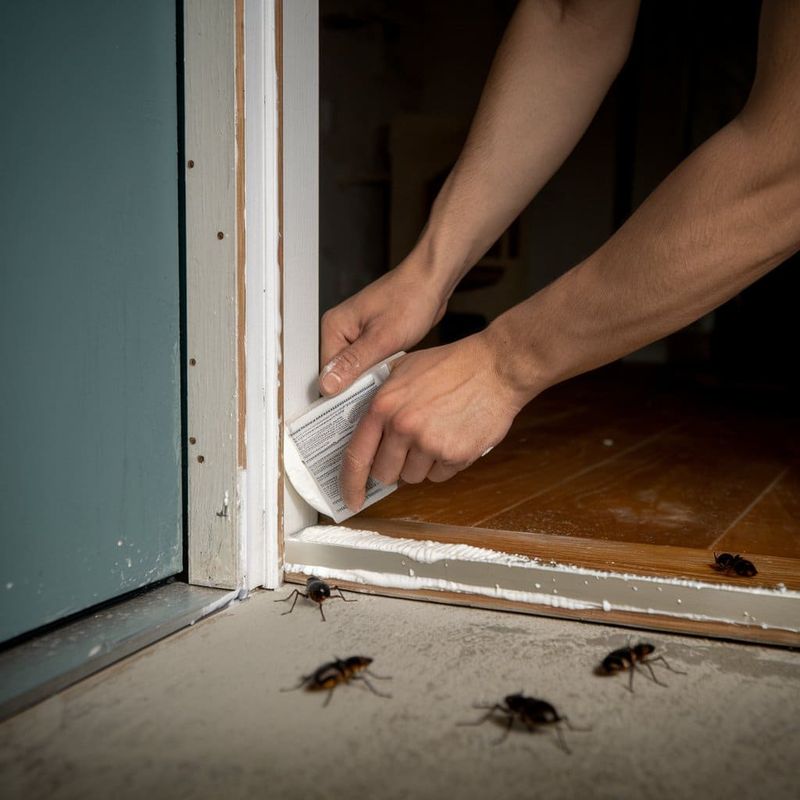
Adult American cockroaches can grow to about an inch and a half long, yet they slip through surprisingly narrow cracks. Their flat bodies bend and squeeze in ways that honestly still make me shiver a little.
Worn weather stripping under an entry door can leave a gap big enough for an easy evening stroll inside. Slide a sheet of paper under the closed door, and if it moves freely, bugs can likely pass too.
Plumbing and cable lines often enter homes through holes cut larger than needed, leaving open space around them. I like using expanding foam or a good silicone caulk to close those gaps for the season.
Attic and crawl space vents deserve a look as well, since torn screens invite crawling and flying visitors. Fine metal mesh fits over many vent openings and still lets air move through without trouble.
Window screens with small tears are easy to overlook, especially on windows you rarely open in winter. A patch kit from the hardware store fixes most holes in a few minutes for a few dollars.
Cracks in the foundation or along the slab edge also offer a sneaky route straight into wall voids. Once roaches reach those hidden spaces, they can travel quietly between rooms without you ever spotting them.
Sealing gaps might feel like a dull weekend project, but I find it strangely satisfying work. Every crack you close is one less doorway for a cold, hungry insect looking for shelter tonight.
5. Cardboard Boxes Stacked In The Garage
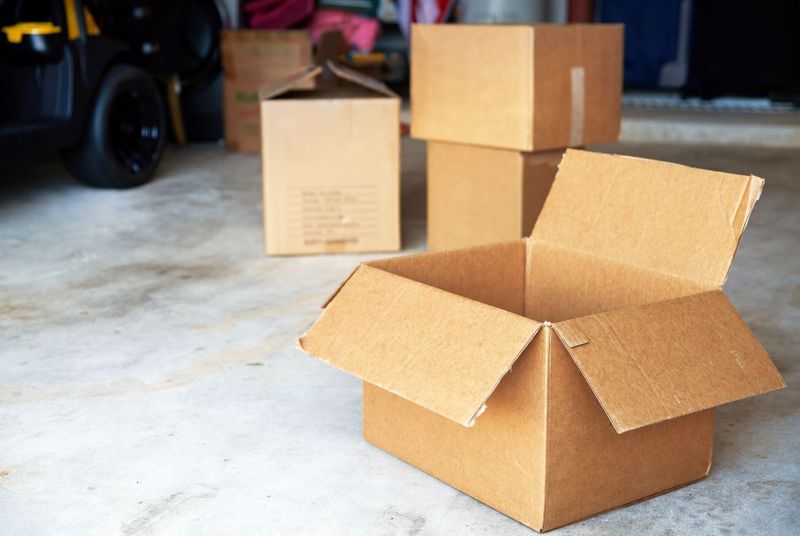
Palmetto bugs are night owls, and during daylight they crave dark, quiet corners where nobody bothers them. A tall stack of forgotten moving boxes in a dim garage is basically a luxury hotel for them.
Cardboard offers more than shelter, because the glue and paper fibers give these insects something to nibble. Corrugated layers also hold moisture and warmth, which explains why roaches love squeezing between the narrow folds.
Confession time, my own garage once held a mountain of holiday decoration boxes nobody touched for years. When I finally sorted through them, I found small dark droppings scattered along the bottom flaps.
Swapping cardboard for clear plastic bins with snug lids is one of the smartest storage upgrades around. Clear sides also let you spot unwanted guests before you carry a holiday bin into the living room.
Indoors, piles of newspapers and paper bags in closets create the same snug hiding spots that roaches adore. Recycling old magazines and grocery sacks regularly takes away shelter and keeps those corners easier to clean.
Spaces behind the fridge and under the stove stay warm and dark, so pull those appliances out occasionally. A quick vacuum back there clears away crumbs along with any egg cases tucked against the wall.
Less clutter means fewer hiding places, and fewer hiding places usually means fewer surprise encounters at midnight. Your cluttered garage might even turn into a space you genuinely enjoy using again before spring arrives.
6. Clogged Gutters And Dripping AC Condensate Lines
Rainy season may be months away, yet your yard can still hold plenty of standing water right now. Florida winters are usually the drier stretch, so any steady puddle near the house really stands out to roaches.
Gutters packed with oak leaves and pine needles hold soggy debris that smokybrown cockroaches find irresistible. From there, it is a short trip under loose roof shingles or into the attic through small openings.
Cleaning gutters once or twice a year is a chore I grumble about, but it truly helps. Make sure downspouts push water several feet away from the foundation instead of pooling beside it.
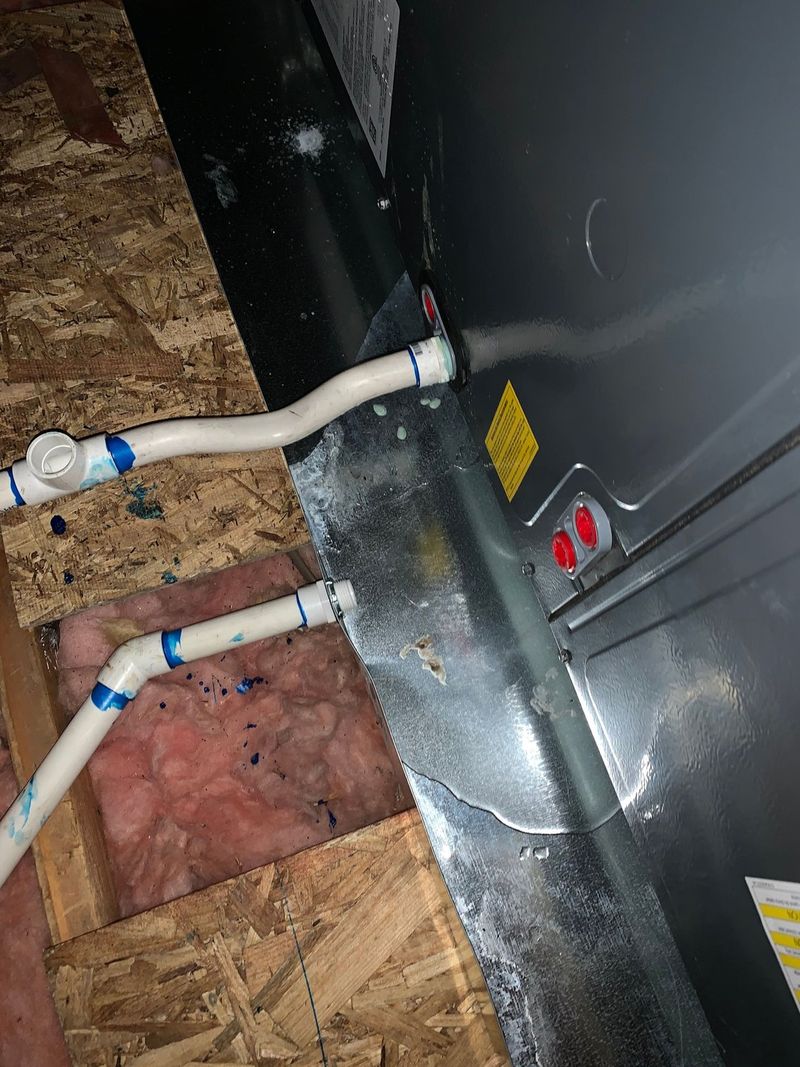
Air conditioners and heat pumps produce condensate, and that little drain line often drips near the slab. A steady trickle there creates a permanent damp patch that becomes a reliable drinking fountain for bugs.
Extending the line with a short pipe or directing it onto gravel keeps the soil beside your wall drier. Clogged condensate lines can also back up indoors, so having them flushed during routine service makes sense.
Leaky outdoor spigots are sneaky culprits too, and I have spotted roaches gathered beneath mine after dark. Replacing a worn hose bib washer usually stops the drip and saves water on your monthly bill.
Garden beds that drain poorly deserve attention, especially when sprinklers still run on a busy summer schedule. Cutting back irrigation during cooler months saves water and leaves fewer soggy spots for thirsty pests.
7. Warm Water Heaters And Appliances On Chilly Nights
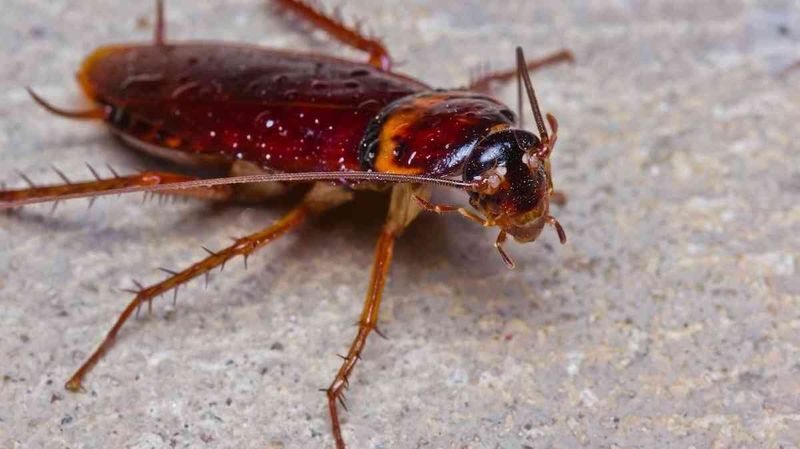
When a cold front drops nighttime temperatures into the forties, outdoor roaches start hunting for steadier warmth. Your home, with its humming fridge and toasty water heater, feels like a tropical getaway by comparison.
American cockroaches thrive in warm, humid conditions and tend to slow down noticeably when temperatures dip low. Indoors, they often settle near motors and heating elements that give off gentle heat around the clock.
The space beneath a refrigerator is a classic hangout, thanks to the warm air from its compressor. Dishwashers and water heater closets earn high marks too, since they combine warmth with occasional moisture.
I like sliding a flashlight beam under the fridge on a cool evening, just to see who answers. Sticky traps placed near these warm zones also show you where activity is heaviest in your kitchen.
Cleaning the refrigerator drip pan and coil area removes both crumbs and the warm, dusty shelter roaches enjoy. That drip pan collects water too, so it deserves a scrub more often than most people realize.
Gel baits placed in cracks near appliances can help, and many work slowly so roaches carry them back. Follow every label carefully, and keep bait spots well out of reach of curious kids and pets.
Cold snaps here rarely last long, but even a few chilly nights can send scouts toward your walls. Pairing these warm-spot checks with sealed entry points gives you a strong advantage before the next front arrives.
8. Bright Porch Lights Glowing After Dark

Porch lights do more than welcome guests, since certain roaches flutter toward them like moths on a summer evening. Smokybrown cockroaches are strong fliers, and the Asian cockroach is especially famous for zooming toward bright lights.
Asian cockroaches look nearly identical to German cockroaches, yet they mostly live outdoors in leaf litter and lawns. They were first found in Florida during the 1980s and have spread across much of the Southeast since.
Bright bulbs pull them toward doors and windows, where an open gap or a quick entry lets them slip inside. I once held the door for my groceries and watched one buzz right past my ear.
Winter evenings are cooler, so this light attraction tends to be weaker than during warm, humid months. Still, mild stretches between cold fronts can bring flying roaches back to your porch surprisingly quickly.
Swapping white bulbs for yellow bug lights or warm-toned LEDs can make your entryway far less attractive. Many insects see those warmer colors poorly, so fewer of them gather around your front steps each night.
Motion-sensor fixtures are another smart option, because they shine only when someone actually walks up the path. Mounting lights on poles a short distance from the door also draws bugs away from the entrance.
Inside, closing blinds at night keeps lamplight from turning your windows into glowing invitations for curious fliers. I love how such a tiny lighting tweak can quietly cut down on unwanted visitors all season.