8 Venomous Creatures Arizona Homeowners Still Find Near The Door Once November Nights Cool
A single wall void in a Phoenix home can shelter twenty or more stinging arachnids huddled together for winter. Under a blacklight, that hidden crowd would glow an eerie blue-green, like tiny neon signs tucked behind the stucco.
Cooler November nights in Arizona do not send every venomous neighbor into deep sleep right away, sadly. Many simply slow down and hunt for warm, sheltered gaps, and your front door threshold looks mighty cozy.
I have to admit, my own porch light has revealed a few surprises while I hauled in potted herbs. You might notice the same pattern once the desert air turns crisp and your yard settles into fall.
Knowing who shows up, and why, makes the difference between a calm evening and a frantic call. So which Arizona visitors still linger near the welcome mat when the thermometer finally drops this autumn?
1. Arizona Bark Scorpion
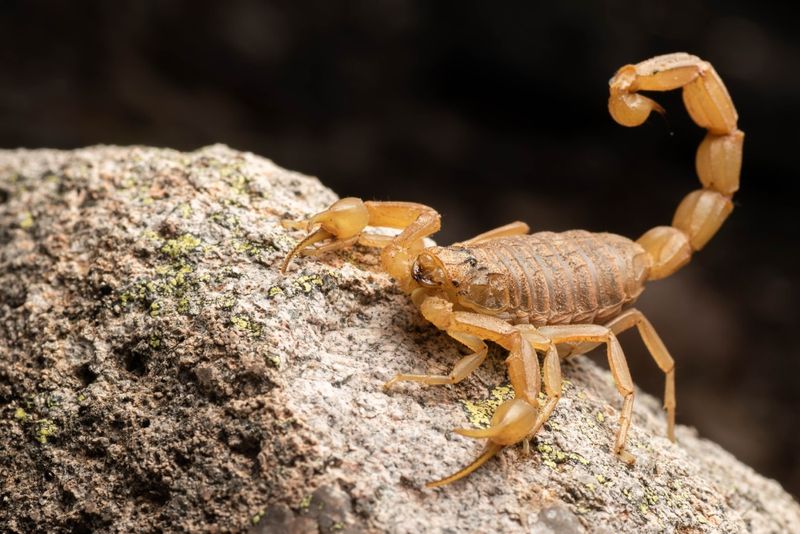
Few critters climb stucco like this slender tan hunter, which scales walls and even hangs upside down from ceilings. Its pincers look skinny and delicate, but the venom packed into that curled tail is the strongest in North America.
Bark scorpions slip through gaps as thin as a credit card, so worn door sweeps invite them right inside. Once November nights cool, they slow down and cluster together in block walls, sometimes twenty or more at once.
Personally, I keep a UV flashlight by the back door, because these scorpions glow brightly under blacklight at night. A quick sweep along the patio edge and the threshold shows you exactly where the trouble likes to hide.
You need to replace worn weatherstripping in October, before the cool weather pushes clustered groups toward warmer interior walls. Trimming tree branches away from the roof and moving firewood off the house removes their favorite climbing highways.
Stings bring intense pain with numbness, and young children or older adults can develop breathing trouble or muscle twitching. Call Poison Control at 1-800-222-1222 right away, since quick advice from experts helps families handle a sting calmly.
2. Western Black Widow Spider
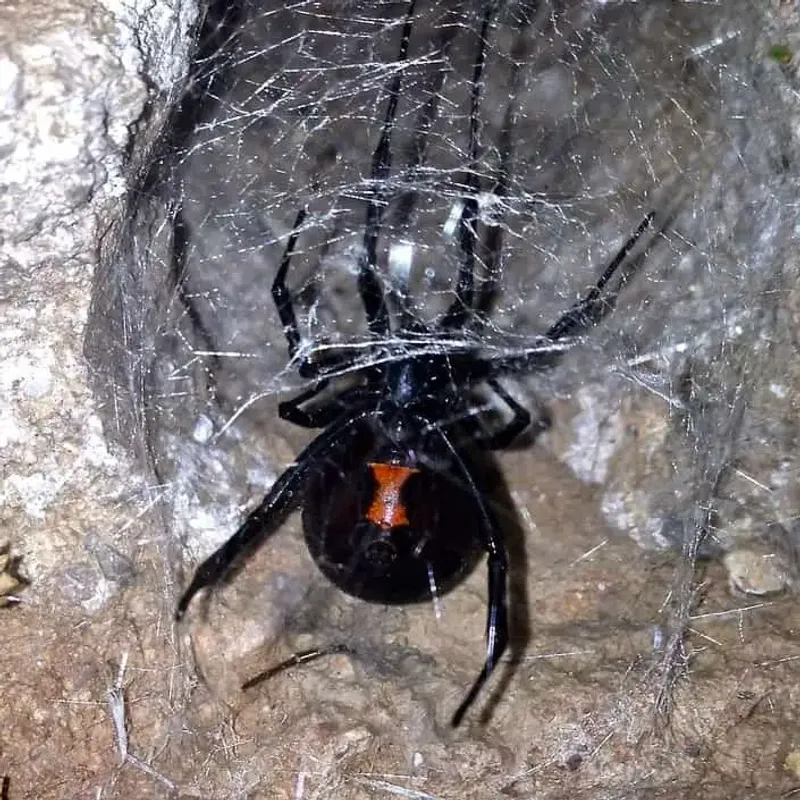
That glossy black body with a red hourglass underneath ranks among the most recognizable markings in the whole desert. Females measure about half an inch, and they are the ones with venom strong enough to worry about.
Their webs look messy and tangled, unlike tidy orb webs, and they usually sit low near the ground. I love how easy that sloppy silk makes them to spot once you know what you are looking for.
Black widows stay around year-round but cooling fall nights push many of them into garages and along sliding door tracks. Patio cushions and shoes left by the entry make perfect quiet corners for these shy, reclusive spiders.
They are not aggressive at all, and most bites happen when someone accidentally presses a spider against bare skin. Wear gloves when you pull out holiday decorations, and shake out boots before sliding your feet inside them.
Their neurotoxic venom can trigger severe muscle cramping along with nausea and heavy sweating that needs prompt medical care. A tidy garage with fewer cardboard piles gives these spiders far fewer places to settle in this season.
3. Western Diamondback Rattlesnake
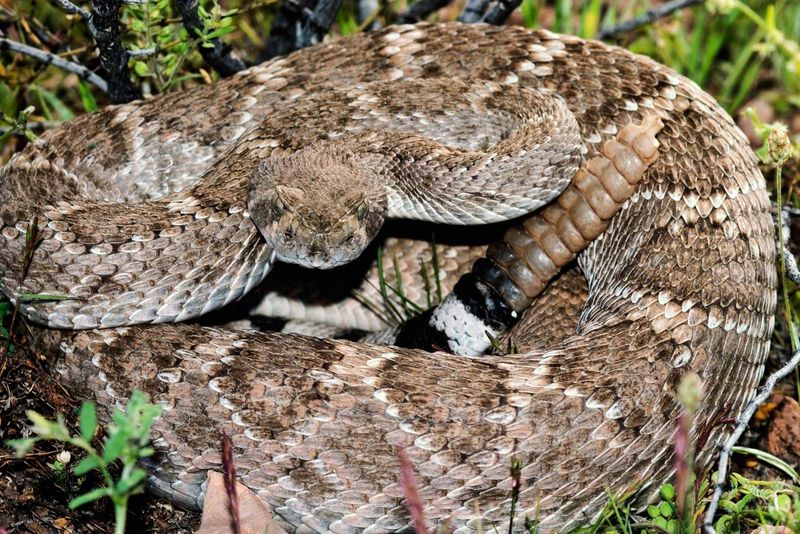
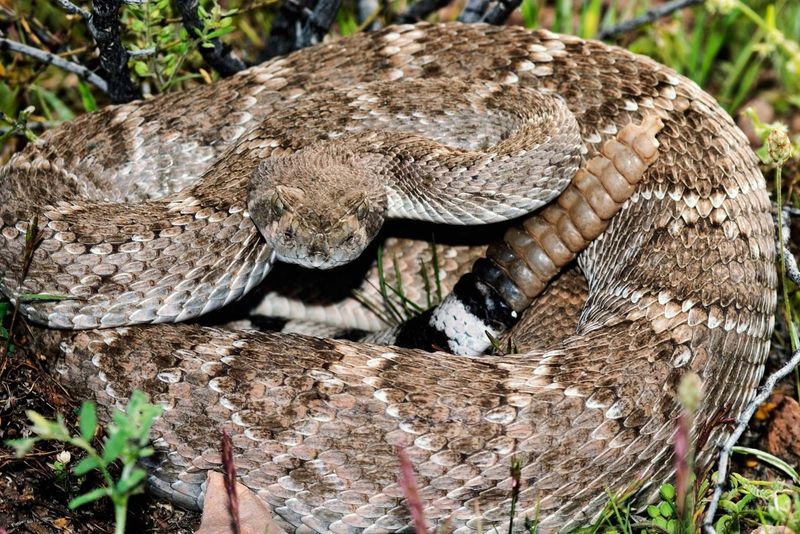
Look for a black and white striped tail just before the rattle, a pattern folks call the coon tail. Western diamondbacks are the most common rattlesnake in the state, often stretching three to five feet long.
Their gray or brown bodies carry dark diamond blotches, which blend beautifully with gravel yards and desert mulch. What surprises me most is how comfortably they settle into suburbs wherever rodents and pack rats are plentiful.
During cooler months these pit vipers often bask by day instead of hunting through warm summer nights. Many travel toward winter dens in October, then settle underground by November or early December for brumation.
A rattlesnake lingering near your door in late fall may be a resident looking for shelter until spring. Keep woodpiles and rock stacks away from the house, and control rodents that draw these hunters close.
Bites deliver large amounts of hemotoxic venom, so anyone bitten needs emergency care at a hospital right away. Back away slowly with pets leashed, then call your local fire department or a licensed snake removal service.
4. Mojave Rattlesnake
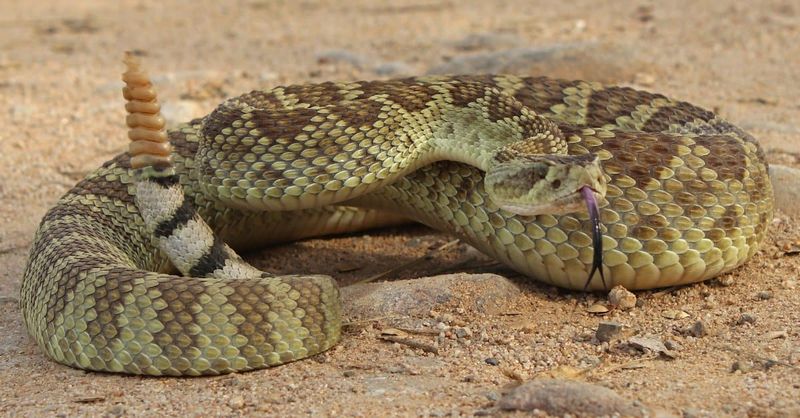
Spotting a greenish tint on a rattlesnake might tempt you to relax, but that color deserves extra respect. Mojave rattlesnakes carry venom that mixes nerve-attacking Mojave toxin with tissue-damaging elements, making bites especially serious.
Telling them apart from diamondbacks takes a careful look, preferably through binoculars from a very comfortable distance. Their tails show white rings wider than the black ones, and large scales sit on top of the head.
These snakes favor open desert flats and grasslands, yet they occasionally wander into foothill neighborhoods during seasonal movements. I can’t imagine trying to sort scale patterns by porch light, so I treat every rattlesnake the same way.
Like their cousins, they shift toward daytime activity as fall cools, which puts them near walkways when you are. They are generally timid and prefer to slip away, though they defend themselves fiercely when someone corners them.
You need to keep grass trimmed short near doors, since tall clumps give these snakes shady cover close to people. Snake-proof fencing with fine mesh along the yard edge can reduce visits for homes bordering open desert land.
5. Gila Monster
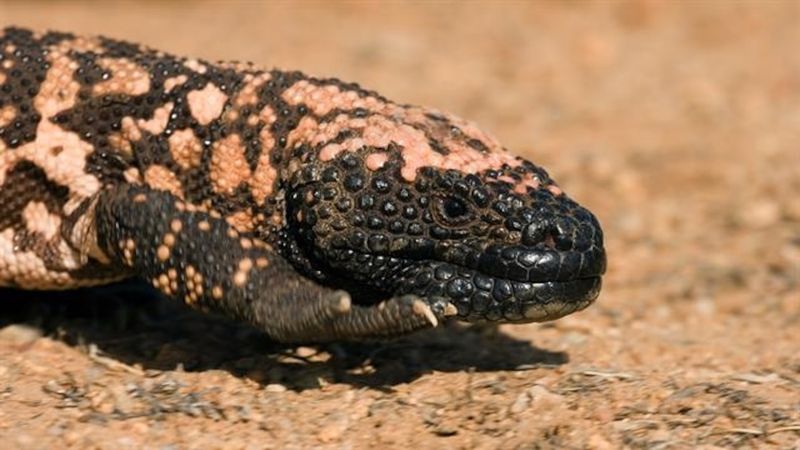
Only one venomous lizard calls the United States home, and it wears bead-like scales splashed with orange or pink. Gila monsters can reach about 22 inches, making them the largest native lizard in the state.
They spend roughly 95 percent of life underground, so seeing one near your door feels like rare luck. Most head into burrows from late October until early March, though a warm afternoon can tempt one outside.
Instead of striking, they bite and hold on, letting venom flow through grooves in their teeth as they chew. A hiss and an open mouth come first, giving you plenty of warning to step back and leave it be.
They hunt by smell for bird and reptile eggs, and sometimes they track down nestlings or small mammals too. I like how a backyard with native shrubs and quiet rock piles gives them room without inviting them indoors.
Gila monsters are protected under state law, so homeowners should not handle or collect these slow, beaded reptiles. Keep dogs indoors at dusk, and call your local wildlife agency if one parks itself beside the entry.
6. Giant Desert Centipede
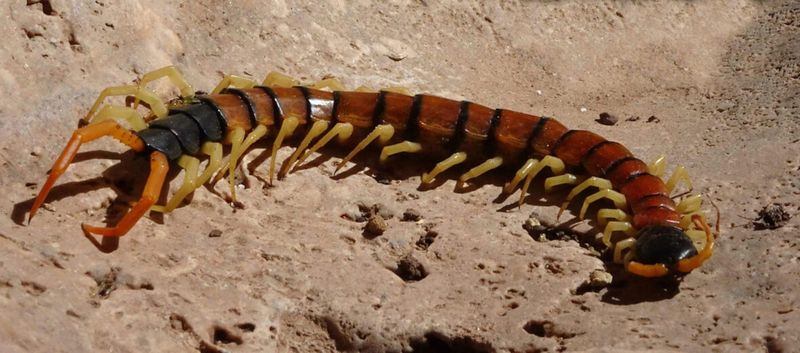
A glossy orange body and a black head rippling across patio tiles make a startling sight on autumn nights. Giant desert centipedes grow six to nine inches long, earning the title of the largest centipede in North America.
They have one pair of legs per segment, adding up to roughly 40 or more legs scurrying in a hurry. Personally, I find their speed more unsettling than their size, especially when one dashes under a doormat.
These hunters hide by day beneath rocks and logs, then slip out after dark to chase insects. Moisture draws them in, so leaky hose bibs and soggy planters near the door act like an open invitation.
Indoors they head for dark, damp corners such as closets, where a missed footstep can lead to trouble. Their venom comes through modified front legs called forcipules, delivering a painful pinch instead of a true bite.
Pain can last several hours, and some people report soreness lingering for days, so medical advice is wise. Fix drips around the foundation and lift debris off the ground, and you will see far fewer surprise visitors.
7. Desert Hairy Scorpion
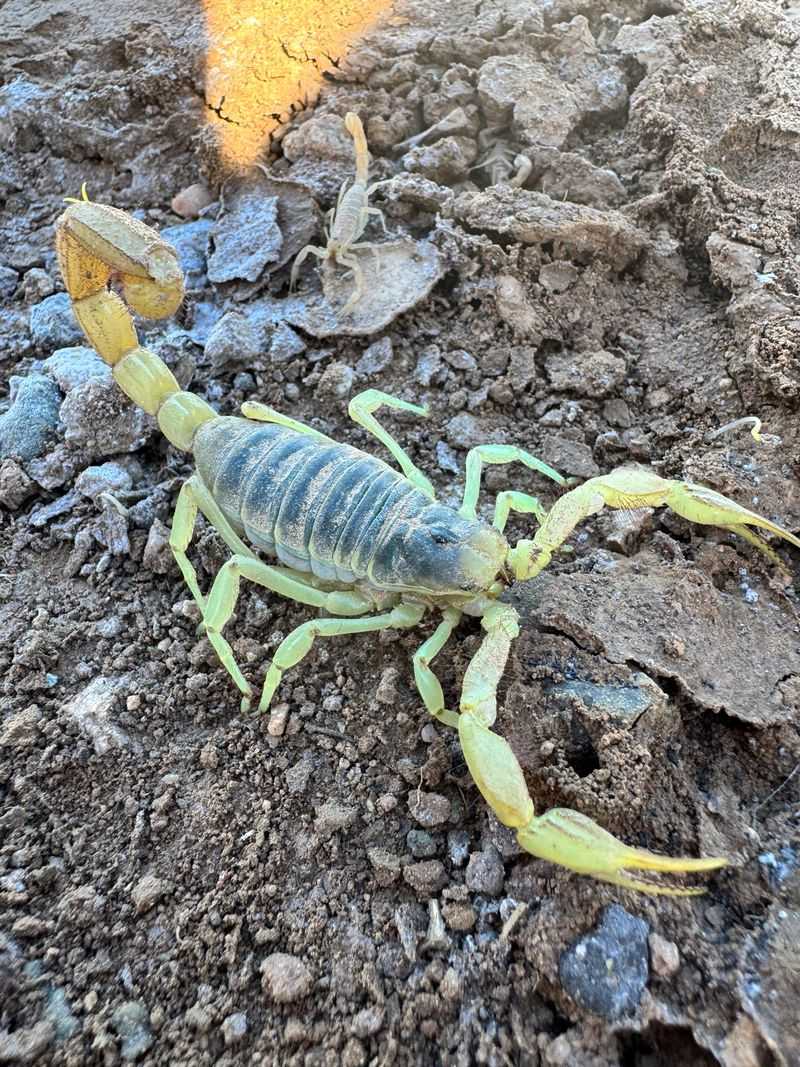
Seven inches of yellow armor covered in fine brown hairs makes this scorpion look like a monster movie extra. Desert hairy scorpions are the largest in North America, yet their sting usually compares to a honeybee’s.
I believe that reputation for size scares people far more than the actual venom does, honestly. Still, a sting brings sharp pain and swelling, and anyone with bee allergies should watch reactions closely.
They burrow under rocks and debris to escape heat, then wander out after dark to hunt insects and lizards. Irrigated lawns and lush ornamental beds attract them into neighborhoods, since moisture brings plenty of easy prey.
You might notice one near a door threshold during a mild fall evening before colder weather slows them down. Many become dormant during chilly winter stretches, so October and early November mark their last active window.
Water landscapes early in the day, and keep mulch a few inches away from the home’s foundation walls. Their bulky bodies stay mostly on the ground, so sealing low gaps under doors helps keep them outside.
8. Striped-Tail Scorpion
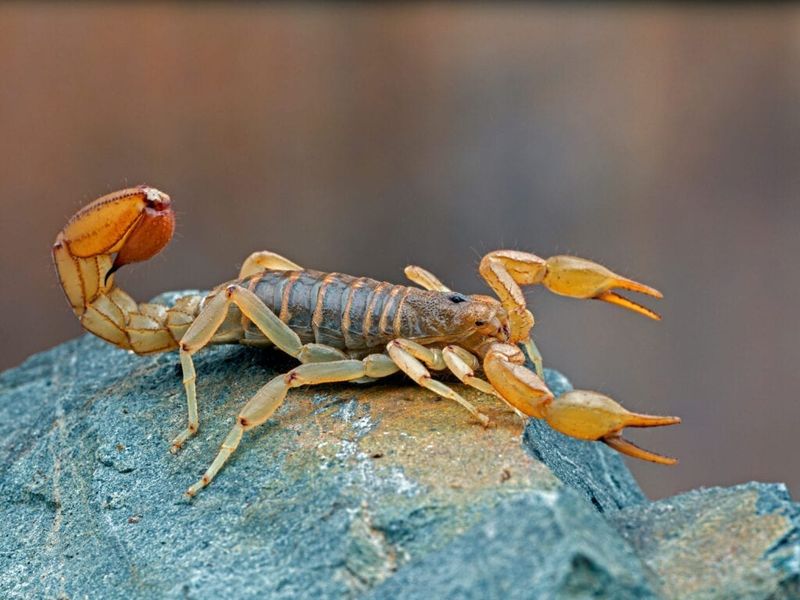
Dark stripes running down the tail give this stocky little scorpion an easy name tag for curious homeowners. Striped-tail scorpions measure two to three inches and rank among the most commonly encountered scorpions statewide.
Unlike bark scorpions, they stay on the ground and rarely climb, preferring shallow burrows beneath rocks and pavers. Woodpiles and stacked building supplies near the house make ideal daytime hideouts for these patient, grounded hunters.
Their sting is milder than a bark scorpion’s, but it still delivers sharp pain and localized swelling. I have to admit, I respect any critter that can make a barefoot walk to the mailbox feel risky.
Most retreat into burrows as winter approaches, yet mild November evenings can still bring a few near doorways. Gaps under doors and cracks along the foundation give them an easy path inside when they wander.
Install snug door sweeps and caulk foundation cracks in October, while the weather feels pleasant for outdoor chores. Welcoming roadrunners and native lizards in your yard adds helpful predators that snack on scorpions and their insect prey.