10 Signs Lovebugs Are About to Swarm Your Florida Yard
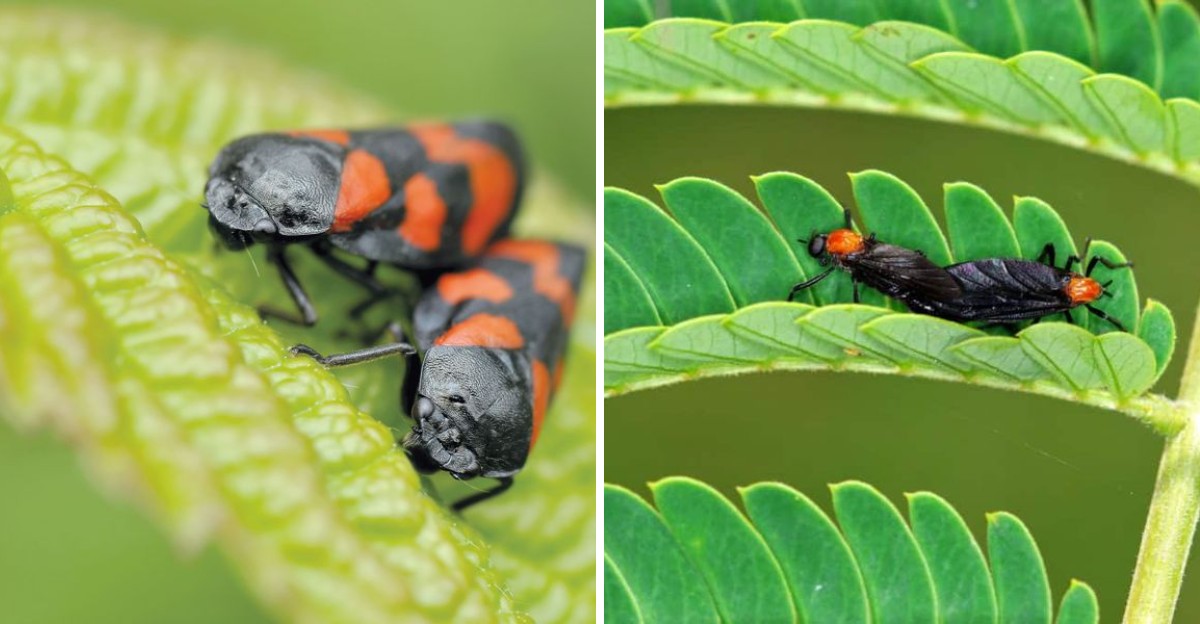
Some flying insects spend up to twelve hours glued together tail to tail, and they still manage to fly straight. Twice a year, these clumsy couples drift across Florida in numbers big enough to coat a windshield in minutes.
The fall flight usually peaks in late summer and lingers into early October across the southern half of the state. Personally, I find their timing oddly reliable, almost like a calendar written by the weather itself.
You need to know the early clues before your car and porch turn speckled with tiny black bodies. Most of these signals hide in plain sight around your lawn and the sunny edges of your driveway.
I believe a little warning makes the season far less annoying for every Florida gardener and driver. So how many of these sneaky signs are already showing up in your own backyard right now?
Sticky Humid Air Wakes Up Hidden Lovebug Pupae
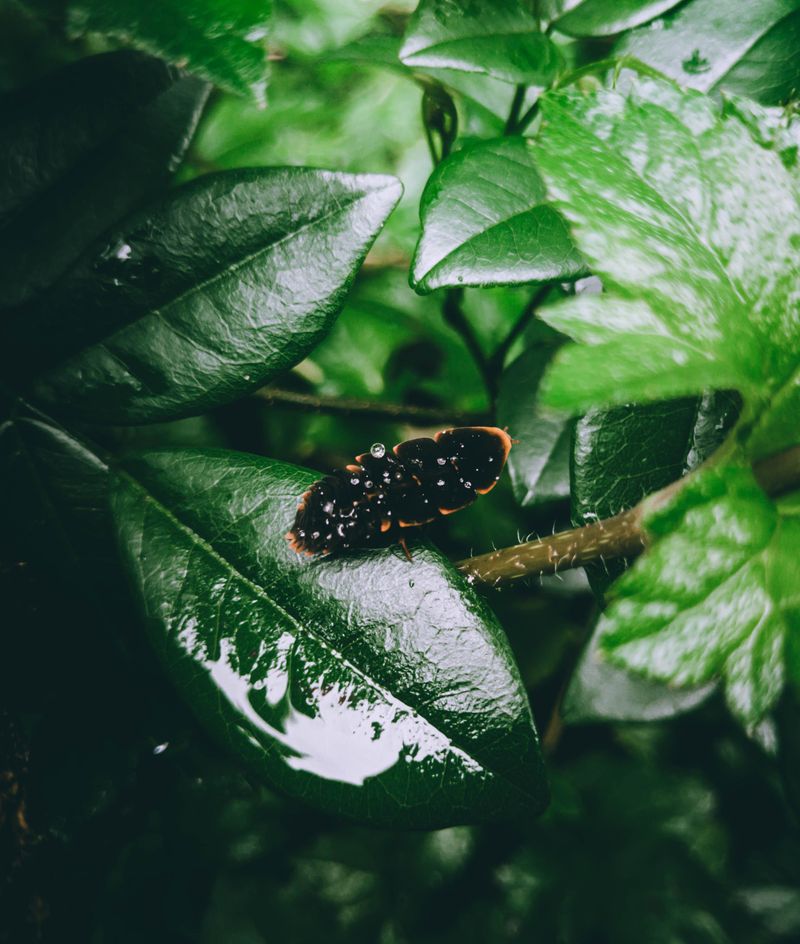
Your shirt sticks to your back before you reach the mailbox, and that heavy air carries a message. Warm damp weather is one of the biggest triggers for adult lovebugs crawling out of the soil.
University of Florida researchers note that adults become active when daytime temperatures climb above roughly 68 degrees. Early October afternoons in most of the state still reach that mark with room to spare.
Humidity matters just as much, since the larvae need moisture to finish growing in the grass. Dry spells slow their progress, while sticky stretches help a big batch reach adulthood together in waves.
I like to check the weather app for dew points in the low seventies during this season. That number hints the air feels thick enough for a flight to start showing up soon.
You can plan outdoor chores for cooler drier mornings when the insects stay mostly grounded and calm. Mowing and painting projects tend to go smoother before the afternoon heat wakes the swarm up.
Muggy air alone does not guarantee a swarm, but it sets the stage for every other sign. Pay attention when that heavy feeling lasts several days in a row without a cool break.
Rain Soaked Grass Hides A Busy Lovebug Nursery
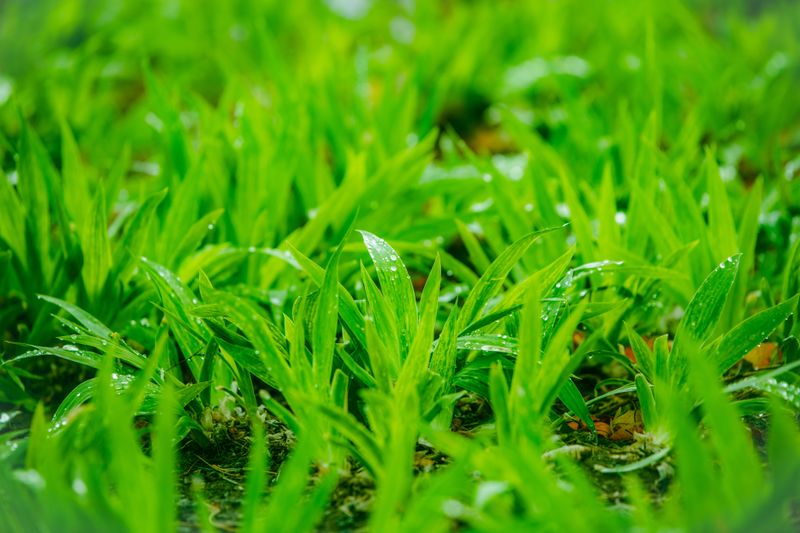
Puddles shrink in the sun, yet the real action happens an inch below your soggy grass blades. Lovebug larvae live in that damp layer, munching on rotting plant bits like tiny cleanup crews.
Steady rain keeps the thatch moist, which gives those wriggly youngsters a cozy place to feed. UF entomologists explain that larvae can gather in large groups wherever decaying material stays wet and shaded.
Late summer storms soak the ground for weeks, which lines up neatly with the fall flight. By early October, many of those well-fed larvae have already turned into adults ready to fly.
Personally, I notice the first flyers a week or two after a soggy stretch of afternoon storms. Your timing may shift a little depending on how much shade and thatch your own lawn holds.
Avoid overwatering during rainy weeks, since extra moisture only makes the nursery more comfortable for them. Turning off sprinklers after a heavy storm saves water and keeps your grass healthier in the process.
Remember that larvae actually help your yard by breaking down old leaves and grass clippings into soil. A wet lawn simply means the adult swarm may arrive sooner and feel a bit thicker.
Lovebug Couples Start Flying Tail To Tail
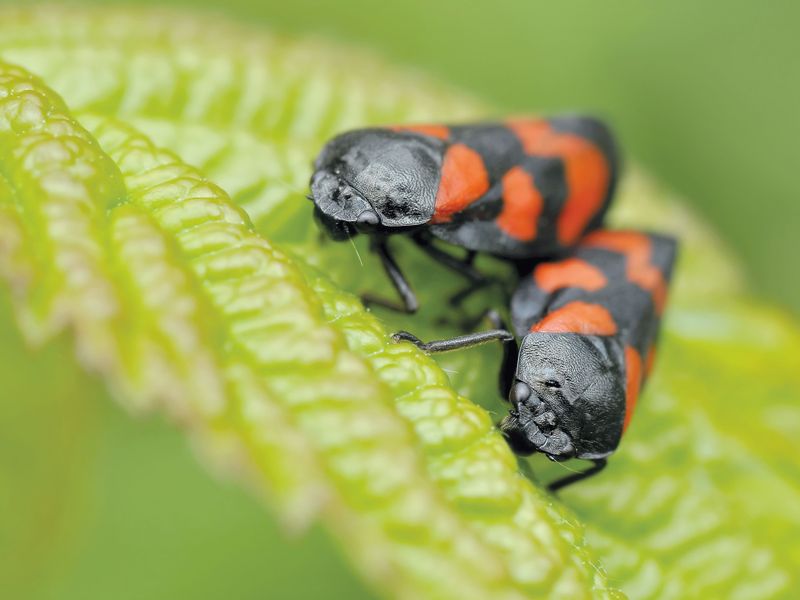
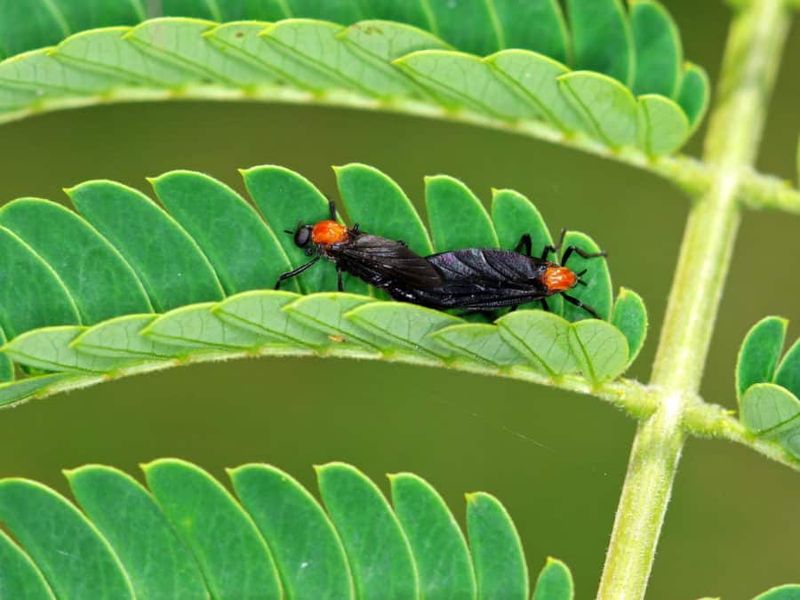
Two bugs flying as one looks like a magic trick until you realize they are joined together. The larger female usually leads, dragging the smaller male backward through the air like a trailer.
Spotting these pairs means the flight has moved past its opening act and into full swing. Males often hover in loose clouds near the ground, waiting for females to rise and join them.
According to UF experts, coupled lovebugs can stay attached for up to twelve hours at a time. That long embrace explains their nickname, along with the other playful common name people use, honeymoon fly.
I can’t help smiling at how awkward they look when they land on a porch railing. Each pair seems to argue about direction, wobbling around before finally settling on one side together.
After mating, a female heads to damp ground and may lay a few hundred eggs in thatch. Adult lovebugs live only a few days, so the visible swarm fades within several weeks in most areas.
You can relax around these couples, because lovebugs do not bite or sting people or pets. Their main crime is showing up in huge numbers at the worst possible moment for your plans.
Car Exhaust Pulls Lovebugs Toward Your Driveway
Your driveway might suddenly look like the hottest hangout in the neighborhood for tiny black insects. Lovebugs seem drawn to roads and parked cars, and scientists have a few solid ideas about why.
UF research points to chemicals in vehicle exhaust, especially compounds created when sunlight hits engine fumes. Those chemicals may resemble odors from rotting plant material, which is where females normally lay eggs.
Heat rising off pavement and warm engine hoods also seems to attract them on bright afternoons. Busy highways get hit the hardest, but a quiet driveway can still draw a surprising crowd.
I have learned to park in the garage during flight season whenever I can make the space. Covering your car with a breathable cover works well if a garage spot is not available.
Watch the edges of your driveway around midday for pairs crawling along the concrete or hovering low. A sudden jump in numbers there often means a bigger swarm is building nearby in your grass.
Driving during early morning or evening hours helps, since lovebugs mostly fly between late morning and dusk. Your car stays cleaner, and you skip the crunchy windshield chorus on the way to work.
White Cars And Pale Walls Turn Into Lovebug Magnets
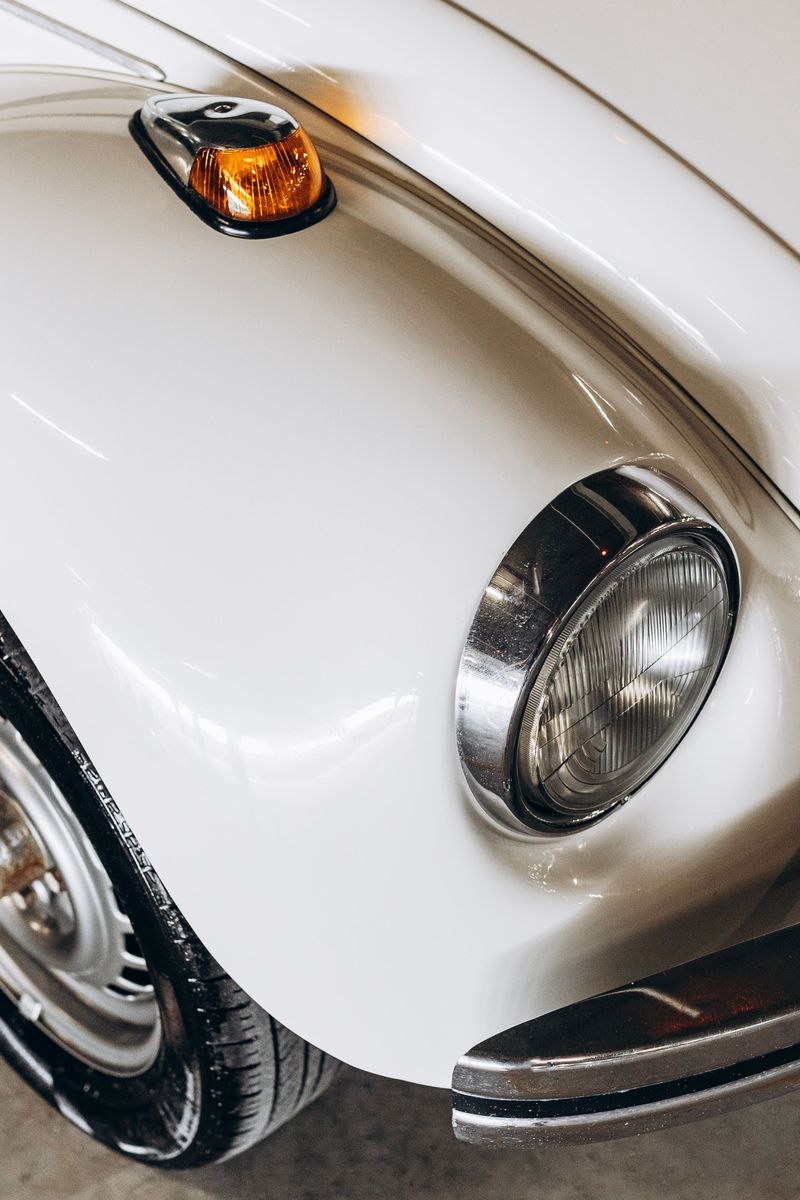
Freshly painted white trim looks gorgeous until it becomes a polka dot pattern of fluttering black bugs. Light colors grab lovebug attention, and you will notice it first on pale cars and siding.
Extension experts report that lovebugs gather more on light surfaces, though the exact reason is still debated. Some researchers suspect the brightness reflects sunlight in ways that mimic open flowers or warm resting spots.
Your white truck will likely show a speckled coat long before your neighbor’s dark blue sedan does. That difference makes light surfaces a handy early warning system right in your own driveway each day.
Personally, I skip my favorite white shirt for yard work once the fall flight gets going. Darker clothing seems to attract fewer hitchhikers, which makes weeding a lot less distracting for me.
Hold off on painting light exterior walls until the swarm fades later in the fall season. Wet paint traps landing insects, and picking out stuck bodies ruins a smooth finish surprisingly fast.
A quick hose rinse removes most lovebugs from pale siding without harsh cleaners or scrubbing brushes. Rinse every few days, since leftover bodies can stain light surfaces if they bake in sunshine.
Thick Mulch And Grass Clippings Feed Lovebug Larvae
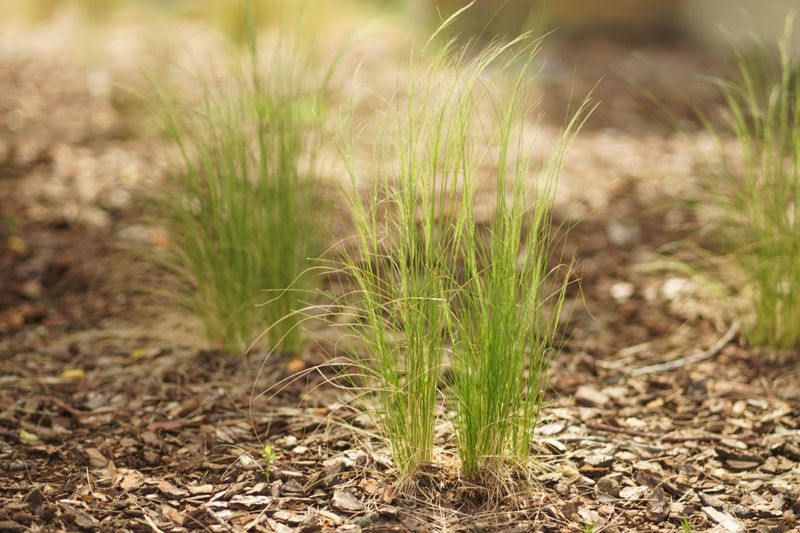
That pile of grass clippings behind the shed is basically an all-you-can-eat buffet for lovebug babies. Larvae feed on decaying plant matter, so soggy debris piles can host hundreds of hungry youngsters.
Thick thatch in St. Augustine and bahiagrass lawns offers a similar cozy hideout just under the surface. UF notes that larvae often cluster where rotting leaves and clippings stay moist and shaded for weeks.
I like composting, so I keep my bin covered and turn it often during flight season. Turning the pile helps it heat up and dry slightly, which may make it less inviting for larvae.
You do not need to remove every leaf, because larvae are actually helpful soil builders in nature. Spreading clippings thinly across the lawn lets them dry quickly instead of forming soggy smelly clumps.
Pay attention to mulch beds near the house, especially ones that stay damp from sprinklers or gutters. Keeping mulch around two to three inches deep helps plants without creating an extra soggy nursery.
Insecticides aimed at larvae are not recommended by UF, since lovebug populations are simply too widespread. Tidy yard habits are a gentler way to manage numbers close to your doors and windows.
Midday Sunshine Sends Lovebug Swarms Into The Air
Lovebugs keep surprisingly polite office hours, and they rarely clock in before the morning dew burns off. Once the sun warms things up, the sky over your lawn can fill with drifting pairs.
UF entomologists report that flights mostly happen during daylight, from around midmorning until dusk settles in. At night, the insects rest on plants and grass rather than swarming around your porch lights.
That surprises many people, because most flying pests seem to love a glowing bulb after sunset. If you see bugs crowding your lights at night, you are probably looking at moths or midges.
I keep an eye on open sunny spots in my yard around noon during early October. A slow lazy cloud hovering a few feet above the grass usually tells me the flight has started.
Cloudy cool days tend to keep them grounded, while warm sunny stretches send them up in droves. You can use that pattern to schedule yard work and outdoor meals around their busiest hours.
Early morning gardening and evening patio time feel much calmer during the peak of the fall flight. Your afternoon barbecue might still attract a few curious visitors, so keep a lid handy nearby.
Blooming Goldenrod Draws Hungry Lovebugs In Droves
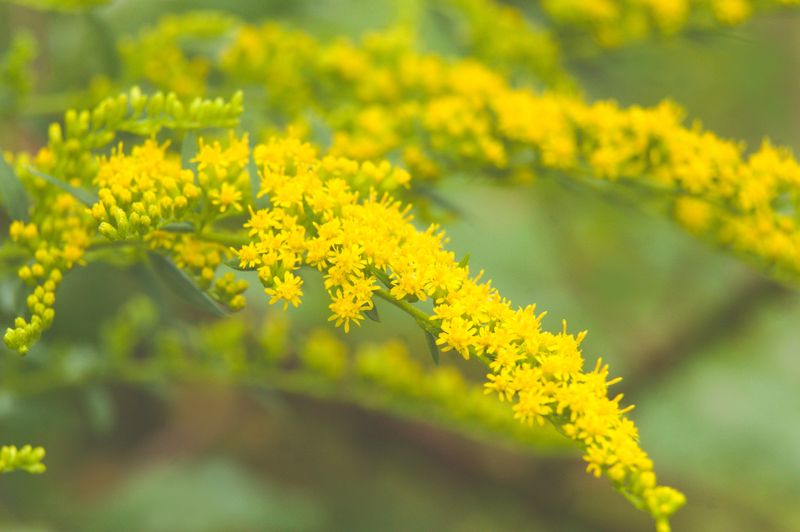
Bright yellow goldenrod waving along the fence line might be hosting a crowded lovebug lunch party right now. Adult lovebugs sip nectar from flowers, and fall bloomers give them plenty of fuel for flying.
Goldenrod is a favorite, and it happens to peak across much of Florida during early fall. UF sources also list other nectar plants they visit, including various wildflowers growing along roadsides and fields.
Your native wildflower patch may suddenly look fuzzy with black bodies clinging to every golden spike. Bees and butterflies still visit, so the lovebugs are mostly just sharing the floral buffet with them.
I believe goldenrod deserves a spot in every pollinator garden, even if it attracts some extra company. Contrary to popular myth, goldenrod rarely causes hay fever, since its heavy pollen moves by insects instead.
Checking flower clusters around noon gives you a quick way to gauge how big the swarm is. A handful of pairs is normal, but dozens per stem suggests the flight is near peak.
Avoid cutting back blooming plants just to discourage lovebugs, because pollinators need that late season nectar. The swarm will fade within weeks, while your flowers keep feeding monarchs and bees much longer.
Lovebugs Cluster On Your Window Screens And Siding
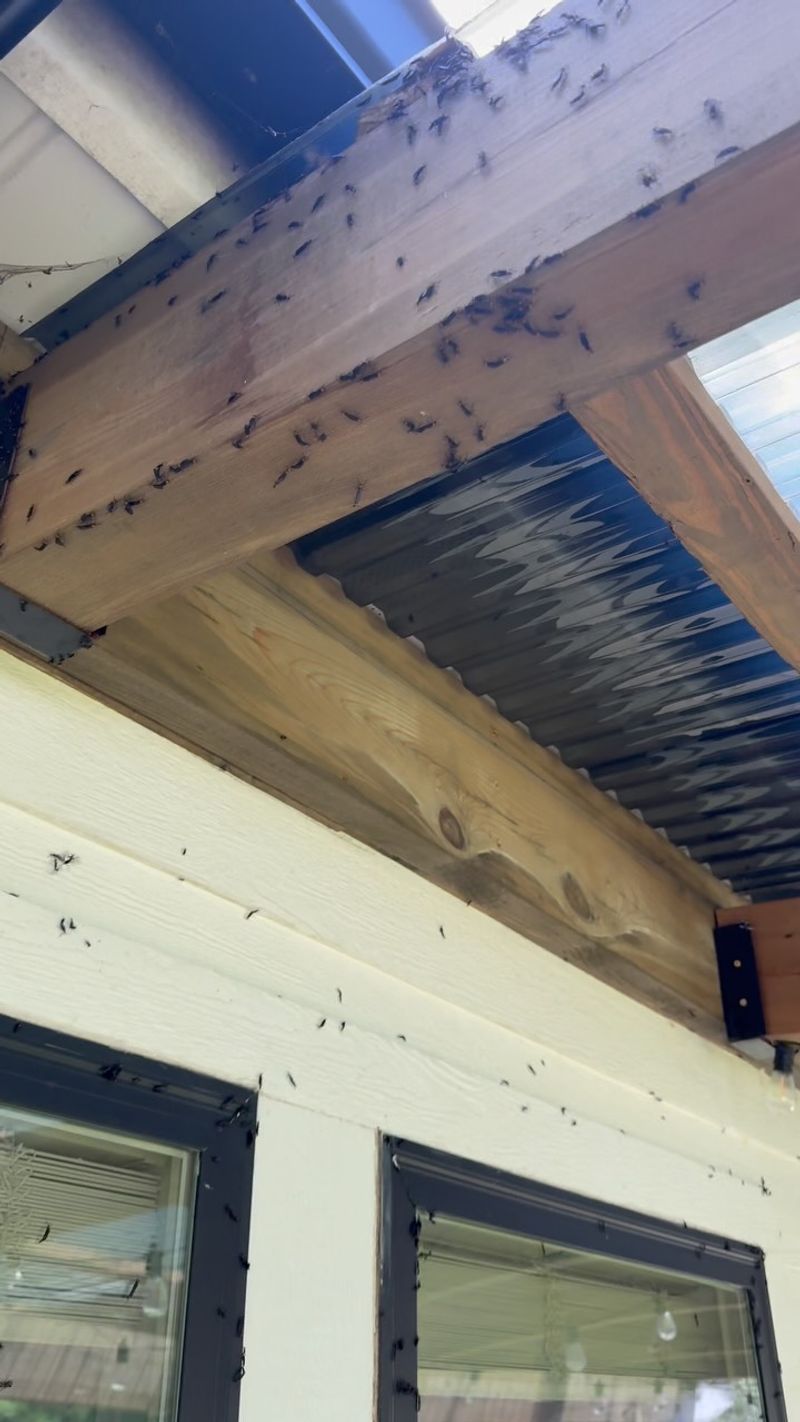
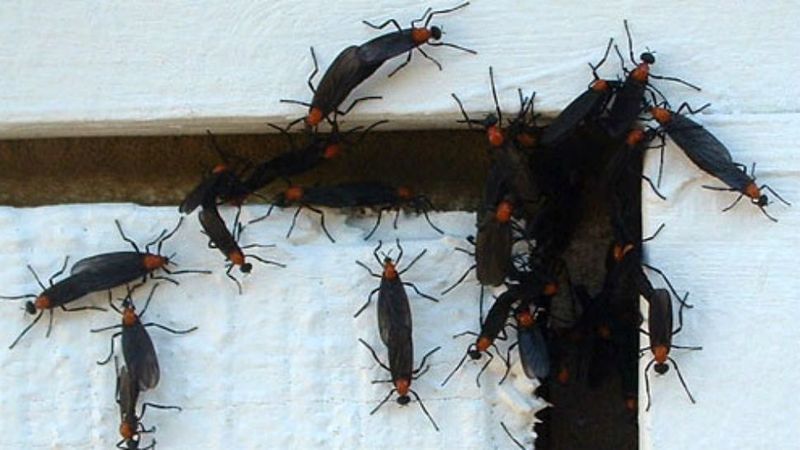
Your front door screen might look like it grew a patchy black beard by lunchtime during peak flight. Lovebugs often land on sunny walls and windows to rest between flights or finish mating in peace.
Warm siding facing south or west tends to collect the biggest crowds during bright afternoon hours. Light-colored houses get extra attention, which makes clusters easy to spot from across the yard right away.
I can’t count how many times I have opened the patio door and invited a pair inside. They usually bumble around harmlessly until I scoop them up with a paper cup and escort them out.
Check that window screens fit snugly and patch small tears before the swarm reaches full strength. Weatherstripping around doors also helps keep wandering couples from slipping into your kitchen or living room.
A gentle spray from the garden hose clears most clusters without harming your paint or window seals. Skip pressure washing at full blast, since it can damage screens and older wood siding quite easily.
Some homeowners hang a light-colored sheet away from the house to draw lovebugs off the walls. Results vary, but it makes a fun backyard experiment if your family enjoys watching insect behavior.
Bug Splattered Windshields Confirm The Lovebug Flight
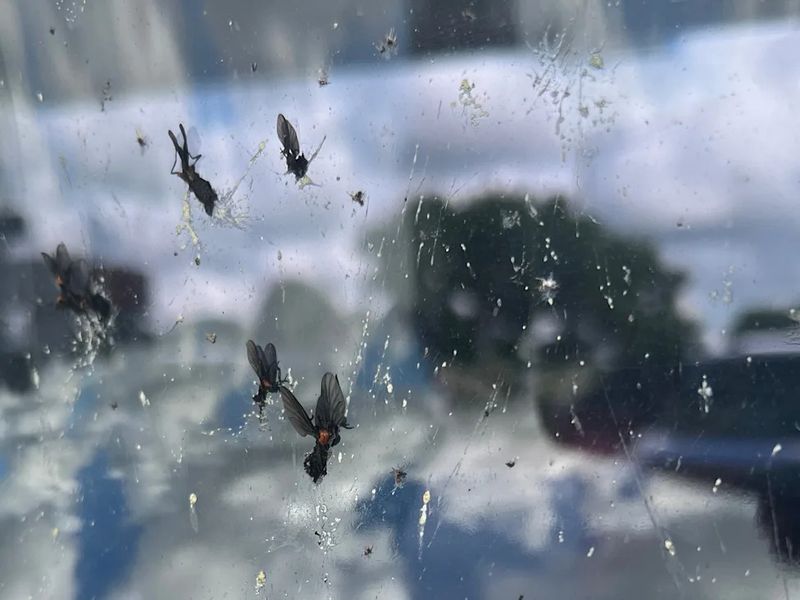
Nothing announces lovebug season quite like the crunchy splatter that greets you on a short drive. One trip down a busy Florida highway can leave your windshield looking like a speckled art project.
Splattered bugs on your glass mean you drove straight through an active swarm close to home. If it happens on local streets, your own yard is probably next in line for visitors.
UF experts warn that lovebug remains can become acidic when they bake on car paint in hot sun. Left too long, the residue may etch or pit the finish, especially on newer clear coats.
Personally, I wash my car within a day or two after driving through a heavy cloud. Soaking the spots with a wet microfiber towel for several minutes softens them before gentle wiping.
A fresh coat of car wax creates a slick barrier that makes cleanup much easier later on. Some drivers add a removable screen or bug shield to the front grille during flight season.
Keep your washer fluid topped off, because smeared bodies can blur your view at the worst moment. The fall flight usually winds down by late October, giving your car a well-earned break from the mess.