8 Ways to Put Virginia’s Incoming Rain to Work in Your Yard
One inch of rain on a 1,000-square-foot roof sheds roughly 620 gallons of water in a single storm. That number stopped me cold the first time I did the math while staring at my gutters overflowing.
Most of that water races down the driveway, across the street, and straight into the nearest storm drain. Along the way it grabs loose soil, lawn fertilizer, and grit, then carries them toward local creeks.
In much of Virginia, those creeks eventually feed rivers that drain into the Chesapeake Bay, so every yard plays a small role.
I could be wrong, but I suspect most of us never think about where our roof water travels after a storm.
Your plants would happily drink that soft, free water if you gave it somewhere useful to go.
So what would happen if your Virginia yard caught the next storm instead of letting it slip away?
1. Rain Barrels Under Your Downspouts
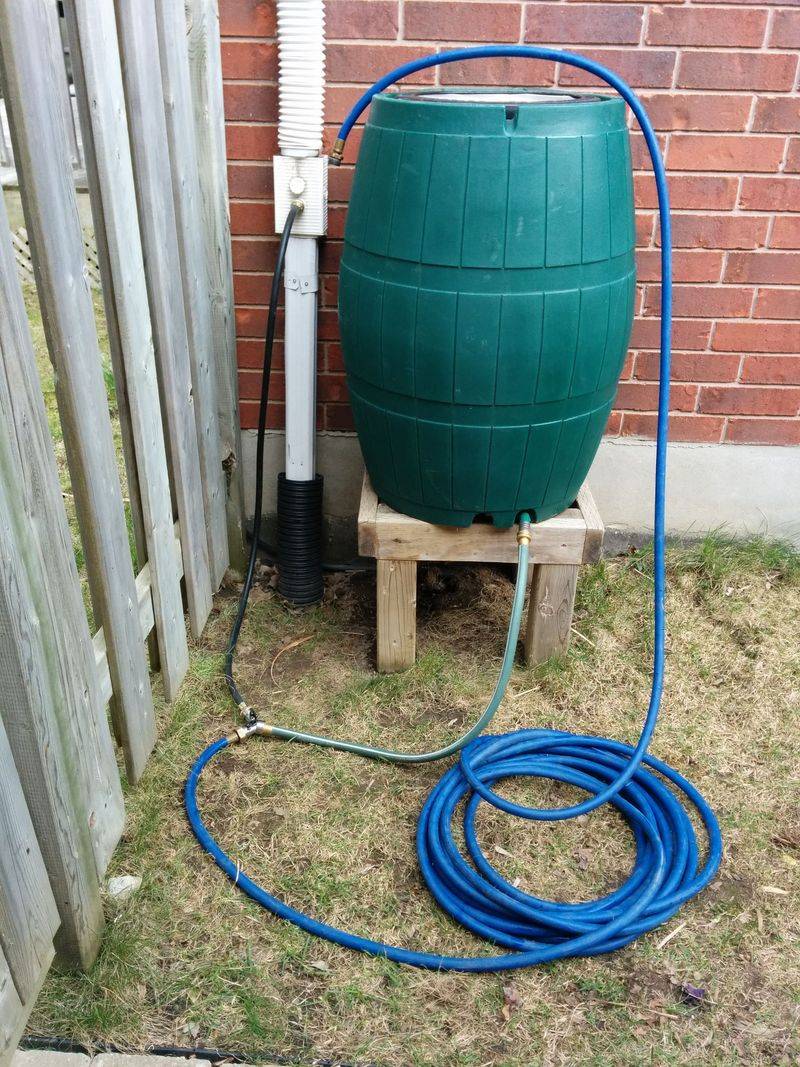
My first rain barrel filled up overnight during a summer thunderstorm, and I felt rich in the nicest possible way. That free water smelled clean and earthy, and my tomatoes seemed to perk up the moment I poured it.
Most home barrels hold around 50 to 60 gallons, so even a light shower can top one off quickly. Rainwater carries no added chlorine, which makes it a gentle option for potted plants, seedlings, and thirsty flower beds.
Set your barrel on a sturdy, level platform made from cinder blocks or pavers before connecting it to the downspout. Raising it a little adds water pressure, which helps when you attach a hose or fill a watering can.
A diverter kit sends extra water back down the downspout once the barrel fills, so overflow stays away from your foundation. Without one, plan an overflow hose that points water toward a lawn or garden bed downhill.
Mosquitoes love still water, so keep a tight lid and fine mesh screen over every opening on the barrel. Check the screen after storms, because leaves and roof grit can pile up and slowly clog the inlet.
Most extension experts suggest using barrel water on ornamental plants or soil around edibles rather than splashing it on leafy greens. Roof materials can add small amounts of residue, so watering at the soil level is the smarter habit.
Drain and disconnect the barrel before hard freezes arrive, since ice can crack plastic and split the spigot fittings.
2. Big Cistern Tanks Store Serious Storm Water
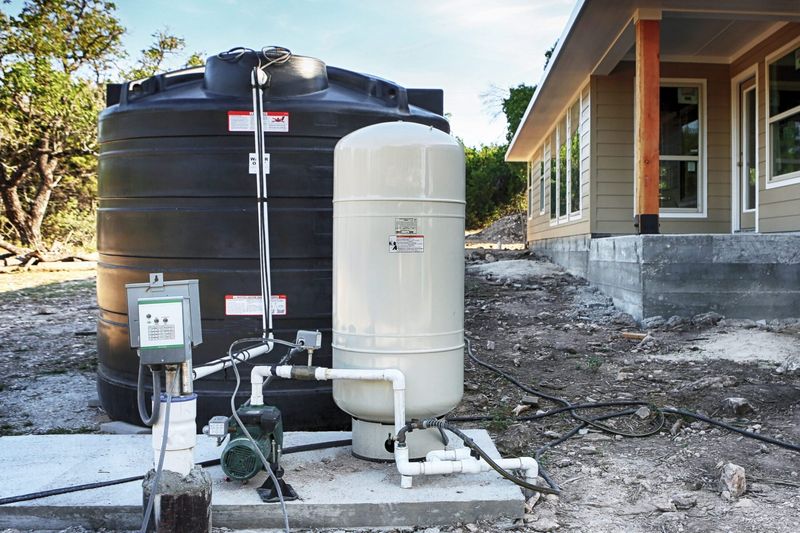
Some gardeners outgrow a single barrel faster than a zucchini plant outgrows its cage in July. When that happens, a cistern steps in with storage that ranges from several hundred gallons to many thousands.
These larger tanks can sit above ground, tucked beside a shed, or rest partly underground where they take up less yard space. Underground tanks also keep water cooler and darker, which helps limit algae growth during the warm months.
I love the idea of having a private reserve when a dry August stretch shows up and the lawn starts crunching underfoot. A big tank can water large vegetable beds, young trees, and shrub borders without touching your monthly water bill.
Planning matters more here than with a simple barrel, because a full tank weighs several tons. A level gravel or concrete pad is usually recommended, and a professional installer can help size pumps and filters.
Indoor uses like toilet flushing bring extra rules, so check with your local building office and the Virginia Department of Health first. Outdoor irrigation systems are simpler, yet local codes and homeowner associations sometimes set their own requirements.
Many tanks include a first-flush diverter that tosses the dirtiest early runoff before clean water flows into storage. That small feature keeps pollen, dust, and bird droppings from collecting at the bottom of your tank.
Inspect gutters, screens, and overflow pipes twice a year so the whole system keeps working smoothly through every season.
3. Native Rain Gardens Soak Up Runoff
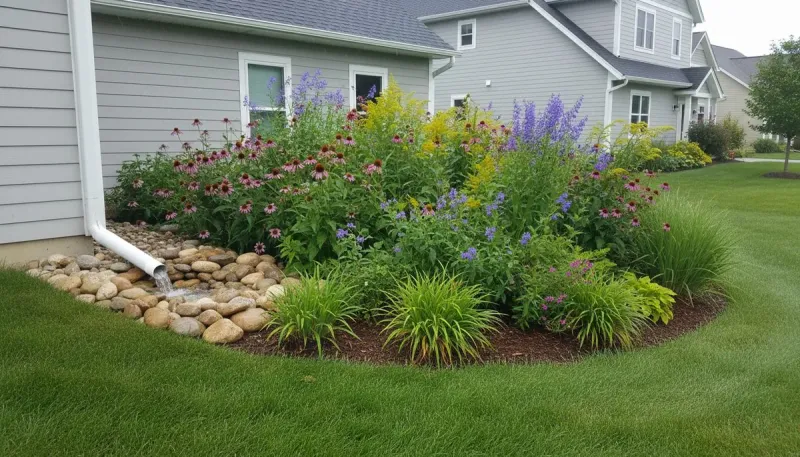
A rain garden looks like an ordinary flower bed until a storm hits and the whole thing quietly turns into a sponge. That shallow dip collects runoff from roofs or driveways and lets it sink slowly into the ground.
Most guides recommend placing the garden at least ten feet from your house so water stays clear of the foundation. Choose a gentle low spot that drains reasonably well, and avoid areas over septic fields or buried utility lines.
A simple test helps here, so dig a hole about eight inches deep and fill it with water. If it drains within a day or two, that spot should work nicely for a rain garden.
Native plants handle the swing between soggy spring weeks and dry summer spells better than most fussy exotic choices. Swamp milkweed, blue flag iris, switchgrass, and Virginia sweetspire are popular picks recommended by local extension and conservation groups.
The deepest center zone gets plants that tolerate standing water, while the edges suit species that prefer drier feet. Monarch caterpillars feed on milkweed leaves, so you might spot striped visitors munching away by late summer.
Water should drain from the basin within about 48 hours, which is shorter than the time mosquitoes need to develop. Spread shredded hardwood mulch about two to three inches deep, since lighter mulches often float away during heavy storms.
Pull weeds regularly the first two years while your native plants settle their roots into place.
4. Downspout Extensions Send Water Toward Garden Beds
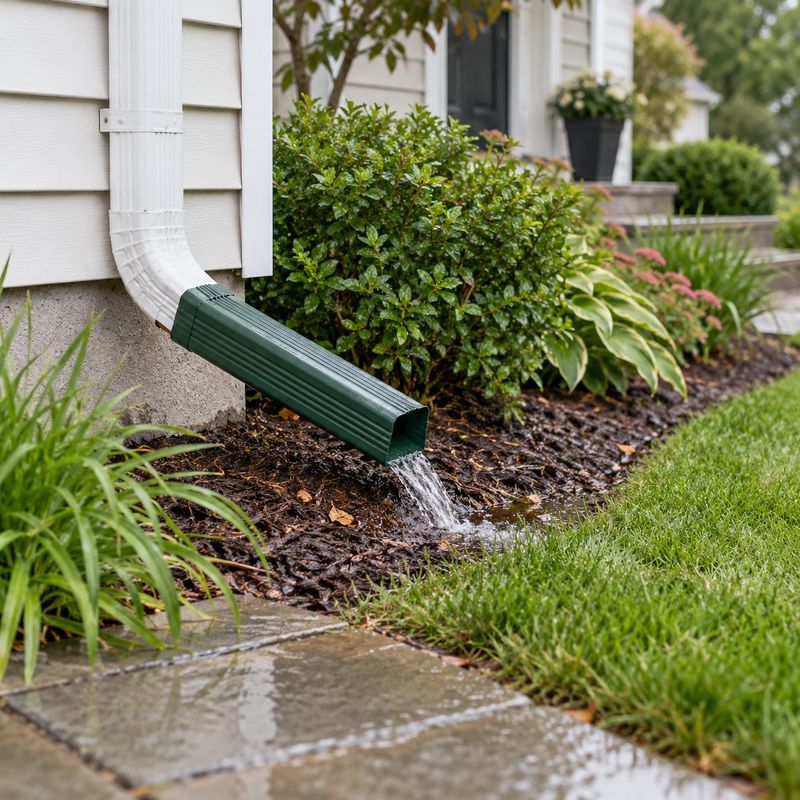
Watch your downspouts during the next heavy storm, and you might notice a little waterfall carving a trench beside your house. That concentrated stream often washes away mulch, digs holes in soil, and soaks the ground right beside your foundation.
Fixing it can cost less than a takeout dinner, which honestly makes this one of my favorite weekend projects. A simple extension pipe or flexible hose carries roof water several feet out into the yard where plants can use it.
Most experts suggest moving the outlet at least four to six feet from the foundation, and farther if your basement stays damp. Make sure the ground slopes gently away from the house so the water keeps moving instead of pooling.
Aim that outlet toward a lawn, shrub border, or tree that can drink up the extra moisture over time. A splash block or bed of river stones spreads the flow out and slows erosion where the water lands.
Keep the water off sidewalks and driveways, since winter runoff can freeze into slick patches that catch people by surprise. Pointing it toward a neighbor’s property can also cause problems, so check your slopes before choosing a direction.
Buried pipes look tidy, though they need a pop-up emitter at the end to release water into the lawn. Clear gutters every spring and fall so leaves stop clogging downspouts before the water reaches your new extensions.
5. Copper Rain Chains Guide Water Into Planters
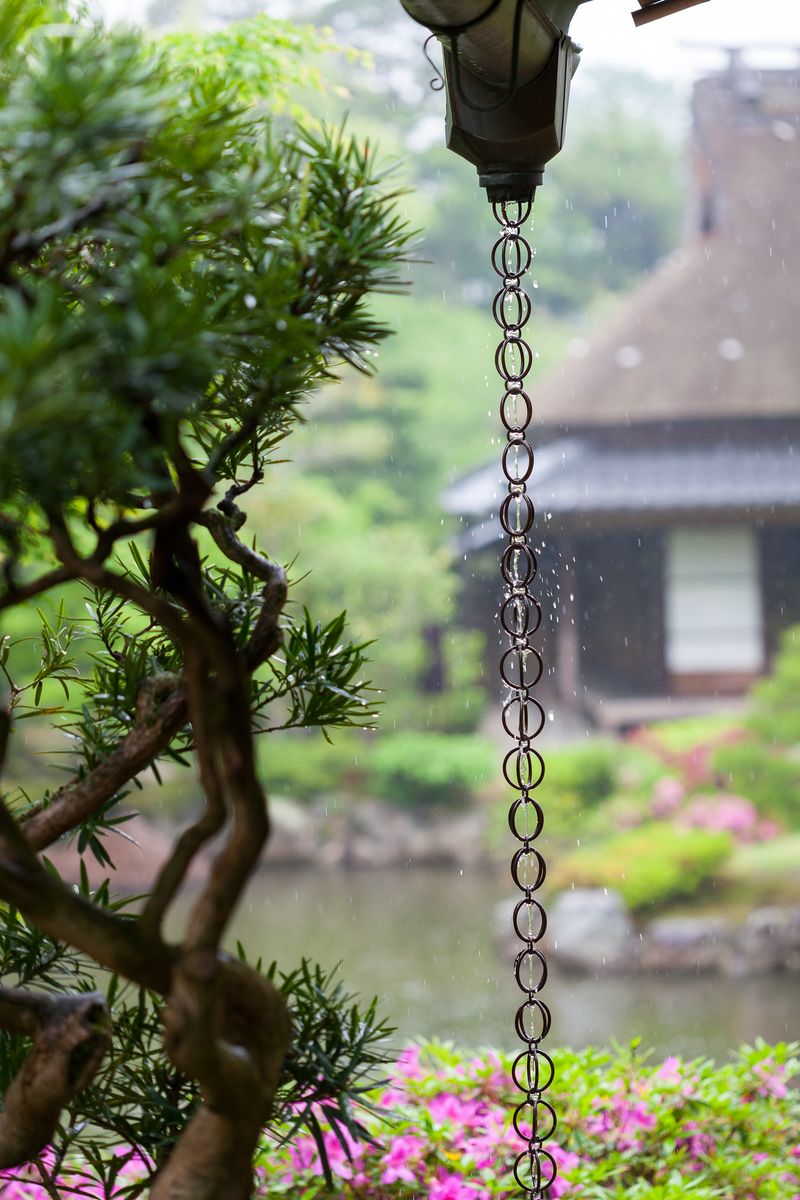
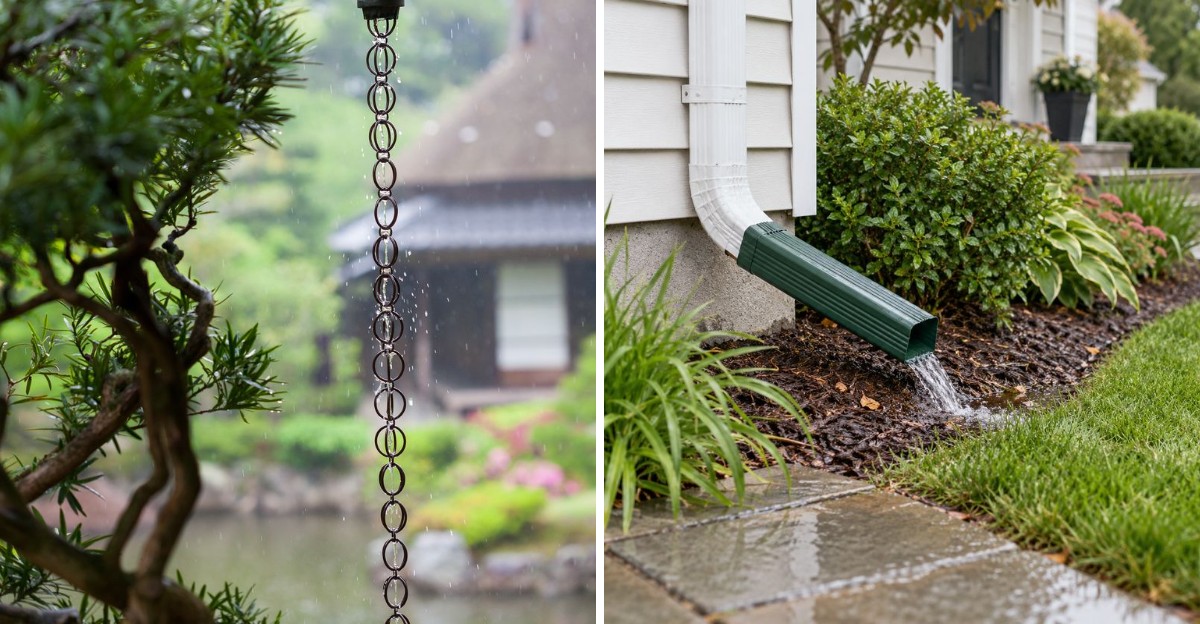
Few things sound more relaxing than rain trickling down a copper chain like a tiny mountain stream outside the window. These decorative chains come from a long tradition in Japan, where they are called kusari doi.
Instead of hiding water inside a closed pipe, a rain chain lets you watch every drop travel from gutter to ground. Cup-style chains catch and pass water along more neatly than simple linked versions, which tend to splash during downpours.
I once hung one beside a shady patio, and the gentle splashing turned summer storms into a show worth watching. The ferns planted beneath it stayed lush, and the copper slowly turned a lovely greenish color over time.
Rain chains handle light and moderate rain well, although very heavy storms can overwhelm them and spill water sideways. For that reason, they work best on smaller roof sections like porches, sheds, or garden structures rather than huge main roofs.
Anchor the bottom of the chain to a basin, stake, or heavy stone so wind does not swing it against siding. A gravel-filled basin or shallow bowl slows the flow before water spreads out toward nearby flowers or a small rain barrel.
Hostas, ferns, and native sedges are nice choices for the moist, shady pocket that usually forms beneath the chain. In freezing weather, ice can build up and add heavy weight, so some gardeners take chains down for winter.
6. Dry Creek Beds Carry Stormwater Across The Yard
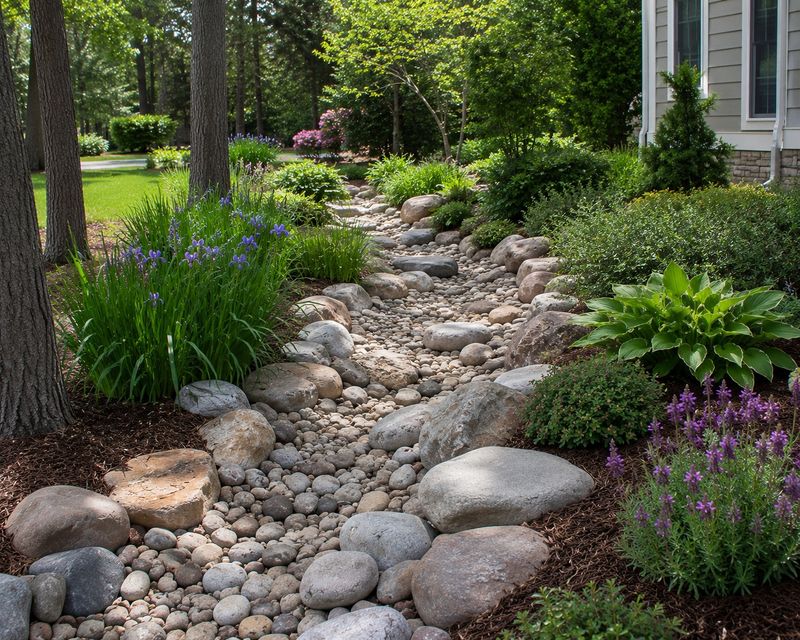
A dry creek bed looks like a peaceful stream that just happens to be taking the day off. When storms roll through, though, that rocky channel springs to life and carries runoff safely across your yard.
Rocks slow rushing water and keep the soil from washing away on slopes where grass struggles to hold on. I think they also solve the problem of muddy ruts that appear wherever water naturally wants to travel.
Start by watching your yard during a real downpour, since the water will show you exactly where the channel belongs. Mark that path with stakes or a hose, then dig a shallow trench with gently sloped sides along the route.
Many builders lay a permeable fabric underneath the stones to keep soil from mixing into the rocks over time. Larger boulders along the edges hold everything in place, while smaller river rock fills the center where water runs.
Curves look more natural than a straight ditch, and they also help slow the water before it reaches lower ground. End the channel in a rain garden, lawn area, or gravel basin rather than letting it dump water onto a neighbor’s property.
Plant ornamental grasses or low native shrubs along the banks to soften the stones and help anchor the soil. Little bluestem and inkberry holly are both native to the region and look handsome near a rocky creek bed.
7. Deep Rooted Native Plants And Thick Mulch Hold Rain

Switchgrass can send roots several feet deep, which makes a typical lawn’s shallow root zone look almost shy in comparison. Those long roots create tiny channels in the soil that help rainwater sink downward instead of sheeting across the surface.
Planting more native perennials, shrubs, and trees is a slow but steady way to turn your whole yard into a sponge. Once established, many of these plants need little extra watering because they already suit the local climate and rainfall patterns.
Purple coneflower, black-eyed Susan, and mountain mint are cheerful choices that pollinators visit constantly during summer. I find myself counting bumblebees on the mountain mint, and I usually lose track before reaching twenty.
Mulch deserves credit too, because a two to three inch layer slows raindrops and stops them from crusting bare soil. Shredded leaves or wood mulch break down over time, adding organic matter that helps soil hold more water.
Keep mulch a few inches away from tree trunks and plant stems, since piled mulch can encourage rot and pest problems. Mounded volcano mulch around trees is a common mistake that extension agents often warn homeowners to avoid.
Early fall is usually an excellent time to add native plants across much of the state, since cooler air helps roots settle. Look for nurseries that label plants as native to the Mid-Atlantic, and always avoid invasive species like Japanese barberry.
8. Permeable Pavers Let Rain Sink Through Patios
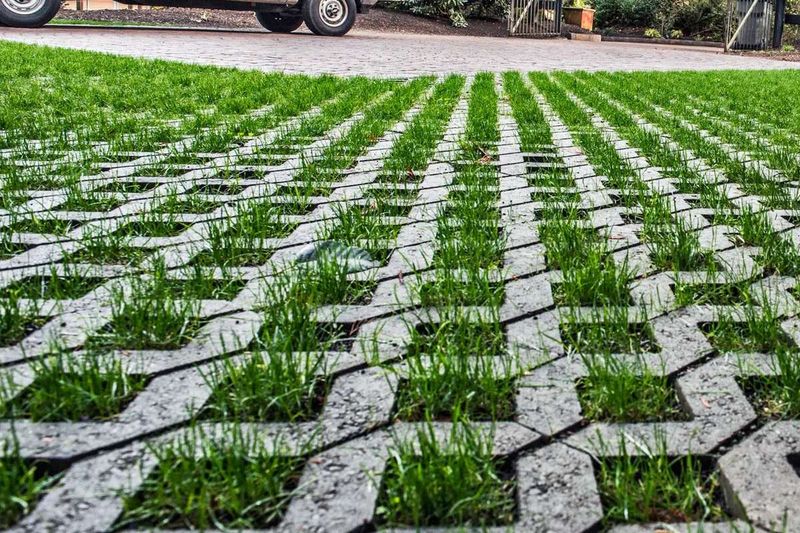
Pour a bucket of water on a permeable patio and it vanishes into the joints almost like a magic trick. Regular concrete sends that same water racing toward the street, carrying oil, dust, and fertilizer along for the ride.
Permeable pavers have small gaps filled with gravel, while the layers below act like a storage area for rainwater. Water collects in that stone base and slowly soaks into the soil instead of flooding low spots in your yard.
Gravel paths and stepping stones set in groundcover work on the same idea, and they cost far less to install. I love creeping thyme between flat stones, since it smells wonderful whenever someone steps along the path after rain.
Some communities in Virginia, including Arlington and Alexandria, offer stormwater programs that may help homeowners with green yard projects. Rules and rebates change over time, so check your city or county website before planning a big hardscape upgrade.
Permeable surfaces need some upkeep, because sediment and leaves can clog the joints and slow down drainage. Sweeping regularly and refreshing the joint gravel every few years keeps the patio draining the way it was designed to work.
Heavy clay soils drain slowly, so a deeper stone base or professional advice can make a real difference here. Even replacing one small walkway with gravel or pavers helps your yard catch more rain where it falls.