This Native Tree Feeds Pollinators in a Big Way, Yet North Carolina Yards Keep Passing It By
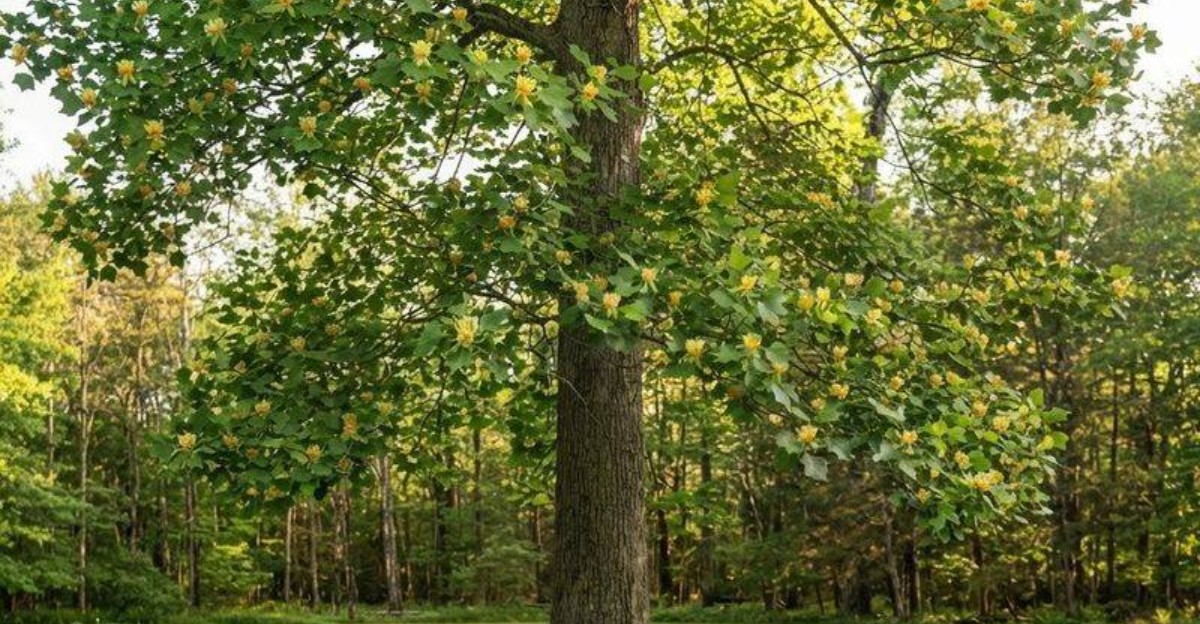
One of the best honey trees in the eastern United States hides its flowers 80 feet over your head. Beekeepers know it well, and the dark, rich honey it produces is a spring favorite.
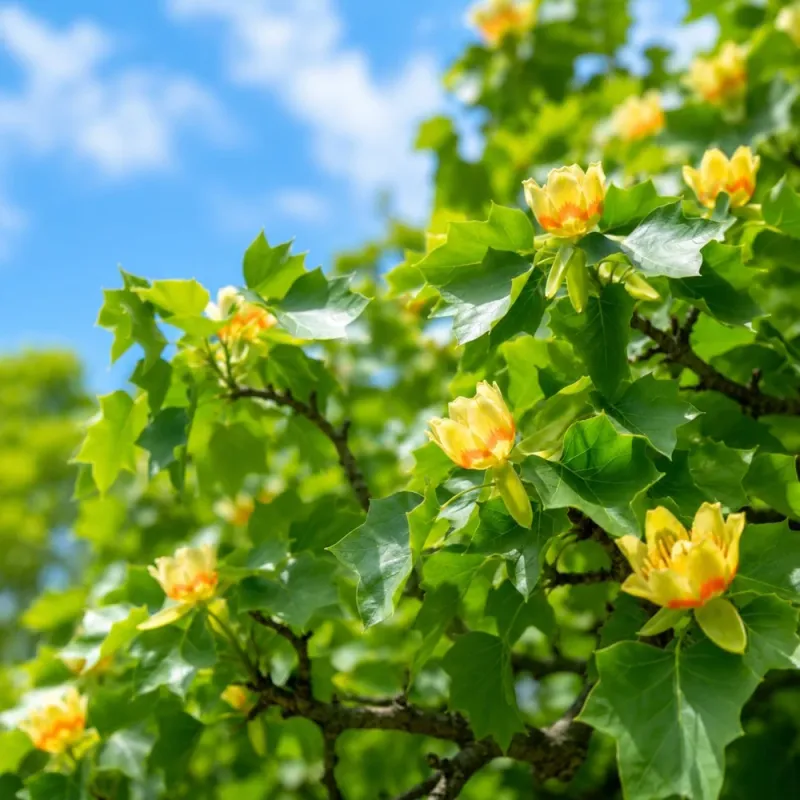
The blooms look like little orange and green tulips. Yet most people only notice them after a petal lands on the sidewalk. I like how this tree keeps its best show a secret from almost everyone on the ground.
Here in North Carolina, it grows wild from the mountains to the coast. It feeds bees, swallowtail caterpillars, and hungry songbirds.
Still, you rarely see it on pollinator garden plant lists or in a neat suburban front yard. Personally, I think that gap says more about our yards than about the tree.
1. Those Orange-Banded Tulip Poplar Flowers Are Blooming Where Nobody Looks
Most of us garden at eye level. We plant coneflowers, bee balm, and salvia because we can watch the bees work them from a lawn chair.
Tulip poplar (Liriodendron tulipifera) plays a different game. Its cup-shaped flowers open in April and May, often near the top of a very tall tree. Each bloom is about two inches across, greenish-yellow, with a vivid orange band near the base.
Because those flowers sit so high, many homeowners never connect the tree with pollinators at all. It looks like a plain green shade tree from the patio. That simple visibility problem is a big reason it gets left off pollinator wish lists.
Bees, on the other hand, find it right away. Each flower holds a surprising amount of nectar, and the tree blooms over several weeks. Honey bees, bumblebees, and many native bees work the canopy, and ruby-throated hummingbirds visit too.
Want proof in your own neighborhood? Look on the ground under a mature tree in late spring. Fallen petals with that orange stripe tell you the canopy above is buzzing.
A pair of binoculars helps too. Once you spot those flowers, you will see this tree in a whole new way.
2. A Single Tulip Tree Can Fill Beehives With Nectar
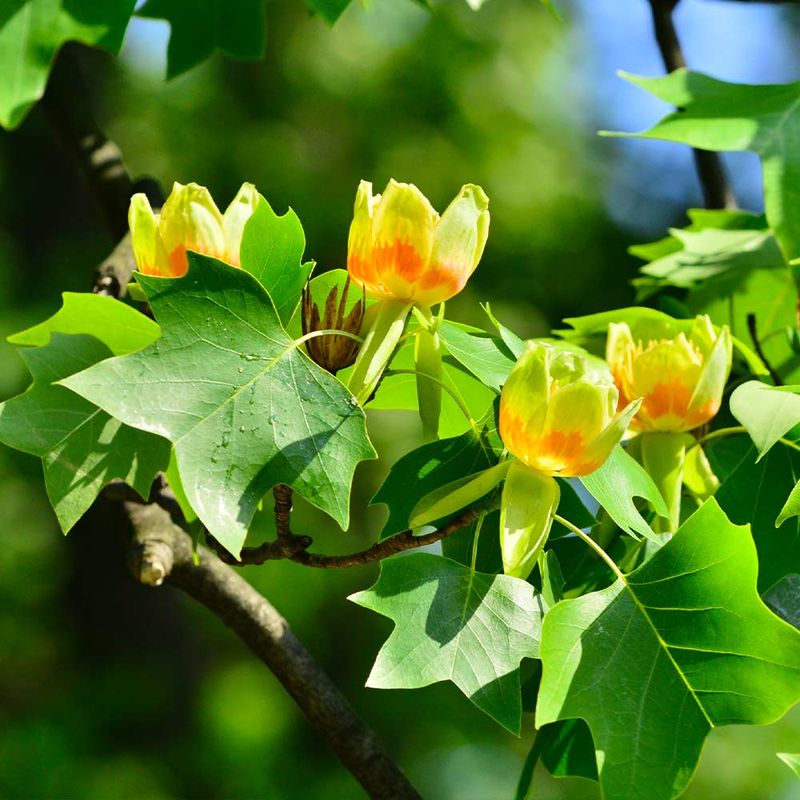
Ask any North Carolina beekeeper about spring honey, and tulip poplar comes up fast. It is one of the main nectar sources for honey bees in the Southeast during its bloom.
The flowers make a lot of sweet nectar, and the tree carries hundreds or thousands of blooms at once. Published estimates vary, but a mature tree is often credited with several pounds of nectar per season. That is a lot of fuel from one plant.
The honey itself is fun to taste. It usually runs dark amber with a rich, slightly fruity flavor, a bit like a lighter molasses. Local farmers markets often sell it labeled simply as poplar honey.
For a pollinator yard, that steady flow matters. Spring bloom fuels colonies right when they are building up for the year. Native bees that fly in April and May get a reliable meal too.
One tree on a larger property can quietly outproduce a whole bed of perennials. That is not a knock on flower beds. It just shows why trees deserve a place in pollinator planning.
If you keep bees, a tulip poplar nearby is a real gift. If you don’t, your neighbor’s hives will still thank you.
3. Swallowtail Caterpillars Munch Happily On Those Tulip-Shaped Leaves
Flowers are only half the story. The leaves of this tree feed caterpillars, and caterpillars feed the whole backyard food web.
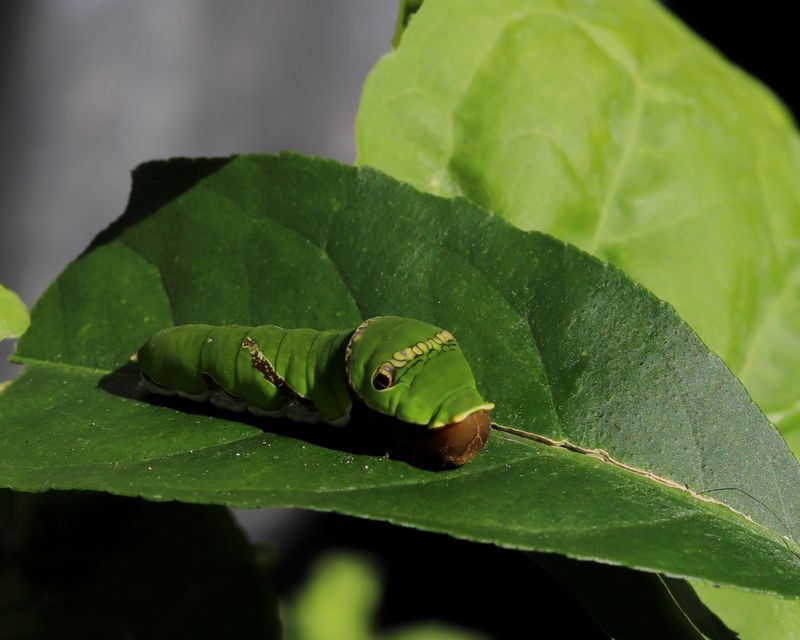
The eastern tiger swallowtail, a familiar yellow-and-black butterfly across the state, uses tulip poplar as a host plant. Its young caterpillars look like bird droppings, a clever disguise.
Older ones turn green with big fake eyespots that seem to stare right back at you. The tuliptree silkmoth also depends heavily on this tree and its close relatives.
Several other moths feed on the foliage too. You probably won’t notice any leaf damage, since a big tree has plenty to share.
Here is why that matters to bird lovers. Research by entomologist Doug Tallamy shows most songbirds feed their nestlings mostly caterpillars. Native trees that host lots of caterpillars help parents find enough food in a short nesting season.
Later in the year, the tree adds one more snack. Its cone-like clusters of winged seeds stay on branches into winter, and finches, cardinals, and squirrels pick at them.
So a tulip poplar is more than a nectar stop. It works like a year-round cafeteria that keeps feeding wildlife long after the last petal drops.
4. That Towering Tulip Poplar Trunk Needs More Room Than Most Lots Offer
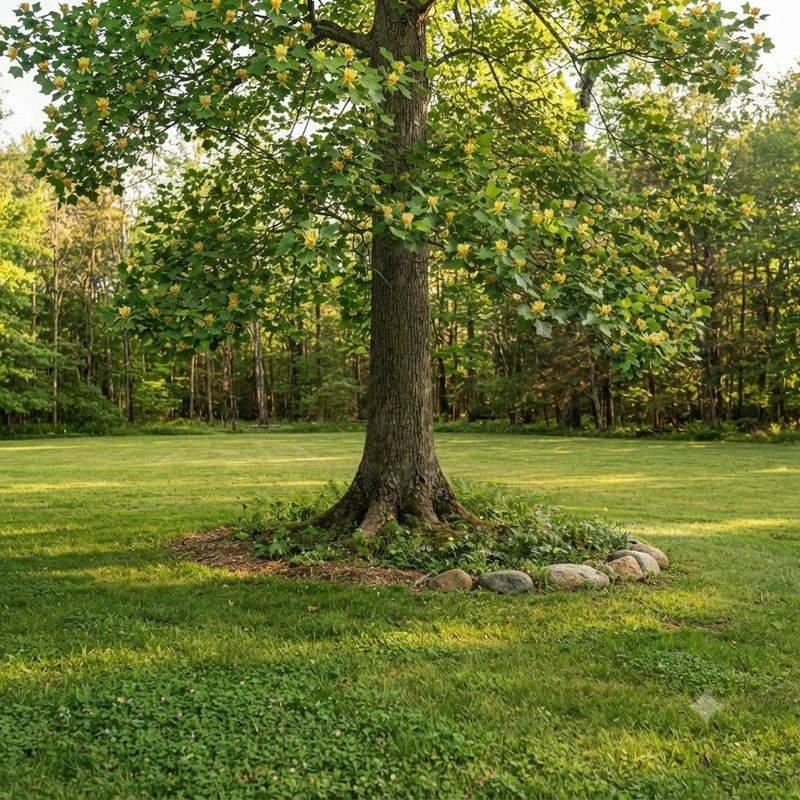
Size is the honest reason this tree gets skipped. Tulip poplar is one of the tallest hardwoods in eastern North America.
In yards, it commonly reaches 70 to 90 feet, and forest trees can top 120 feet. Spread often runs 30 to 50 feet. Young trees grow quickly too, sometimes two feet or more a year in good soil.
That speed is tempting when you want shade fast. But a sapling planted six feet from the house turns into a real problem within a couple of decades.
Here is a simple rule I like. Plant it at least 30 to 40 feet from your home, and keep it well away from overhead power lines. Give the roots room away from septic fields, sidewalks, and driveways as well.
Smaller city lots and new subdivisions rarely have that much space. That is why landscapers often reach for something shorter, and that choice makes sense in tight spots.
Bigger properties are a different story. Back corners, field edges, and wooded borders on rural or suburban acreage suit this tree beautifully. Measure before you buy. A tape measure and a little patience will save you a lot of regret.
5. Sticky Aphid Honeydew And Falling Twigs Can Test Your Patience
Let me be upfront. Parking under a big tulip poplar in summer can leave your car shiny with sticky spots.
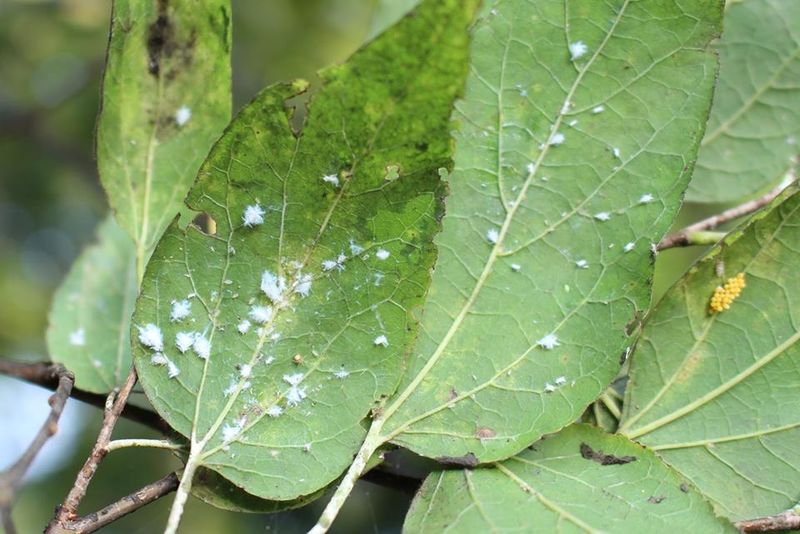
The tuliptree aphid feeds on the leaves and drips a sugary liquid called honeydew. Tuliptree scale, a common insect pest in the Southeast, does the same thing on twigs. A black fungus called sooty mold can then grow on that sticky coating.
Most of the time, this is a cosmetic problem, not a tree health crisis. Lady beetles, lacewings, and tiny wasps often help bring aphid numbers down on their own.
Avoid heavy spraying in a pollinator yard, since many sprays also harm the very insects you want to protect.
Litter is another tradeoff. The tree drops petals in spring, some yellow leaves in summer during dry spells, and seed pieces through fall and winter.
Its wood is also fairly soft for a hardwood. Small branches may snap in ice storms or strong winds, which is common across the Piedmont some winters.
Smart placement handles most of these issues. Keep it away from driveways, decks, and patios, and the mess mostly lands where nobody minds. A leaf blower and a mulched bed underneath do the rest.
6. Moist Bottomland Soil Keeps A Young Tulip Poplar Thriving
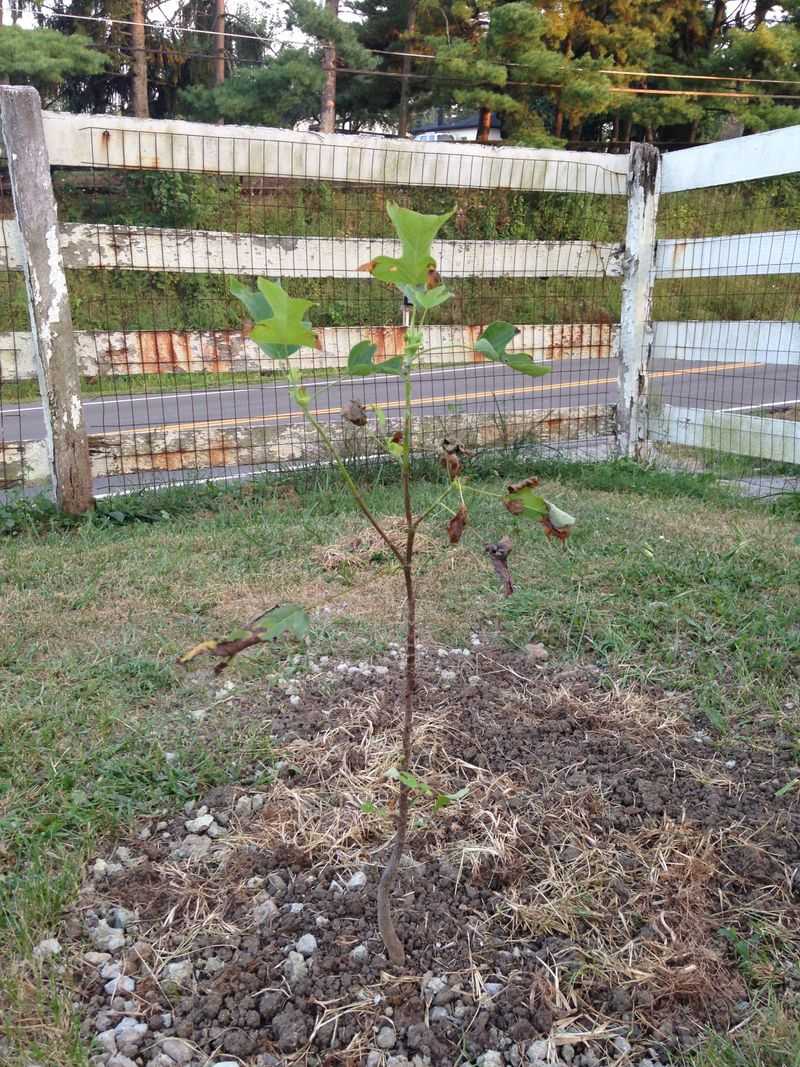
Picky is too strong a word, but this tree has favorite conditions. In the wild, it shines in deep, rich, moist coves and stream bottoms.
Give it full sun or light shade and loose, well-drained soil that stays evenly moist. It grows across North Carolina, from mountain coves to Piedmont forests and parts of the Coastal Plain.
Heavy, compacted clay around new homes can slow it down, so loosen a wide area before planting.
Drought stress shows up quickly. During hot, dry spells, it often drops yellow leaves early, which surprises many first-time owners. Deep watering once a week in the first two summers makes a huge difference.
Fall and early winter are the best planting times in most of the state. Cooler air and better rain help roots settle before summer heat arrives.
Start small. Young container trees often establish faster than big balled ones, and they catch up in a few years.
Spread two to three inches of wood chip mulch in a wide ring. Keep it a few inches away from the trunk to avoid rot. Skip heavy fertilizer. A healthy native tree in decent soil mostly wants water and time.
7. Sourwood, Redbud, And Other Native Trees Fit Smaller Pollinator Yards
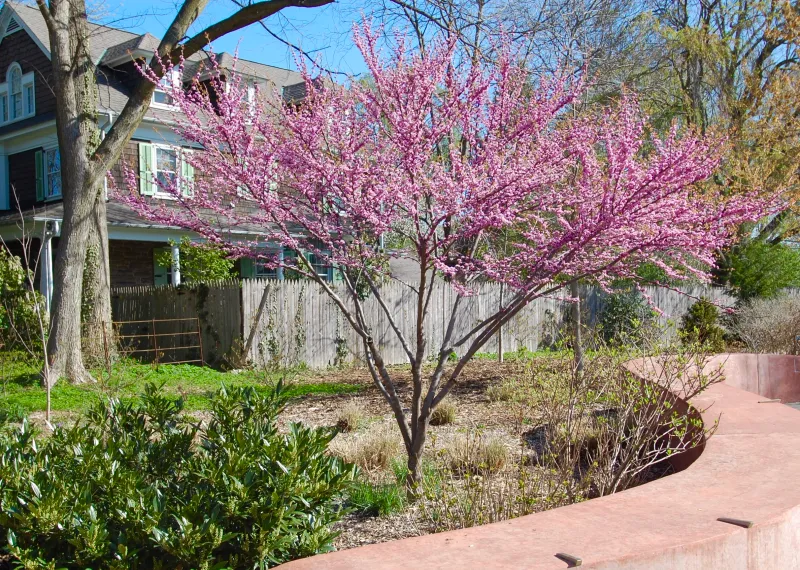
Not every yard can host a giant, and that’s fine. You still have great native options that feed pollinators in a smaller footprint.
Sourwood is a classic in our state. It usually stays 20 to 30 feet in gardens, blooms with drooping white sprays in early summer, and produces a famous mountain honey. Its red fall color is a bonus.
Eastern redbud and serviceberry bloom early in spring when bees badly need food. Both stay small enough for most suburban lots. Carolina silverbell offers pretty white bells for shadier spots.
Need more shade? Red maple flowers very early for bees, and blackgum feeds bees in spring and birds in fall. Native oaks host hundreds of caterpillar species, though they need room too.
Steer clear of Bradford pear and other invasive ornamentals. They spread into nearby woods and offer far less to native wildlife.
So here is my takeaway. If you have the space, plant a tulip poplar at a safe distance and enjoy decades of buzzing canopy. If you don’t, choose a smaller native and support your neighbors’ big trees.
Look up this spring. You may find a tulip poplar already blooming right over your street.