8 Winter Cover Crops California Gardeners Can Sow To Improve Garden Soil Naturally
Could a few handfuls of seed loosen stubborn clay while your shovel stays in the shed? Deep, chunky roots on certain winter plants can punch right through compacted ground while you stay cozy indoors.
That idea delights me. Bean-family plants partner with root bacteria that pull nitrogen straight out of the air.
Certain hardy grasses even sprout in soil just a few degrees above freezing, then soak up nutrients that winter storms would otherwise wash away.
Looking back, I should have started years ago. My beds used to sit bare all winter while muddy rain carried topsoil down the driveway like chocolate milk. Now November is my favorite month for scattering seed and letting the storms water it in.
From the sidewalk, your winter bed might look like scruffy grass. The laziest-looking patch on your block could quietly be doing the most work.
1. Crimson Clover

Few cover crops look this good while working this hard, with fuzzy scarlet blooms that resemble tiny strawberry popsicles. I love how a patch of it turns a sleepy winter bed into a buzzing pollinator party by spring.
Crimson clover, or Trifolium incarnatum, is a cool-season annual legume that grows happily between 40 and 70 degrees. At full bloom, the plants usually stand about one to two feet tall with soft, leafy stems.
Its roots partner with soil bacteria to fix roughly 70 to 150 pounds of nitrogen per acre. The fibrous root system also loosens soil and holds it in place when heavy winter rains arrive.
Many gardeners sow seed around Thanksgiving, pressing it about half an inch deep into loose, well-drained ground. Sandy loam suits it best, while soggy clay often leaves the young seedlings weak and yellow.
Aim for a soil pH between 5.5 and 7.0, which covers plenty of typical backyard vegetable beds. Coating the seed with the right clover inoculant gives those helpful bacteria a quick head start.
Bees and other helpful insects flock to the red flower spikes once warmer spring days roll around. You might find yourself delaying cleanup just to enjoy the show for an extra week or two.
For the best soil boost, mow plants when roughly a quarter to half of them are flowering. Then mix the clippings into the top layer and wait about three weeks before sowing small seeds.
2. Fava Beans
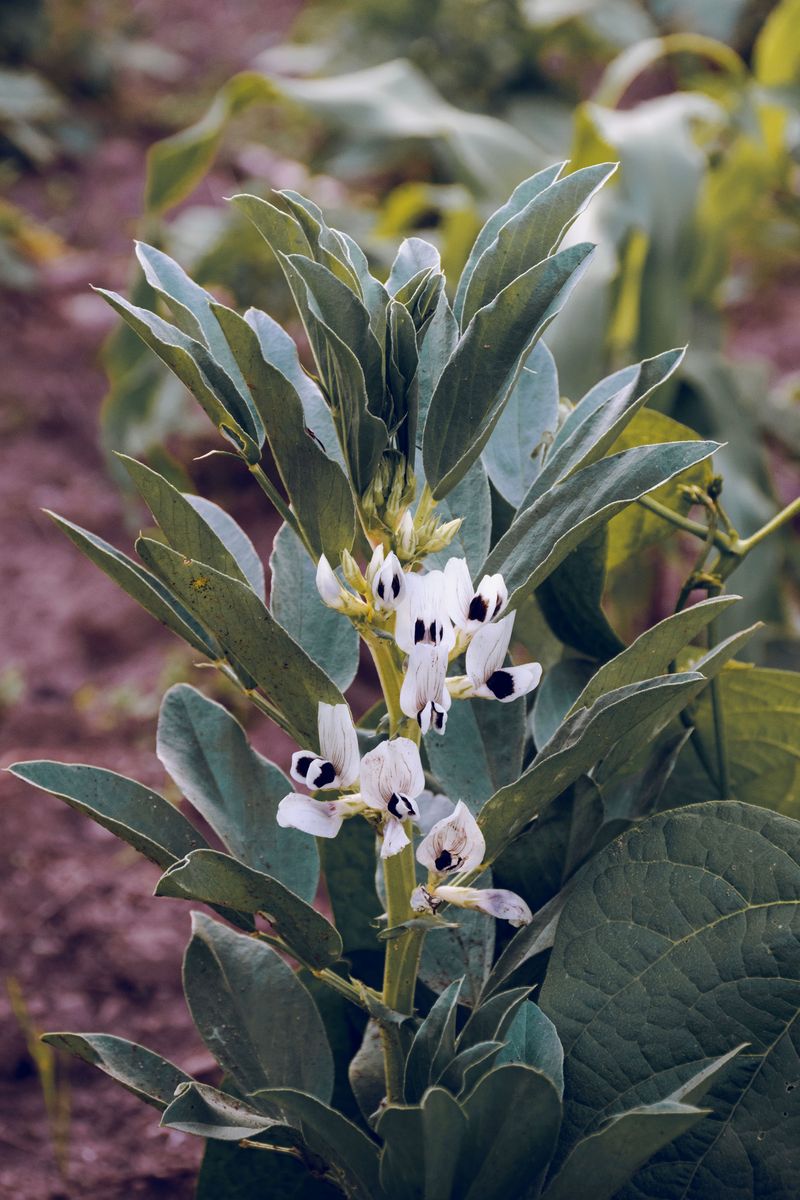
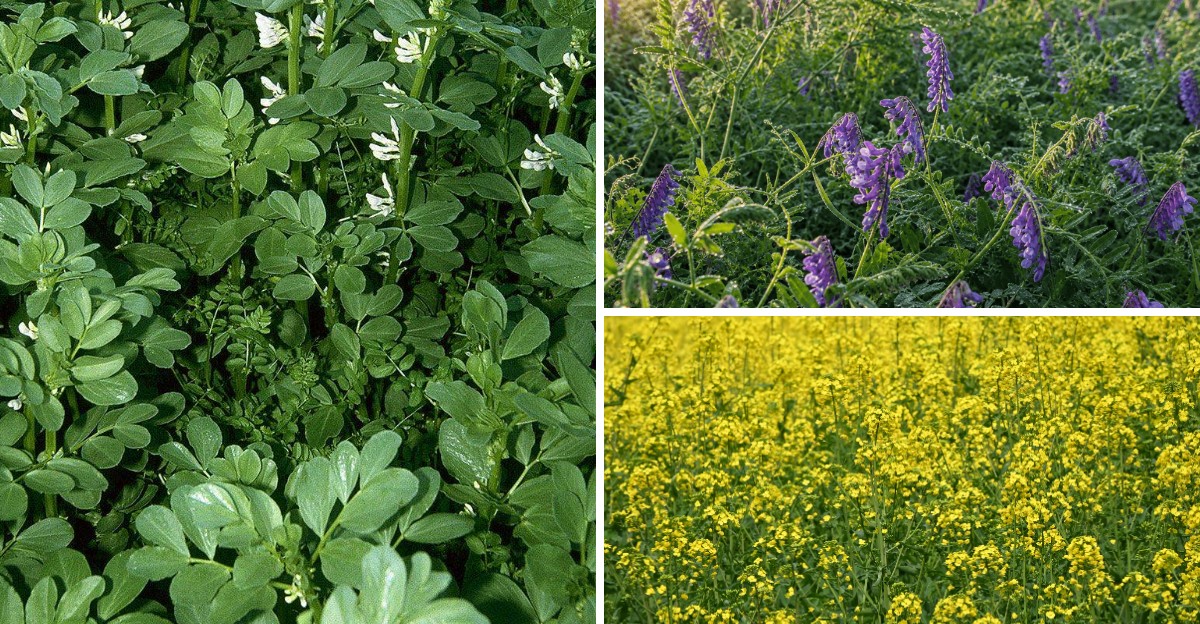
Tall and surprisingly tough, fava beans shrug off frosty nights that would send many garden plants sulking. I have to admit their sweet-smelling white and purple flowers make winter chores feel a lot more cheerful.
Fava beans, known botanically as Vicia faba, can handle temperatures down to about 12 degrees Fahrenheit once established. Depending on the variety, plants reach anywhere from two to seven feet tall with thick, upright stems.
Their deep roots punch through compacted ground, which makes them a favorite for heavy clay beds. Meanwhile, root nodules can fix around 60 to 200 pounds of nitrogen per acre in good conditions.
Sow seeds between October and November, about one inch deep and four to six inches apart. A quick dusting of pea and bean inoculant before planting helps those nitrogen-making bacteria settle in.
You need to resist the urge to harvest beans if soil building is your main goal. Developing pods pull stored nitrogen back out of the plant, leaving less behind for your next crop.
Instead, chop the plants at the base as they start to bloom, often around March near the coast. Leave the stems on top as mulch or dig them in and let them break down for several weeks.
Bonus tip for curious cooks, the young leaves are edible and taste a bit like mild, earthy spinach. Just be aware that some people carry a genetic condition called favism and should avoid eating fava beans.
3. Austrian Winter Pea
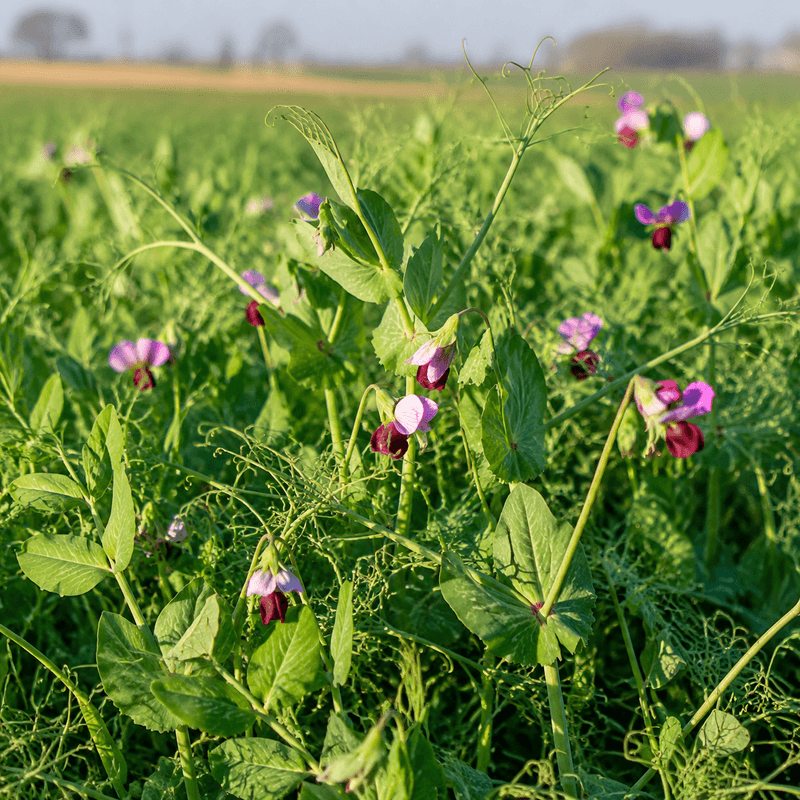
Frosty mornings hardly faze the Austrian winter pea, which can shrug off temperatures as low as 10 degrees. Personally, I find it charming that such a delicate-looking vine handles cold snaps better than my heaviest jacket.
Botanists call it Pisum sativum subspecies arvense, a close cousin of the snap peas many families grow. Plants grow as scrambling vines about two to three feet long, decorated with pretty purple and pink flowers.
Each acre can gain roughly 60 to 125 pounds of nitrogen once the pea roots team up with bacteria. The leafy vines also crowd out weeds, which saves you a few sweaty afternoons of pulling them later.
Plan to sow in early to mid-fall, about four to six weeks before your typical first hard frost. Press seeds one to two inches deep, and coat them with pea inoculant for stronger nodules.
These peas prefer cool, moist weather and begin to sulk once daytime temperatures climb above 80 degrees. That makes them a smart pick for foothill and inland gardens where winter nights get properly chilly.
In warmer regions, plants often mature by April, so keep an eye out for the first blossoms. Chop them down and turn them into the soil as soon as flowering starts for maximum nitrogen.
Pairing them with a grass like cereal rye gives the tendrils something sturdy to climb as they grow. Bees and beneficial insects visit the blooms too, so your winter bed quietly supports garden helpers.
4. Bell Beans
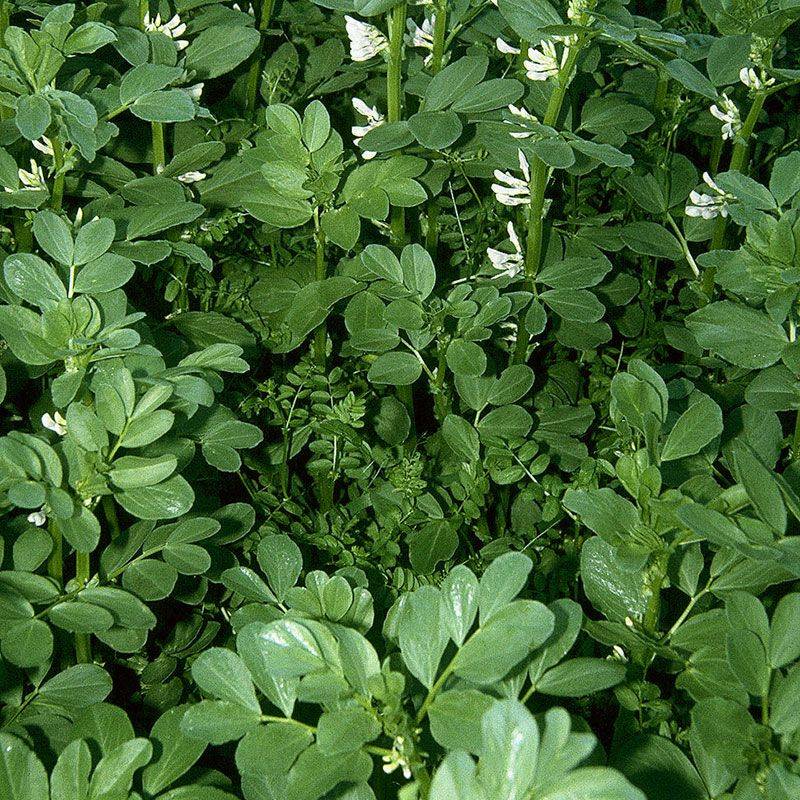
Bell beans are the scrappy little sibling of the fava, packing smaller seeds and a surprising amount of muscle. Farmers along the Central Coast have relied on them for years to bring tired, heavy ground back to life.
Their scientific name is Vicia faba variety minor, and UC researchers list them among top legume cover crops statewide. What surprises me most is how well they handle heavy soils where many vetches and peas often struggle.
Plants usually grow two to three feet tall, branching more than full-size favas and forming a denser canopy. Underneath, a thick taproot works its way down and opens up stubborn clay as it grows.
Nitrogen gains can reach roughly 50 to 200 pounds per acre, putting them right alongside their larger relatives. They also add lots of chunky stems and leaves, which feed earthworms and build lasting organic matter.
Sow seeds from October through November at about two to three ounces per 100 square feet of bed. Inoculate the seed first, then cover it with around an inch of loose soil and water well.
Bell beans shine in mixes, so try combining them with peas and oats for a diverse winter blend. The grass gives climbing legumes support, while the beans hold everything upright like friendly garden posts.
Mow or chop the plants once they begin flowering, before pods start stealing nitrogen from the stems. The residue usually breaks down within two to three weeks, leaving crumbly, darker soil ready for spring planting.
5. Hairy Vetch
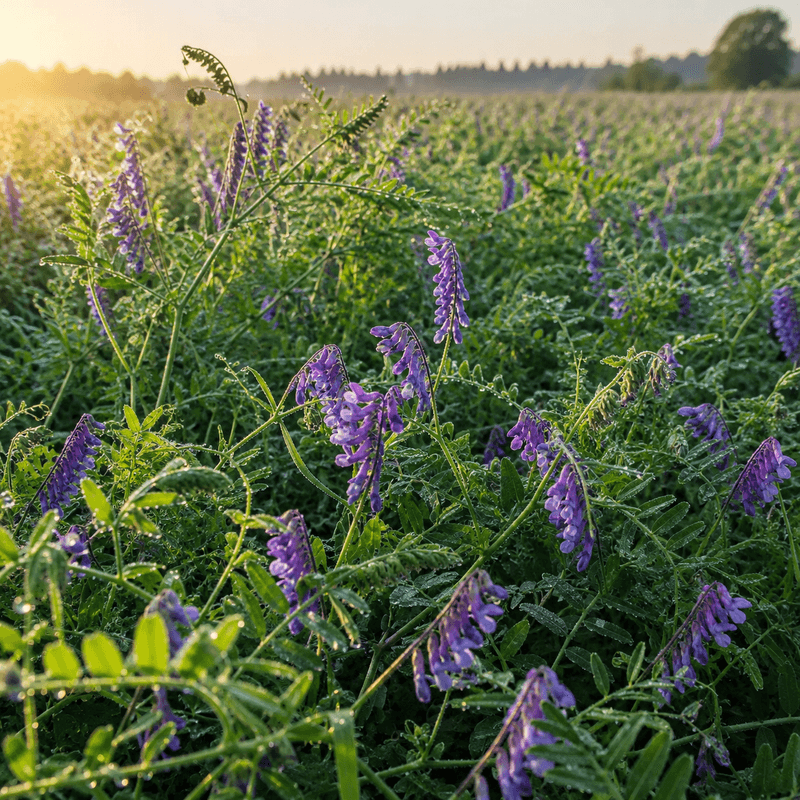
Run your hand along a hairy vetch stem and you will feel why it earned that slightly silly name. Soft, long hairs give the whole sprawling plant a silvery glow that looks lovely with morning dew.
Hairy vetch, or Vicia villosa, is a cool-season legume known for exceptional cold tolerance and easygoing growth. Its trailing stems can stretch up to six feet, using curly tendrils to grab anything nearby for support.
Nitrogen contributions range from about 30 to 150 pounds per acre, and it releases quickly after you cut it. A taproot reaching up to three feet deep also helps build organic matter and better soil structure.
Most gardeners sow it from mid-September to mid-October, about a month before the first hard frost arrives. Plant seeds half an inch to one and a half inches deep, or broadcast and rake them in lightly.
I like pairing vetch with cereal rye, since the sturdy grass gives those wandering vines a ladder. Together, the duo produces a thick mat that keeps soil covered and shields it from pounding winter storms.
You need to inoculate the seed with a vetch-specific product to get the strongest nitrogen results possible. Plan to cut the plants in spring, roughly three to four weeks before planting your summer vegetables.
Mow before seed pods ripen, because hard vetch seed can linger and sprout in your beds for years. Light, careful management keeps this helpful vine from becoming a bit too enthusiastic about your garden space.
6. Oats
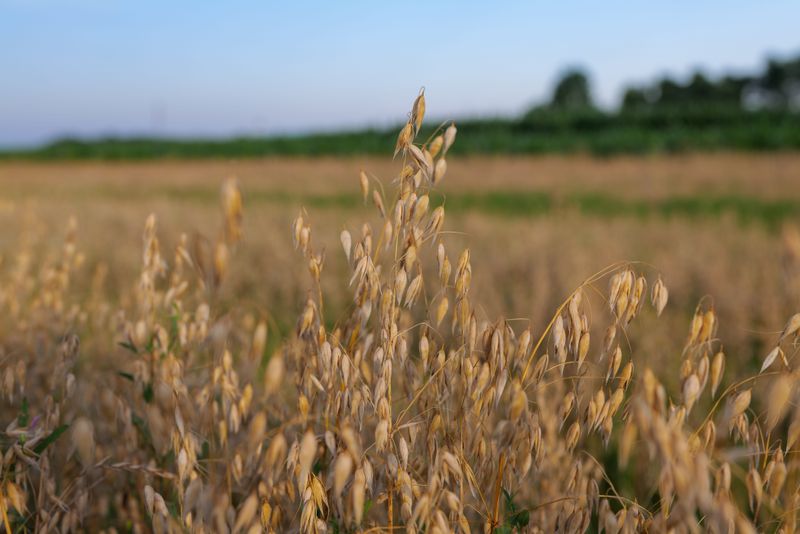
Oats might be the friendliest grass you can invite into a winter bed, sprouting fast and fussing very little. I love how the bright green blades fill in so quickly that bare dirt seems to vanish overnight.
Common oats, Avena sativa, are cool-season annual grasses that UC experts often recommend for winter cover crop mixes. Plants typically grow two to four feet tall, with fibrous roots that weave through the top layer of soil.
Those dense roots grab leftover nitrogen that winter rains might otherwise wash below the reach of vegetables. Oats also hold soil tight against erosion and add plenty of soft stems that break down fairly easily.
Unlike legumes, oats do not fix their own nitrogen, so they shine brightest when paired with peas or beans. The tall grass stalks act like trellises, and the legumes repay the favor by feeding the soil.
Sow seeds in fall after the first rains, scattering them thickly and raking them about an inch deep. Choose plain seed oats from a garden supplier rather than wild oats, which can spread as weeds.
Oats break down faster than cereal rye, which makes them easier to manage in small backyard beds. You can often plant transplants a few weeks after turning them in without worrying much about lingering residue.
Cut plants before the seed heads mature, ideally around flowering, so they do not reseed themselves everywhere. Chop the stems into short pieces with shears or a mower to help them decompose more quickly.
7. Cereal Rye
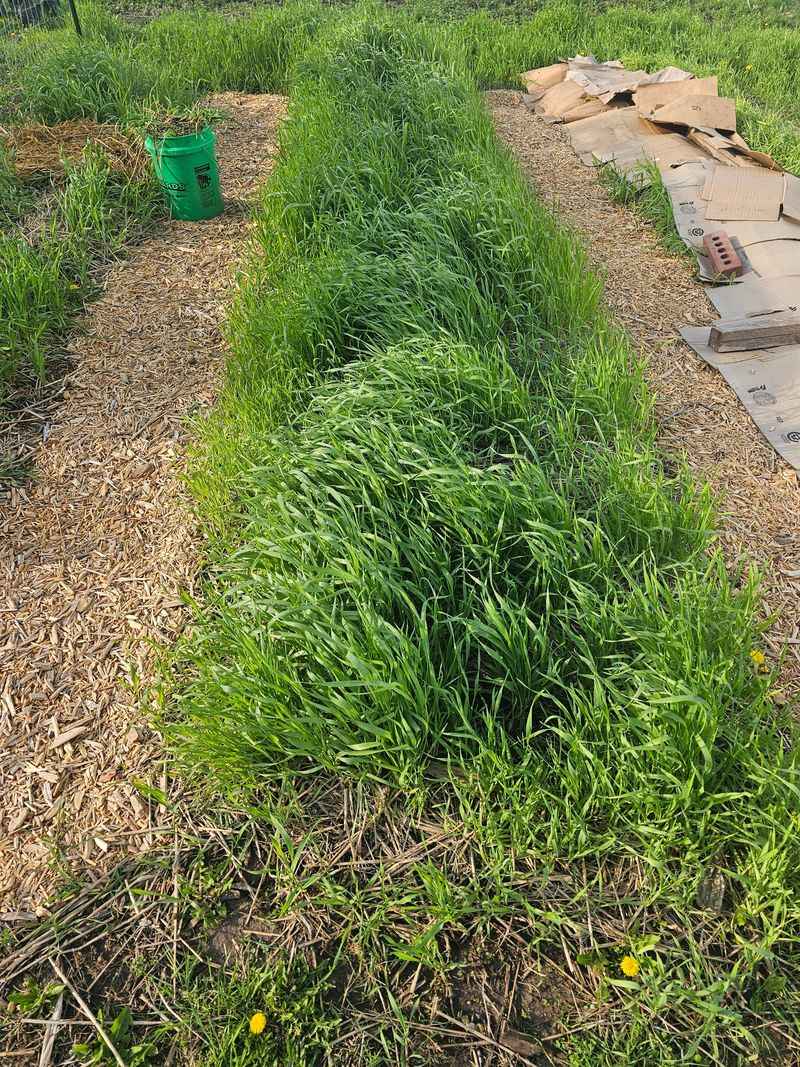
Cereal rye can sprout in soil as cold as 33 degrees, which feels almost like showing off. Late planters, rejoice, because this grass forgives procrastination better than nearly any other cover crop around.
Also called winter rye, Secale cereale is often considered the hardiest cover crop available to home gardeners. In much of California, you can still sow it into December and expect a solid stand.
Plants grow three to six feet tall, while fibrous roots can push several feet down through compacted layers. All that growth adds a huge amount of organic matter, which steadily improves drainage over the seasons.
Rye does not fix nitrogen, but it captures extra nitrogen so winter rains cannot leach it away. When the plants break down later, much of that stored food returns to the soil for your vegetables.
It also releases natural compounds that hold back weed seed germination, a trait scientists call allelopathy. That same trait can slow small vegetable seeds, so wait two to four weeks after cutting before sowing.
Transplants like tomatoes and peppers usually handle the leftovers just fine, which gives you a handy workaround. Mixing rye with vetch or peas creates a balanced blend, since the legumes climb the tall stalks.
Mow or crimp plants once they begin flowering, because younger rye often bounces back after cutting. Mature rye gets tough and woody, so chop it into small pieces to help it break down.
8. Mustard
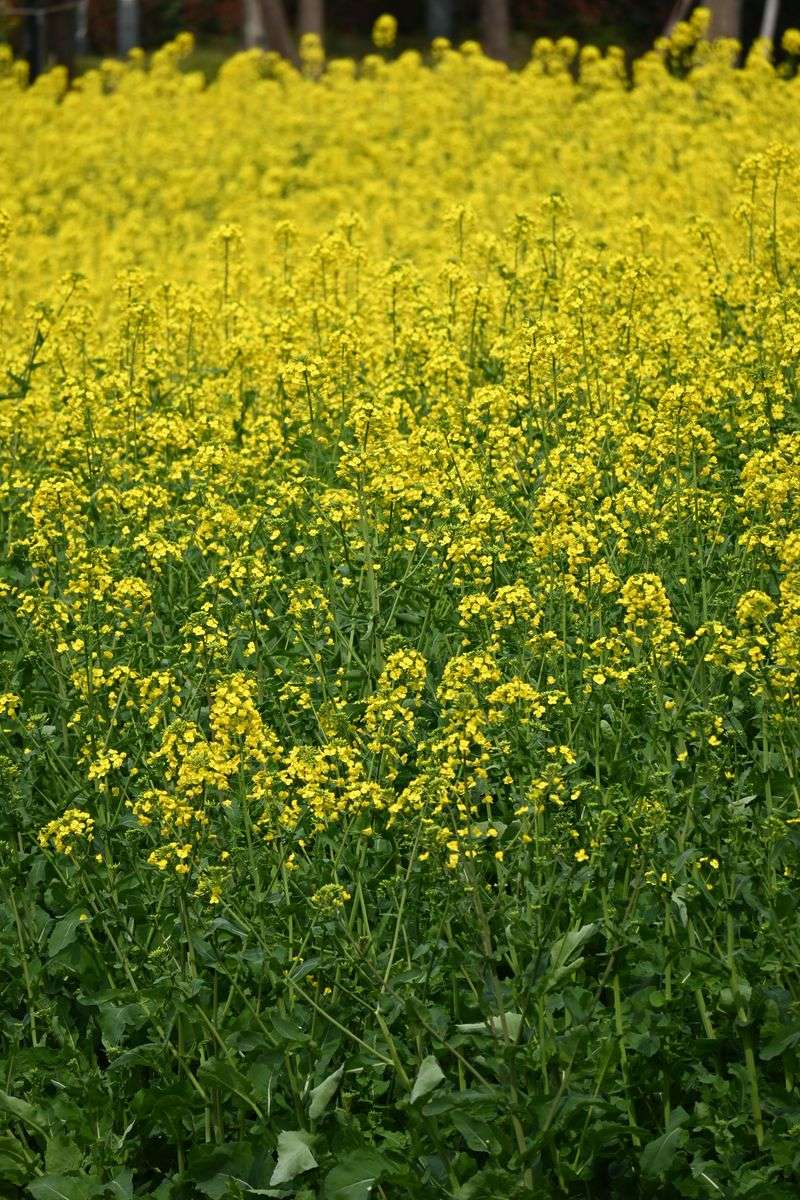
Mustard cover crops pack a spicy secret, releasing natural compounds as they decay that can discourage some soil pests. Researchers call this process biofumigation, and I believe it is one of the coolest tricks in organic gardening.
Several Brassica and Sinapis species work as cover crops, including white mustard, Sinapis alba, and Indian mustard, Brassica juncea. Both grow fast in cool weather and quickly form a leafy canopy that shades out young weeds.
Growers near Salinas have studied mustards ahead of strawberries as a natural option for managing soilborne problems. Results vary by pest and variety, so treat mustard as one helpful tool rather than a guaranteed cure.
Most mustards establish quickly, often providing good ground cover within about 30 days after sowing in mild weather. Scatter seed thinly over moist soil and rake it in lightly, since the tiny seeds need shallow planting.
Their roots scavenge leftover nutrients, and the bulky leaves add organic matter when mowed and mixed into soil. To get the strongest biofumigation effect, chop plants finely at early flowering and water the bed afterward.
Skip wild black mustard, which already spreads aggressively across hillsides and crowds out native plants in many areas. Buy named cover crop varieties from a reputable seed company, and cut plants before seed pods form.
Some varieties fade after temperatures drop to about 26 degrees, which makes spring cleanup quick and easy. You might also notice cheerful yellow flowers if you wait a bit, and early bees appreciate the snack.