Virginia Cooks Are Tucking Bay Leaves Into Coffee Jars. Here’s Why
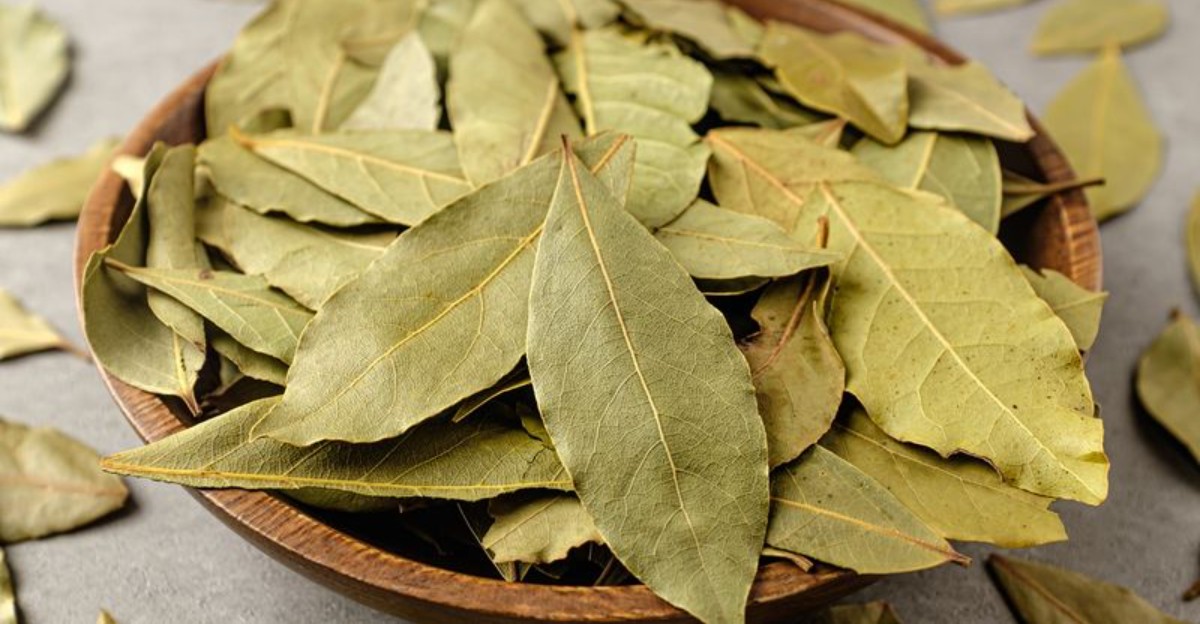
Open the coffee jar in some kitchens, and you might find a dry green leaf resting right on top of the beans. Nobody dropped a dinner ingredient by mistake.
Plenty of Virginia cooks tuck bay leaves into their coffee on purpose, and the habit keeps getting passed around. Grandmothers did it, and now younger home cooks are giving it a try.
Some swear it keeps pantry bugs away. Others say it adds a faint, woodsy aroma to the beans.
So does a single leaf really guard your morning brew, or is it mostly kitchen folklore? The answer is more interesting than you might expect.
Find out where the trick comes from, what science says about it, and what actually keeps your coffee tasting fresh.
It’s An Old-Fashioned Pantry Pest Trick
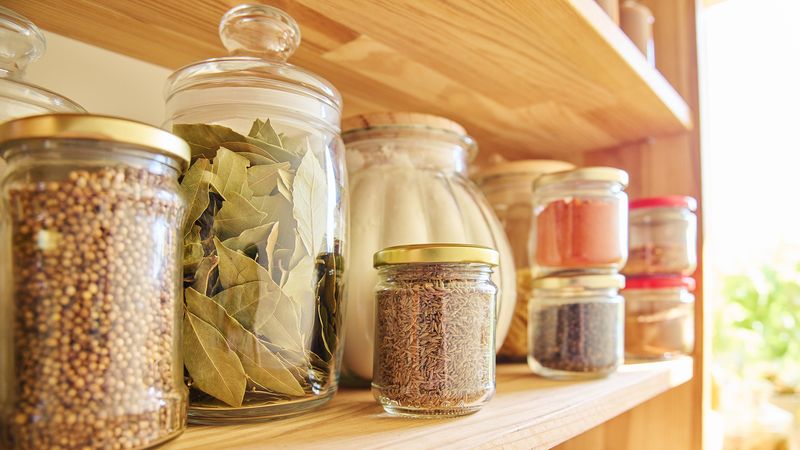
Picture a Virginia farmhouse kitchen around 1950, with tins lined up on wooden shelves. Tucked inside many of those tins, you would likely find a dried bay leaf or two.
Families back then had no fancy sealed containers or bug sprays in every cabinet. They relied on herbs from the garden and wisdom passed down from older relatives.
Bay leaves were cheap, easy to store, and already sitting in most spice racks. Slipping one into a canister felt like a simple way to protect hard-earned groceries.
Coffee was a treasured item in many homes, especially during lean years and wartime rationing. Guarding it from pests made a lot of sense to thrifty cooks.
Over time, the trick traveled from flour bins to sugar jars and eventually to coffee. Many Virginia households still follow it simply because Grandma did.
Fun fact: ancient Greeks and Romans prized bay laurel long before pantries existed. They wove the leaves into crowns to honor athletes, poets, and military heroes.
Today, social media has given the old habit fresh life. Short videos show home cooks dropping leaves into jars, and viewers are eager to copy them.
If you want to try it, use whole dried leaves rather than crushed ones. Whole leaves are easier to spot and remove before you grind or scoop your beans.
Think of the habit as a small nod to kitchen history. It connects modern coffee lovers with generations of careful, resourceful home cooks.
The Strong Scent May Discourage Bugs
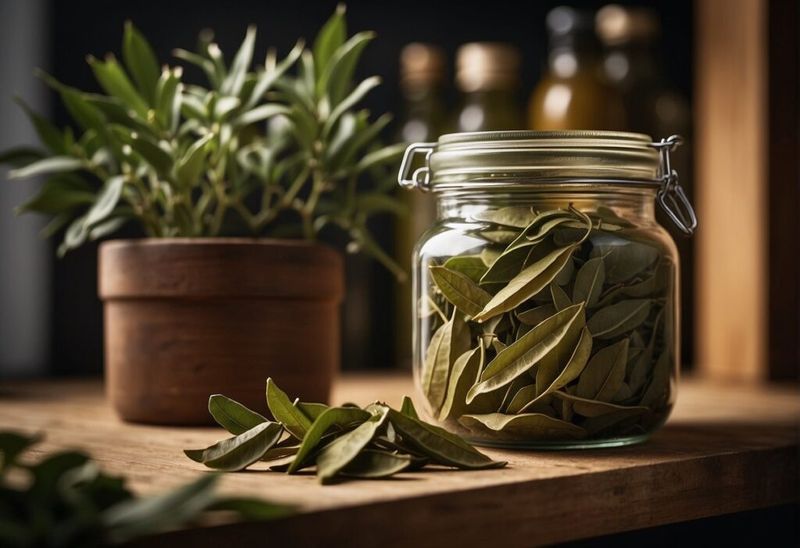
Crush a dried bay leaf between your fingers and take a sniff. You will notice a sharp, slightly minty smell that reminds some people of cough drops.
That punchy aroma comes from natural oils inside the leaf. One of the main ones is eucalyptol, the same compound found in eucalyptus trees.
Humans tend to find the scent pleasant in small doses. Many tiny pantry insects, however, seem to dislike it quite a bit.
Weevils, flour beetles, and pantry moths rely heavily on smell to find food. A strong herbal odor may confuse them or nudge them toward easier targets.
Think of it like a loud radio in a quiet library. The noise does not lock the door, but it might make visitors turn around.
Bugs are not the only creatures bothered by eucalyptol. Some researchers have studied similar plant oils as gentle alternatives to harsh chemical sprays.
Here is a handy tip for stronger results. Gently bend or crack the leaf before adding it, which releases a little more of the oil.
Keep in mind that a scent barrier works best before bugs show up. Once insects move into a jar, a leaf alone will not chase them out.
So the aroma acts more like a polite warning sign than a security guard. It can help, but it should not be your only line of defense.
Some Say It Adds A Subtle Herbal Note
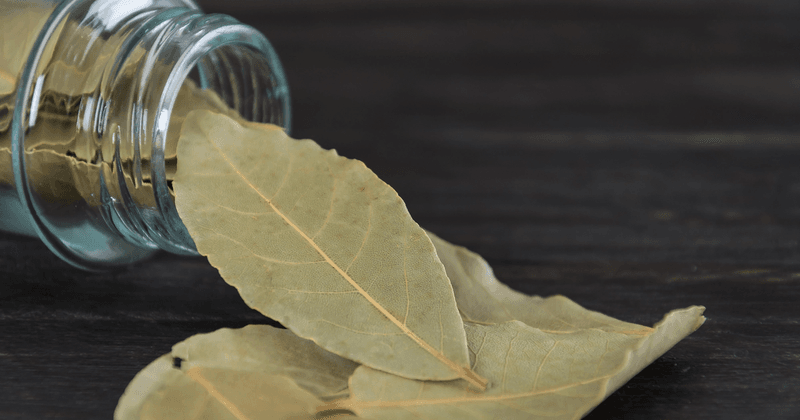
Ask five coffee drinkers about bay leaves, and you may hear five different answers. Some notice nothing at all, while others catch a faint woodsy whisper.
Coffee beans are a bit like sponges for smells. Their oily surfaces soak up nearby aromas, which is why storing them near onions is a bad idea.
A bay leaf sitting in the jar for weeks can pass along a touch of its scent. Most people describe it as gentle, earthy, or lightly herbal.
For dark roasts with bold flavors, the change is usually hard to detect. Light roasts with delicate fruity notes may show the difference more clearly.
Some adventurous coffee fans actually enjoy the twist. They compare it to adding a pinch of cinnamon or cardamom, popular in many cultures.
Others prefer their morning cup tasting pure and simple. If that sounds like you, try the trick with a small batch before committing your whole bag.
Here is a fun experiment for the curious. Brew two cups side by side, one from a leafed jar and one without, then compare.
You can also limit flavor transfer by using just one leaf per large jar. Removing it a few days before brewing can soften any herbal hint.
Whether the note is a bonus or a bother depends entirely on your taste buds. Either way, it makes for a fun kitchen conversation.
Science Hasn’t Proven It Works Very Well
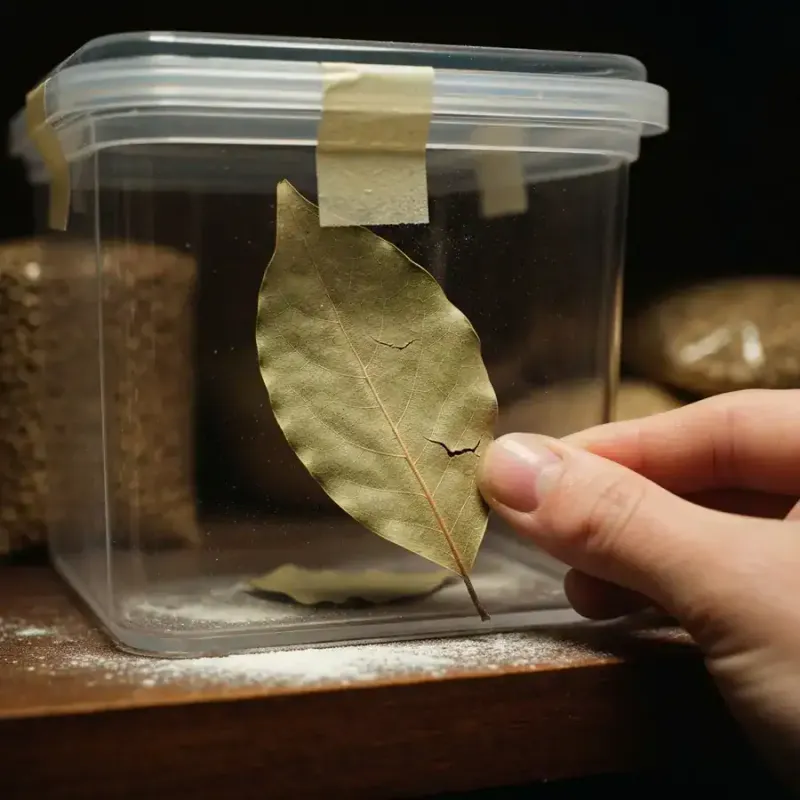
Here comes the honest part that folklore fans might not love. Scientific research on bay leaves as pantry protectors is pretty thin.
A few lab studies suggest bay oil can bother certain insects. Those tests often use concentrated extracts, not a single dried leaf in a jar.
One leaf releases only a small amount of scent. Inside a big container, that aroma may fade before it reaches every corner.
Pest control experts generally describe bay leaves as a mild repellent at best. They do not wipe out eggs, larvae, or adult bugs already living in food.
Many pantry pests actually arrive inside groceries straight from the store. Eggs can hide in flour or grain long before you bring it home.
A bay leaf cannot stop those hidden hitchhikers from hatching. Freezing new bags of flour for about four days is a far more reliable step.
So why do so many people believe the trick works? Often their pantries were clean and sealed well, so bugs simply never showed up anyway.
Scientists call that a coincidence, not proof. Still, the leaf is harmless, inexpensive, and might offer a tiny extra edge.
The smart approach is to treat bay leaves as a bonus. Pair them with good storage and regular cleaning instead of trusting them alone.
Airtight Jars Matter Far More Than Bay Leaves
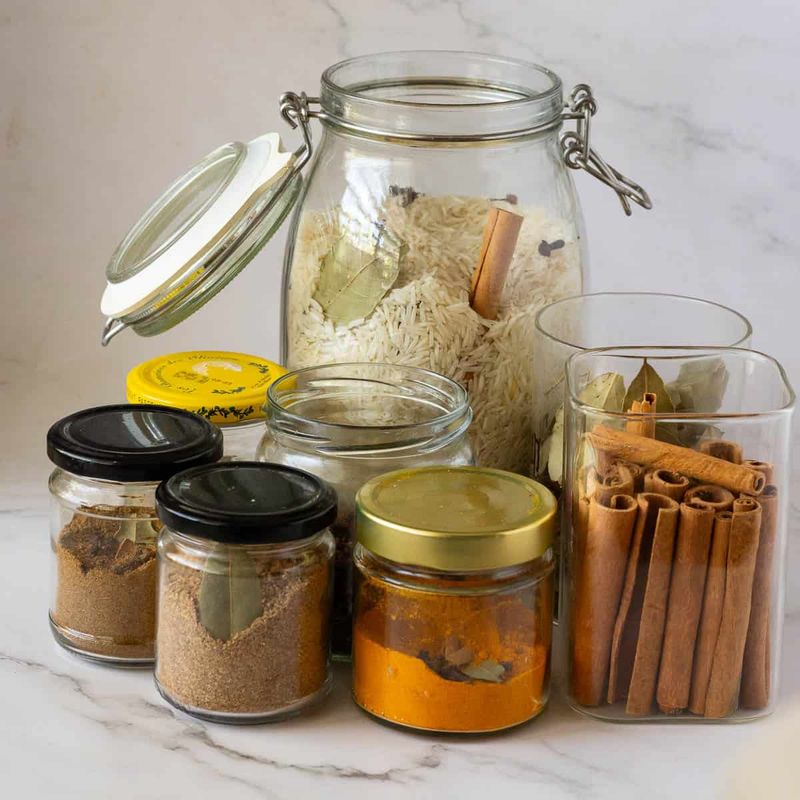
If bay leaves are the sidekick, airtight containers are the real superhero. A tight seal blocks bugs, moisture, and air all at once.
Pantry moths and beetles can squeeze through surprisingly tiny gaps. Some can even chew through thin paper bags and flimsy plastic packaging.
Glass jars with rubber gaskets make a solid choice. Stainless steel canisters with clamp lids also work well and block out light.
Light matters more than many people realize for coffee. Clear jars look pretty, but sunlight speeds up flavor loss, so store them in a dark cabinet.
Virginia summers bring plenty of heat and sticky humidity. Moisture can make beans stale faster and even encourage mold in some cases.
A sealed container keeps that damp air on the outside. Look for jars with a one-way valve, which lets roasting gases escape without letting air in.
Try this quick test on your current containers. Close the lid, press gently, and listen for any hissing or feel for loose spots.
Clean jars fully between refills, too. Leftover crumbs and coffee dust can attract pests and add old, bitter flavors to fresh beans.
Once your storage is solid, feel free to toss in a bay leaf. It becomes a cozy finishing touch rather than your entire plan.
Fresh Beans Still Lose Flavor Over Time
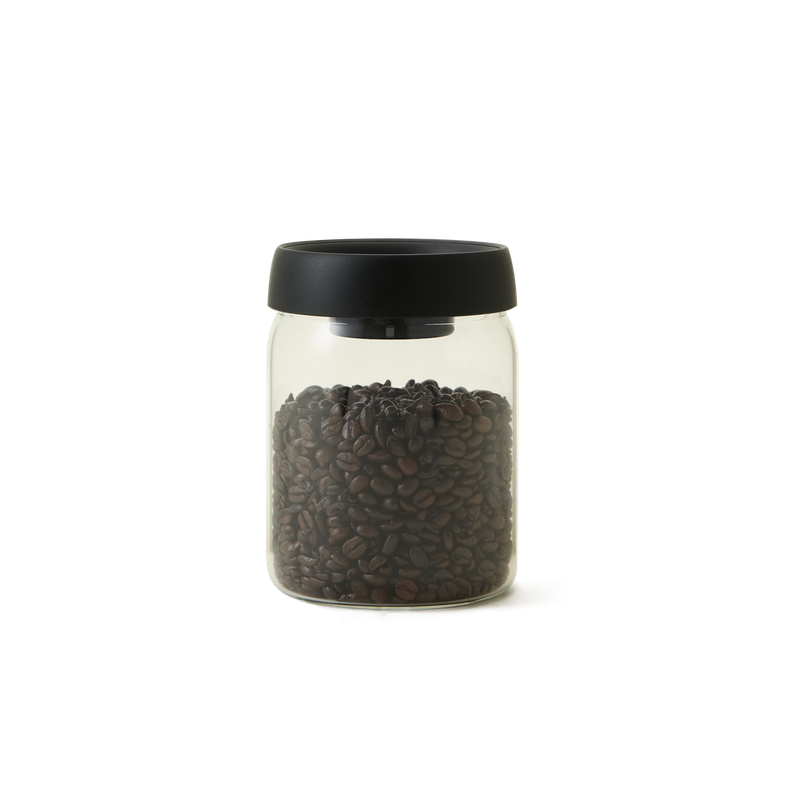
Every bag of coffee has a ticking clock, even if you cannot hear it. Flavor starts slipping away within days after roasting.
The main culprit is oxygen. Air reacts with the oils in coffee beans, slowly dulling their bright, rich taste.
Most experts say whole beans taste best within two to four weeks of roasting. Ground coffee fades even faster because more surface touches the air.
No herb can pause that natural process. A bay leaf might help with bugs, but it will not keep your beans tasting roaster-fresh.
Local Virginia roasters often print the roast date right on the bag. Checking that date is one of the easiest ways to buy better coffee.
Skip bags that list only a far-off best-by date. Those beans may have been sitting on shelves for months already.
Buy smaller amounts more often if you can. A bag that lasts one or two weeks will taste noticeably better than a giant tub.
Grinding right before brewing makes a big difference, too. Even an affordable burr grinder can wake up the aroma in your morning cup.
Some folks freeze extra beans in small sealed portions. Just thaw each portion once and avoid refreezing, since moisture can sneak in and ruin the taste.
Swap Leaves Out Every Few Months
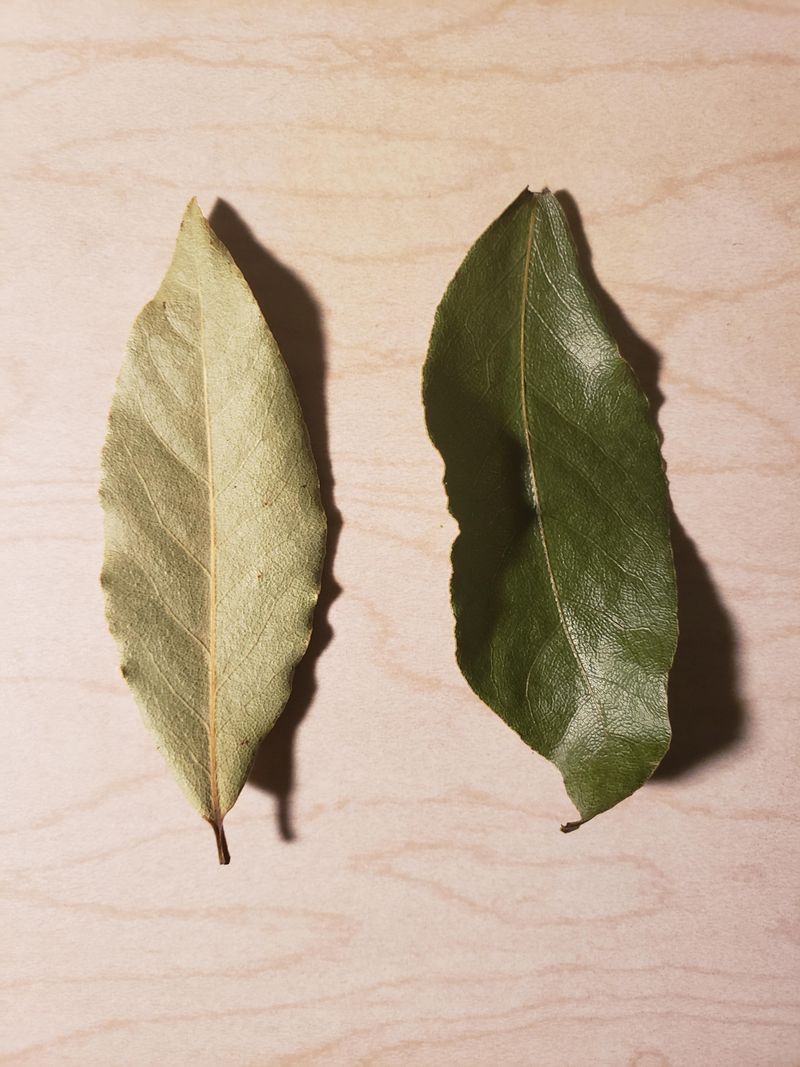
Old bay leaves are a bit like retired guard dogs. They look the part, but they have lost most of their bark.
The aroma that may bother bugs comes from oils that fade with time. After a couple of months, a leaf can smell faint or almost dusty.
Many cooks suggest replacing leaves every two to three months. Fresh leaves release a stronger scent and keep the trick working at its best.
Here is an easy way to check your leaves. Snap one in half and sniff it, and if the smell is weak, swap it out.
Color offers another clue. Good dried bay leaves look olive green, while tired ones turn pale, brown, or grayish.
Set a phone reminder or mark your calendar when you add new leaves. Some people match the swap with the start of each season.
Buying bay leaves in bulk can save money. Store the extras in a sealed jar away from heat so they stay fragrant longer.
Gardeners in warmer parts of Virginia sometimes grow bay laurel in pots. Snipping and drying your own leaves gives you a steady, fresh supply.
Toss used leaves into your compost bin rather than the trash. Just avoid cooking with them after they have rested in coffee for months.
Bay Leaves Also Show Up In Flour And Rice Bins
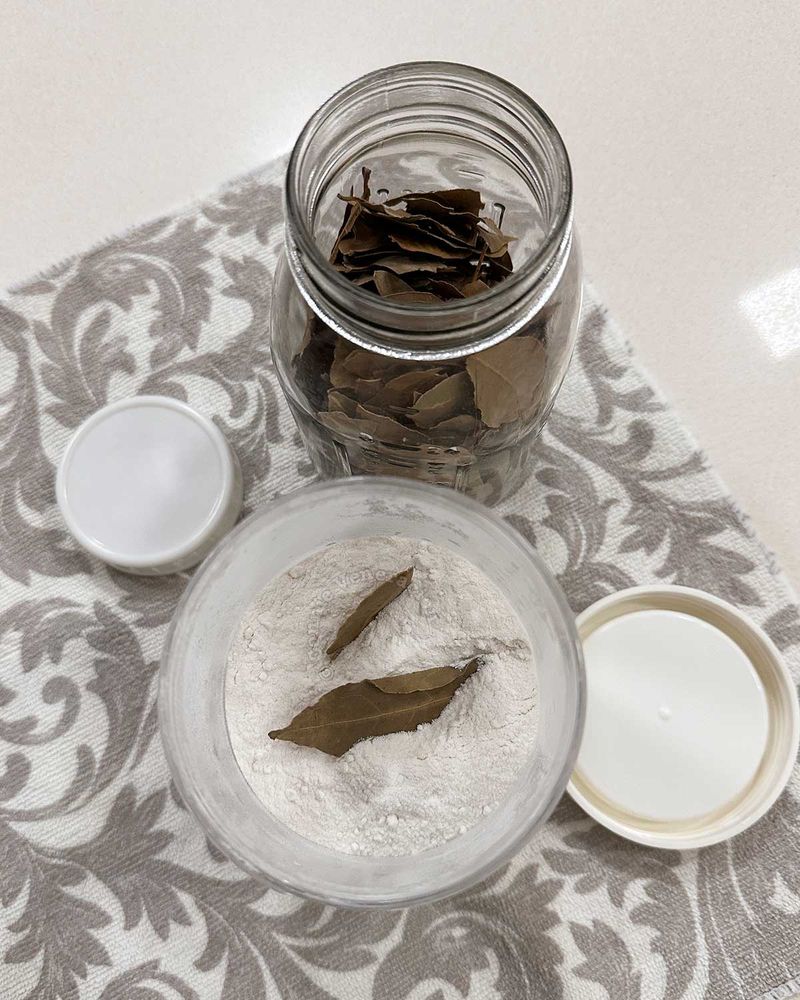
Coffee jars are only the beginning of this leafy habit. Plenty of cooks tuck bay leaves into flour, rice, oats, and dried beans as well.
Grain-based foods tend to attract the most pantry pests. Weevils especially love rice and flour, which makes these bins prime targets.
In many Virginia homes, a bay leaf in the flour canister is as normal as a measuring cup. Bakers say it gives them a little extra peace of mind.
The leaf will not change the taste of baked goods in any noticeable way. Just remember to pull it out before scooping flour into a recipe.
Rice cooks in parts of Asia and the Middle East have used similar tricks for ages. Some add dried chili peppers or neem leaves for the same purpose.
Here is a smart routine worth trying. Freeze new flour or rice for about four days, then move it into a sealed container with a leaf.
Check your bins every few weeks for webbing, clumps, or tiny moving specks. Catching trouble early can save the rest of your pantry.
If you spot bugs, throw out the affected food and wipe down the shelves. Then restart with clean containers and fresh leaves.
Small habits like these keep a pantry tidy and welcoming. A humble bay leaf just adds a dash of old-time charm.