Coyotes Keep Wandering Into Maryland Neighborhoods Because Of These 9 Yard Features
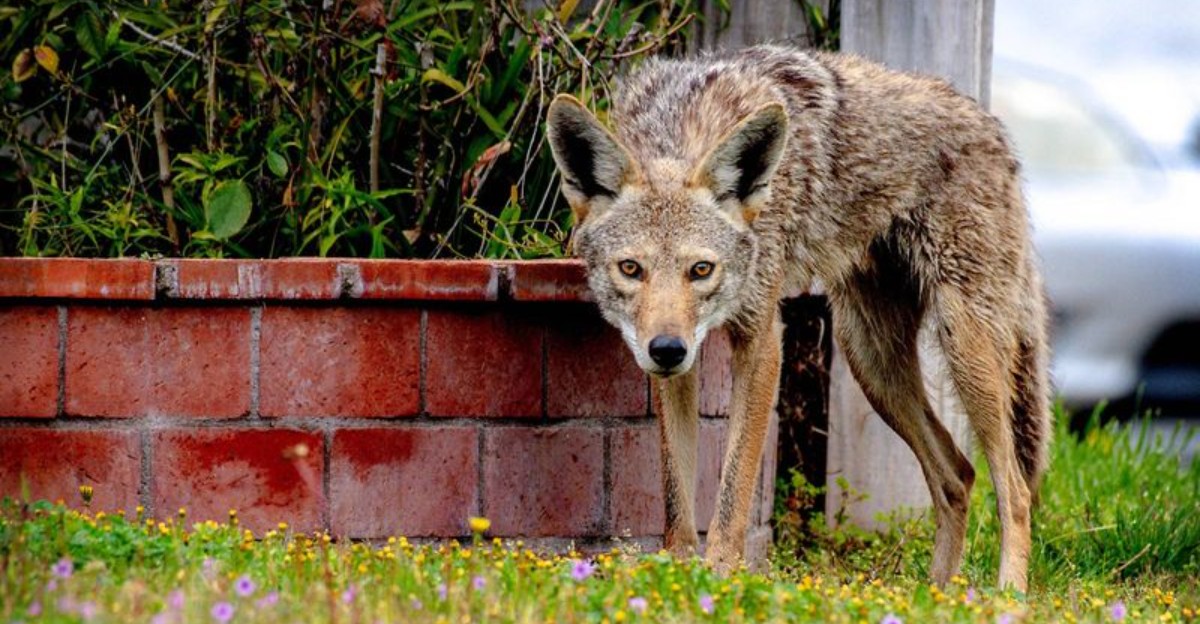
Wild song dogs were first reported in western Maryland during the early 1970s, and nobody expected much from them. Today the state Department of Natural Resources confirms they live in every single county, including busy suburbs.
These clever canines have learned that cul-de-sacs often offer easier meals than forests and farm fields. They stroll past mailboxes at dawn in quiet neighborhoods, sniffing lawns like shoppers checking the weekly grocery store specials.
I used to blame the thick woods behind my vegetable garden, but my own yard was sending the invitations. Not going to lie, a few of my favorite gardening habits were basically ringing a dinner bell.
Maryland homeowners can change the menu without spending much money or giving up their beloved backyard garden projects. Could your own backyard be sending coyotes an open invitation after sunset?
1. Pet Food Bowls Left On The Back Porch
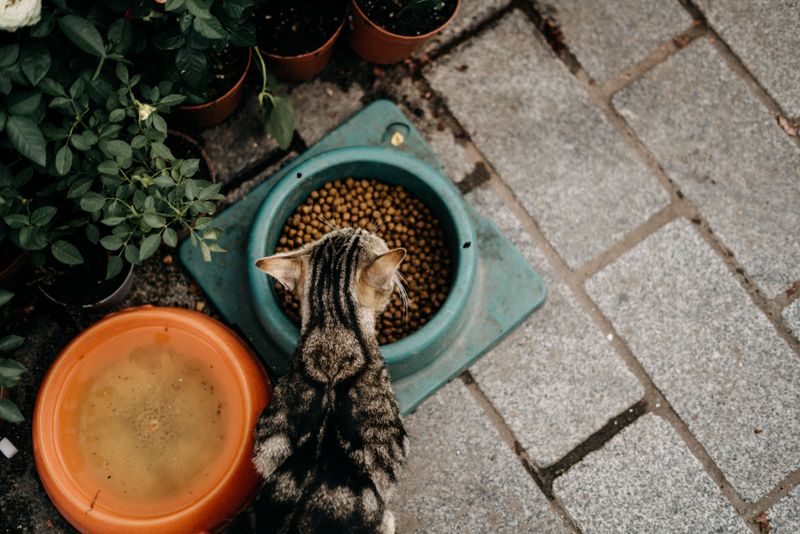
Kibble smells like a five-star buffet to a hungry coyote, and a porch bowl is basically free room service. I once left my dog’s dinner outside overnight and found the bowl licked shiny by morning.
Coyotes are smart opportunists, so they remember exactly where an easy meal showed up before. One lucky night can turn your porch into a regular stop on their evening rounds through the neighborhood.
Wildlife experts call this habituation, and it worries them more than the missing food itself. A coyote that links people with dinner may lose its natural caution and start lingering close to houses.
Cat food is especially tempting because it is rich and strongly scented, even from far away. Many folks feed outdoor cats on steps or patios, which accidentally feeds raccoons and foxes along with coyotes.
Feeding pets indoors is the simplest fix, and it costs you nothing except a little habit change. If your pets must eat outside, pick up the bowls right after mealtime and rinse away the leftover crumbs.
Store big bags of pet food inside a garage or a sturdy bin with a locking lid. Paper sacks tucked beside the back door can release enough odor to draw curious noses across the lawn.
Trust me on this one, your pets will not mind eating in the kitchen with the family. Your night visitors will simply learn that your porch is a boring place with nothing worth sniffing.
2. Garbage Cans With Loose Lids

Garbage night feels harmless until you find chicken bones scattered down the driveway like confetti. Coyotes have noses far stronger than ours, so a cracked lid announces dinner to the whole block.
Food scraps, greasy wrappers, and meat trays carry odors that drift a long way on calm evenings. A hungry coyote treats a wobbly can as a treasure chest waiting for a quick nudge.
Raccoons often tip cans first, then coyotes stroll in later to clean up the spilled leftovers. Either way, the mess teaches local wildlife that your curb is worth checking every single week.
Sturdy cans with tight-fitting or locking lids make a huge difference, and many counties sell them. Bungee cords across the lid work too, especially for older cans that no longer close snugly.
Timing matters just as much as the container itself, so set cans out on collection morning. Leaving bins at the curb overnight gives wandering animals hours of quiet time to explore the contents.
Rinse out cans now and then with soapy water to reduce lingering smells inside the plastic. A splash of ammonia in the rinse water may help deter animals with its sharp smell, though results can vary, and it should never be mixed with bleach.
I’m the first to admit my old can lid had a crack I ignored for months. Replacing it ended the morning cleanup routine, and the curious tracks in the frost finally stopped showing up.
3. Open Compost Piles Full Of Kitchen Scraps
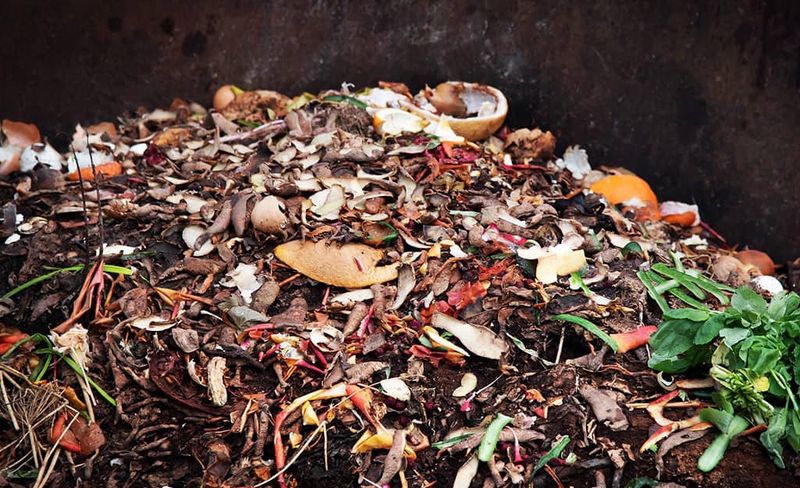
Compost is gardening gold, but an open heap of peels can look like a salad bar to wildlife. Coyotes are true omnivores, happily munching fruit and vegetable scraps when meat is harder to find.
Melon rinds and soft tomatoes give off sweet smells that travel across fences on warm nights. I learned the hard way when my pumpkin scraps vanished overnight, leaving muddy paw prints behind.
Open piles also become cozy homes for mice and rats looking for warmth and easy snacks. Those rodents are favorite coyote prey, so your compost can serve two courses at the same time.
Enclosed bins with lids or rotating tumblers keep scraps tucked away from curious noses and paws. Hardware cloth under the bin helps stop burrowing rodents from sneaking in from below the soil.
Skip meat, bones, dairy, and oily leftovers, since those smell strongest and attract the most attention. University extension programs recommend keeping those items out of backyard compost for good reasons beyond wildlife.
Bury fresh kitchen scraps under a layer of brown leaves or finished compost after each addition. That simple covering hides odors and helps the pile break down faster, which makes your garden happier.
Funny thing is, a tidy bin often produces better compost than a sprawling open heap ever did. You keep the rich soil for your tomatoes while your nighttime guests move along to somewhere less tasty.
4. Bird Feeders Dropping Seed On The Lawn
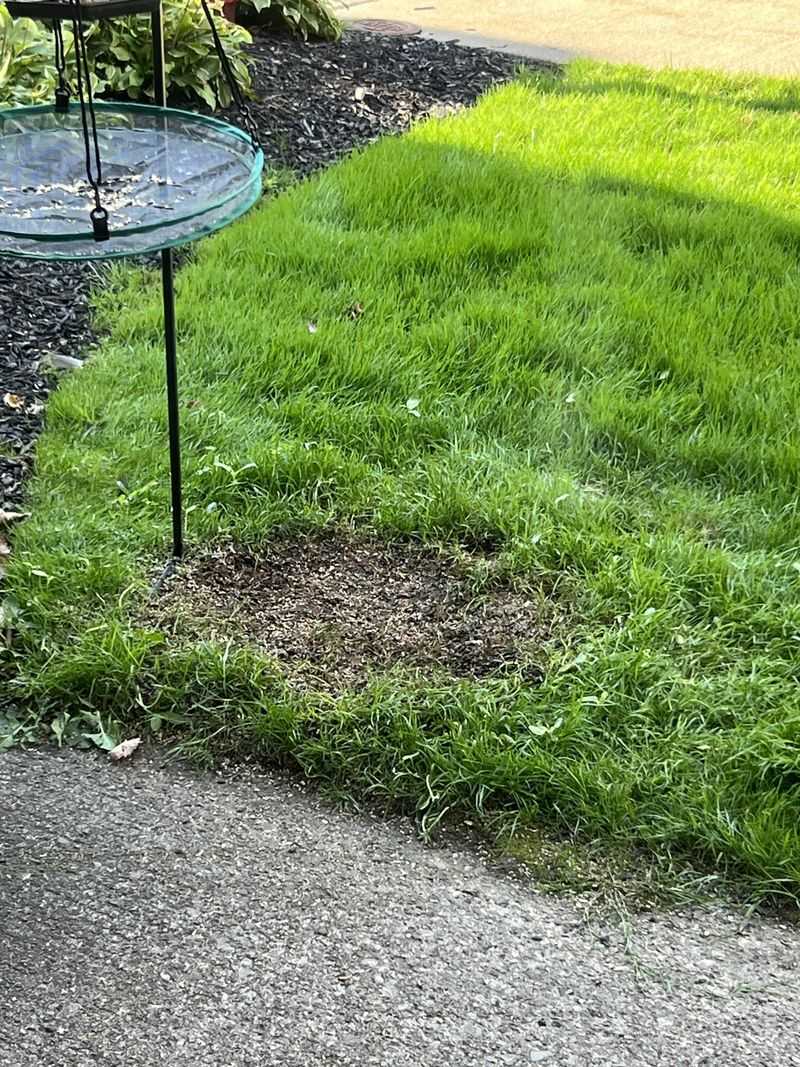
Cardinals at the feeder are pure joy, but the seed mess underneath tells a different story after dark. Spilled sunflower hearts and millet attract mice, voles, and squirrels that coyotes love to hunt.
So the feeder itself rarely draws coyotes directly, yet it builds a busy little food chain. Your songbird station can quietly turn into a hunting ground once the sun goes down each evening.
I’m a sucker for watching chickadees, so giving up feeders was never an option for me. Instead, I changed how I manage the ground underneath, and that small shift helped quite a bit.
Seed trays attached below feeders catch much of the falling food before it reaches the lawn. No-mess blends with hulled seeds also leave fewer scraps, since birds are not tossing shells everywhere.
Rake or sweep up spilled seed every few days, especially during busy winter feeding months. Some gardeners bring feeders indoors at night, which keeps rodents from having a midnight snack session.
Store birdseed in metal cans with snug lids rather than flimsy bags in the shed. Mice chew through paper and plastic quickly, and a rodent party in your shed attracts the wrong visitors.
Maryland also has black bears in its western counties, so feeder care helps there too. Cleaner feeding areas make your yard less interesting to many hungry animals beyond the ones you wanted.
5. Fallen Apples And Pears Under Fruit Trees
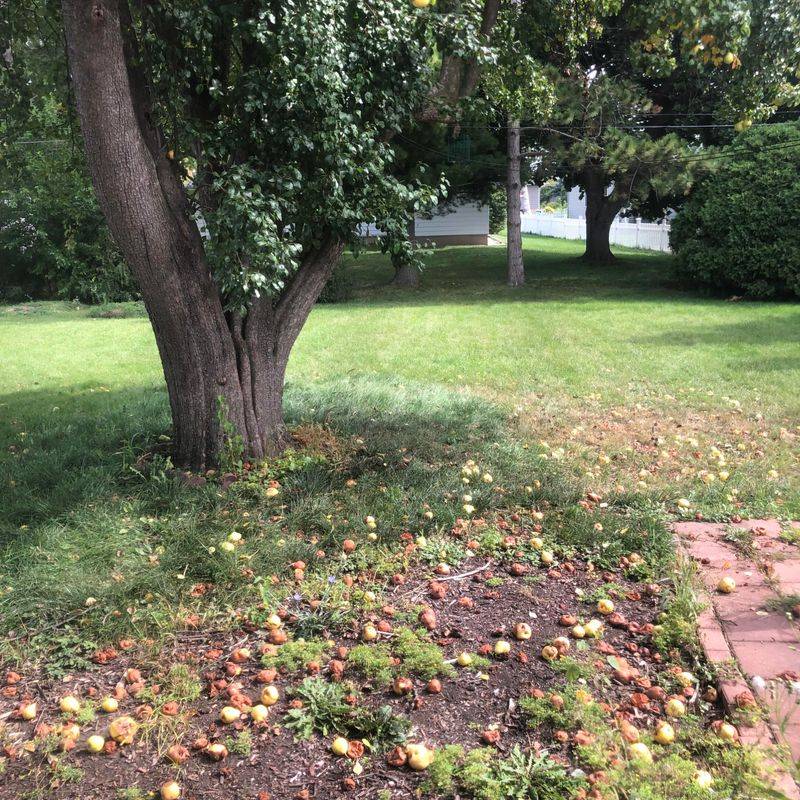
Ripe apples thudding onto the grass sound like a harvest party, and coyotes may happily RSVP. Studies of coyote diets show fruit can make up a surprising share of their meals in late summer.
Persimmons, pears, berries, and apples all become fair game once they hit the ground. Sweet, soft fruit is easy calories, and a coyote does not need to chase anything to enjoy it.
Rotting fruit also draws deer, opossums, and raccoons, which adds even more activity under your trees. All that traffic leaves scents and trails that a curious coyote will happily follow into your yard.
Every fall, I walk my small orchard with a bucket and collect drops before evening. It takes ten minutes, and the compost bin or trash can gets the bruised fruit instead of wildlife.
Picking fruit as soon as it ripens helps reduce the pile before it starts falling. A long fruit picker with a basket makes high branches easier and keeps you off wobbly ladders.
Vegetable gardens deserve the same attention, especially when split tomatoes or melons sit on the vines. Clearing overripe produce helps your plants stay healthier and removes another tempting snack from the menu.
Fair warning, fallen fruit attracts yellowjackets too, so wear gloves and shoes during cleanup. Your bare feet and your nighttime visitors will both appreciate a tidier patch of lawn under the branches.
6. Bird Baths And Water Bowls At Ground Level

Water sounds like the most innocent thing in the garden, until a thirsty coyote finds it. During dry summer spells, a full dish on the patio can be as tempting as food.
Low pet water bowls and ground-level bird baths are especially easy for a coyote to reach. Ponds and leaky hose spigots can create puddles that serve the same purpose on hot nights.
Natural streams usually provide plenty of water across much of Maryland, but suburbs can be different. Paved areas and drained yards sometimes leave few drinking spots, which makes your backyard supplies stand out.
I get it, providing water for birds is one of the kindest things a gardener can do. Raising your bird bath onto a pedestal keeps it useful for songbirds while making coyote access harder.
Bring pet water bowls inside overnight, since that is when coyotes do most of their roaming. Refilling them each morning also keeps the water fresher, which your dog or cat will appreciate.
Fix dripping faucets and empty buckets or plant saucers after summer storms roll through. Standing water also breeds mosquitoes, so this chore helps you avoid itchy evenings on the patio.
I didn’t expect such a small change to matter, but nighttime tracks near my patio became rare. A dry yard after dark tells wandering animals to keep moving toward the woods instead.
7. Overgrown Shrubs And Brush Piles
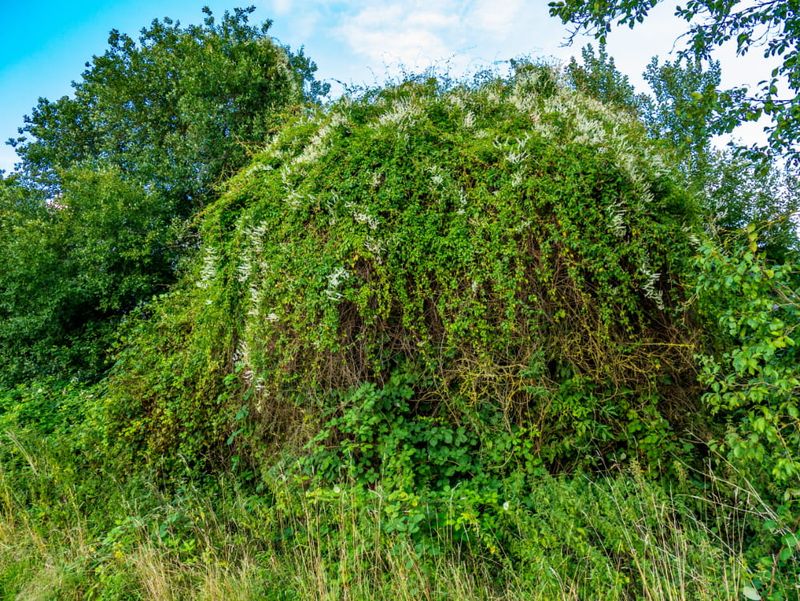
Coyotes are shy travelers that prefer moving through cover rather than strolling across open lawns. A thick tangle of shrubs at the property edge works like a private hallway into the neighborhood.
Brush piles and overgrown corners hide rabbits and rodents, which turns them into tempting hunting spots. A coyote can wait quietly in the shadows, then pounce on a careless cottontail with surprising speed.
I’m not proud of this, but my back corner was a jungle of honeysuckle and fallen branches. Once I cleared it, the rabbits thinned out, and so did the rustling sounds at night.
Japanese honeysuckle and multiflora rose are invasive here, so removing them helps native plants too. Replace them with native shrubs like inkberry or arrowwood viburnum, then keep them pruned at the bottom.
Trimming lower branches up a foot or two opens sightlines without ruining your landscape design. You can still enjoy privacy and bird habitat while removing the dark tunnels underneath the foliage.
Brush piles help some wildlife, but placing them far from the house makes more sense in coyote country. Chip or haul away extra branches after storm cleanup instead of stacking them by the patio.
Motion lights near shrub borders can also discourage nighttime visitors from lingering close to doors. A tidier edge lets you spot activity, and it gives your kids and pets safer play areas.
8. Shady Gaps Under Decks And Sheds
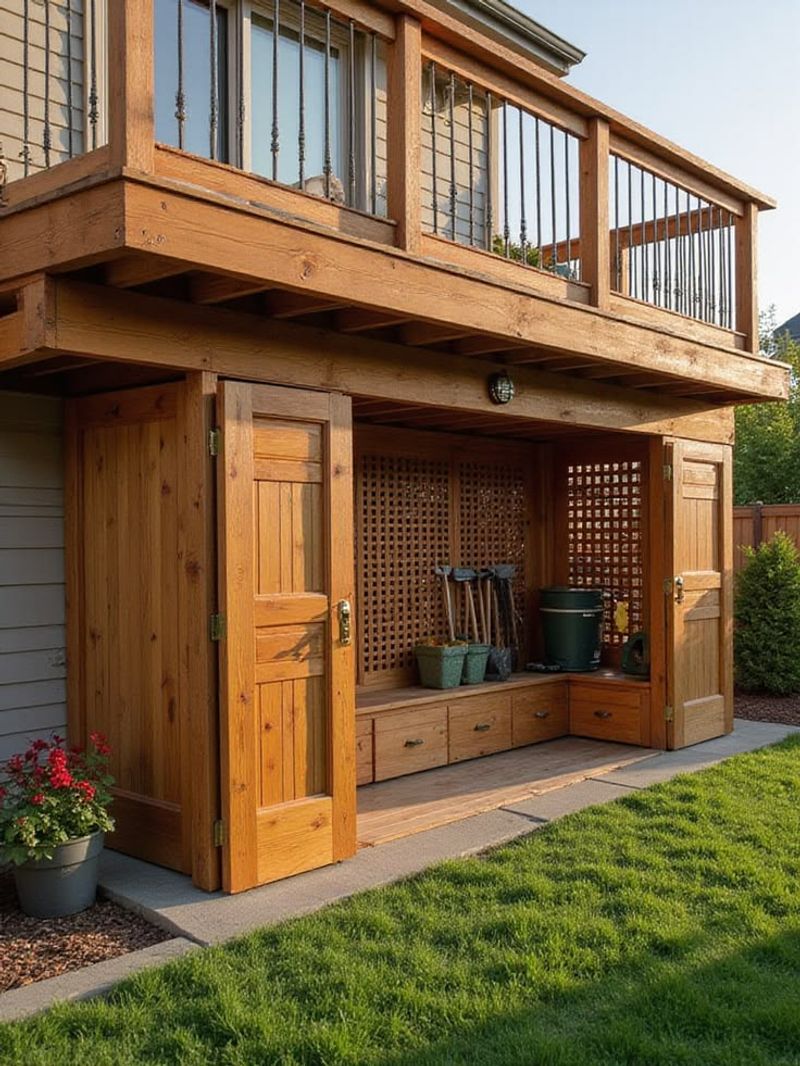
A dark crawlspace under your deck looks like a five-bedroom home to a coyote mother. Maryland coyotes typically breed from late January through March, then raise pups in hidden dens.
Pups are usually born in spring, and parents choose sheltered spots that feel quiet and protected. Spaces under sheds, porches, and old outbuildings can fit that description surprisingly well in busy suburbs.
Dens near houses put families of coyotes right beside kids, gardens, and pets every day. Parents may become protective during pup season, which makes close encounters more stressful for everyone involved.
Sealing gaps before winter ends is smart timing, since you avoid trapping animals inside later. Check first for signs of activity, like fresh digging or tracks, before closing up any opening.
Sturdy hardware cloth or welded wire works well, buried several inches deep and bent outward into an L shape. That shape stops diggers from simply tunneling under the barrier as soon as you walk away.
If you suspect an active den, contact the state wildlife office or a licensed wildlife professional. They can explain local rules and humane options, which vary depending on your county and the season.
Call me cautious, but I now walk around my shed every few weeks with a flashlight. Spotting a small hole early saves a much bigger headache once spring arrives and the pups start squeaking.
9. Woodpiles And Rock Piles Full Of Mice
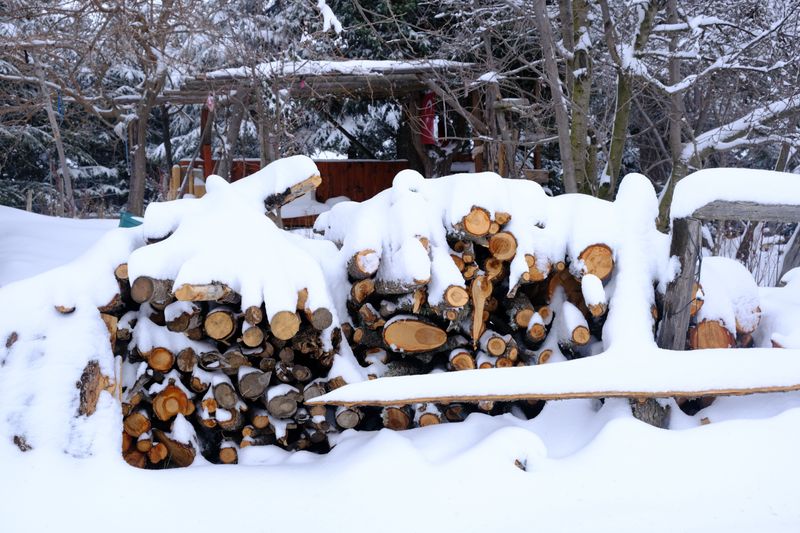
Firewood stacks feel cozy and rustic, but they often hide a whole apartment complex of rodents. Mice, voles, and chipmunks love those gaps, and coyotes know it better than we do.
Rodents make up a large part of a coyote diet, according to wildlife biologists across the East. So a woodpile does not feed coyotes directly, yet it stocks your yard with their favorite snacks.
Rock walls and leftover stone piles from landscaping projects work the same way for small creatures. Cool crevices provide shelter from hawks and heat, which keeps rodent populations steady close to your home.
Don’t laugh, but I once watched a coyote freeze and stare at my woodpile like a cat. It pounced at a vole, missed, and trotted away looking slightly embarrassed in the morning light.
Stack firewood on a raised rack at least a foot above the ground to reduce hiding spaces. Keeping it away from the house also helps with termites, so you get two benefits from one change.
Use up old wood or rocks lying around after projects, or move them to a less used corner. Fewer clutter piles mean fewer rodent hideouts, and your yard looks neater for summer gatherings too.
Small housekeeping chores like these rarely feel exciting, but they quietly reshape your backyard food chain. Remove the snack bar, and your wandering visitors will find better hunting somewhere farther away.