9 Desert Plants Arizona Gardeners Put In Before Winter For A Yard Full Of Spring Hummingbirds
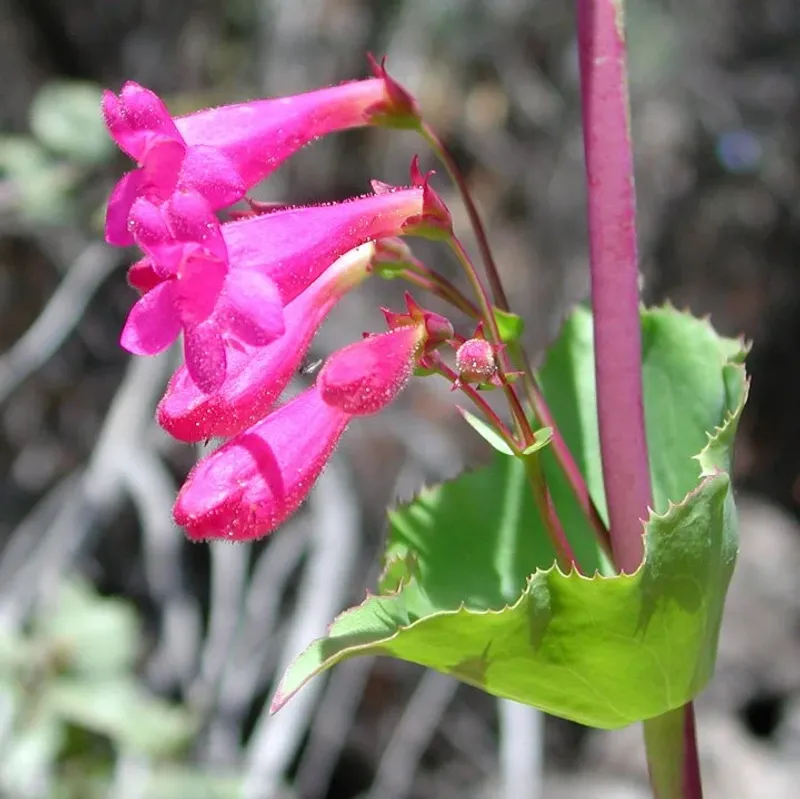
Costa’s hummingbirds often start nesting in late winter, long before most of us even think about spring flowers. Those tiny birds need nectar early, and they quickly remember which yards keep a steady supply ready.
Anna’s hummingbirds stay in the Arizona low desert all year, so your garden can feed them through every single season. Their slender bills match tubular blooms in red, coral, and hot pink, which explains their very picky flower choices.
I have to admit, October is my favorite time to plant, because the soil stays warm while the air cools down. Roots settle in quietly over the mild months, then plants burst into bloom right when the hummingbirds arrive hungry.
Personally, I love a yard that works hard on its own with little water and almost no fuss. So which desert natives deserve a spot in your Arizona garden before the cooler weather finally settles in?
1. Chuparosa
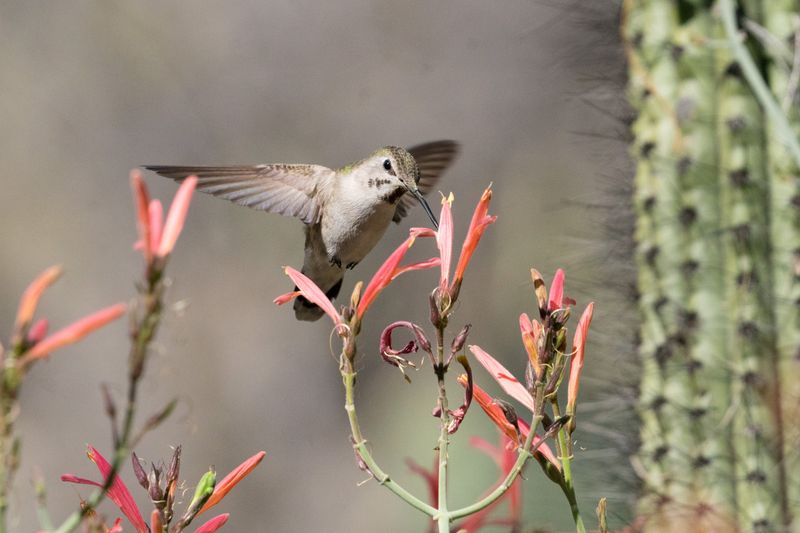
The Spanish name chuparosa refers to hummingbirds, and honestly, this scrappy shrub earns that nickname every single winter. Its scarlet tubular flowers pack heavy nectar right when nesting Costa’s hummingbirds need a reliable meal most.
I love how the lanky blue-green stems look almost leafless, yet they keep blooming through mild weather for months. Plants usually reach three to five feet tall and wide, so give them room near a sunny wall.
Chuparosa handles harsh sun and rocky or sandy soil with surprising grace, as long as drainage stays excellent. Soggy ground causes far more trouble for this native than heat, so skip heavy amendments at planting time.
Once established, a deep soaking once or twice a month during summer keeps it looking full and healthy. Cut back watering as fall arrives, which helps the shrub harden off before those occasional chilly desert nights.
You might notice native bees sharing the blooms, which makes this plant a busy little pollinator stop in your yard. Personally, I think every desert garden deserves one chuparosa, because few plants give this much for so little care.
2. Parry’s Penstemon
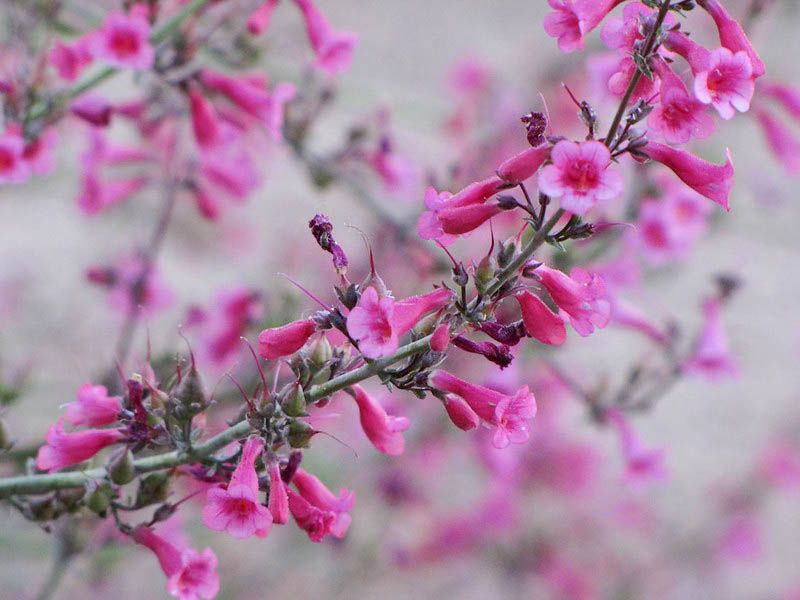
Hot pink flower stalks shooting up to five feet tall look almost too bright for a dusty desert yard. Parry’s penstemon pulls off that trick from late February through April, right when hungry hummingbirds return.
The blooms grow in neat whorls along each stalk, so a single plant offers dozens of tubular sips at once. Hummingbirds visit them eagerly, and native bees often buzz around the lower flowers on warm afternoons.
October is the ideal month to tuck seedlings into the ground for a strong show next spring. The plant forms a low rosette over winter, quietly building roots before sending those dramatic flower spikes skyward.
Full sun and fast drainage matter most, so avoid low spots where rainwater collects after storms. Rich soil and heavy watering often shorten its life, which surprises gardeners who expect more care to help.
Each plant may decline after several years, but seedlings usually pop up nearby to carry the patch forward. I like to leave a few seed stalks standing until they dry, then shake them gently over bare gravel.
3. Canyon Penstemon
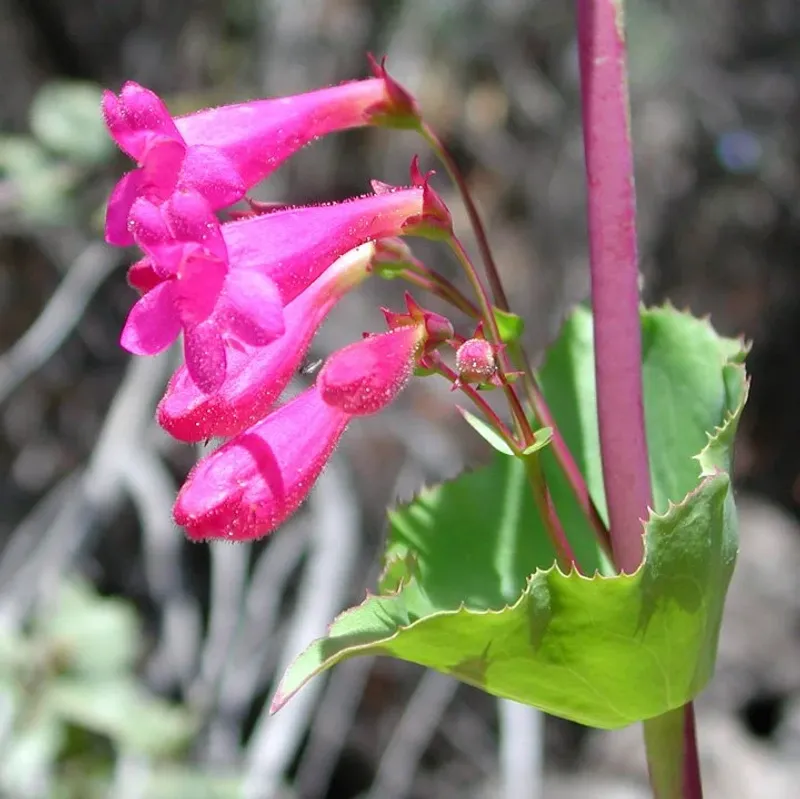
Shady corners in a desert yard often feel useless, yet canyon penstemon happily turns them into hummingbird snack bars. Its deep rose to salmon-pink tubes bloom from early to late spring with filtered or afternoon shade.
Plants stay compact, usually reaching about a foot and a half tall and two feet wide in most gardens. That tidy size makes them easy to slip under a mesquite or beside a north-facing patio wall.
Gravelly, well-drained soil keeps the roots happy, so mix in rock rather than rich compost when you plant. Established plants usually need just one deep soaking per month through the summer heat to stay in decent shape.
What surprises me most is how freely this penstemon reseeds itself once it settles into a spot it likes. You can let those volunteers grow, and soon a small cluster forms without any extra effort from you.
Pairing it with Parry’s penstemon gives you two different pinks and slightly staggered bloom times for longer nectar. Your hummingbirds will gladly zip between both, and you will enjoy a softer look in the partly shaded areas.
4. Autumn Sage
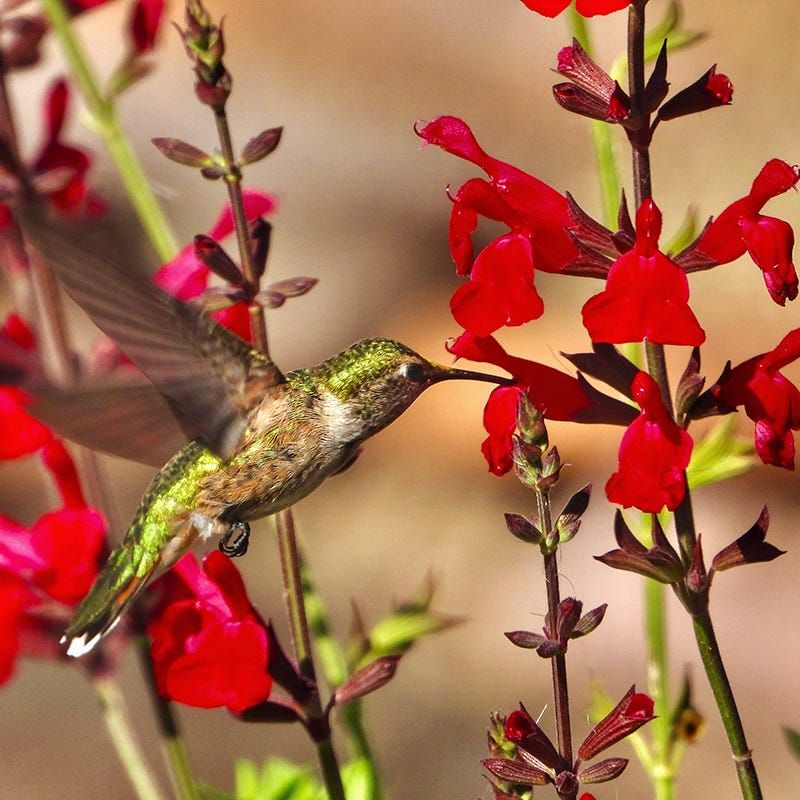
Few shrubs keep blooming as stubbornly as autumn sage, which flowers into fall and returns with fresh color in spring. Hummingbirds treat it like a dependable diner, checking those one-inch tubes several times each day.
The flower colors cover a wide range, including red, pink, purple, orange, and even soft yellow in some selections. I like planting two or three colors together, since the mix looks cheerful without any extra work from me.
This small evergreen shrub usually grows two to three feet tall and wide, fitting easily along walkways and borders. In the low desert, morning sun with some afternoon protection keeps the leaves from scorching during brutal summer stretches.
Well-drained soil and deep, infrequent watering suit it best once roots spread out after the first year in the ground. Pinching off spent flowers encourages new buds, while a light annual pruning in late winter keeps branches from getting woody.
Butterflies and bees also crowd these blooms, so autumn sage becomes a real pollinator workhorse in a small space. Plant one this October, and you may spot hummingbirds hovering around it before the new year even arrives.
5. Desert Willow
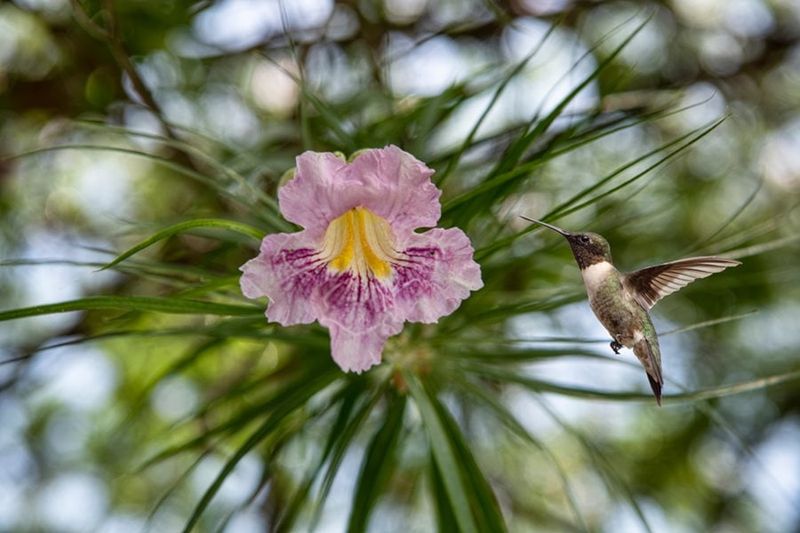
Despite its name, desert willow is not a true willow at all, but a relative of the catalpa tree. Its narrow leaves simply resemble willow foliage, while its trumpet flowers look closer to a fancy orchid.
Blooms come in shades of pink, purple, or white, starting in spring and often continuing through much of summer. Hummingbirds dart into those wide trumpets constantly, and the airy branches can also offer birds places to build nests.
Expect a small to medium tree reaching about fifteen to twenty feet tall and wide with time. That size makes it a lovely choice for filtered patio shade without the heavy water bill of thirstier trees.
Give it at least six hours of direct sun daily and soil that drains well after heavy monsoon rains. Established trees want deep soaks every one to two weeks during summer, which is quite modest for shade.
Planting in October or November gives roots a long cool season to spread before the next round of heat. Personally, I think desert willow is the easiest way to add height and hummingbird action in one move.
6. Ocotillo
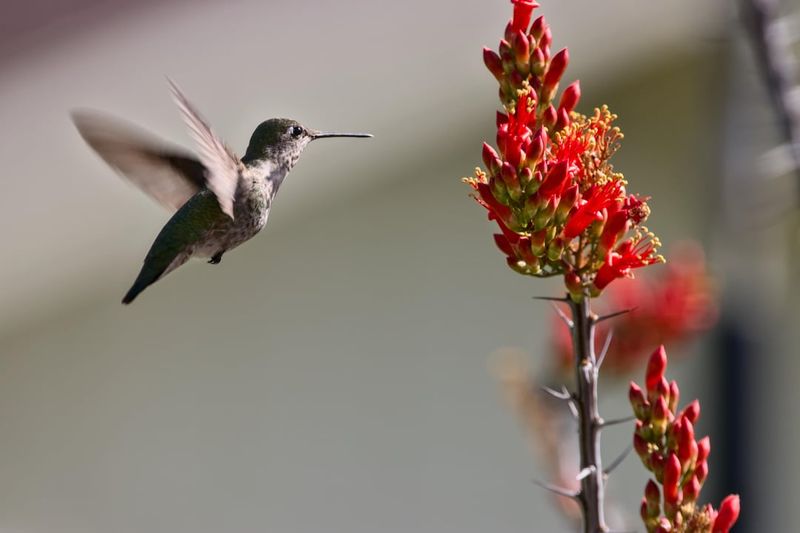
Hummingbirds have actually been spotted nesting in cavities along ocotillo stems, which feels like a clever bit of desert real estate. Those thorny canes may offer some protection from predators while bright red flowers sit right above the nest.
Ocotillo is not a true cactus or a succulent, even though it looks like a bundle of spiny sticks. Leaves appear after rain and drop when soil dries, so the plant changes its look several times each year.
Clusters of red tubular flowers open at the stem tips in spring, providing important nectar for migrating and nesting hummingbirds. Mature plants can stretch ten to twenty feet tall with roughly a ten-foot spread across the yard.
Choose your hottest, sunniest spot with well-drained soil, since this plant handles brutal heat better than most of its neighbors. During fall establishment, deep soaking every two to three weeks helps new roots grab hold before cooler weather sets in.
You need patience here, because ocotillo often takes a couple of years to settle in after transplanting this fall. Buy from a licensed nursery with proper tags, since harvesting wild plants is regulated by state native plant laws.
7. Red Yucca
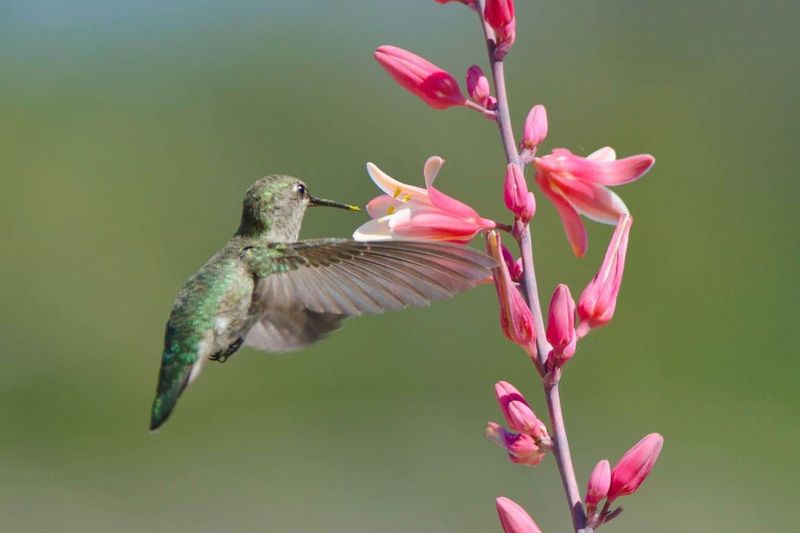
Red yucca is neither red nor a true yucca, which makes its common name delightfully confusing for new gardeners. The coral-pink flowers on tall arching spikes still win over hummingbirds, so nobody complains much about the naming.
Native to Texas and northern Mexico, it adapts beautifully to desert heat and handles chilly nights in USDA zones six through ten. The grassy blue-green rosettes usually reach three to four feet, while flower stalks climb five to eight feet high.
Bloom season often runs from spring through summer, and some stalks keep flowering into fall in favorable years. Hummingbirds work those tubes eagerly, and bees join the party on the lower blossoms during warm mornings.
Full sun works best, and almost any soil type is fine as long as water drains quickly. Rot is the main risk, so avoid planting near drip lines that keep the crown wet for long periods.
It handles drought well, though a deep soak once or twice monthly in harsh summer heat improves its appearance. I like using red yucca along hot driveways where tender plants struggle, because it rarely asks for help there.
8. Fairy Duster
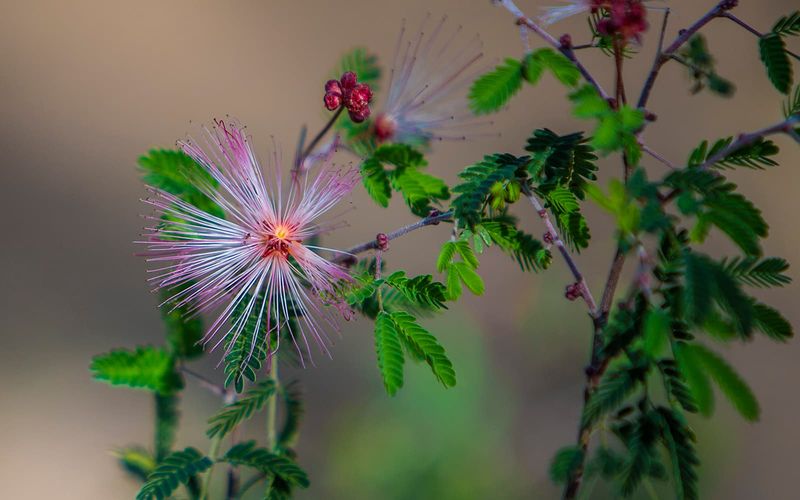
Fluffy pink puffs that look like tiny powder brushes give fairy duster its whimsical name and its charming garden personality. Each puff is actually a cluster of long stamens, and hummingbirds probe them eagerly for the hidden nectar.
This Sonoran Desert native blooms heavily in late winter and spring, sometimes flowering nearly year-round when weather stays mild. That timing makes it a wonderful early food source when many other shrubs are still waking up.
The fine, feathery foliage stays evergreen, giving the plant a soft texture next to spiky agaves and cacti. Expect a slow grower reaching two to three feet tall and three to five feet wide over several seasons.
Full sun brings the best flower display, and well-drained soil keeps the roots comfortable through occasional winter rains. Once established, it handles drought very well and asks for little more than an occasional deep drink in summer.
Planting between October and February gives it an easy start, since cooler soil reduces stress on young roots. You might notice bees and butterflies visiting too, which turns this little shrub into a lively spot for watching wildlife.
9. Globe Mallow
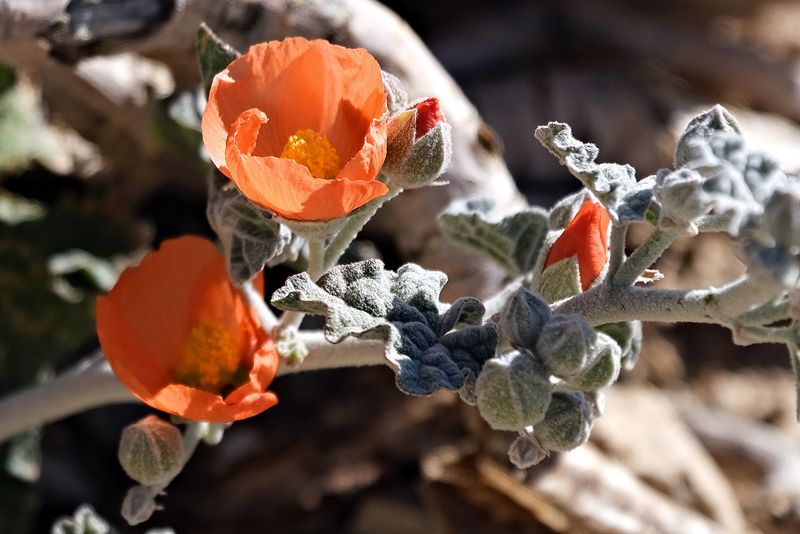
After a wet winter, globe mallow can explode into a sea of apricot-orange cups that glow against desert gravel. Those silvery mounds of fuzzy leaves look striking all season, even before the first spring flowers open.
Hummingbirds visit the blooms often, though native bees and butterflies usually swarm them even more on sunny days. I love how one modest plant can host so much buzzing life, especially in a yard that once felt bare.
Most plants grow one to three feet tall and wide, and some varieties offer pink or white flowers instead. Full sun keeps the mound compact and helps it produce a long show into early summer in good years.
Drainage matters a lot, since constantly wet soil often leads to rot and a sudden decline in health. Water lightly once established, and resist the urge to baby it with frequent sprinkler cycles during the cool months.
Individual plants can be short-lived, so let some seed heads drop and the patch will usually renew itself. Plant in October or November, and you may enjoy a cheerful orange carpet greeting hummingbirds next spring.