The Arizona Fruit Trees to Get in the Ground Before Halloween – or Wait Until Spring
Fruit trees in the low desert live or die by one simple choice: when they go in the ground. Plant at the right time and roots grow deep before the brutal summer sun returns.
Plant at the wrong time and even a tough tree can struggle for years. Here are ten fruit trees that thrive around Phoenix and Tucson, plus whether each one wants a fall start or a spring start.
1. Citrus (Lemon, Orange, Grapefruit)
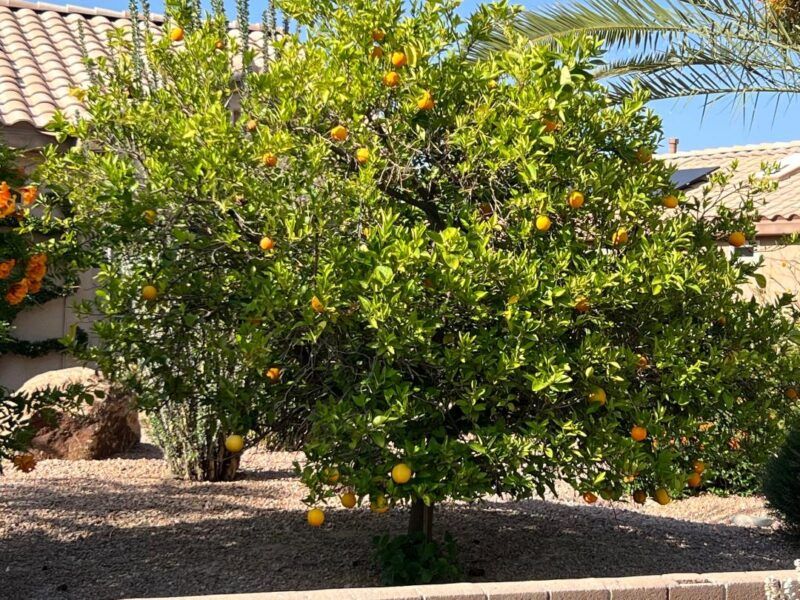
Ask any longtime Phoenix gardener about their first citrus tree, and you will likely hear a story that starts in October. Fall is the sweet spot for planting lemons, oranges, and grapefruit here.
The air cools down, yet the soil stays warm enough for roots to keep spreading.
That head start matters. By the time June rolls around with 110 degree days, a fall-planted tree has had about eight months to settle in.
Eureka and Lisbon lemons, Navel and Valencia oranges, and Rio Red grapefruit are all reliable picks for the low desert.
Citrus can also go in from February through May if you miss the fall window. Just know that a spring tree gets less time to prepare for summer, so watch it closely and water deeply.
Beyond fruit, a mature citrus tree gives dense, glossy shade and fragrant spring blossoms that bring in bees. A little tip for pest control: pick ripe fruit promptly and clear fallen fruit from the ground.
Doing so can make your yard less inviting to roof rats, which love an easy snack. Keep branches trimmed away from rooflines too, so critters have no free bridge to your attic.
2. Pomegranate
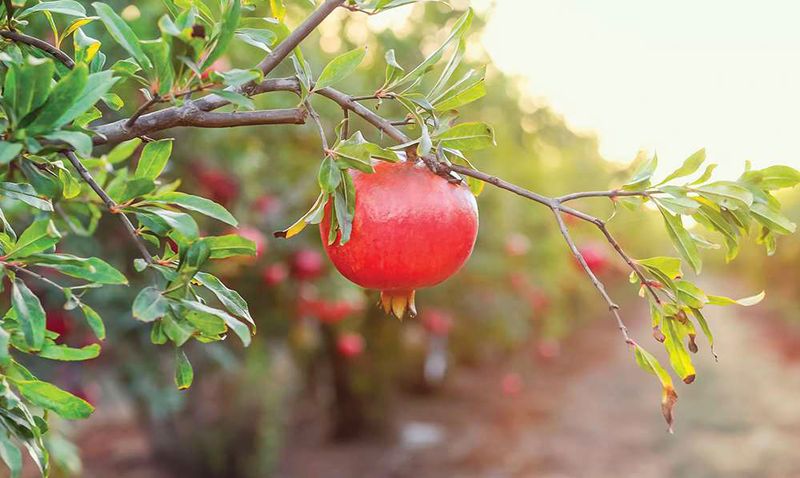
Some plants just shrug at heat, and the pomegranate might be the champion shrugger. It has grown in hot, dry places for thousands of years, long before anyone in Arizona picked one up at a nursery.
Container-grown pomegranates do best when planted in fall, ideally before Halloween. Cool weather lets them build roots without wilting, and they wake up in spring ready to push out new leaves.
Bare-root plants are a different story, since those belong in the ground during January while dormant.
Once established, pomegranates need surprisingly little water compared to most fruit trees. They handle alkaline soil, full sun, and reflected heat from walls better than many plants that claim to be tough.
Pests tend to leave them alone, which means fewer headaches for you.
Then there are the flowers. Those bright orange-red trumpets appear in spring and can draw hummingbirds and pollinators into your yard.
In fall, the leathery fruit splits open to reveal juicy, jewel-like seeds.
Varieties like Wonderful and Parfianka are popular choices around Phoenix. Give your plant room to grow wide, because pomegranates naturally form a bushy shape that also makes a handy privacy screen.
3. Fig
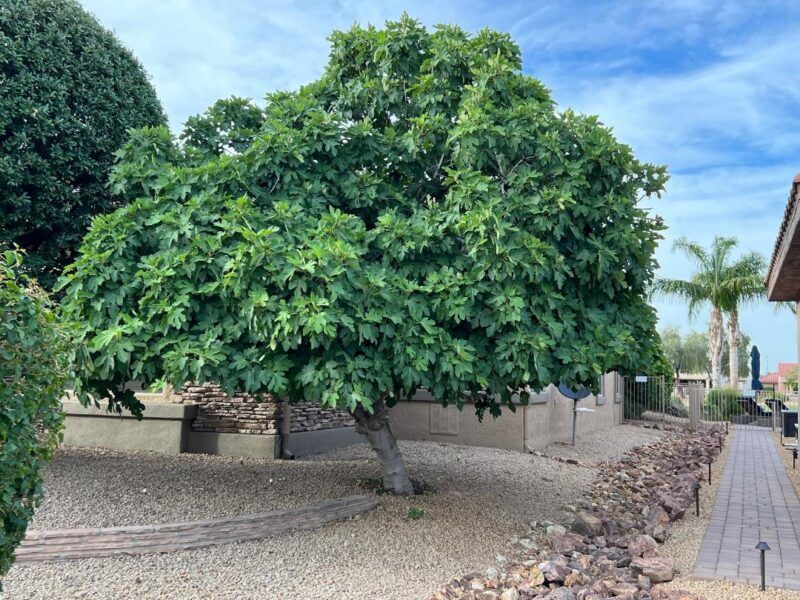
Two harvests a year from one tree? In the Arizona desert, figs pull off that trick regularly.
An early crop, called the breba, shows up in early summer, and a main crop follows later in the season.
Your Arizona Garden Changes Every Week. Your Plan Should Too.
Gardening in Arizona changes quickly throughout the season. Every Friday you’ll receive a simple weekly plan showing exactly what to plant, prune, fertilize, harvest, and protect so you never miss the right timing.
Fig trees are flexible about timing, but fall planting gives potted figs a comfortable start. You can also plant them in early spring, through about March, especially if you find a bare-root fig in January.
Either way, keep them out of the ground during summer, when young roots simply cannot keep up with the heat.
Those huge, hand-shaped leaves make figs wonderful shade makers. Plant one on the west or south side of your patio and you may notice the afternoon glare softening within a few seasons.
Figs drop their leaves in winter, letting warm sunshine back in when you actually want it.
Black Mission, Brown Turkey, and Kadota all grow well in the low desert. Birds absolutely adore ripe figs, so expect some feathered visitors.
If you want to share less, a light netting over the branches works well.
Deep, occasional watering keeps figs happy. Shallow sprinkles tend to encourage weak roots, so soak the soil well instead.
4. Jujube
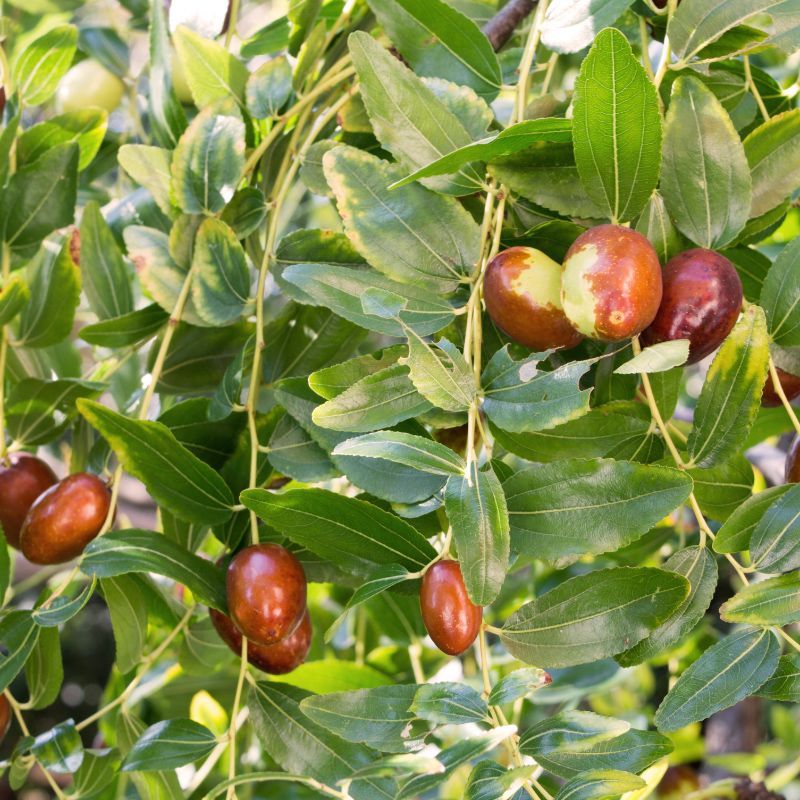
Meet the fruit tree most Arizona neighbors have never heard of, and the one that might outlast everything else in your yard. The jujube, sometimes called the Chinese date, is almost suspiciously easy to grow here.
Bare-root jujubes are the classic purchase, so wait until January or early February to plant them while they sleep. Potted jujubes can go in during fall or early spring.
Either way, they leaf out with gusto once warm weather returns.
What makes jujubes special? They laugh at heat, tolerate poor and alkaline soils, and handle dry spells better than most fruit trees.
Pests and diseases rarely bother them. For a homeowner who wants fruit without constant fuss, that combination is hard to beat.
The fruit tastes like a crisp, sweet apple when fresh. Leave it on the tree longer and it wrinkles into a chewy, date-like treat.
Li and Lang are two well-known varieties, and Honey Jar is a fan favorite for snacking.
One heads-up: jujubes can send up suckers from the roots. Pull those as they appear to keep things tidy.
Small spring flowers are also a nice bonus for bees.
5. Low-Chill Peach
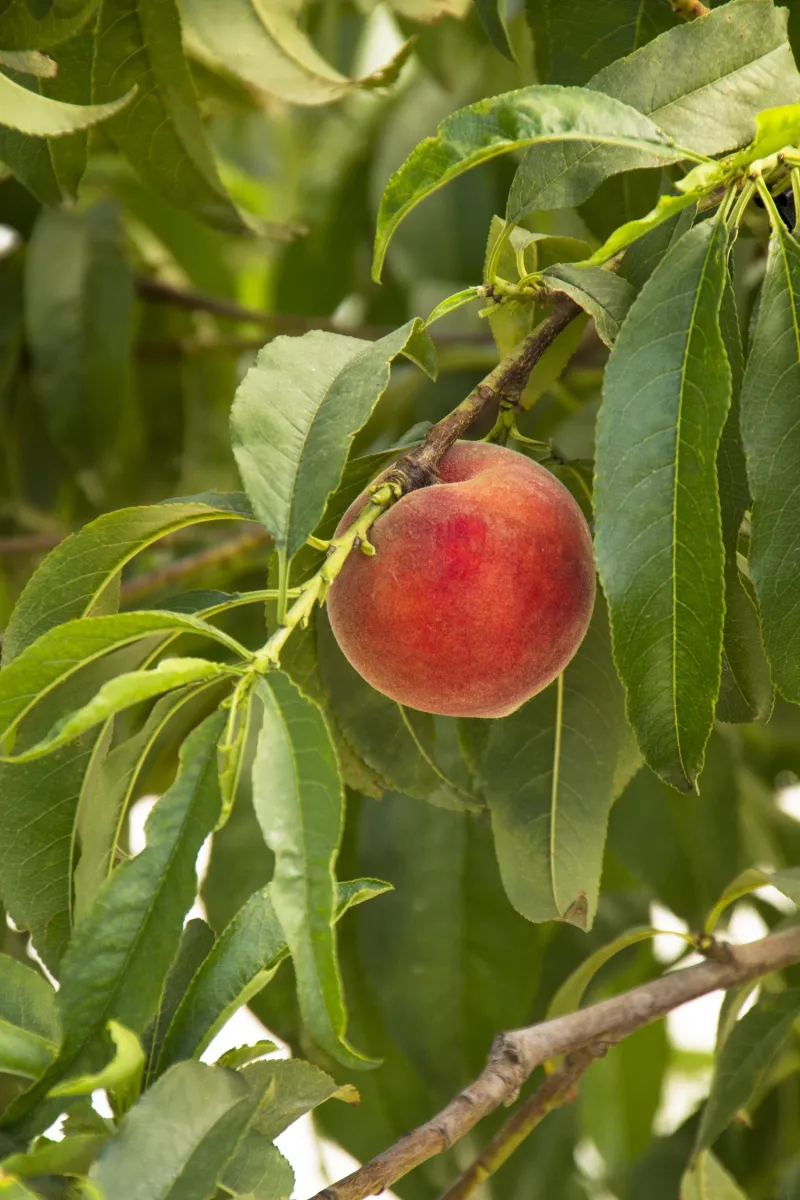
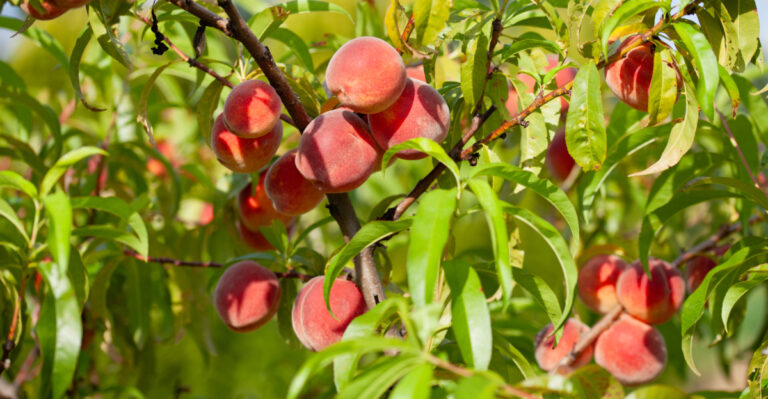
Picture biting into a juicy peach in May, while the rest of the country is still waiting for summer. Low-chill peaches make that daydream real in the low desert.
Most peaches need lots of cold winter hours to set fruit, which Phoenix simply does not offer. Varieties like Desert Gold, Florida Prince, and Eva’s Pride need far fewer chill hours, so they bloom and fruit reliably here.
Here is where timing gets interesting. Peaches are usually sold bare-root, which means January or early February is your planting window.
Wait until spring, in other words. Potted peaches can go in through March, but skip fall bare-root shopping.
Young peach trees can sunburn in their first summer. Painting the trunk with diluted white latex paint or adding afternoon shade cloth helps protect the bark until the canopy fills in.
Pruning to an open, vase-like shape also lets air flow through the branches.
In early spring, pink blossoms cover the tree and pull in bees by the dozen. That bloom is a lovely sight after a mild desert winter.
Harvest fruit as it ripens and pick up drops quickly, since fallen peaches can attract unwanted visitors.
6. Anna and Dorsett Golden Apples
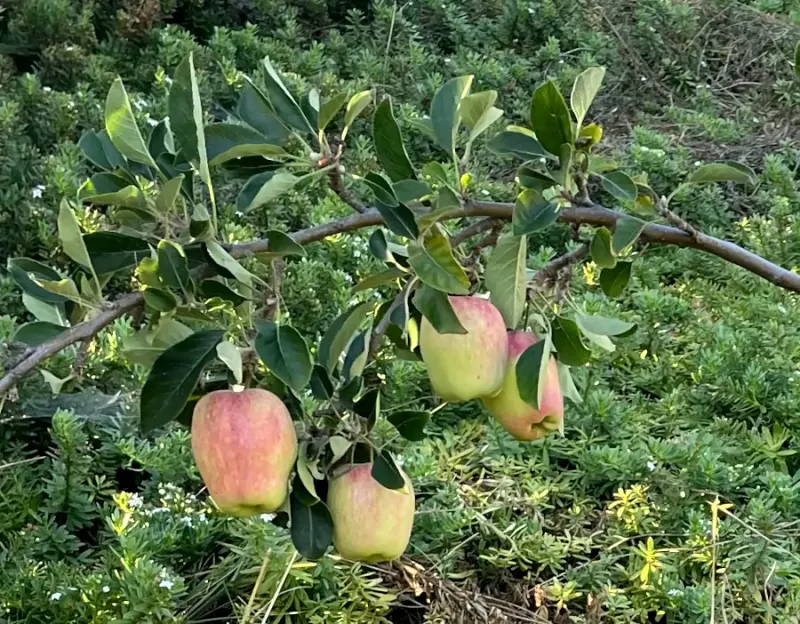
Apples in the desert sound like a joke, right? Not with Anna and Dorsett Golden, two low-chill varieties that grow surprisingly well in Phoenix and Tucson.
Anna can produce fruit on its own, but planting a Dorsett Golden nearby may boost your harvest since the two bloom around the same time and help pollinate each other. Think of them as a buddy system.
Bees do the matchmaking, buzzing between trees in early spring.
When should you plant? Bare-root apples belong in the ground in January or early February, while dormant.
Container apples can go in during fall or through March. If you are buying from a mail-order nursery, the spring bare-root route is often the most affordable.
Expect your apples to ripen in early summer, usually June, before the worst heat arrives. That early harvest is part of why these varieties succeed here.
Anna gives crisp, tart-sweet fruit with a red blush, while Dorsett Golden tastes mellow and sweet.
Apple trees appreciate a bit of afternoon shade in the hottest spots, plus a thick layer of mulch to keep roots cooler. Water deeply and regularly through the first few summers.
7. Fruiting Mulberry
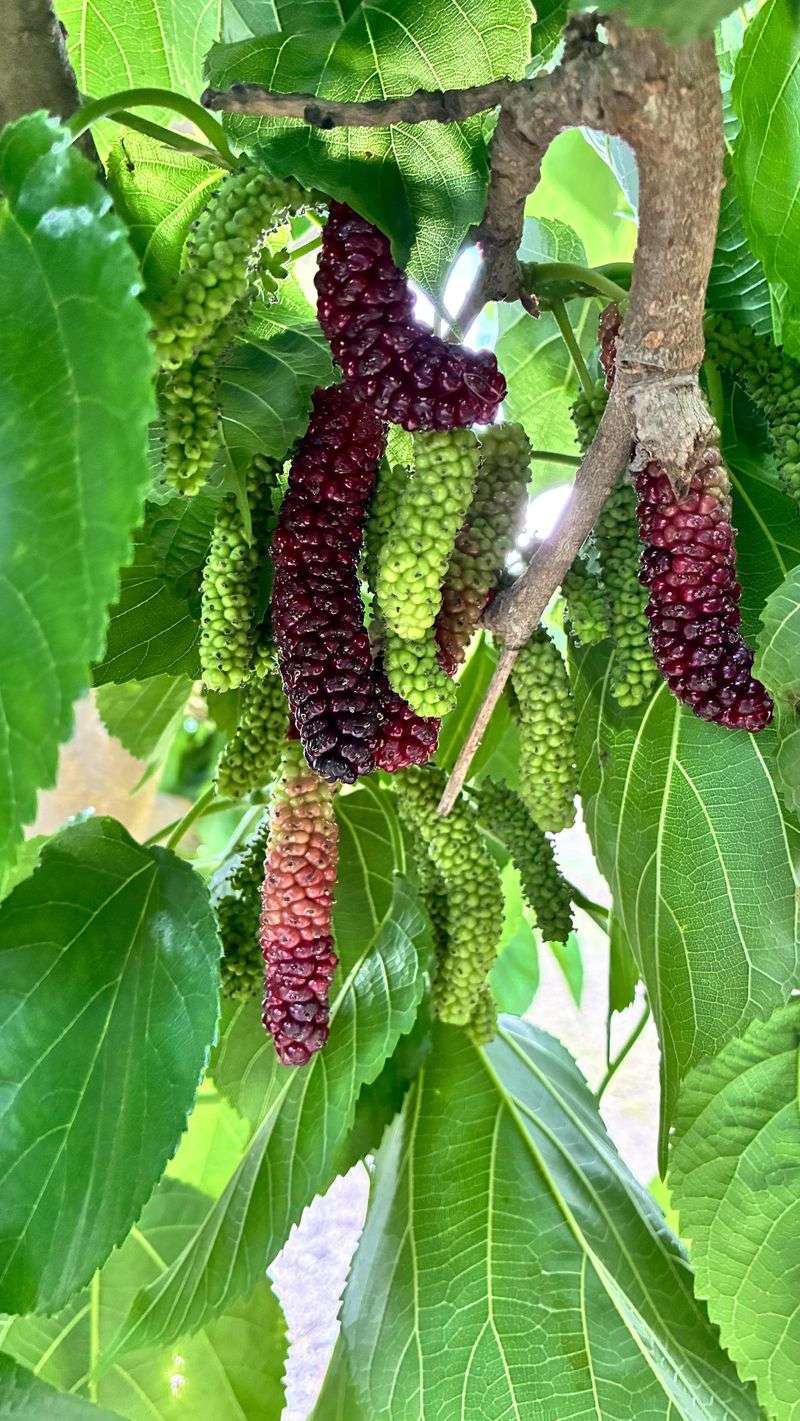
Older Arizona neighborhoods remember mulberries as the giant shade trees of the 1960s and 70s. Fruiting mulberries bring back that cooling canopy, with a sweet bonus on top.
Fast growth is the big draw. Within a few years, a mulberry can throw serious shade across a patio or the west wall of a house, which may help trim summer cooling costs.
Plant potted trees in fall so roots spread before summer, or choose bare-root stock in January.
Keep in mind that fruitless mulberries are restricted in some Arizona cities because of pollen. Fruiting varieties are a different category, but check local rules first.
Pakistan mulberry produces long, sweet berries, and white varieties offer fruit that will not stain your patio or your shoes.
Birds go wild for mulberries. Mockingbirds, finches, and even curve-billed thrashers may stop by during harvest season, turning your yard into a lively little habitat.
If you want berries for yourself, pick early in the morning before the crowd arrives.
Give mulberries plenty of space, at least 20 feet from structures. Roots spread wide, and the canopy grows bigger than many people expect.
Deep watering keeps them strong through June.
8. Katy Apricot
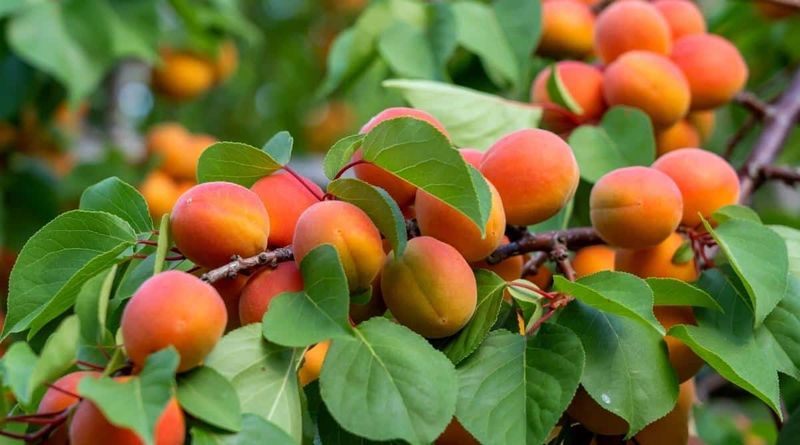
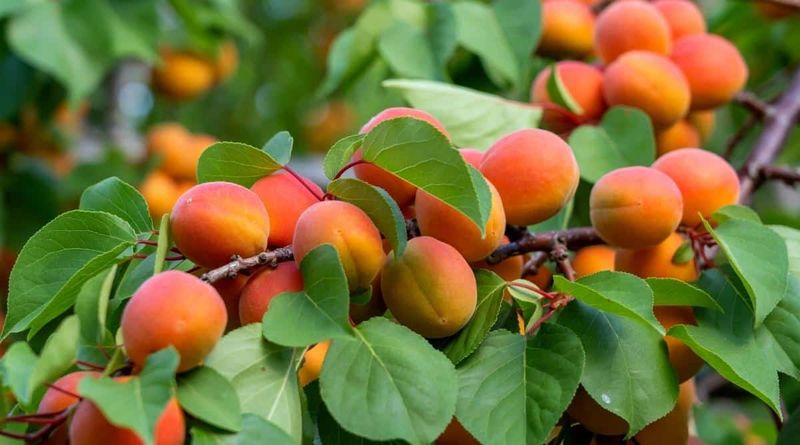
Golden, sun-warmed apricots in late spring feel like a reward for surviving another Arizona summer the year before. Katy is one of the best low-chill apricots for the low desert, and it earns its spot by fruiting early and reliably.
Like peaches, apricots are often sold bare-root. That makes January or early February the ideal time to plant, before buds swell.
Potted Katy trees can still go in through March, but fall bare-root shopping is not really a thing for stone fruit here.
Katy ripens its fruit in May, beating the extreme heat. Gold Kist is another low-chill option if you want a second variety.
Both trees bloom with clouds of white and pale pink flowers in late winter, a cheerful sight for bees emerging after cooler weather.
Protect young trunks from sunscald with a coat of white paint or a trunk wrap. A wide basin and deep watering every week or so during summer will help the tree grow strong.
Mulch helps hold moisture in our dry soil.
Fun fact: apricots have been grown for over 4,000 years. Yours just happens to have a desert address.
9. Persimmon
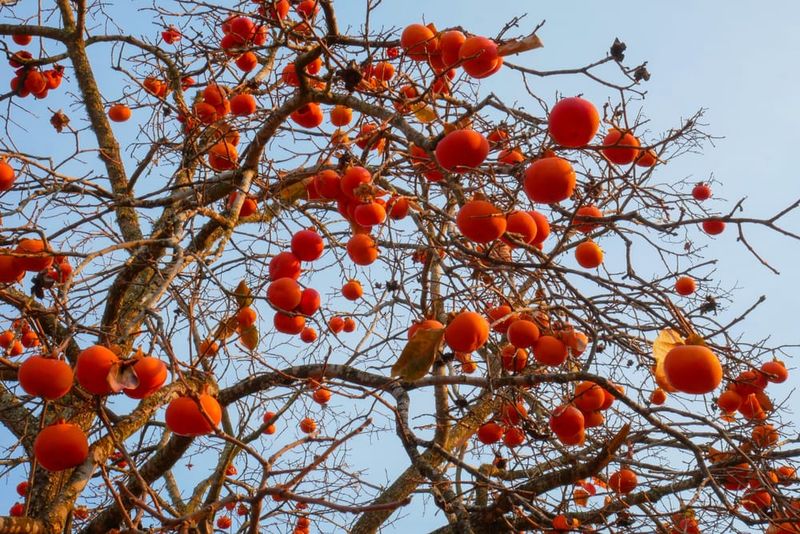
Few trees in the desert offer real fall color, which is exactly why persimmons feel like a little treasure. In late autumn, the leaves turn shades of orange and red while bright fruit hangs like tiny lanterns.
Persimmons are easygoing. They adapt to many soil types, need little pruning, and do not ask for much fertilizer.
Fuyu is a popular non-astringent type you can eat firm like an apple, while Hachiya must turn soft and jelly-like before it tastes sweet.
Timing depends on how you buy. Bare-root persimmons belong in the ground in January, while container trees do well when planted in fall.
Either way, you want roots growing before summer heat hits hard.
A young persimmon appreciates afternoon shade during its first summers, especially in reflected-heat spots near walls. Once mature, the tree forms a rounded canopy that throws generous shade over seating areas.
Leaf scorch can happen in extreme heat, so consistent deep watering and thick mulch go a long way.
Birds will happily sample ripe fruit left on the branches. Harvest when the color deepens, and let firm-picked fruit finish ripening on your kitchen counter.
10. Date Palm
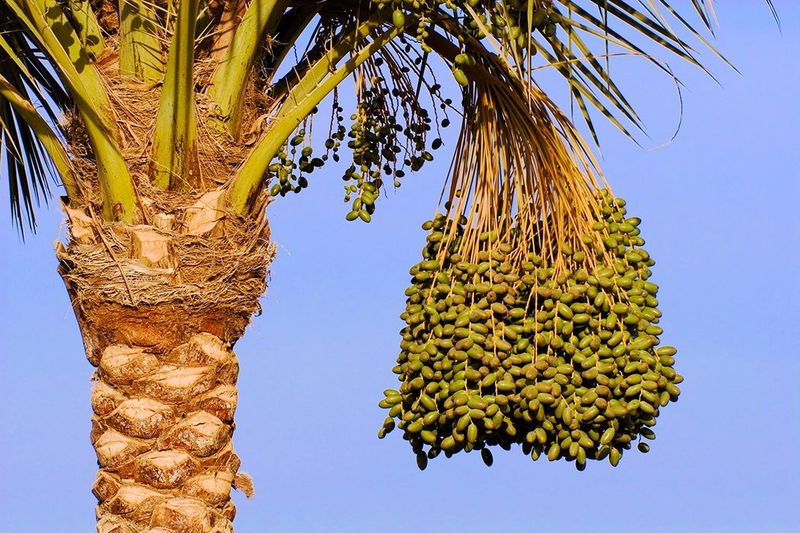
Here is the twist on this list: the date palm is the one tree you should actually plant when it is warm. Unlike the others, palms love heat for root growth, so late spring is their ideal moment.
Fall and winter planting can leave palms sulking in cool soil. Wait until spring, around April or May, when nighttime temperatures stay warm and the soil heats up.
Palms establish quickly once things heat up, and they can handle summer far better than any stone fruit.
Medjool and Deglet Noor dates have deep roots in Arizona history, with commercial groves around Yuma and the Phoenix area. A homegrown date palm brings that heritage straight to your backyard.
Keep in mind that female trees produce fruit, and hand pollination helps improve yields.
Date palms thrive on deep, infrequent watering and tolerate salty, alkaline soils that trouble other trees. Old fronds and fruit stalks can shelter roof rats, so keep the crown trimmed and harvest promptly.
Doing so may make your palm less inviting to unwanted guests.
Birds such as orioles and woodpeckers often visit palms. With patience, you will enjoy towering shade and sticky-sweet fruit for decades.