8 Wisconsin Insects With A Painful Sting Worth Recognizing
Entomologist Justin Schmidt got stung by dozens of insect species and compared one jab to a revolving door. He built a pain scale from one to four, and several of the worst offenders buzz around Wisconsin yards.
His descriptions read like restaurant reviews written by someone having the worst day of their life. One sting earned the words hot and smoky, almost irreverent, which still makes me laugh and wince together.
I learned the hard way that a quiet garden bed can hide a very busy nest underground. One swipe of the trowel in late August, and my whole afternoon of weeding ended in a sprint.
Knowing which flier you are facing changes how you mow and where you set down the picnic lemonade. So which Wisconsin stingers deserve a respectful step back, and which ones are mostly just bluffing?
1. Yellow Jackets Crash Every Late Summer Picnic
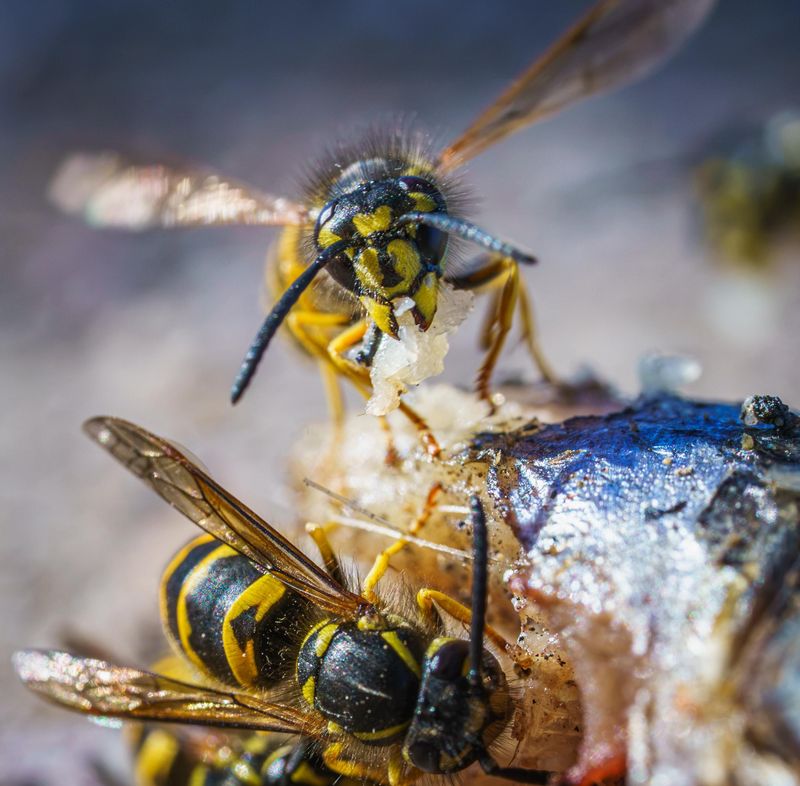
Nothing clears a backyard cookout faster than one yellow jacket circling your bratwurst like it paid for the meal. These black and yellow wasps look sleek and nearly hairless, which helps you tell them apart from fuzzy bees.
Their nests usually hide underground in old rodent burrows, though some colonies tuck into wall voids or decks. I have stepped near a hidden entrance while mowing, and the angry buzz arrived before I saw a single wasp.
Late summer and early fall bring the most trouble, because colonies peak just as natural food grows scarce. Workers switch from hunting caterpillars to raiding sweet soda cans and grilled meat at outdoor gatherings.
Justin Schmidt gave their sting a 2.0 on his pain index, describing it as hot and smoky. He compared it to W. C. Fields putting out a cigar on your tongue, which feels painfully accurate.
Unlike honey bees, yellow jackets keep their stingers and can strike several times in a row. Some people also develop serious allergic reactions, so hives or trouble breathing call for emergency help right away.
My favorite trick is keeping drinks covered with lids and checking each cup before taking a sip. Swatting tends to backfire, since crushed yellow jackets release alarm scents that can call in their nestmates.
If you find a busy ground nest near a path, mark it with a flag and call a professional. Nests far from foot traffic can often stay put, since the colony fades once hard frost arrives.
2. Bald-Faced Hornets Guard Gray Football-Shaped Nests
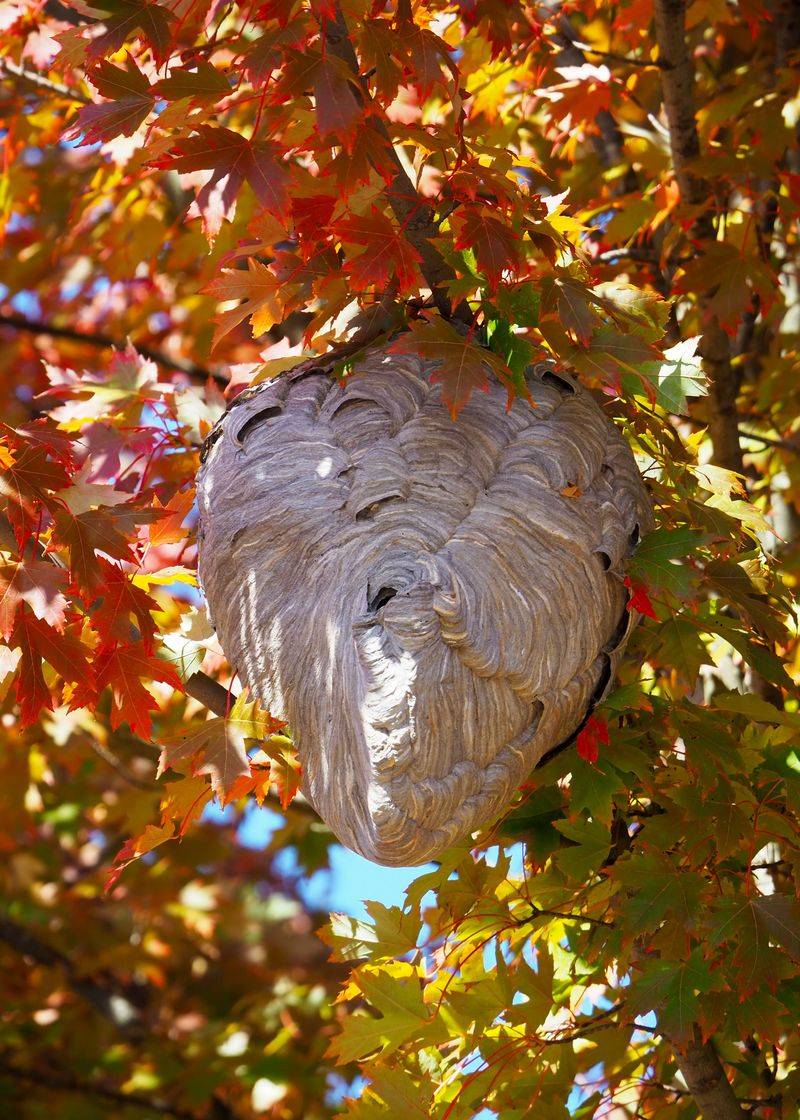
Spotting a gray paper nest the size of a football in your maple can make your stomach drop a little. Bald-faced hornets build those papery globes high in trees or under roof overhangs, usually several feet off the ground.
Despite the name, they are technically a type of yellow jacket rather than a true hornet. Look for a black body with a bright white face and white markings near the tip.
I admire their pest control work, because they hunt flies and other insects to feed their young. Still, I give their nest plenty of space, since they defend it with serious enthusiasm and speed.
Schmidt rated the sting a 2.0 and compared it to getting your hand mashed in a revolving door. They can sting repeatedly, and a disturbed nest may send out many angry defenders at once.
Fair warning for anyone trimming hedges, because these hornets can also spray venom toward a threat’s eyes. That spray can cause painful irritation, so wear safety glasses when working near thick summer shrubs.
Before running the hedge trimmer, walk slowly around each bush and look for gray paper peeking through leaves. Nests close to doors or play areas are usually best handled by a licensed pest control professional.
Once winter arrives, the colony is gone, and the empty nest will not be reused next year. Only new queens survive the cold, tucked away in sheltered spots until spring warms things up.
3. European Hornets Hum Around Porch Lights at Night
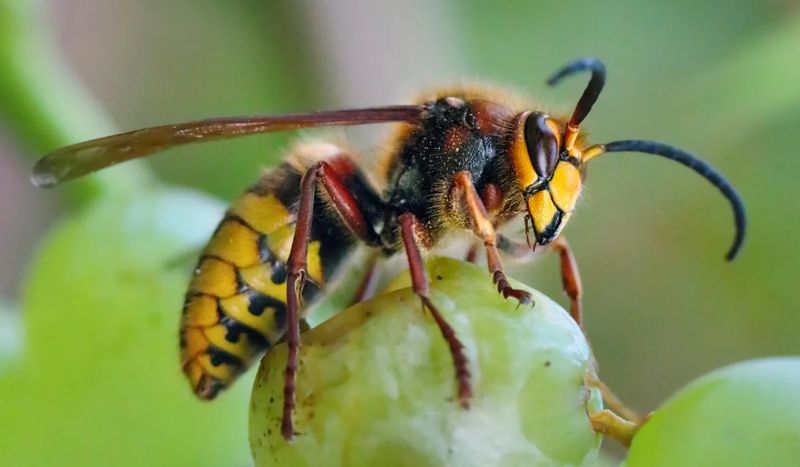
Few things startle me like a one-inch hornet bonking against my porch light well after sunset on a warm night. European hornets are unusual because they fly at night, and lights draw them in like moths.
Originally from Europe and Asia, this true hornet arrived in North America during the mid-1800s. Look for a reddish-brown head and thorax paired with a yellow abdomen marked with bold dark bands.
Nests usually sit in dark, sheltered spots such as hollow trees or empty wall spaces inside buildings. Their papery covering is brown and fragile, unlike the gray globes that bald-faced hornets hang outdoors.
Gardeners with lilacs may notice bark stripped from branches, since these hornets chew bark for nest material. They also hunt other insects, and they sometimes nibble on ripe fallen apples in late summer and early fall.
I’ll admit their size is scarier than their attitude, because they rarely bother people away from home. Threaten the nest, though, and they will sting more than once with venom that packs a real punch.
Their venom contains acetylcholine, a chemical that stimulates pain nerves and makes the sting feel extra sharp. Swelling can linger for a few days, so a cold pack and patience become your best friends.
Try switching porch bulbs to yellow or warm LED options, which tend to attract fewer curious night fliers. If you hear chewing or buzzing inside a wall, call a pro instead of sealing the hole yourself.
4. Velvet Ants Are Really Fuzzy Wingless Wasps
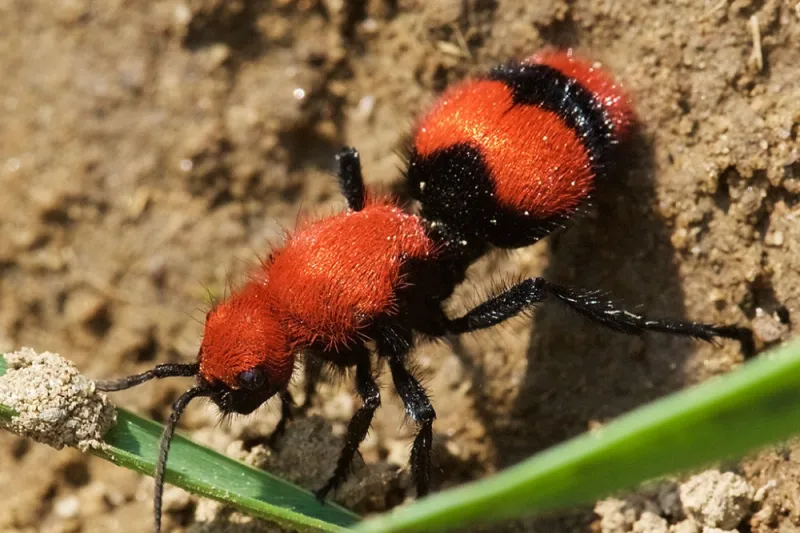
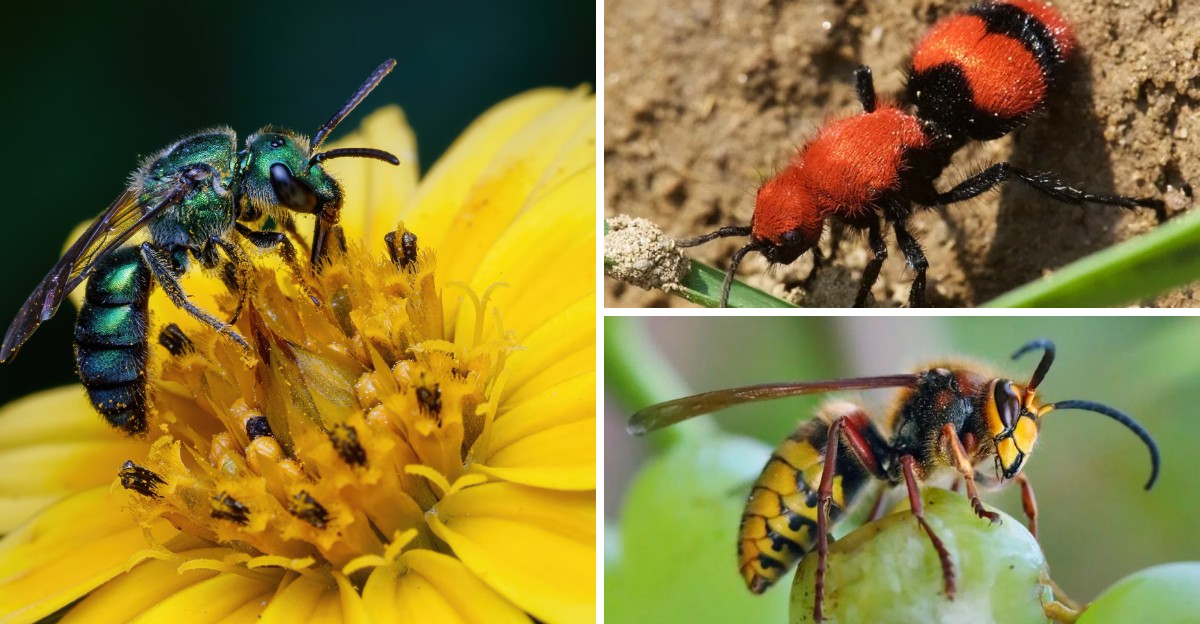
That fuzzy red bug racing across your sandy path is not an ant, no matter how convincing it looks. Velvet ants are actually wasps, and the wingless females wear bright coats of dense, velvety hair.
Several species live in the state, especially in sandy areas with plenty of ground-nesting bees nearby. Their colors often mix red or orange with patches of glossy black, a classic warning signal.
Females lay eggs inside the nests of ground-nesting bees and wasps, where their young feed on the host larvae. Males have wings and no stinger, so the ones zipping through the air cannot hurt you.
Schmidt rated one large velvet ant species a 3.0, describing the sting as explosive and long lasting. He compared it to hot oil from a deep fryer spilling over your whole hand, which sounds awful.
Smaller northern species probably pack less punch, but I still would not test that theory with my bare feet. Their armor is tough too, so a light swat or step often fails to slow them down.
Pick one up and you may hear a squeaky chirp, which is the insect’s way of saying back off. Velvet ants rarely seek trouble and mostly sting when someone grabs or steps right on them.
Wear shoes around sandy garden beds in summer, and teach kids to admire these colorful runners from afar. They are solitary, so you will not find a colony waiting to swarm out after you.
5. Paper Wasps Hang Umbrella Nests Under Eaves
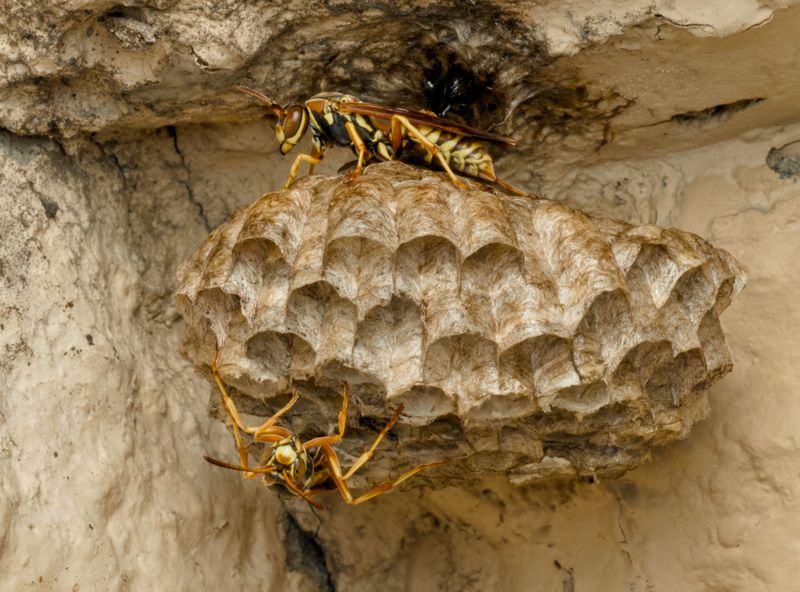
Open the patio umbrella for the first time each summer, and you might find a tiny paper honeycomb hanging inside. Paper wasps love those sheltered spots, and their open cells look like an upside-down umbrella themselves.
You can recognize them by their slender bodies and long legs that dangle below them in flight. Colors vary from brown with yellow stripes to dark reddish tones, depending on the species you meet.
Nests are built from chewed wood fibers mixed with saliva, which creates a surprisingly sturdy gray paper. Common sites include roof eaves and the undersides of deck railings, right where people tend to reach.
Schmidt gave the red paper wasp a 3.0, calling the sting caustic and burning with a bitter aftertaste, though that species does not live in Wisconsin. He compared the red paper wasp’s sting to spilling hydrochloric acid on a paper cut, which I find hard to forget.
Not going to lie, I leave small nests alone when they hang somewhere nobody walks or reaches. Paper wasps hunt caterpillars that chew on vegetables, so they quietly help the garden all season.
Nests by doors or grills are another story, since the wasps defend them and can sting repeatedly. Early spring is the easiest time to knock down a new nest, when just a founding queen or two tends it.
Check umbrellas and grill lids before opening them, since startled wasps sometimes fly straight at your hand. A slow, calm retreat works far better than flailing arms, which only signals trouble to the colony.
6. Bumble Bees Defend Their Hidden Ground Nests
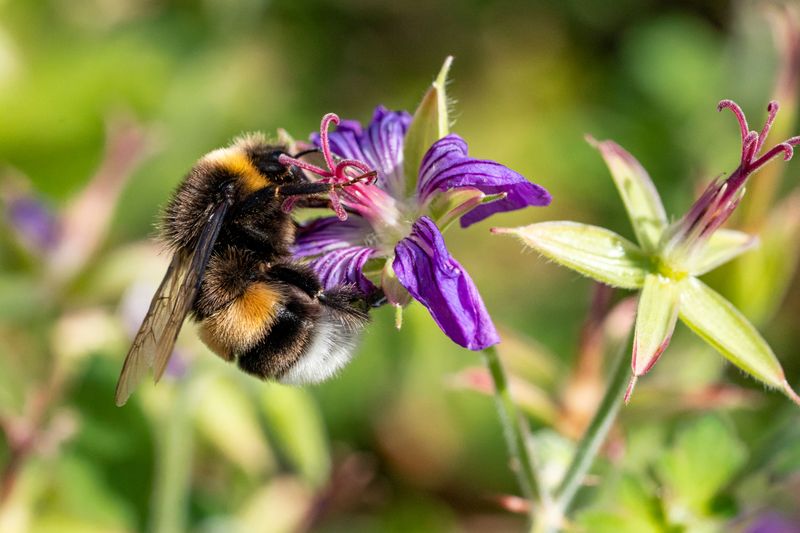
Watching a fuzzy bumble bee wrestle its way into a snapdragon ranks among my favorite garden shows. Those round, hairy pollinators seem too cuddly to sting, yet females can and occasionally will if pushed too far.
Most species nest underground in old rodent burrows, while others settle into thick grass or compost piles. I once mowed over a nest hidden in tall grass, and the buzzing got loud very quickly.
Bumble bees have smooth stingers, so unlike honey bees, they can sting more than once if needed. Only queens and workers carry stingers, while males buzz around harmlessly and cannot sting anyone at all.
The sting starts as a sharp pinprick and builds into a solid ache over the next few seconds. Most people find the worst pain fades within minutes, though mild soreness may linger for a few hours.
Several native bumble bee species have declined, including the rusty patched bumble bee, which is federally endangered. That makes protecting nests a smart choice instead of calling an exterminator at the very first buzz.
Walk your yard before mowing, and watch for bees flying in and out of one small hole. Mark that spot with a stake and steer around it, since colonies last only one season.
Planting native flowers like bee balm and wild lupine gives them food far away from your busy patio. Give them room and they will mostly ignore you, busy with the serious business of pollination.
7. Honey Bees Leave Their Barbed Stingers Behind
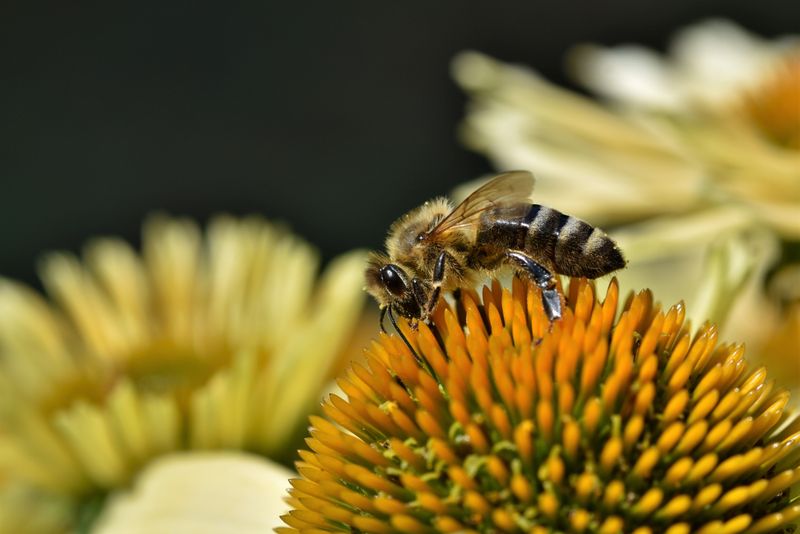
Wisconsin picked the honey bee as its official state insect in 1977, a fitting choice for clover country. Yet these golden-brown workers are not native, since European settlers brought them to North America centuries ago.
Honey bees measure a bit over half an inch, with fuzzy bodies and softly banded amber abdomens. They look less shiny than wasps, and you will usually find them busy on clover or garden blossoms.
Their stinger has tiny barbs that hook into skin, so it stays behind with the venom sac. Sadly, the bee does not survive losing it, which explains why they sting only as a last resort.
Schmidt used the honey bee sting as his benchmark, giving it a 2.0 on the pain index. He described it as burning and corrosive, but something most people can handle without too much fuss.
A later study by Michael Smith found stings on the nostril and upper lip hurt the most. He tested this on himself, which tells you everything about the remarkable dedication of bee researchers.
Speed matters more than technique when removing a stinger, because the venom sac keeps pumping for a short while. Scrape or pinch it out right away, then wash the spot and apply a cold pack.
Keep a little distance from hives and swarms, and wear light colors when visiting a beekeeping friend. Anyone with a known bee allergy should carry prescribed epinephrine during every warm-weather outdoor garden session.
8. Metallic Green Sweat Bees Land on Sweaty Gardeners
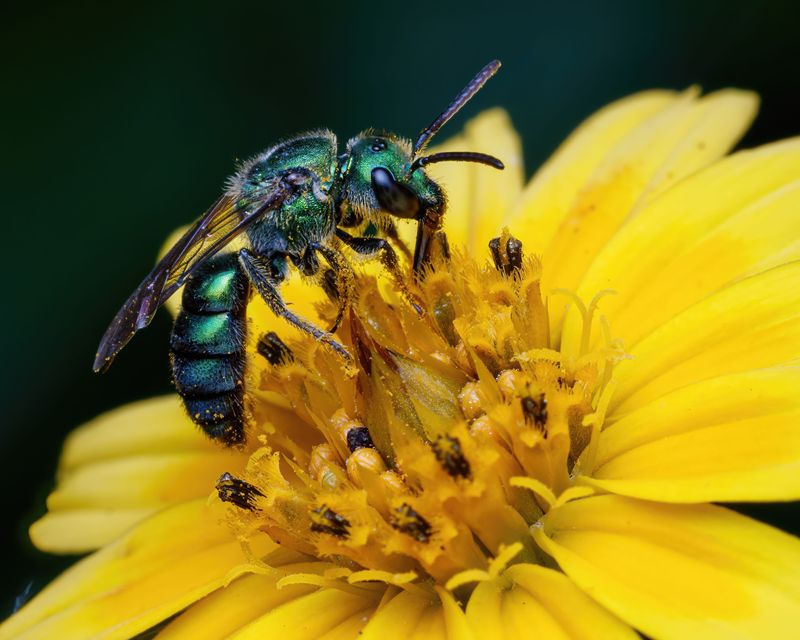
Sweaty arms after an afternoon of weeding can attract tiny metallic green bees looking for a salty snack. Sweat bees lap up perspiration for the moisture and salts, and they rarely mean any harm.
Many species shine like little jewels, while others are plain black or brown and easy to overlook. Most are smaller than a honey bee, and many nest in bare soil around garden edges.
Trouble starts when one gets trapped under a shirt sleeve or pinched as you brush your arm. Only females sting, and the jab comes from self-defense rather than any interest in attacking you.
Schmidt gave the sweat bee a 1.0, the lowest score on his list of stinging insects. He called it light and almost fruity, like a tiny spark singeing a single hair on your arm.
Including such a mild stinger might seem odd, yet sweat bees sting many gardeners simply because they land so often. Recognizing them helps you stay calm instead of panicking over a sudden prick during summer chores.
My rule is simple, so I gently blow on the bee or wait for it to fly off. Swatting at your own skin is the fastest way to earn a sting from a startled visitor.
Sweat bees are valuable native pollinators, so leave a few bare soil patches where they can nest safely. A quick wash and an ice cube usually settle the sting, and the discomfort fades fairly fast.