Should You Eat A Split California Tomato Or Toss It
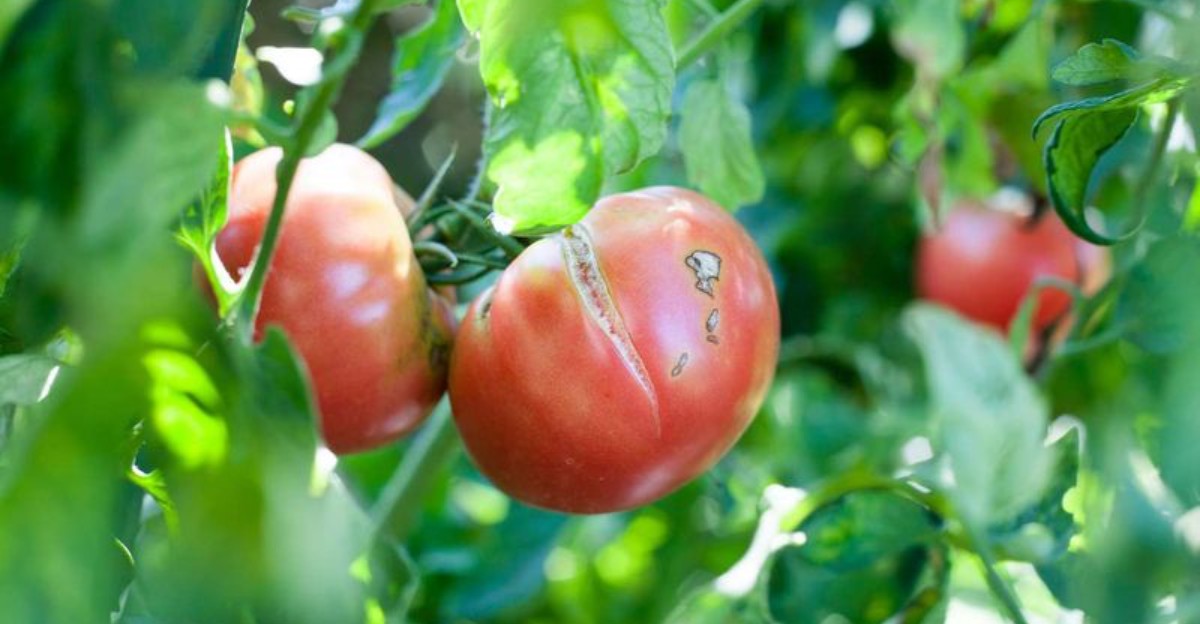
Finding a cracked tomato in your California garden does not always mean you need to throw it away.
Split tomatoes are common during the growing season, and the right choice depends on what caused the crack and what the fruit looks like now.
You can often still enjoy a split tomato if the crack is fresh, the inside looks normal, and there are no signs of mold, rot, or an unpleasant smell. These tomatoes may not look perfect, but they can still taste great in salads, sauces, and other dishes.
You should be more careful when a split tomato has soft spots, leaking liquid, fuzzy growth, or a sour odor.
Those signs can point to spoilage, especially during warm California weather. Checking your tomatoes before eating them helps you save good fruit while avoiding ones that have gone bad.
1. A Fresh Crack Does Not Always Mean The Tomato Is Bad
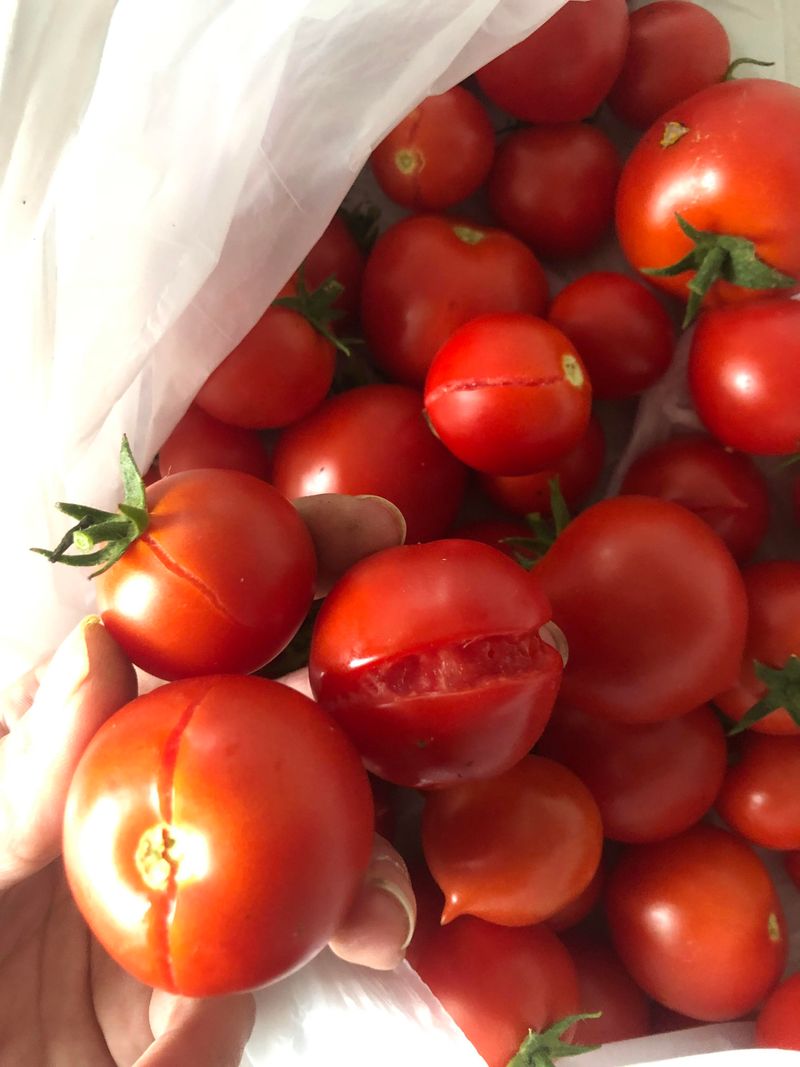
A crack in the skin looks alarming at first, but it is often just the tomato’s way of growing too fast. When plants soak up lots of water after rain, the inside swells quicker than the skin can stretch.
That pressure causes the surface to split open. It is a common thing with California tomatoes because of warm days and sudden watering. The fruit itself can still be juicy, ripe, and delicious inside.
Think of it like skin that stretches after a big meal. The crack shows growth, not spoilage. As long as the tomato was picked recently and the split is fresh, you have nothing to worry about.
Give it a gentle sniff and a light squeeze. A good tomato smells sweet and earthy and feels firm to the touch. If it passes those quick checks, go ahead and slice it up.
Fresh cracks are usually clean and dry around the edges. They have not had time to attract bugs or germs yet. That is your green light to enjoy the fruit.
So the next time you spot a split, do not panic. Look closer before you decide anything. Many perfectly good tomatoes get tossed for no real reason at all.
2. Check Inside The Split Before Eating
The outside can only tell you so much, so cutting the tomato open gives you the real story. Slice through the cracked spot and take a good look at what is inside.
Healthy flesh should be bright red, moist, and firm. The seeds sit neat in their little pockets, and everything smells fresh. That is exactly what you want to see.
Sometimes the area right under a split can look slightly darker or feel a bit soft. If it is only a small spot, you can cut that part away and eat the rest.
Trouble shows up as brown mush, slimy texture, or a sour smell. Those are clear signs the tomato has started breaking down inside. When that happens, it is best to let it go.
Run your finger gently along the cut edge. Good flesh feels smooth and springs back a little. Bad flesh feels wet, stringy, or falls apart easily.
Your California Garden Changes Every Week. Your Plan Should Too.
Gardening in California changes quickly throughout the season. Every Friday you’ll receive a simple weekly plan showing exactly what to plant, prune, fertilize, harvest, and protect so you never miss the right timing.
Do not rush this step. A quick peek inside saves you from a nasty surprise at the dinner table. It also helps you rescue tomatoes that are still mostly good.
Checking the inside turns guessing into knowing. Once you make it a habit, sorting the keepers from the tossers becomes fast and easy every single time.
3. Discard Tomatoes With Mold Or Rot
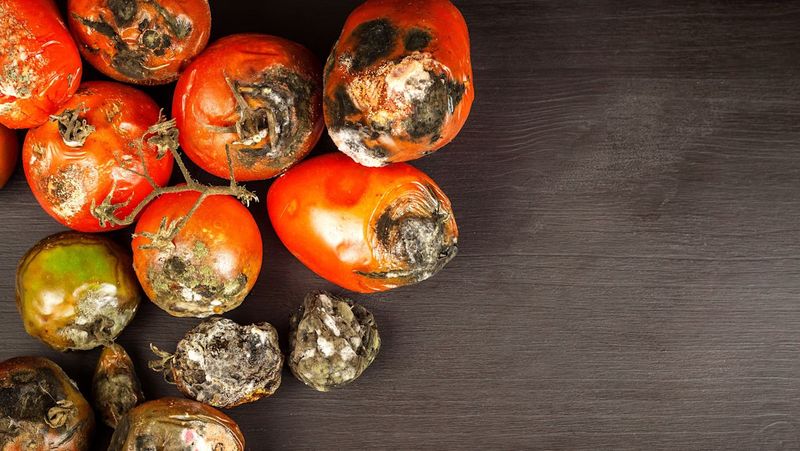
Mold is the one thing you should never ignore on a split tomato. Those fuzzy white, green, or gray patches mean the fruit is no longer safe to eat.
Even if only part of the tomato looks moldy, the tiny spores can spread through the soft, wet flesh. Cutting the mold away does not fully solve the problem here.
Rot is another warning sign. When a tomato feels squishy, leaks liquid, or has sunken dark spots, its insides have already spoiled. That kind of fruit belongs in the compost, not on your plate.
A sour or off smell backs up what your eyes see. Fresh tomatoes smell sweet, while rotten ones give off a sharp, unpleasant odor.
It helps to trust your gut on this. If something looks or smells wrong, tossing it is always the safer choice. One bad tomato is not worth an upset stomach.
Check the fruit around it too. Mold spreads easily from one tomato to its neighbors in a bowl or basket. Remove the bad one right away.
Wash your hands after handling any moldy fruit. Keeping things clean stops the spread and protects the good tomatoes you still have waiting to be eaten.
4. Deep Cracks Are More Likely To Cause Problems
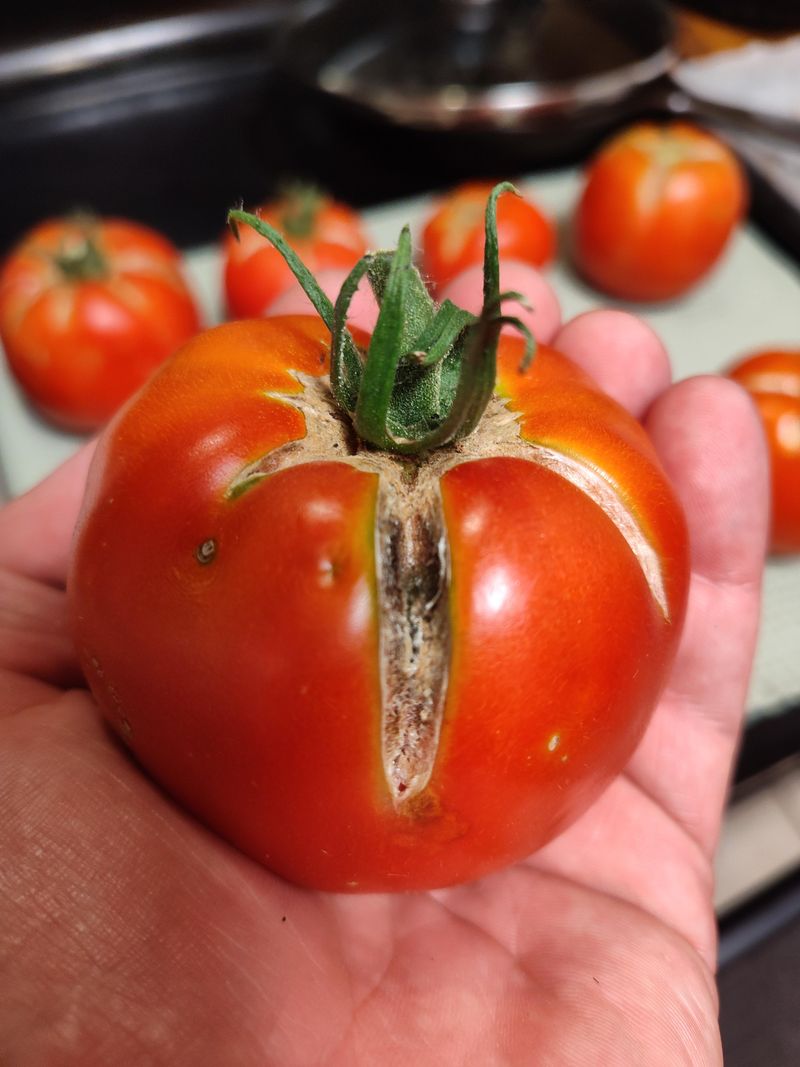
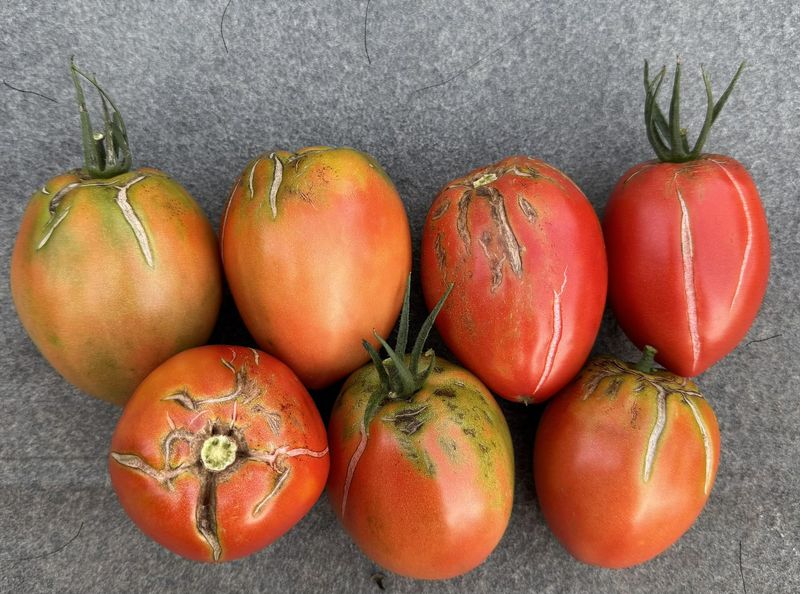
Not all cracks are equal, and depth makes a big difference. A shallow line on the skin is minor, but a deep split that opens the flesh needs extra caution.
When a crack goes deep, it creates an open door. Air, bacteria, and tiny insects can slip right into the moist inside of the tomato.
That exposed flesh spoils much faster than protected fruit. What starts as a simple growth crack can turn into rot within a day or two if left alone.
Deep cracks also collect dirt and moisture in their grooves. Those hidden spots are hard to clean and give germs a cozy place to grow.
If you find a tomato with a wide gaping split, use it quickly or check it very carefully. Cut away any part that looks or feels off before eating.
Sometimes the fruit is still fine, just ugly. Other times the deep opening has already let spoilage begin. Your inspection decides the outcome.
Compare the crack to how the tomato feels overall. Firm and fresh means you can likely save it. Soft and smelly means it is time to toss.
Paying attention to crack depth helps you catch problems early and enjoy your tomatoes at their very best flavor.
5. Pick Split Tomatoes As Soon As You Notice Them
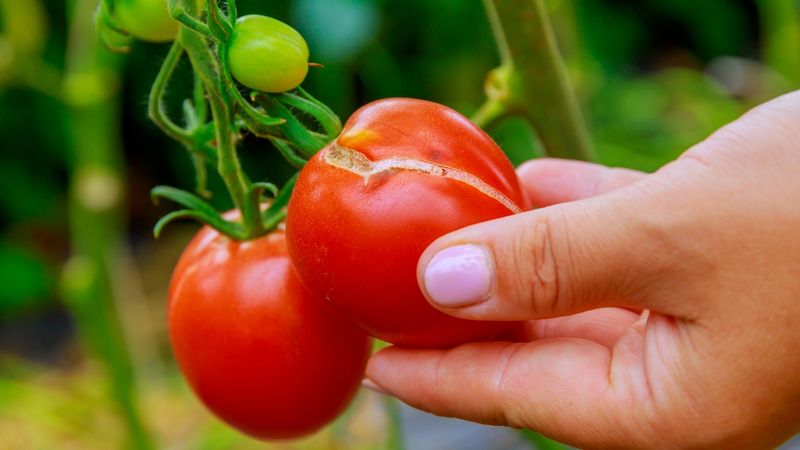
Timing matters a lot with cracked fruit. The moment you spot a split tomato on the vine, it is smart to pick it right away.
Leaving a cracked tomato on the plant invites trouble. Bugs, birds, and moisture all find their way into that open wound while it hangs outside.
Once picked, the tomato is out of the weather and away from garden pests. You get to control what happens to it next instead of leaving it to chance.
Morning is a great time to check your plants for splits. Cooler air makes the fruit firm, and you can spot fresh cracks before they get worse.
Gently twist or snip the tomato from the stem so you do not bruise it. Handle cracked fruit with care since the skin is already weak.
Bring it inside and give it a good look. If it is ripe and healthy, eat it soon. If it needs a day, keep it on the counter away from other fruit.
Quick picking turns a risky tomato into a usable one. You beat the pests and the rot to the punch.
Staying watchful in the garden pays off. A daily walk through your plants saves more tomatoes than you might expect during the busy growing season.
6. Wash Tomatoes Before Cutting Them
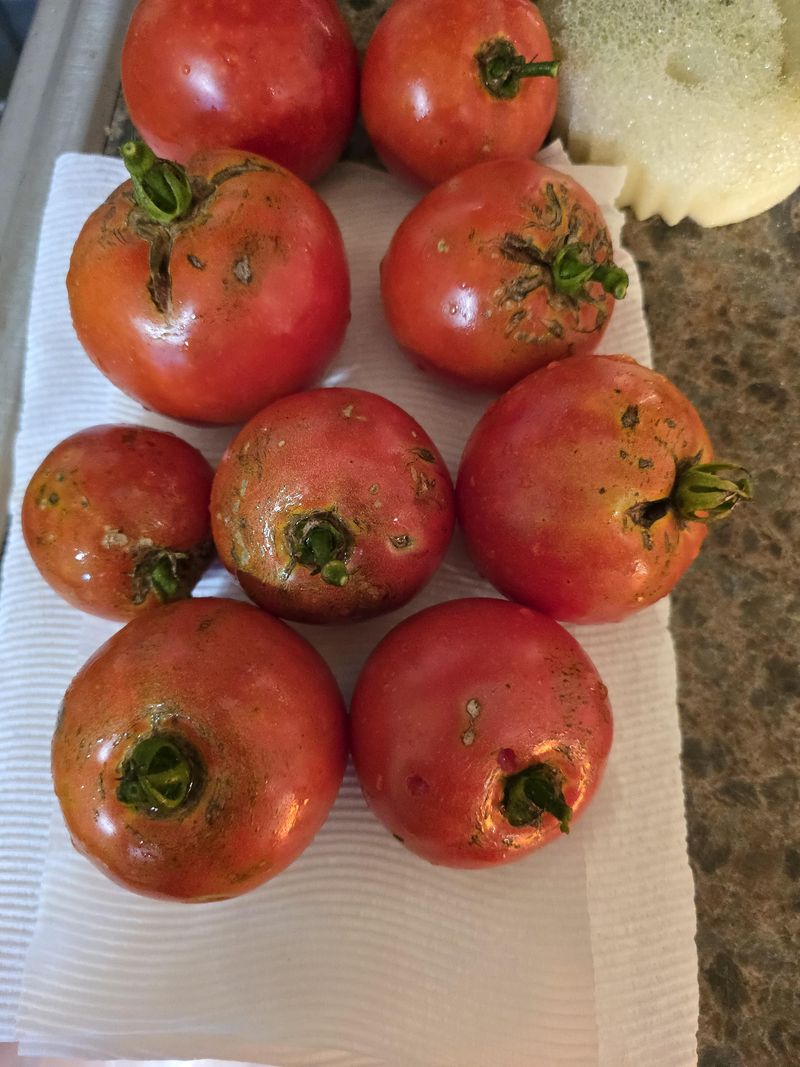
Washing might seem obvious, but it matters even more with split tomatoes. Those cracks can trap dirt, dust, and germs in their little grooves.
Rinse the tomato under cool running water before you slice it. Use your fingers to gently rub the skin and clean out the cracked areas.
Skip the soap, since it can soak into the fruit and leave a bad taste. Plain water does the job just fine for fresh produce.
Pat the tomato dry with a clean towel afterward. Drying helps you see the skin clearly and removes any leftover grit hiding in the split.
Cutting a dirty tomato drags germs from the outside straight into the flesh. Your knife carries them right where you do not want them.
A quick wash stops that from happening. It is a small habit that keeps every bite clean and safe to enjoy.
Pay extra attention to the crack itself. Splash a little water directly into the opening and rub it gently to clear anything stuck inside.
If the tomato came from the garden, it may have soil on it. A careful rinse removes that dirt before it reaches your plate.
Clean tomatoes taste better and feel fresher. Making washing a routine step protects your health and your meal every time you cook.
7. Use Damaged Fruit Quickly
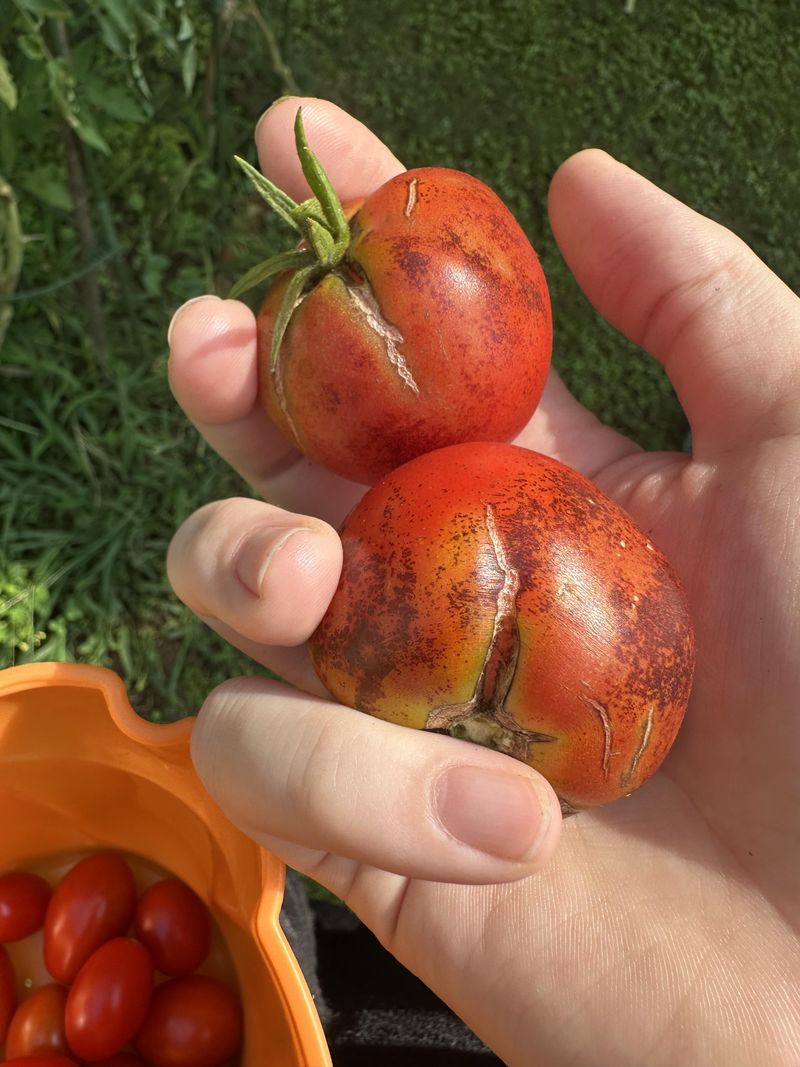
Once a tomato cracks, its clock starts ticking faster. Damaged fruit does not last as long as smooth, unbroken tomatoes.
The best plan is to use split tomatoes within a day or two of picking them. Eating them fresh means you enjoy their flavor before spoilage sets in.
Cooking is a great way to use cracked fruit. Toss them into a warm pasta sauce, a hearty soup, or a homemade salsa for dinner.
You can also chop them into salads or layer them on a sandwich. Splits do not change the taste, so they work in almost any recipe.
If you have a big batch, roasting them brings out a rich, sweet flavor. Roasted tomatoes freeze well and last for months.
Keep split tomatoes on the counter, not stuffed in a crowded bowl. Good airflow helps them stay fresh a little longer.
Avoid stacking damaged fruit on top of each other. The weight bruises the soft spots and speeds up spoiling.
Planning meals around your cracked tomatoes cuts down on waste. Instead of tossing good food, you turn it into something delicious.
A little quick action goes a long way. Use those splits first, and save your perfect tomatoes for later in the week.
8. Small Surface Cracks Can Be Mostly Cosmetic
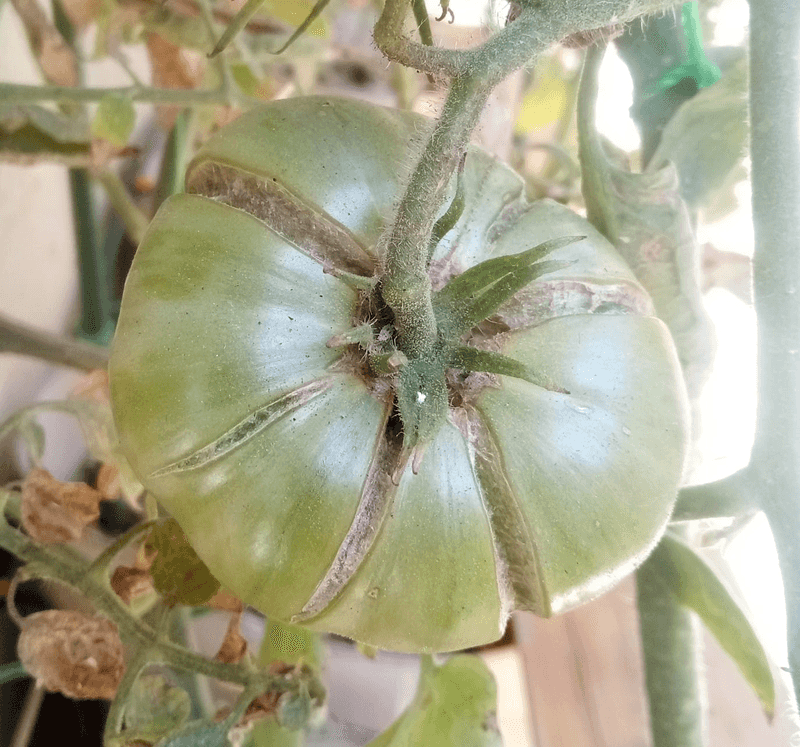
Those thin, ring-like lines near the stem look worse than they are. Called cosmetic cracks, they barely go past the surface of the skin.
Warm days, cool nights, and changes in watering cause these fine cracks. They are extremely common in California gardens and farmers markets alike.
The good news is that shallow surface cracks rarely reach the flesh. The tomato underneath stays firm, red, and perfectly good to eat.
Grocery stores often reject these tomatoes just for their looks. That means home gardeners get to enjoy fruit that shops would toss for no real reason.
Give a lightly cracked tomato a quick rinse and a firm squeeze. If it feels solid and smells sweet, it is ready for your kitchen.
These cracks add a little character without hurting the taste. Some people even say vine-ripened tomatoes with tiny splits taste extra sweet.
You can slice them, dice them, or eat them whole like an apple. Their small flaws do not change how good they are.
Do not let a few surface lines scare you away. They are a sign of a natural, home-grown tomato rather than a factory-perfect one.
Judging a tomato by its skin alone wastes plenty of great fruit. Look deeper, and you will keep far more than you throw out.