9 Fall Pruning Mistakes That Leave Arizona Desert Shrubs Bare And Frost-Burned By Spring
Those crispy brown leaves on your shrubs after a cold night are quietly working like a free winter jacket. In many Arizona yards, the first frost often shows up in late November or December, catching eager pruners off guard.
I have to admit, I used to grab my shears the moment the October heat finally broke. You might notice that a tidy fall trim can turn into bare, scorched branches when the cold nights arrive in Arizona.
The tricky part is that every snip sends a message to the plant about what season it is. Send the wrong signal now, and your shrub may spend spring patching damage instead of showing off.
So which fall habits are secretly setting your desert favorites up for a rough winter?
1. Cutting Back Lantana And Yellow Bells Too Early
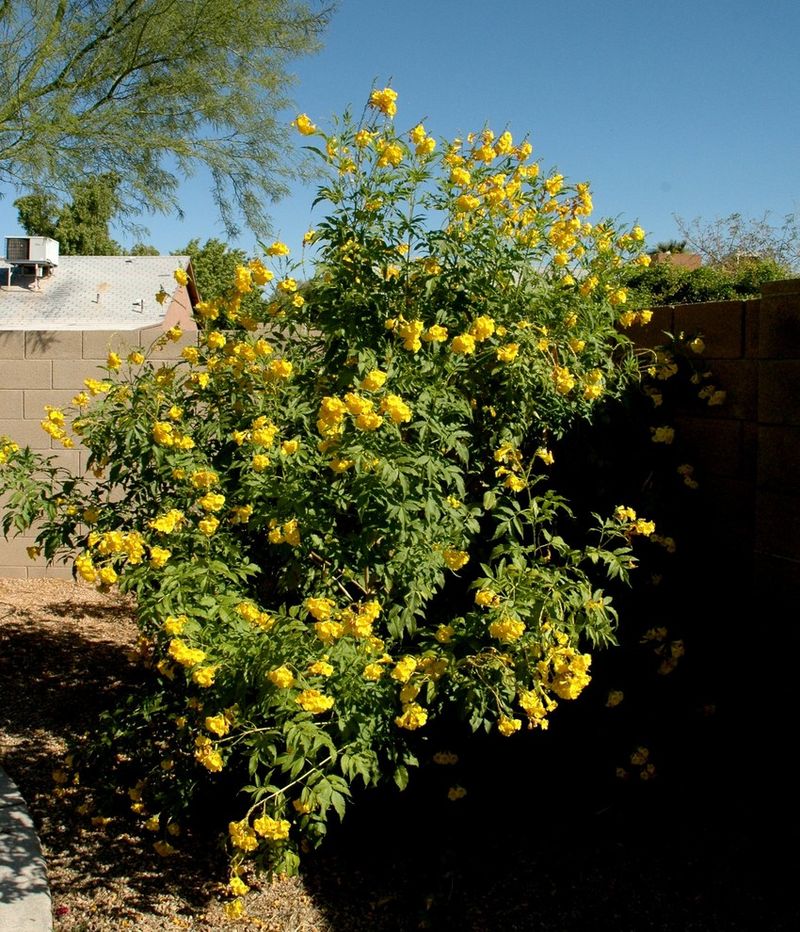
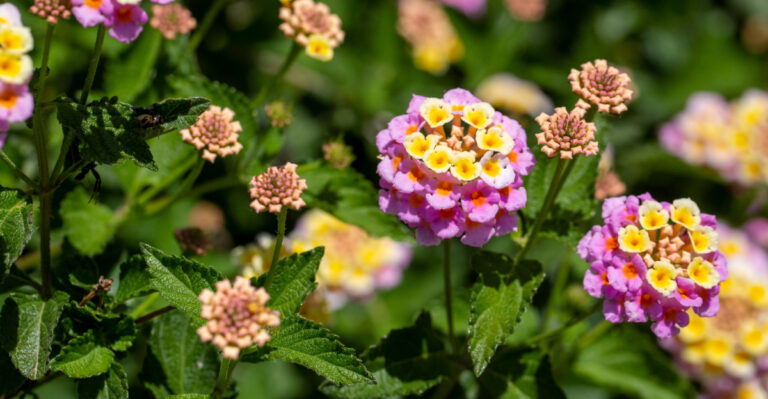
Lantana and yellow bells look so cheerful in October that trimming them feels like harmless grooming before the holidays. I get the urge, but these frost-tender favorites need their outer leaves as a buffer once cold nights arrive.
Bougainvillea and red bird of paradise fall into the same group, since all of them can freeze back in a hard frost. Their outer growth traps a little warmth and shields the inner stems from the sharpest cold.
When you trim them hard in fall, that protective layer disappears right before the chilliest stretch of the year begins. The tender wood underneath then takes the hit directly, and spring brings bare stubs instead of fresh green growth.
Personally, I keep my fall work on these shrubs to removing a broken branch or a stem blocking a walkway. Everything else waits until the danger of frost passes, which is usually late February or March in low desert areas.
Patience pays off here, and you also keep the late flowers that hummingbirds and butterflies enjoy through autumn. Those blooms feed pollinators while your shrubs quietly hold onto the shelter they will need in winter.
2. Hard Cuts That Wake Up Tender New Shoots
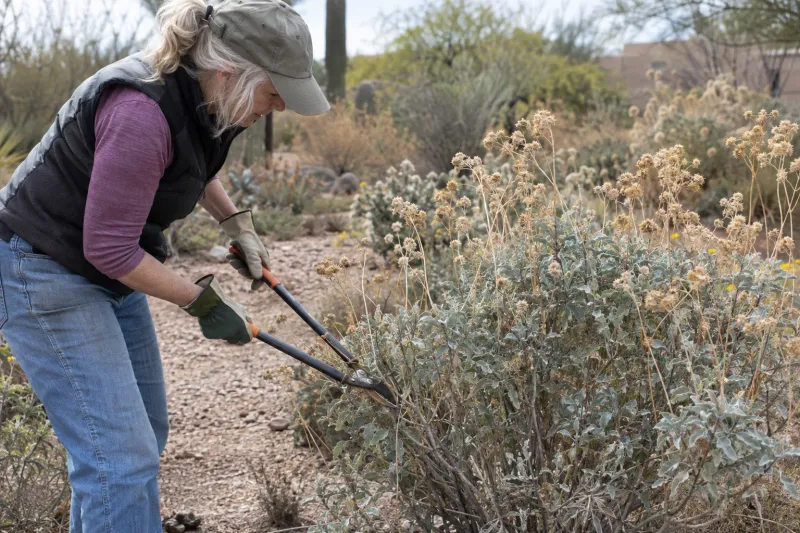
Every big cut works like an alarm clock for a shrub, telling dormant buds that it is time to grow. In October that wake-up call arrives at a terrible moment, because winter is only weeks away for the plant.
Fresh shoots are soft and full of water, and they need many weeks to toughen up before cold weather. Growth pushed out in late fall rarely has that time, so the first frost can scorch it quickly.
What surprises me most is how fast a shrub responds when our fall days stay warm and sunny. You might see a flush of bright green leaves within two weeks, which looks lovely for a short while.
Unfortunately, that pretty flush becomes the first casualty on a freezing night, turning black and limp by morning. The shrub then spends its stored energy replacing damaged growth instead of building strong roots during the cool season.
A light shaping cut is mostly fine in early fall, as long as you remove only a few stray stems. Save the dramatic reshaping for spring, when new shoots have months of mild weather ahead of them.
3. Snipping Frost-Browned Leaves Right After A Freeze
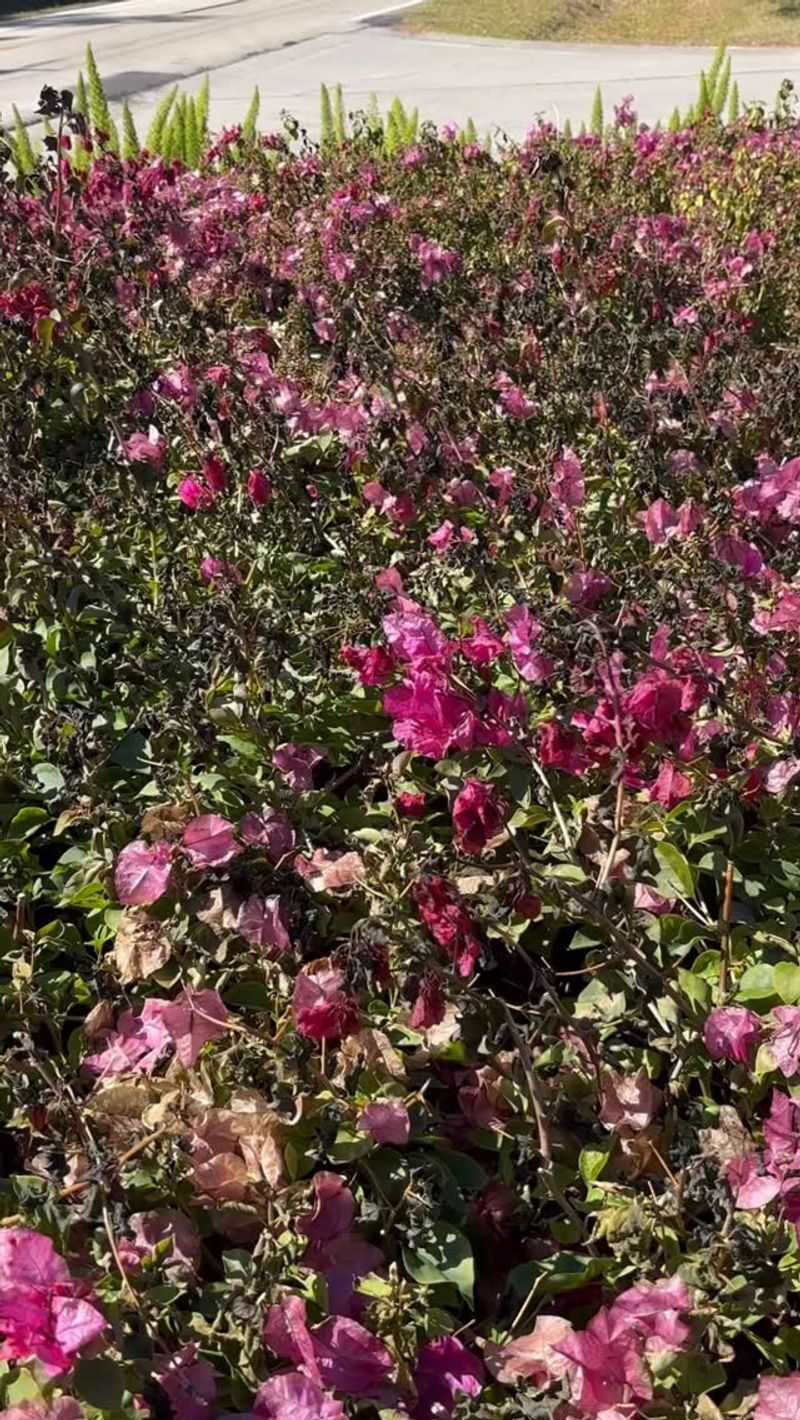
Ragged brown leaves after an early cold snap can make even a tidy yard look neglected overnight. I know that sight tempts you to grab the shears, but those ugly leaves are doing important work right now.
Damaged foliage acts like insulation, helping shield the healthy wood and buds hiding just underneath the outer layer. If more freezes follow, that browned layer takes the brunt of the cold instead of the living tissue below.
Removing it too soon exposes fresh tissue to the next frost, which often deepens the injury down the stems. You can end up with a shrub that is far barer than it would have been if left alone.
University of Arizona experts generally suggest waiting until frost danger passes before cutting off freeze-damaged growth. Once new leaves appear in spring, you can easily tell which branches recovered and which ones need removal.
A quick scratch test helps too, since green tissue under the bark means that branch is still alive. Brown, dry tissue tells you to cut lower, ideally just above a healthy bud or side branch.
4. Feeding Shrubs With Fertilizer In Late Fall
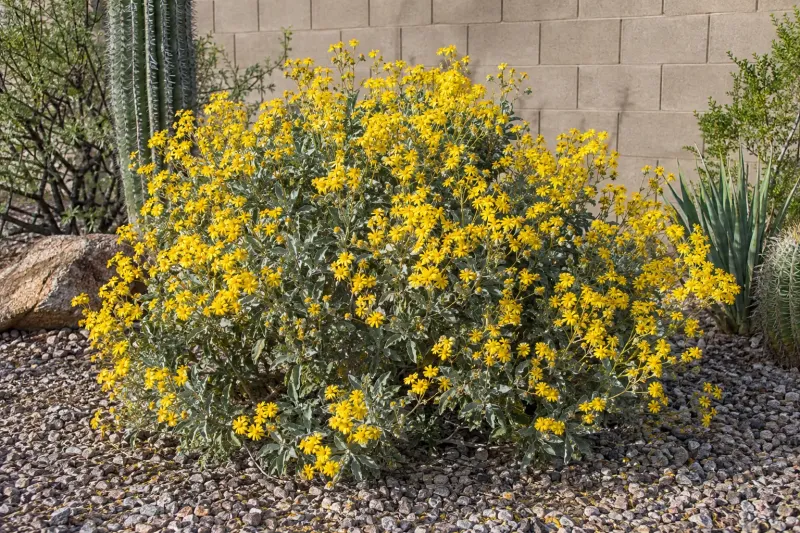
Fertilizer feels like a kind gift before winter, almost like packing your shrubs a warm lunch for the cold months. Sadly, a late feeding often does the opposite, especially when it is rich in quick-release nitrogen.
Nitrogen pushes leafy growth, and desert shrubs usually respond with a burst of tender shoots that cannot handle cold. That soft growth is ripe for frost burn, much like the shoots triggered by heavy fall pruning.
Most native and desert-adapted shrubs need little fertilizer at all, which is one reason I love growing them. Plants like brittlebush, creosote, and desert ruellia evolved in lean soils and stay healthier without extra feeding.
If a shrub truly needs nutrients, early spring is usually the smarter window for a light application. Pair fertilizer with combined pruning mistakes, and you can double the amount of vulnerable growth heading into winter.
For now, a layer of organic mulch around thirsty non-native shrubs gently feeds soil life without forcing growth. Native shrubs prefer bare gravel or leaf litter, which also offers shelter for lizards that happily snack on insects.
5. Shearing Texas Sage Into Tight Little Balls
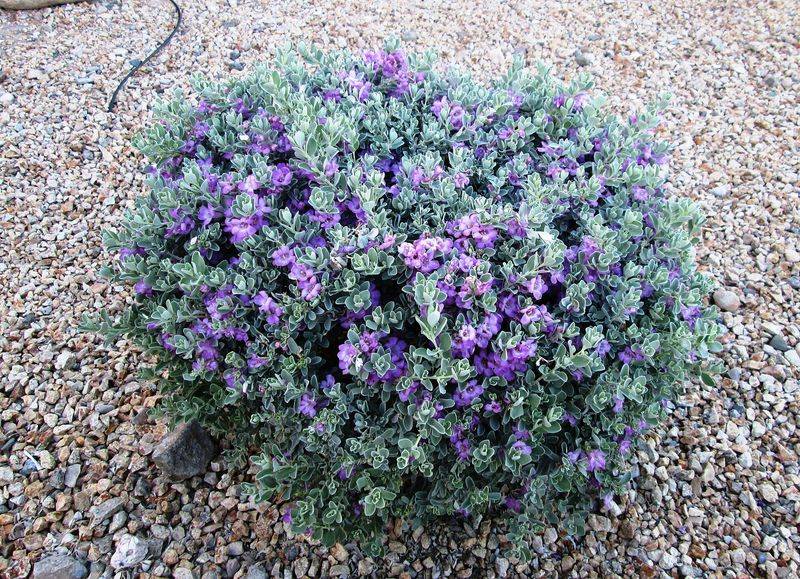
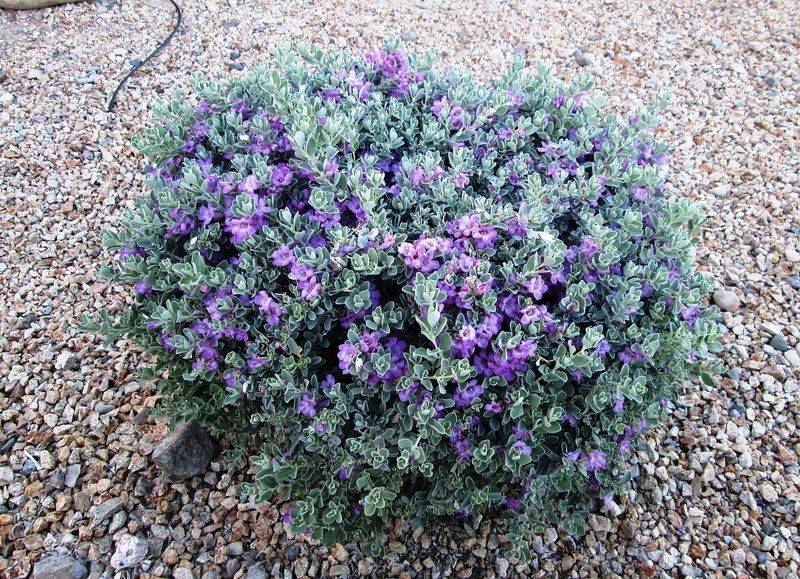
Drive through almost any desert neighborhood and you will spot Texas sage clipped into tidy green gumdrops. Landscapers sometimes call them poodle balls, and I can’t imagine a less flattering haircut for such a graceful shrub.
Shearing builds a thick outer shell of leaves that blocks sunlight from reaching the inner branches. Over time the shaded interior thins out, leaving a hollow shrub with bare twiggy stems inside.
Frequent shearing also removes the tips where Texas sage forms its purple flowers after summer humidity and rain. You lose those lovely bursts of color, along with the bees that buzz around the blooms afterward.
Fall shearing adds another layer of trouble, because the fresh tips stay tender as nights grow colder. Texas sage is fairly cold hardy, yet sheared shells can show ugly browning after a sharp freeze.
A better approach is selective thinning, cutting a few older branches back to their base in late spring. The shrub keeps its natural loose shape, and birds like quail appreciate the open structure for cover.
6. Pruning Away Cassia Buds Before Spring Blooms
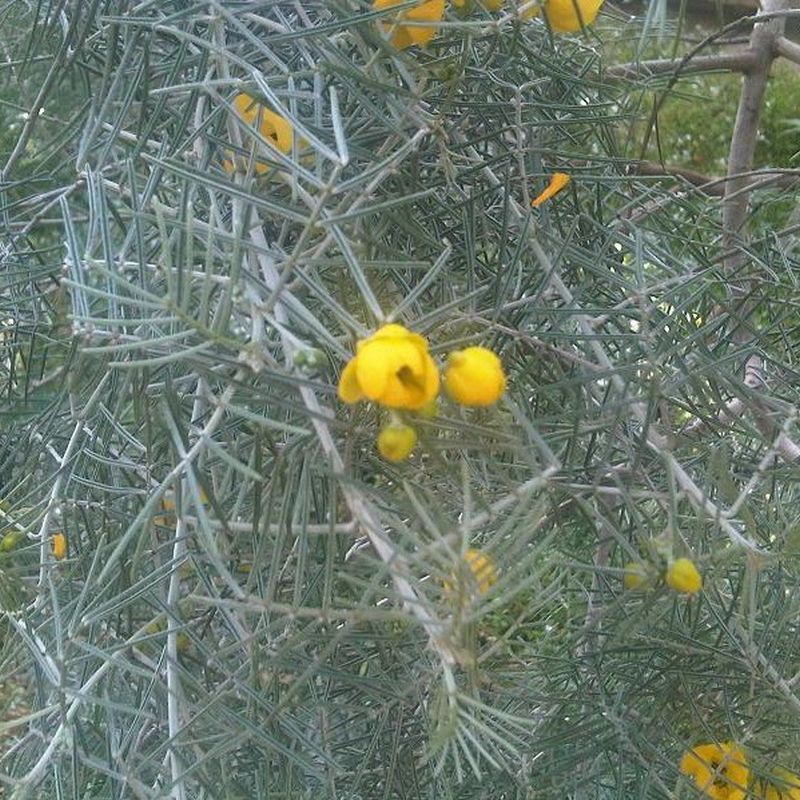
Feathery cassia lights up desert yards with buttery yellow flowers from late winter into spring. Cut it back in October, though, and you may quietly remove much of that golden show before it begins.
Shrubs like feathery cassia and desert senna bloom on growth that develops well before the flowers open. Fall pruning snips off those branches, so the plant greets spring with leaves but surprisingly few blossoms.
I love how these shrubs feed early pollinators when little else is blooming in the neighborhood. Native bees depend on late winter flowers, so a fall trim can shortchange more than just your view.
The easy fix is timing, since most spring bloomers prefer pruning right after their flowers fade. Trimming then gives the plant months to grow new branches that will carry next year’s blooms.
Before you cut anything this month, check when that particular shrub usually flowers in your yard. A quick note in your phone calendar can save an entire season of color, and it takes seconds.
7. Working With Dull Or Dirty Pruning Shears
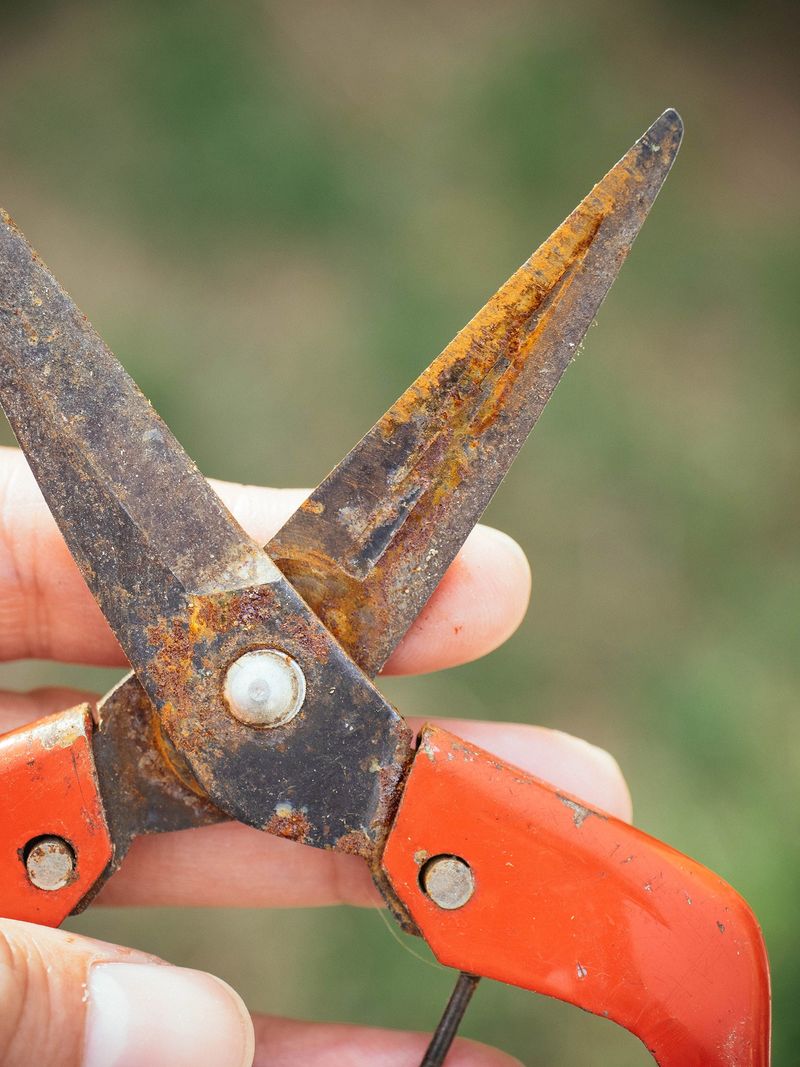
Those rusty shears in the garage might still close, but they could be chewing your shrubs instead of cutting them. A dull blade crushes stems and leaves ragged, torn edges that heal slowly through the cool months.
Jagged wounds dry out and crack more easily, which gives cold, sun, and disease more room to cause trouble. Clean cuts close faster, letting the shrub seal off the area before winter weather settles in.
Dirty blades create a second problem, since they can carry fungal or bacterial spores from one plant to another. I wipe mine with a household disinfectant or diluted bleach solution between shrubs, especially when trimming any sick-looking branches.
Sharpening is easier than it sounds, and a simple handheld sharpener restores most bypass pruners in minutes. Bypass blades slice cleanly like scissors, while anvil styles tend to crush green living stems.
Fall is honestly the perfect time to tune up your tools before the main pruning season returns. You will thank yourself when late winter arrives and every cut slides through branches smoothly.
8. Flush Cuts And Stubs That Slow Healing
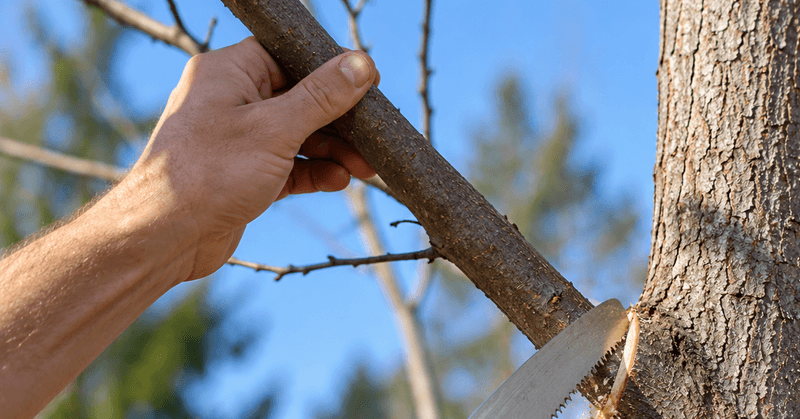
Where you cut matters just as much as when, and a few inches can change how a shrub recovers. Every branch joins its parent stem at a slightly swollen ring of tissue called the branch collar.
Plants do not truly heal wounds the way skin does, so they wall off damaged areas instead. That sealing process depends heavily on the collar, which is why cutting flush against the trunk causes trouble.
Long stubs create the opposite problem, because the leftover wood often withers and invites rot or boring insects. You might notice cracked, gray stubs sticking out of shrubs that were trimmed hastily years earlier.
Aim to cut just outside the collar, or right above an outward-facing bud on smaller stems. Angled cuts that slant away from the bud help water run off, which keeps the area drier.
Getting this right in fall still does not make heavy pruning a smart idea for frost-tender plants. Small corrective cuts are fine now, but bigger structural work belongs closer to spring, when growth resumes.
9. Removing More Than A Third Of The Shrub
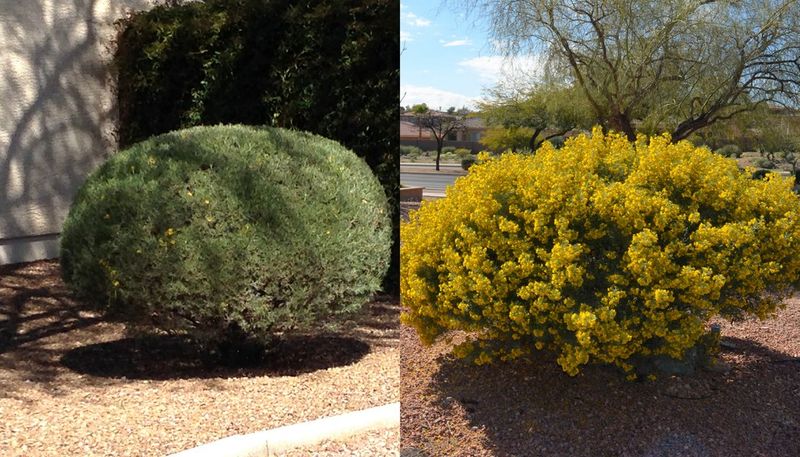
Some shrubs come back from a drastic chop looking like startled porcupines, all bare sticks and no leaves. Most experts suggest removing no more than a quarter to a third of a shrub at once.
Leaves are the food factories for any plant, turning sunlight into the energy it needs to stay strong. Strip too many away in fall, and the shrub enters winter with smaller reserves for recovery.
Bare stems also face our intense winter sun, which still beats down on clear desert days in Arizona. Sunscald can crack exposed bark, and those injured areas often show up as bare patches by spring.
I believe the smarter strategy is spreading larger renovation jobs across two or three seasons instead of one. Many overgrown desert shrubs respond well to gradual thinning, keeping their natural shape and shade intact.
Fuller shrubs also shelter helpful wildlife like lizards and birds that snack on insects around your home. Keeping that green cover through winter makes your yard healthier, and it saves you plenty of spring repair work.