Fig Tree Care Tasks Pennsylvania Gardeners Should Do In November
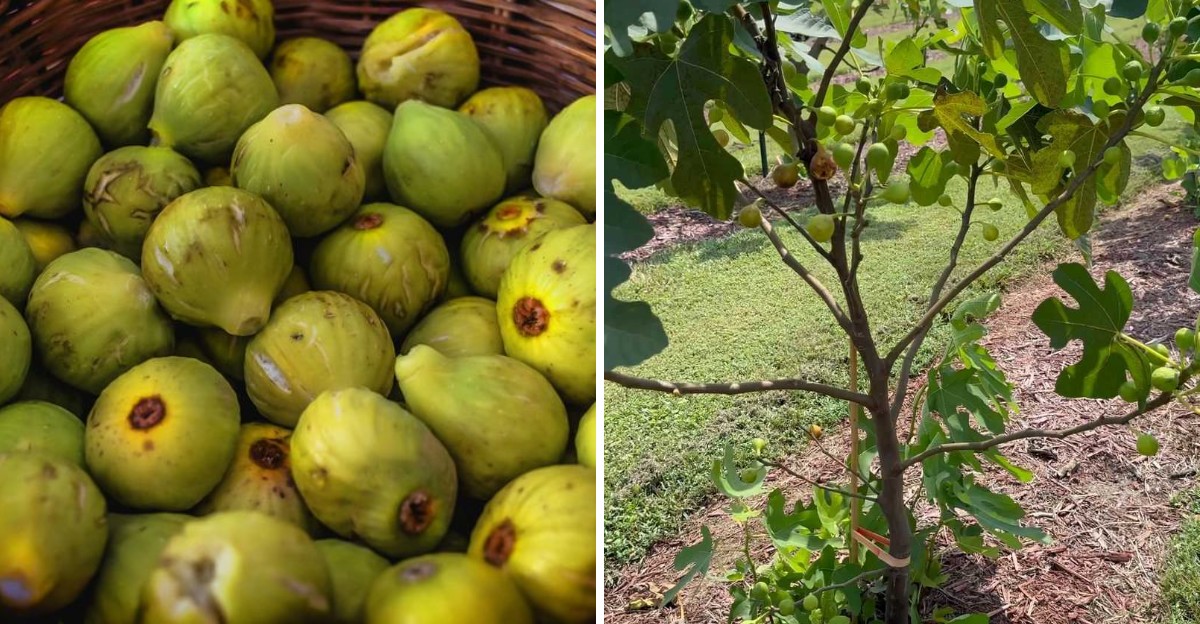
Growing figs in Pennsylvania takes a little stubbornness. These sun-loving trees come from warm Mediterranean climates, and Pennsylvania winters push them right to their limits.
Still, plenty of gardeners pull it off, harvesting sweet, homegrown figs year after year. Their secret usually comes down to what they do in November.
Bitter cold, icy winds, and freeze-thaw cycles can damage branches and wipe out next year’s crop. Young trees and potted figs are especially vulnerable.
Once the leaves drop and the tree goes dormant, it’s the perfect time to give it the protection it needs.
A few key steps now can help your fig tree come through the coldest months in good shape and reward you with fruit next year.
1. Wait For The Leaves To Drop
Patience is a gardener’s secret weapon in November. Many folks rush to wrap their fig tree the moment the air turns chilly. That eager move can actually cause more harm than good.
Your fig needs time to go fully dormant. Dormancy is like a deep winter sleep for plants. The tree slows down, stops growing, and pulls its energy down into the roots and woody stems. A few light frosts help signal that it is time to rest.
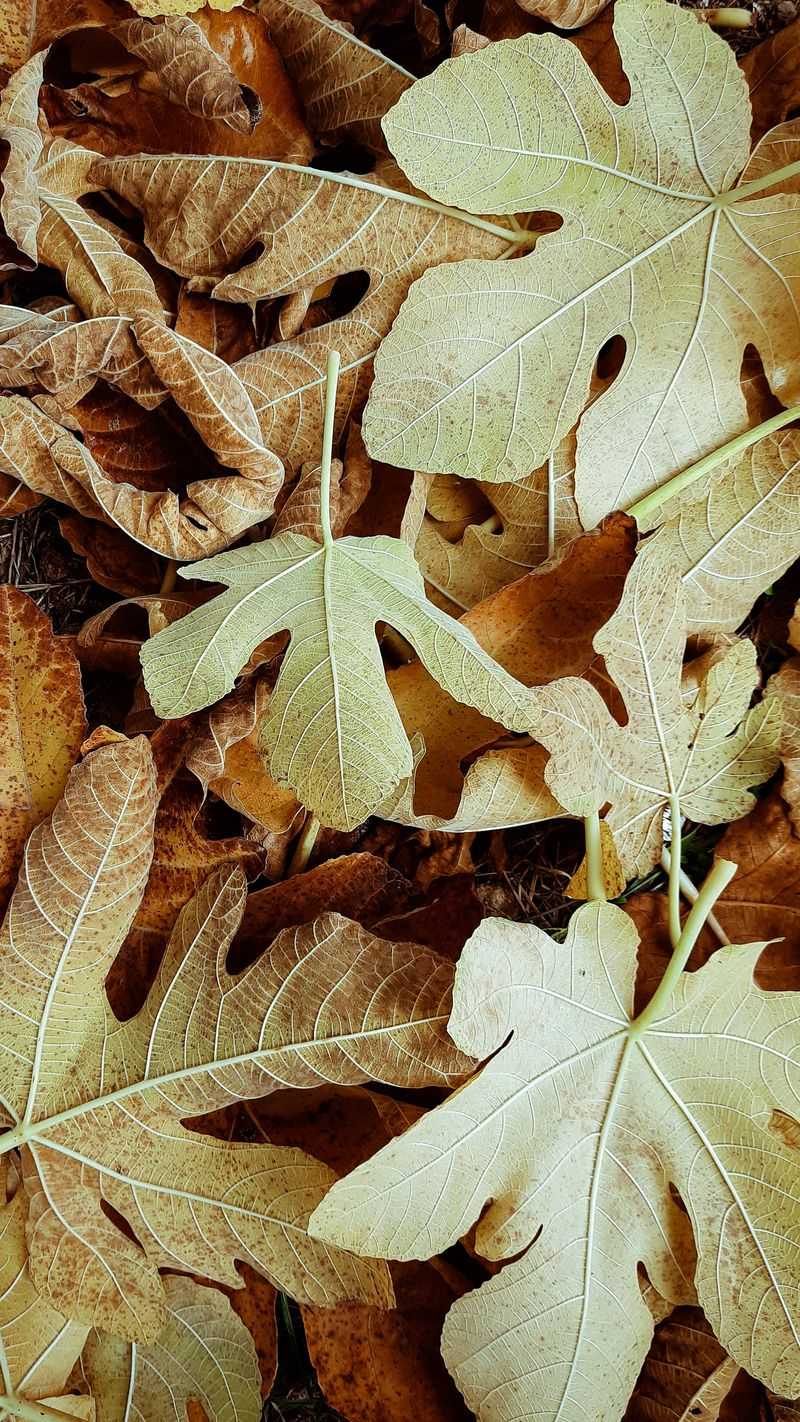
So how do you know the tree is ready? Watch the leaves. After a couple of frosty nights, they will turn yellow or brown, droop, and start falling off. When most of them are on the ground, your fig is ready for the next step.
Wrapping too early creates problems. A covered tree that is still active can trap warmth and moisture inside the wrap.
That damp, cozy space is perfect for mold and rot. You might uncover your tree in spring and find soft, mushy branches instead of healthy wood.
In most of Pennsylvania, the leaves drop sometime between late October and mid November. Gardeners near Philadelphia may wait a bit longer than those in the colder hills near State College or Erie. Keep an eye on your local weather forecast.
Fun fact: fig leaves were once used as plates and wrappers in parts of the Mediterranean. They are large, tough, and surprisingly useful.
If a hard freeze is coming and leaves are still hanging on, do not panic. You can gently pull off the remaining leaves by hand. Then you can move ahead with protecting your tree.
2. Clean Up Fallen Leaves And Fruit
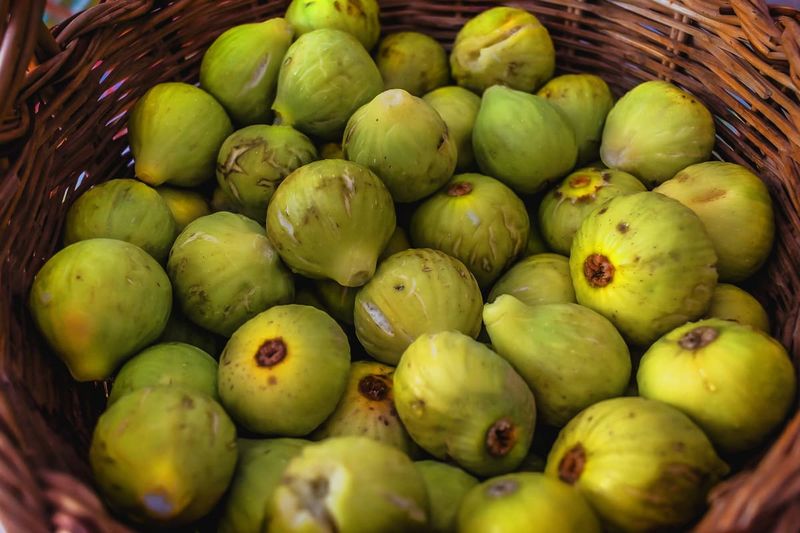
Bugs and fungus love a messy yard. Those soggy fig leaves and wrinkled leftover fruit around your tree are like a free winter hotel for them. Cleaning up is one of the easiest ways to protect your fig.
Grab a rake and gather every leaf you can find under the branches. Then look closely for fallen figs. Some will be shriveled, moldy, or half eaten by critters. Pick them all up, even the tiny ones hiding in the grass.
Why bother? Many plant diseases, like fig rust and leaf spot, survive the winter on dry leaves. When spring rain splashes the ground, those spores can bounce right back onto fresh new growth. Old fruit can also draw in beetles, ants, and even mice.
Here is a smart tip. Do not toss diseased leaves into your compost pile. Most home compost piles do not get hot enough to destroy fungus spores.
Bag them up for yard waste pickup instead. Healthy, spotless leaves can go into compost or be shredded for mulch.
While you are down there, check the trunk and lower branches. Look for holes, oozing sap, or strange bumps. Catching problems now gives you time to plan a fix before spring.
Got kids at home? Turn this into a family job. Little helpers can collect the fallen figs in a bucket while you handle the raking. It goes faster, and they learn something about caring for plants.
A clean base also makes the next steps easier. You will have a clear space for watering, mulching, and wrapping without slipping on mushy fruit.
3. Water Before The Ground Freezes
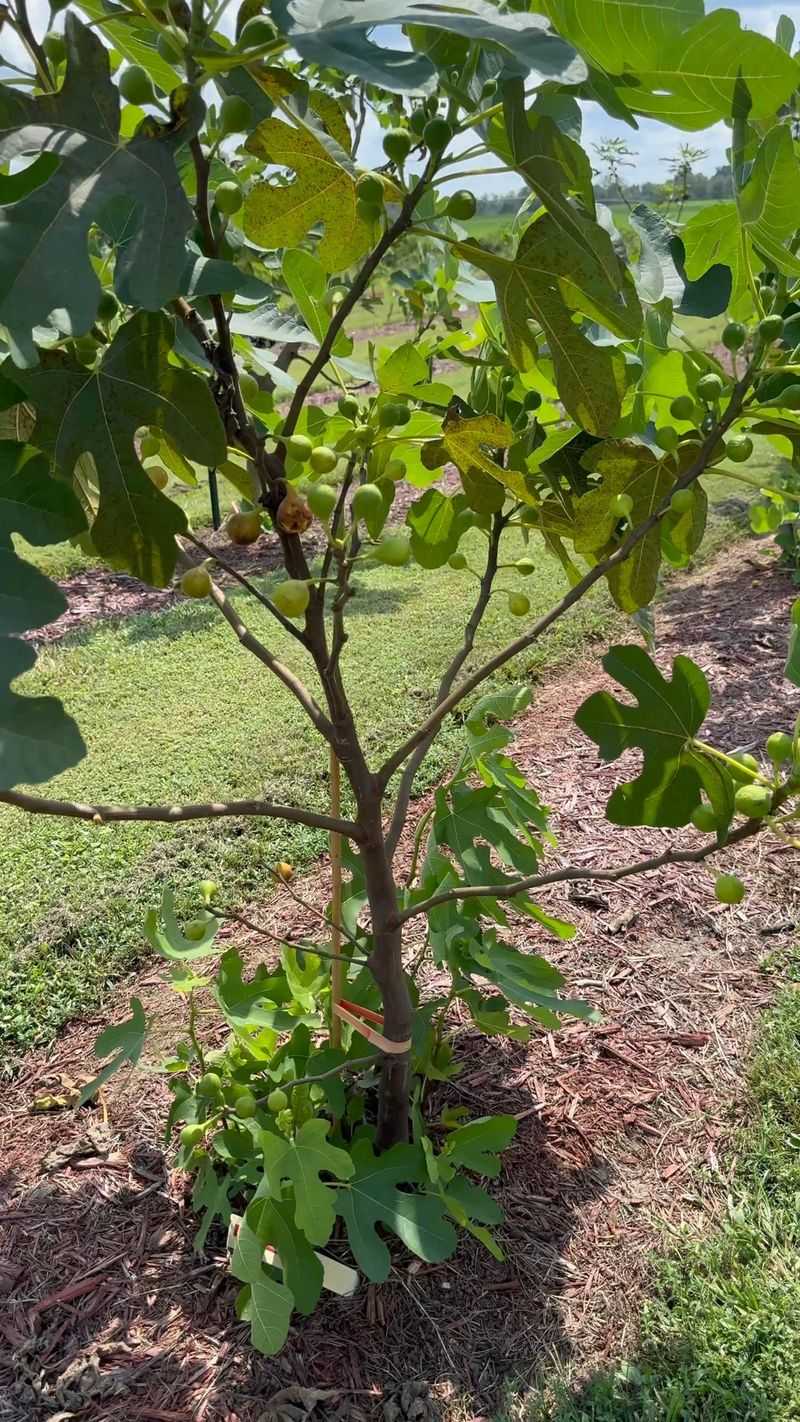
Thirsty trees have a harder time in the cold. It sounds strange to water a plant when winter is around the corner, but your fig will thank you. Hydrated roots and stems hold up much better against freezing weather.
Think about how your own skin gets cracked and dry in winter. Trees deal with something similar.
Cold, dry winds pull moisture from branches all season long. If the tree starts winter already dry, it can lose too much water and suffer damage.
First, check how much rain you have had lately. Pennsylvania falls can swing from soggy to bone dry. Push your finger about two inches into the soil near the tree. If it feels dry, it is time to water.
Give your fig a slow, deep soak. A garden hose on a trickle for 20 to 30 minutes works well. You can also use a soaker hose or a bucket with small holes punched in the bottom. The goal is to get water deep down where the roots live.
Pick a mild day when temperatures are above freezing. Water in the morning or early afternoon so the soil can absorb it before night. Avoid soaking the ground right before a hard freeze.
Once the ground freezes solid, roots cannot take up water anyway. That is why timing matters so much. In most of the state, this job should be finished by late November.
One more tip: do not forget to drain and store your hose afterward. A frozen hose can crack and leak.
4. Add A Thick Layer Of Mulch
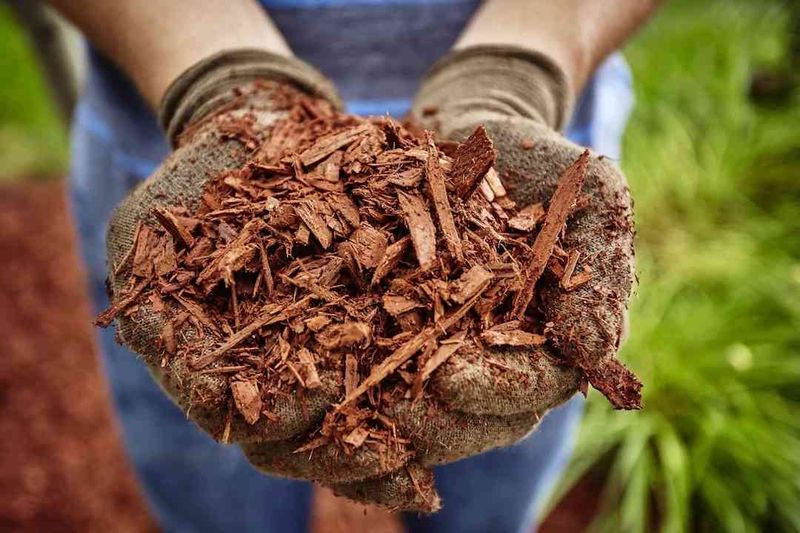
Roots are the true heart of a fig tree. Even if a brutal winter damages every branch above ground, healthy roots can push up fresh shoots in spring. A good blanket of mulch keeps those roots safe.
Pennsylvania winters can send the ground through freeze and thaw cycles again and again. That constant swing stresses roots and can even heave young plants out of the soil. Mulch acts like a cozy quilt that keeps soil temperatures steady.
So what should you use? Shredded leaves, straw, pine needles, and wood chips all work nicely. Shredded leaves are free if you have trees in your yard. Just make sure they are dry and free of disease.
Spread the mulch about 4 to 6 inches deep. Cover the ground in a wide circle, at least as wide as the branches reach. In colder parts of the state, some gardeners pile it even deeper, up to a foot.
Keep a small gap of an inch or two around the trunk. Mulch piled tight against the bark can hold moisture and invite rot or hungry mice. A donut shape is better than a volcano.
Here is an interesting bit of history. Fig trees have been grown for over 11,000 years, making them one of the first plants people ever farmed. Gardeners have been finding ways to protect them for a very long time.
Check the mulch every few weeks during winter. Strong winds and heavy snow can shift it around. Simply rake it back into place if you see bare spots.
5. Wrap And Insulate In-Ground Trees
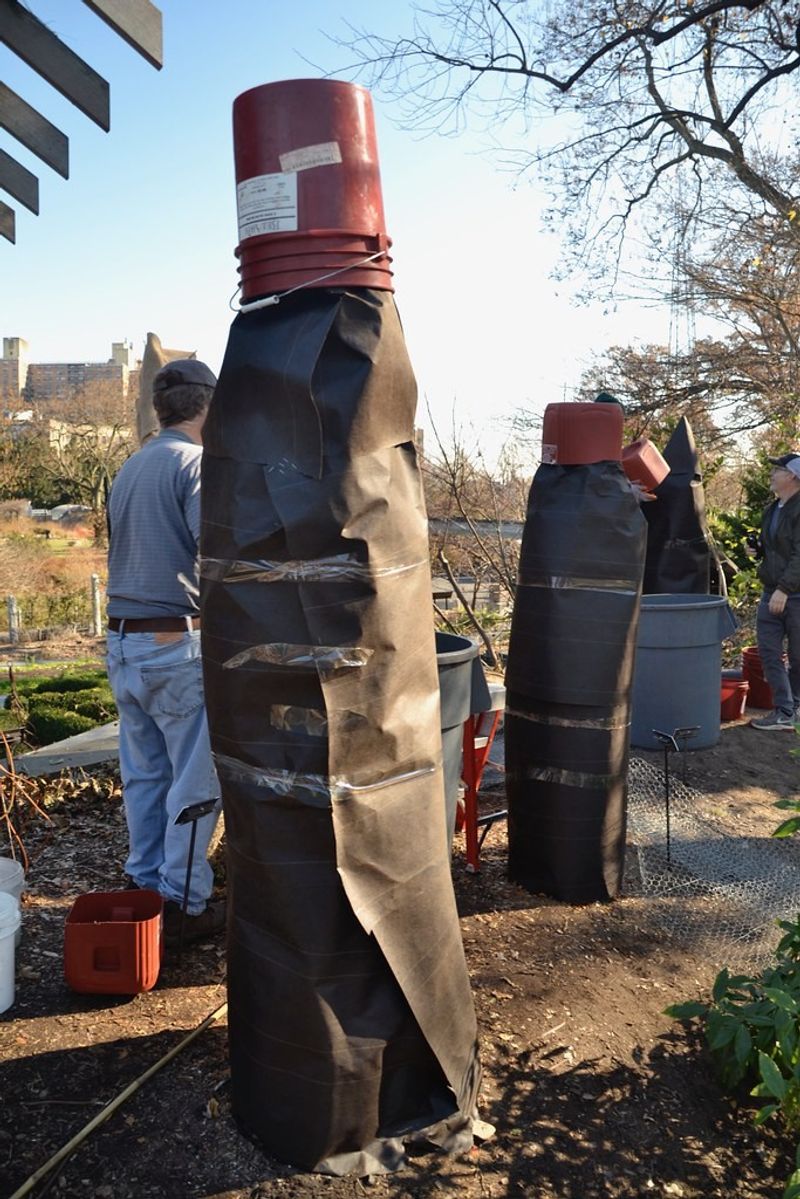
Walk through older neighborhoods in South Philly or Pittsburgh in winter, and you might spot strange wrapped bundles in backyards. Those are fig trees, tucked in for the season. Italian immigrants made this tradition famous, and it still works beautifully today.
Start once your tree is fully dormant. Gently pull the branches together and tie them with soft rope or twine. Go slowly so you do not snap any limbs. A tighter bundle is much easier to wrap.
Next, wrap the bundle in burlap. Burlap breathes, which helps prevent mold. Wind it around from the bottom up and tie it snugly every foot or so.
Now add insulation. Stuff dry leaves or straw into the gaps between the burlap and the branches. Some gardeners place a wire cage around the tree first and fill the whole cage with leaves. Either way, more insulation means more protection.
Finally, top it off with a waterproof cover. A tarp, a large plastic bag, or an upside-down bucket works well. Keeping the insulation dry is the key. Wet leaves freeze into a solid block and lose their power to protect.
Leave the bottom a little open if you can. A bit of airflow helps keep moisture from building up inside.
Very tall trees can be tricky to wrap. If yours is huge, focus on protecting the lower trunk and main branches. Even partial wrapping helps.
Plan to unwrap your tree in early spring, usually around late March or April, once hard freezes are over.
6. Move Potted Figs Into Shelter
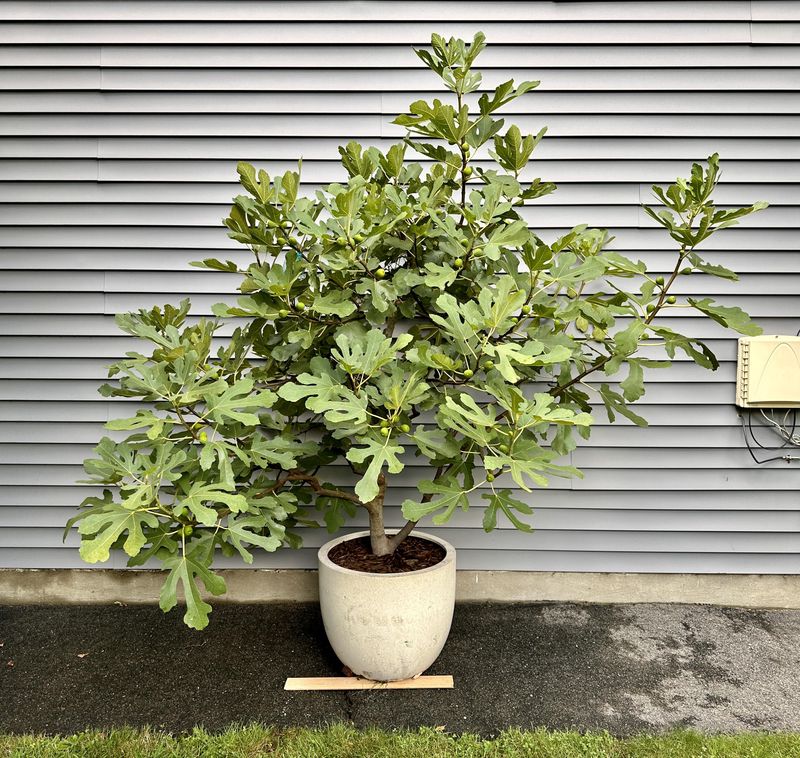
Container figs have one big advantage. You can pick them up and move them out of harm’s way. Roots in a pot are far more exposed to cold than roots in the ground, so shelter is a must.
Once the leaves drop, bring your potted fig into an unheated space. An attached garage, a shed, a cool basement, or an enclosed porch all work well. The ideal temperature stays between about 25 and 45 degrees Fahrenheit.
Wait, why not bring it into the warm house? A heated room tricks the tree into waking up too early. It may sprout weak, pale leaves that struggle without enough sunlight. Cool and dark keeps your fig happily asleep.
Big pots can be heavy. A hand truck or a plant dolly with wheels makes moving much easier on your back. Ask a friend to help if the pot is really large.
Watering still matters, just not very much. Give the soil a light drink about once a month. You want it barely damp, never soggy. Bone dry roots can be harmed, but too much water can cause rot.
Set a monthly reminder on your phone so you do not forget. It is easy to lose track of a plant hiding in the garage.
Check for pests now and then too. Scale insects and spider mites sometimes hitch a ride indoors.
In spring, slowly move your fig back outside once nights stay above freezing. Start in a shady spot and give it time to adjust before full sun.
7. Hold Off On Pruning And Fertilizing
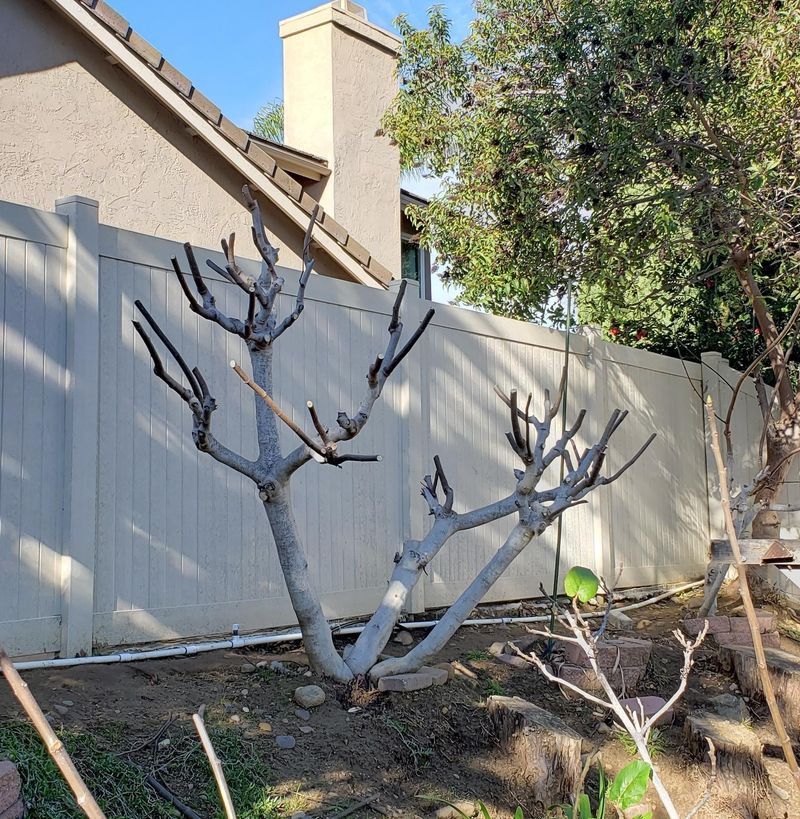
Sometimes the best thing a gardener can do is nothing at all. Those pruning shears may be calling your name, but November is not the time to use them. The same goes for that bag of fertilizer in the shed.
Pruning sends a message to the tree. It tells the plant to grow, heal, and push out new shoots. Fresh growth in late fall is soft and tender. When the first deep freeze hits, those young stems can turn black and mushy overnight.
Fertilizer causes a similar problem. Feeding your fig now gives it a burst of energy at exactly the wrong moment. The tree should be resting, not trying to grow.
There is another good reason to wait. Winter can be unpredictable in Pennsylvania. Some branches may get damaged no matter how well you protect them. If you prune now, you might cut healthy wood and leave the damaged wood behind.
In spring, the picture becomes clear. Scratch a branch lightly with your fingernail. Green underneath means it is alive. Brown and dry means it can go. You can then trim with confidence.
Late March through April is usually the sweet spot for pruning figs here. Wait until new buds begin to swell. Fertilize lightly once leaves start to appear.
Did you know figs can fruit on both old and new wood? Many types grown in Pennsylvania, like Chicago Hardy and Brown Turkey, still produce a nice crop even after a tough winter. So put the tools away, relax, and let your fig rest.