The Arizona Weeds That Will Explode in the Next Two Weeks After the November Storm
A single seed in your desert gravel can sit quietly for years, then sprout within days of one good soaking. I have to admit, that kind of patience in a seed both impresses me and worries me a little.
Cool fall nights plus a heavy storm create the signal many winter annual weeds have been waiting for since spring. Across Arizona, desert yards can shift from bare brown to fuzzy green in roughly two weeks.
You might notice the first sprouts hugging drip lines and the shady gravel beside your patio wall. Personally, I would rather spend ten easy minutes pulling seedlings now than fight knee-high plants in March.
Some of these newcomers feed bees, while others crowd out native wildflowers or turn into fire fuel by late spring. So which sprouts deserve your attention first, and which ones can you safely let slide for a while?
1. London Rocket
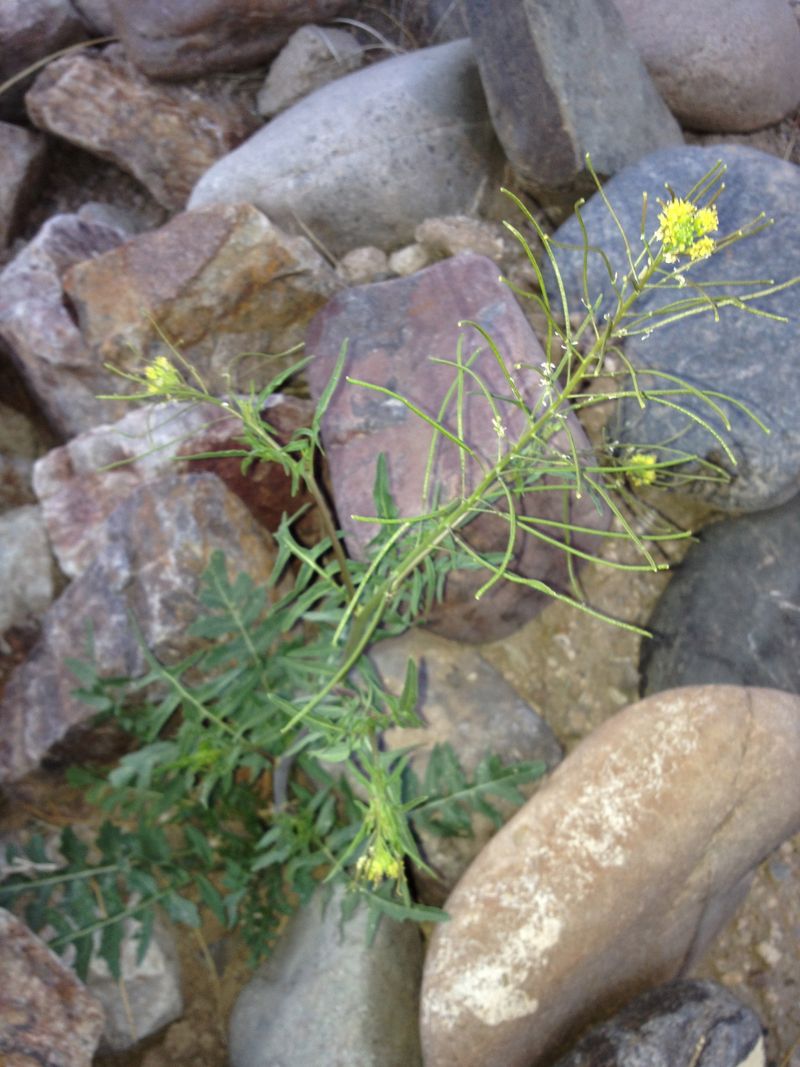
Blink after a fall soaking and London rocket seedlings can carpet a bare patch before you finish your morning coffee. I love how quickly the lobed rosettes appear, though I definitely do not love how fast they grow.
Native to Europe and Asia, Sisymbrium irio belongs to the mustard family and often reaches about two feet tall. Its small yellow flowers sit at stem tips, followed by skinny upright seed pods packed with tiny seeds.
University extension weed guides describe it as one of the most common cool-season weeds across low desert yards. A single plant can release thousands of seeds, so letting even a few flower restocks your soil for years.
You need to pull rosettes while the soil is still damp from the storm, since roots slide out with little effort. A sharp hoe works well on larger patches, as long as you skim shallowly and avoid stirring buried seeds.
Personally, I toss the young greens into my compost pile before any pods form, which keeps the cycle from repeating. Fill the bare gaps afterward with native wildflower seed so new weeds find less open space to claim.
2. Sahara Mustard
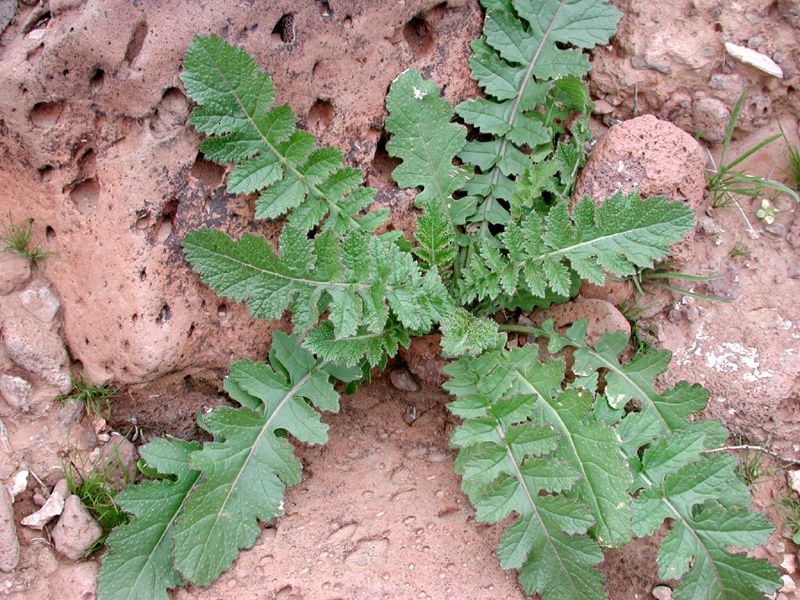
Few weeds travel as cleverly as Sahara mustard, which snaps loose at the base and tumbles across the desert scattering seeds. I can’t imagine a more efficient way to spread, and that is exactly why land managers watch it closely.
Brassica tournefortii arrived from North Africa and the Middle East, and it now crowds desert washes and roadsides across the Southwest. Its flat rosette of hairy, deeply lobed leaves can spread wider than a dinner plate within a few weeks.
Researchers link heavy stands to fewer spring wildflowers because the rosettes soak up winter moisture before natives get going. Dry skeletons also add fine fuel, which helps carry wildfire into desert plant communities that evolved without frequent burns.
You need to catch it in the rosette stage, ideally before those pale yellow flowers show up later in winter. Grab the plant at ground level, twist gently, and bag it, since mature plants can still ripen seed after pulling.
I like walking my yard the week after a storm with a bucket, checking along fences where blown seeds collect. That quick habit protects the native globemallow and desert marigold that feed bees and other helpful insects later.
3. Stinknet
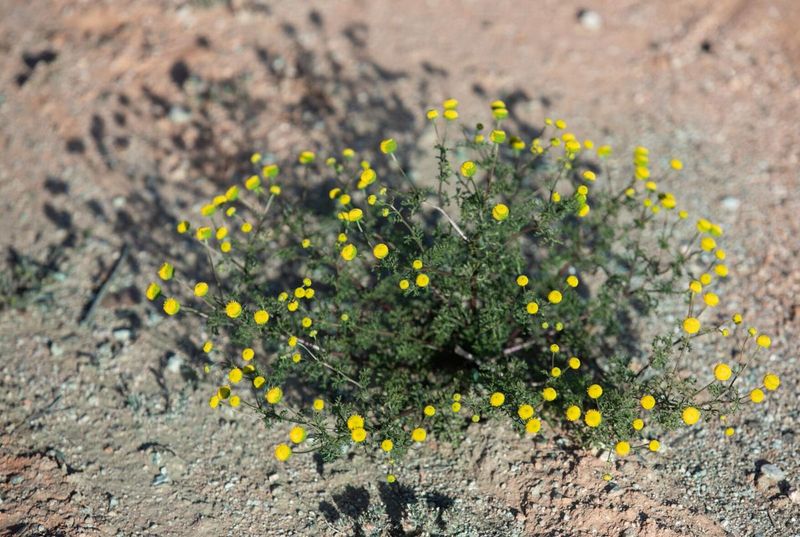
One crushed leaf of stinknet smells so sharp and medicinal that many people recognize it before they even see it. What surprises me most is how a ferny little seedling can grow into a serious public health headache.
Oncosiphon pilulifer comes from South Africa and has spread rapidly through the Phoenix area and surrounding desert in recent years. Wet fall weather triggers huge germination, and the finely divided, carrot-like leaves start appearing within weeks of good rain.
By late winter and spring, plants produce round yellow button flowers that look cheerful but release irritating pollen. University of Arizona experts warn that handling or breathing around it can trigger skin rashes and respiratory symptoms in sensitive people.
Arizona lists stinknet as a noxious weed, so removing it early helps both your household and your neighborhood. Wear gloves and long sleeves while pulling seedlings, then seal the plants in bags before tossing them in the trash.
Dry stands become flashy fuel once summer arrives, which raises fire risk near homes and desert edges. I believe the smartest move is checking open ground every few days after the storm, because small plants come out easily.
4. Cheeseweed Mallow
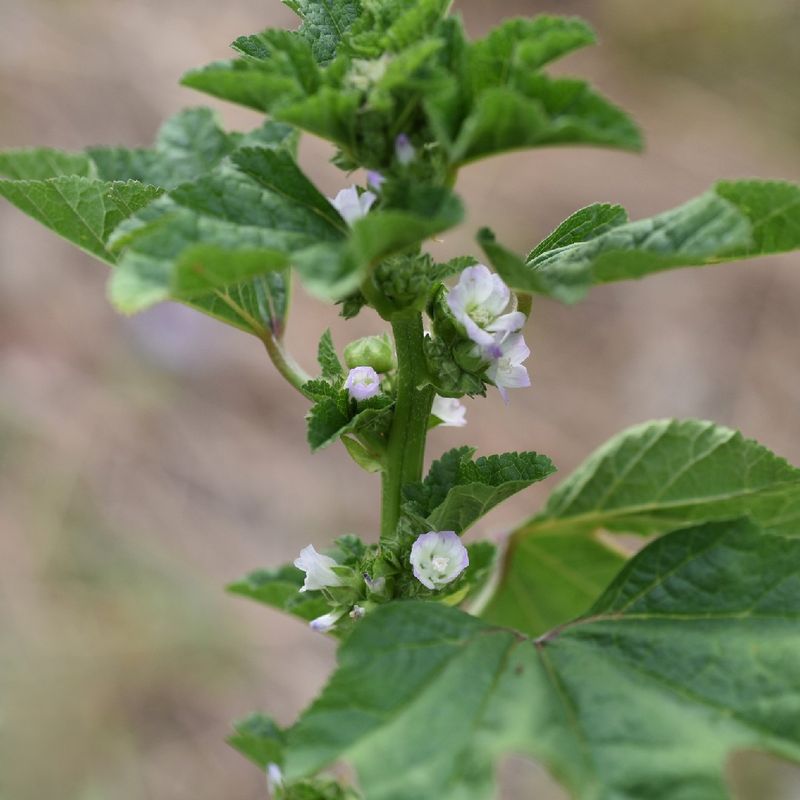
Flip over a cheeseweed seed pod and you will find a tiny round wheel that looks like a sliced cheese round. Kids love that detail, and honestly, I still smile every time I spot those little green wheels.
Malva parviflora grows into a bushy plant with roundish, crinkly leaves that look a bit like geranium foliage. Small pale pink or white flowers tuck into the leaf joints, so most people notice the leaves long before the blooms.
The real trouble hides underground, because cheeseweed quickly sends down a tough taproot that grips desert soil firmly. Once plants grow past a few inches, pulling often snaps the root, and the plant simply regrows from what remains.
You need to tackle seedlings within the first two weeks after rain, while that root is still thin and pliable. A narrow weeding tool slipped beside the stem makes lifting much easier than tugging on the leaves by hand.
Personally, I treat irrigated beds and veggie gardens as top priority, since cheeseweed can host whiteflies and several plant viruses. Removing it early gives your winter greens and herbs a cleaner, less crowded start this season.
5. Redstem Filaree
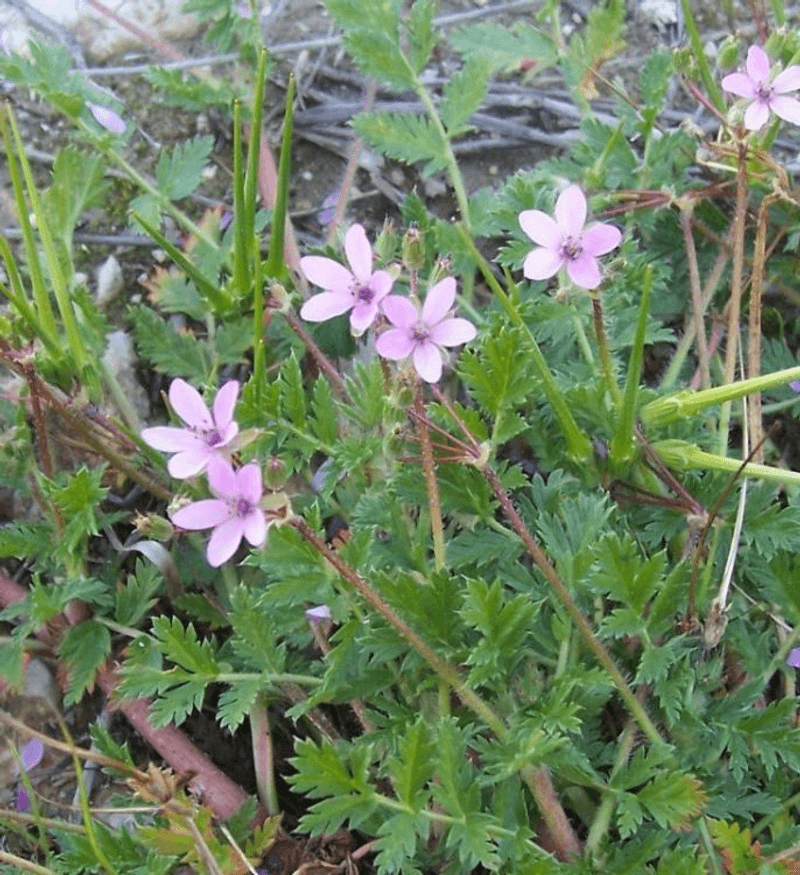
Few seeds are as entertaining as filaree seeds, which twist into corkscrews and actually drill themselves into the ground. I have watched them coil and uncoil with changing humidity, and it feels like a tiny science show.
Erodium cicutarium, often called storksbill, is a Mediterranean native that forms flat rosettes of finely cut, fernlike leaves. Small magenta-pink flowers appear later, followed by long pointed seed beaks that give the plant its common nickname.
Fall rains wake up enormous numbers of filaree seeds, and the rosettes hug the ground tightly in gravel yards. Desert tortoises and some other wildlife do eat it, though it competes with native annuals for space and moisture.
You might notice red-tinted stems once nights get chilly, which helps separate it from look-alike seedlings nearby. A hand weeder works best, because grabbing the leaves alone often tears the rosette and leaves the taproot behind.
I keep filaree out of my wildflower beds but tolerate a few patches along the back fence where nothing else grows. Pull them before those beaks form, since one plant can launch seeds several feet away when pods dry.
6. Annual Bluegrass
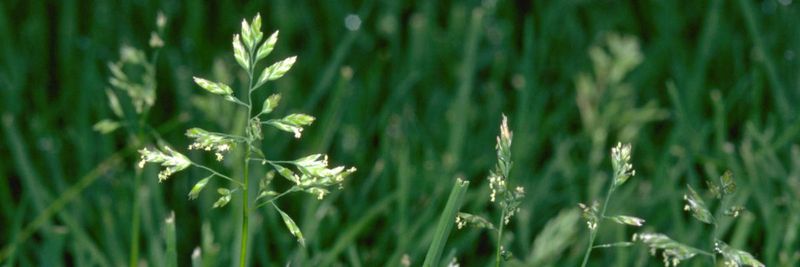
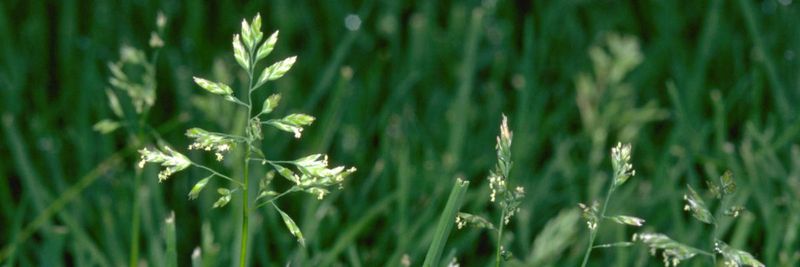
Brighter green than your winter lawn, annual bluegrass practically waves at you from sidewalk cracks and shady turf edges. I find the color oddly cheerful at first, until those fuzzy white seed heads start popping up everywhere.
Poa annua sprouts as soils cool in fall, and it thrives in moist, compacted spots that many lawn grasses struggle with. Look for leaf blades with a boat-shaped tip, a handy clue that separates it from most other grasses.
Even mowed short, this grass still produces seed heads below the mower blade, which helps it spread across yards quickly. Seeds can stay viable in soil for years, so a little patch this year often means a bigger one later.
You need to pull clumps while they are young, since the shallow roots let go easily after a good soaking. Aerating compacted areas and avoiding overwatering both make conditions less welcoming for future crops of grassy seedlings.
Personally, I watch the areas near my drip emitters and the low spots where storm water puddles for a day. Heat returns in late spring and the plants decline naturally, but by then they have already dropped plenty of seed.
7. Henbit
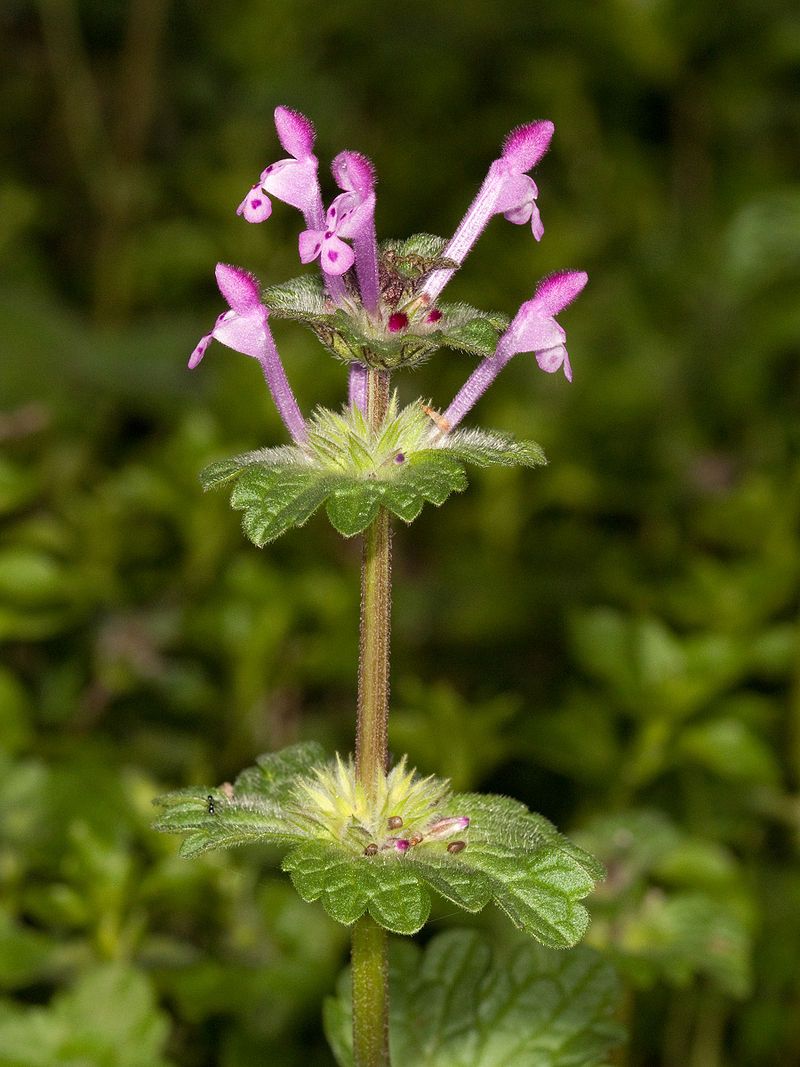
Bees seem to adore henbit, and honestly, I understand why once those tiny purple tubular flowers start opening. Its square stems and scalloped leaves make it one of the easier winter weeds to recognize in a yard.
Lamium amplexicaule is a European member of the mint family, which explains those four-sided stems you can feel. The upper leaves wrap right around the stem, while flowers cluster in little rings where leaves meet the stalk.
Seeds germinate in fall after rain, then the plants grow slowly through winter before flowering in late winter and spring. One plant can produce around two thousand seeds, so a few stray sprouts can become a carpet next year.
I like leaving a small patch in a far corner because early blooms offer nectar when few other flowers are open. Near lawns and garden beds, though, henbit competes for water and nutrients, so pulling seedlings keeps it in check.
You need very little effort here, since the shallow fibrous roots release easily from damp soil after a storm. A thick layer of mulch around shrubs blocks light from reaching seeds and cuts down on new sprouts noticeably.
8. Common Chickweed
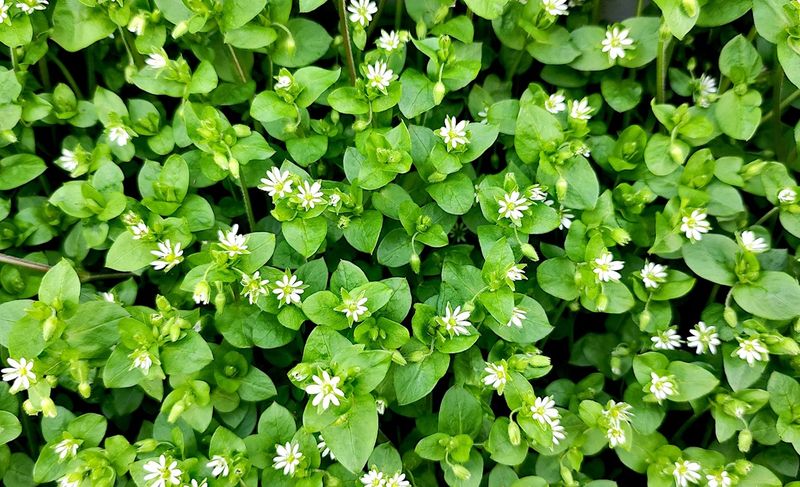
Look closely at a chickweed stem and you will spot a single line of tiny hairs running along one side. That quirky detail delights me, because it turns weed identification into a fun magnifying glass game for kids.
Stellaria media forms soft, sprawling mats of small oval leaves that stay bright green in cool, damp corners. Its little white flowers have five petals split so deeply that many people count ten instead of five.
Chickweed loves shade and moisture, so it often shows up under citrus trees and near dripping hose bibs. Cool temperatures after a fall storm suit it perfectly, and plants can flower and set seed within a few weeks.
You might notice it spreading faster in veggie beds, where loose soil and regular watering give it every advantage. Pull the mats gently by hand, since stems root where they touch the ground and can break into new pieces.
Personally, I fix leaky emitters and let the soil surface dry between waterings to make chickweed feel less welcome. Removing it also reduces damp hiding spots that slugs and pill bugs seem to enjoy around tender seedlings.
9. Annual Sowthistle
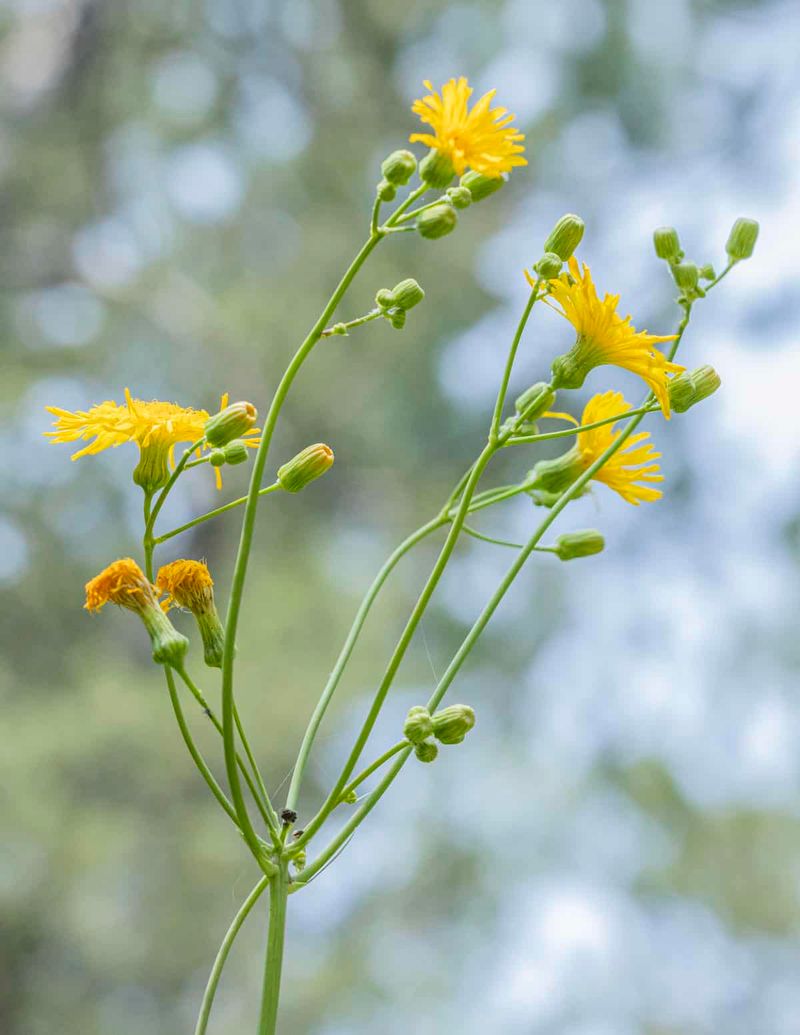
Snap a sowthistle stem and milky white sap beads up instantly, which is one of the easiest identification tricks around. I often think it looks like a tall, scruffy dandelion that decided to grow up instead of out.
Sonchus oleraceus is a European annual with hollow stems and clasping leaves edged with soft, slightly prickly teeth. Yellow dandelion-like flowers turn into fluffy seed heads, and the wind carries those seeds across neighborhoods with ease.
Fall moisture triggers germination, and the plants can stretch two to four feet tall by late winter in irrigated beds. Sowthistle also attracts aphids, which can then move onto your nearby lettuce and kale plants without much warning.
You need to remove plants before the puffballs open, because one escaped seed head can seed an entire bed. Young rosettes come up easily with a dandelion fork, especially when the soil is still soft from rain.
I do enjoy watching lady beetles hunt aphids on stray sowthistle, which shows how weeds sometimes feed beneficial insects. Still, I pull most plants early and keep only a sacrificial one far from my vegetable garden.
10. Shepherds Purse
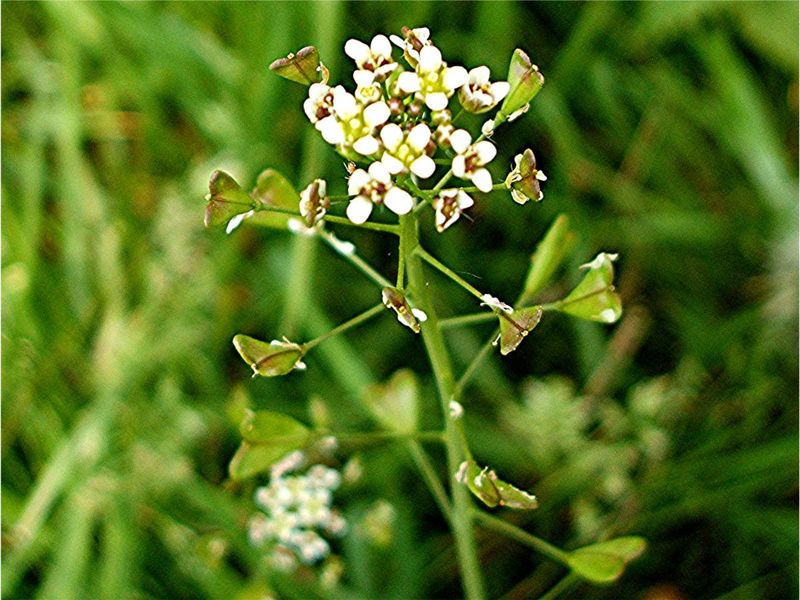
Tiny heart-shaped seed pods give shepherd’s purse its charming name, since they resemble old-fashioned leather pouches. I love pointing them out on walks, because almost nobody notices how adorable those little purses look up close.
Capsella bursa-pastoris belongs to the mustard family and starts as a flat rosette of deeply lobed leaves. Slender stems later rise with clusters of tiny white flowers at the tips, followed by those signature triangular pods.
Seeds often sprout in fall after rain, and some plants flower and set seed within about six weeks. Each plant can produce thousands of seeds that persist in soil, so fast action pays off for years afterward.
You might confuse young rosettes with London rocket or dandelion, though the pods make identification simple later. Pull or hoe seedlings while small, and you will avoid the bigger cleanup once warmer spring weather speeds everything up.
Personally, I appreciate how quickly a weeded bed fills back up when I sow native wildflowers like desert bluebells right away. Healthy native plantings bring in birds and pollinators, turning your yard into habitat instead of a weed nursery.