The Easy Pond Feature Becoming A DIY Favorite In North Carolina
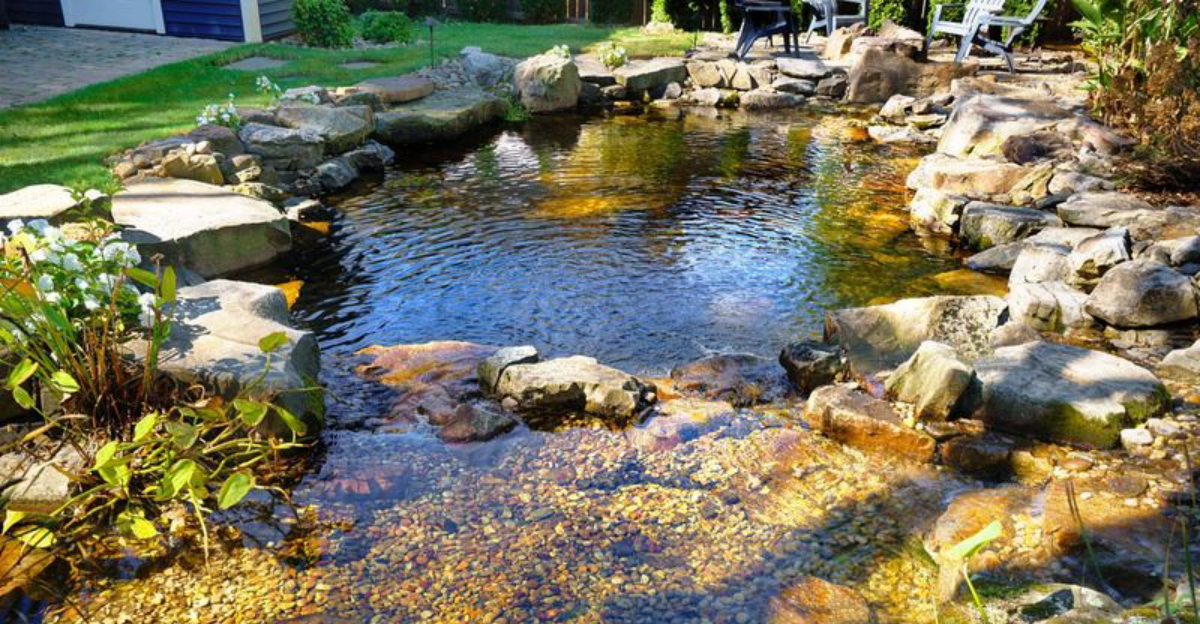
An easy pond feature is becoming a DIY favorite because North Carolina gardeners want something small, calm, and refreshing without a huge project attached to it.
The idea spreads quickly across backyards, giving North Carolina a simple way to bring movement and gentle sound into outdoor spaces.
The whole trend feels playful and relaxing at the same time, and North Carolina is turning this little pond setup into a true crowd-pleaser.
1. Preformed Pond Liners Make Installation Simple
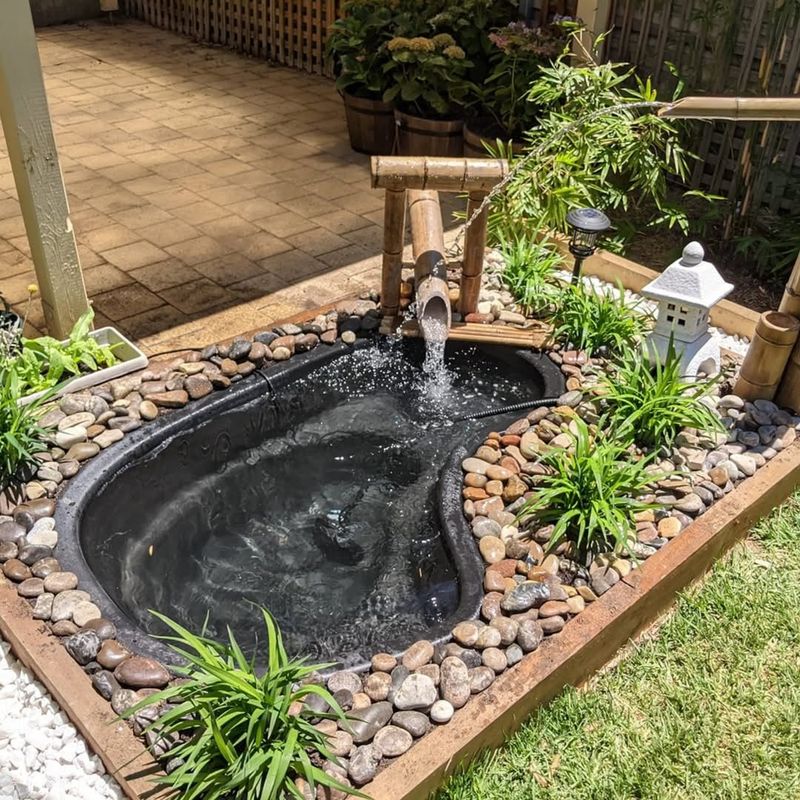
Preformed liners have become the go-to choice for North Carolina homeowners who want a pond without the hassle of shaping flexible rubber materials themselves.
These rigid shells come in various shapes and sizes, making it easy to pick one that fits perfectly into your available outdoor space today.
Installation involves digging a hole that matches the liner shape, setting it in place, and backfilling around the edges to secure it firmly in position.
Many folks in North Carolina appreciate how these liners prevent leaks and maintain their shape even after years of exposure to changing weather conditions throughout seasons.
Prices range from affordable to moderate depending on size, but most homeowners find the investment worthwhile considering how long these products typically last over time.
Garden centers across the state stock multiple options, so you can see and touch different models before making your final purchasing decision for projects.
Preformed liners eliminate guesswork and reduce installation time significantly, letting you enjoy your new water feature much faster than traditional methods would ever allow.
2. Native Plants Thrive With Minimal Care
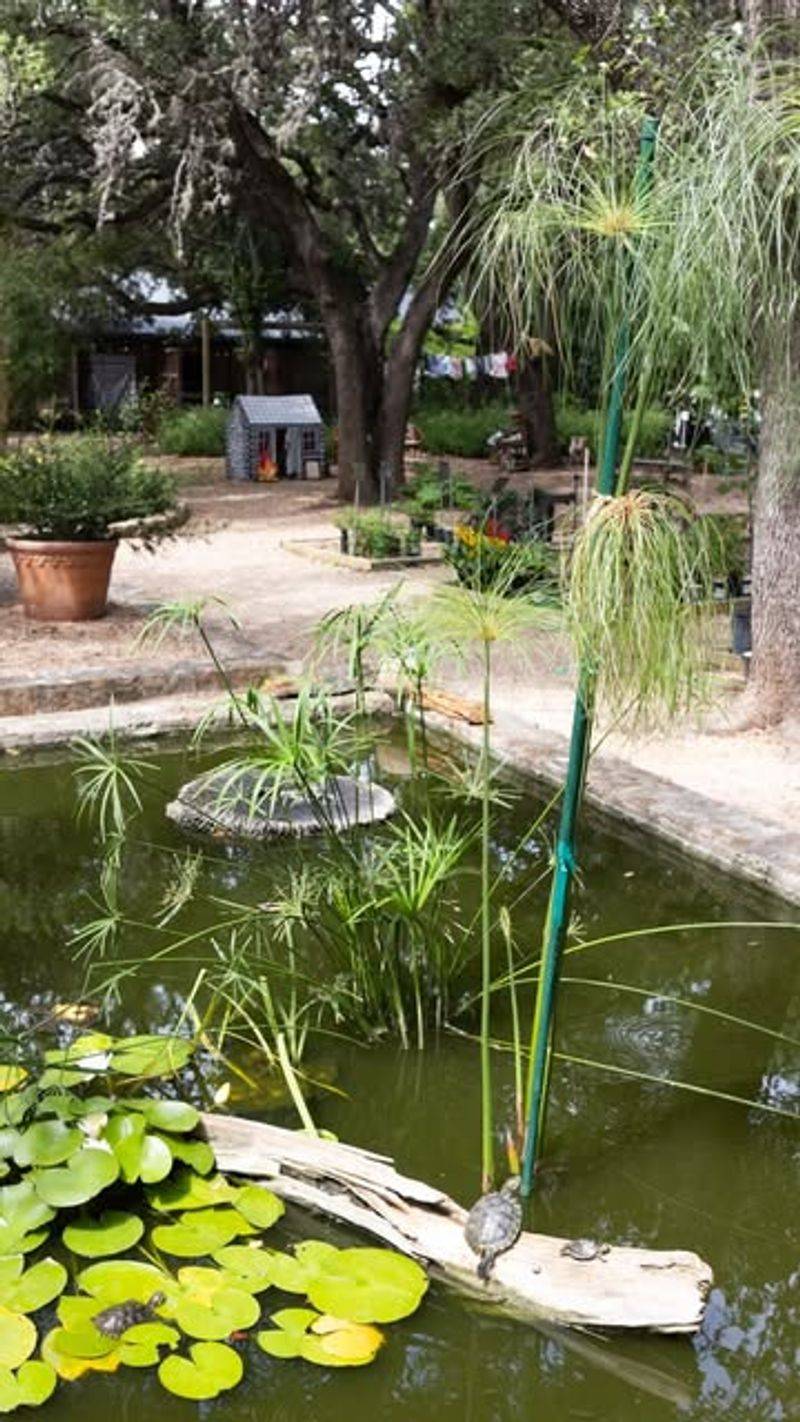
Choosing native plants for your North Carolina pond ensures they adapt quickly to local conditions without requiring constant attention or expensive special treatments for survival.
Species like pickerelweed, cardinal flower, and native water lilies flourish naturally in the state’s climate, providing beauty while supporting local wildlife populations effectively today.
Native plants also help filter water naturally, reducing the need for mechanical filtration systems that consume electricity and require regular maintenance from busy homeowners everywhere.
Planting around the pond edges creates a seamless transition between water and land, making the feature look like it belongs naturally in your landscape design.
Local nurseries throughout North Carolina offer excellent advice on which species work best for different pond sizes and sunlight conditions found in various yard locations.
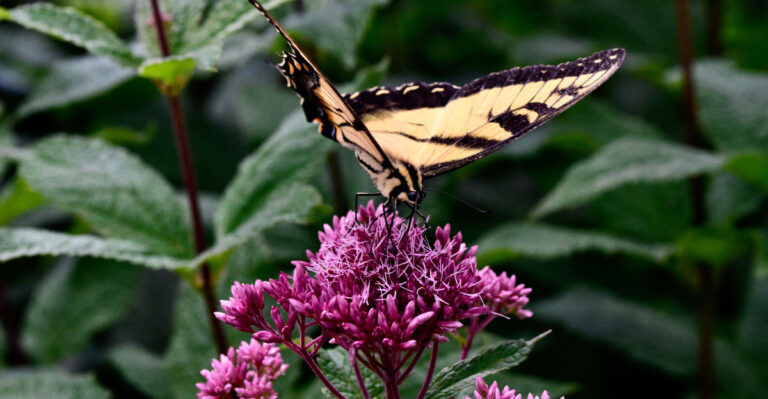
These plants attract butterflies, dragonflies, and songbirds, turning your backyard into a lively ecosystem that delights family members and neighbors who visit your property regularly.
Maintenance stays minimal since native species evolved to handle the state’s hot summers and occasional cold snaps without struggling to survive challenging environmental conditions.
3. Small Pumps Keep Water Fresh
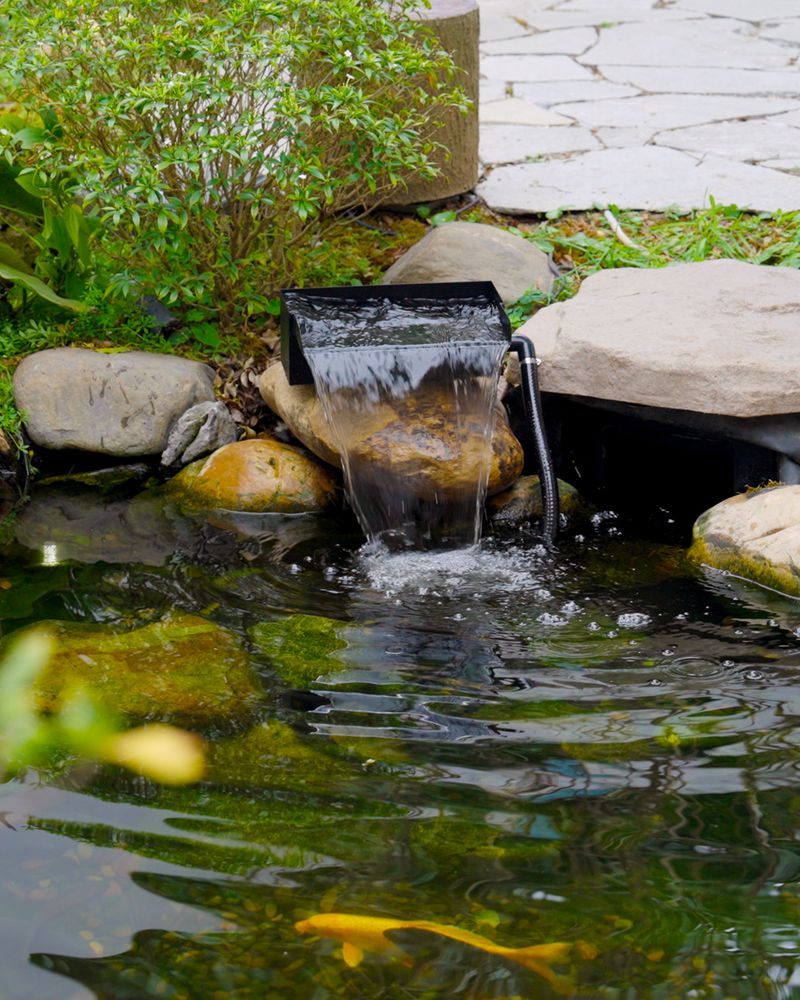
Moving water prevents stagnation and keeps your North Carolina pond looking crystal clear while also providing soothing sounds that make outdoor spaces feel more relaxing.
Small submersible pumps cost less than many people expect and use surprisingly little electricity, making them an economical choice for homeowners watching their monthly budgets.
These pumps circulate water continuously, preventing mosquitoes from laying eggs and reducing algae growth that can turn water green and unappealing to anyone viewing it.
Your North Carolina Garden Changes Every Week. Your Plan Should Too.
Gardening in North Carolina changes quickly throughout the season. Every Friday you’ll receive a simple weekly plan showing exactly what to plant, prune, fertilize, harvest, and protect so you never miss the right timing.
Installation takes just minutes since most models simply sit on the pond bottom and plug into a standard outdoor electrical outlet protected by weatherproof covers.
Many North Carolina DIYers pair their pumps with small fountains or waterfalls, creating eye-catching focal points that elevate the entire backyard aesthetic dramatically and impressively.
Maintenance involves occasional cleaning to remove debris, but modern pumps are designed for durability and can run for years without needing replacement parts or repairs.
Energy-efficient models keep operating costs low, so you can enjoy continuous water movement without worrying about your electricity bill climbing to unreasonable levels each month.
4. Flexible Budgets Work For Every Project
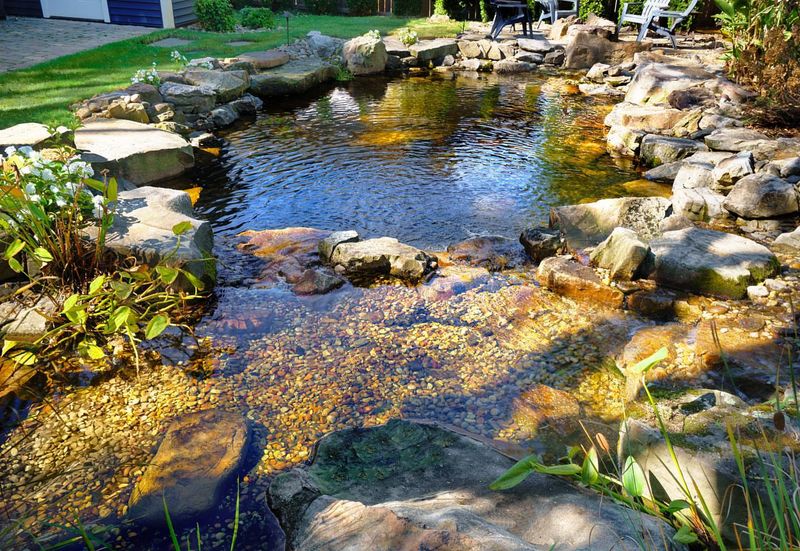
Building a pond in North Carolina doesn’t require breaking the bank since homeowners can create beautiful water features using materials that fit almost any financial situation.
Basic ponds using preformed liners and simple pumps can cost just a few hundred dollars, making them accessible for families on tight budgets today.
Alternatively, those wanting elaborate designs with waterfalls, lighting, and extensive plantings can invest more while still avoiding the high costs of professional installation services everywhere.
Shopping sales at local garden centers and home improvement stores helps stretch your budget further, especially during off-season months when discounts appear regularly and frequently.
Repurposing materials like stones from your property or reclaimed wood for edging reduces expenses while adding unique character that makes your pond stand out.
North Carolina’s DIY community shares tips online about finding affordable supplies and creative solutions that keep costs down without sacrificing quality or visual appeal at all.
Starting small and expanding over time lets you spread expenses across multiple seasons, making pond ownership achievable even when funds feel limited at the moment.
5. Wildlife Visits Bring Unexpected Joy
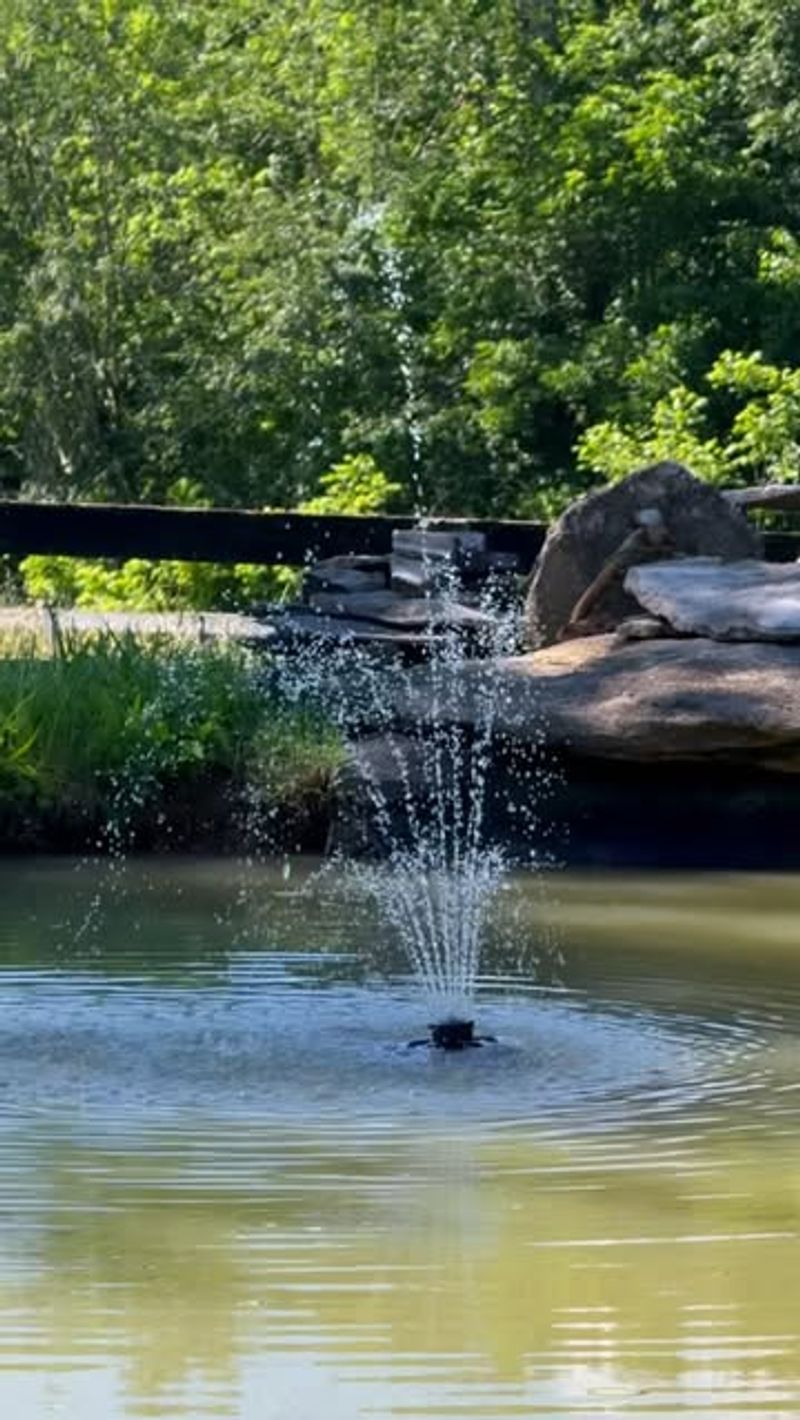
Adding a pond to your North Carolina yard creates an instant magnet for wildlife, bringing nature closer than you ever imagined possible in your own space.
Frogs, toads, and salamanders often appear within weeks, finding the water source irresistible and establishing homes around the edges of your new feature quickly.
Birds visit daily for drinking and bathing, providing entertainment as you watch their antics from your patio or kitchen window throughout the day and evening.
Dragonflies patrol the water surface hunting mosquitoes, offering natural pest control while adding flashes of color that captivate anyone who takes time to observe them.
Many North Carolina families report that their ponds become favorite gathering spots where kids learn about ecosystems and develop appreciation for nature’s interconnected relationships firsthand.
Even urban and suburban yards attract surprising numbers of creatures once water becomes available, proving that wildlife exists closer than most people realize every day.
Creating habitat for local species contributes to conservation efforts while enriching your daily life with sights and sounds that screens and technology simply cannot replicate.
6. Seasonal Maintenance Stays Manageable
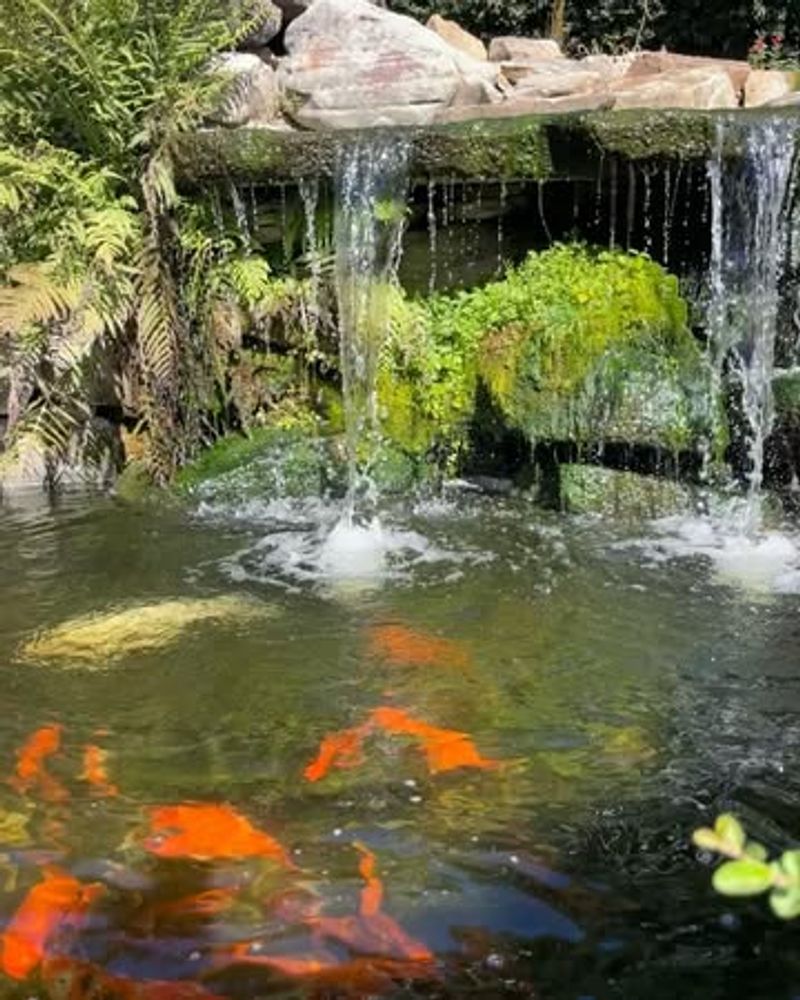
Maintaining a pond throughout North Carolina’s changing seasons requires less work than many people fear, especially when you establish simple routines from the very beginning.
Spring involves checking equipment, trimming plants, and adding beneficial bacteria to help break down organic matter that accumulated during the colder winter months naturally.
Summer maintenance focuses on monitoring water levels during hot spells and occasionally topping off the pond to compensate for evaporation that occurs in heat.
Fall brings leaf cleanup, which matters most since decomposing foliage can cloud water and create imbalances that affect the health of plants and wildlife alike.
Winter in North Carolina typically stays mild enough that ponds don’t freeze solid, but some folks run pumps periodically to maintain circulation and prevent stagnation.
Setting aside just an hour or two each month keeps your pond looking great without feeling like a burdensome chore that consumes entire weekends.
Homeowners across the state report that pond care becomes almost meditative, offering peaceful moments outdoors that actually reduce stress rather than adding to it consistently.
7. Safety Features Protect Kids And Pets
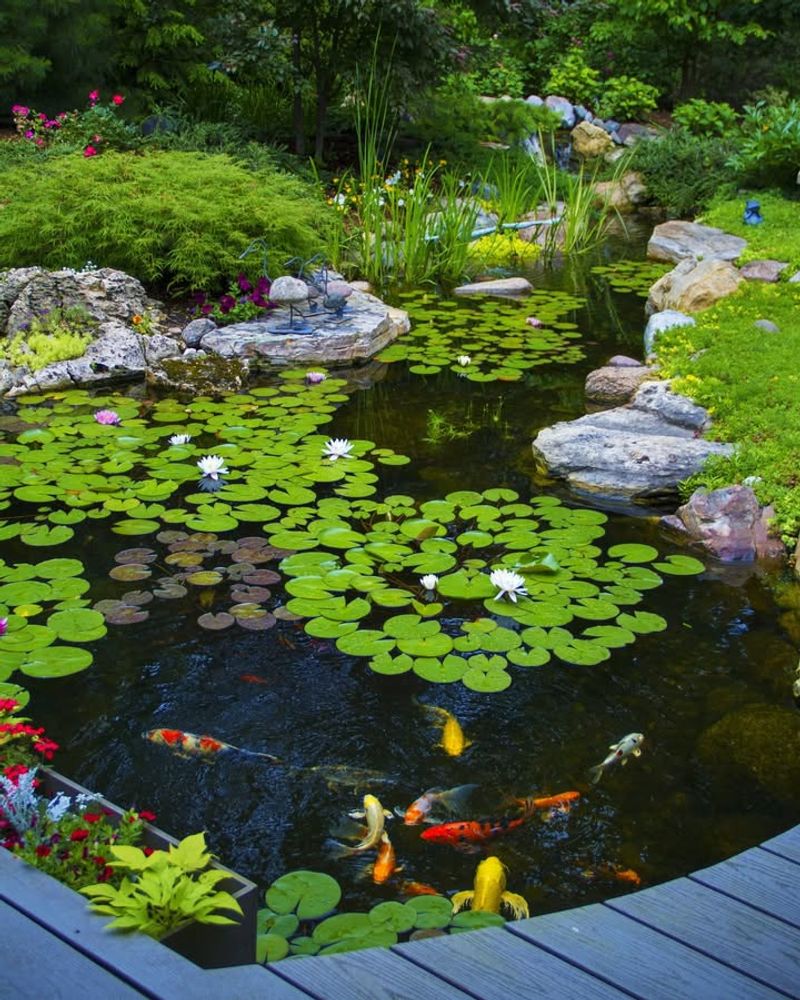
Designing your North Carolina pond with safety in mind ensures that children and pets can enjoy the space without parents constantly worrying about accidents.
Shallow edges with gradual slopes allow easy exit if anyone accidentally steps in, preventing panic and making the pond feel less intimidating for families.
Adding visible rocks or stepping stones around the perimeter creates clear boundaries while also serving as decorative elements that enhance the overall appearance significantly.
Fencing options exist for those who prefer physical barriers, though many homeowners find that smart design eliminates the need for unsightly structures around features.
Teaching children pond safety rules early helps them understand boundaries and respect the water, turning the feature into a learning opportunity rather than a hazard.
Pet owners in North Carolina often appreciate that shallow ponds give dogs a place to cool off safely without the risks associated with deeper water.
Proper planning during the design phase addresses safety concerns without compromising aesthetics, proving that beautiful and secure water features can coexist harmoniously in residential yards.
8. Sunlight Location Affects Plant Growth
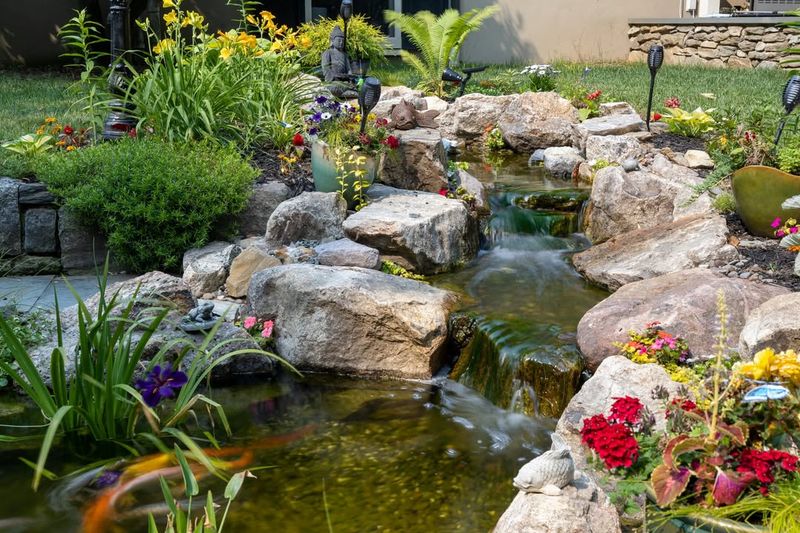
Choosing the right spot for your North Carolina pond makes the difference between plants that flourish beautifully and those that struggle to survive each season.
Most aquatic plants need at least six hours of direct sunlight daily to bloom properly and maintain healthy growth throughout the warm growing months.
Too much shade results in sparse flowering and leggy growth as plants stretch desperately toward available light, creating a less attractive appearance overall.
However, some shade during the hottest afternoon hours can actually benefit ponds by reducing excessive algae growth and preventing water temperatures from climbing too high.
North Carolina homeowners should observe their yards throughout the day before choosing a location, noting how sunlight patterns shift as hours pass by steadily.
Placing ponds near deciduous trees provides summer shade while allowing winter sunlight through bare branches, offering seasonal balance that benefits the ecosystem year-round effectively.
Local garden experts throughout the state can offer specific advice based on your property’s unique characteristics, helping you make informed decisions that lead to success.
9. Community Resources Offer Free Advice

North Carolina boasts active gardening communities where experienced pond owners gladly share knowledge with beginners who are just starting their water feature journey today.
Extension offices throughout the state provide free workshops and printed materials covering everything from site selection to plant choices that thrive in local conditions.
Online forums and social media groups connect North Carolina DIYers, creating spaces where people ask questions and receive helpful answers from folks with firsthand experience.
Local garden clubs often host pond tours where members open their yards to visitors, offering inspiration and practical tips that books simply cannot provide.
Home improvement stores frequently schedule weekend classes on pond installation, giving hands-on demonstrations that clarify techniques and build confidence for nervous first-time builders everywhere.
Tapping into these resources saves money on consultants while connecting you with neighbors who share your interests and passion for creating beautiful outdoor spaces.
The supportive atmosphere in North Carolina’s gardening community makes pond building feel less intimidating and more like an enjoyable project shared among friends and enthusiasts.
10. Long-Term Enjoyment Justifies Initial Effort
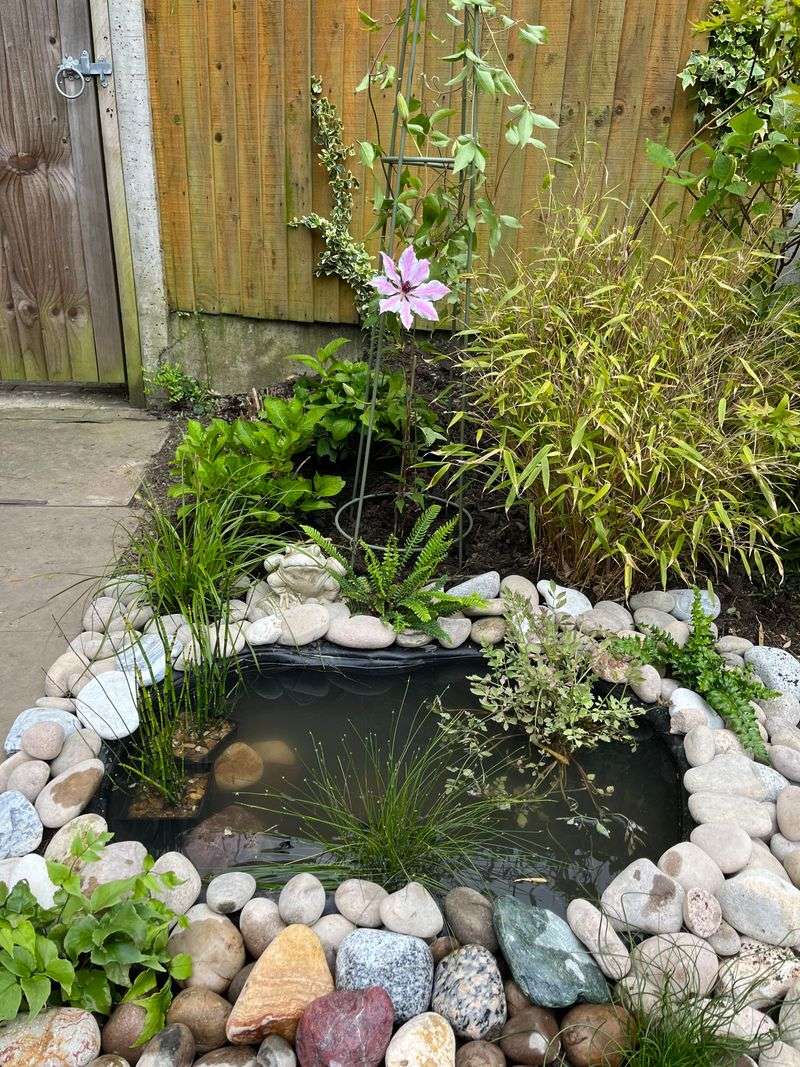
While starting a pond requires some initial planning and physical work, North Carolina homeowners consistently report that the long-term rewards far exceed the effort.
Ponds become favorite outdoor destinations where families gather for morning coffee, evening relaxation, and spontaneous moments of connection that strengthen relationships over time naturally.
Property values often increase when attractive water features are present, making ponds a smart investment beyond just the personal enjoyment they provide to residents.
Many people find that watching their pond evolve through seasons and years brings ongoing satisfaction that few other home projects can match consistently.
The initial learning curve flattens quickly as you gain experience, and what once seemed complicated becomes routine maintenance that fits easily into your schedule.
North Carolina’s mild climate means you can enjoy your pond for most of the year, maximizing the return on your time and financial investment.
Creating a thriving ecosystem in your backyard connects you to natural rhythms and provides a peaceful retreat that remains valuable throughout all of life’s changes.