Native North Carolina Ground Covers That Suppress Weeds Better Than Mulch On Slopes
Slopes are basically the problem child of the North Carolina yard.
They look great on a landscape plan and then spend every rainy season washing your carefully spread mulch straight downhill while weeds move into the newly exposed soil like they own the place.
If you have a steep bank, a shaded hillside, or an erosion prone bed that mulch just cannot seem to tame, you are definitely not alone.
This is one of the most common frustrations North Carolina gardeners deal with, and honestly mulch alone was never going to win that battle long term.
Native living ground covers are a completely different story. Once they settle in and start spreading across open soil they can crowd out weeds in a way that mulch simply cannot match.
The slope does not stand a chance.
1. Carolina Green-And-Gold Spreads On Slopes
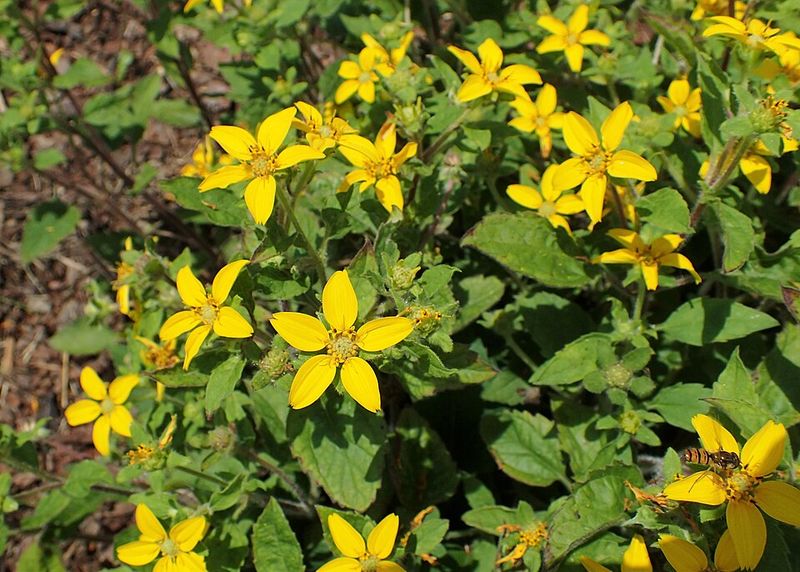
Few native plants pack as much charm into such a low-growing form as Chrysogonum virginianum, commonly called green-and-gold.
Those cheerful yellow flowers bloom heavily in spring and often reappear through fall, making it one of the more rewarding ground covers you can plant on a North Carolina slope.
The foliage stays semi-evergreen in many parts of the state, which means the soil stays covered even through cooler months.
On gently sloped beds or shaded banks, green-and-gold spreads by runners and forms a gradually thickening mat that can make life harder for weeds trying to push through.
It tends to do best in partial to full shade, so it works well under trees where grass struggles and bare soil often invites unwanted plants.
North Carolina gardeners in the Piedmont and mountain regions have used it successfully along woodland edges and shaded driveways.
Getting it established takes patience. Water young plants during dry stretches, and expect some weeding while the mat fills in.
Spacing plants about 12 inches apart encourages faster coverage. Once the colony thickens up, it can hold soil and reduce bare spots that weeds would otherwise claim.
2. Creeping Phlox Covers Sunny Banks
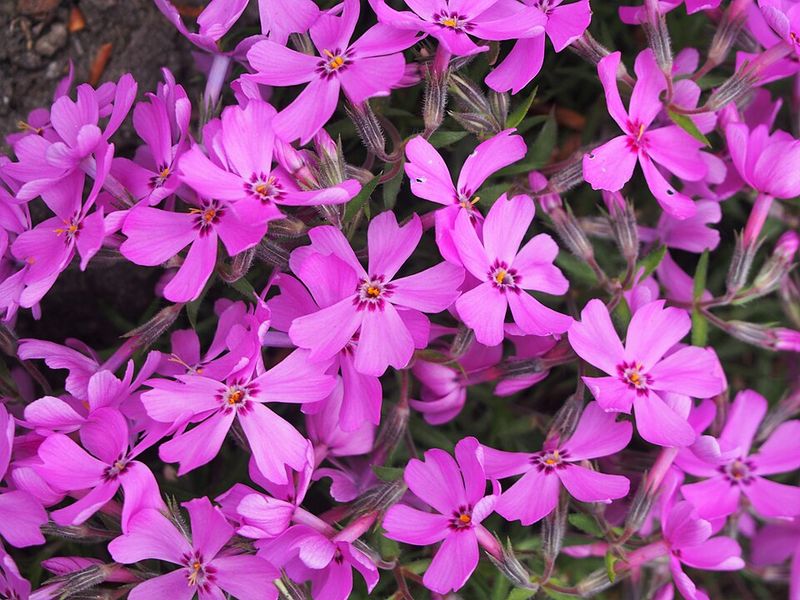
Sunny banks in North Carolina can be brutal spots to plant, with full afternoon heat, fast-draining soil, and rain that rushes right off the slope before it can soak in. Creeping phlox, known botanically as Phlox subulata, handles those conditions with ease.
Its needle-like foliage forms a dense, low mat that hugs the ground tightly even on steep angles, and in spring it bursts into a solid sheet of pink, white, or lavender blooms that can stop foot traffic in its tracks.
The tight growth habit is what makes it valuable for weed suppression on slopes. Once established, the mat leaves very little open soil for weed seeds to land on and germinate.
It roots along its stems as it spreads, which also helps anchor soil against light rain runoff. North Carolina gardeners along the Piedmont and into the foothills have found it reliable on south- and west-facing banks where other plants struggle.
Your North Carolina Garden Changes Every Week. Your Plan Should Too.
Gardening in North Carolina changes quickly throughout the season. Every Friday you’ll receive a simple weekly plan showing exactly what to plant, prune, fertilize, harvest, and protect so you never miss the right timing.
Full sun and well-drained soil are key requirements. Avoid planting it in spots that hold moisture after rain, as soggy roots can cause problems.
Trim lightly after the spring bloom to keep the mat tidy and encourage fresh new growth through summer and fall.
3. Trailing Phlox Forms A Tight Mat
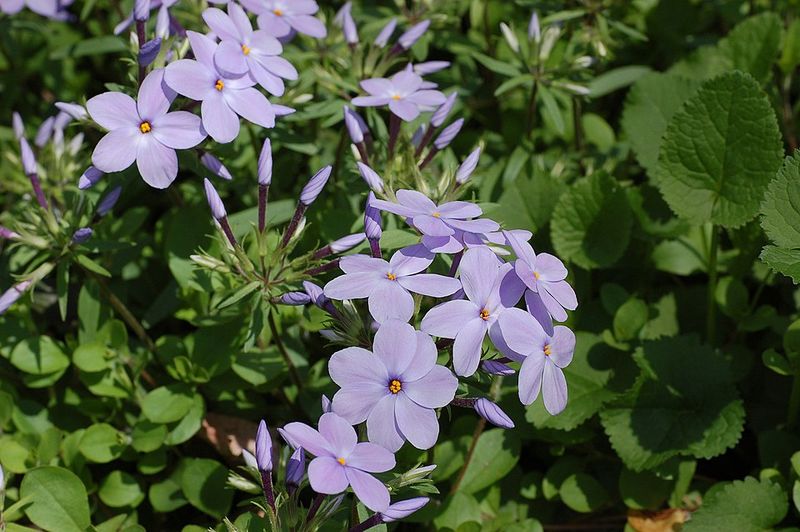
While creeping phlox thrives in full sun, trailing phlox, or Phlox stolonifera, is the woodland version that handles light to moderate shade on slopes.
Native to the Appalachian region and well adapted to North Carolina mountain and upper Piedmont conditions, it spreads by stolons, which are above-ground runners that root as they travel.
That spreading habit is exactly what makes it useful on shaded banks where weeds like to sneak in under tree canopy.
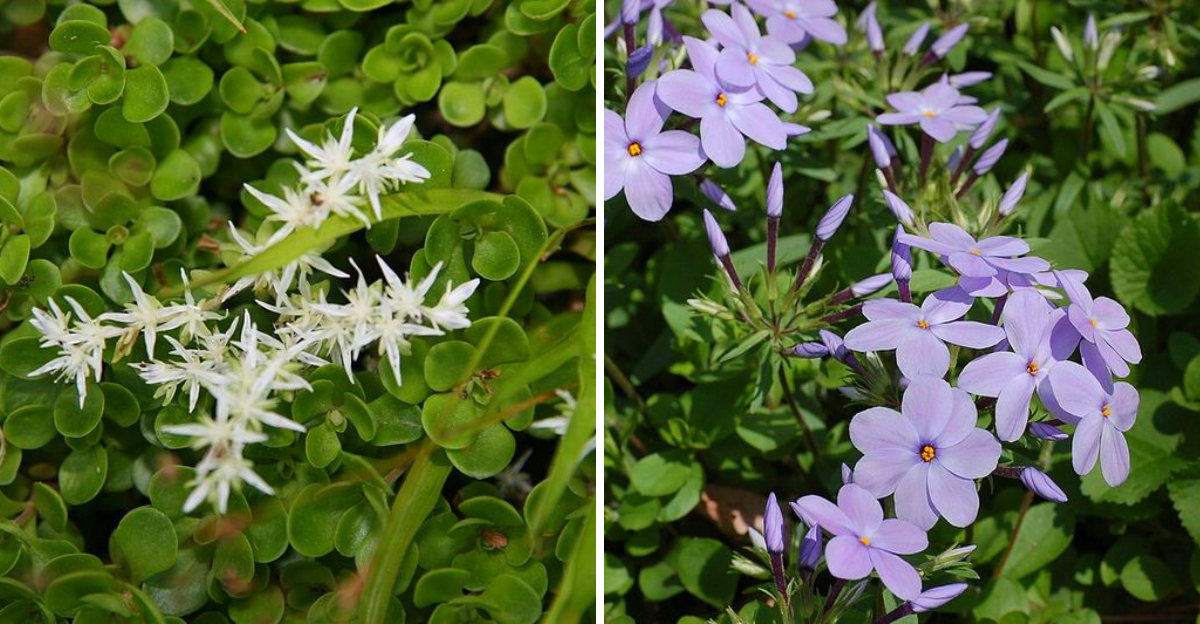
The foliage is semi-evergreen in many North Carolina locations, meaning it keeps soil covered through much of the year. Lavender, pink, or white flowers appear in mid-spring and attract early pollinators.
Unlike some aggressive spreaders, trailing phlox tends to stay at a manageable scale and rarely becomes a problem outside the planting area, which makes it a reasonable choice for smaller residential slopes.
Moist, well-drained, slightly acidic soil works best, which matches the natural conditions found in many North Carolina woodland gardens. Young plants benefit from consistent moisture during their first season.
Mulch between plants while they fill in, but expect the mat to gradually take over open soil and reduce the amount of weeding needed over time. Spacing plants 12 to 18 inches apart encourages steady coverage.
4. Golden Ragwort Fills Moist Shade
Moist, shaded slopes in North Carolina can be surprisingly tricky to plant. Too wet for most ground covers, too shady for grasses, and just open enough for weeds to establish quickly, these spots often end up looking rough by midsummer.
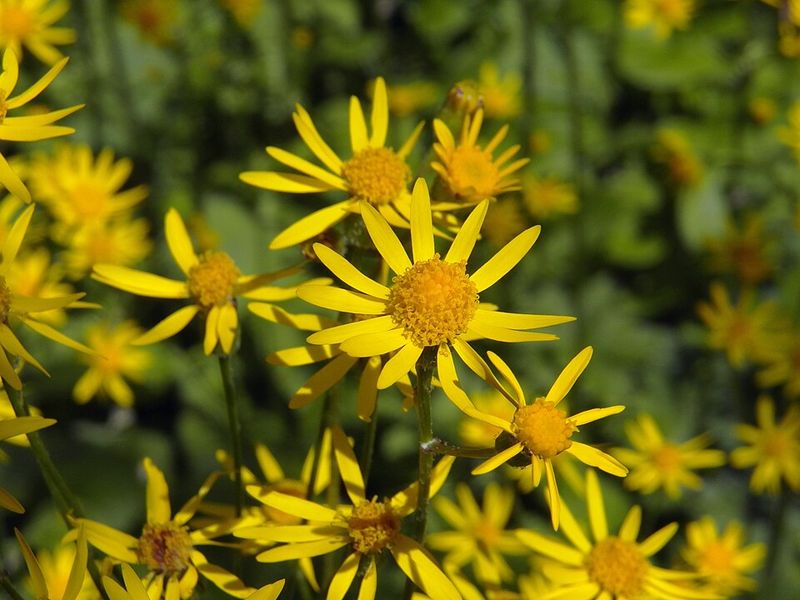
Golden ragwort, Packera aurea, is one of the few native plants that genuinely thrives in those conditions.
Its broad, rounded basal leaves cover the ground in a dense rosette pattern, and when colonies develop, they can form a nearly solid carpet that leaves little room for competing plants.
Bright yellow flowers in spring give it a cheerful appearance that many homeowners appreciate along shaded stream banks or low-lying slopes near downspouts and drainage areas.
The foliage stays evergreen through much of the winter in warmer parts of North Carolina, which keeps soil protected year-round.
It spreads by both rhizomes and self-seeding, so colonies can expand steadily once established.
Golden ragwort works well under deciduous trees where spring sunlight reaches the ground before the canopy fills in. It tolerates occasional flooding and compacted soil better than many native ground covers.
Plant it in groups for faster coverage, water during dry spells in the first season, and expect it to fill in noticeably within two to three growing seasons.
5. Mountain Stonecrop Handles Rocky Slopes
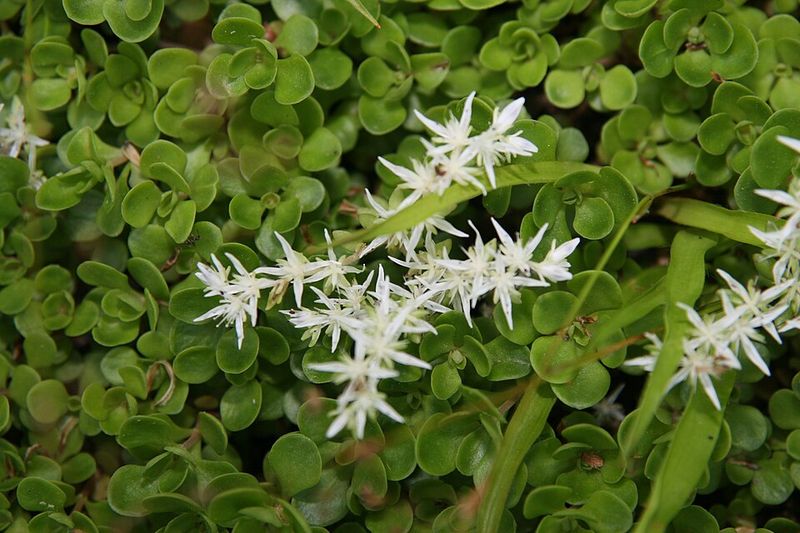
Rocky slopes present a unique challenge because soil is thin, drainage is fast, and most plants have trouble getting a foothold. Mountain stonecrop, Sedum ternatum, was practically designed for these conditions.
Native to the Appalachian region including North Carolina’s mountain counties, it grows naturally on rocky outcrops, mossy boulders, and thin-soiled banks where little else survives.
Its fleshy, water-storing leaves allow it to handle dry spells without much help from the gardener.
The low, spreading mats stay only a few inches tall and root along their stems as they travel across the surface. That growth habit lets it gradually cover rocky soil and reduce bare spots where weed seeds might otherwise land.
Small white star-shaped flowers appear in late spring and attract native bees and small pollinators. The foliage has an attractive rounded quality that looks appealing in naturalistic garden settings.
Mountain stonecrop does best in partial shade to full shade, which makes it a good option for north-facing rocky banks or slopes under open tree canopy. Well-drained to dry soil is essential.
Avoid planting it in low spots or areas with standing water. Because it grows slowly compared to some other ground covers, patience and initial weed management are especially important during the first growing season or two.
6. Wild Ginger Spreads In Moist Shade
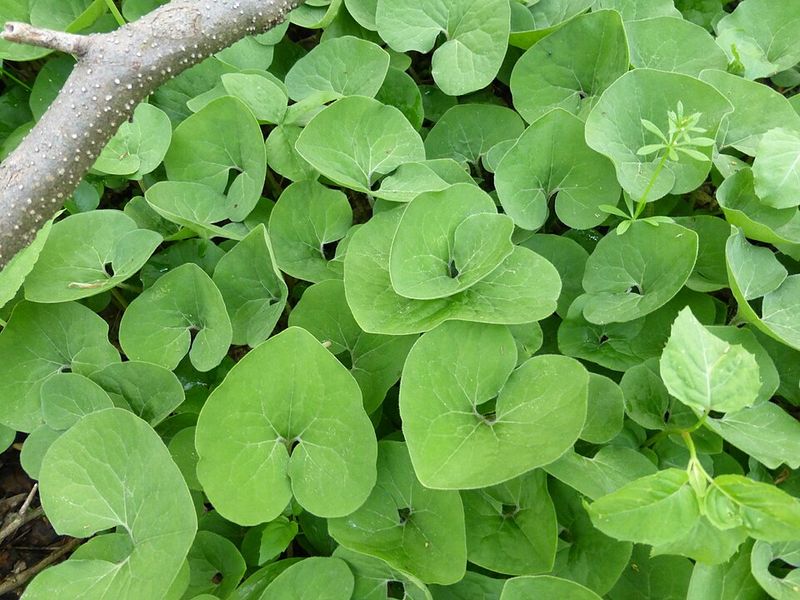
Walk into a North Carolina hardwood forest in summer and you may spot wild ginger carpeting the ground beneath the canopy in quiet, shaded spots.
Asarum canadense, the native wild ginger, brings that same woodland look to residential shaded slopes and moist banks.
Its large, heart-shaped leaves overlap as the colony grows, creating a dense canopy at ground level that shades out weed seedlings quite effectively once the planting fills in.
Wild ginger spreads slowly by rhizomes, inching outward year by year rather than racing across the slope. That measured pace means initial planting requires closer spacing, around 6 to 12 inches apart, and some patience during establishment.
Weeding will still be necessary in the early years before coverage becomes dense enough to suppress most competitors. Moist, humus-rich, well-drained soil is the sweet spot for this plant.
It thrives in full to partial shade, making it a strong candidate for north-facing slopes, shaded banks along fences, and woodland garden edges in North Carolina’s Piedmont, mountains, and parts of the Piedmont foothills.
The foliage goes dormant in winter, so it does not provide year-round soil coverage the way some semi-evergreen options do.
Pairing it with evergreen companions can help fill that gap through the cooler months while keeping soil protected.
7. Pennsylvania Sedge Softens Shaded Banks
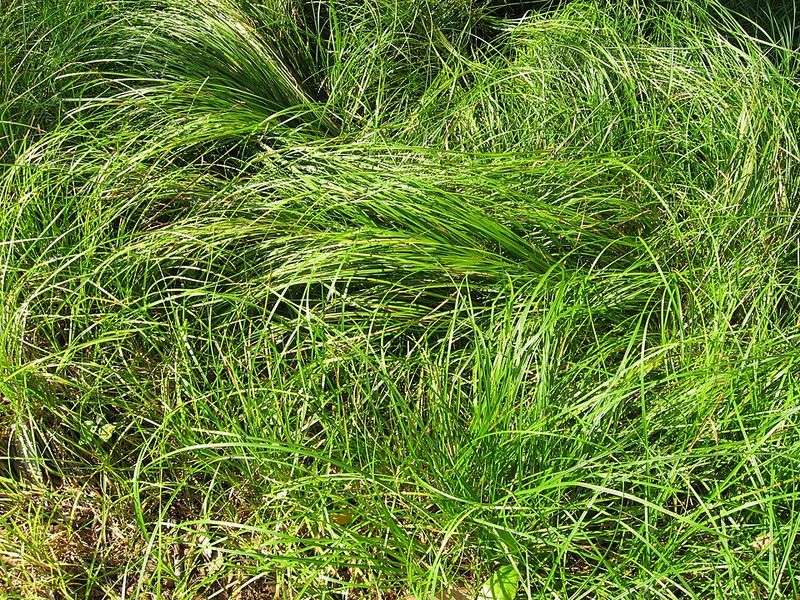
Grass-like ground covers have a way of making shaded slopes look soft and natural without requiring the constant mowing that a lawn demands. Pennsylvania sedge, Carex pensylvanica, delivers exactly that effect.
Native to eastern North America and well suited to North Carolina’s Piedmont and mountain regions, it forms a low, arching mat of fine-textured foliage that moves gently in a breeze and fills in shaded banks where turf grasses give up entirely.
The plant spreads by short rhizomes, gradually expanding its colony over time. Dense colonies can reduce open soil significantly, limiting the bare spots where weed seeds find easy footing.
It handles dry shade beneath oaks and other large trees, a notoriously difficult condition for most plants. That drought tolerance once established makes it more forgiving than many other shade-loving options during North Carolina’s dry summer stretches.
Pennsylvania sedge stays relatively low, typically under a foot tall, and rarely needs trimming unless you want a tidier appearance in the spring. It looks most natural when planted in drifts rather than rows.
Give young plants consistent moisture during their first season, and expect it to spread slowly but steadily. Spacing plants about 12 inches apart gives colonies a reasonable chance of filling in within three to four growing seasons on a shaded North Carolina bank.
8. Antennaria Covers Dry Open Spots
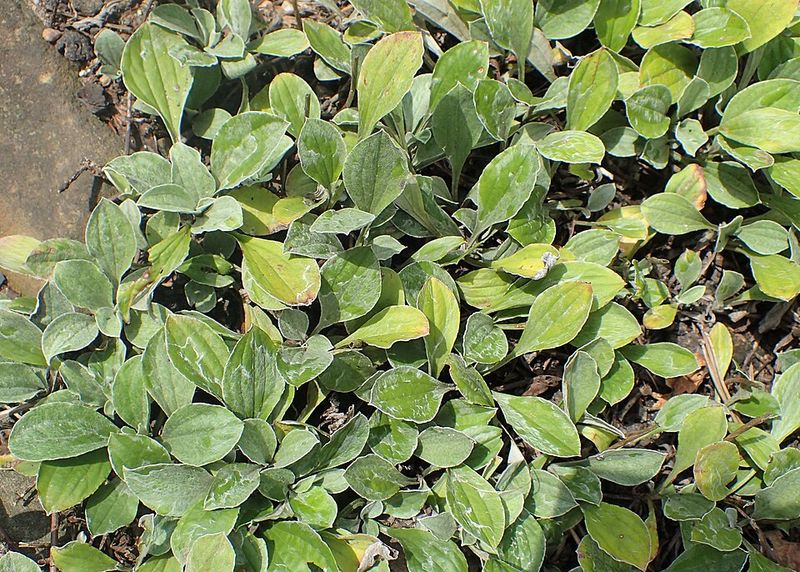
Dry, open slopes that bake in full sun are the kind of spots that send most ground covers into retreat by August. Antennaria plantaginifolia, handles those conditions without complaint.
This low-growing native forms flat rosettes of soft, silvery-green leaves that hug the ground closely, creating a mat-like appearance that covers soil and reduces bare spots where annual weeds like to sprout in thin, dry conditions.
The plant gets its name from the fuzzy white flower clusters that appear in spring, which bear a passing resemblance to a cat’s paw.
Beyond the cute common name, it serves a practical purpose on dry North Carolina slopes by spreading via stolons and gradually expanding into open areas.
It is especially useful on lean, sandy, or rocky soils where richer-soil ground covers would struggle to establish.
Antennaria prefers full sun to light shade and well-drained to dry soil, making it a natural fit for south- or west-facing slopes in North Carolina’s Piedmont and sandhills regions.
It stays very low, rarely reaching more than 6 inches in height, so it does not obstruct views or crowd neighboring plants.
Water young plants during the first growing season, then ease back as the colony establishes. It is one of the more low-maintenance native options available for challenging dry slopes.
9. Virginia Creeper Covers Large Slopes
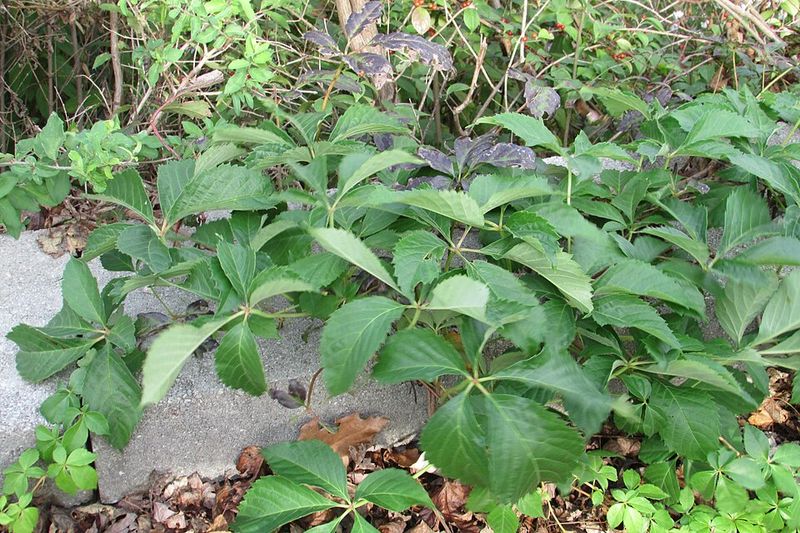
Large slopes with significant erosion risk call for a ground cover with real vigor, and Virginia creeper, Parthenocissus quinquefolia, brings that energy.
This native vine spreads quickly across open ground, scrambling over soil and sending out tendrils that anchor as it travels.
On a steep North Carolina bank, that rapid spread can cover bare soil faster than most slower-growing ground covers, reducing the window of time that weeds have to move in.
The five-lobed leaves create a lush, layered canopy at ground level that shades out weed seedlings beneath it. In fall, the foliage turns a vivid scarlet red that makes even a utilitarian slope look spectacular.
Virginia creeper tolerates a wide range of conditions, including full sun, partial shade, clay soil, and dry banks, which makes it flexible enough to work in many different North Carolina landscape situations.
One thing to consider before planting is its vigor. Virginia creeper can spread beyond the intended area if not managed, especially near structures, fences, or neighboring plantings.
It does best with some attention during the first couple of seasons to guide its direction. On a large, open slope where coverage is the primary goal, that energy works in the gardener’s favor.
Pair it with smaller, slower-spreading natives at the slope edges to create a layered and more varied native planting.