10 Feng Shui Plants That Work Well In California Gardens
California gardens thrive on balance, light, and flow, which makes Feng Shui plants a natural fit.
With sun, ocean air, and long seasons on their side, outdoor spaces can feel calm or chaotic based on plant choice alone.
The right greenery softens sharp edges, guides movement, and anchors energy where it belongs.
Broad leaves cool hot patios, upright forms add confidence, and gentle textures invite rest without fuss.
These plants handle dry spells, coastal breezes, and backyard heat while still supporting harmony.
A mindful selection turns a garden into more than a showpiece. It becomes a refuge that supports mood, focus, and ease.
When plants align with purpose, outdoor space feels intentional, welcoming, and quietly powerful from the front gate to the back fence.
1. Rosemary
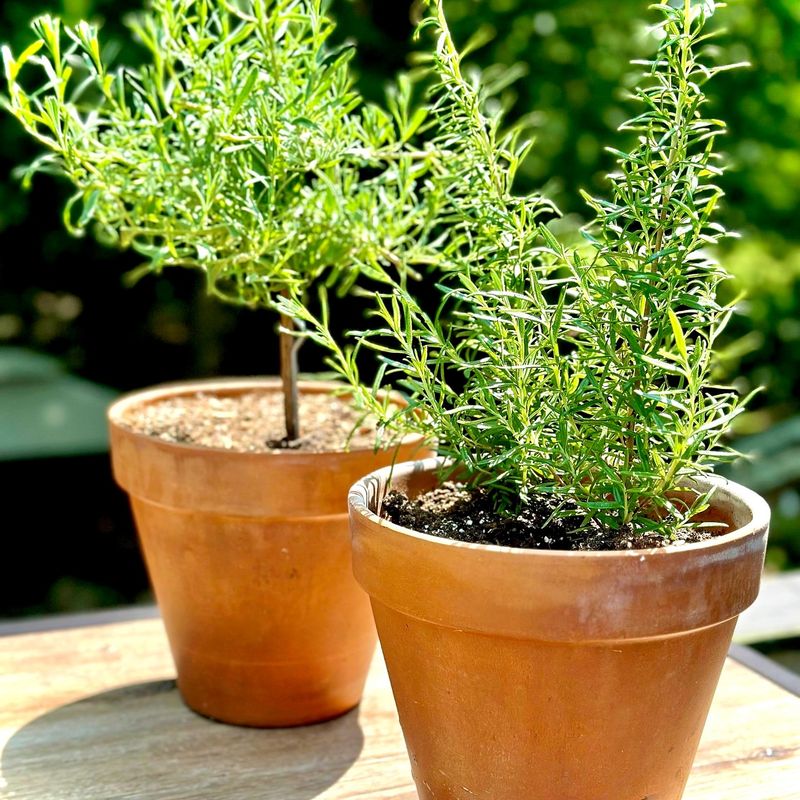
Aromatic rosemary has graced Mediterranean gardens for centuries, and California’s similar climate makes it a natural choice.
Feng Shui practitioners recommend rosemary for mental clarity, memory enhancement, and protection from negative energy.
California gardeners love rosemary because it thrives with minimal water once established, making it ideal for drought conditions.
The needle-like leaves release a pine-like fragrance when touched, creating an invigorating sensory experience in your garden.
Plant rosemary in full sun with excellent drainage, spacing plants about three feet apart to allow air circulation.
Rosemary grows into substantial shrubs that can serve as low hedges or border plants in California landscapes.
Position rosemary near outdoor cooking areas where you can easily harvest fresh sprigs for culinary use.
In Feng Shui philosophy, rosemary placed near doorways creates a protective barrier that purifies energy entering your home.
Small blue flowers appear on rosemary plants during winter and spring, attracting hummingbirds and beneficial insects.
Prune rosemary regularly to maintain shape and encourage dense, bushy growth throughout the growing season.
California’s mild winters mean rosemary stays green and fragrant year-round, providing constant garden interest.
According to ancient wisdom, rosemary strengthens memory and loyalty, making it symbolically important for family gardens.
2. Citrus Trees
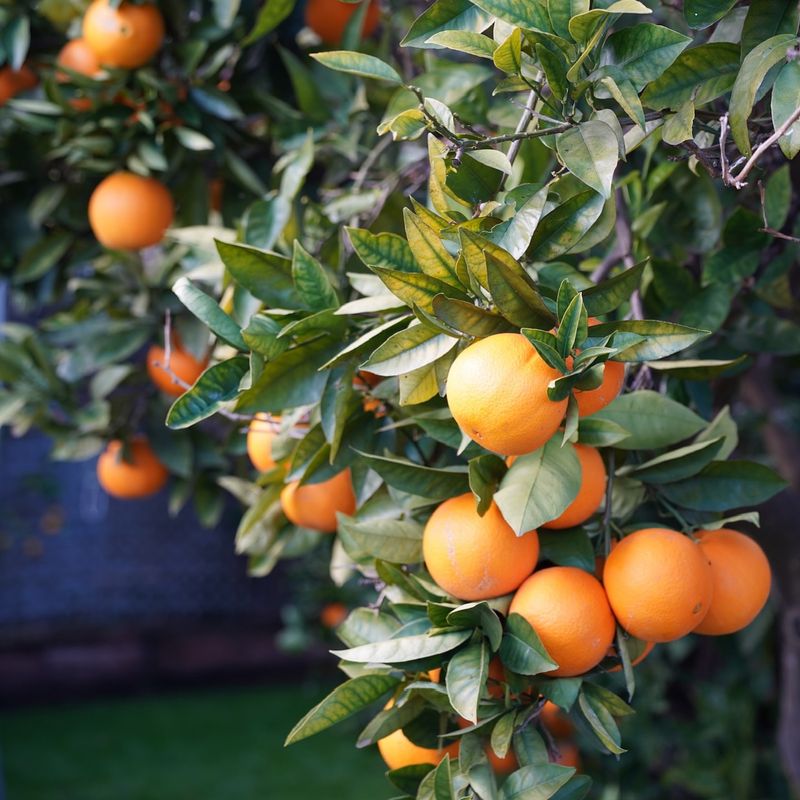
Nothing brightens a California garden quite like a citrus tree heavy with golden fruit and fragrant blossoms.
In Feng Shui philosophy, citrus trees represent abundance, joy, and prosperity because their round fruits symbolize gold coins.
Orange, lemon, lime, and grapefruit trees all flourish in California’s Mediterranean climate, producing fruit year after year.
The sweet fragrance of citrus blossoms in spring fills your garden with uplifting energy that promotes happiness and positive thinking.
Plant citrus trees in sunny locations with good drainage, spacing them at least ten feet apart to allow proper growth.
Water deeply but infrequently, encouraging roots to grow strong and reach deep into the soil.
Position citrus trees in the southern or southeastern areas of your garden to maximize their prosperity-attracting properties.
Regular pruning helps maintain their shape and encourages healthy fruit production throughout the growing season.
California’s mild winters mean most citrus varieties can stay outdoors year-round without protection from frost.
Harvest ripe fruit regularly to keep energy flowing and prevent branches from becoming overburdened.
Sharing your citrus harvest with neighbors and friends spreads abundance and strengthens community connections according to Feng Shui principles.
Your California Garden Changes Every Week. Your Plan Should Too.
Gardening in California changes quickly throughout the season. Every Friday you’ll receive a simple weekly plan showing exactly what to plant, prune, fertilize, harvest, and protect so you never miss the right timing.
3. Jade Plant
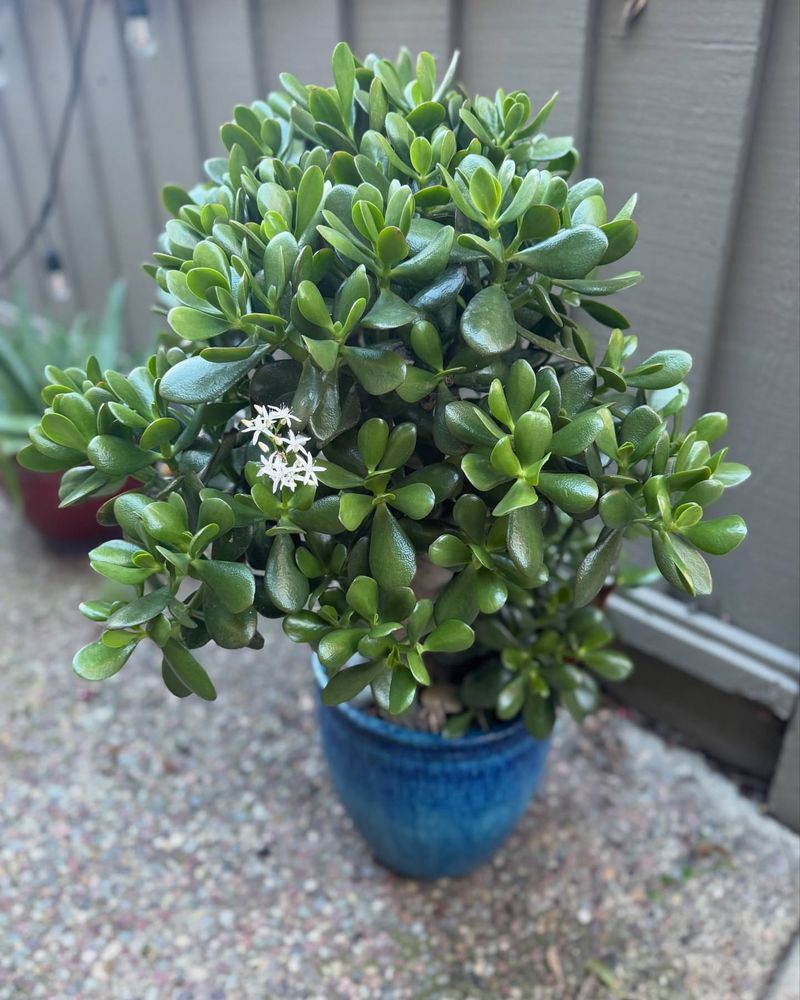
With its plump, coin-shaped leaves and tree-like structure, the jade plant has earned the nickname “money tree” throughout Asia.
Feng Shui practitioners value this succulent because its rounded leaves symbolize wealth and prosperity flowing into your home.
California’s dry climate provides ideal conditions for jade plants, which thrive in well-drained soil and full sunlight.
During summer months, jade plants produce delicate white or pink flowers that add extra beauty to your garden.
Water your jade plant sparingly—once every two weeks during warm weather and even less frequently in winter.
Overwatering can harm the roots, so always check that the soil feels completely dry before adding moisture.
Place jade plants near your front entrance or in the southeastern corner of your garden to attract financial abundance.
As the plant matures, its trunk becomes thick and woody, resembling a miniature tree that can live for decades.
Many California gardeners start jade plants from cuttings, which root easily and make wonderful gifts for friends.
The jade plant’s ability to store water in its leaves makes it perfectly suited for drought-conscious California landscaping.
Beyond its symbolic meaning, this low-maintenance succulent adds sculptural interest to rock gardens and container displays.
4. Peace Lily
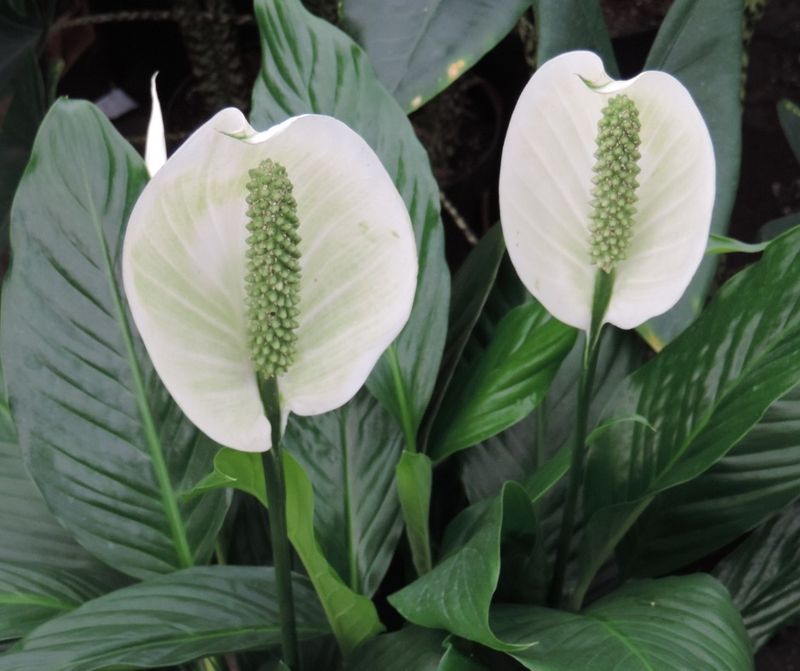
Peace lilies earned their name from the serene white flowers that resemble white flags of truce.
Feng Shui experts recommend peace lilies for purifying energy and promoting tranquility in living spaces.
California gardeners can grow peace lilies outdoors in shaded areas where direct sunlight never reaches the leaves.
The plant’s glossy green foliage and elegant white blooms create a peaceful atmosphere that calms the mind and spirit.
Peace lilies prefer consistently moist soil, making them perfect for shaded garden spots that retain moisture naturally.
Water them regularly during California’s dry summer months, but avoid letting water pool around the roots.
Position peace lilies in the northern section of your garden to enhance career prospects and life path clarity.
Their air-purifying qualities make them valuable additions to gardens near busy streets or urban environments.
Peace lilies bloom periodically throughout the year when given proper care and adequate shade protection.
Remove spent flowers and yellowing leaves promptly to maintain the plant’s tidy appearance and healthy energy flow.
Many California homeowners plant peace lilies beneath larger trees or on covered patios where they thrive in filtered light.
According to Feng Shui wisdom, peace lilies help resolve conflicts and bring harmony to household relationships.
5. Lavender
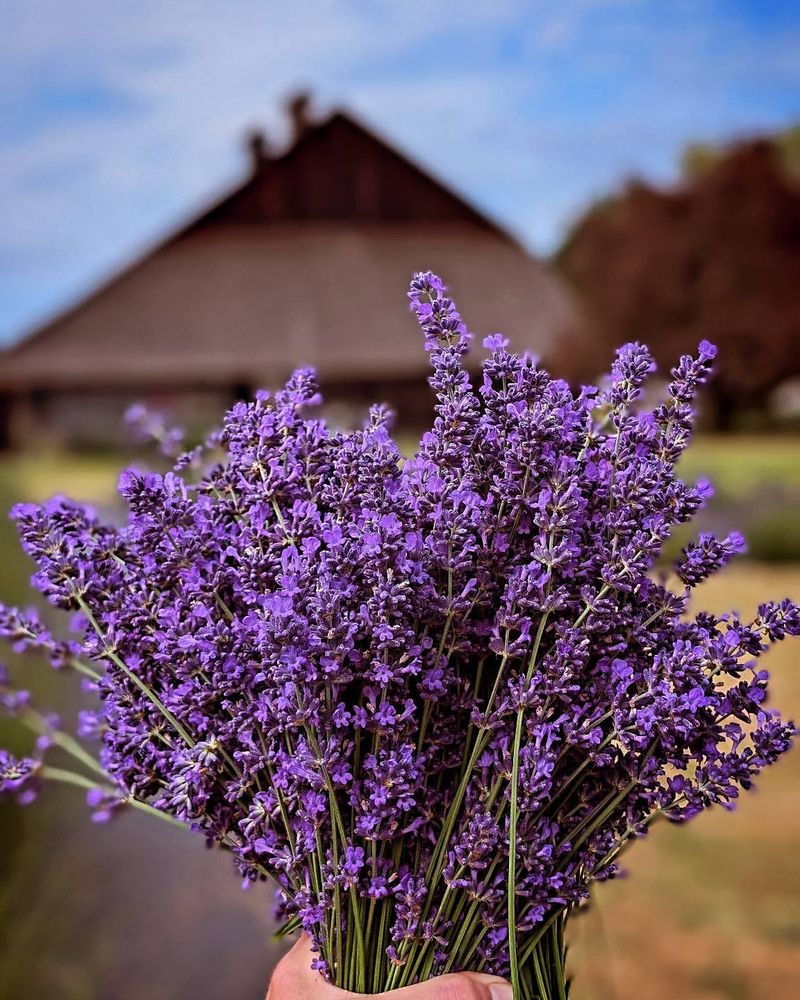
Few plants capture the essence of California gardening better than fragrant lavender with its silvery foliage and purple blooms.
Feng Shui practitioners value lavender for its calming properties that reduce stress and promote restful sleep.
California’s climate mirrors the Mediterranean regions where lavender originated, making it an effortless addition to most gardens.
Plant lavender in full sun with excellent drainage, as it struggles in heavy clay soils that retain too much moisture.
The intoxicating scent of lavender flowers attracts beneficial pollinators like bees and butterflies to your garden space.
Harvest lavender stems when flowers first open to make sachets, dried arrangements, or homemade essential oils.
Position lavender plants along pathways where brushing against them releases their soothing fragrance into the air.
In Feng Shui terms, lavender placed in the western section of your garden enhances creativity and supports children’s wellbeing.
Prune lavender lightly after flowering to maintain compact growth and encourage another flush of blooms.
California gardeners appreciate lavender’s drought tolerance, which makes it perfect for water-wise landscaping designs.
The purple color of lavender flowers corresponds to spiritual awareness and higher consciousness in Feng Shui color theory.
Mass plantings of lavender create stunning visual displays that bring peace and beauty to any garden setting.
6. Snake Plant
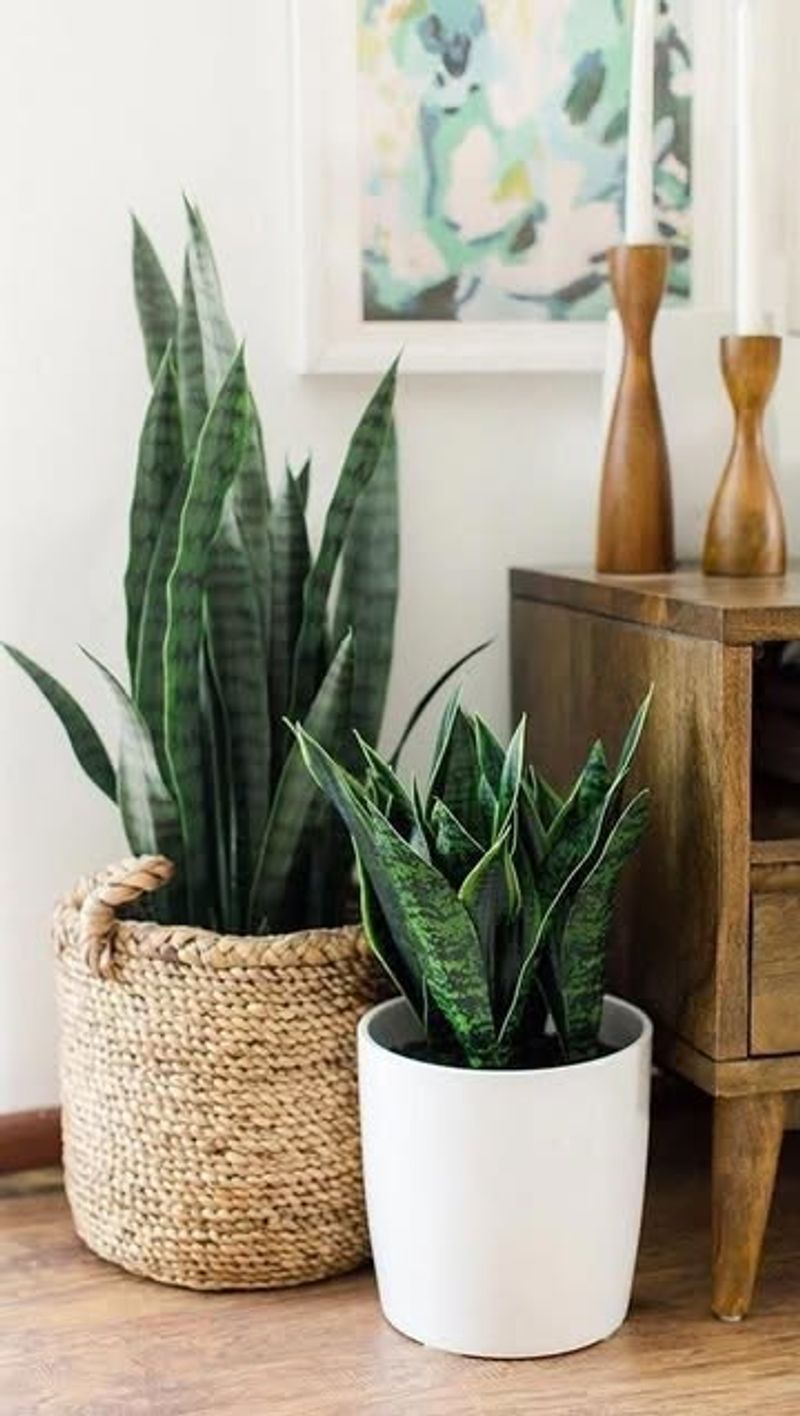
Bold and architectural, snake plants stand tall with sword-like leaves that point skyward in striking patterns.
Also called mother-in-law’s tongue, this hardy succulent represents protection and strong boundaries in Feng Shui practice.
California’s warm climate allows snake plants to grow outdoors year-round in most regions without special winter protection.
The plant’s upright growth pattern symbolizes upward movement and personal growth toward your goals and dreams.
Snake plants require almost no maintenance, surviving weeks without water thanks to their thick, moisture-storing leaves.
Plant them in well-draining soil and avoid overwatering, which can cause root problems even in California’s dry climate.
Position snake plants near entryways or in corners to create protective energy that guards against negative influences.
Their vertical lines draw the eye upward, making small garden spaces appear larger and more open.
Snake plants produce small, fragrant flowers on tall spikes when grown in optimal conditions with proper care.
Many California gardeners use snake plants in modern, minimalist landscapes where their sculptural form creates dramatic focal points.
According to Feng Shui principles, snake plants placed in home offices boost productivity and mental clarity.
The variegated patterns on snake plant leaves add visual interest without requiring colorful flowers or constant attention.
7. Chrysanthemums
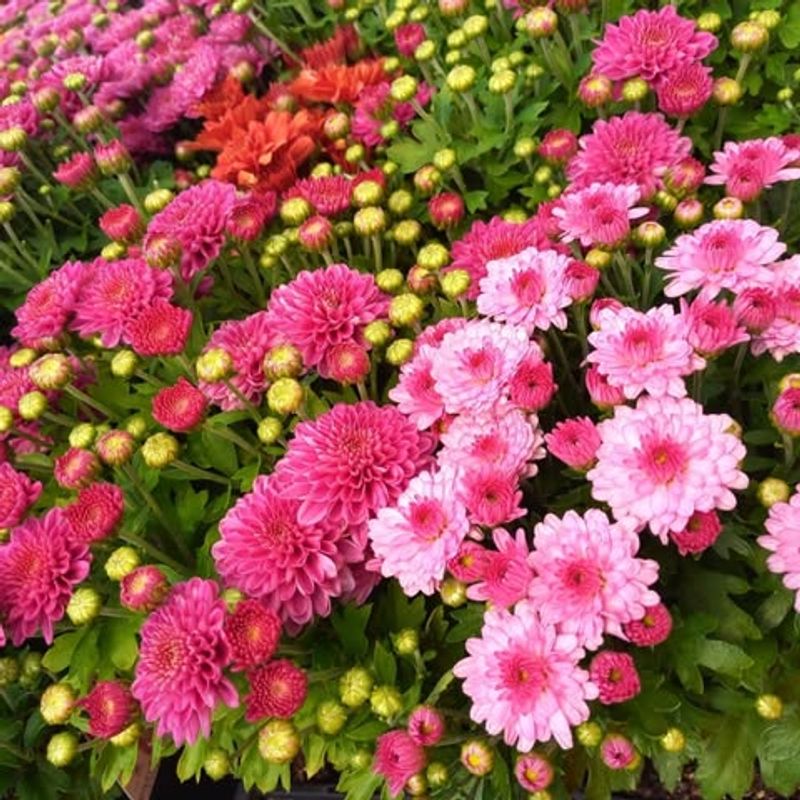
Bursting with cheerful blooms in autumn, chrysanthemums bring joy and happiness to California gardens when many other flowers fade.
In Feng Shui tradition, chrysanthemums symbolize longevity, balance, and a life filled with ease and comfort.
California gardeners can choose from hundreds of chrysanthemum varieties in colors ranging from white to deep burgundy.
Plant chrysanthemums in spring or early summer to establish strong roots before their spectacular fall flowering display.
Pinch back growing tips during summer months to encourage bushy growth and abundant flower production.
Chrysanthemums prefer full sun and regular watering, especially during California’s hot, dry summer season.
Position these cheerful flowers in the southwestern section of your garden to strengthen romantic relationships and partnerships.
The rounded shape of chrysanthemum blooms represents completeness and wholeness in Feng Shui symbolism.
After flowering concludes, cut plants back to encourage fresh growth the following spring season.
Many California gardeners grow chrysanthemums in containers, moving them to prominent positions when flowers appear.
According to Feng Shui wisdom, chrysanthemums attract positive energy and repel negativity from your living environment.
Their long-lasting blooms make excellent cut flowers for indoor arrangements that extend garden beauty into your home.
8. Lucky Bamboo
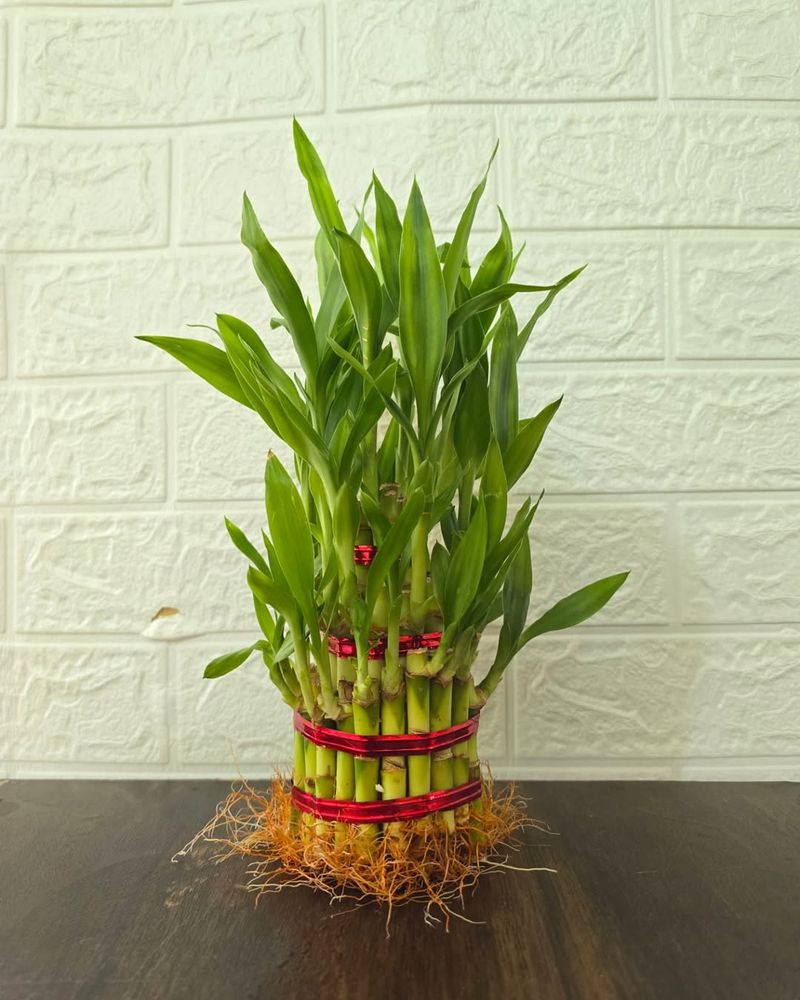
Bamboo has served as a symbol of strength and flexibility in Asian cultures for thousands of years.
In Feng Shui practice, bamboo represents good fortune, prosperity, and resilience because it bends without breaking during storms.
Lucky bamboo grows exceptionally well in California’s temperate climate, especially in shaded or partially shaded areas.
You can plant it directly in the ground or keep it in containers filled with water and pebbles.
The number of stalks you choose carries different meanings—three stalks bring happiness, five stalks attract wealth, and seven stalks promote good health.
California gardeners appreciate bamboo because it requires minimal maintenance once established.
Water it regularly during the first few months, then reduce watering as the plant matures.
Position your bamboo in the eastern or southeastern section of your garden to enhance family harmony and financial prosperity.
Avoid placing bamboo near walkways where its spreading roots might cause problems.
With its graceful appearance and symbolic significance, bamboo creates a calming focal point that invites positive chi into your outdoor space.
Many California homeowners use bamboo as natural privacy screens that also boost their garden’s spiritual energy.
9. Aloe Vera
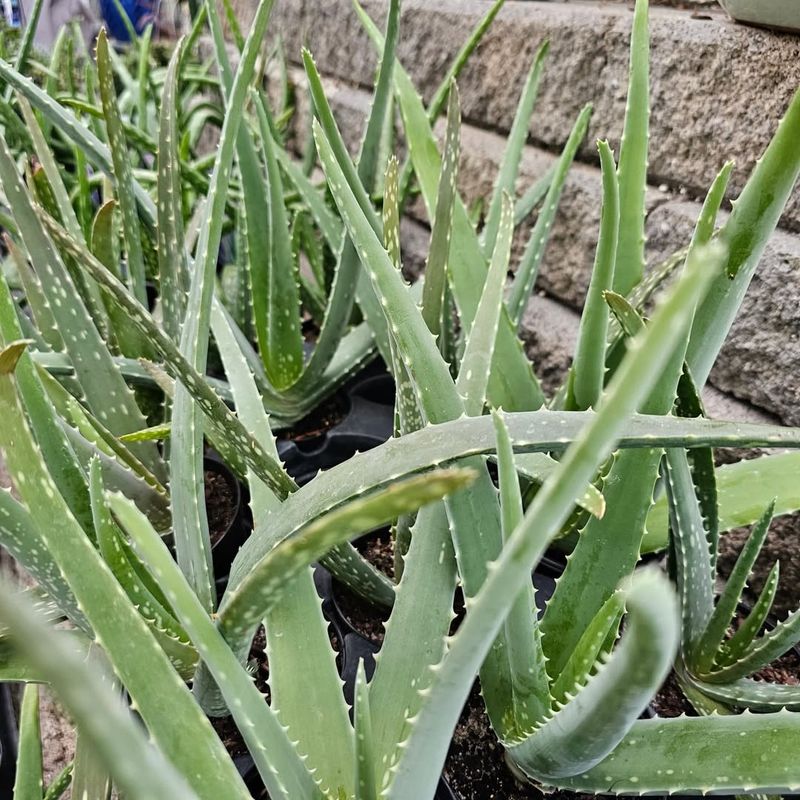
Aloe vera plants have provided healing remedies for skin ailments and burns for thousands of years across many cultures.
In Feng Shui practice, aloe vera represents healing energy, good luck, and protection from misfortune and negative influences.
California’s warm, dry climate creates perfect growing conditions for aloe vera, which struggles in humid or cold environments.
The thick, fleshy leaves store water and healing gel, making aloe vera incredibly drought-tolerant for water-conscious gardeners.
Plant aloe vera in sandy, well-draining soil and position it where it receives bright light but not intense afternoon sun.
Water sparingly, allowing soil to dry completely between waterings to prevent root rot and other moisture-related problems.
Position aloe vera plants near your home’s entrance to invite protective energy and ward off bad luck.
Many California gardeners keep aloe vera handy for treating minor kitchen burns and sunburns with fresh gel from the leaves.
Aloe vera produces tall flower spikes with tubular orange or yellow blooms that hummingbirds find absolutely irresistible.
Remove offsets or “pups” that grow around the base to propagate new plants for other garden areas.
According to Feng Shui wisdom, aloe vera absorbs negative energy from your surroundings and transforms it into positive vibrations.
The upward-pointing leaves direct energy skyward, promoting spiritual growth and connection with higher consciousness.
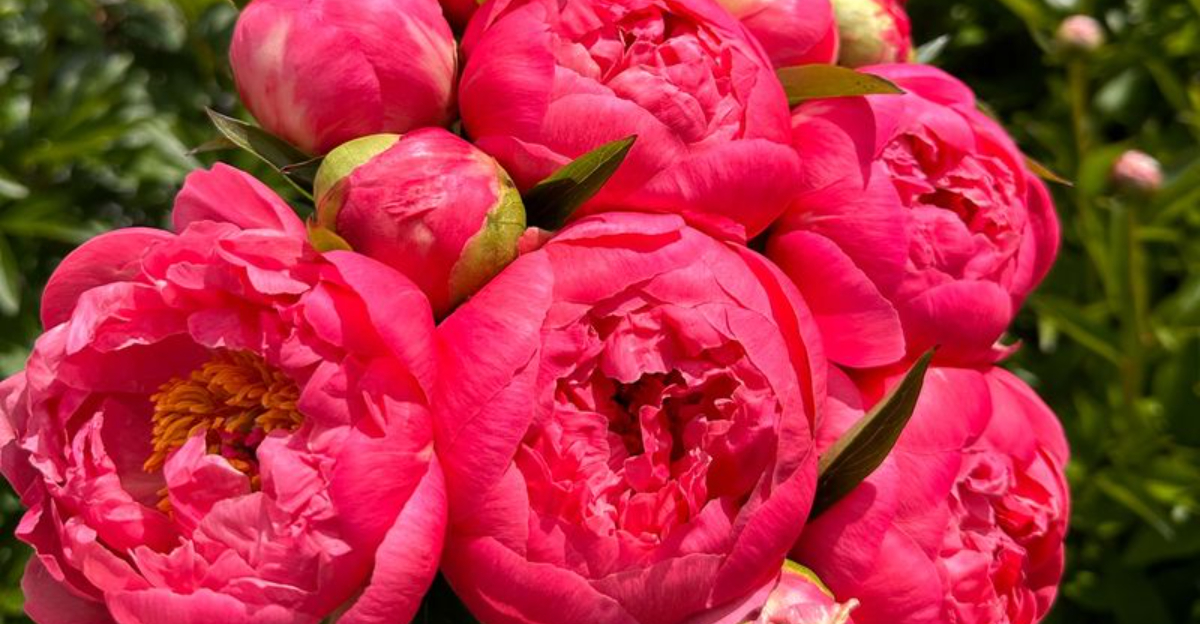
10. Peonies
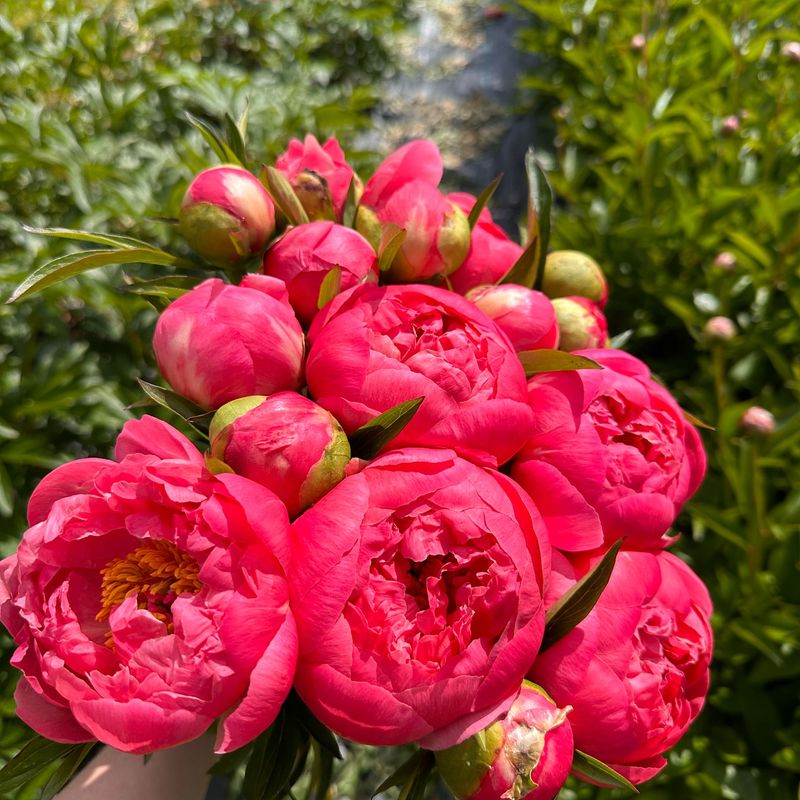
Peonies have captivated gardeners for centuries with their enormous, fragrant blooms that appear each spring like floral fireworks.
Feng Shui experts consider peonies the ultimate symbol of romance, prosperity, honor, and happy marriage relationships.
California gardeners in cooler coastal regions and northern areas can successfully grow peonies with proper variety selection
Choose peony varieties that require fewer winter chill hours, as California’s mild climate provides less cold than traditional peony regions.
Plant peony roots in fall with the eyes positioned just one inch below the soil surface for best flowering results.
Peonies prefer full sun and well-amended soil enriched with compost to support their heavy blooms each spring.
Position peonies in the southwestern section of your garden to enhance romantic relationships and attract loving energy.
The lush, full blooms represent wealth and abundance, making them popular choices for prosperity-focused garden designs.
Support tall peony stems with rings or stakes before flowers open to prevent them from toppling under their own weight.
California gardeners should deadhead spent blooms promptly but leave foliage intact until it naturally yellows in fall.
According to Feng Shui tradition, peonies bring honor and respect to families, making them meaningful additions to family gardens.
Fresh peony bouquets brought indoors extend their positive energy throughout your living spaces during their brief blooming season.