Why Virginia Homeowners Are Choosing Privacy Gardens Over Fence Lines
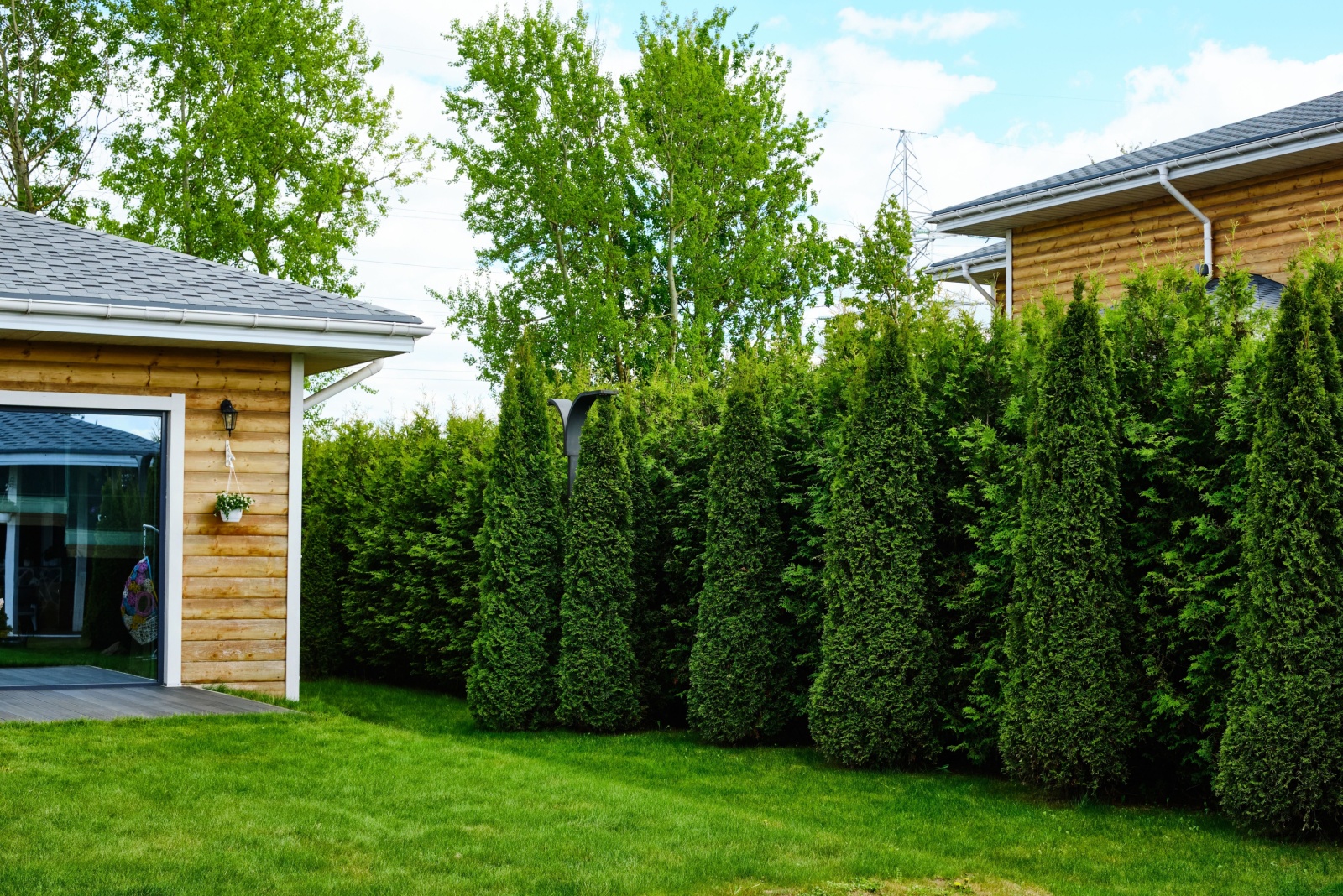
More Virginia homeowners today are turning away from traditional wooden or vinyl fences in favor of lush, green privacy gardens for their yards.
Natural barriers made from shrubs, trees, and tall plants offer beauty, wildlife habitat, and peaceful seclusion without the harsh look of fence posts.
Privacy gardens blend seamlessly into the landscape while providing the same screening benefits that fences promise but with far more character and charm.
Homeowners across the state are discovering that living walls bring joy, environmental benefits, and lasting value to their properties in surprising ways.
Natural Beauty Beats Plain Wood Every Time
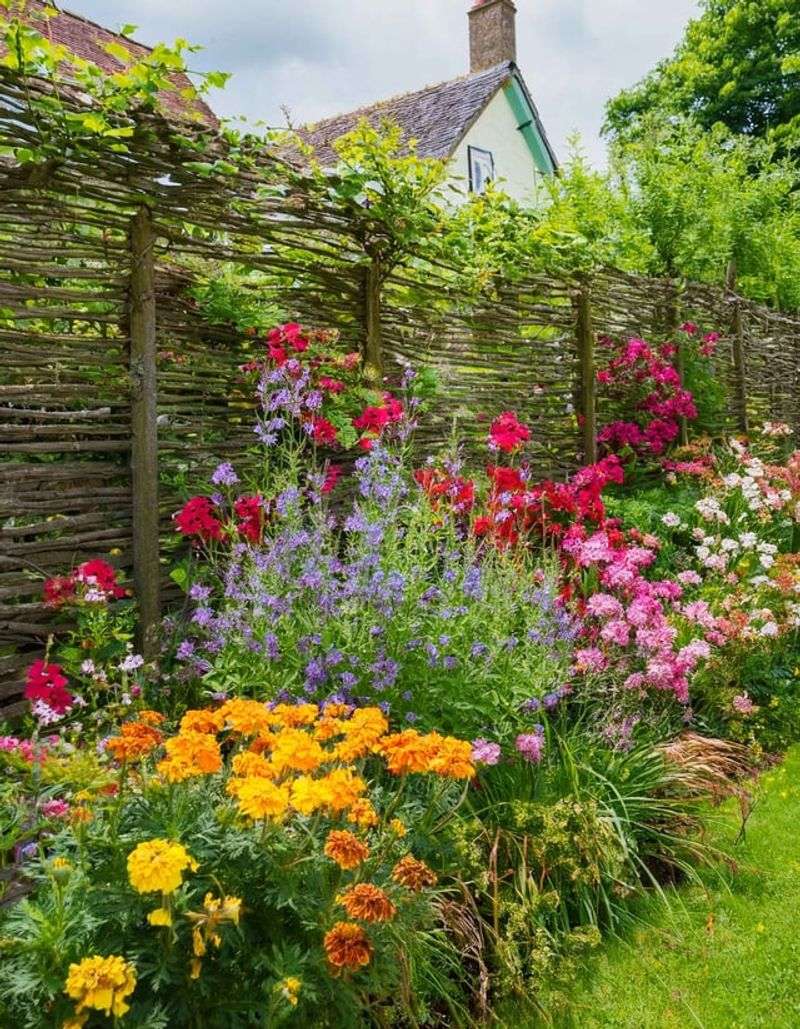
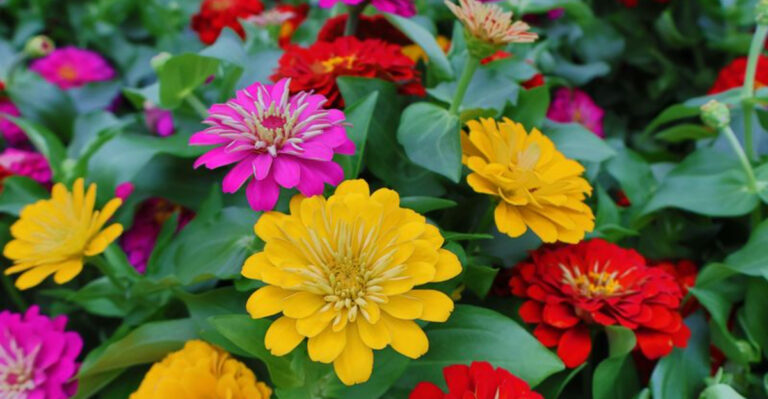
Virginia landscapes come alive when homeowners replace stark fence lines with flowering shrubs, evergreens, and ornamental grasses that change with every season throughout the year.
Wooden fences fade, crack, and weather over time, requiring constant maintenance, staining, and repairs that drain both your wallet and your precious weekend hours.
Privacy gardens, on the other hand, grow more beautiful each year as plants mature, spread, and develop fuller canopies that create stunning visual interest.
Imagine walking outside to see vibrant blooms in spring, lush green foliage in summer, fiery colors in fall, and interesting textures even during winter.
Neighbors and visitors alike will admire the natural elegance of your living barrier instead of staring at plain, lifeless boards that all look identical.
Plants add depth, movement, and softness to your yard, making outdoor spaces feel more inviting, peaceful, and connected to the surrounding natural environment.
Many Virginia homeowners report feeling happier and more relaxed when they look out their windows and see greenery instead of rigid, artificial structures blocking views.
Privacy gardens transform ordinary backyards into personal retreats that feel like hidden sanctuaries where families can unwind, play, and enjoy nature without leaving home.
Wildlife Finds A Home In Your Green Screen
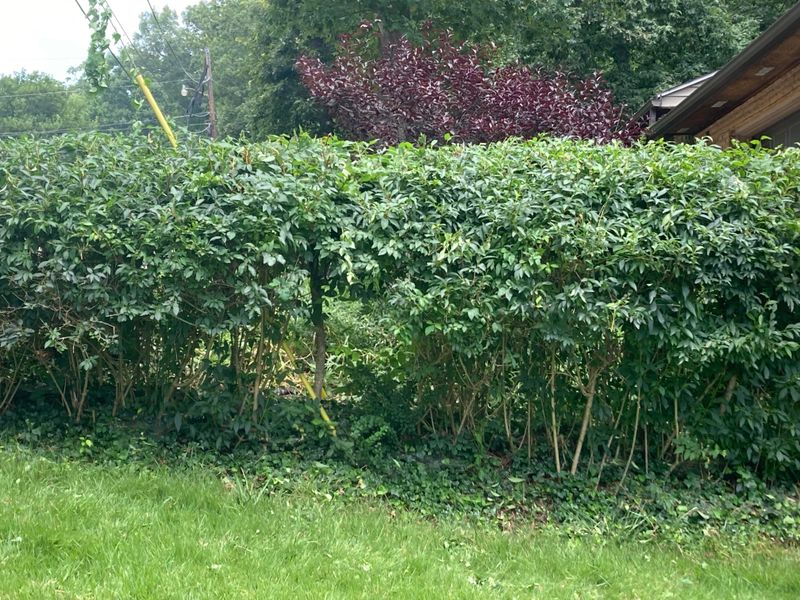
Birds, butterflies, bees, and beneficial insects flock to privacy gardens because dense plantings offer shelter, nesting sites, and food sources that support local ecosystems beautifully.
Traditional fences provide no habitat value whatsoever, standing as lifeless barriers that contribute nothing to the environment or the creatures sharing your neighborhood with you.
When you plant native Virginia species like Eastern Red Cedar, American Holly, or Serviceberry, you create corridors that help wildlife move safely through suburban areas.
Watching colorful songbirds build nests in your hedgerow or seeing monarch butterflies visit your flowering shrubs brings daily joy that no fence can offer.
Pollinators desperately need more habitat as development continues to shrink natural spaces, and your privacy garden can make a real difference for struggling populations.
Kids especially love observing nature up close, learning about different species, and understanding how plants and animals depend on each other in backyard ecosystems.
Privacy gardens also attract helpful predators like ladybugs and lacewings that naturally control garden pests, reducing the need for chemical sprays and harsh treatments.
Creating habitat in your yard connects you to the larger natural world and gives you a sense of purpose beyond simple property boundaries.
Lower Long-Term Costs Save You Money
Installing a quality fence across your property line can easily cost thousands of dollars upfront, and that expense repeats every ten to fifteen years when replacements become necessary.
Your Virginia Garden Changes Every Week. Your Plan Should Too.
Gardening in Virginia changes quickly throughout the season. Every Friday you’ll receive a simple weekly plan showing exactly what to plant, prune, fertilize, harvest, and protect so you never miss the right timing.
Privacy gardens require an initial investment in plants, soil, and mulch, but once established, they need far less money spent on upkeep than fences do.
Wooden fences rot, warp, and splinter over time, while metal fences rust and vinyl fences crack, all requiring expensive repairs or complete replacement eventually.
Plants naturally regenerate, spread, and fill in gaps on their own, meaning your living barrier actually improves with age rather than deteriorating like manufactured materials.
Annual maintenance for privacy gardens typically involves simple tasks like pruning, mulching, and occasional watering, which cost far less than fence repairs or replacement projects.
Many Virginia homeowners discover that their property values increase when they add attractive, well-designed landscaping that enhances curb appeal and outdoor living spaces significantly.
Energy costs may also drop because strategically placed plants provide shade in summer and windbreaks in winter, reducing heating and cooling expenses throughout the year.
Over a twenty-year period, the savings from choosing plants over fences can add up to thousands of dollars while providing exponentially more beauty and benefits.
Flexible Design Options Match Your Style Perfectly
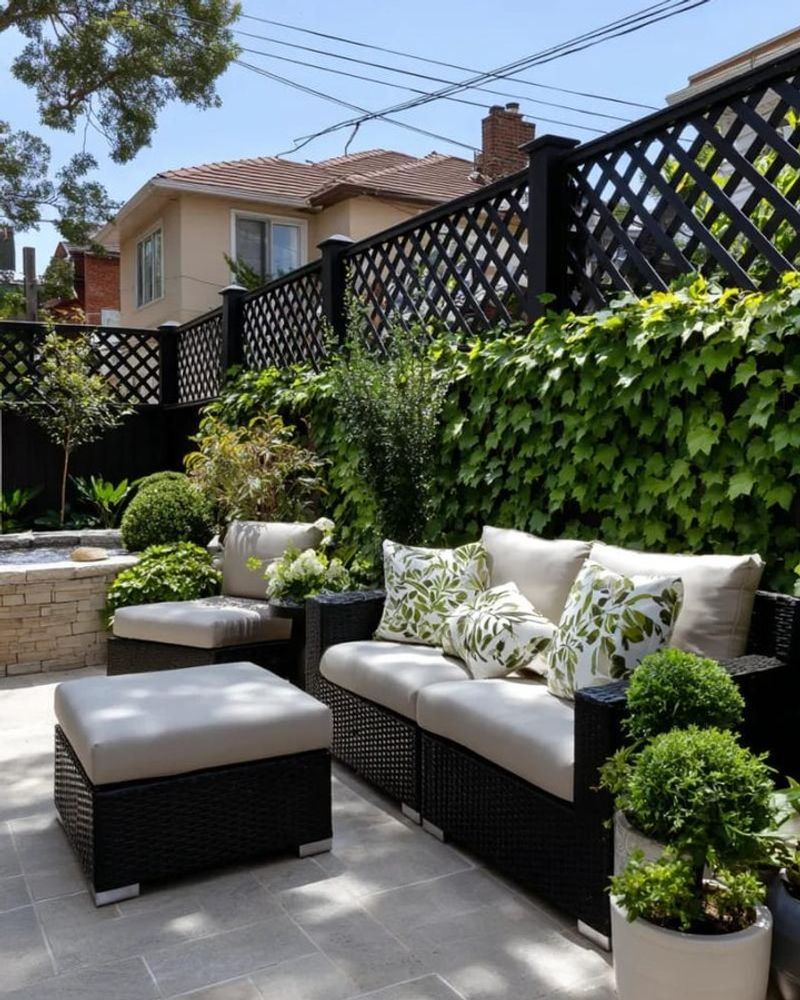
Fences come in limited styles and colors, forcing homeowners to choose from a narrow range of options that may not complement their home architecture or personal taste.
Privacy gardens offer endless possibilities, allowing you to mix evergreens, deciduous shrubs, flowering plants, and ornamental grasses in combinations that reflect your unique personality and preferences.
Want a formal, manicured look with neatly trimmed boxwoods? Or perhaps a wild, cottage-garden feel with mixed flowering shrubs cascading in layers throughout the seasons?
You can adjust your plant selections to create different heights, textures, and colors, designing a living barrier that changes and evolves exactly as you envision.
Curved planting beds soften hard lines and create more interesting, organic shapes that flow naturally with your landscape rather than cutting rigid, straight boundaries everywhere.
Combining different plant species also provides insurance against disease or pest problems, ensuring that your privacy screen remains intact even if one variety struggles.
Virginia homeowners appreciate the freedom to customize their gardens over time, adding new plants, removing underperformers, and adjusting designs as their needs and tastes evolve.
Privacy gardens become personal expressions of creativity and care, showcasing your commitment to beauty and individuality in ways that mass-produced fences simply cannot match.
Environmental Benefits Improve Air And Soil Quality
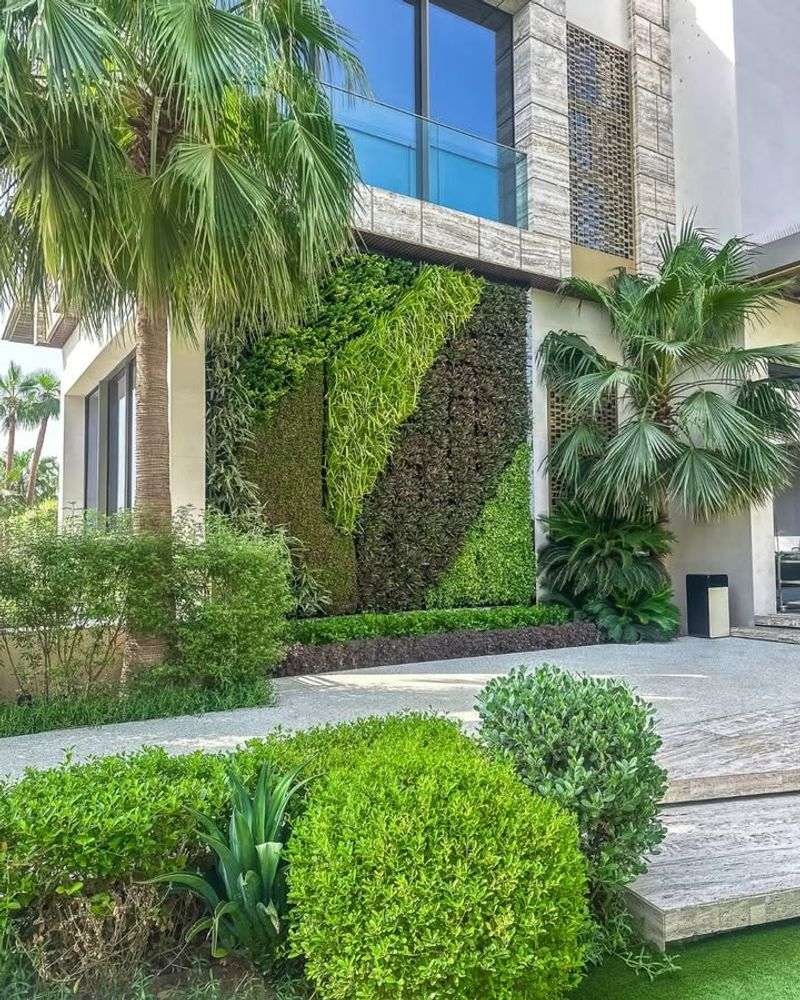
Plants absorb carbon dioxide, release oxygen, filter air pollutants, and cool surrounding areas through transpiration, making your yard healthier for your family and the planet.
Fences contribute nothing positive to the environment and may even leach chemicals into soil if treated with preservatives or made from synthetic materials harmful to nature.
Privacy gardens reduce stormwater runoff by absorbing rainwater through root systems, preventing erosion and reducing the burden on local drainage systems and waterways significantly.
Healthy plant roots improve soil structure, increasing beneficial microorganism populations and creating rich, fertile ground that supports diverse life forms throughout your entire property.
Dense plantings also trap dust, pollen, and other airborne particles, improving air quality around your home and reducing respiratory irritants for family members with allergies.
Virginia experiences hot, humid summers, and strategically placed privacy gardens provide natural cooling effects that make outdoor spaces more comfortable without consuming energy or resources.
Choosing native plants adapted to local conditions means less need for fertilizers, pesticides, and supplemental watering, reducing chemical use and conserving precious water resources year-round.
By creating a privacy garden, you actively participate in environmental stewardship, contributing to cleaner air, healthier soil, and a more sustainable future for generations to come.
Noise Reduction Creates Peaceful Outdoor Spaces
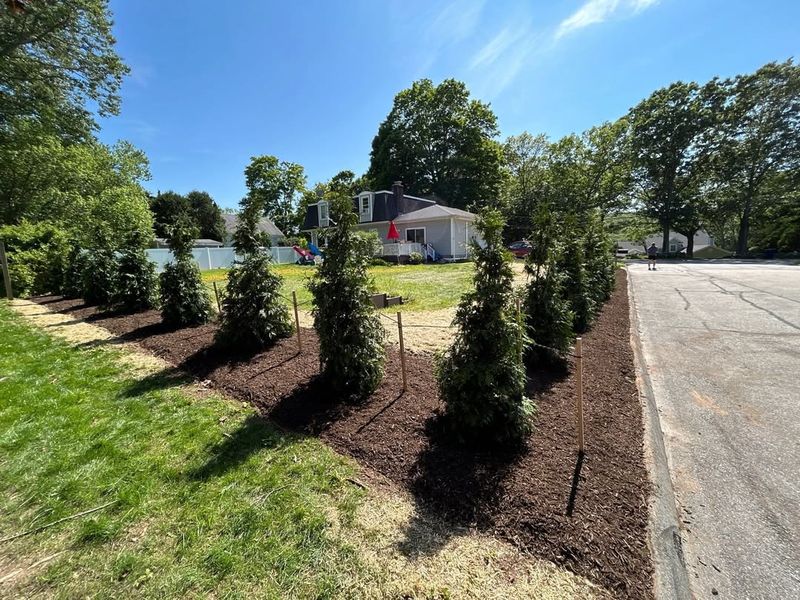
Thick layers of leaves, branches, and stems absorb and deflect sound waves far more effectively than solid fence panels, creating quieter, more serene outdoor environments.
Traffic noise, barking dogs, and neighborhood activity can disrupt your peace, but dense privacy gardens act as natural sound barriers that muffle unwanted noise pollution.
Studies show that plants reduce noise levels by several decibels, making conversations easier, sleep more restful, and outdoor relaxation truly enjoyable without constant distraction.
Fences reflect sound rather than absorbing it, sometimes even amplifying noise by bouncing it back toward your house or patio areas where you spend time.
Combining evergreen and deciduous plants in multiple layers creates the most effective noise-reducing barrier, with foliage at different heights intercepting sound from various directions.
Virginia homeowners living near busy roads, schools, or commercial areas especially appreciate how privacy gardens transform their yards into tranquil retreats despite surrounding activity.
The gentle rustling of leaves in the breeze also produces pleasant, natural white noise that masks harsh sounds and adds soothing ambiance to outdoor spaces.
Creating a peaceful sanctuary where you can escape daily stress and enjoy quiet moments with family becomes possible when you replace hard fences with soft, sound-absorbing greenery.
Community Appeal Strengthens Neighborhood Connections
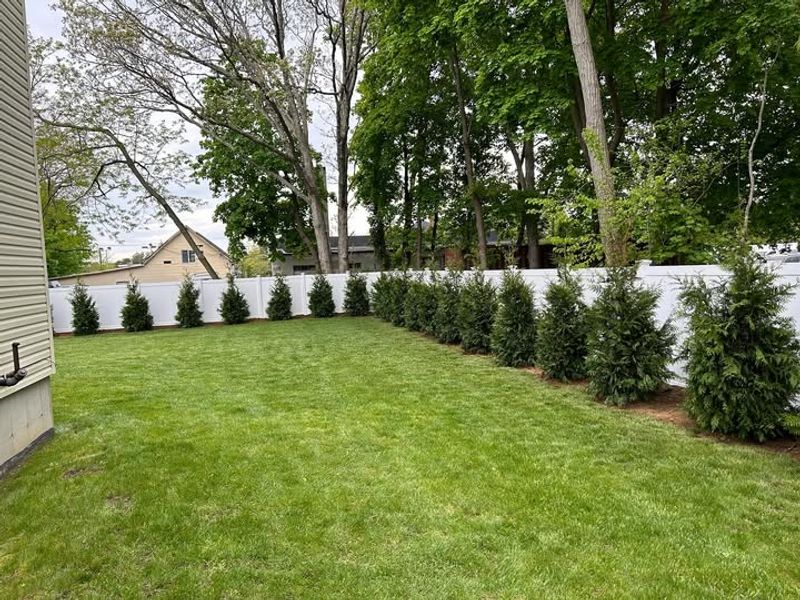
Attractive privacy gardens enhance entire neighborhoods, raising property values and creating more pleasant streetscapes that everyone benefits from and enjoys seeing every single day.
Harsh, imposing fences can create unfriendly barriers that make neighborhoods feel closed-off, divided, and less welcoming to both residents and visitors passing through the area.
Softly planted borders maintain privacy while still feeling open and inviting, encouraging neighborly interactions and fostering a sense of community rather than isolation and separation.
Many homeowners associations in Virginia now encourage or even require natural landscaping over fences, recognizing the aesthetic and environmental advantages of living barriers throughout developments.
When multiple neighbors choose privacy gardens, the cumulative effect creates green corridors that support wildlife, improve air quality, and make entire communities more beautiful and livable.
Sharing plant cuttings, gardening tips, and design ideas with neighbors builds friendships and strengthens bonds that make your street feel like home rather than just houses.
Visitors and potential buyers notice attractive landscaping immediately, and well-maintained privacy gardens signal pride of ownership and investment in community appearance that benefits everyone nearby.
Choosing plants over fences demonstrates environmental responsibility and aesthetic sensibility that inspires others to follow suit, gradually transforming neighborhoods into greener, healthier, more connected places.