Those Fire Ants In Your Virginia Garden Beds Are Trying To Tell You Something
You reach for a weed, and suddenly your hand feels like it brushed a hot stove. Within seconds, dozens of tiny ants are swarming up your wrist.
That fiery welcome is the calling card of the red imported fire ant. These invaders have been spreading steadily across Virginia, and many gardeners first meet them while pulling mulch or planting bulbs.
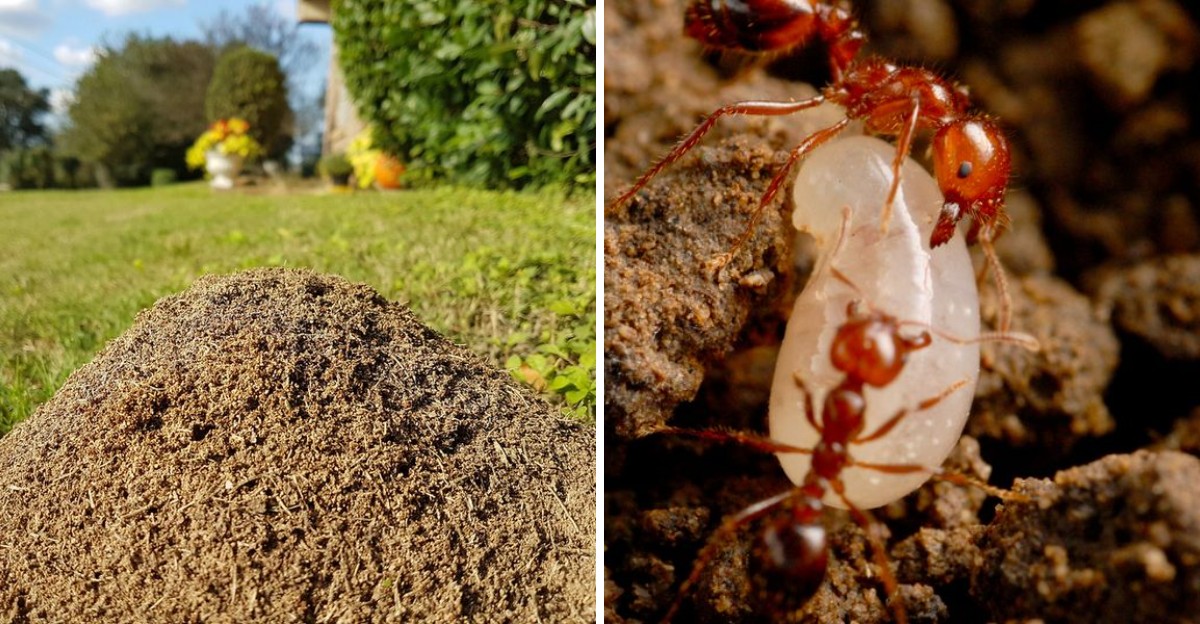
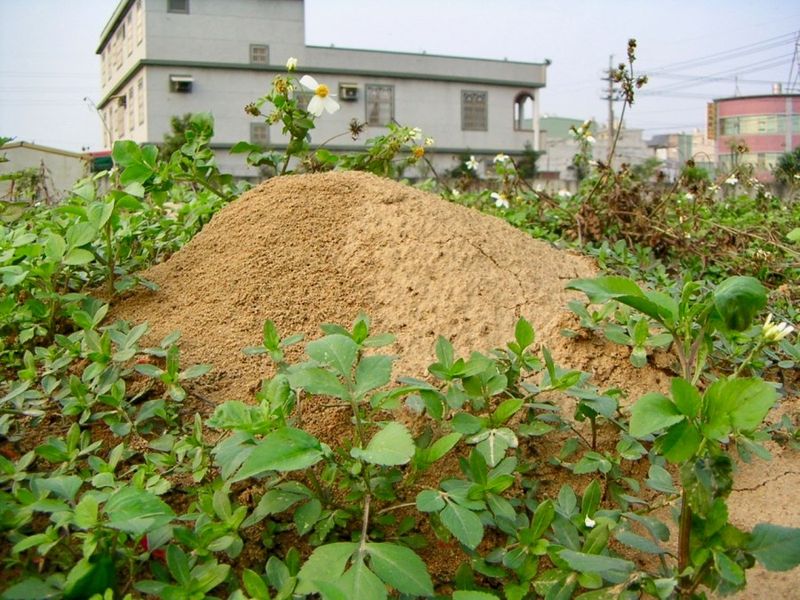
A fluffy mound of loose soil in a sunny bed isn’t random. It holds clues about where the colony came from, why it picked your yard, and how big it’s grown underground.
Some popular home tricks actually make the problem worse by scattering the colony. Others work quietly and well when they’re timed just right.
Reading those clues can save you painful stings, wasted money, and a lot of frustration. Those ants in your garden beds are sending a message worth hearing.
1. Your Area May Be Inside The Fire Ant Quarantine
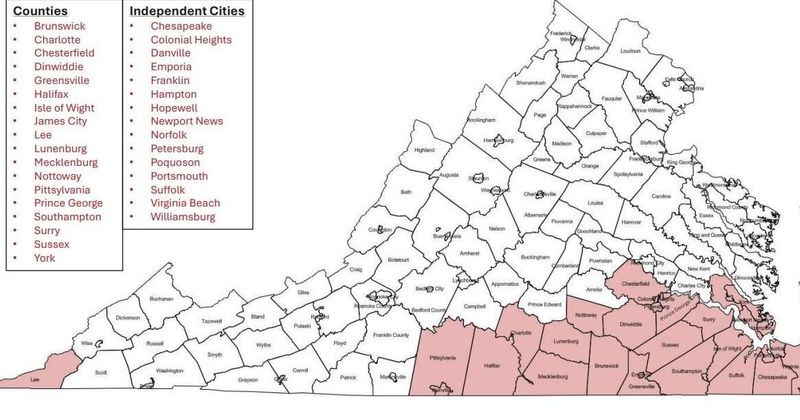
Picture a map of southeast Virginia shaded like a weather alert. Many gardeners have no idea their own county sits inside that shaded zone.
Virginia runs an Imported Fire Ant Quarantine to slow the spread of these pests. As of May 2025, it covers 18 counties and 15 independent cities.
Most of those places sit in Hampton Roads, Southside, and along the North Carolina border. Colonial Heights and Prince George are also on the list.
The quarantine even reaches Lee County in far Southwest Virginia, where a cold-tolerant hybrid fire ant has moved in.
Why should a home gardener care about a government map? Inside the quarantine, homeowners and businesses handle their own fire ant problems.
Outside the zone, the state steps in to help wipe out new colonies. Knowing which side of the line you live on shapes your next move.
The quarantine also controls what leaves the area. Soil, rooted plants, sod, hay, straw, and logs touching the ground are all regulated items.
Businesses shipping those goods out must follow approved USDA treatment steps. Even used soil-moving equipment falls under the rules.
New areas get added as surveys confirm settled fire ant populations. So a town outside the zone last year might be inside it now.
Here is a smart tip before you plan any big garden project. Check the latest quarantine list on the VDACS website.
It only takes a few minutes and clears up a lot of confusion. Then you will know exactly who is responsible for those mounds in your beds.
2. Warm, Sunny Beds Are Their Favorite Real Estate
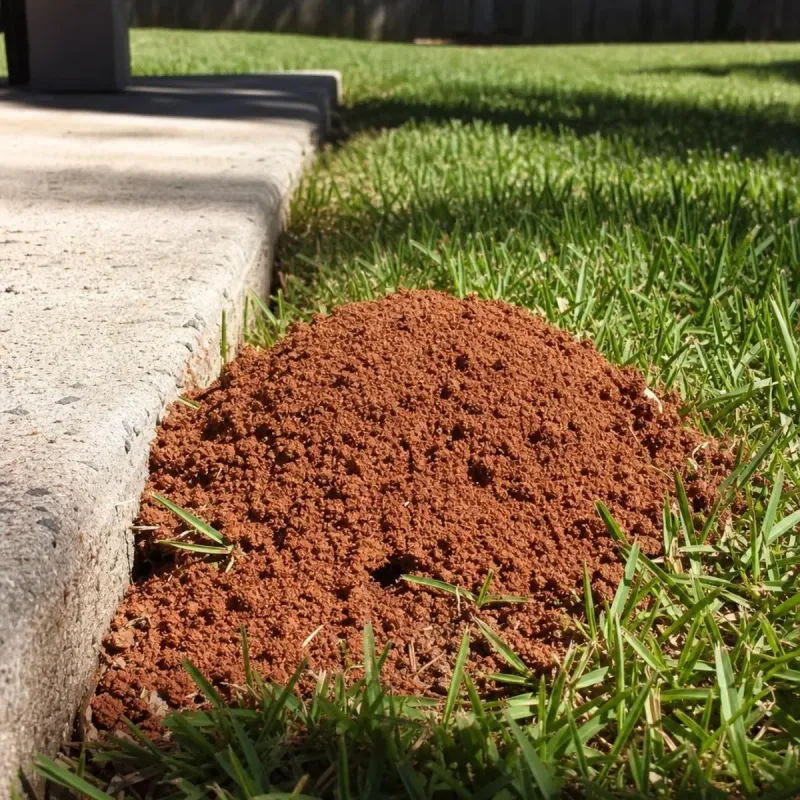
If fire ants hired a real estate agent, the listing would read sunny, open, and close to water. Your garden bed probably checks every box.
These ants love loose, crumbly soil that is easy to tunnel through. Freshly turned beds and well-watered flower borders feel like a luxury home.
Southeast Virginia offers flat ground and long, warm summers. Those conditions help fire ant colonies grow fast and stay busy.
Heat matters a lot to a colony. Ants like spots where the soil soaks up warmth, such as sidewalk edges and concrete slabs.
Your Virginia Garden Changes Every Week. Your Plan Should Too.
Gardening in Virginia changes quickly throughout the season. Every Friday you’ll receive a simple weekly plan showing exactly what to plant, prune, fertilize, harvest, and protect so you never miss the right timing.
You may also find mounds near foundations, rock walls, curbs, and fences. Those hard surfaces work like heaters for the brood underground.
Stumps and rocks provide extra shelter and warmth too. Shady corners of the yard tend to attract far fewer mounds.
The good news is that fire ants rarely build nests inside houses. They prefer the outdoors, especially lawns, parks, and sports fields.
Watered landscapes can see more activity during warm months. Irrigation keeps the soil soft and moist, which colonies enjoy.
Try a quick walk around your yard on a sunny morning. Pay close attention to bed edges, walkways, and areas near your house.
Mark any suspicious spots with a small flag. You will quickly see a pattern that shows where your ants feel most at home.
3. New Mulch Or Nursery Plants May Have Brought Them In
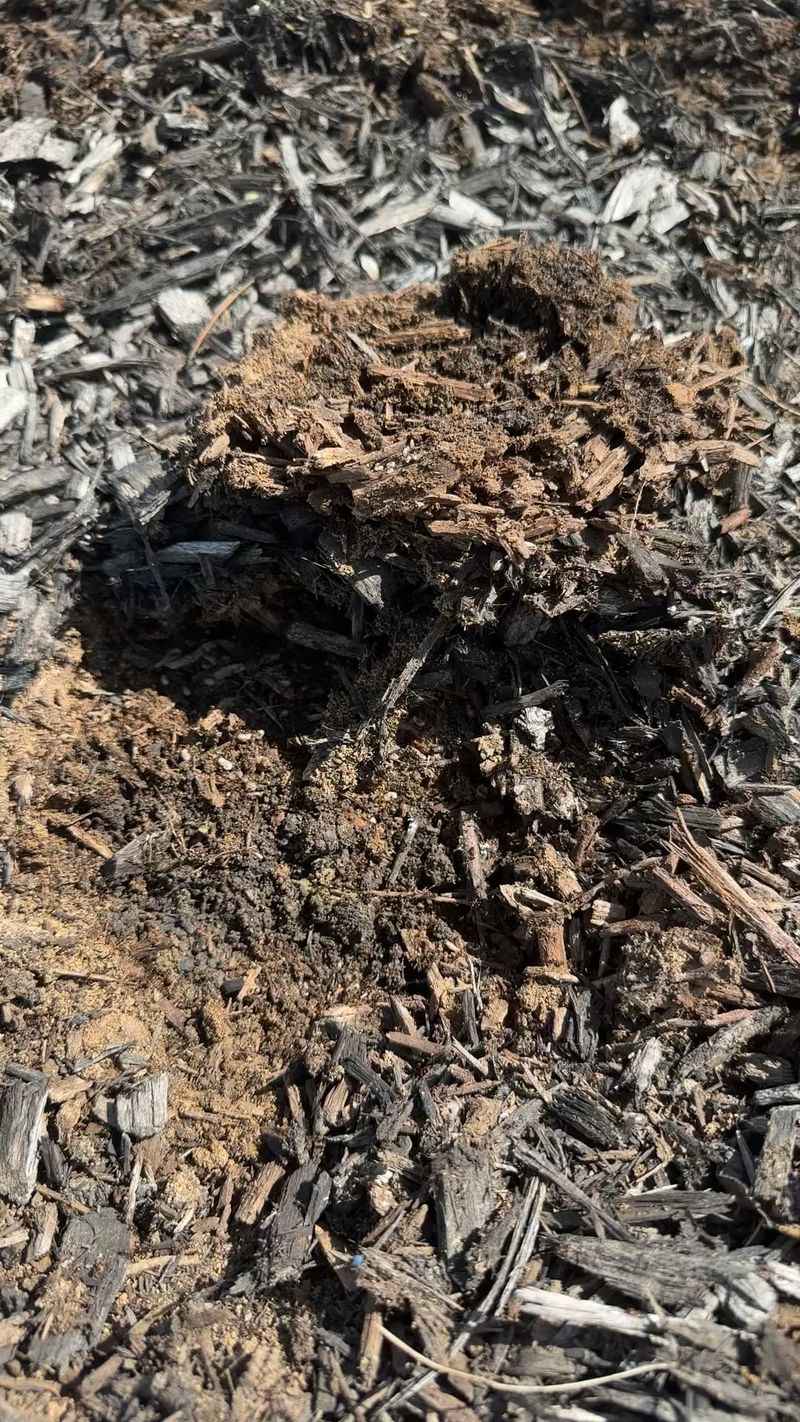
That bargain flat of perennials looked perfect at the garden center. A few weeks later, a mound popped up right where you planted them.
Fire ants do start new colonies through mating flights. Long-distance travel, though, mostly happens when people move soil, sod, and plants.
A single potted shrub can carry a small group of hitchhikers. Sod rolls and bulk soil can bring in even more.
Before anything new goes in the ground, give it a careful look. Check the pot bottom, the drainage holes, and the root ball surface.
Watch for tiny reddish-brown ants moving quickly when disturbed. Loose soil piled oddly in the pot can be another warning sign.
Items stored outside on bare ground can also hide colonies. Firewood, lumber, plant debris, and old equipment are common hiding spots.
Never move soil or plants from an infested yard to a clean one. Sharing divisions with a neighbor can accidentally share ants too.
Gardeners living inside the Virginia quarantine have an extra job. Anything heading outside the zone should be checked closely first.
A handy habit is to keep new plants on a patio for a few days. Set them on pavers instead of soil and watch for ant traffic.
Fun fact: fire ants first arrived in the United States through ship soil. Hitchhiking has been their favorite travel method ever since.
4. A Mound After Rain Means An Active Colony
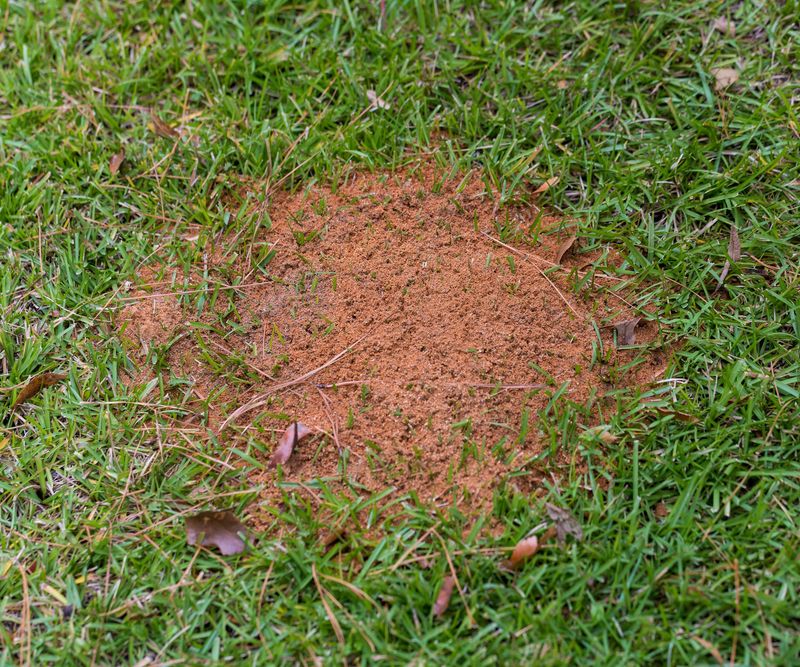
Yesterday the bed looked fine. Then a summer storm rolled through, and this morning a fluffy dirt pile sits beside your peppers.
Rain floods the tunnels that fire ants dig underground. To stay dry, the colony pushes upward and quickly builds a taller mound.
New mounds can appear within just a few hours after rain. That sudden pop-up is a clear sign the colony below is healthy and busy.
Fire ant mounds look like dome-shaped piles of loose, crumbly soil. Unlike many ant hills, they have no obvious hole on top.
Workers come and go through tunnels that open away from the mound. Sizes range from nearly flat to around 18 to 24 inches tall.
Soil type and colony age affect how big a mound gets. Clay soils in parts of the state can produce surprisingly sturdy domes.
Hot, dry weather sends colonies deeper into the earth. Mounds may shrink or vanish, even though the ants are still there.
Young colonies sometimes skip mound building for several months. A missing mound does not mean a yard is free of fire ants.
Use rainy days as your scouting chance. Walk the yard a day after a good soaking and count every new mound you spot.
Write down the locations or snap a quick photo. That record will help you plan treatment and track progress later.
5. Never Kick, Dig, Or Flood A Mound
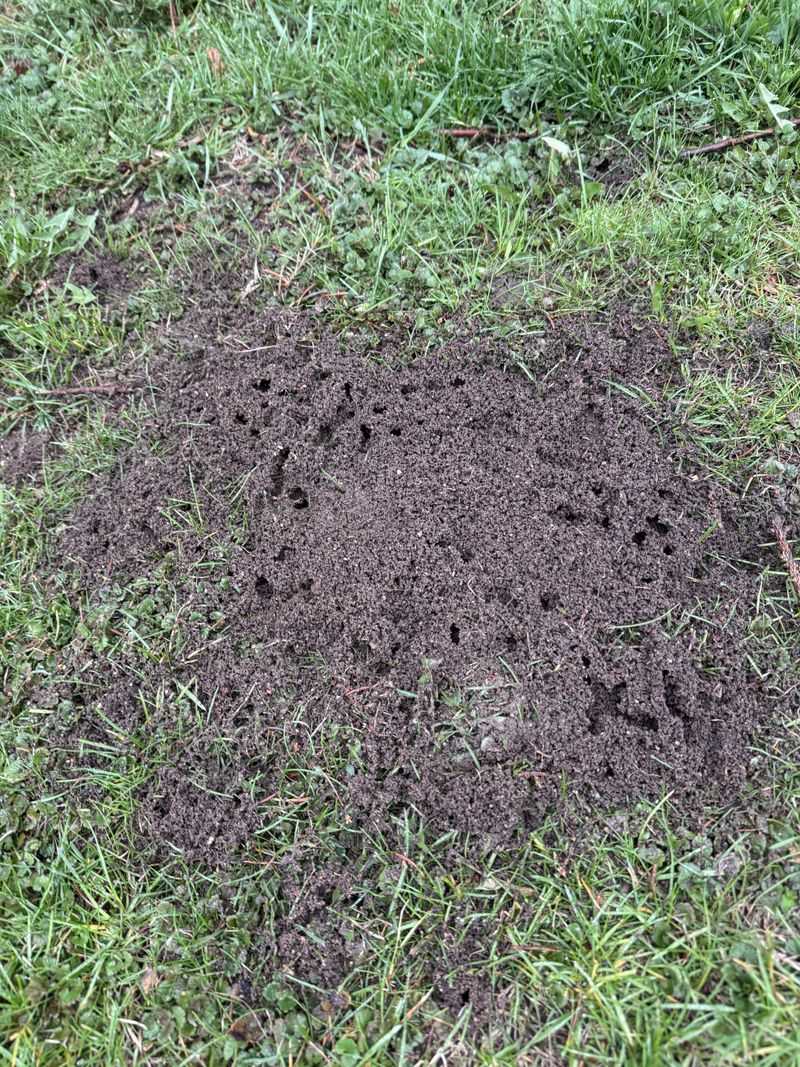
Grandpa swore by a kettle of boiling water. Plenty of neighbors still kick mounds flat with a sneaker, hoping the problem goes away.
Sadly, those moves backfire more often than they work. Disturbing a mound sends thousands of workers rushing out within seconds.
Each angry ant can sting more than once. A single careless kick can leave your ankle covered in painful welts.
Boiling water may wipe out some workers near the surface. It rarely reaches the queen, who lives deep in the nest.
Pouring scalding water also puts you at real risk of burns. Splashes on legs and feet happen faster than you might expect.
Flooding a mound with a hose simply pushes the colony to move. You often end up with fresh mounds a few feet away.
Home remedies like grits, dry rice, bleach, and hairspray do not solve the issue. Gasoline, diesel, and motor oil harm soil, plants, and groundwater.
Those tricks tend to make colonies split or relocate. Now you have two problems where there used to be one.
When a colony feels threatened, workers carry the queen to safety. She can start a brand new colony somewhere else in your yard.
So the best first step is a calm one. Leave the mound alone, mark it, and plan a proper bait treatment instead.
6. Baits Work Best On Warm, Dry Days
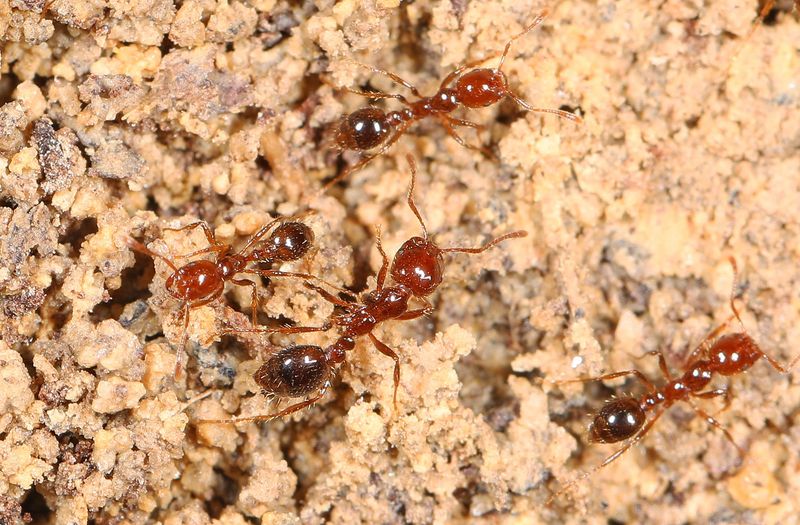
Timing is everything with fire ant bait. Spread it on the wrong day, and you might as well toss it in the trash.
Bait only works when hungry workers carry it home. Once inside, they share it with the queen and the rest of the colony.
Fire ants forage most when temperatures sit between about 70 and 95 degrees. Soil temperatures above 60 degrees can also signal active feeding.
On scorching summer days, ants often wait for cooler evening hours. Spreading bait late in the afternoon can catch them at peak activity.
Dry ground matters just as much as temperature. Moisture spoils the bait and makes it far less tasty to the ants.
Choose a day with no rain expected for at least 12 to 24 hours. Skip mornings when heavy dew still coats the grass.
Not sure if the ants are hungry? Drop a potato chip or a bit of hot dog near a mound.
If ants swarm it within 10 to 30 minutes, conditions are right. If nothing shows up, wait for a better day.
Freshness counts too. Many baits use soybean oil, which turns rancid once the bag sits open too long.
Buy small containers and seal them tightly between uses. Early spring and late summer often give the best results.
7. Spot-Treat Mounds Instead Of Blanketing The Yard

Think of spot treating like using a fly swatter instead of a fog machine. You target the trouble without coating every inch of your yard.
For a single mound, measure about 3 to 5 tablespoons of bait. Sprinkle it evenly in a ring roughly 2 to 3 feet from the mound edge.
Keep bait off the top of the mound itself. Workers forage outward, so the ring puts food right in their path.
Move slowly and avoid bumping the soil. A disturbed colony stops foraging and may carry the queen away.
Dusts and granular products also need a gentle touch. Shake them softly so the ants stay calm and keep working.
Spot treating saves product in small gardens and flower beds. It also limits how much bait lands near edible plants and pollinators.
Bigger properties are a different story, though. On lots larger than an acre, broadcasting bait across the lawn often works better.
Broadcast treatments reach hidden colonies that never built visible mounds. They can also cost less in time and money on large spaces.
Many experts suggest a two-step plan for stubborn yards. Broadcast first, then spot treat any mounds that still show up.
Read the product label before you start. Some baits are not approved for vegetable gardens, so check that detail carefully.
8. Report Mounds Outside The Quarantine To VDACS
Finding fire ants outside the quarantine zone makes you a citizen scientist. Your quick report can help protect a whole community.
The Virginia Department of Agriculture and Consumer Services tracks these pests closely. Outside the quarantine, VDACS works to wipe out new colonies.
Reporting is simple and does not cost a thing. You can use the Virginia Invasive Species Reporting Tool online.
Prefer the phone? Call 804-786-3515 to speak with someone about your find.
Email works too, at [email protected]. Include your exact address so staff can locate the mound.
Clear photos make a huge difference for identification. Snap a picture of the mound and a close shot of the ants.
A tip for safe photos: stand back and use your phone zoom. Wearing boots and tucking in your pant legs adds extra protection.
Try not to treat the mound before reporting it. Officials may want to confirm the species and study the colony.
Each report helps VDACS map where fire ants are spreading. That data guides decisions about expanding quarantine boundaries.
Some reports turn out to be native ants, and that is fine. Staff would rather check a harmless mound than miss a real invader.
9. Your Local Extension Office Can Guide Treatment
Here is a helpful secret many gardeners overlook. Free expert advice is probably just a short drive or phone call away.
Virginia Cooperative Extension has offices in counties and cities across the state. Their staff help residents with lawns, gardens, and pests every day.
Fire ant questions are right in their wheelhouse. They can suggest treatments that fit your yard, your plants, and your budget.
Living inside the quarantine makes their guidance even more valuable. Homeowners there handle their own control, so solid advice really pays off.
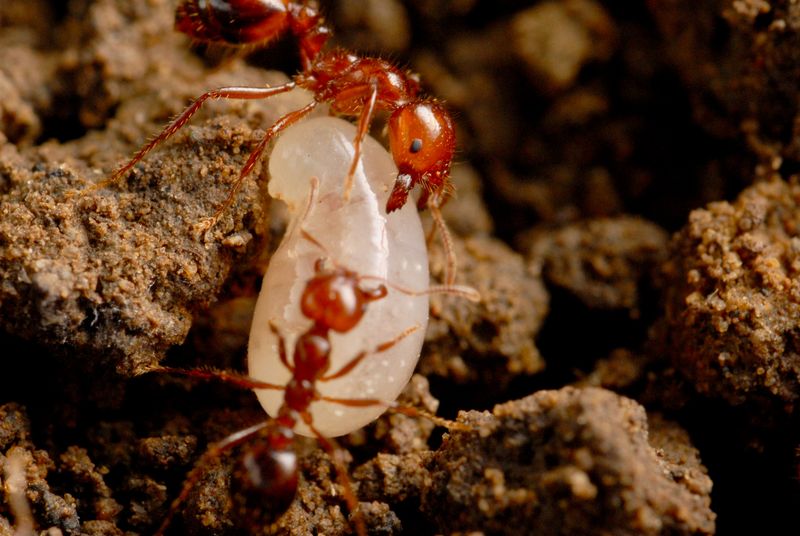
Not every reddish ant is a fire ant. Several native species look similar and cause far fewer problems.
Virginia Tech runs an insect identification lab that can confirm the species. Your local office can explain how to send in a sample.
The Virginia Tech Department of Entomology also shares current research online. Their fact sheets cover identification, biology, and control steps.
Extension Master Gardener volunteers often staff help desks and plant clinics. They love answering questions and can point you toward trusted resources.
Bring a sealed jar with a few ants and a photo of the mound. Rubbing alcohol in the jar keeps the specimens intact for viewing.
Ask about product labels and safety near vegetables, too. A short conversation can save you from wasting money on the wrong product.
10. Know What To Do If You Get Stung

Ouch is an understatement when fire ants find your skin. The burn explains exactly how these tiny troublemakers earned their name.
First, move away from the mound right away. Staying put invites even more ants to join the attack.
Brush off any clinging ants with quick swipes. Skip rinsing them off with water, since they clamp on tight and keep stinging.
Next, wash the stings with soap and cool water. Cold water helps calm swelling and that hot, prickly feeling.
Wrap an ice pack in a cloth and hold it on the area. Raise the stung arm or leg if you can to ease puffiness.
Small white blisters often form within a day. Resist the urge to pop them, because broken blisters can become infected or scar.
If one breaks open, clean it gently with soap and water. A dab of antibiotic ointment can help protect it.
Hydrocortisone cream at 1 percent can soothe itching twice a day. Oral antihistamines like Zyrtec or Benadryl may also help.
Watch closely for trouble breathing, face swelling, or dizziness. Those signs mean a serious allergic reaction, so call 911 right away.
Kids need the same care plus extra help to stop scratching. Stung pets should be moved away, cleared of ants, and given a cool bath.