9 Gardening Trends Texans Are Bringing Into Their Backyards In 2026
Texans are shaking up backyard gardens in 2026 with trends that mix bold design, smart plant choices, and a bit of personality.
From drought-tolerant plant palettes to multifunctional outdoor spaces, these ideas are reshaping how people think about yard livability.
Gardeners across the state are blending practicality with creative flair to make outdoor areas that work hard and look great all season long.
As these trends grow, Texas backyards are becoming more expressive, resilient, and downright fun to spend time in.
1. Native Texas Plant Gardens
Growing plants that naturally belong in Texas has become incredibly popular because these varieties thrive without needing constant attention or extra resources.
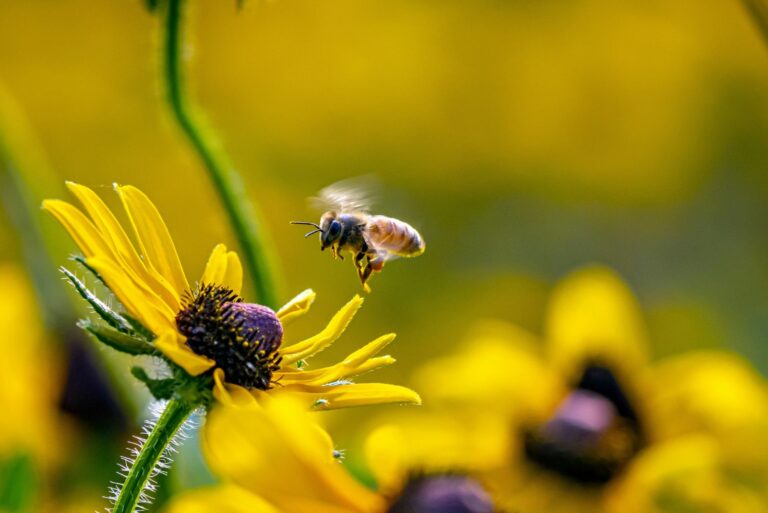
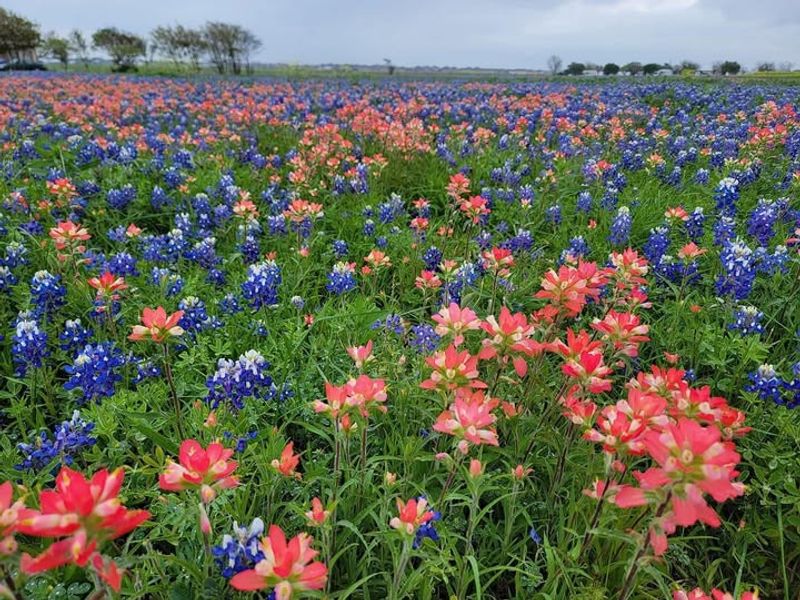
Bluebonnets, black-eyed Susans, and Texas sage are just a few examples of beautiful native species that handle heat and drought like champions.
Many homeowners in Texas appreciate how these plants attract butterflies, bees, and hummingbirds, creating a lively ecosystem right outside their back door.
Native gardens require less watering than traditional lawns, which saves money on utility bills and helps conserve precious water during dry spells.
Local nurseries across the state now stock wider selections of native plants, making it easier than ever to find exactly what you need.
Gardeners love that these plants are already adapted to Texas soil and climate, so they grow stronger with minimal fertilizer or pest control.
Creating a native plant garden also supports local wildlife by providing food and shelter that imported species simply cannot match as effectively.
This trend celebrates Texas heritage while making backyards more sustainable, colorful, and filled with life throughout every season of the year ahead.
2. Outdoor Kitchen Spaces
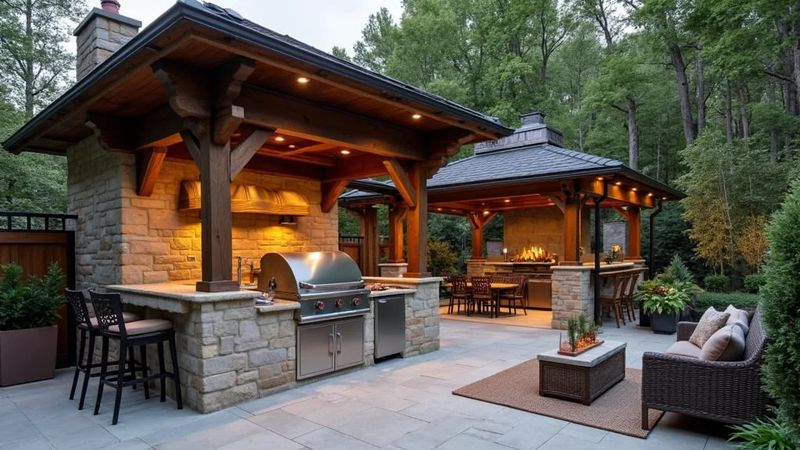
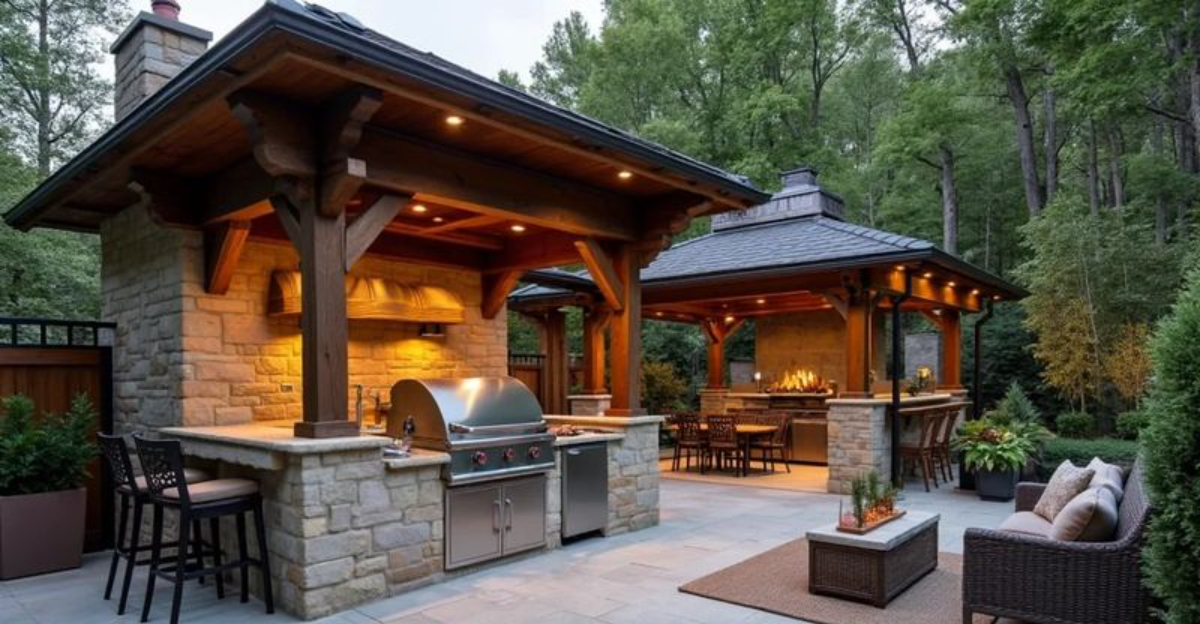
Texans are turning their backyards into complete cooking and entertaining zones with fully equipped outdoor kitchens that rival indoor setups in style and function.
Built-in grills, pizza ovens, refrigerators, and even sinks are becoming standard features that make hosting gatherings incredibly convenient and enjoyable for everyone involved.
Families across Texas find that outdoor kitchens extend their living space, allowing them to cook, eat, and socialize under open skies year-round.
Stone countertops and weather-resistant cabinetry stand up to intense summer sun and occasional storms, ensuring these spaces remain beautiful and functional for years.
Pergolas and shade structures provide relief from the blazing Texas heat while adding architectural interest and defining the cooking area with elegance.
String lights and outdoor speakers create ambiance that transforms simple weeknight dinners into memorable experiences filled with laughter and good conversation among loved ones.
Many homeowners appreciate that outdoor kitchens keep cooking smells and heat outside, making indoor spaces cooler and more comfortable during scorching summer months.
This trend reflects Texas culture, where hospitality and outdoor living go hand in hand, and every backyard becomes a destination worth celebrating together.
3. Drought-Tolerant Landscaping
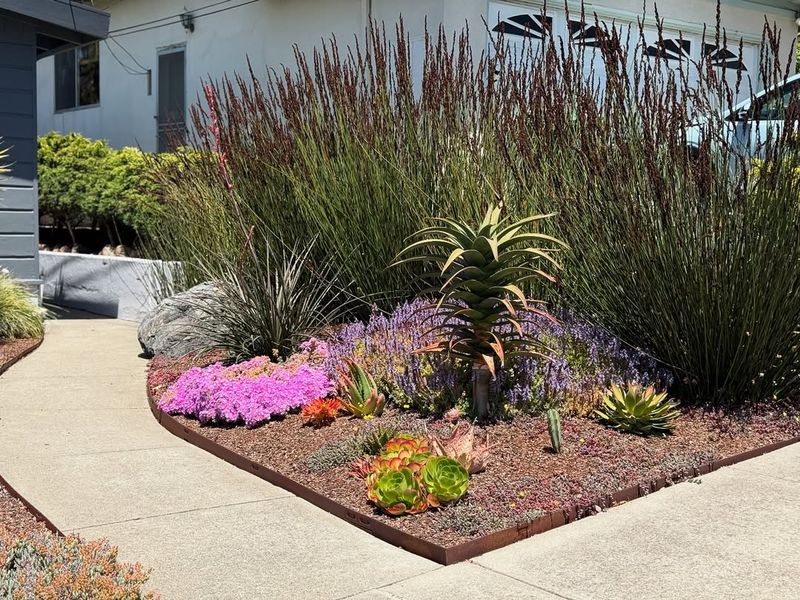
Water conservation has become a top priority for Texas gardeners who want lush landscapes without wasting precious resources during increasingly frequent dry periods.
Succulents, agave, and ornamental grasses create stunning visual displays while requiring only occasional watering, making them perfect choices for the Texas climate.
Homeowners are replacing traditional grass lawns with gravel, decorative rocks, and mulch, which reduce water usage dramatically while still looking polished and inviting.
Your Texas Garden Changes Every Week. Your Plan Should Too.
Gardening in Texas changes quickly throughout the season. Every Friday you’ll receive a simple weekly plan showing exactly what to plant, prune, fertilize, harvest, and protect so you never miss the right timing.
This landscaping style works beautifully in Texas because it embraces the natural environment rather than fighting against it with thirsty, high-maintenance plants.
Drip irrigation systems deliver water directly to plant roots, minimizing evaporation and ensuring every drop gets used efficiently without wasteful runoff or overspray.
Many neighborhoods across the state now celebrate drought-tolerant yards with awards and recognition, encouraging more residents to adopt these smart, sustainable practices.
Gardeners discover that these landscapes require less mowing, trimming, and general upkeep, freeing up weekends for family activities instead of endless yard work.
Embracing drought-tolerant landscaping means Texas backyards remain beautiful through every season, even when rainfall is scarce and water restrictions are in place.
4. Raised Bed Vegetable Gardens
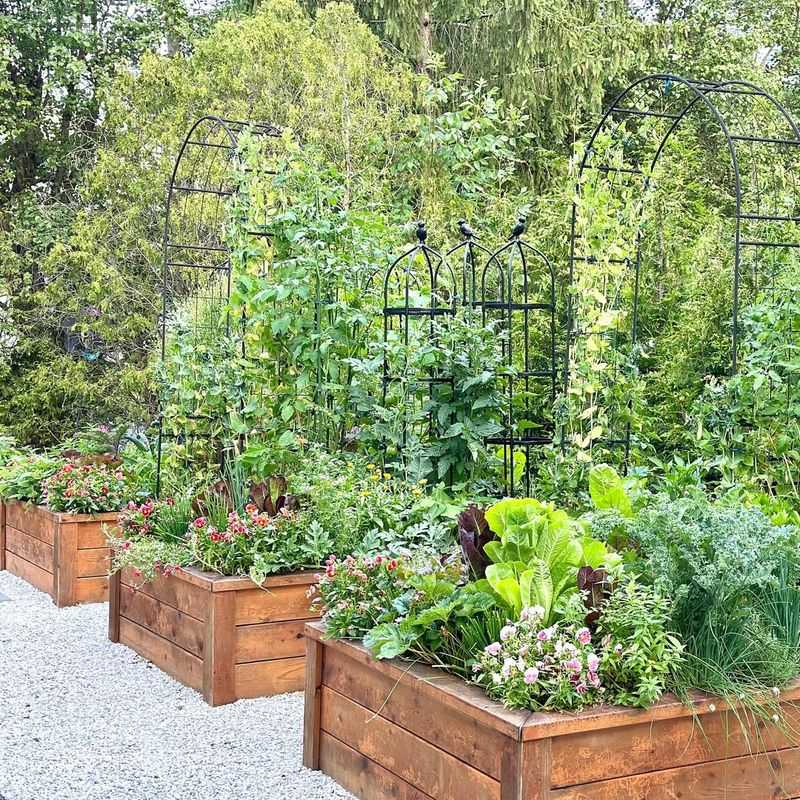
Growing fresh vegetables in raised beds has exploded in popularity because these elevated gardens offer better soil control, drainage, and accessibility for gardeners.
Texans love filling raised beds with nutrient-rich soil that produces healthier plants and bigger harvests compared to struggling with native clay or rocky ground.
Tomatoes, peppers, squash, and herbs thrive in raised beds, providing families with delicious homegrown produce that tastes far better than store-bought alternatives.
Building raised beds allows gardeners to organize their space efficiently, creating dedicated zones for different crops while keeping pathways clean and easy to navigate.
Many homeowners across Texas appreciate that raised beds warm up faster in spring, extending the growing season and allowing earlier planting of favorite vegetables.
These gardens also reduce back strain because plants sit higher, making weeding, watering, and harvesting much more comfortable for people of all ages.
Kids get excited about gardening when they have their own raised bed to care for, learning valuable lessons about patience, responsibility, and nature.
Raised bed gardens transform ordinary Texas backyards into productive spaces where families can enjoy fresh, healthy food while spending quality time together outdoors.
5. Pollinator-Friendly Gardens
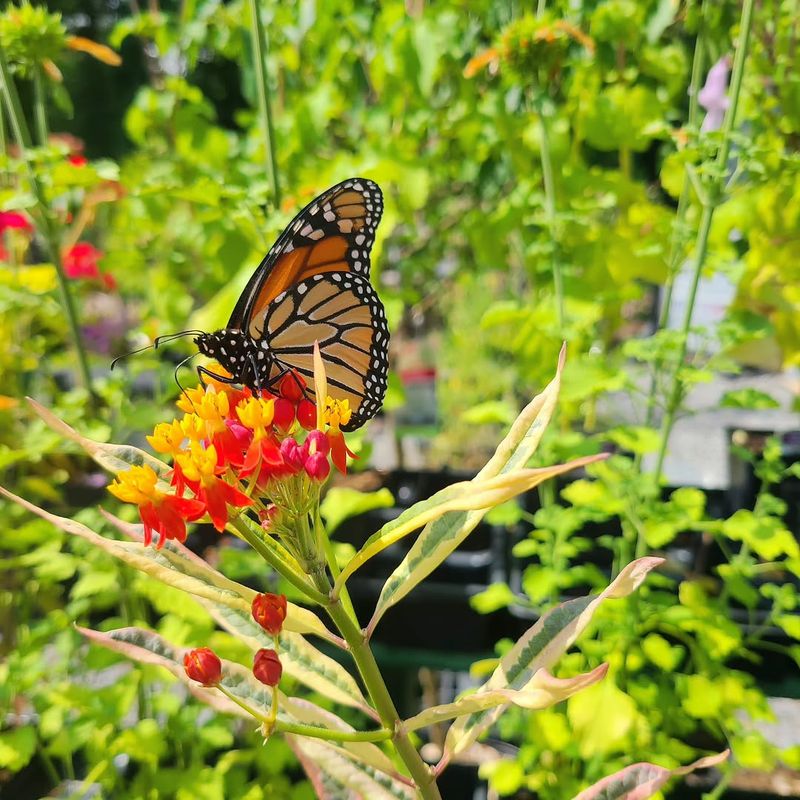
Creating spaces that welcome bees, butterflies, and hummingbirds has become a passionate mission for Texas gardeners who understand the importance of supporting pollinators.
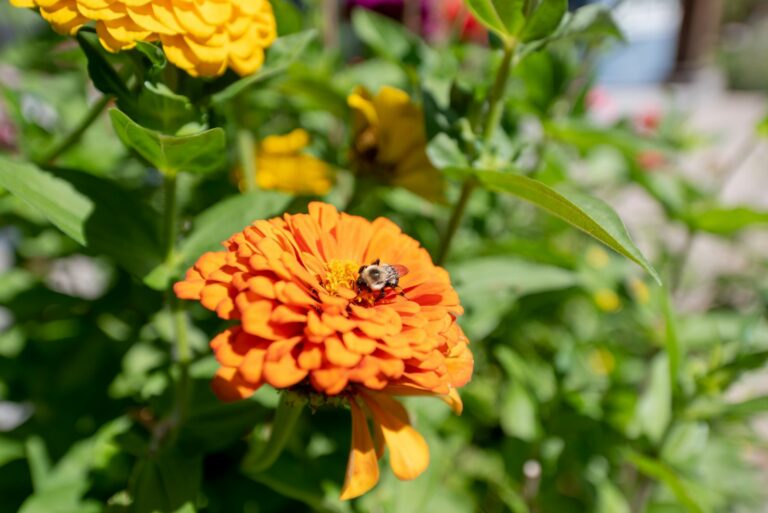
Planting flowers like zinnias, sunflowers, and lantana provides essential nectar sources that keep these beneficial creatures healthy and thriving throughout the growing season.
Pollinators help vegetable gardens produce better yields by transferring pollen between plants, which means more tomatoes, cucumbers, and peppers for Texas families to enjoy.
Many homeowners add shallow water sources and nesting areas to their yards, making their gardens even more attractive to butterflies and native bee species.
Avoiding harmful pesticides protects pollinators while still keeping gardens healthy, and Texas gardeners are learning natural pest control methods that work just as effectively.
Watching butterflies flutter among flowers and hearing bees buzz from bloom to bloom brings joy and a sense of connection to the natural world.
Children become fascinated by these tiny visitors, sparking curiosity about science, ecology, and the important role every creature plays in our environment.
Pollinator-friendly gardens transform Texas backyards into vibrant sanctuaries where beauty, biodiversity, and purpose come together in perfect harmony for everyone to appreciate.
6. Smart Irrigation Systems

Technology is revolutionizing how Texans water their gardens, with smart irrigation systems that automatically adjust based on weather conditions and soil moisture levels.
These systems connect to smartphones, allowing homeowners to monitor and control watering schedules from anywhere, ensuring plants get exactly what they need.
Sensors detect rainfall and adjust watering accordingly, preventing overwatering and eliminating the waste that comes from running sprinklers during or after natural precipitation.
Texas gardeners appreciate the convenience of setting customized zones, so thirsty vegetable beds receive more water while established trees get less frequent irrigation.
Smart systems save money by reducing water bills significantly, and they also help homeowners comply with local watering restrictions during drought periods across the state.
Installation has become more affordable and straightforward, with many systems designed for easy setup that homeowners can complete themselves over a single weekend.
These irrigation controllers learn landscape needs over time, becoming more efficient and effective as they gather data about plant performance and water usage.
Embracing smart irrigation means Texas backyards stay green and healthy without requiring constant manual adjustments, giving families more time to actually enjoy their outdoor spaces.
7. Edible Landscaping
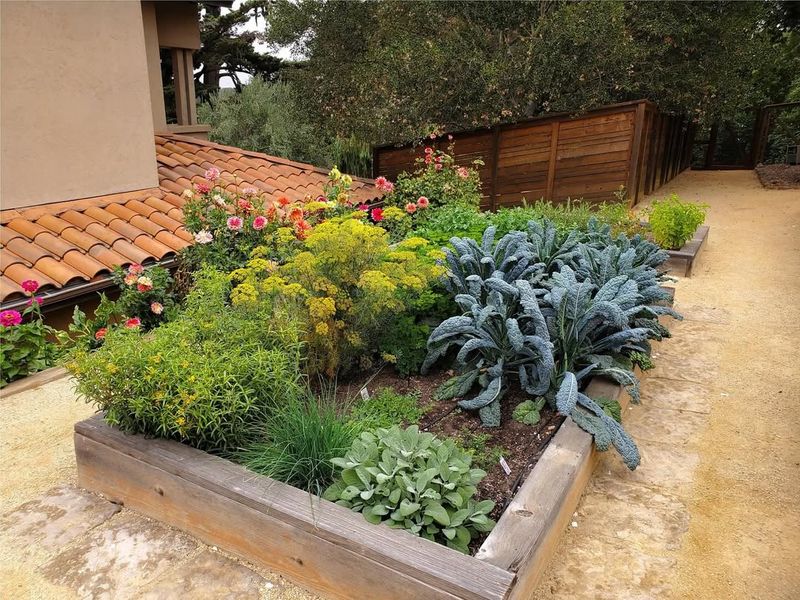
Blending food production with ornamental beauty has captured the imagination of Texas homeowners who want their yards to be both gorgeous and productive.
Fruit trees like peaches, figs, and citrus provide shade, seasonal interest, and delicious harvests that make every backyard feel like a personal orchard.
Berry bushes and grape vines create natural privacy screens while producing fresh snacks that kids can pick and eat straight from the plant.
Herb borders filled with rosemary, basil, and thyme smell amazing, attract beneficial insects, and supply fresh ingredients for home-cooked meals throughout the year.
Texans discover that edible landscaping reduces grocery bills while increasing the nutritional value of family meals with produce picked at peak ripeness and flavor.
This approach transforms ordinary yards into multifunctional spaces where beauty and bounty coexist, making every square foot work harder and smarter than before.
Neighbors often admire these creative gardens, sparking conversations and inspiring others across Texas communities to rethink how they use their outdoor spaces.
Edible landscaping celebrates abundance and creativity, proving that backyards can nourish both the body and soul while looking absolutely stunning in every season.
8. Outdoor Living Rooms
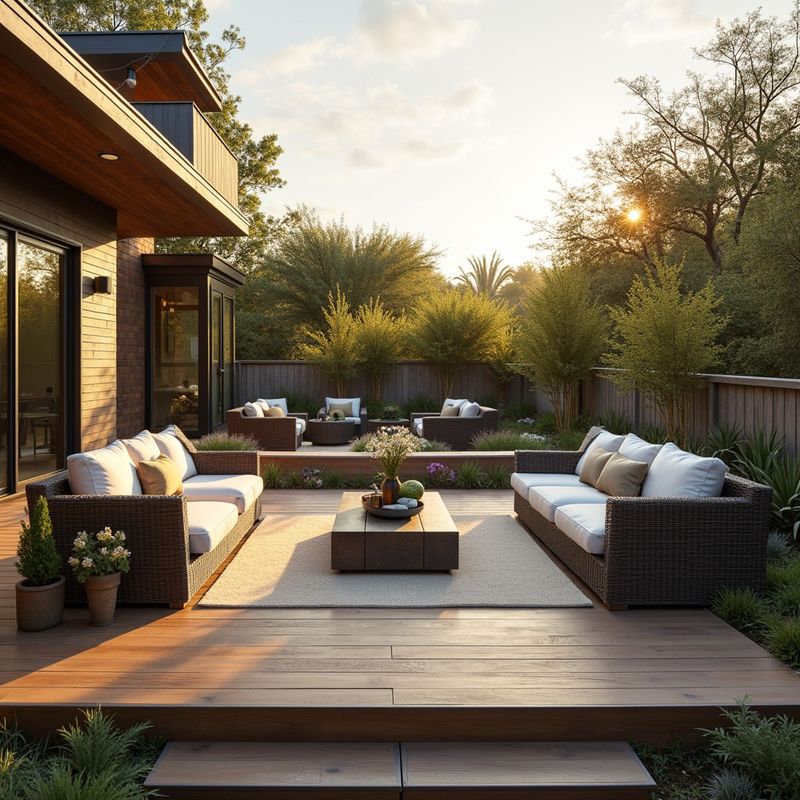
Texas families are extending their homes into the backyard by creating comfortable outdoor living rooms complete with sofas, rugs, and all the amenities.
Weather-resistant furniture designed to withstand sun and occasional rain allows homeowners to leave seating arrangements outside without worrying about constant maintenance or damage.
Fire pits and outdoor fireplaces provide warmth during cooler Texas evenings, making these spaces usable and inviting even when temperatures drop in winter months.
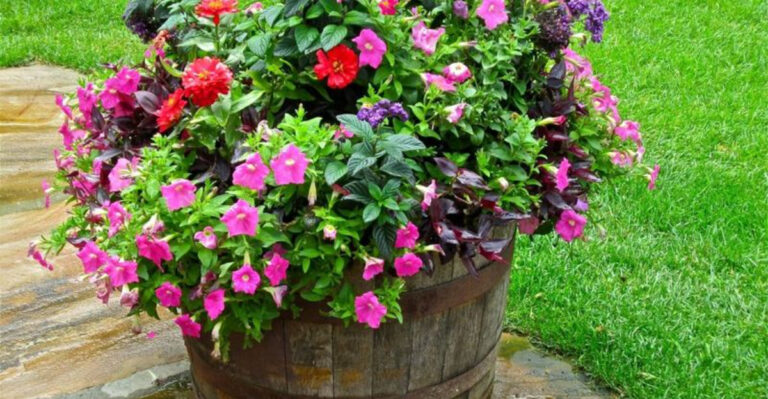
Outdoor rugs define the space and add softness underfoot, while potted plants and decorative pillows bring color and personality to these extended living areas.
Many homeowners across the state install ceiling fans and misting systems to combat summer heat, ensuring comfort even during the hottest afternoons in Texas.
These outdoor rooms become favorite gathering spots where families watch movies on projection screens, play board games, or simply relax together after dinner.
String lights and lanterns create magical ambiance that transforms ordinary evenings into special occasions filled with laughter, conversation, and cherished memories for everyone.
Building an outdoor living room means Texas backyards become true extensions of the home, offering additional square footage for living, entertaining, and enjoying life.
9. Rainwater Harvesting Systems
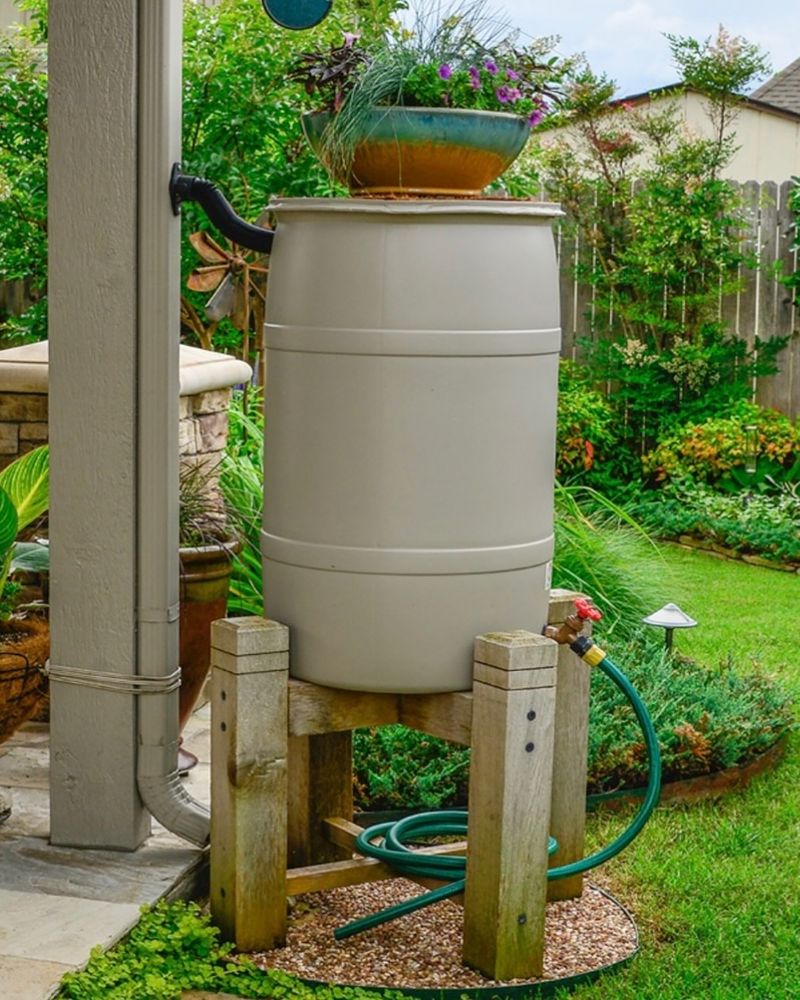
Collecting and storing rainwater has become an essential practice for environmentally conscious Texans who want to make the most of every precious drop that falls.
Rain barrels and cisterns capture runoff from roofs, providing free water for gardens during dry spells when municipal supplies may be restricted or expensive.
These systems reduce stormwater runoff, which helps prevent erosion and flooding while keeping pollutants from washing into local streams and rivers across Texas.
Homeowners appreciate that rainwater is naturally soft and free of chlorine, making it healthier for plants than treated tap water from municipal sources.
Installing a rainwater harvesting system can be simple and affordable, with basic barrels available at garden centers throughout the state for under one hundred dollars.
Larger cisterns store hundreds or even thousands of gallons, providing enough water to keep gardens thriving through extended droughts common in Texas summers.
Many communities offer rebates and incentives for rainwater harvesting, making these systems even more attractive and accessible to homeowners looking to conserve resources.
Embracing rainwater collection demonstrates environmental stewardship while providing practical benefits that help Texas gardens flourish sustainably through every season and weather challenge ahead.