These Are The Texas Summer Annuals Worth Planting Right Now To Replace Failed Spring Plants
Spring annuals in Texas have a shorter window than most gardeners would like, and by the time June is fully underway, a significant portion of what went in the ground in March has already peaked, declined, or given up entirely.
Empty beds and tired-looking containers in the first weeks of summer are a familiar sight, and the instinct to wait it out until fall is understandable but unnecessary.
Texas summer has its own lineup of annuals that are specifically built for the conditions that finished the spring planting, plants that lean into the heat rather than wilting under it and push out color from midsummer all the way to the first cool front of fall.
Replacing failed spring plants now rather than leaving beds empty through the hottest months keeps the garden looking intentional and productive through a stretch of the season that most yards spend looking like they are just waiting for better weather.
1. Portulaca
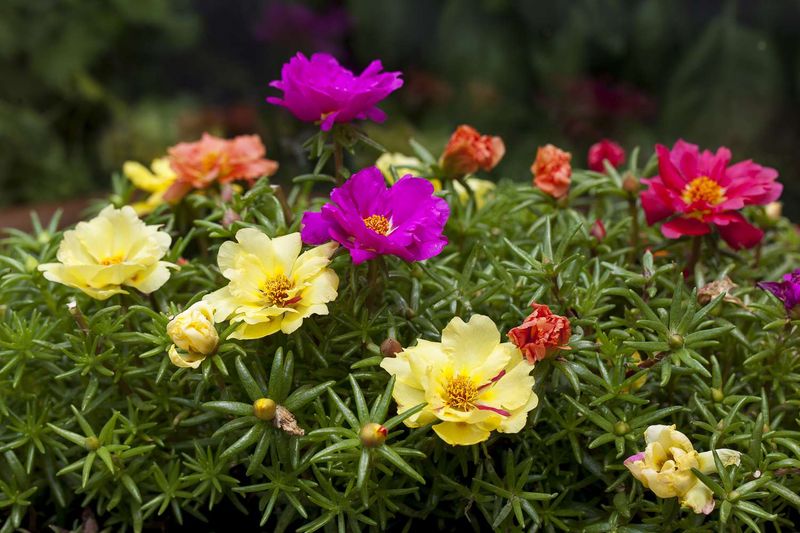
Portulaca is basically the superhero of summer annuals. Also called moss rose, this low-growing plant thrives in the exact conditions that send other flowers running: blazing sun, poor soil, and very little water.
If you have a dry, sunny spot that nothing else seems to like, portulaca will love it. The flowers are stunning. They open up in bright shades of pink, red, orange, yellow, and white, creating a carpet of color that looks almost too good to be real.
Each bloom is small but packed with detail, almost like tiny roses sitting close to the ground.
Here is a fun fact: portulaca is actually a succulent. Its thick, fleshy leaves store water, which is exactly why it handles drought so well.
You can skip watering for a few days and it will not even flinch. This makes it one of the lowest-maintenance summer annuals available.
Portulaca grows only about six inches tall, making it ideal for edging garden beds, filling gaps between stepping stones, or planting in shallow containers and window boxes. It spreads out nicely and fills space quickly without becoming invasive.
Plant portulaca in full sun for best results. It actually needs at least six to eight hours of direct sunlight each day to bloom its best.
In partial shade, the flowers may not open as fully or as often. Seeds or transplants both work well. If starting from seed, direct sow after the last frost.
Transplants from a nursery will give you color almost immediately, which is great if you are replacing failed spring plants right now.
2. Zinnia
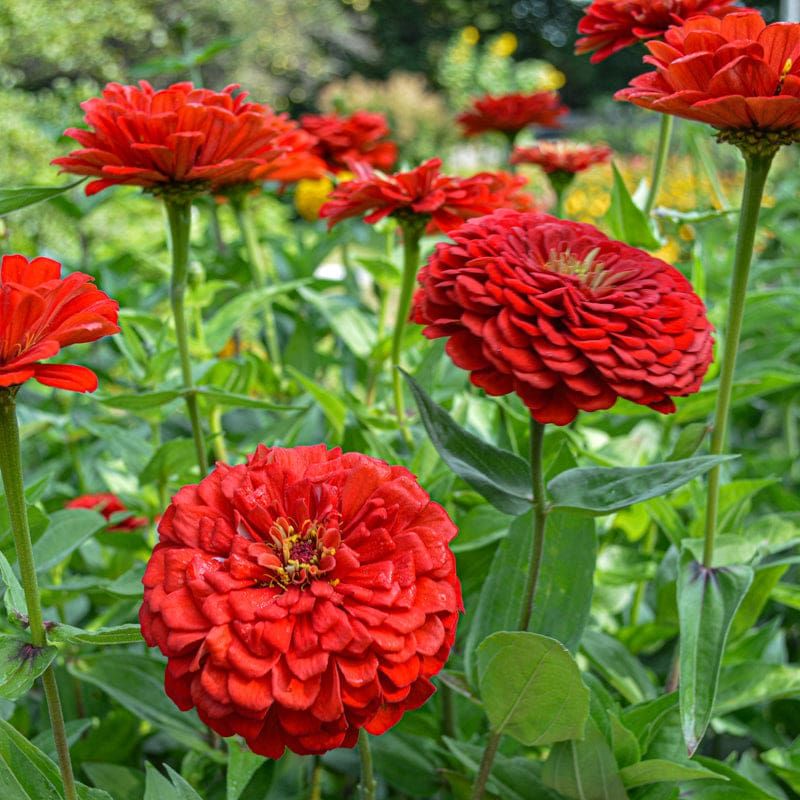
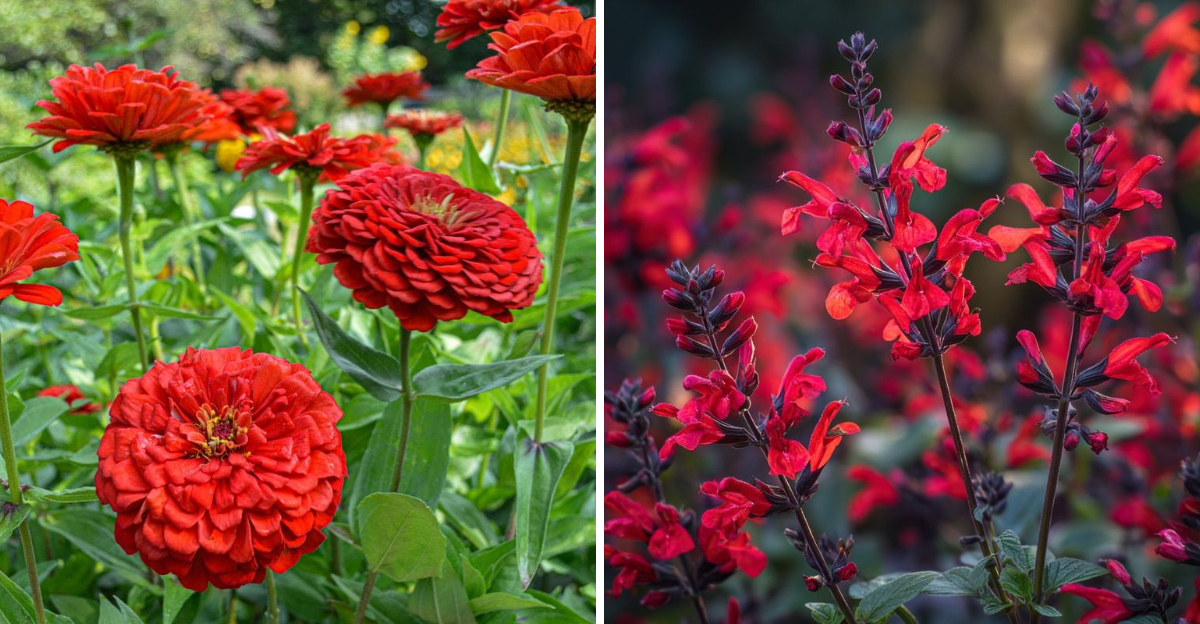
Few flowers put on a summer show quite like zinnias. These cheerful bloomers come in almost every color you can imagine, from bold red and hot pink to soft white and sunny yellow.
Gardeners across Texas have trusted zinnias for generations, and it is easy to see why. Zinnias are incredibly heat-tolerant.
They actually grow better when temperatures climb high, which makes them a perfect swap for spring plants that faded out once the Texas heat hit. Plant them in full sun and watch them take off fast.
Your Texas Garden Changes Every Week. Your Plan Should Too.
Gardening in Texas changes quickly throughout the season. Every Friday you’ll receive a simple weekly plan showing exactly what to plant, prune, fertilize, harvest, and protect so you never miss the right timing.
One of the best things about zinnias is how easy they are to grow from seed. Just scatter seeds directly in well-drained soil, water them in, and you will see sprouts within a week. No fancy setup needed.
They are also drought-tolerant once established, which means you will not have to water them every single day. Water deeply a couple of times a week and they stay happy.
Good air circulation between plants helps prevent powdery mildew, so give them a little space when planting.
Butterflies absolutely love zinnias. If you want to attract pollinators to your yard, this flower is one of the best choices you can make.
The blooms keep coming all summer long, especially if you deadhead spent flowers regularly.
Zinnias grow well in garden beds, raised beds, and large containers. They range from about 12 inches tall to over three feet depending on the variety.
Benary’s Giant and Profusion series are two popular picks that perform especially well in the Texas heat.
3. Marigold
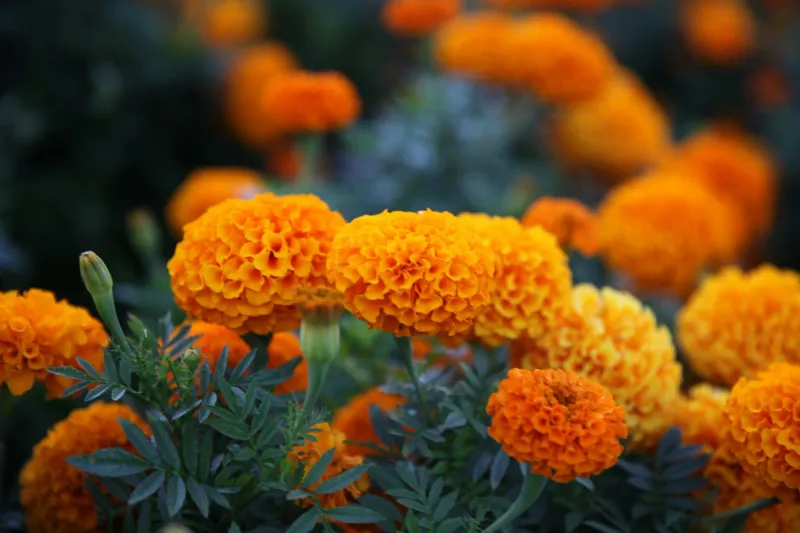
Marigolds have been a garden staple for hundreds of years, and they have earned every bit of that reputation. These compact, sun-loving annuals pump out bold orange and yellow blooms from late spring all the way through the first frost.
In Texas, they shine brightest during the long, hot summer months when many other plants struggle.
What makes marigolds extra special is their natural pest-repelling ability. The scent of marigold leaves is strong enough to deter aphids, whiteflies, and even some nematodes in the soil.
Planting them near vegetables or other flowers gives your whole garden a little extra protection without any chemicals needed.
Marigolds are not picky about soil. They prefer well-drained ground but will adapt to most garden soils as long as they are not sitting in standing water.
Full sun is a must. Give them at least six hours of direct sunlight daily and they will reward you with non-stop color.
Deadheading spent blooms encourages the plant to keep producing new flowers. It only takes a few seconds per plant and makes a big difference in how long and how heavily they bloom throughout the season.
African marigolds grow tall and bold, while French marigolds stay more compact and bushy. Both perform well in Texas summers.
French marigolds are a great choice for containers and borders, while African types make a strong visual statement in larger beds.
Marigolds are also easy to grow from seed, making them a budget-friendly option. Start seeds indoors a few weeks before transplanting or sow directly outdoors once temperatures are consistently warm.
4. Sunflower
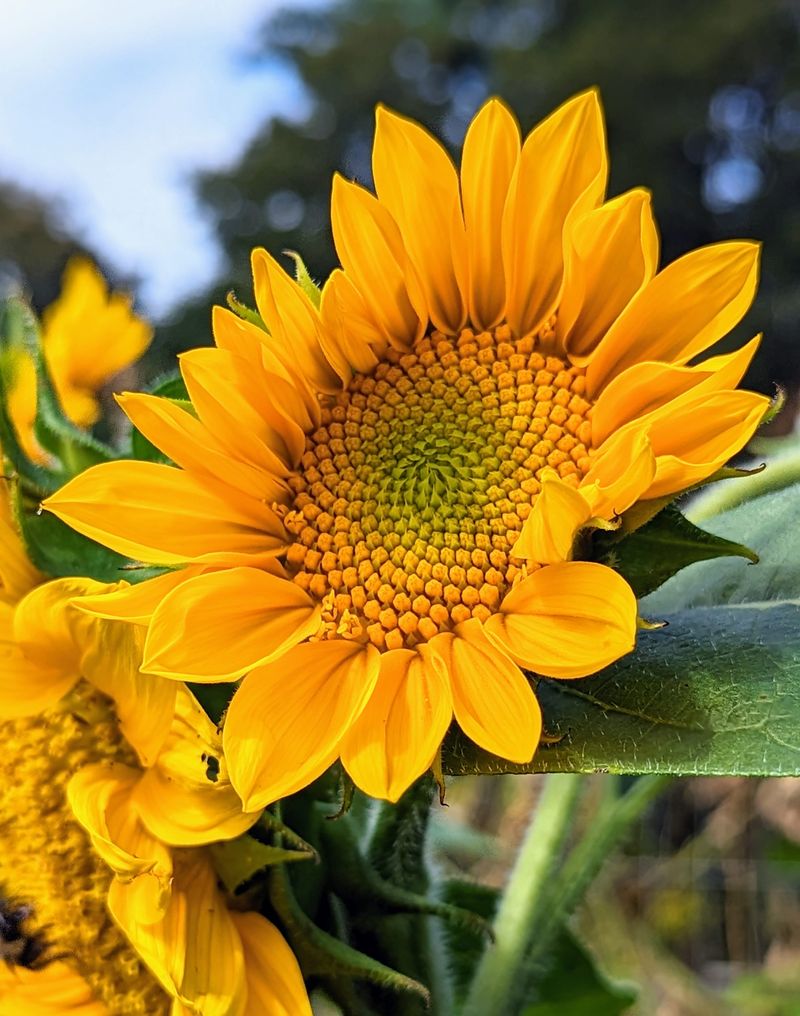
There is something undeniably cheerful about a sunflower. These tall, striking blooms have a way of making any garden feel instantly happier.
Native to North America, sunflowers are perfectly designed for hot, sunny climates like Texas. They do not just survive the summer heat, they thrive in it.
Sunflowers grow fast from seed, which makes them one of the best choices when you need to replace failed spring plants quickly. Direct sow seeds about one inch deep in a sunny spot and you can expect germination within seven to ten days.
No need to start them indoors. They prefer full sun and well-drained soil. Once established, sunflowers are impressively drought-tolerant.
Deep, infrequent watering encourages strong root development, which helps them stay upright even on windy days.
Did you know sunflowers actually follow the sun? Young sunflowers track the sun from east to west during the day, a behavior called heliotropism.
Once they reach full maturity, they typically face east permanently. It is one of those small details that makes growing them even more fun.
Sunflowers come in a wide range of sizes. Dwarf varieties like Sunspot stay under two feet tall and work well in containers or small beds.
Giant varieties like Mammoth Russian can grow over ten feet tall and become true showstoppers in the backyard.
Birds love sunflowers too. Once the blooms fade and seed heads form, birds like finches and sparrows flock to them for a natural food source.
Leaving a few seed heads standing at the end of the season turns your garden into a mini wildlife sanctuary.
5. Celosia
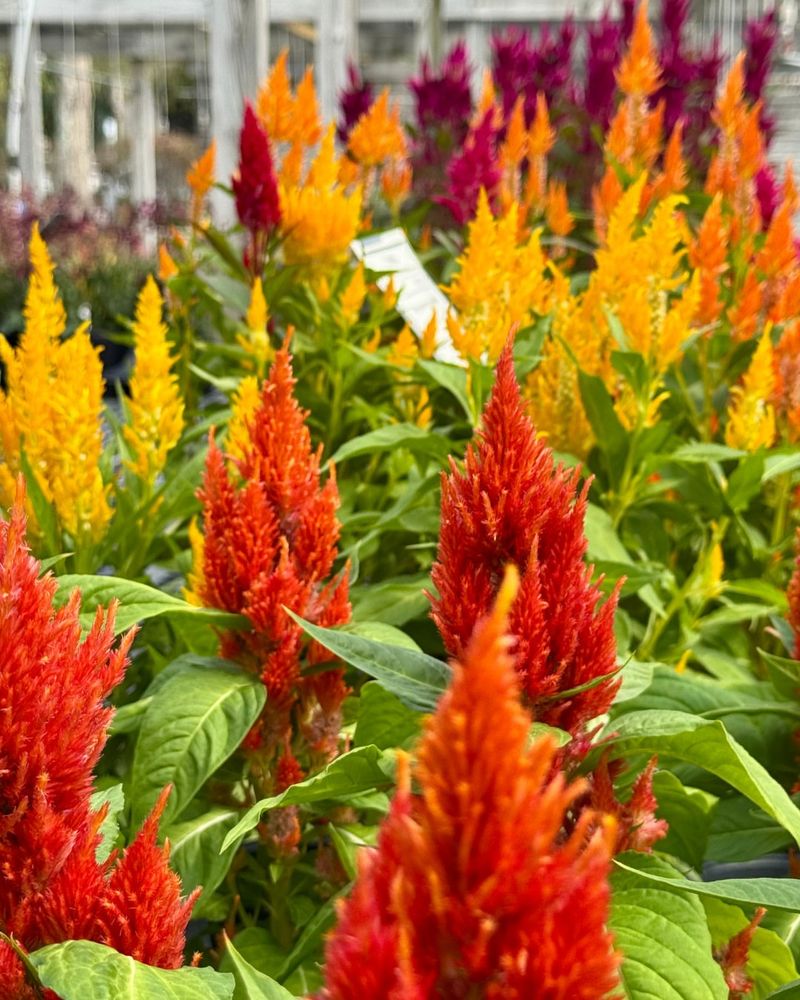
Celosia is one of those plants that makes people stop and stare. Its flowers look almost like soft flames or velvet feathers frozen in place, and they come in some of the most intense shades of red, pink, orange, and yellow you will find in any summer garden.
Once you plant it, you will wonder why you waited so long. Texas heat is no problem for celosia. This plant is native to tropical regions, so it actually prefers hot weather and full sun.
The hotter it gets, the more it seems to bloom. That makes it one of the most reliable replacements for spring annuals that faded out when temperatures spiked.
There are two main types to know about. Plumed celosia has tall, feathery flower spikes that add dramatic vertical interest to garden beds.
Crested celosia, sometimes called cockscomb, produces wavy, brain-like blooms that are just as eye-catching in a completely different way.
Celosia grows best in well-drained soil with full sun exposure. It does not like soggy roots, so avoid overwatering.
Once established, it handles dry spells well and keeps producing blooms without much fuss.
The flowers also hold their color beautifully when cut and dried. If you enjoy making arrangements, celosia is an excellent choice because it retains its vibrant hues even after drying completely. You can enjoy your garden color indoors long after the season ends.
Celosia pairs wonderfully with zinnias, marigolds, and vinca in mixed beds. The different textures and heights create a layered, lush look that keeps your garden interesting from every angle throughout the summer.
6. Vinca / Periwinkle
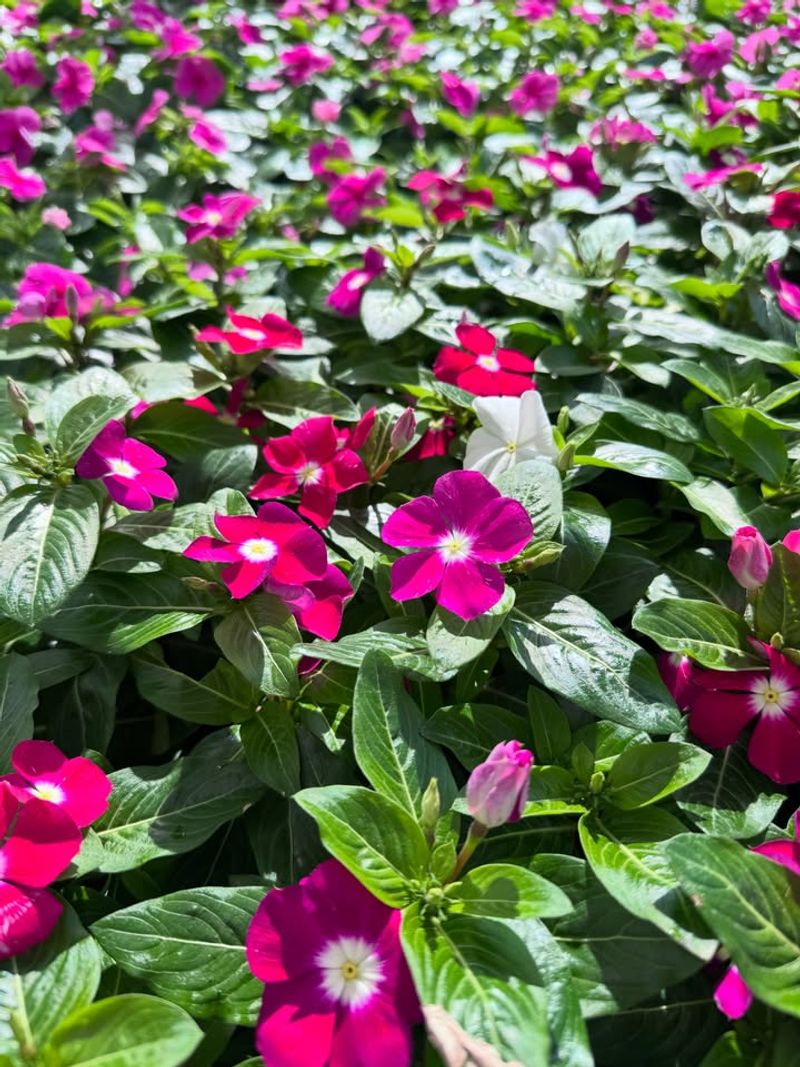
Vinca is the quiet overachiever of the summer garden. It does not demand a lot of attention, it never complains about the heat, and it just keeps blooming month after month without missing a beat.
If you want a reliable, low-maintenance flower that fills beds and containers with cheerful color, vinca is your answer.
Also known as periwinkle, vinca produces flat, five-petaled flowers in shades of pink, white, lavender, and deep magenta. Many varieties also feature a contrasting eye in the center of each bloom, giving the flowers a polished, decorative look.
The glossy green foliage stays attractive even between blooms. Vinca is one of the most heat- and drought-tolerant annuals available for Texas gardens. It was practically made for long, dry summers.
Once established, it needs very little supplemental watering, which is a huge plus during water restrictions or just on busy weeks when the garden gets less attention.
Full sun is where vinca truly shines. It can tolerate some light afternoon shade in the hottest parts of Texas, but it blooms most heavily with maximum sun exposure. Plant it in well-drained soil because it does not like wet feet.
Vinca works beautifully in flower beds, borders, and containers. It grows about 12 to 18 inches tall and spreads outward to fill space nicely.
It does not require deadheading, which makes it even easier to maintain through a busy summer schedule.
Look for heat-tolerant series like Cora, Titan, or Pacifica at your local nursery. These varieties were specifically bred for hot climates and perform exceptionally well in Texas conditions all season long.
7. Salvia Splendens
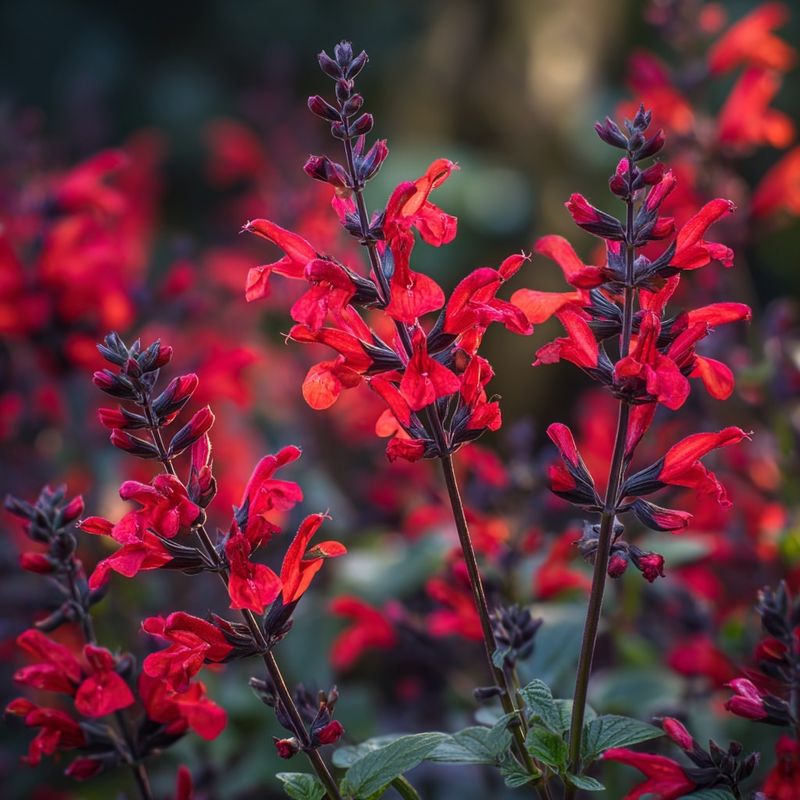
Walk past a patch of blooming salvia on a summer morning and you might spot a hummingbird hovering right in front of you.
These striking plants produce tall spikes of red, blue, or purple flowers that are practically irresistible to hummingbirds, butterflies, and bees. Planting salvia is one of the easiest ways to bring more wildlife into your yard.
Salvia splendens is the classic red variety you see everywhere, and for good reason. It blooms heavily all summer long and handles Texas heat without slowing down.
For something a little different, try Texas sage or Salvia farinacea, a native-adapted variety with beautiful blue-violet flower spikes that are equally heat-tolerant.
The vertical growth habit of salvia adds structure and height to garden beds and borders. Most varieties grow between 12 and 24 inches tall, creating a nice layered effect when planted alongside shorter annuals like vinca or portulaca.
The contrast in flower shape and height keeps the garden looking dynamic. Salvia prefers full sun and well-drained soil.
It is quite drought-tolerant once established, though it blooms most consistently with regular deep watering during the hottest stretches of summer. Fertilize lightly every few weeks to keep the flower spikes coming.
Deadheading or lightly shearing spent spikes encourages fresh new growth and more blooms. This simple step every couple of weeks keeps your salvia looking full and tidy rather than leggy and sparse as the season progresses.
Deer tend to avoid salvia because of its aromatic foliage, which is a welcome bonus for Texas gardeners dealing with browsing wildlife. It is a tough, beautiful, and wildlife-friendly choice that earns its place in any summer garden.