9 Designer-Approved Trees And Shrubs That Look Great Year-Round In California
California gardens can be stunning all year with the right trees and shrubs. Designer-approved selections provide structure, texture, and seasonal interest, ensuring your landscape looks polished and vibrant through every season.
The right plants can make your garden beautiful all year without constant upkeep. These trees and shrubs are hardy in California climates, offering evergreen foliage, colorful blooms, and elegant form.
From low-maintenance options to statement-making varieties, they enhance curb appeal, provide shade, and create focal points. Proper placement and care help them maintain their beauty year-round.
Low-maintenance doesn’t mean boring—these plants are stylish and resilient. California homeowners who choose these designer-approved plants enjoy landscapes that are functional, visually striking, and consistently attractive.
Create a garden that impresses every season with these expert-selected trees and shrubs.
1. Coast Live Oak (Quercus Agrifolia)
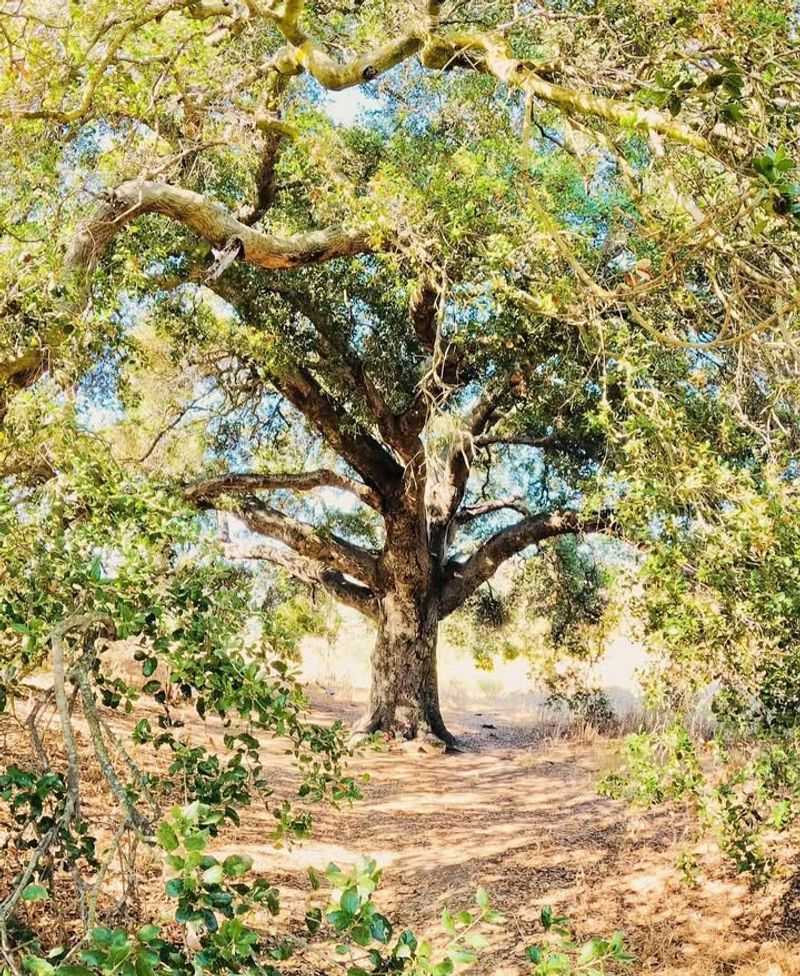
Native to California’s coastal regions and inland valleys, this majestic evergreen oak stands as a true champion of year-round beauty and resilience.
Landscape designers consistently choose coast live oak for its ability to maintain a full, lush canopy during every season, creating shade and visual interest when other trees might look bare or struggling.
The tree’s glossy, dark green leaves stay vibrant throughout winter, spring, summer, and fall, giving your landscape constant structure and color.
What makes this oak particularly valuable is its incredible drought tolerance once established, requiring minimal water during California’s dry summers.
The architectural form of coast live oak brings character to any property, with its spreading branches creating dramatic silhouettes against the sky.
Mature specimens develop stunning, gnarled trunks that add sculptural interest to gardens. This native tree also supports local wildlife, providing acorns for birds and small mammals while offering nesting sites in its dense canopy.
Coast live oak adapts well to various soil types and thrives in both coastal fog zones and warmer inland areas.
Professional designers appreciate how this tree creates a natural, California-authentic aesthetic while requiring far less maintenance than non-native alternatives, making it both beautiful and practical for homeowners seeking sustainable landscaping solutions.
2. Olive Tree (Olea Europaea)
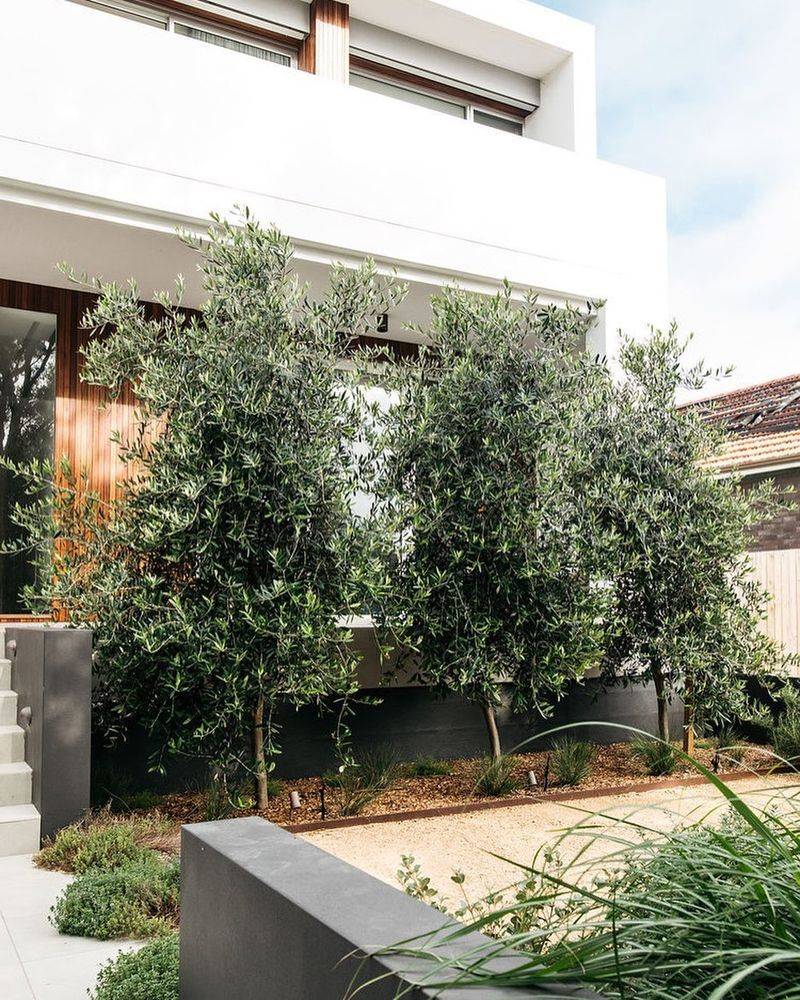
Mediterranean charm comes alive in California gardens through the timeless elegance of olive trees.
Their silvery-gray foliage catches sunlight in the most enchanting way, creating a shimmering effect that changes throughout the day and adds movement to static landscapes.
Garden designers adore how these trees bring instant sophistication to properties, evoking images of Tuscan hillsides and Spanish courtyards right in your own backyard.
The sculptural quality of olive tree trunks becomes more pronounced with age, developing twisted, gnarled forms that serve as living artwork.
Small, fragrant cream-colored flowers appear in spring, followed by fruit that can either be harvested or simply enjoyed as part of the tree’s ornamental appeal.
The evergreen leaves maintain their beautiful silver-green color through all seasons, never dropping completely and always providing visual interest.
Olive trees thrive in California’s climate, handling heat and drought with remarkable grace once their roots establish. They work beautifully as focal points in courtyards, lining driveways, or anchoring Mediterranean-style garden beds.
Your California Garden Changes Every Week. Your Plan Should Too.
Gardening in California changes quickly throughout the season. Every Friday you’ll receive a simple weekly plan showing exactly what to plant, prune, fertilize, harvest, and protect so you never miss the right timing.
Designers particularly value their versatility in both formal and casual settings, fitting equally well in modern minimalist landscapes or traditional Spanish-revival gardens.
Their low water requirements and minimal maintenance needs make them practical choices for busy homeowners who still want stunning year-round beauty.
3. Japanese Boxwood (Buxus Microphylla)
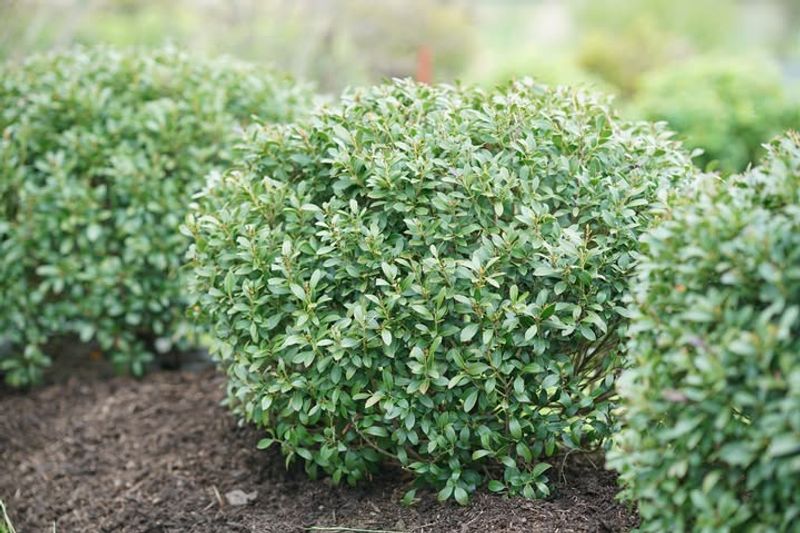
Garden structure and refinement come together perfectly in Japanese boxwood, a designer favorite for creating clean, organized landscapes.
This compact evergreen shrub maintains its dense, rounded form throughout every season, providing consistent green color and texture when other plants might fade or become dormant.
Professional landscapers rely on boxwood to establish foundation plantings that frame homes beautifully and create visual continuity across property frontages.
The small, glossy leaves of Japanese boxwood create a fine-textured appearance that contrasts wonderfully with larger-leaved plants or architectural elements.
Unlike some shrubs that grow wild and unruly, boxwood naturally maintains a tidy shape with minimal pruning, though it responds beautifully to shaping for formal hedges, topiaries, or geometric garden designs.
Its versatility allows it to work in both traditional and contemporary landscapes. Japanese boxwood handles California’s climate variations remarkably well, tolerating both coastal conditions and inland heat when given appropriate care.
Designers appreciate how these shrubs can be planted in masses for low hedging, used individually as accent plants, or arranged in patterns for knot gardens and parterre designs.
The year-round green foliage creates a reliable backdrop for seasonal flowers and provides structure during winter months when perennial gardens rest.
This dependable shrub requires moderate water and performs best with some afternoon shade in hotter regions.
4. Toyon (Heteromeles Arbutifolia)
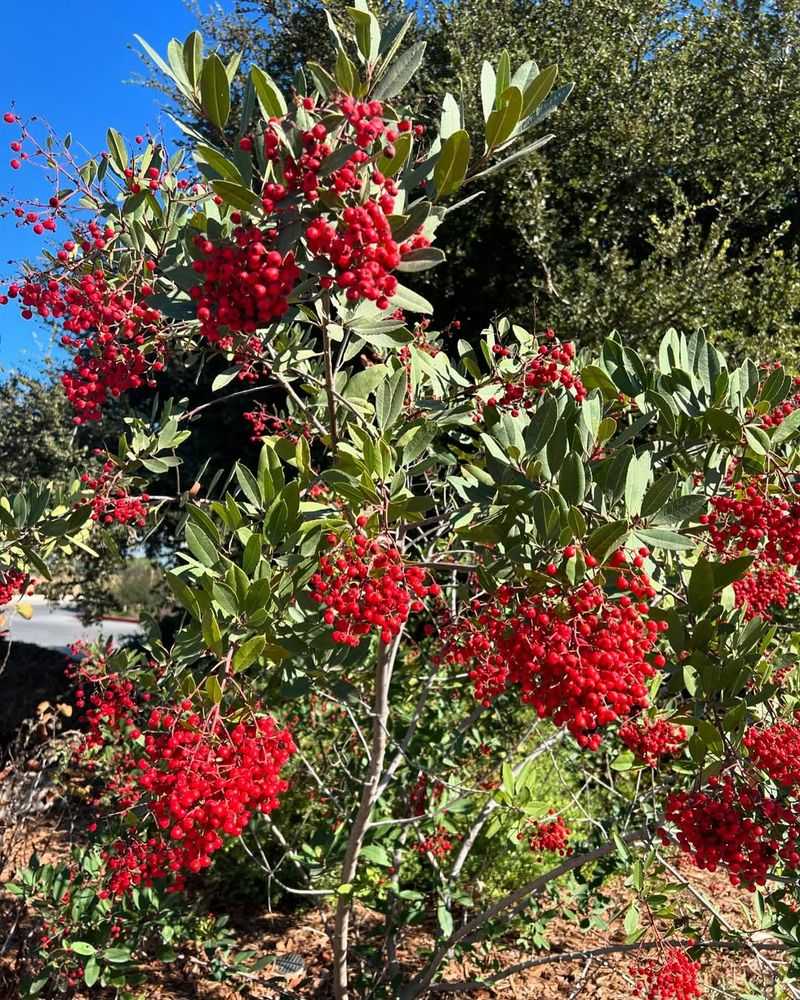
California’s official state Christmas berry brings spectacular seasonal changes while maintaining year-round appeal in gardens throughout the state.
Landscape professionals treasure this native shrub for its ability to transition through distinct looks across the calendar, starting with glossy, leathery evergreen leaves that stay vibrant green through all twelve months.
The foliage alone provides reliable structure and color, but toyon offers so much more than just leaves. Late spring brings clusters of small white flowers that create a beautiful contrast against the dark green foliage and attract beneficial pollinators to your garden.
As autumn arrives and winter approaches, bright red berries develop in spectacular abundance, creating the brilliant display that earned toyon its Christmas berry nickname.
These berries persist through winter months, providing food for birds and adding festive color to landscapes when many other plants look subdued.
Designers particularly value toyon for its California-native authenticity and its ability to thrive with minimal intervention once established.
This shrub handles drought conditions exceptionally well, requires no fertilizer, and resists most pests and diseases naturally.
Toyon grows well in sun or partial shade and adapts to various soil types, making it suitable for different garden situations.
Whether used as a specimen plant, incorporated into native plant gardens, or massed for screening, toyon delivers visual interest every single day of the year.
5. Podocarpus (Buddhist Pine)
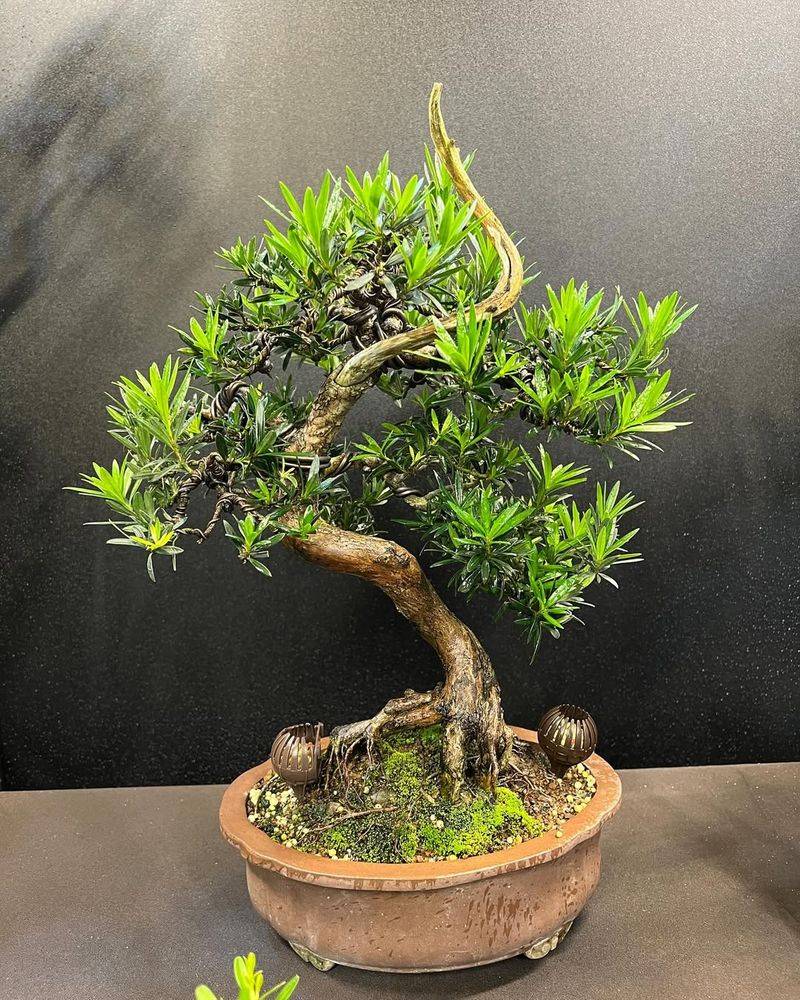
Modern landscape design finds a perfect partner in podocarpus, a sleek evergreen that brings contemporary elegance to California properties.
Garden designers consistently select this versatile plant for creating clean, architectural hedges that maintain their refined appearance throughout every season without the constant maintenance many formal hedges demand.
The narrow, soft-textured leaves create a unique visual quality that feels both lush and sophisticated. Podocarpus grows in an upright, columnar form that makes it ideal for vertical accents, privacy screens, or defining garden spaces with living walls.
Unlike some hedging plants that require frequent shearing to look presentable, podocarpus maintains an attractive shape with minimal trimming, saving homeowners time and effort.
The deep green foliage provides a calming, consistent backdrop for more colorful garden elements while creating substantial visual presence on its own.
This adaptable evergreen performs beautifully in California’s varied climates, tolerating both coastal conditions and inland warmth with equal grace.
Designers appreciate how podocarpus works in various styles, from mid-century modern landscapes to Japanese-inspired gardens to contemporary minimalist designs.
The plant’s moderate growth rate means it fills in reasonably quickly without becoming invasive or overwhelming.
Podocarpus requires regular water during establishment but becomes more drought-tolerant over time, and it handles pruning exceptionally well, allowing creative shaping for specific design visions.
6. California Lilac (Ceanothus)
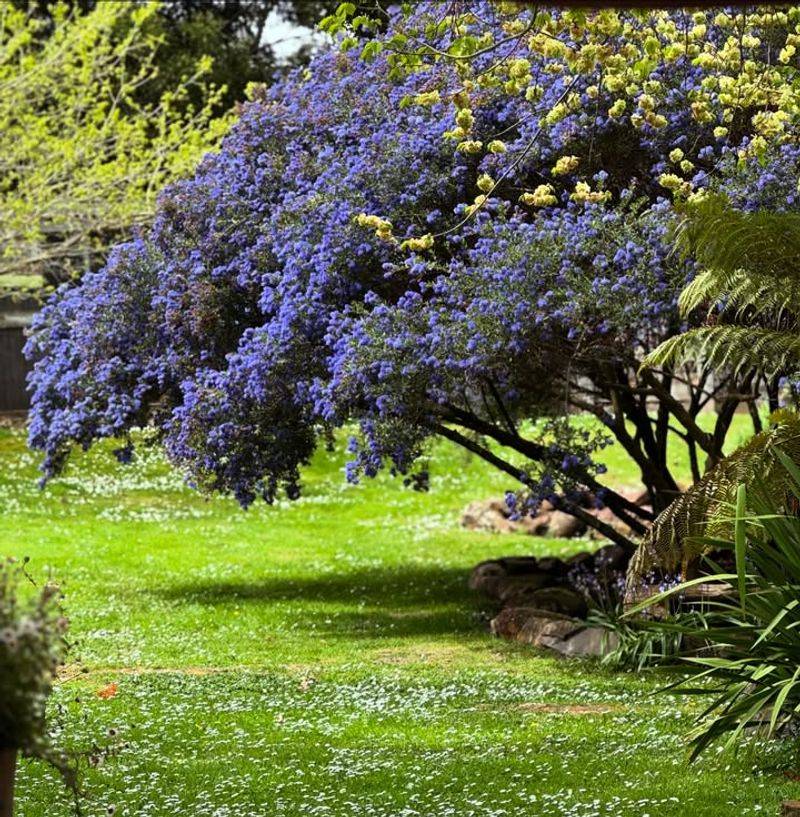
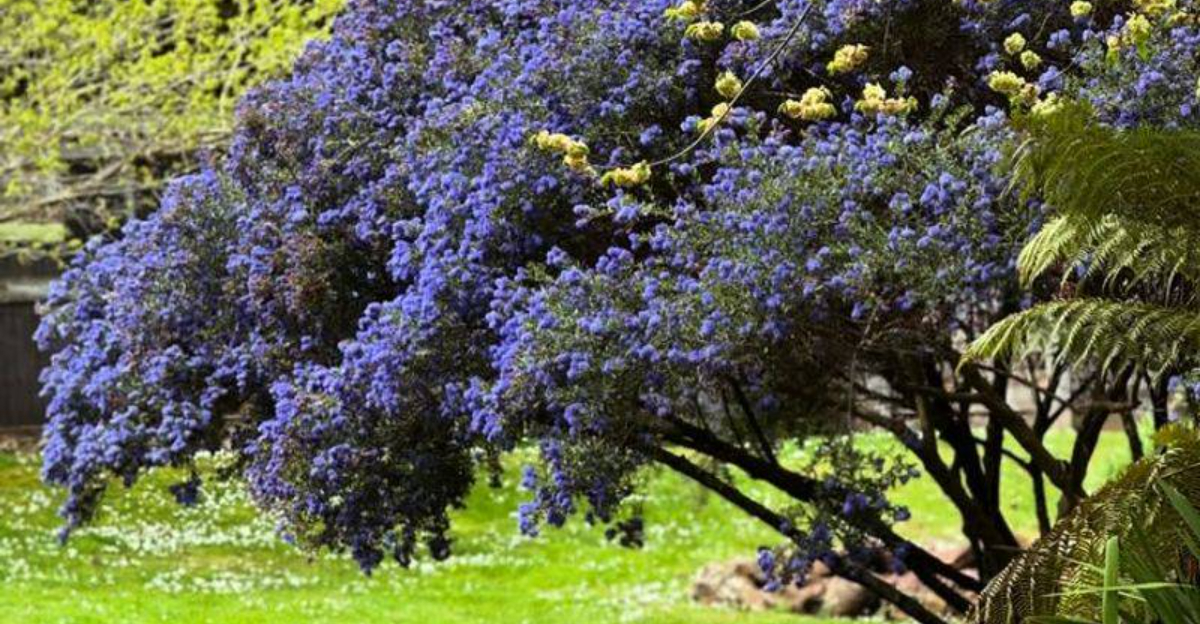
Brilliant blue flowers cascading across glossy evergreen foliage create one of spring’s most spectacular shows in California gardens.
Landscape professionals select evergreen ceanothus varieties not just for their breathtaking bloom display, but for the year-round structure and color their foliage provides long after flowers fade.
The small, shiny leaves create dense coverage that stays attractive through all seasons, giving gardens constant visual appeal.
When spring arrives, ceanothus transforms into clouds of vibrant blue, purple, or white flowers that cover the shrub so completely the foliage nearly disappears beneath the blooms.
This dramatic seasonal performance creates unforgettable garden moments while attracting butterflies, bees, and hummingbirds in impressive numbers.
After flowering concludes, the evergreen foliage returns to center stage, maintaining garden structure through summer, fall, and winter.
Designers particularly value California lilac for its native status and exceptional drought tolerance, making it perfect for water-wise landscapes.
Different varieties range from low groundcovers to large shrubs, offering options for various garden situations and design needs. Ceanothus thrives in full sun and well-drained soil, requiring minimal water once established and no fertilizer.
This tough, beautiful shrub handles California’s dry summers without complaint, stays green year-round, and delivers that spectacular spring flower show that makes neighbors stop and ask what you’re growing.
Professional landscapers consider it essential for authentic California garden design.
7. Strawberry Tree (Arbutus Unedo)
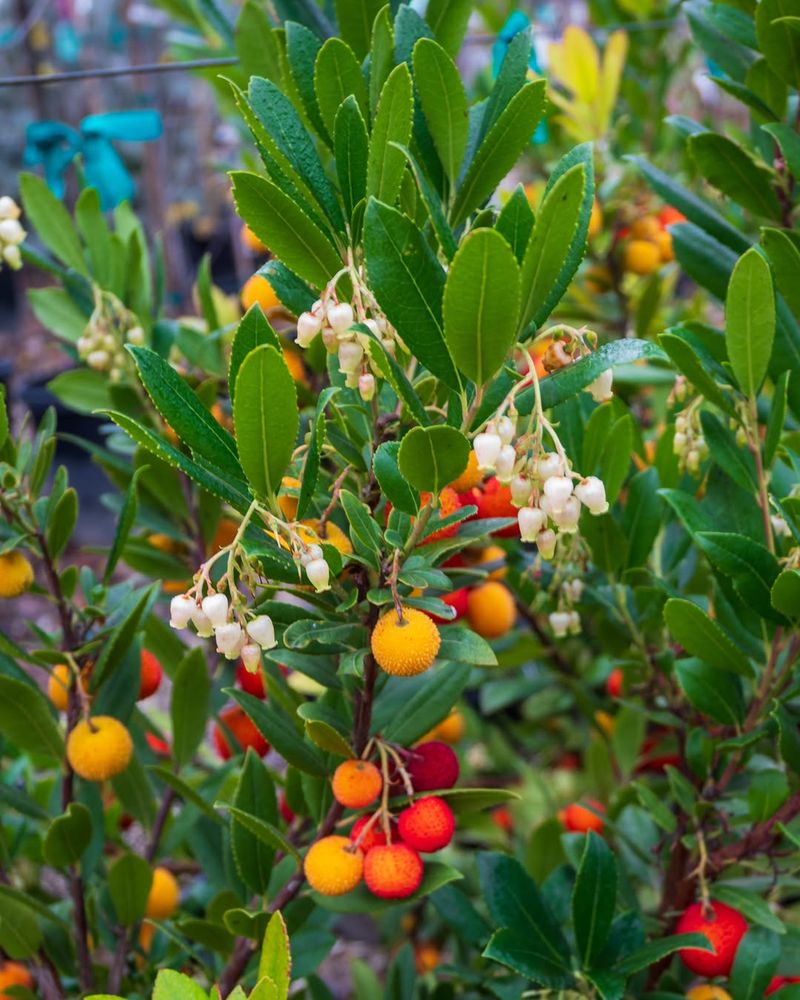
Year-round visual entertainment comes built into every strawberry tree, making it a designer favorite for California landscapes that need constant interest.
The peeling, reddish-brown bark creates beautiful texture and color even in winter, revealing smooth cinnamon-colored wood underneath that catches attention from across the garden.
This distinctive bark characteristic alone would make strawberry tree worthy of planting, but the show continues through every season.
Glossy, dark green evergreen leaves provide reliable foliage coverage throughout the year, creating a full, lush appearance that never goes dormant or bare.
In fall and winter, small white or pink bell-shaped flowers appear, hanging in delicate clusters that add charm and attract pollinators during cooler months when fewer plants bloom.
Simultaneously, round red and orange fruits develop from the previous year’s flowers, creating the unusual sight of flowers and fruit appearing together on the same branches.
The strawberry-like fruits give this tree its common name, though they’re more ornamental than tasty, adding pops of bright color to the evergreen canopy.
Landscape designers appreciate strawberry tree’s moderate size, typically reaching fifteen to twenty-five feet, making it suitable for smaller gardens where larger trees would overwhelm.
This Mediterranean native thrives in California’s climate, handling drought well once established and requiring minimal maintenance.
Whether used as a specimen tree, patio focal point, or grouped for screening, strawberry tree delivers something interesting to look at every single month.
8. Japanese Maple (Evergreen Companion Shrub Forms)
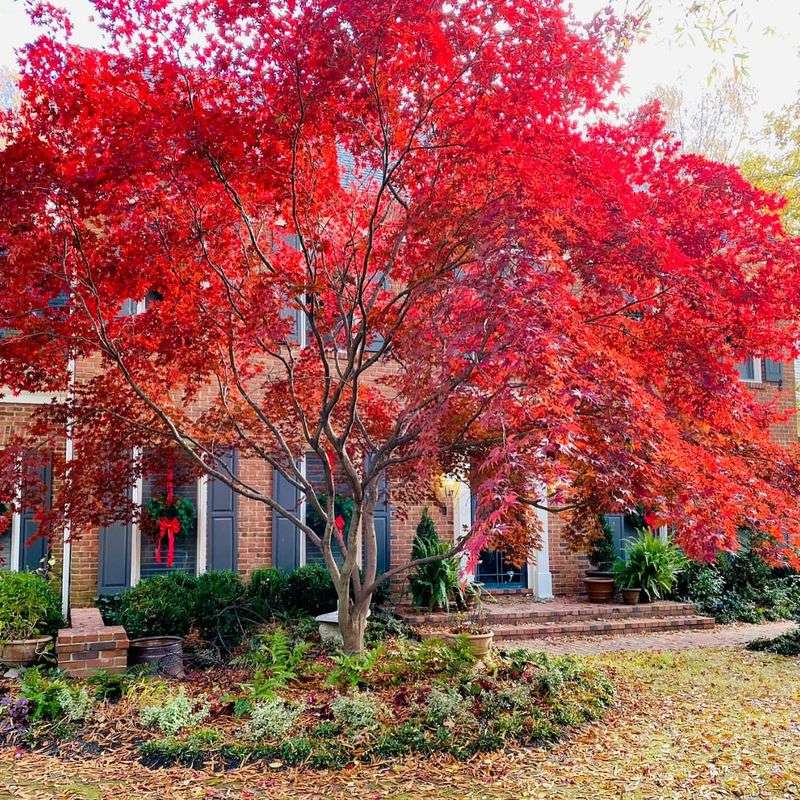
Seasonal drama unfolds beautifully through Japanese maples, bringing transformative color changes that mark the passage of time in California gardens.
While technically deciduous, designers value these elegant trees for their exceptional structural form that remains captivating even during winter months when leaves drop.
The graceful branching pattern creates intricate silhouettes against walls, fences, or sky, turning the tree into living sculpture during its dormant phase.
Spring brings fresh green or burgundy foliage, depending on variety, with delicate leaves that create dappled shade and gentle movement in breezes.
Summer deepens the colors, and autumn transforms Japanese maples into brilliant displays of red, orange, yellow, or purple that rival any fall foliage anywhere.
This seasonal color progression provides constantly changing interest that keeps gardens feeling dynamic and alive throughout the year.
Professional landscapers often pair Japanese maples with evergreen shrubs that provide year-round greenery while the maple contributes seasonal color and winter branch structure.
This combination creates layered interest that works through all twelve months. Japanese maples thrive in California with some afternoon shade and regular water, particularly in hotter inland areas.
Their relatively compact size and slow growth make them perfect for smaller gardens, courtyards, or container planting.
Designers appreciate the refinement and elegance Japanese maples bring to landscapes, adding sophistication and seasonal beauty that enhances garden appeal every day of the year.
9. Pittosporum (Mock Orange Tree)
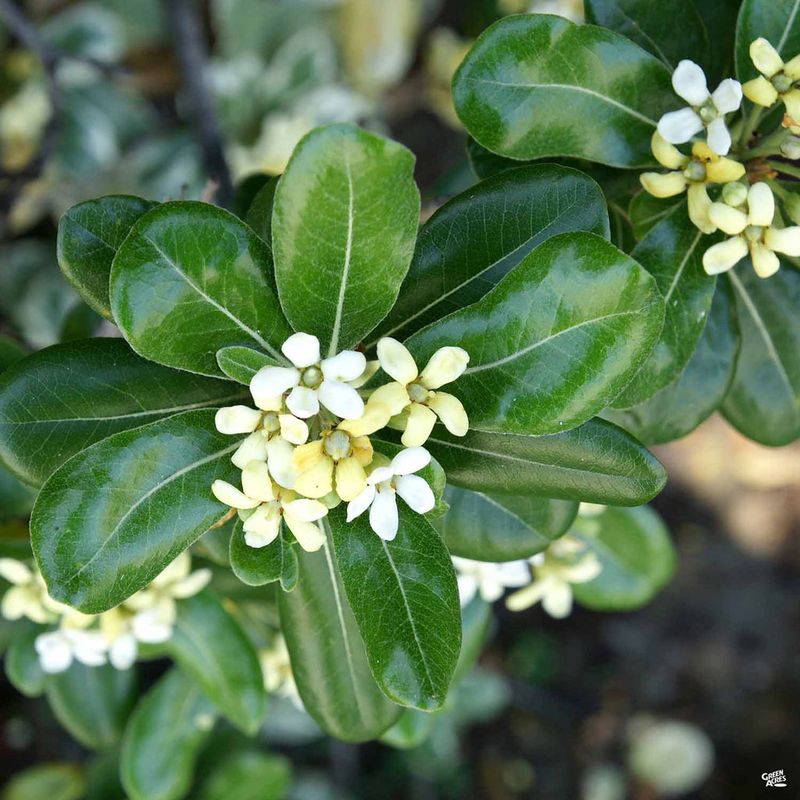
Reliable evergreen screening meets ornamental beauty in pittosporum, a landscape designer’s solution for year-round privacy and structure.
The glossy, oval leaves create dense coverage that effectively blocks unwanted views while maintaining an attractive, polished appearance throughout all seasons.
Unlike many screening plants that look utilitarian and boring, pittosporum brings genuine beauty to functional landscape roles.
Naturally rounded or upright forms develop with minimal pruning, though pittosporum responds beautifully to shaping for formal hedges or topiaries when desired.
The foliage color varies by variety, ranging from deep green to variegated forms with cream edges that brighten shaded areas.
In spring, small cream-colored flowers with a sweet fragrance appear, adding another layer of sensory appeal to the visual beauty pittosporum provides.
Garden professionals appreciate pittosporum’s adaptability to various California climates and its tolerance for different light conditions, performing well in full sun or partial shade.
The plant’s moderate growth rate means it fills in at a reasonable pace without becoming invasive or requiring constant control. Pittosporum handles pruning exceptionally well, making it ideal for maintaining specific heights and shapes in designed landscapes.
This versatile evergreen works beautifully as foundation plantings, property line screening, background plantings for flower beds, or shaped specimens in formal gardens.
With moderate water needs and minimal pest problems, pittosporum delivers dependable year-round greenery that keeps California gardens looking finished and beautiful every single day.