The Best Drought-Smart Plants For California Rental Homes And Temporary Gardens
A temporary garden still deserves plants that can handle California’s dry spells without turning into a daily watering project.
Renters face an extra challenge because permanent landscaping may not make sense when a move could happen next year.
That makes portability just as important as drought tolerance. Containers, grow bags, and movable planters open the door to species that stay attractive through heat while using far less water than thirsty annuals.
The best options also recover well after a missed watering and do not demand constant pruning to stay presentable.
Some can even move with you when the lease ends, which makes the investment feel much more worthwhile.
A smart temporary garden is less about filling every empty corner and more about choosing plants that offer staying power now without tying you to the property later.
1. Dudleya Fits Small Sunny Containers
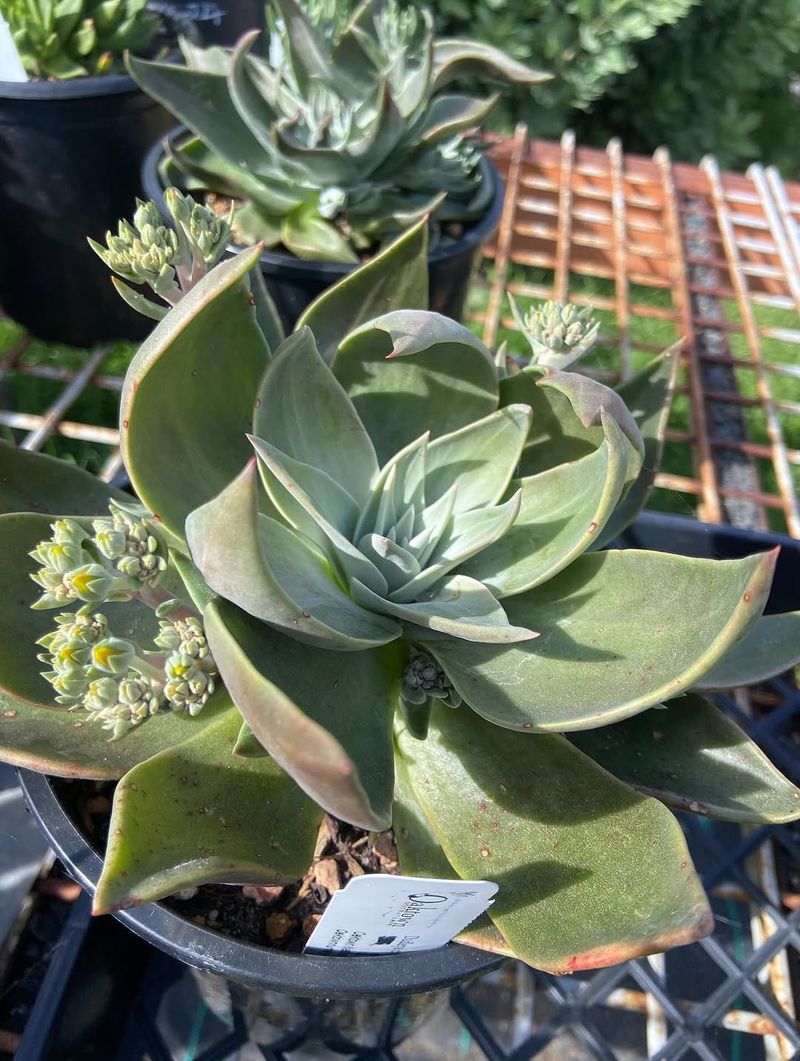
Native to rocky coastal cliffs and dry hillsides throughout California, Dudleya is one of the most underrated succulents you can grow in a container. It looks like a living sculpture.
The rosettes form tight, silvery-green clusters that almost seem to glow in bright sunlight.
Renters love it because it stays compact and never outgrows a small pot. You can tuck it onto a windowsill, a balcony ledge, or a sunny front step without any worries.
It handles full sun without flinching, even during the hottest summer months.
Watering once every week or two is usually plenty. In cooler months, you can stretch that out even further.
The roots actually prefer to dry out between waterings, so overwatering is the only real mistake you can make with this plant.
When spring arrives, Dudleya sends up tall, slender flower stalks topped with small yellow or red blooms. Hummingbirds absolutely love those flowers.
That’s a surprising bonus for such a small, quiet-looking plant.
Since it’s native to California, it’s already adapted to local weather patterns and dry summers. You won’t need to fuss over it when a heat wave rolls through.
Just give it a sunny spot, a well-draining pot, and a little patience, and it will reward you for years without much effort at all.
2. Red Yucca Gives Patios Sculptural Color
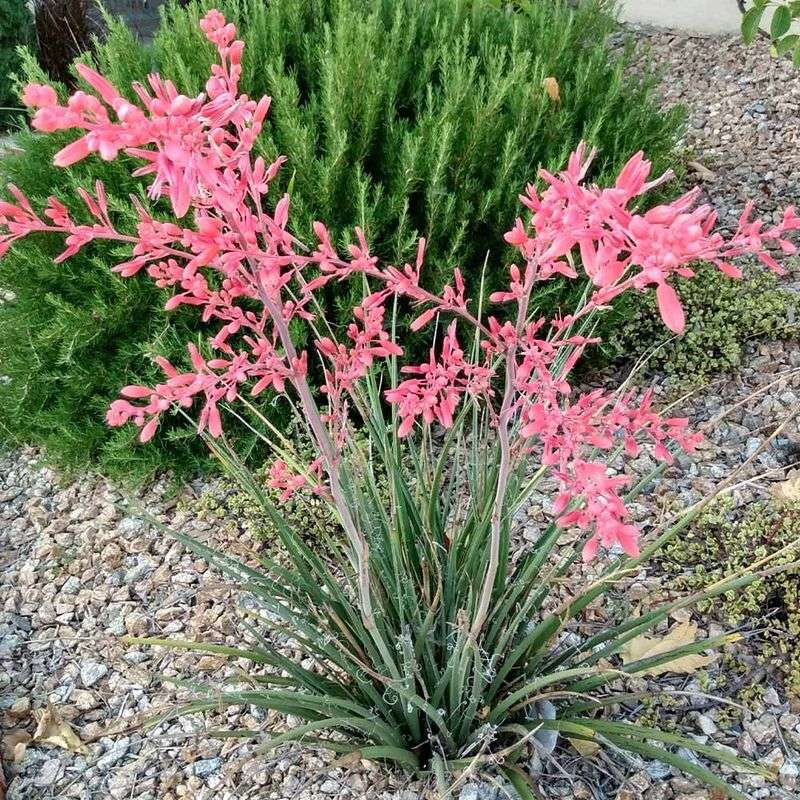
Few plants stop people in their tracks quite like Red Yucca in full bloom. Long, arching grass-like leaves fan out from the base in soft green waves.
Then, in late spring, tall flower spikes shoot up and burst into clusters of coral-pink tubular blooms that hummingbirds can’t resist.
Despite the name, Red Yucca isn’t actually a true yucca. It’s botanically known as Hesperaloe parviflora, and it’s native to the Chihuahuan Desert.
That heritage makes it incredibly heat-tolerant and low-maintenance, which is exactly what renters need.
It grows well in large containers or directly in the ground. The soft leaf tips won’t scratch you like a traditional yucca, making it safer around kids and pets.
That flexibility makes it a smart pick for shared rental spaces and small patios.
Your California Garden Changes Every Week. Your Plan Should Too.
Gardening in California changes quickly throughout the season. Every Friday you’ll receive a simple weekly plan showing exactly what to plant, prune, fertilize, harvest, and protect so you never miss the right timing.
Water it deeply but infrequently, maybe every couple of weeks during summer. In cooler seasons, you can skip watering almost entirely.
It handles neglect without complaint, which is a big reason landscapers across California use it in low-maintenance designs.
The blooms last for several months, giving you a long season of color with almost zero effort. Even after the flowers fade, the graceful leaf structure keeps the plant looking interesting year-round.
For renters wanting bold visual impact without a heavy workload, Red Yucca is hard to beat.
3. Desert Spoon Adds Bold Structure Without Daily Water
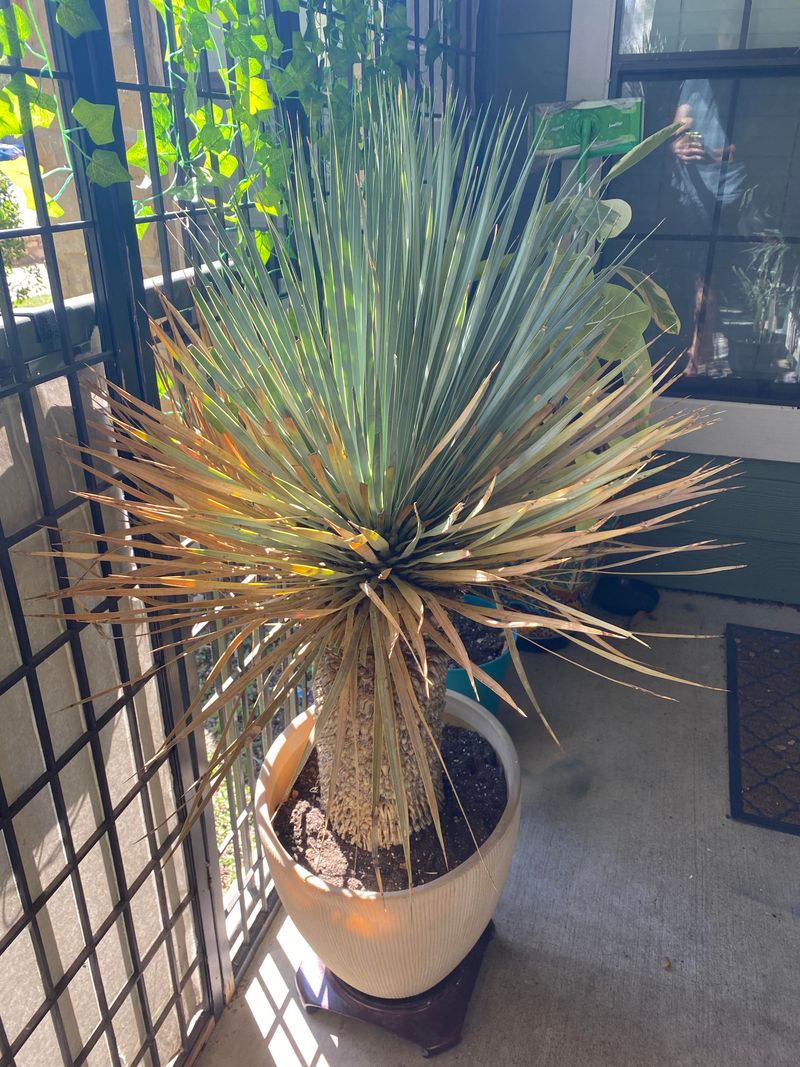
There’s something almost prehistoric about Desert Spoon. The stiff, blue-gray leaves radiate outward from the center in a perfect geometric rosette, and each leaf ends in a sharp spine that means business.
It looks like a plant that survived a million years of desert heat, because it basically did.
Botanically called Dasylirion wheeleri, this plant comes from the Chihuahuan and Sonoran deserts. It thrives in full sun and well-draining soil, making it a natural fit for the hot, dry regions of our state.
It asks for very little in return for a whole lot of visual drama.
Renters who want a statement plant without a watering schedule will appreciate how tough Desert Spoon really is. Once established, it can go weeks without water.
It doesn’t need rich soil or fertilizer, and it handles reflected heat from pavement and walls without any problems.
The base of each leaf has a distinctive spoon-shaped end that peels away naturally. Native peoples historically used those spoon-shaped bases as ladles and utensils.
That bit of history adds a cool layer of meaning to a plant that already turns heads on its own.
Planting it in a large container or a gravel bed gives it the drainage it needs. It grows slowly, so it won’t outgrow a rental space quickly.
For bold structure with almost no maintenance, few plants come close to what Desert Spoon delivers.
4. Sedum Fills Small Pots Without Drama
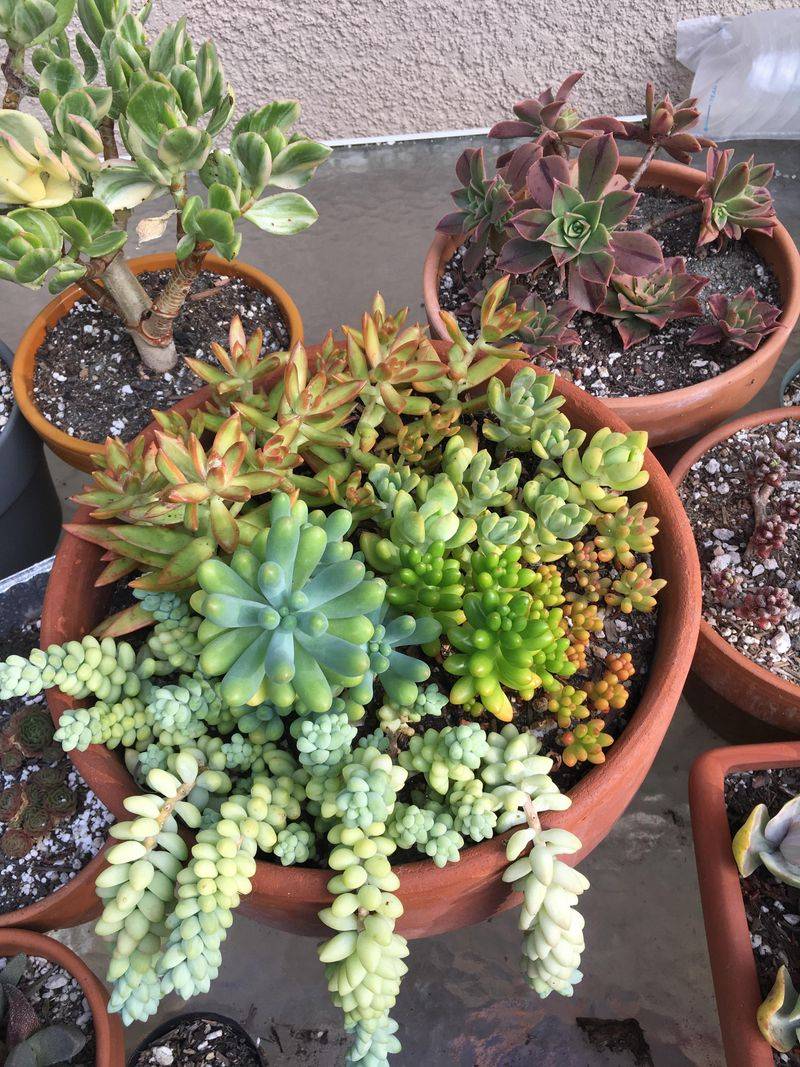
Sedum is the kind of plant that makes gardening feel easy. It comes in dozens of varieties, ranging from tiny ground-hugging mats to upright clumping types with thick, waxy leaves.
Most produce cheerful star-shaped flowers in shades of yellow, pink, or white during warmer months.
For renters working with small balconies or limited patio space, Sedum is a dream. It fits into tiny pots, window boxes, and even shallow dishes.
The roots don’t need much depth, which means you can get creative with unusual containers like old colanders or wooden crates.
Watering is simple. Let the soil dry out completely, then water thoroughly and wait again.
Most Sedum varieties are extremely forgiving if you forget for a week or two. They store water in their thick leaves, so they can handle a stretch of dry weather without any visible stress.
Some varieties, like Autumn Joy, turn beautiful shades of copper and rust in fall. Others, like Sedum rubrotinctum, stay bright red and green year-round.
That variety of color and texture means you can mix several types in one container for a really eye-catching display.
Sedum also propagates easily. Break off a small piece, stick it in fresh soil, and it will root on its own.
That means you can expand your collection for free before you move to your next place. It’s a low-cost, low-effort plant that always delivers.
5. Salvia Keeps Rental Beds Pollinator-Friendly
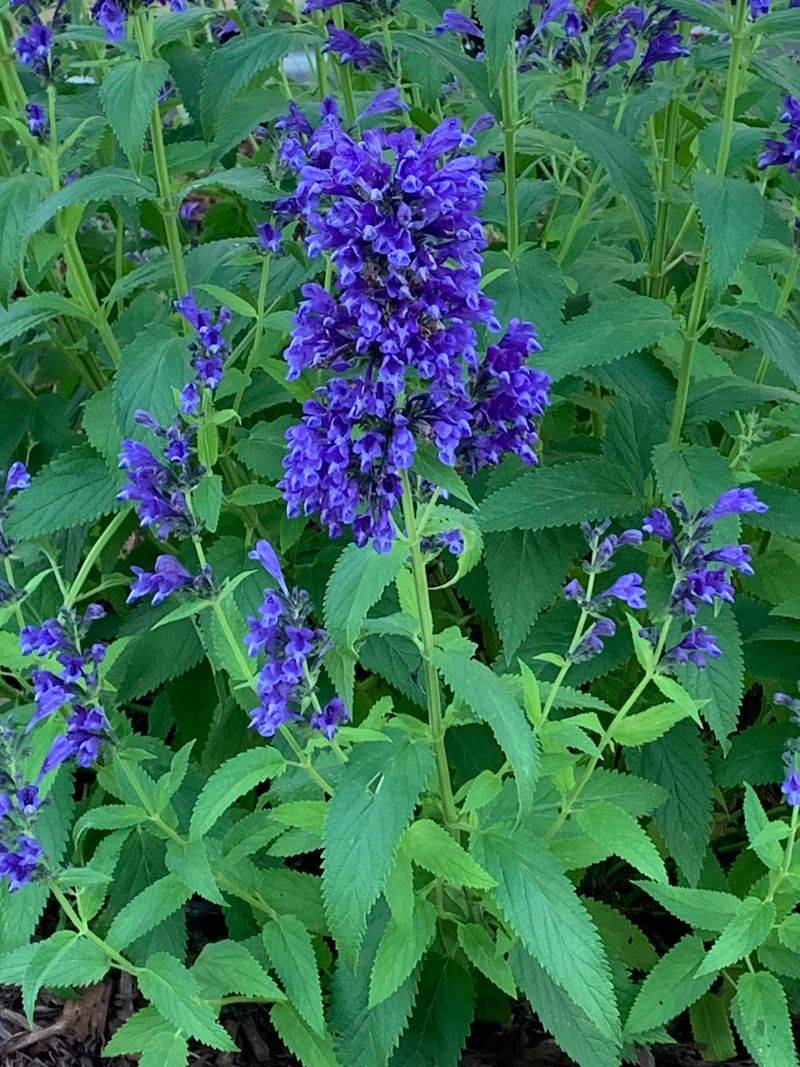
Walk past a Salvia plant in full bloom and you’ll likely hear it before you see it. The steady hum of bees and the quick flutter of butterflies around those tall purple flower spikes is hard to miss.
Salvia is one of the best pollinator plants you can grow in a dry garden.
There are hundreds of Salvia species, but the ones best suited to dry rental gardens in California include Salvia leucantha, Salvia greggii, and the native Salvia apiana, also known as white sage. Each one handles drought well and blooms reliably without much help from you.
Most varieties prefer full sun and well-draining soil. They don’t like wet feet, so avoid heavy clay without amendment.
A little gravel mulch around the base helps keep moisture levels stable and reduces weeding, which is always a plus for renters with limited gardening time.
Pruning a few times a year keeps Salvia looking tidy and encourages fresh new growth. Cut it back by about a third after each bloom cycle.
That simple step keeps plants compact and prevents the woody, scraggly look that older Salvias sometimes develop without care.
Because Salvia is widely available and affordable, you can plant a whole rental bed without spending much. When it’s time to move, you can take cuttings with you.
Rooting Salvia is easy, and starting fresh in a new space means your garden travels right along with you.
6. Agave Makes A Bold Low-Water Statement
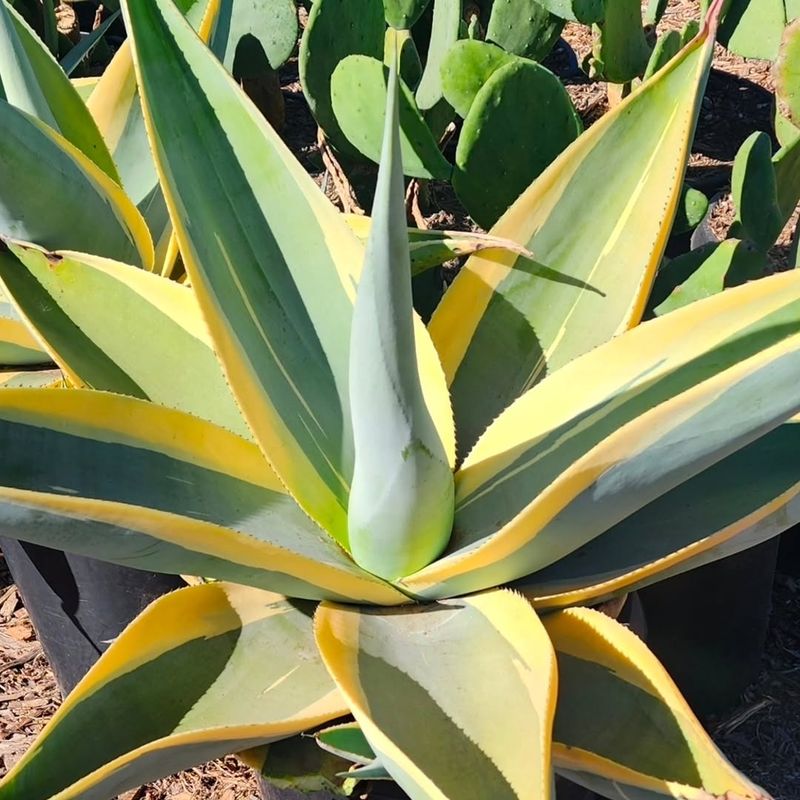
Bold, architectural, and almost impossibly tough, Agave is the plant that quietly runs the show in dry gardens across the American West. The thick, fleshy leaves radiate outward in a dramatic rosette, often edged with sharp teeth and tipped with a needle-like spine.
It looks fierce, and honestly, it kind of is.
For renters who want maximum visual impact with minimum effort, Agave checks every box. It thrives on neglect.
Once established in the ground or a large container, it can survive on rainfall alone in most parts of the state. That’s a powerful feature for anyone who travels frequently or forgets to water.
Agave comes in a huge range of sizes. Small varieties like Agave parryi or Agave victoriae-reginae fit beautifully in containers on a patio.
Larger types like Agave americana make sweeping statements in front yards and dry garden beds. Choosing the right size for your space matters, so check the mature size before buying.
The leaves often feature striking patterns, color variations, and natural markings that make each plant look unique. Some have creamy yellow margins, others have dark brown teeth along pale blue leaves.
That natural detail means Agave looks expensive without actually being expensive.
One thing to keep in mind is placement. The sharp spine at each leaf tip can cause injury, so keep it away from walkways and play areas.
A little thoughtful planning goes a long way when living with Agave in a shared rental space.
7. Blue Chalk Sticks Handles Hot Balcony Sun
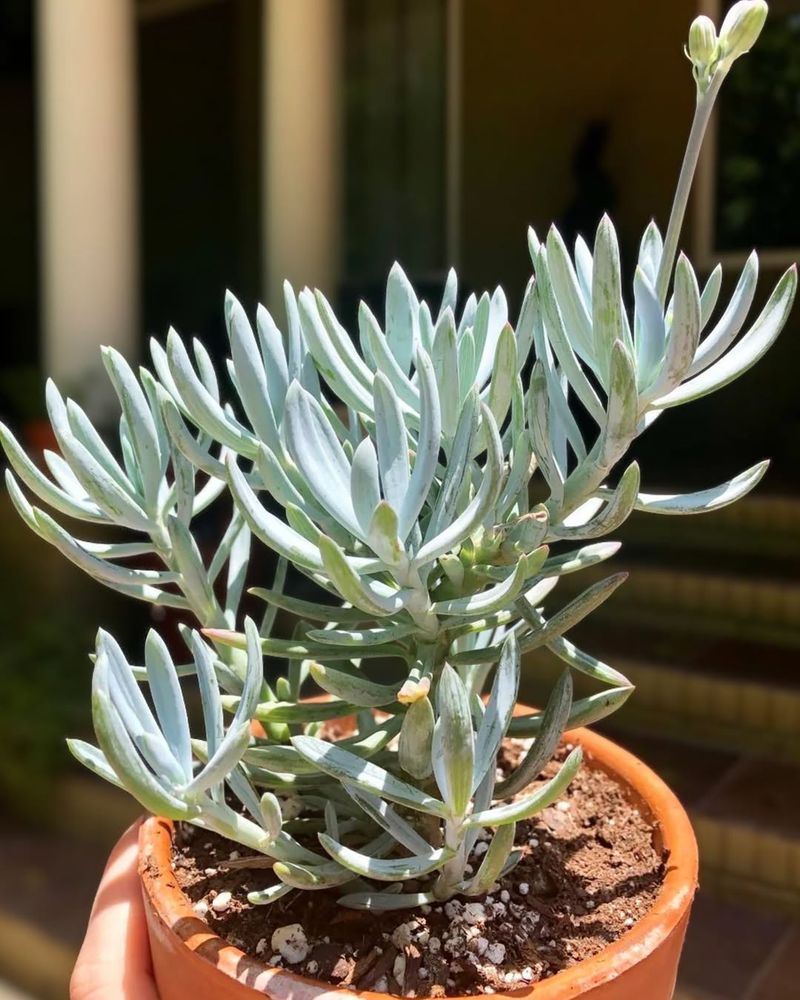
Not every plant can handle the intense reflected heat of a south-facing apartment balcony. Blue Chalk Sticks can.
This South African succulent, known botanically as Senecio serpens, has evolved to love exactly the kind of harsh, sunny, dry conditions that make most plants struggle.
The leaves are the real showstopper. They’re thick, cylindrical, and coated in a powdery blue-gray bloom that gives the plant an almost otherworldly appearance.
Grouped together in a container, several plants create a soft, frosty wave of color that pairs beautifully with warm terracotta or dark metal pots.
Renters in hot inland areas or on west-facing balconies will find this plant practically indestructible. Water it once every week or two during summer, and even less in winter.
The only real danger is overwatering, which causes root rot. Good drainage is the single most important factor in keeping it healthy.
Blue Chalk Sticks spreads gently by sending out low-growing stems that root where they touch soil. In a container, that spreading habit fills in gaps nicely and creates a full, lush look over time.
You can also trim it back easily if it gets too wide for your space.
In late summer or fall, it sometimes produces small white daisy-like flowers that add a soft, cheerful touch. The blooms are modest, but they’re a welcome bonus on a plant that already earns its place through foliage alone.
It’s a reliable, good-looking choice for hot, bright rental spaces.
8. Aeonium Works For Bright Coastal Patios
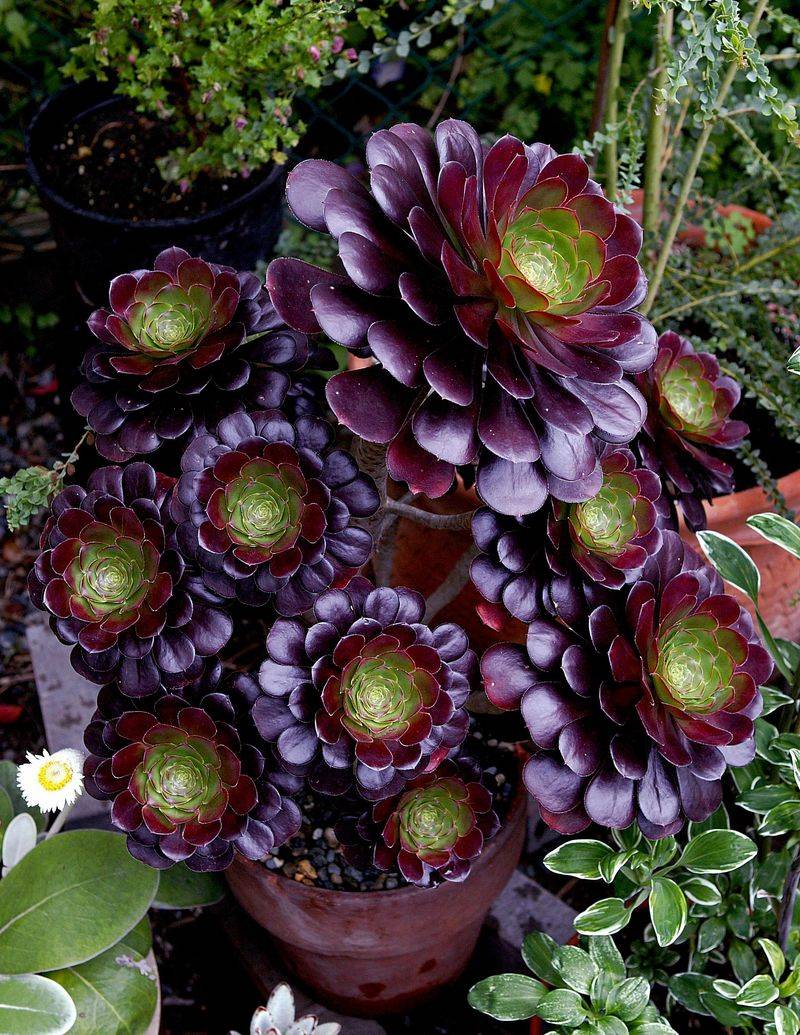
Coastal renters in Northern regions and along the central coast have a secret weapon when it comes to low-water gardening. Aeonium, with its glossy, flat rosettes and tree-like branching stems, is perfectly suited to the mild temperatures and occasional fog that define life near the Pacific.
Unlike most succulents, Aeonium actually prefers cooler temperatures and can handle partial shade. That makes it unusual and valuable.
Many drought-tolerant plants demand full sun, which isn’t always available on shaded patios or north-facing balconies. Aeonium fills that gap beautifully.
The rosettes come in a range of colors, from bright lime green to deep burgundy-black, depending on the variety. Aeonium arboreum ‘Zwartkop’ is one of the most dramatic, with nearly black leaves that glow with purple tones in the right light.
It’s a plant that genuinely looks like it belongs in a design magazine.
Water it regularly during its active growing season, which runs through fall and winter rather than summer. During hot, dry summers, it goes semi-dormant and needs very little water.
That reversed growth cycle surprises many new growers but makes total sense once you understand its Mediterranean and Canary Island origins.
Aeonium grows well in containers and can be moved indoors during extreme heat. For renters who move frequently, that portability is a major advantage.
Take your plants with you when the lease ends and start fresh in your next space without losing the garden you’ve built.
9. Trailing Lantana Adds Color With Little Fuss
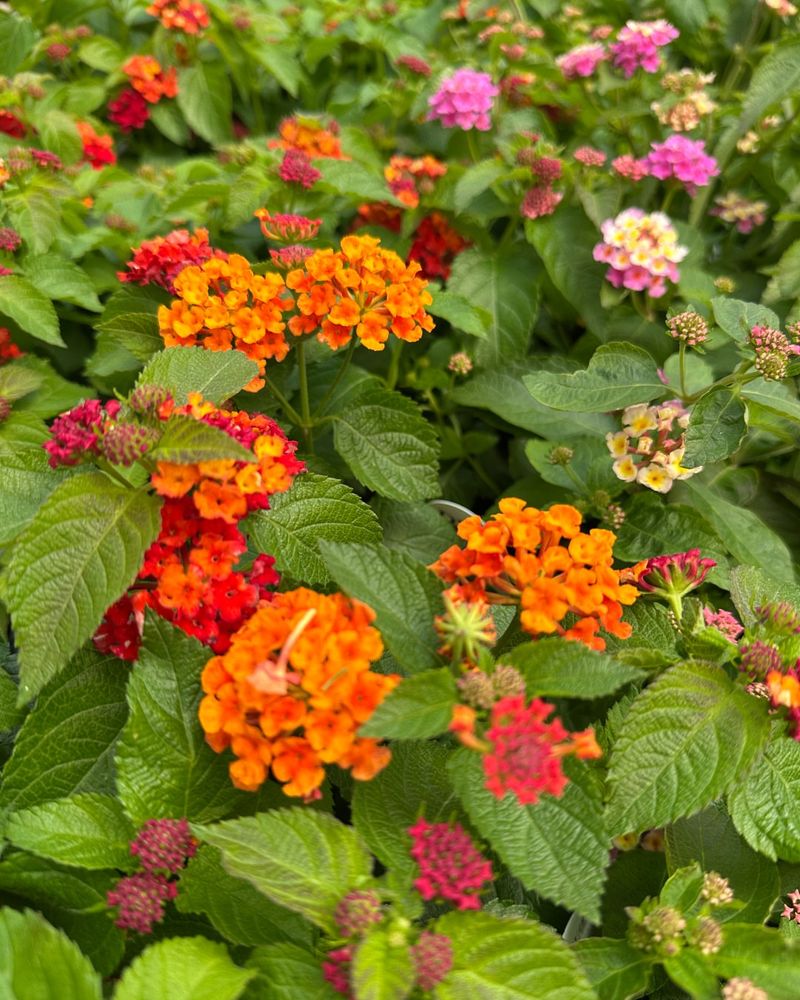
Few plants bring as much cheerful, non-stop color to a dry garden as Trailing Lantana. The small, clustered flower heads shift between yellow, orange, pink, and purple as they age, giving each plant a multicolored patchwork look that’s instantly eye-catching from across the yard.
Renters love it because it blooms from spring all the way through fall with almost no encouragement. It doesn’t need deadheading, doesn’t demand fertilizer, and handles heat waves without flinching.
In fact, it blooms harder when the weather gets hot, which is the opposite of many flowering plants.
Trailing Lantana works beautifully in hanging baskets, window boxes, and large containers where its long stems can spill over the edges. It also works well as a fast-spreading ground cover in dry rental beds.
Either way, it fills space quickly and creates a lush, colorful effect that looks more expensive than it actually is.
Water it deeply once a week during the hottest months, and cut back to every two weeks in cooler weather. It’s not picky about soil, as long as drainage is decent.
A light trim every few weeks keeps it from getting too sprawling and encourages fresh new blooms to form.
Butterflies flock to Lantana flowers all season long, which makes any outdoor space feel more alive and vibrant. For renters who want instant color, pollinator activity, and easy care in one plant, Trailing Lantana is one of the most satisfying choices you can make for a temporary garden.