When You Should Remove An Old Tree Stump From Your North Carolina Yard
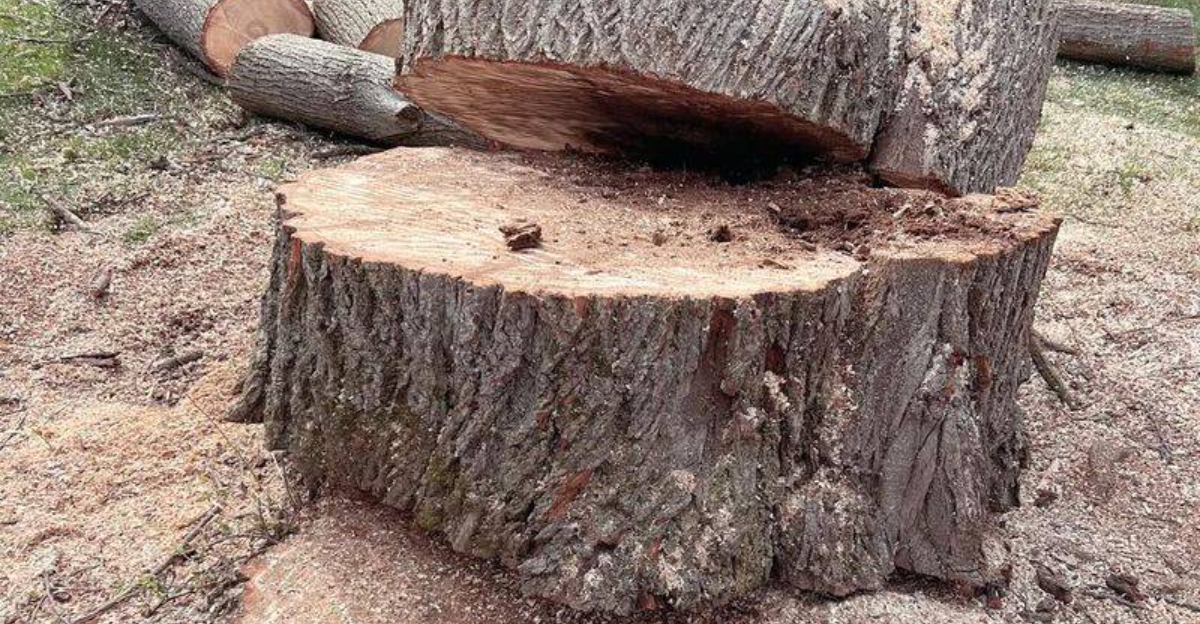
That old tree stump in your North Carolina yard might seem harmless, but leaving it there for too long can create more problems than you expect. Over time, stumps can attract pests, invite fungus, and even become a tripping hazard for kids and pets.
Some homeowners keep them for decoration or natural seating, while others ignore them because removal feels like a big job. The truth is, timing matters more than most people realize.
Removing a stump at the right moment can save you money, protect nearby plants, and improve the overall look of your yard. Weather, soil conditions, and stump age all play a role in how easy or difficult the job will be.
Knowing when to take action can help you avoid headaches later and keep your outdoor space safer, cleaner, and easier to maintain.
1. The Stump Is Attracting Pests And Insects
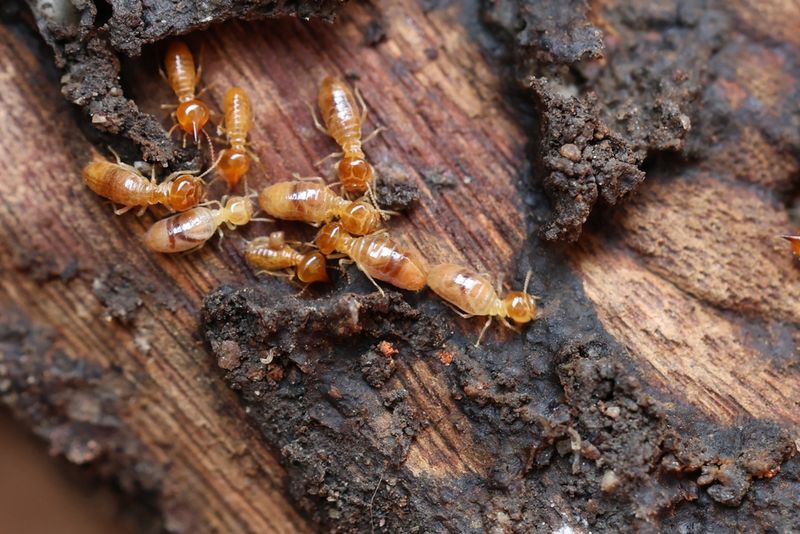
Rotting wood becomes a five-star hotel for unwanted guests. Termites, carpenter ants, beetles, and other wood-boring insects love making their homes in decaying stumps.
Once they settle in, these pests don’t just stay put. They can spread to your home’s foundation, deck, or other wooden structures, causing thousands of dollars in damage.
In North Carolina’s humid environment, stumps decompose faster, which speeds up the pest invasion timeline.
Carpenter ants are especially common in the Tar Heel State. They burrow deep into softened wood, creating extensive tunnel systems.
While they don’t eat wood like termites do, they weaken the structure significantly. If you notice sawdust piles near your stump or see large black ants marching around, you’ve got a problem.
Termites are even worse because they can travel underground from the stump straight to your house without you ever seeing them.
Beyond insects, old stumps attract rodents looking for shelter. Mice, rats, and even snakes might take up residence in the hollow spaces.
These critters can become a nuisance or health hazard, especially if they venture closer to your home. The longer a stump sits in your yard, the more appealing it becomes to these unwanted visitors.
Removing the stump eliminates the food source and habitat these pests need. It’s a proactive step that protects your property and gives you peace of mind.
If you’ve spotted any signs of infestation around your stump, don’t wait. The problem will only get worse over time, and the costs of dealing with pest damage far exceed the price of stump removal.
2. The Stump Poses A Safety Hazard
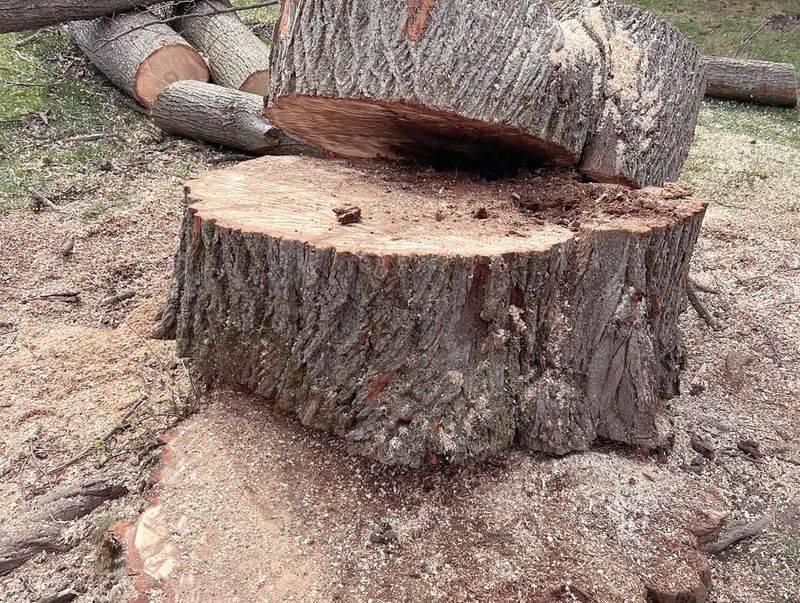
Trip-and-fall accidents happen more often than you’d think. A stump hidden by tall grass or autumn leaves becomes a dangerous obstacle course element in your own backyard.
Kids running around during playtime, elderly family members taking an evening stroll, or even you mowing the lawn can easily catch a foot on that low-lying hazard. Twisted ankles, scraped knees, and even more serious injuries can result from one careless step.
Lawn equipment damage is another real concern. Riding mowers, push mowers, and string trimmers can suffer costly damage when they accidentally hit a stump.
Your North Carolina Garden Changes Every Week. Your Plan Should Too.
Gardening in North Carolina changes quickly throughout the season. Every Friday you’ll receive a simple weekly plan showing exactly what to plant, prune, fertilize, harvest, and protect so you never miss the right timing.
Blades get bent or broken, and the impact can harm the mower’s engine or transmission. If you hire a lawn care service, they might charge extra to work around stumps or refuse to service areas where stumps create obstacles. That’s extra hassle and expense you don’t need.
Stumps near walkways, driveways, or play areas present the biggest risks. North Carolina homeowners who entertain guests outdoors should be especially cautious.
The last thing you want is a visitor getting hurt on your property. Liability issues can arise if someone is injured because of a hazard you knew about but didn’t address.
Children are particularly vulnerable because they’re less aware of their surroundings during active play. A stump that seems obvious to adults can blend into the landscape for a child focused on catching a ball or running a race.
Removing stumps from high-traffic areas should be a top priority for any family with an active outdoor lifestyle. Your yard should be a place of fun and relaxation, not a potential emergency room visit waiting to happen.
3. You’re Planning Landscaping Or Construction Projects
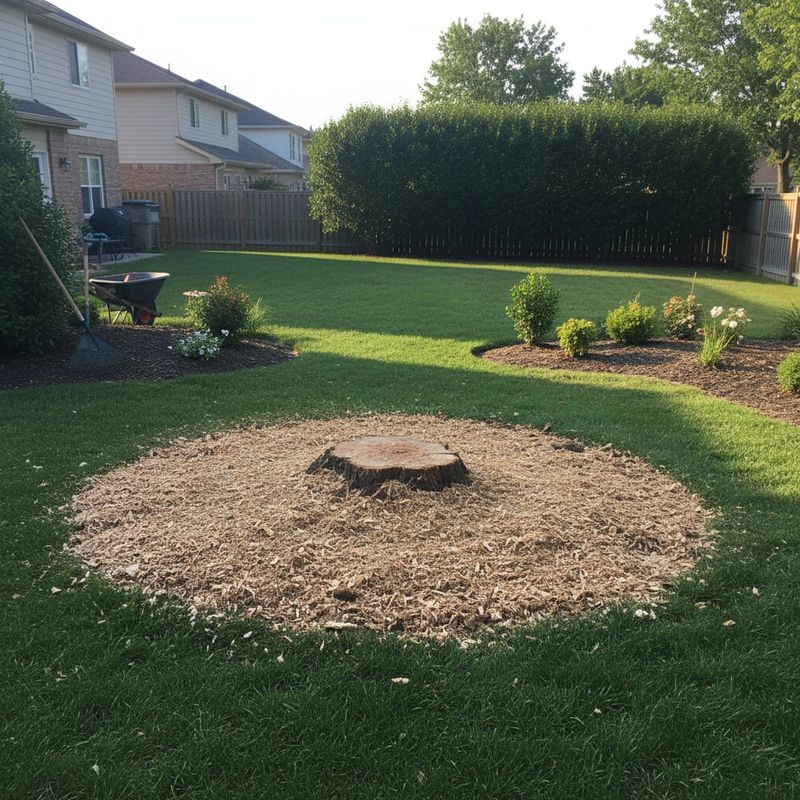
Fresh starts require clean slates. Maybe you’re dreaming of a beautiful new flower bed, installing a patio, building a shed, or putting in a swimming pool.
That old stump sitting right where you want your project to go isn’t just inconvenient. It’s a major roadblock that can delay your plans and increase costs.
Contractors often charge extra to work around obstacles, or they might require stump removal before they’ll even begin.
Tree roots extend far beyond the stump itself. Even after a tree is cut down, the root system remains alive for a while and can interfere with digging, grading, and foundation work.
In North Carolina’s clay-heavy soil, roots can be especially stubborn and difficult to navigate. If you’re installing underground utilities, irrigation systems, or drainage solutions, those roots will complicate the job significantly.
Planning a garden renovation gives you the perfect opportunity to remove stumps. The heavy equipment needed for stump grinding can be brought in alongside other landscaping machinery, saving you time and potentially reducing costs.
Plus, removing the stump gives you access to fresh, unobstructed soil that’s ideal for planting. You won’t have to worry about new plants competing with old roots for water and nutrients.
Real estate value matters too. If you’re preparing your North Carolina home for sale, removing unsightly stumps improves curb appeal and makes your property more attractive to buyers.
A clean, well-maintained yard signals that the home has been cared for. Potential buyers won’t have to factor stump removal into their moving costs, which can make your listing more competitive in the market.
4. The Stump Is Sprouting New Growth
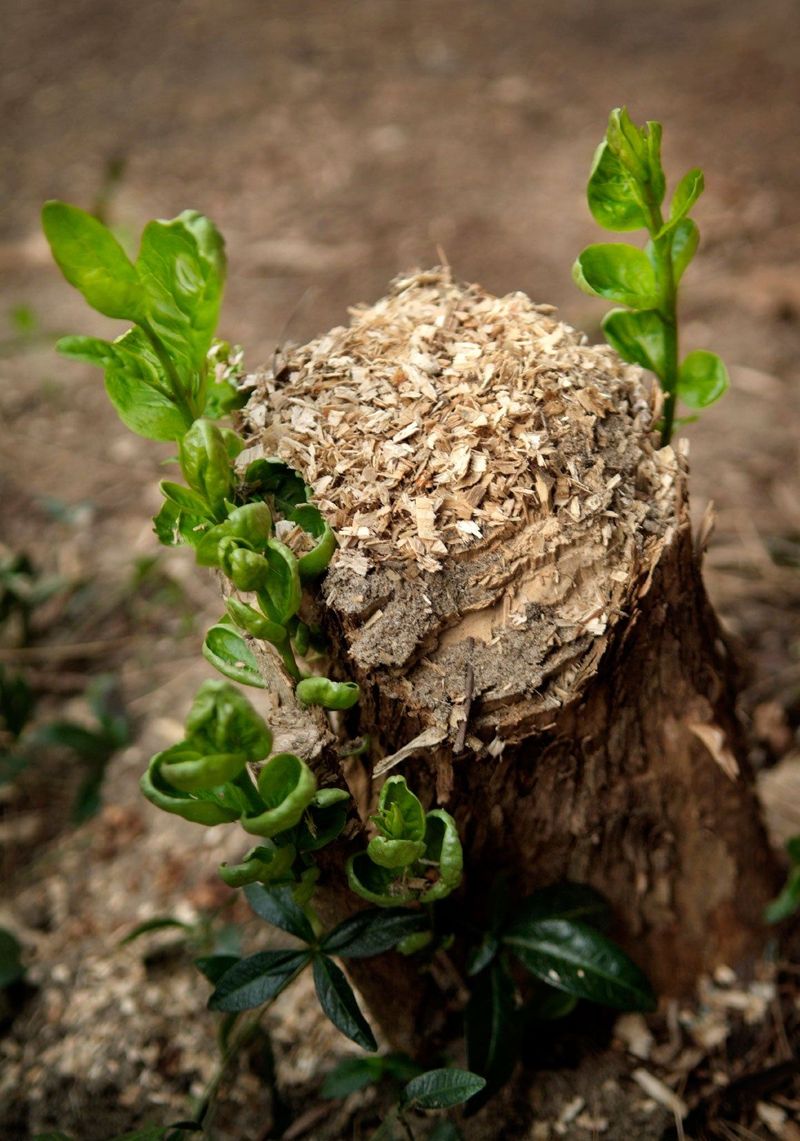
Surprise! Your stump isn’t quite finished growing.
Many tree species will send up new shoots from the remaining root system, creating a cluster of small trees around the old stump. This regrowth is the tree’s survival mechanism kicking in.
While it might look harmless at first, these sprouts can become a persistent problem that requires constant maintenance. Each time you cut them back, they’ll likely return with even more vigor.
Managing sprouts takes time and effort you could spend on more enjoyable yard activities. You’ll find yourself trimming them every few weeks during North Carolina’s long growing season.
Some homeowners resort to chemical treatments, but these can be harsh on surrounding plants and soil. The sprouts also compete with your grass and garden plants for water, sunlight, and nutrients, creating an unfair competition that your desired plants often lose.
Certain tree types are notorious for aggressive sprouting. Willows, poplars, elms, and some oak species are particularly stubborn.
If your stump belonged to one of these trees, you’re fighting a battle you won’t easily win without complete removal. The root system can remain active for years, continuously pushing out new growth that disrupts your lawn’s appearance and your weekend plans.
Complete stump and root removal is the only permanent solution. Grinding the stump below ground level stops the sprouting problem at its source.
You’ll finally be free from the endless cycle of cutting back unwanted growth. Your yard will look cleaner, your maintenance routine will get easier, and you can use that reclaimed space for something you actually want growing there, whether that’s grass, flowers, or a peaceful sitting area.
5. The Stump Is Spreading Disease To Healthy Trees
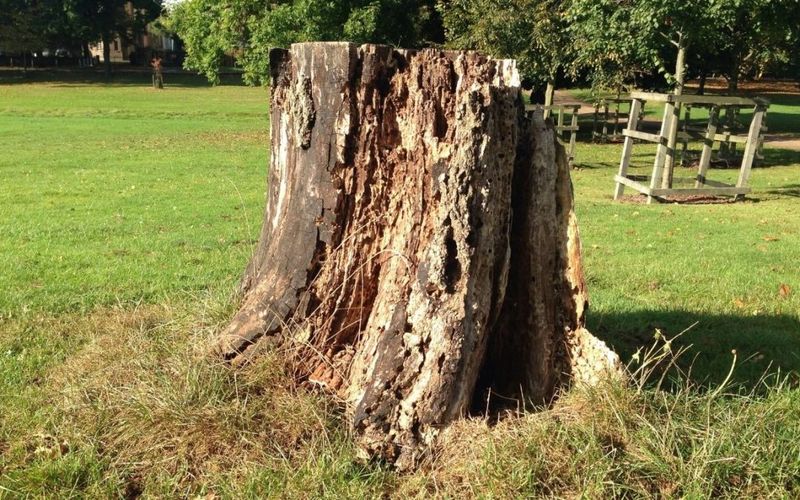
Fungal infections don’t respect property boundaries. A diseased stump can become patient zero for an outbreak that threatens every tree in your North Carolina yard.
Fungi like honey fungus, root rot, and various wood decay organisms thrive in decaying wood.
These pathogens produce spores that travel through soil, air, and even underground root connections to infect healthy trees nearby. What starts as one problem stump can snowball into a landscape-wide crisis.
North Carolina’s climate provides ideal conditions for fungal growth. Warm temperatures combined with frequent rainfall create the moisture fungi need to flourish.
If you notice mushrooms or fungal growths sprouting from your stump, that’s a clear warning sign. These visible fruiting bodies represent just a small fraction of the organism.
The main fungal network spreads underground, where you can’t see the damage it’s causing until it’s too late.
Infected trees show various symptoms depending on the disease. Leaves might yellow prematurely, branches could develop cankers, or the entire tree might show signs of decline for no apparent reason.
By the time these symptoms appear, the infection has often progressed significantly. Treating diseased trees is expensive and not always successful.
Prevention through stump removal is far more cost-effective than trying to save multiple infected trees later.
Professional arborists often recommend removing stumps from trees that were taken down due to disease. This prevents the pathogen from establishing a permanent foothold on your property.
The investment in stump removal pays for itself by protecting your remaining trees, which add beauty, shade, and significant value to your home. Healthy trees are worth preserving, and removing diseased stumps is essential preventive care.
6. You Want To Improve Your Yard’s Appearance
First impressions stick with people. When guests arrive or neighbors walk by, what do they see?
A well-maintained yard speaks volumes about you as a homeowner. Old stumps, no matter how you try to dress them up, look neglected.
They interrupt the clean lines of your landscape and draw attention for all the wrong reasons. Even if the stump doesn’t pose any immediate danger or pest problem, it still detracts from your property’s overall beauty and your enjoyment of the space.
Decorating stumps with planters or paint might seem like a creative solution. However, these attempts rarely achieve the polished look most homeowners want.
The stump still takes up valuable real estate that could be used for something more attractive and functional. In North Carolina’s competitive housing market, every detail matters.
A pristine, stump-free lawn gives you an edge whether you’re selling now or planning to in the future.
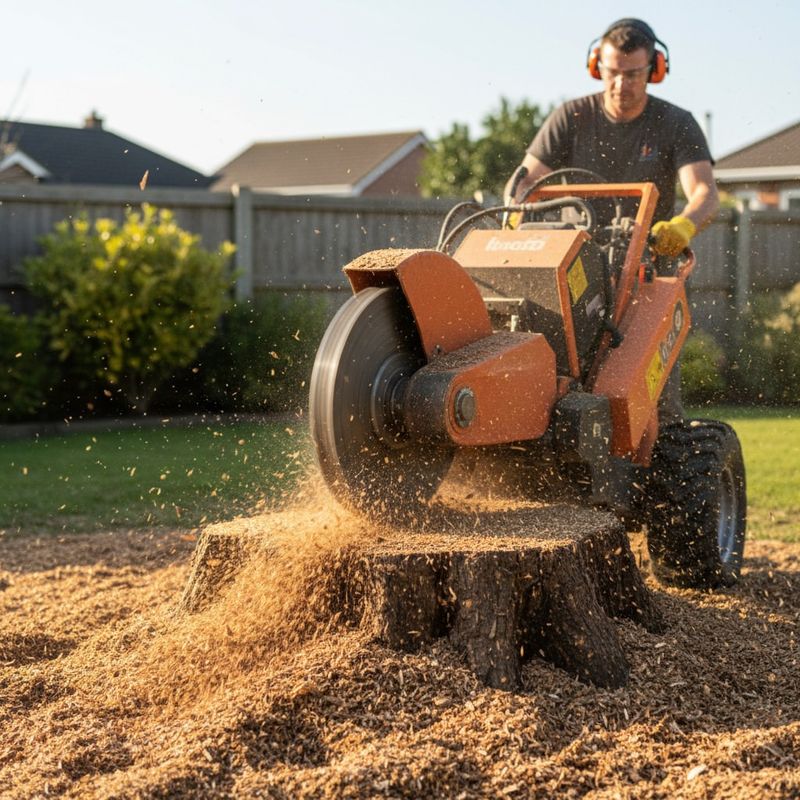
Professional stump removal opens up new possibilities for your outdoor space. That freed-up area can become part of your lawn, a spot for a garden feature, or room for outdoor furniture.
You’ll gain usable square footage in your yard, which is especially valuable in smaller properties. The visual improvement is immediate and dramatic. Your lawn will look larger, more cohesive, and professionally maintained.
Pride of ownership matters too. There’s real satisfaction in looking out your window and seeing a beautiful, well-kept yard without any glaring flaws.
You’ll enjoy spending time outdoors more when your space looks inviting. Hosting barbecues, playing with pets, or simply relaxing with a book becomes more pleasant when your surroundings are attractive.
Removing that eyesore stump is an investment in your daily quality of life and your property’s long-term value.