These Are The 9 Vegetables Ohio Gardeners Should Plant After The Full Moon
Gardeners across Ohio often watch the calendar as closely as the weather, timing each planting for the best possible start. Among long held traditions, the full moon holds a special place, believed to influence moisture, soil behavior, and early growth.
Whether followed from experience, folklore, or simple curiosity, many growers still plan key plantings around this lunar moment each spring.
Some crops seem to respond better when seeded or set into the ground just after the moon reaches its peak. The soil begins to warm, daylight stretches longer, and the season quietly shifts toward steady growth.
While not every gardener follows lunar timing, the practice remains part of Ohio’s planting rhythm, passed through generations of backyard growers and small garden plots. Choosing the right vegetables for this window can help set the stage for a productive, well timed, and rewarding growing season ahead.
1. Carrots Grow Strong After The Full Moon

Traditional gardeners plant carrots during the waning moon phase believing reduced light encourages stronger root development below the soil surface. Once you move past this old-time reasoning, the practical side of carrot growing takes over with straightforward techniques that work reliably in Ohio gardens.
Carrots need loose, well-worked soil free of rocks and clumps that can cause forked or twisted roots. Work your garden bed to at least 12 inches deep, breaking up any compacted areas and removing debris.
Sandy loam or amended clay soils produce the straightest, most uniform carrots.
Direct sow seeds about a quarter inch deep in rows spaced 12 to 18 inches apart. Carrot seeds are tiny and germinate slowly, taking up to three weeks in cool soil.
Keep the soil consistently moist during this period without letting it dry out or crust over.
Thin seedlings to two inches apart once they reach two inches tall. Crowded carrots compete for space and produce small, misshapen roots.
In Ohio, plant carrots in early spring once soil reaches 45 degrees, or in late summer for a fall harvest. Carrots tolerate light frost and actually sweeten after cold exposure, making them excellent for extended harvest through October and November in most Ohio regions.
2. Beets Build Better Roots In The Waning Phase
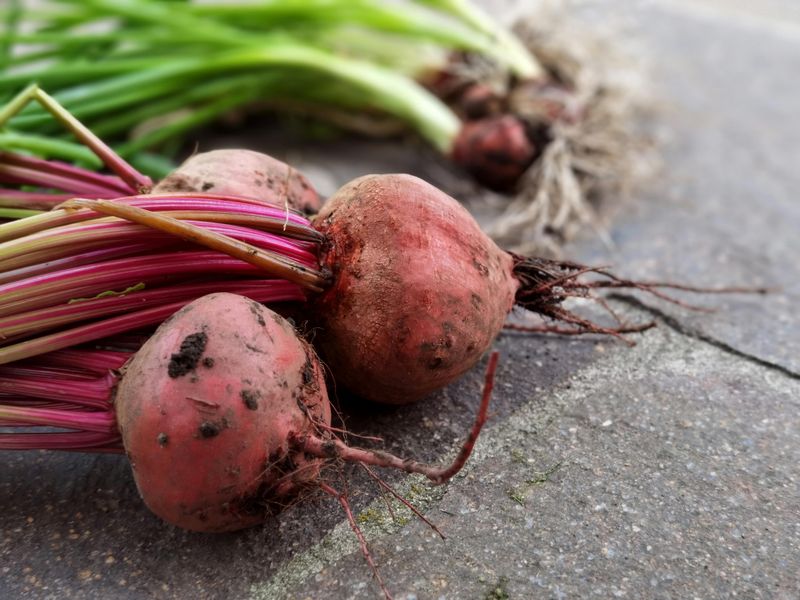
When the moon begins to fade after reaching fullness, many gardeners choose this time to plant beets, trusting the tradition that waning light supports bulb formation underground. Beyond this seasonal timing, beets respond well to specific growing conditions that Ohio gardeners can easily provide.
Beets prefer cool weather and tolerate light frosts, making them perfect for early spring planting when soil temperatures reach 50 degrees. Plant seeds about half an inch deep and two inches apart in rows spaced 12 inches apart.
Each beet seed is actually a cluster containing multiple seeds, so expect several seedlings to emerge from each spot.
Thin seedlings to three or four inches apart to give bulbs room to expand. Beets grow best in slightly acidic to neutral soil with consistent moisture.
Irregular watering causes tough, woody roots and concentric rings inside the bulb.
Your Ohio Garden Changes Every Week. Your Plan Should Too.
Gardening in Ohio changes quickly throughout the season. Every Friday you’ll receive a simple weekly plan showing exactly what to plant, prune, fertilize, harvest, and protect so you never miss the right timing.
In Ohio, you can succession plant beets every two weeks through late spring, then resume planting in late summer for fall harvest. Beets mature in 50 to 70 days depending on variety.
Harvest when roots reach two to three inches across for the best flavor and tender texture. Both the roots and nutrient-rich greens are edible, giving you two crops from one planting.
3. Radishes Thrive When The Moon Fades

Old-time gardeners often waited for the moon to wane before planting radishes, believing this phase helped the crop focus energy on forming crisp, peppery roots rather than leafy tops. Once planted, radishes prove themselves as one of the fastest and easiest vegetables for Ohio gardens.
Radishes germinate quickly and mature in just three to four weeks, making them perfect for impatient gardeners and children learning to grow food. Plant seeds half an inch deep and one inch apart in loose, fertile soil.
Radishes need cool temperatures and grow best in spring or fall when daytime temperatures stay below 75 degrees.
Keep soil consistently moist throughout the short growing period. Dry conditions cause radishes to become woody and excessively hot.
Adequate spacing prevents crowding, which leads to all tops and no roots.
In Ohio, start planting radishes as soon as you can work the soil in March or early April. Make succession plantings every week or two through May, then resume in late August for fall crops.
Radishes tolerate light frost and can be harvested into November in many Ohio locations. Pull them promptly when they reach full size because they turn pithy and bitter if left in the ground too long.
4. Turnips Bulk Up Underground After Full Moon
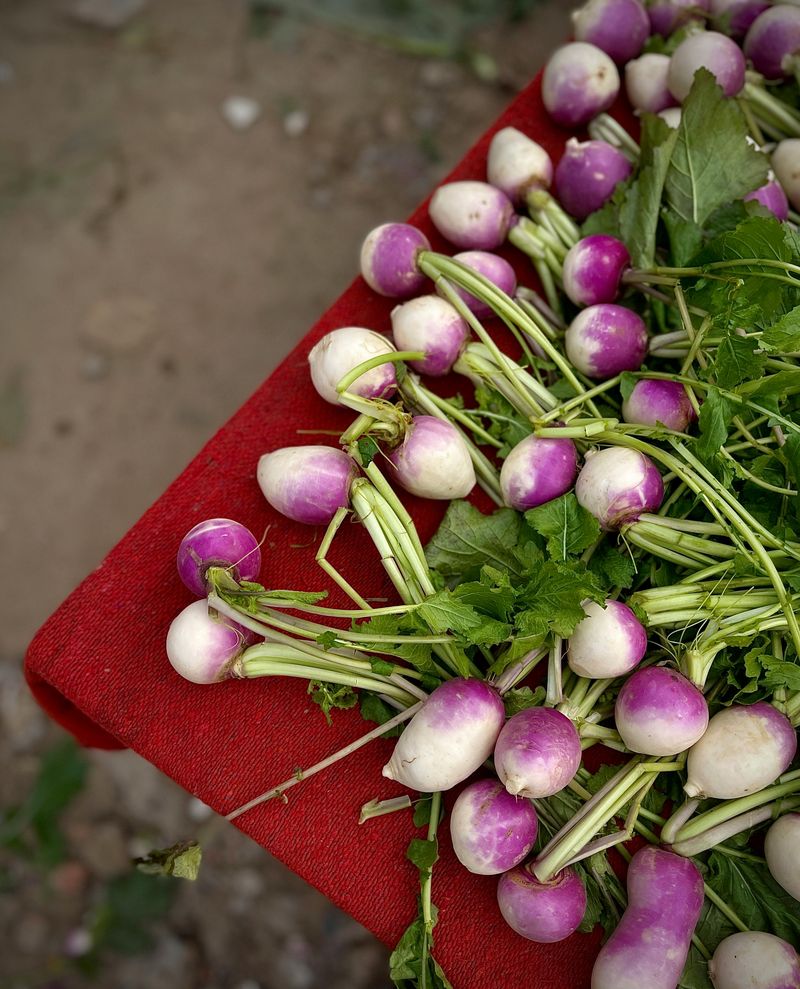
The waning moon period has long been considered ideal for planting turnips, with gardeners believing this darker phase encourages the bulbs to swell beneath the soil. Practical growing advice matters more than lunar timing, and turnips reward Ohio gardeners with reliable harvests when planted correctly.
Turnips grow as a cool-season crop, thriving in spring and fall when temperatures range between 50 and 65 degrees. Plant seeds half an inch deep and three inches apart in rows spaced 12 to 18 inches apart.
Turnips germinate quickly, usually within a week when soil conditions are right.
These vegetables prefer loose, well-drained soil with plenty of organic matter worked in before planting. Heavy clay soil should be amended with compost to prevent misshapen roots.
Consistent moisture helps turnips develop mild flavor and tender texture.
In Ohio, plant turnips in early spring about four weeks before the last expected frost, or in late summer for fall harvest. Fall-planted turnips often taste sweeter because cool temperatures reduce bitterness.
Harvest turnips when roots reach two to three inches in diameter. Larger turnips become woody and strong-flavored.
Both the roots and the nutritious greens can be cooked, giving you versatile harvest options from a single planting.
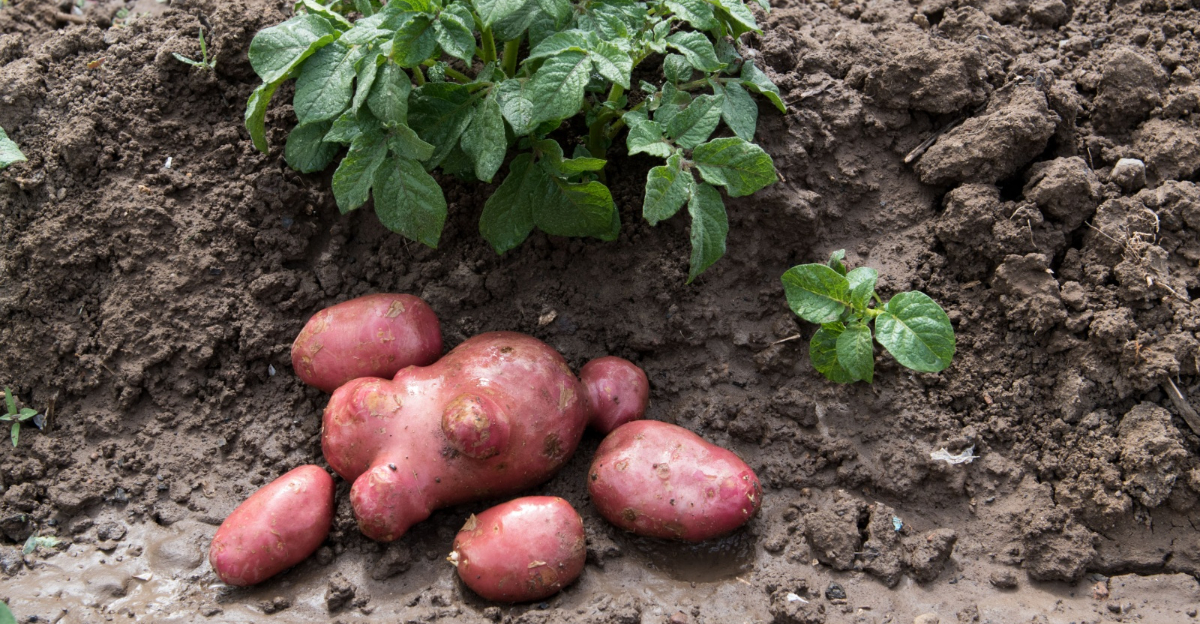
5. Potatoes Prefer The Waning Moon Window
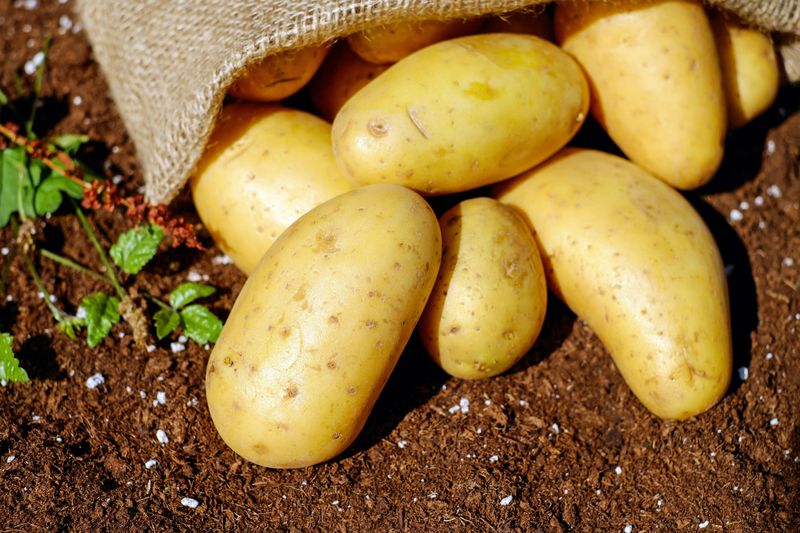
Potato planting after the Full Moon follows the traditional belief that decreasing moonlight directs the plant’s energy toward forming tubers underground rather than excessive foliage above. Regardless of lunar influence, potatoes need specific conditions and timing to produce healthy crops in Ohio gardens.
Plant seed potatoes when soil temperatures reach at least 45 degrees, typically in early to mid-April across most of Ohio. Cut larger seed potatoes into pieces with at least two eyes each, allowing cut surfaces to dry for a day before planting.
Plant pieces four inches deep and 12 inches apart in rows spaced three feet apart.
As potato plants grow, hill soil up around the stems every few weeks. This practice increases the underground area where tubers form and prevents developing potatoes from being exposed to sunlight, which turns them green and bitter.
Potatoes need consistent moisture, especially during tuber formation. Water deeply once a week if rainfall is insufficient.
Well-drained soil prevents rot and disease problems common in heavy, waterlogged conditions. Most potato varieties mature in 90 to 120 days.
Harvest when plants begin to wilt naturally, usually in late July or August in Ohio. Cure harvested potatoes in a cool, dark location for two weeks before long-term storage.
6. Onions Form Stronger Bulbs After Full Moon
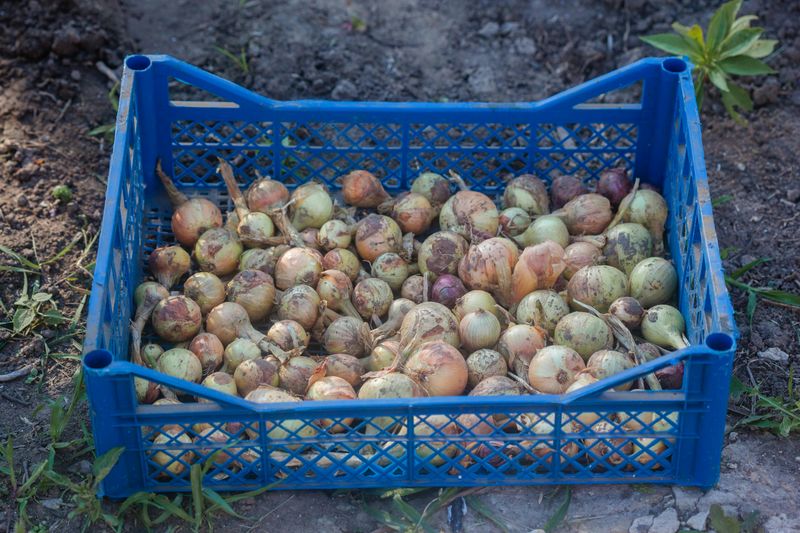
Many gardeners plant onion sets during the waning moon, trusting the tradition that this phase helps bulbs develop more fully underground. Beyond lunar timing, onions require attention to day length, variety selection, and proper planting depth to form good bulbs in Ohio gardens.
Onions are photoperiodic, meaning bulb formation is triggered by specific day lengths. Ohio gardeners should choose long-day onion varieties that bulb up when days reach 14 to 16 hours, typically in June.
Short-day varieties suitable for southern regions will not form proper bulbs in Ohio’s latitude.
Plant onion sets or transplants in early spring as soon as soil can be worked, usually late March or early April. Push sets into loose soil so the pointed end sits just below the surface.
Space them four inches apart in rows 12 inches apart.
Onions have shallow roots and need consistent moisture and weed control throughout the growing season. Mulch helps retain moisture and suppress weeds.
Stop watering when tops begin to fall over naturally, signaling that bulbs have matured. Harvest onions when about half the tops have fallen, then cure them in a warm, dry, well-ventilated area for two to three weeks until outer skins become papery and necks dry completely.
7. Garlic Develops Deep Roots In The Dark Phase
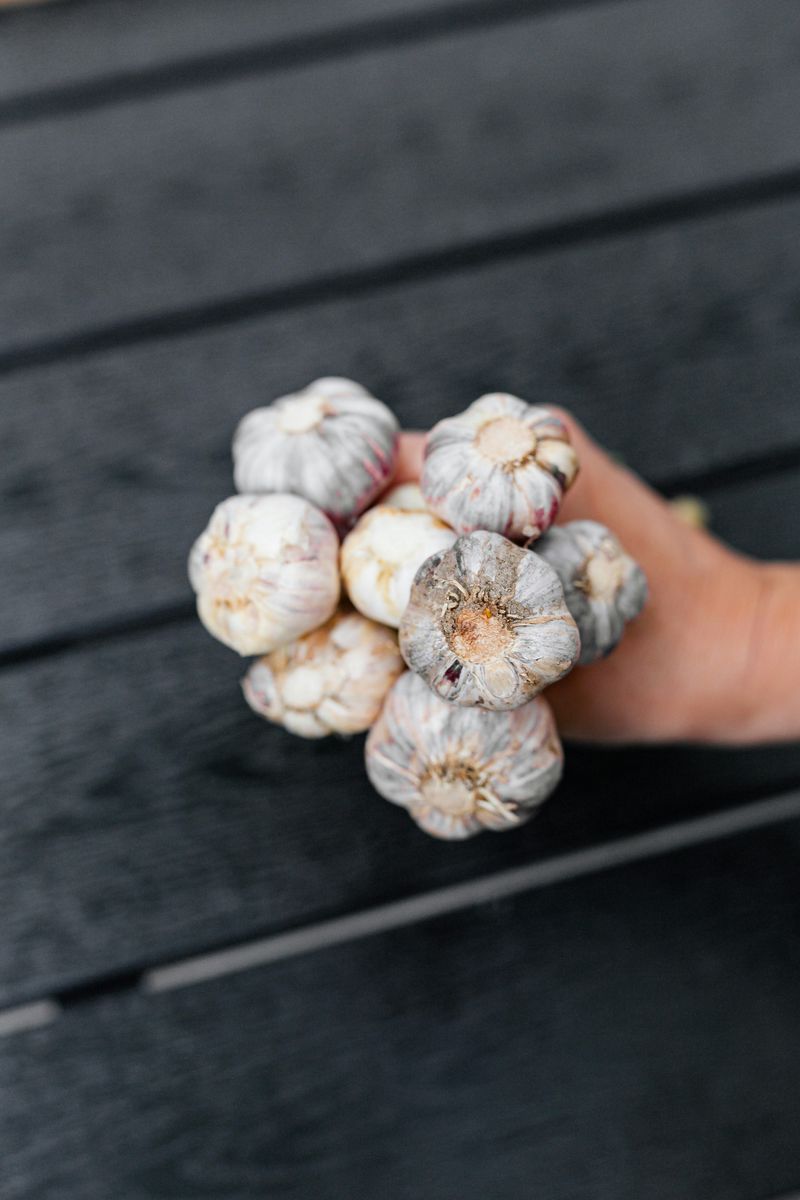
Planting garlic during the waning moon follows the traditional idea that reduced light encourages strong root establishment before winter dormancy sets in. Practical garlic growing in Ohio focuses more on fall planting timing and proper variety selection than lunar phases.
Garlic must be planted in fall, typically mid-October in Ohio, to allow roots to develop before the ground freezes. Spring-planted garlic rarely forms proper bulbs.
Separate bulbs into individual cloves just before planting, keeping the papery skin intact on each clove.
Plant cloves pointed end up, two inches deep and six inches apart in rows spaced one foot apart. Garlic needs well-drained soil rich in organic matter.
Heavy clay should be amended with compost to prevent waterlogging during winter and spring.
Apply four inches of mulch after planting to insulate cloves through winter temperature fluctuations. Hardneck varieties suit Ohio’s climate better than softneck types, producing larger cloves and tolerating cold winters reliably.
Garlic grows slowly through winter, then resumes active growth in spring.
Remove any flower stalks that appear in June to direct energy into bulb formation. Harvest when lower leaves turn brown but upper leaves remain green, usually late June or early July in Ohio.
Cure bulbs in a shaded, well-ventilated area for three weeks before storage.
8. Parsnips Strengthen Below The Surface
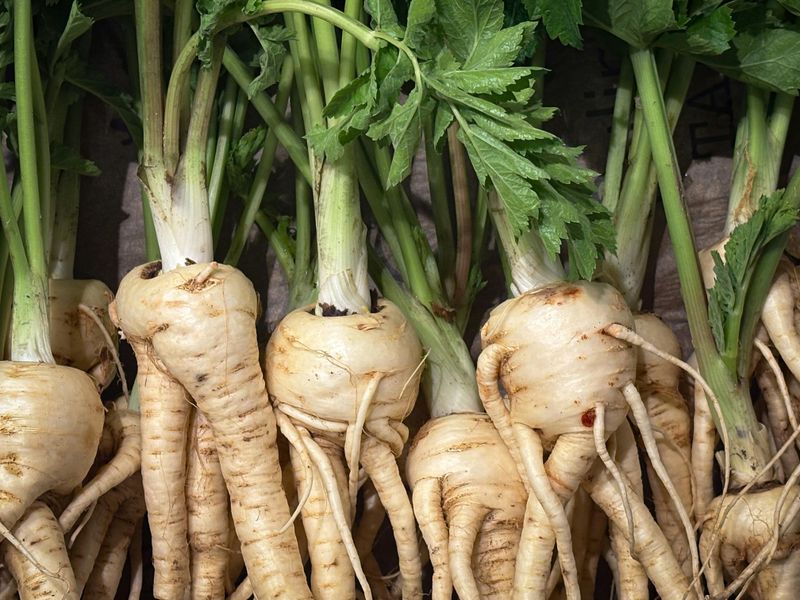
Traditional lunar planting assigns parsnips to the waning moon period, suggesting this phase supports the development of their long, sweet roots deep underground. Growing parsnips successfully in Ohio requires patience, as these vegetables need a full growing season and cold exposure to develop their characteristic sweet flavor.
Parsnips take 120 to 180 days to mature, making them one of the longest-season vegetables in the garden. Plant seeds in early spring as soon as soil can be worked, typically late March or early April in Ohio.
Seeds germinate slowly, often taking three weeks, and need consistent moisture during this period.
Plant seeds half an inch deep in loose, rock-free soil worked to at least 12 inches deep. Parsnips develop long taproots that fork or twist if they encounter obstacles.
Space seeds two inches apart in rows 18 inches apart, thinning seedlings to four inches apart once they establish.
Parsnips tolerate and even benefit from frost, which converts starches to sugars and improves flavor. Leave roots in the ground through fall and harvest after several hard frosts, or mulch heavily and harvest through winter.
In Ohio, parsnips can often be dug until the ground freezes solid. Their sweet, nutty flavor makes the long wait worthwhile for patient gardeners.
9. Rutabagas Expand Roots After The Lunar Shift
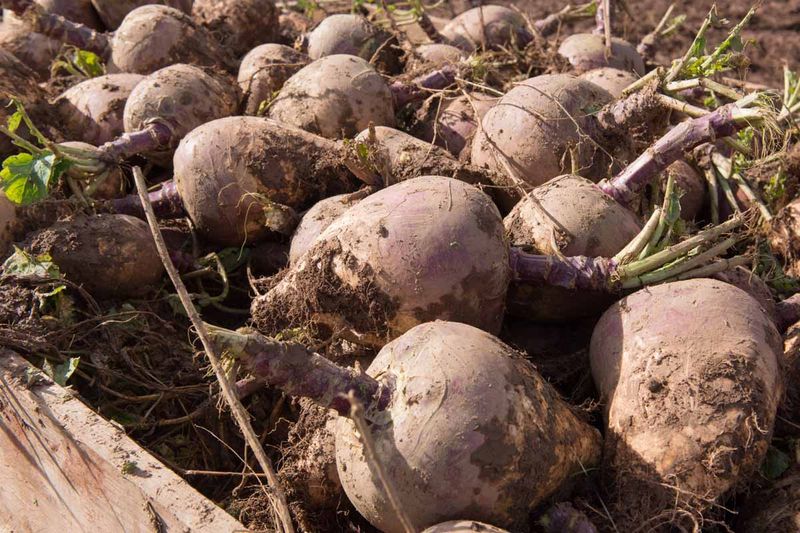
Rutabaga planting during the waning moon follows the traditional belief that this phase encourages substantial root growth beneath the soil surface. Practical growing knowledge matters more, and rutabagas need specific timing and cool temperatures to develop their sweet, dense roots in Ohio gardens.
Rutabagas require a long growing season of 90 to 110 days and taste best when they mature in cool fall weather. Plant seeds in mid to late summer, typically early July in Ohio, so roots develop as temperatures cool in autumn.
Spring plantings often bolt or develop poor flavor in summer heat.
Sow seeds half an inch deep and three inches apart in rows spaced 18 inches apart. Rutabagas need loose, fertile soil with consistent moisture throughout the growing period.
Dry conditions cause roots to become woody and bitter.
Thin seedlings to six inches apart once they develop true leaves. Rutabagas grow slowly at first, then bulk up rapidly in fall.
They tolerate frost well and actually improve in flavor after cold exposure. Harvest when roots reach three to five inches in diameter, typically late October or November in Ohio.
Rutabagas store exceptionally well in cool, humid conditions and can be kept for months in a root cellar or refrigerator, providing fresh vegetables well into winter when garden production has ended.