Shrubs Ohio Homeowners Are Planting Instead Of Arborvitae That Deer Won’t Touch
In Ohio, deer have a way of making landscape decisions for people, and not in a fun way. Plenty of Ohio homeowners plant arborvitae hoping for easy screening, only to watch it get browsed down like it was put there as a snack tray.
That is usually the moment the planting plan starts to change.
Instead of replacing one chewed-up evergreen with another, more gardeners are looking for shrubs that bring structure, privacy, and good looks without being quite so tempting.
Smart move. No plant gets a free pass in every yard, especially where deer pressure stays high, but some shrubs tend to stand up much better than arborvitae.
That can mean fewer disappointments, less replanting, and a landscape that feels more reliable through the seasons.
For homeowners in Ohio who want tougher choices, these shrubs deserve a serious look.
1. Inkberry Holly Adds Evergreen Structure
Chewed arborvitae is one of the most common complaints from homeowners who wanted year-round privacy and ended up with a ragged row of stubs instead.
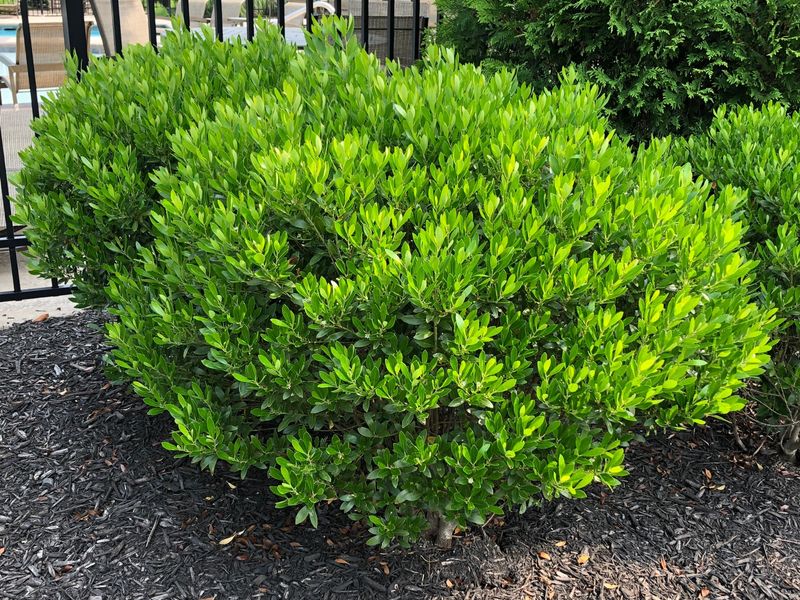
Inkberry holly is a native shrub that tends to hold up much better under deer pressure, largely because its foliage is not as palatable to deer as softer broadleaf evergreens or arborvitae.
It keeps its glossy, deep green leaves through winters, which makes it a solid choice when you want evergreen structure without the constant worry of browse damage.
That steady green presence can make a landscape feel much more settled and dependable year-round.
Inkberry grows naturally in wet or moist areas, so it fits especially well along low spots, drainage swales, rain gardens, and pond edges that are common in Ohio yards.
It handles heavy clay soils with patience, which is a real advantage in parts where drainage is a persistent challenge.
The shrub typically reaches six to eight feet tall and wide at maturity, making it useful for property edges, foundation plantings with room to grow, and mixed shrub borders.
Small white flowers appear in late spring and attract pollinators, and the clusters of dark black berries that follow are a valued food source for birds through late fall and winter.
Inkberry is dioecious, meaning you need both a male and female plant nearby for reliable berry production.
Compact cultivars like Shamrock or Gem Box are popular choices for Ohio home landscapes where space is more limited.
It is not a direct one-to-one replacement for arborvitae, but as a native evergreen that deer tend to leave alone, it earns its place in many yards.
2. Buttonbush Brings Bold Native Blooms
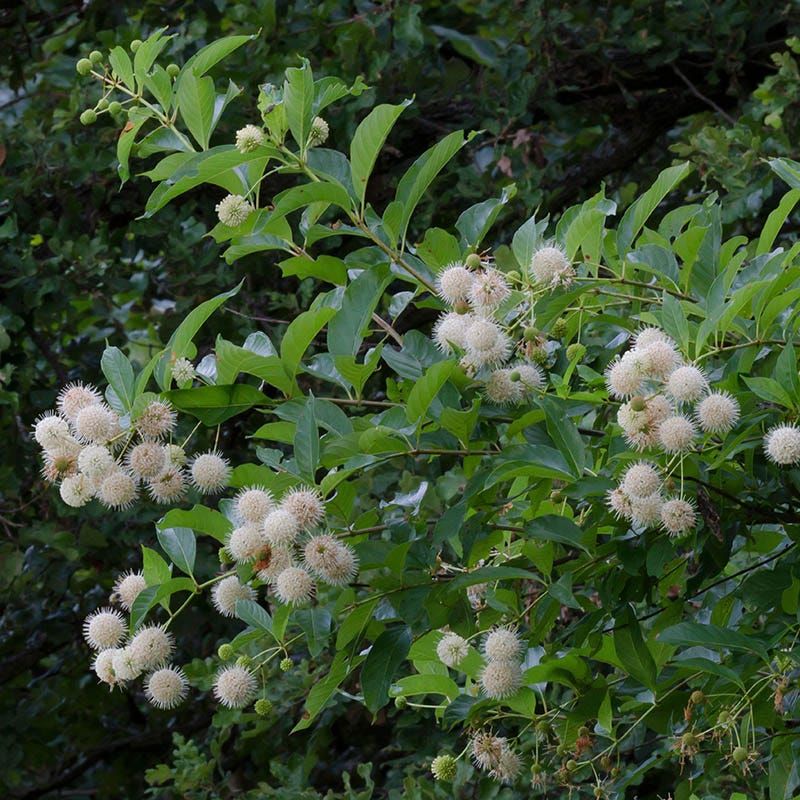
Wet corners of an Ohio yard can be tricky to plant, and many homeowners default to whatever survives rather than what actually thrives.
Buttonbush is a native shrub that not only tolerates wet and seasonally flooded soils but genuinely performs well in those conditions, making it one of the more practical choices for properties with drainage challenges.
Deer tend to find buttonbush far less appealing than arborvitae, which adds to its appeal for homeowners dealing with regular deer activity near their landscapes.
Your Ohio Garden Changes Every Week. Your Plan Should Too.
Gardening in Ohio changes quickly throughout the season. Every Friday you’ll receive a simple weekly plan showing exactly what to plant, prune, fertilize, harvest, and protect so you never miss the right timing.
The blooms are one of the most distinctive features of any Ohio shrub. Round, creamy-white flower clusters appear in midsummer and attract an impressive range of pollinators including bees, butterflies, and hummingbirds.
The flowers give way to round seedheads that persist into fall and provide food for waterfowl and songbirds.
For homeowners who want wildlife value alongside visual interest, buttonbush delivers both in a way that arborvitae simply cannot match.
Buttonbush can reach six to twelve feet in height depending on growing conditions, and it tends to spread over time in moist sites. It is well suited to pond edges, rain gardens, bioswales, and low-lying areas along property lines in Ohio.
In drier spots it still grows but typically stays more compact and may need supplemental water during dry summers.
While it is deciduous and drops its leaves in winter, the branching structure and persistent seedheads still provide some visual interest through the colder months.
For mixed native shrub borders in Ohio, buttonbush adds a layer of ecological richness that few other shrubs can offer.
3. Spicebush Adds Shade-Friendly Native Beauty
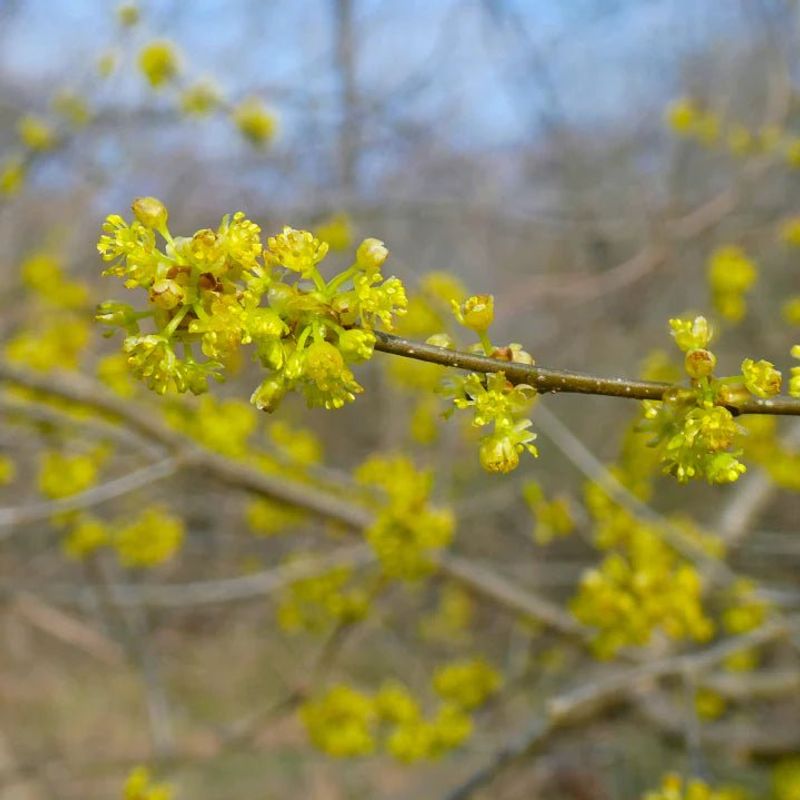
Shady corners of an Ohio property often get overlooked when homeowners are planning shrub borders, but those spots deserve attention too.
Spicebush is a native Ohio understory shrub that genuinely thrives in part shade to full shade, making it one of the few shrubs that can fill in those difficult areas under trees or along north-facing foundations.
Deer tend to browse spicebush less aggressively than arborvitae, largely due to the aromatic oils in its leaves and stems that give the plant its name and distinctive spicy fragrance.
It brings a softer, more natural look to shady areas that can otherwise feel hard to plant well.
In early spring, before the leaves emerge, spicebush lights up with clusters of tiny yellow flowers that are among the earliest blooms in the Ohio landscape.
That early color is a welcome sight after a long winter, and the blooms are a valuable nectar source for early pollinators.
Female plants produce bright red berries in late summer and fall that are eagerly eaten by birds, including wood thrushes and other woodland species that pass through Ohio during migration.
Spicebush typically grows six to twelve feet tall, with a loose, multi-stemmed form that works well in naturalistic settings, woodland gardens, and mixed native shrub borders.
It tolerates moist soils and is well suited to the heavier clay soils found across much of Ohio.
Fall color is a reliable golden yellow, adding seasonal interest before the leaves drop.
For homeowners who want a native shrub that handles shade, supports wildlife, and holds up reasonably well against deer browsing, spicebush is a genuinely useful option worth considering.
4. Ninebark Offers Tough Four-Season Interest
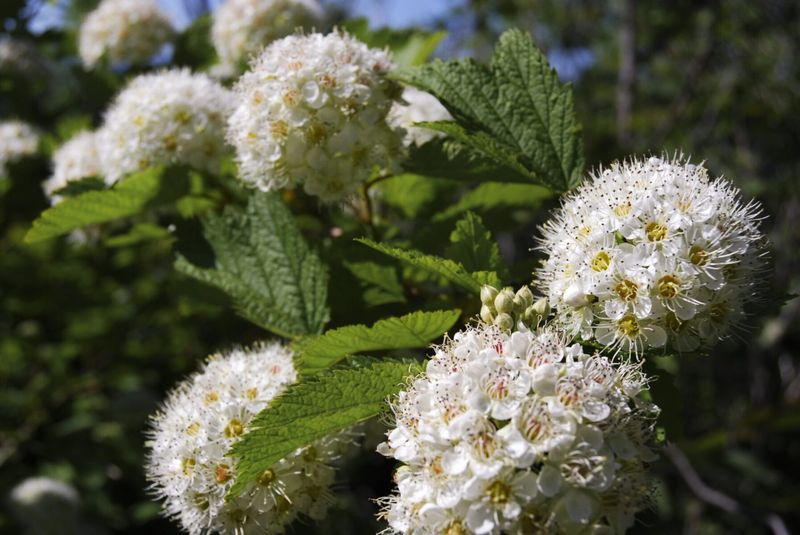
Few shrubs work as hard across all four seasons as ninebark. The exfoliating bark peels away in thin, papery layers to reveal warm reddish and cinnamon-toned inner bark, which gives the shrub genuine winter interest long after the leaves have fallen.
Deer tend to browse ninebark far less than arborvitae, and that relative resistance, combined with its adaptability to Ohio soils and climates, has made it a go-to choice for homeowners looking to rebuild their shrub borders with something more dependable.
It also brings a stronger sense of texture and contrast to a planting than many standard screening shrubs.
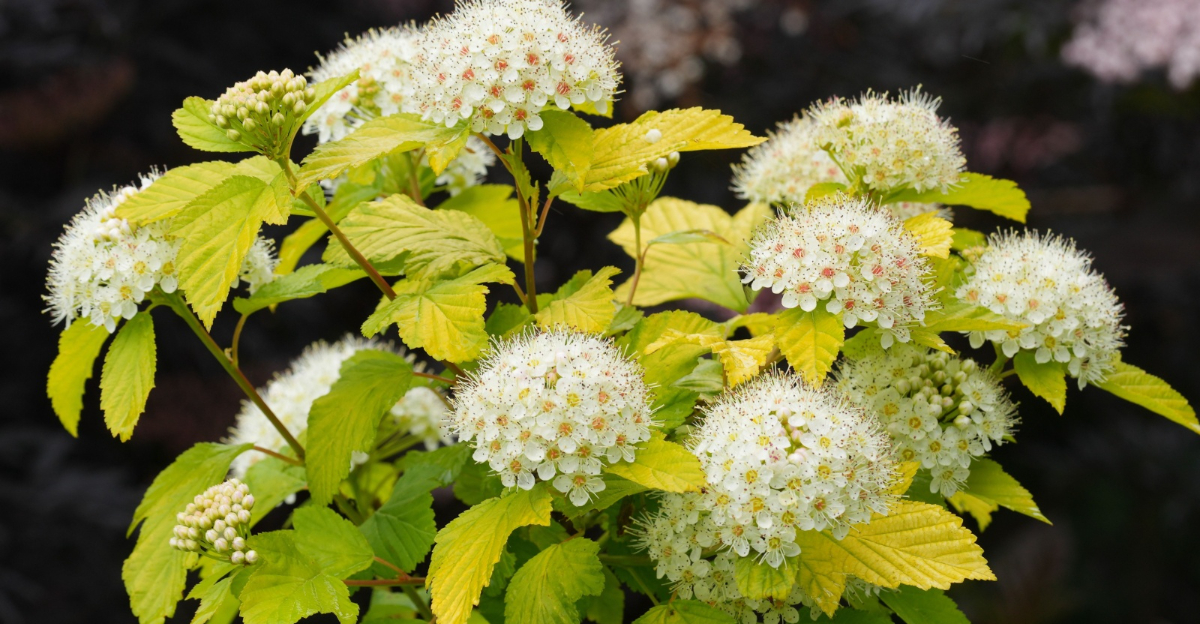
In late spring, ninebark covers itself in clusters of small white or light pink flowers that attract native bees and other pollinators.
The foliage on many popular cultivars ranges from deep burgundy to golden chartreuse, giving the shrub strong visual presence in a mixed border throughout the growing season.
Reddish seedpod clusters follow the blooms and add texture through summer and into fall. The combination of colorful foliage, flowers, seedpods, and exfoliating bark means ninebark contributes something worthwhile in every season.
Ninebark is native and tolerates a wide range of soil conditions, including clay, poor drainage, and occasional drought once established. It grows well in full sun to part shade and can reach five to ten feet tall depending on the cultivar.
Compact selections like Tiny Wine or Little Devil work well for foundation plantings and smaller yards, while larger cultivars like Diablo suit property edges and screening borders.
It is not a dense evergreen screen, but for four-season structure and color in an Ohio landscape, ninebark is genuinely hard to beat.
5. Bayberry Brings Texture And Screening Value
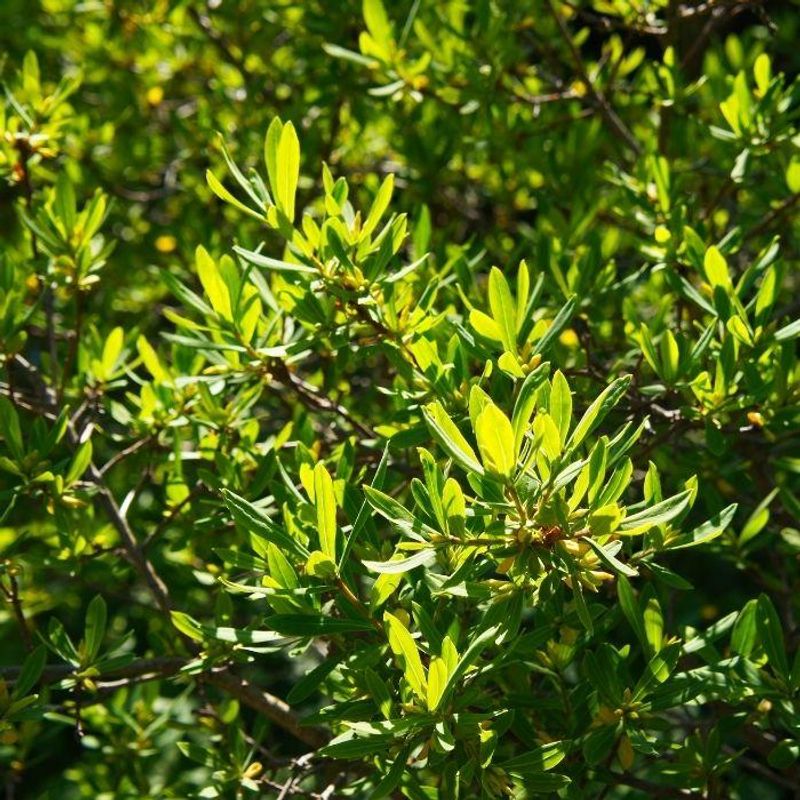
When homeowners want a shrub that can pull screening duty along a property edge without becoming a regular target for deer, northern bayberry deserves serious consideration.
The waxy, aromatic foliage is one of the main reasons deer tend to pass it by in favor of more palatable plants, and that same fragrance is part of what gives bayberry its long history as a source of scented candles and natural wax.
The gray-green leaves have a leathery texture and a pleasant scent when brushed, which makes it a satisfying shrub to walk past in any Ohio yard.
Bayberry is semi-evergreen in Ohio, meaning it holds much of its foliage well into winter and sometimes through the season depending on how harsh conditions get.
That semi-evergreen quality gives it more year-round screening value than fully deciduous shrubs, even if it cannot match the solid winter density of a true evergreen.
Clusters of small, waxy gray berries appear on female plants in late summer and persist through winter, providing a food source for yellow-rumped warblers and other birds that move during migration.
Northern bayberry grows well in lean, sandy, or dry soils where many other shrubs struggle, but it also adapts reasonably well to the average Ohio yard with decent drainage.
It typically reaches five to ten feet tall and spreads gradually by root suckers to form a dense colony over time.
For homeowners planting along property lines, road edges, or open sunny borders, bayberry offers a tough, low-maintenance option with real textural interest and meaningful wildlife value built in.