The Drought-Smart Native Grass California Homeowners Love Near Entryways
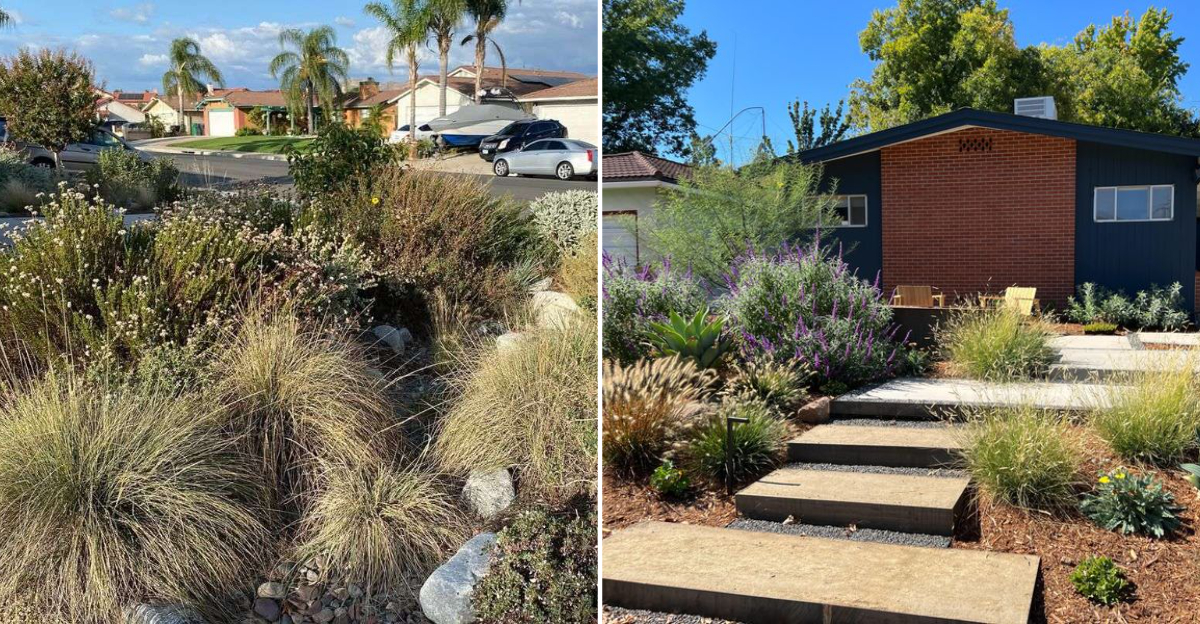
If you want a plant that makes a stylish first impression and barely complains about heat or drought, deer grass might be your new favorite. California homeowners are falling in love with this graceful native for one simple reason.
It looks effortlessly beautiful all year long. Soft arching blades form elegant clumps, while tall flower stalks rise and sway in the breeze, catching golden light near walkways and entryways.
It brings movement, texture, and a calm natural vibe the moment guests arrive. Even better, deer grass is tough, water wise, and perfectly suited to California’s dry summers, so it keeps looking fresh without constant care.
Plant it once, give it sunshine, and watch it frame your entrance with quiet drama and charm. This drought smart native proves that low maintenance can still be stunning, welcoming, and full of personality right at your doorstep.
Deer grass is considered low fire risk when maintained green and healthy, but it should never be allowed to become dry or neglected.
Meet California’s Native Deer Grass
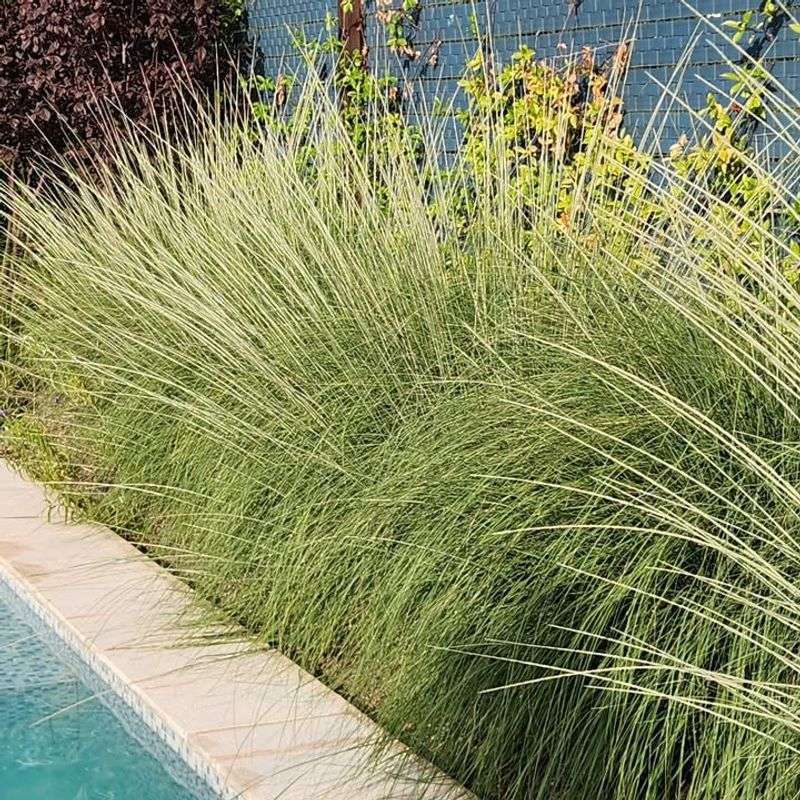
Muhlenbergia rigens goes by the common name deer grass, and it has been growing wild in California for thousands of years. You’ll find it naturally along streams and in coastal sage scrub areas throughout the state.
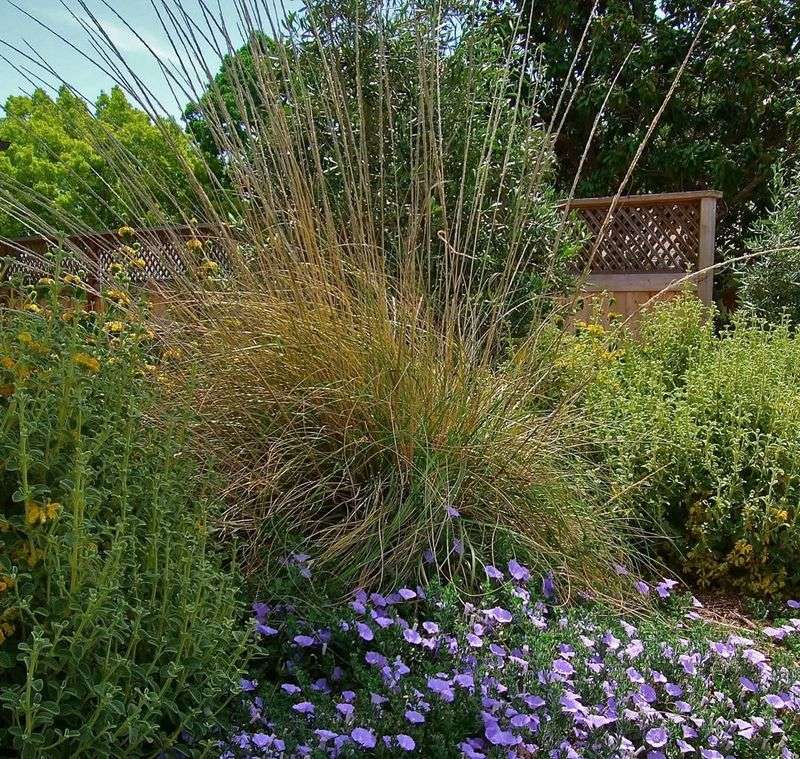
The plant forms dense clumps of slender green blades that arch gracefully outward.
This perennial bunch grass typically reaches about three feet tall and equally wide when fully grown. Native peoples in California used deer grass for basket weaving because the stems are strong and flexible.
Today, landscape designers choose it because it brings that same natural beauty to home gardens.
The grass produces tall flower spikes in late spring that rise above the foliage like delicate wands. These airy blooms add vertical interest without blocking views or feeling heavy.
Birds appreciate the seeds that form after flowering.
Because deer grass evolved right here in California, it understands the rhythm of dry summers and occasional winter rains. Your entryway gets a plant that already knows how to thrive in local conditions.
Many homeowners notice wildlife visiting their deer grass, from butterflies to small birds looking for shelter.
Garden centers across California now stock this native grass regularly. It has become one of the most requested plants for water-wise landscaping projects.
Built For Drought And Heat
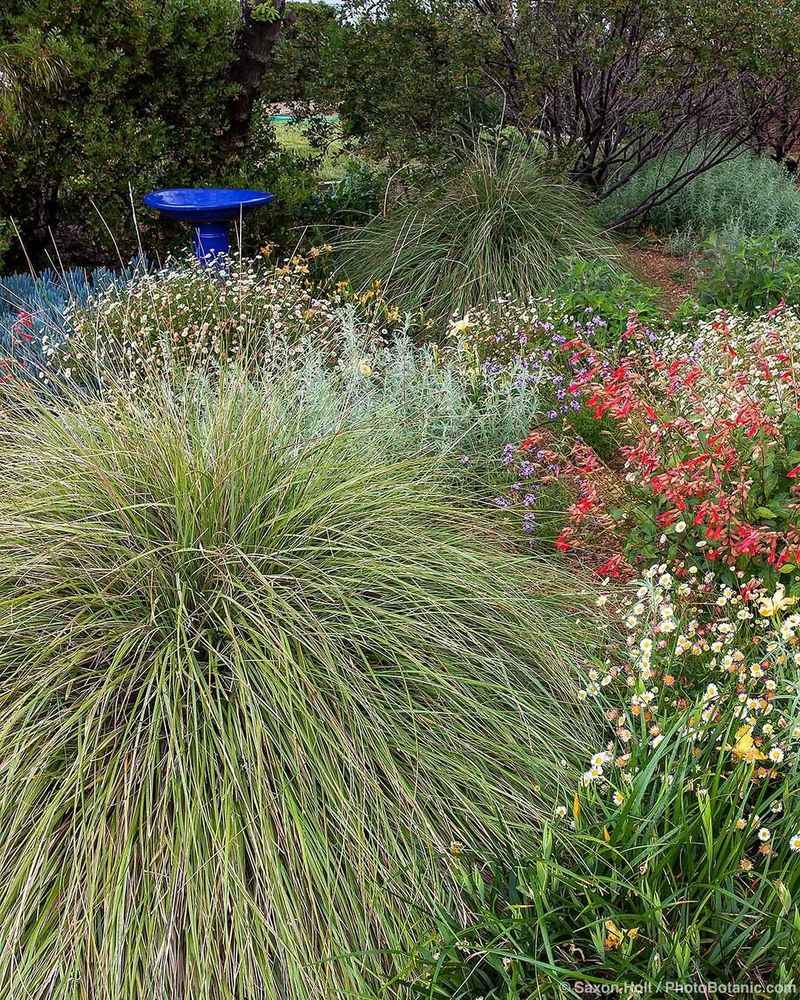
Once deer grass establishes its root system, it can go months without supplemental watering during California’s dry season. The roots grow deep into the soil, reaching moisture that shallow-rooted plants never find.
This adaptation allows the grass to stay green and healthy even when temperatures climb above 100 degrees.
During the first growing season, you’ll need to water regularly to help those roots develop. After that initial period, the plant becomes remarkably self-sufficient.
Many California homeowners report watering their established deer grass just once or twice per month in summer.
The narrow leaf blades reduce water loss through a smaller surface area compared to broad-leafed plants. This clever design helps the grass conserve every drop it receives.
Your California Garden Changes Every Week. Your Plan Should Too.
Gardening in California changes quickly throughout the season. Every Friday you’ll receive a simple weekly plan showing exactly what to plant, prune, fertilize, harvest, and protect so you never miss the right timing.
Even in reflected heat near paved entryways, deer grass maintains its composure.
California’s Mediterranean climate matches perfectly with this native’s natural growing pattern. It actively grows during the cooler, wetter months and then coasts through summer with minimal resources.
You won’t see it looking stressed or turning brown like non-native grasses do.
Water agencies throughout California often include deer grass on their recommended plant lists. Some cities even offer rebates when homeowners replace thirsty lawns with native grasses like this one.
Perfect Structure For Entryways
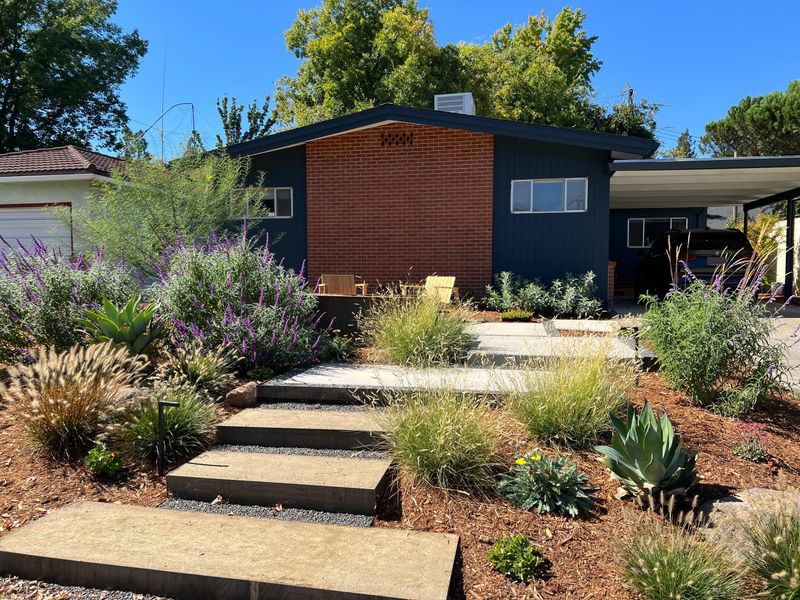
Deer grass grows in a fountain shape that landscape designers call a bunch grass or clumping grass. The blades emerge from a central crown and cascade outward in all directions.
This symmetrical form creates a soft but structured look that works beautifully beside front doors and along walkways.
The rounded shape stays consistent without requiring trimming or shaping from you. Unlike shrubs that need regular pruning to maintain their form, deer grass naturally grows into an attractive mound.
This saves you time and effort while keeping your California entryway looking polished.
Placing deer grass on either side of your front door creates a welcoming frame without blocking the entrance. The plant stays compact enough that it won’t crowd the walkway as it matures.
Its upright habit means the foliage grows up rather than sprawling sideways into traffic areas.
The fine texture of the grass blades softens hard surfaces like concrete, stone, or stucco that are common in California architecture. This textural contrast makes your entryway feel more inviting and less stark.
Visitors notice the graceful movement even before they reach your door.
Many California homeowners use deer grass to define the edges of pathways leading to their entrance. The repetition of these grass clumps creates rhythm and guides people toward the door.
Year-Round Texture And Movement
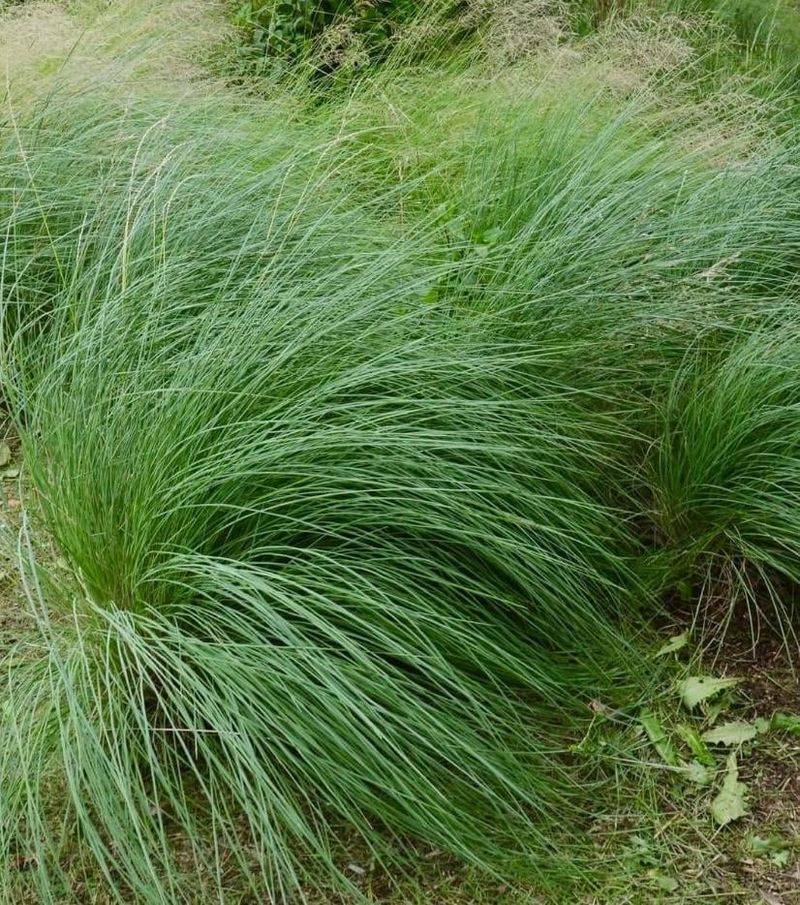
Wind brings deer grass to life in ways that solid shrubs simply cannot match. Even a gentle breeze causes the slender blades to sway and dance, creating movement that catches your eye.
This dynamic quality makes your entryway feel alive and interesting rather than static.
The grass maintains its good looks through all four seasons in California’s mild climate. While deciduous plants lose their leaves and go dormant, deer grass stays evergreen in most areas.
You get consistent color and texture at your entrance regardless of the month.
Morning light filtering through the fine blades creates beautiful shadows on nearby walls or pathways. Late afternoon sun makes the foliage glow with a warm golden tone.
These changing light effects throughout the day add visual interest without any effort on your part.
During California’s rainy season, water droplets cling to the narrow leaves and sparkle like tiny jewels. The grass blades bend gracefully under the weight and then spring back up as they dry.
This resilience demonstrates why the plant thrives in its native habitat.
The flower stalks that appear in late spring add another layer of texture and movement. They nod and wave on their thin stems, creating an airy, naturalistic effect.
Even after the flowers fade, the seed heads remain attractive for weeks.
Nearly Maintenance-Free Once Established
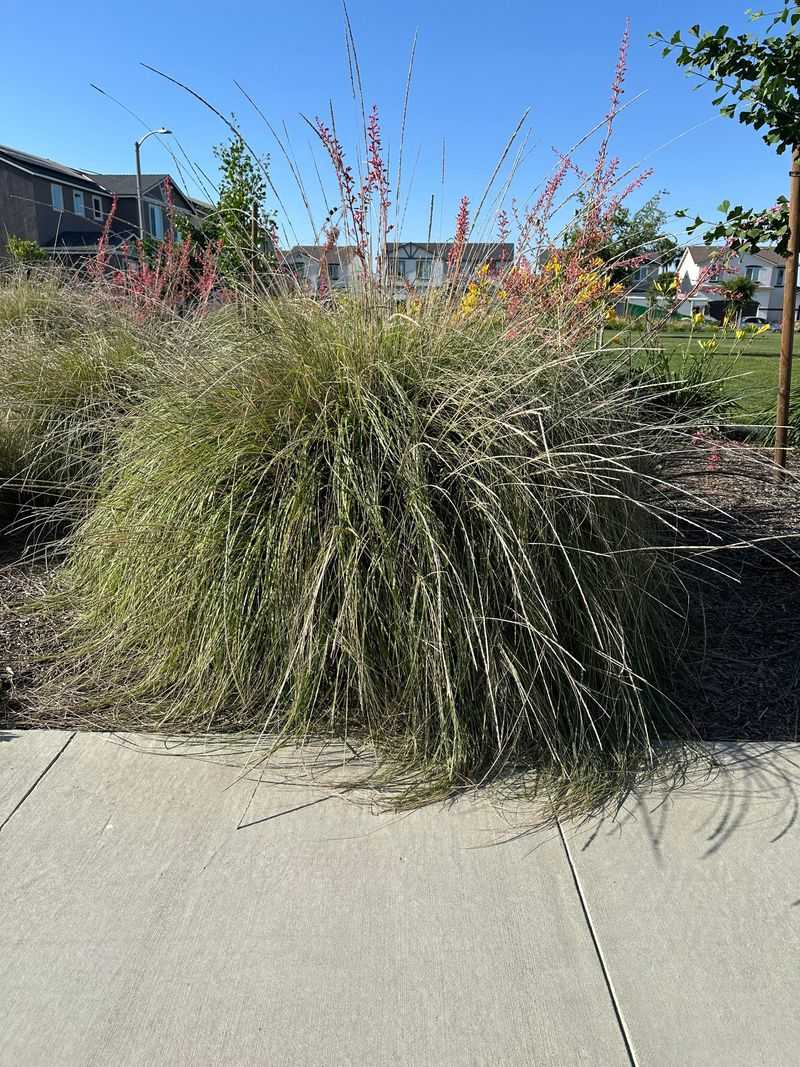
Forget about weekly mowing or constant trimming when you choose deer grass for your California entryway. The plant requires remarkably little attention after it settles into your landscape.
Most homeowners spend just a few minutes per year on maintenance tasks.
The main annual chore involves cutting back the old foliage in late winter before new growth emerges. You can use hedge shears or even a string trimmer to remove the previous year’s blades.
This quick haircut takes about ten minutes per plant and refreshes its appearance for the growing season.
Deer grass rarely suffers from pest problems or diseases that plague many garden plants. Its tough leaves don’t appeal to most insects, and fungal issues seldom develop in California’s dry climate.
You won’t need to spray chemicals or worry about treating problems.
Fertilizing is completely optional with this native grass. It evolved in California soils that aren’t particularly rich, so it doesn’t expect or need supplemental nutrients.
The plant grows perfectly well on whatever your natural soil provides.
Weeds have trouble competing with established deer grass clumps because the dense root system occupies all available space. A layer of mulch around young plants prevents weed seeds from sprouting.
Once the grass fills in, it does the weed-blocking job itself.
How To Plant For Best Shape
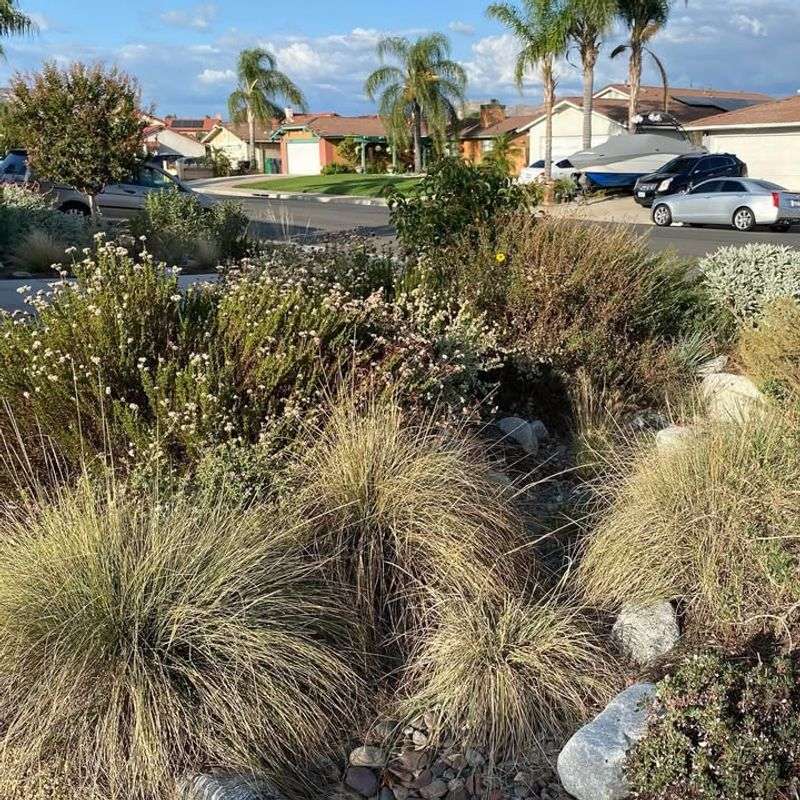
Start by choosing a location near your California entryway that receives full sun or light shade. Deer grass tolerates some shade but develops its best form and densest growth in bright conditions.
Make sure the spot has decent drainage since the plant doesn’t like sitting in waterlogged soil.
Dig a hole about twice as wide as the nursery container but no deeper than the root ball. California’s native soils work fine without amendments for this grass. Place the plant so the crown sits at the same level it was growing in the pot.
Space multiple plants about three to four feet apart if you’re creating a grouping along your entryway. This spacing allows each clump to develop its full fountain shape without crowding neighbors.
They’ll still create a cohesive look while maintaining their individual structure.
Water thoroughly after planting and then keep the soil consistently moist for the first few months.
This establishment period helps roots grow deep into your California soil. Gradually reduce watering frequency as the plant shows signs of new growth.
Apply a three-inch layer of mulch around each plant, keeping it a few inches away from the crown.
Mulch conserves moisture and moderates soil temperature during California’s hot summers. Organic mulches break down over time and improve your soil structure.
Why California Gardeners Keep Choosing It
Water conservation tops the list of reasons California homeowners select deer grass for their properties. State regulations continue to encourage drought-tolerant landscaping, and this native grass delivers impressive water savings.
Your monthly water bill decreases while your landscape stays attractive.
The plant’s California heritage means it supports local ecosystems in ways that imported species cannot. Native birds recognize deer grass as a food source and shelter.
Beneficial insects also appreciate having a plant they evolved alongside.
Homeowners appreciate that deer grass doesn’t require replacement every few years like many ornamental plants do. This perennial grass lives for decades when given appropriate conditions.
Your initial investment continues paying dividends year after year without additional purchases.
The natural appearance of deer grass fits perfectly with California’s indoor-outdoor lifestyle and casual elegance. It doesn’t look overly formal or fussy, which matches how most people want their homes to feel.
The grass creates a relaxed, welcoming vibe at your entrance.
Garden tours and landscape awards throughout California frequently feature properties using native grasses like deer grass. Homeowners find that their water-wise choices often increase property value and curb appeal.
Potential buyers appreciate landscapes that won’t demand constant attention or high water bills after they move in.