Why More Texans Are Planting Agave By Their Front Door?
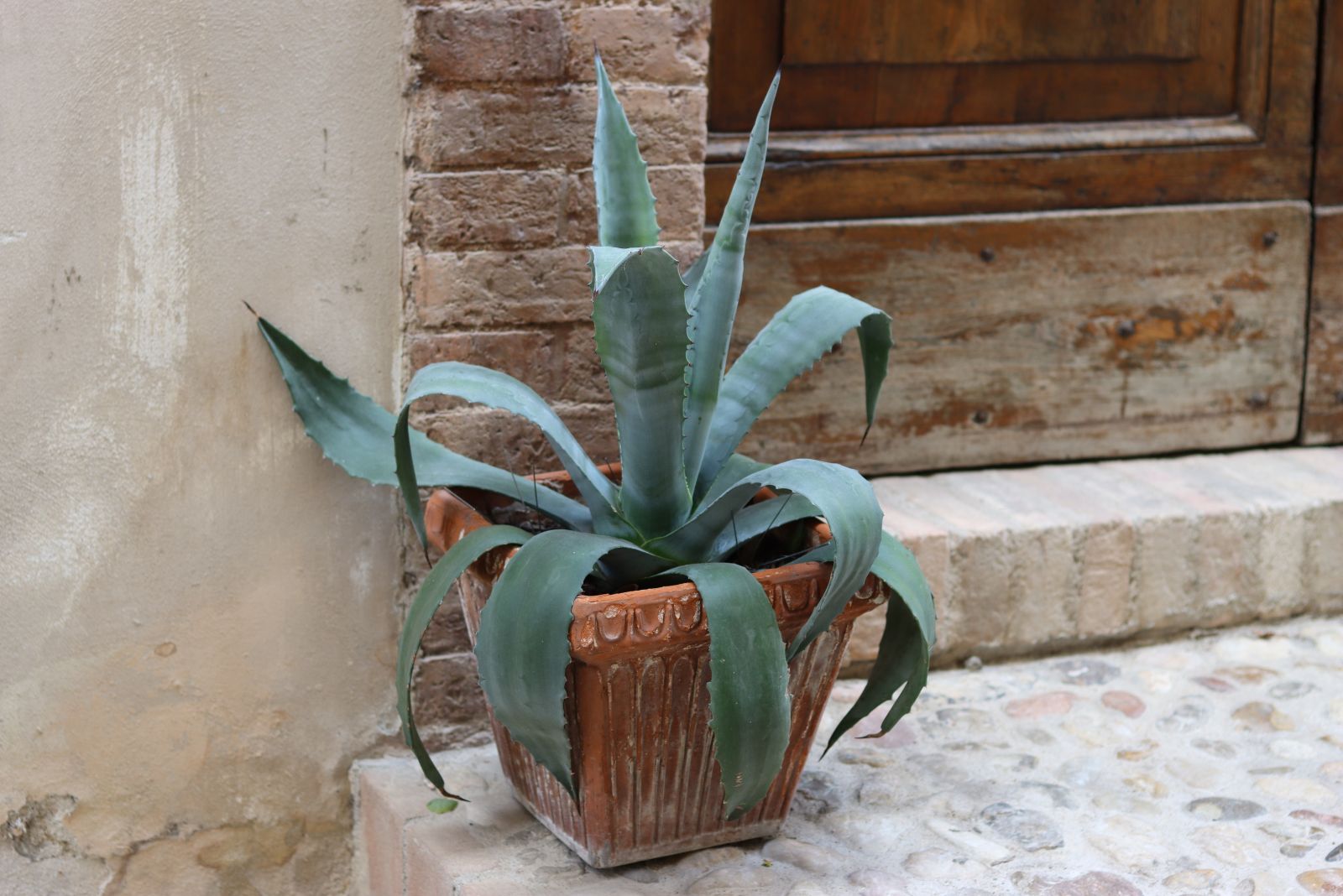
Have you noticed more bold, sculptural plants appearing beside front doors across Texas neighborhoods? Homeowners are increasingly choosing agave for its striking look and effortless care, turning simple entrances into eye catching focal points.
Its strong, architectural shape adds instant character and a modern touch that stands out in any landscape. Beyond its beauty, agave thrives in intense Texas heat, tolerates drought, and needs very little maintenance once established.
That resilience makes it a practical choice for busy homeowners who want lasting curb appeal without constant upkeep. Planted near the front door, it creates a clean, welcoming impression that looks attractive throughout the year.
Its ability to handle tough conditions while maintaining bold structure explains why more Texans are embracing this standout plant.
With minimal effort, agave can transform an ordinary entryway into a stylish, resilient, and visually striking part of your home’s landscape.
1. Exceptional Drought Tolerance
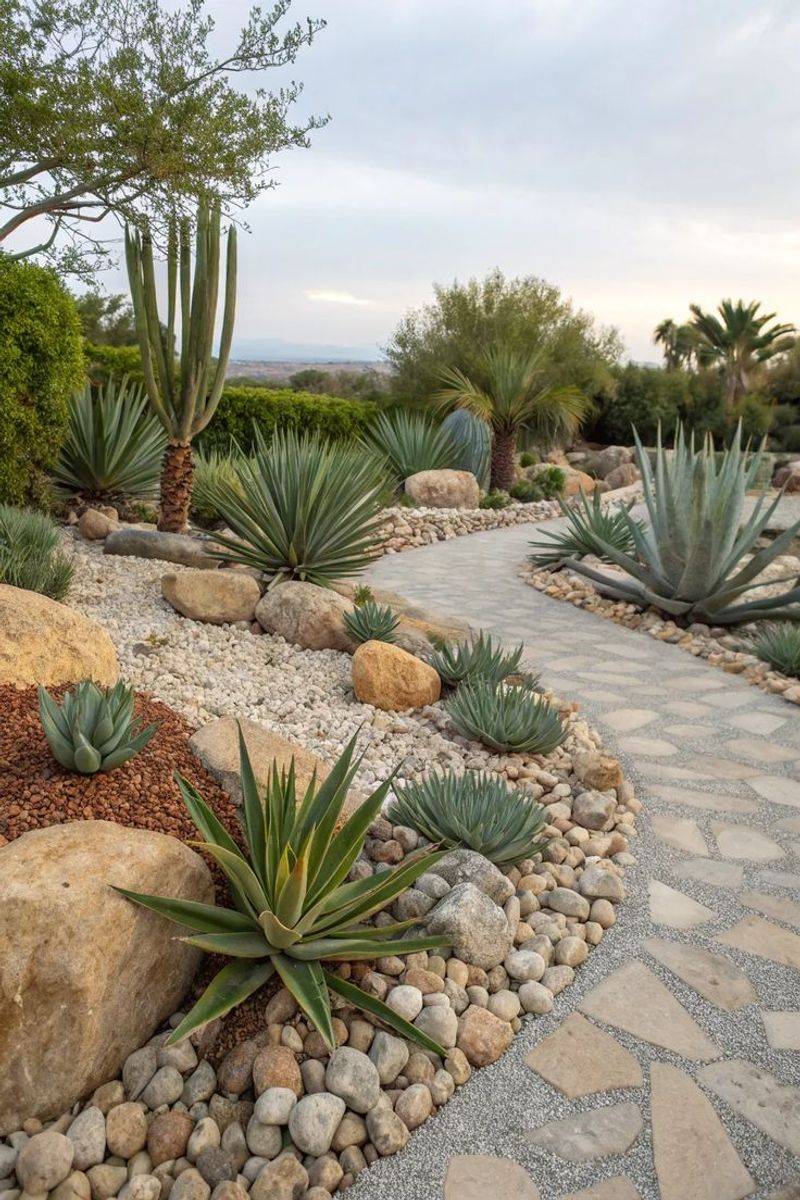
Water bills in Texas can skyrocket during summer months, especially when you’re trying to keep traditional landscaping alive. Agave plants change that equation completely.
Once established in your front yard, these remarkable succulents need almost no supplemental watering, even during the hottest months.
The secret lies in their specialized leaf structure. Agave stores water in its thick, fleshy leaves, creating its own reservoir system.
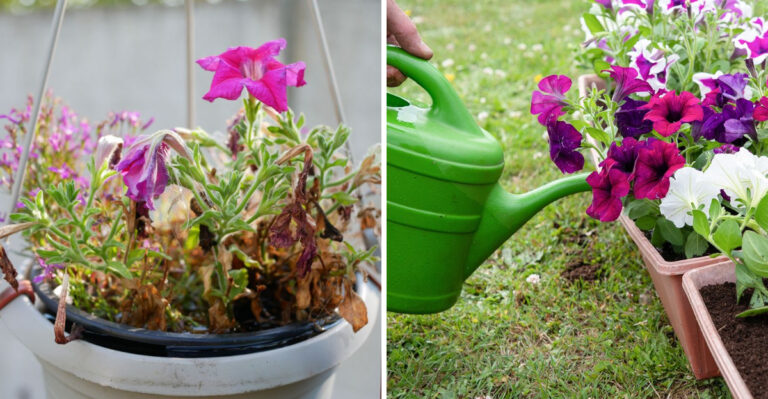
This adaptation allows the plant to survive weeks or even months without rain. During typical Texas summers, while your neighbor’s petunias are wilting, your agave stands strong and healthy.
Establishing an agave takes minimal effort. For the first few weeks after planting, water occasionally to help roots settle in.
After that, natural rainfall usually provides everything the plant needs. In particularly dry stretches, a deep watering once every few weeks keeps it looking its best.
This drought tolerance translates directly to savings. Texas homeowners report cutting their water usage significantly after switching to agave landscaping.
Some families save hundreds of dollars annually on irrigation costs. Beyond the financial benefits, you’re also being a responsible steward of Texas’ limited water resources.
Different agave varieties offer slightly different drought tolerances, but all perform exceptionally well in dry conditions.
Whether you choose the blue-gray Agave americana or the compact Agave parryi, you’re selecting a plant perfectly suited to Texas’ challenging climate.
Your front entrance stays beautiful without constant watering, giving you more time to enjoy your home rather than maintaining it.
2. Handles Intense Sun And Heat
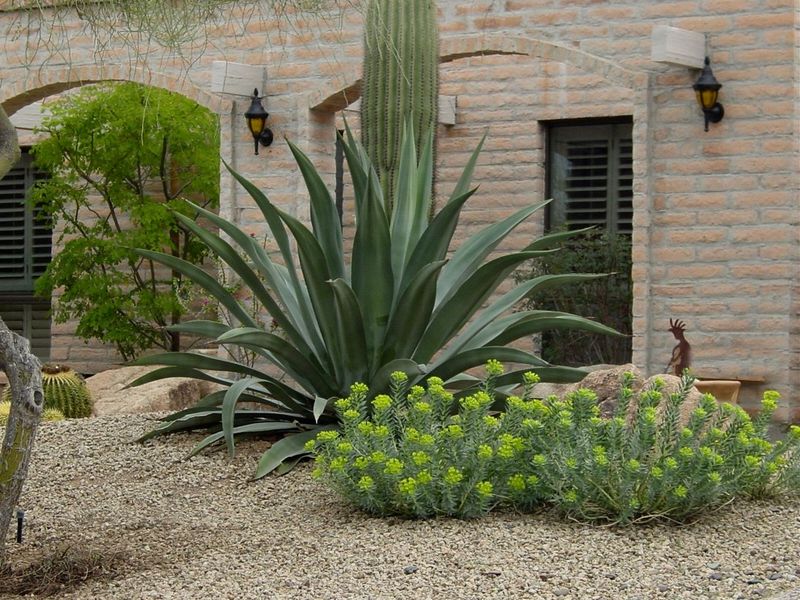
Full Texas sun can be brutal. Temperatures regularly exceed 100 degrees during summer, and the intense sunshine can scorch many popular landscaping plants. Agave actually loves these conditions. The hotter and sunnier, the better it performs.
Most agave varieties evolved in desert and semi-arid regions where intense sun is the norm. Their thick, waxy coating reflects excess sunlight while protecting the plant from heat damage.
This natural sunscreen allows agave to thrive in spots where other plants would struggle or require constant care to survive.
Planting agave by your front door makes perfect sense in Texas. That south-facing entrance that gets pounded by afternoon sun becomes the ideal location.
Your Texas Garden Changes Every Week. Your Plan Should Too.
Gardening in Texas changes quickly throughout the season. Every Friday you’ll receive a simple weekly plan showing exactly what to plant, prune, fertilize, harvest, and protect so you never miss the right timing.
You don’t need to worry about providing shade or creating special microclimates. Simply plant your agave in full sun and watch it flourish.
During those long Texas summer stretches when temperatures hover above 95 degrees for weeks, agave maintains its structural integrity and attractive appearance. The leaves stay firm and colorful.
There’s no wilting, no brown edges, and no stressed-out drooping that you see with heat-sensitive plants.
This heat tolerance extends throughout the growing season. From late spring through early fall, when Texas gardeners battle extreme conditions, agave requires zero special attention.
It simply continues looking great day after day. For busy Texas homeowners who want beautiful landscaping without constant intervention, agave’s ability to handle intense sun and heat makes it an obvious choice for front door plantings across the state.
3. Striking Architectural Appearance
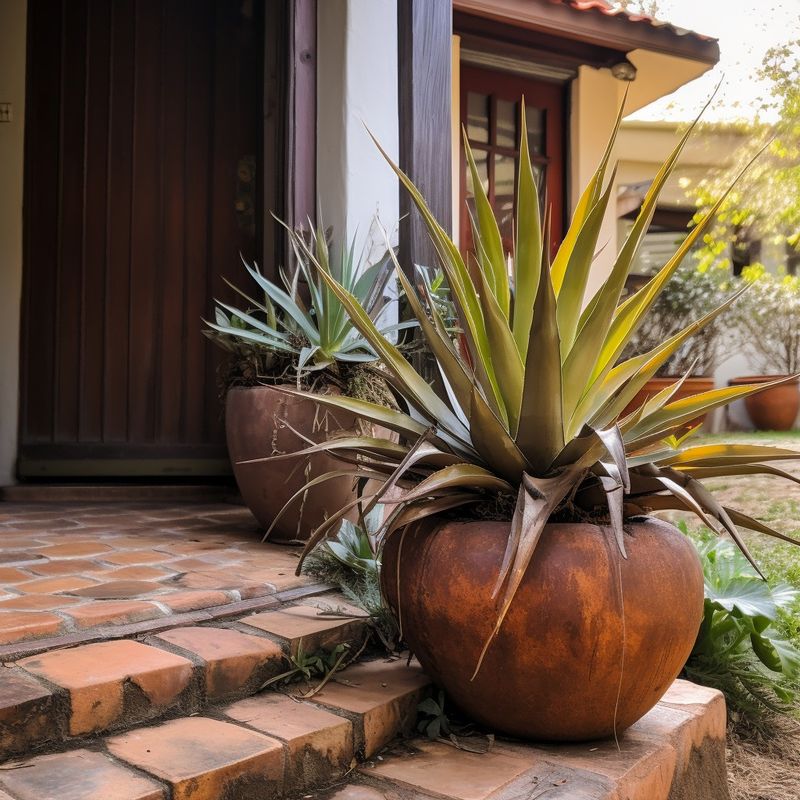
Modern Texas homes deserve landscaping that makes a statement. Agave delivers visual impact like few other plants can.
Its bold rosette form creates instant architectural interest, transforming ordinary front entrances into eye-catching focal points.
Each agave plant grows in a symmetrical pattern, with thick leaves radiating from a central point. This geometric precision gives your front door area a clean, contemporary look.
The plant’s form remains consistent year-round, providing reliable structure regardless of season.
Size options vary widely among agave species. Smaller varieties like Agave victoriae-reginae stay compact at about 12 inches across, perfect for flanking doorways.
Larger species such as Agave americana can reach several feet in diameter, creating dramatic standalone specimens. Texas homeowners can choose the size that best fits their specific space and design vision.
Color adds another dimension to agave’s architectural appeal. Blue-gray varieties offer cool, sophisticated tones.
Green species with cream-colored stripes provide contrast and visual interest. Some agave types feature reddish margins along their leaves, adding unexpected warmth to the color palette.
The sculptural quality of agave works beautifully with various architectural styles common across Texas. Whether your home features modern minimalism, Spanish revival, or contemporary ranch design, agave complements the aesthetic.
Real estate professionals note that well-placed agave plants enhance curb appeal and can even increase property values.
Your front entrance becomes a designed space rather than just a planted area, showcasing your attention to detail and contemporary design sensibility.
4. Very Low Maintenance
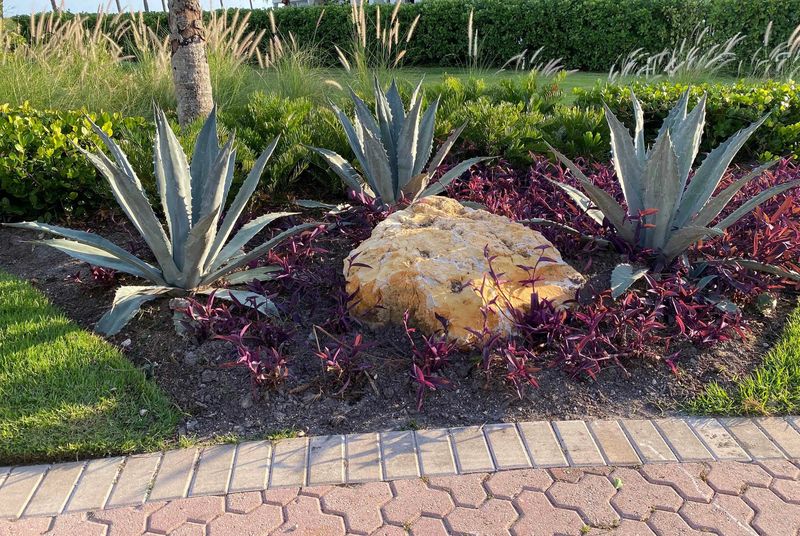
Weekends are precious. Spending them constantly pruning, fertilizing, and fussing over high-maintenance plants doesn’t appeal to most Texas homeowners.
Agave plants respect your time. They require almost no regular maintenance once established in your front yard.
Forget about weekly pruning sessions. Agave grows slowly and maintains its shape naturally.
Occasionally, an older lower leaf might brown and can be removed, but this happens infrequently. Many Texas homeowners go months without touching their agave plants.
Fertilizing becomes optional rather than mandatory. Agave evolved in nutrient-poor soils and doesn’t require regular feeding.
If you want to encourage slightly faster growth, a light application of cactus fertilizer once yearly is plenty. Most people skip fertilizing entirely without any negative effects.
Pest problems are remarkably rare with agave. The tough, thick leaves discourage most insects.
Agave snout weevils can occasionally appear, but proper planting techniques minimize this risk. Overall, you’ll spend far less time dealing with pest issues compared to traditional landscaping plants.
Disease resistance is another major advantage. Agave rarely suffers from fungal infections or bacterial problems that plague other plants.
Proper drainage prevents the few issues that might arise. Texas gardeners appreciate plants that simply grow without constant intervention or troubleshooting.
The time savings add up significantly over a year. Hours previously spent on plant maintenance can now be used for activities you actually enjoy.
Your front entrance looks professionally landscaped without the professional-level effort. For Texas families balancing busy schedules, agave’s low-maintenance nature makes it an incredibly practical choice.
5. Perfect For Water-Wise Landscapes
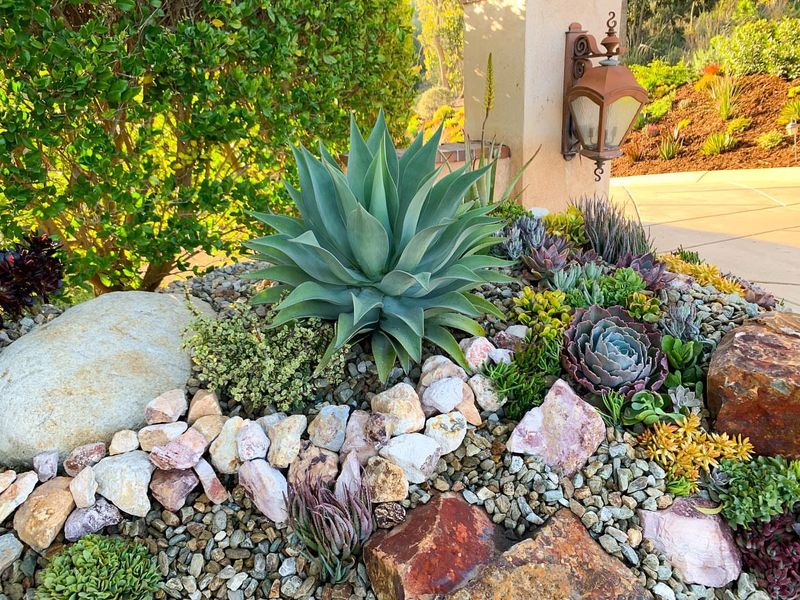
Water conservation matters more than ever in Texas. Recurring drought conditions and growing populations strain water supplies across the state.
Forward-thinking homeowners are embracing xeriscaping and water-wise landscaping principles. Agave stands as one of the best plants for these sustainable approaches.
Traditional lawn and garden landscapes can use thousands of gallons of water monthly. Replacing even a portion of that with agave dramatically reduces consumption.
Some Texas cities offer rebates or incentives for homeowners who convert to water-efficient landscaping, making the switch even more attractive financially.
Xeriscaping doesn’t mean sacrificing beauty. Agave proves that water-wise gardens can be stunning.
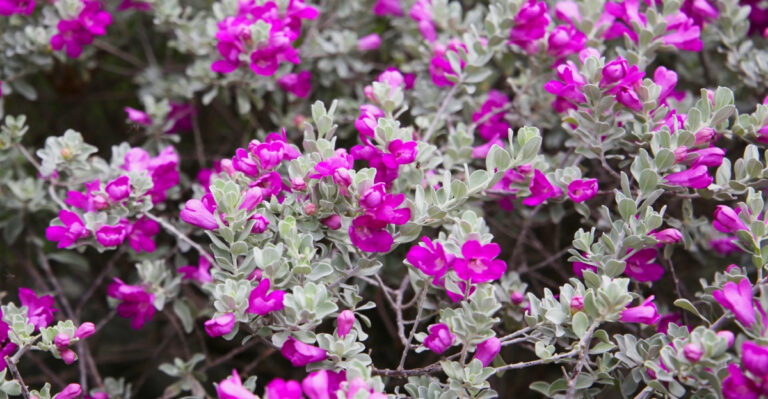
Combined with other drought-tolerant plants like native grasses, yucca, and Texas sage, agave creates lush-looking landscapes that use a fraction of the water. Your front entrance becomes a showcase for sustainable design.
Municipalities across Texas increasingly implement watering restrictions during dry periods. Homeowners with traditional landscapes face difficult choices about which plants to save.
Agave owners don’t face these dilemmas. Their plants continue thriving regardless of watering restrictions.
The environmental benefits extend beyond water conservation. Less watering means less energy used for pumping and treating water.
Reduced irrigation also means fewer chemicals washing into storm drains. Your landscaping choices have positive ripple effects throughout your community.
Many Texas neighborhoods are shifting toward more sustainable landscaping practices collectively. Planting agave by your front door positions you as part of this positive movement.
You’re demonstrating that responsible water use and beautiful landscaping aren’t mutually exclusive. As climate patterns continue changing, water-wise plants like agave represent not just a trend but a necessary evolution in Texas gardening.
6. Long-Lasting And Durable
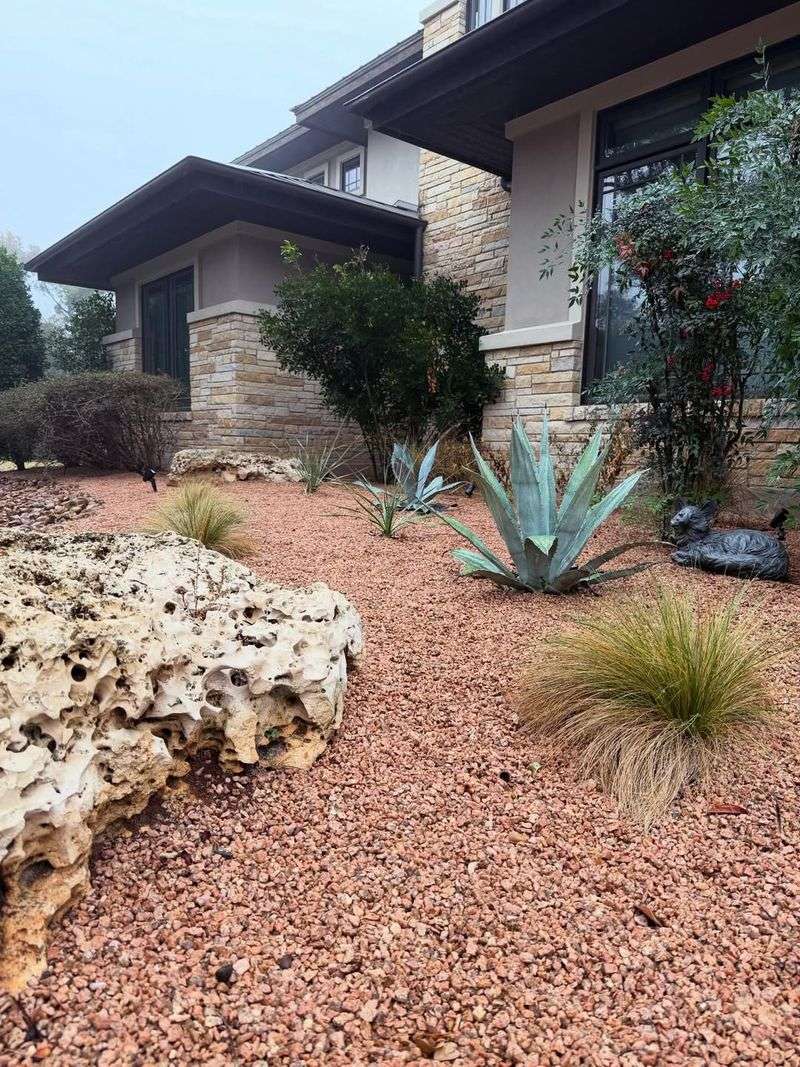
Landscape plants that need replacing every few years create ongoing expenses and effort. Agave takes the opposite approach.
These remarkably durable plants can live for decades, providing permanent structure to your front entrance.
Most agave species are slow-growing, which initially might seem like a disadvantage. However, this characteristic actually benefits homeowners.
Slow growth means the plant maintains its intended size and shape for years without outgrowing its space or requiring division. You design your front entrance once and enjoy the results long-term.
Durability extends to weather resilience. Texas throws everything at landscape plants: scorching heat, occasional freezes, high winds, and intense storms.
Agave handles these challenges remarkably well. The thick, rigid leaves resist wind damage. Most species tolerate brief cold snaps that would damage tropical plants.
Year-round visual interest is another longevity benefit. Unlike perennials that come and go or annuals requiring yearly replacement, agave looks essentially the same in January as it does in July.
This consistency provides reliable curb appeal regardless of season. Texas homeowners appreciate plants that deliver constant performance.
Eventually, many agave species will bloom, sending up an impressive flower stalk. This dramatic event typically happens after many years of growth.
After blooming, some agave species complete their life cycle, but they usually produce offsets or