This Is The Most Widely Planted Flowering Plant Across The Texas State
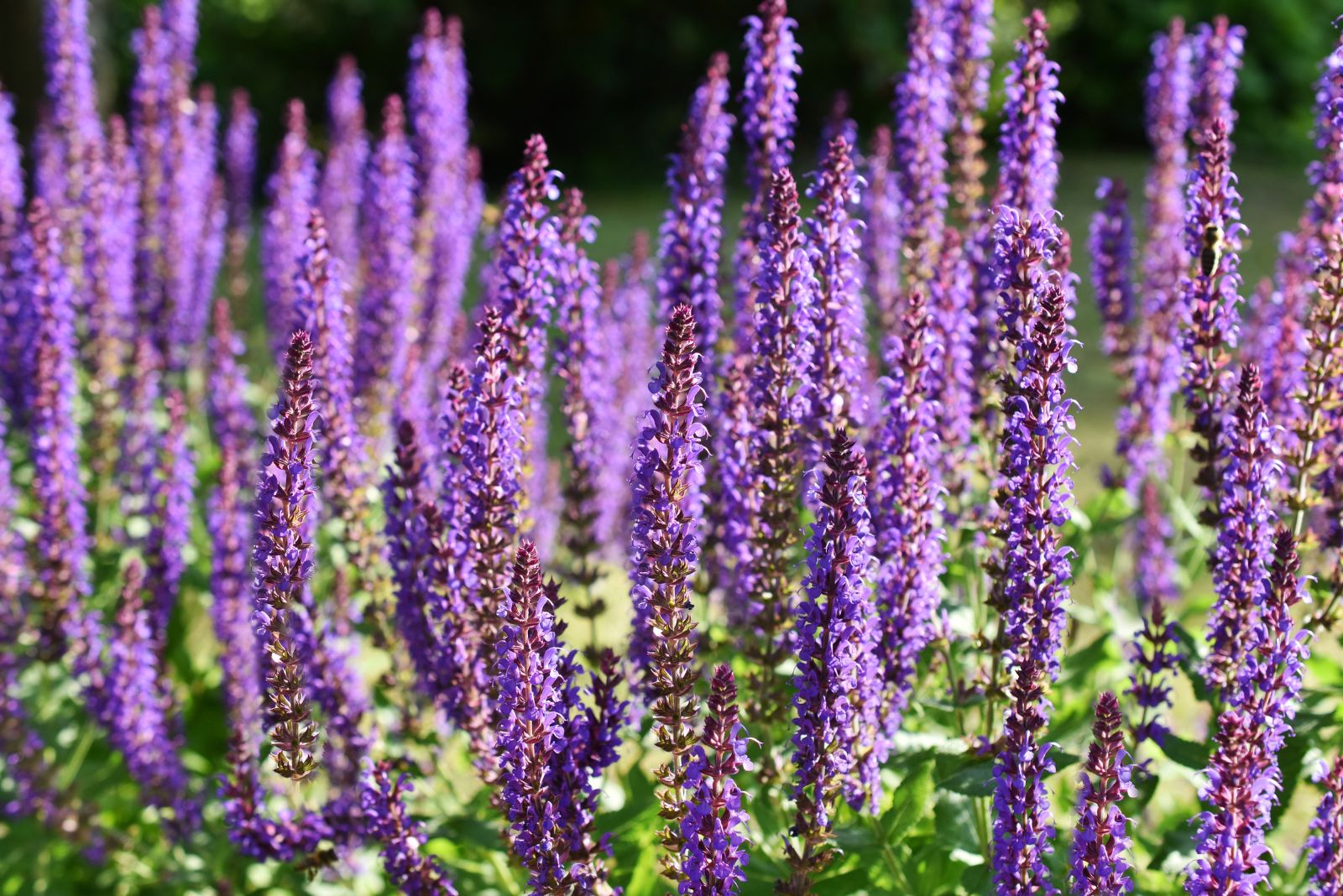
Across Texas, one flowering plant keeps showing up in yards, parks, and roadside landscapes.
Its bright blooms catch the eye, adding steady color even under strong sun and long dry stretches. Many people see it often without realizing how widely it has been planted across the state.
That plant is salvia, a favorite for its toughness and reliable flowering. It thrives in Texas heat, handles poor soil, and needs little care once established.
Gardeners appreciate how it blooms for long periods, drawing hummingbirds, bees, and butterflies while keeping gardens lively. Landscapers and city planners also rely on it because it performs well in both small beds and large public spaces.
Salvia’s ability to return year after year with minimal effort has helped it become one of the most commonly planted flowering choices in Texas. Its color, resilience, and wildlife appeal make it a lasting part of the state’s landscape.
1. Salvia Is One Of The Toughest Flowering Plants You Can Grow
Gardeners in Texas know that not every plant can handle what the climate throws at it. Salvia stands out because it keeps going when other flowers give up. This plant does not need perfect soil or constant attention to look good.
Poor soil does not stop salvia from growing strong. Many Texas yards have clay, sand, or rocky ground that makes planting difficult. Salvia adapts to these conditions without needing heavy amendments or special fertilizers.
Heat stress affects many flowering plants during Texas summers. Salvia continues blooming even when temperatures climb well above 90 degrees.
This consistent performance makes it reliable for landscapes that need color all season long.
Drought conditions are common across Texas, especially in summer months. Salvia handles dry spells better than most ornamental plants.
Once established, it can go weeks without supplemental watering and still maintain its appearance.
Foundation plantings benefit from salvia because it provides structure and color year after year. Gardeners use it along walkways, in front of fences, and around mailboxes. Its dependable nature means less replanting and fewer gaps in the landscape.
Low maintenance requirements make salvia practical for busy homeowners. It does not demand deadheading, staking, or frequent pruning.
A simple trim after the first bloom cycle keeps it looking fresh and encourages more flowers.
Texas landscapes rely on plants that perform without fuss. Salvia delivers exactly that, which explains why so many gardeners across the state choose it as their first option for adding flowering color to their yards.
2. It Handles Texas Heat With Ease
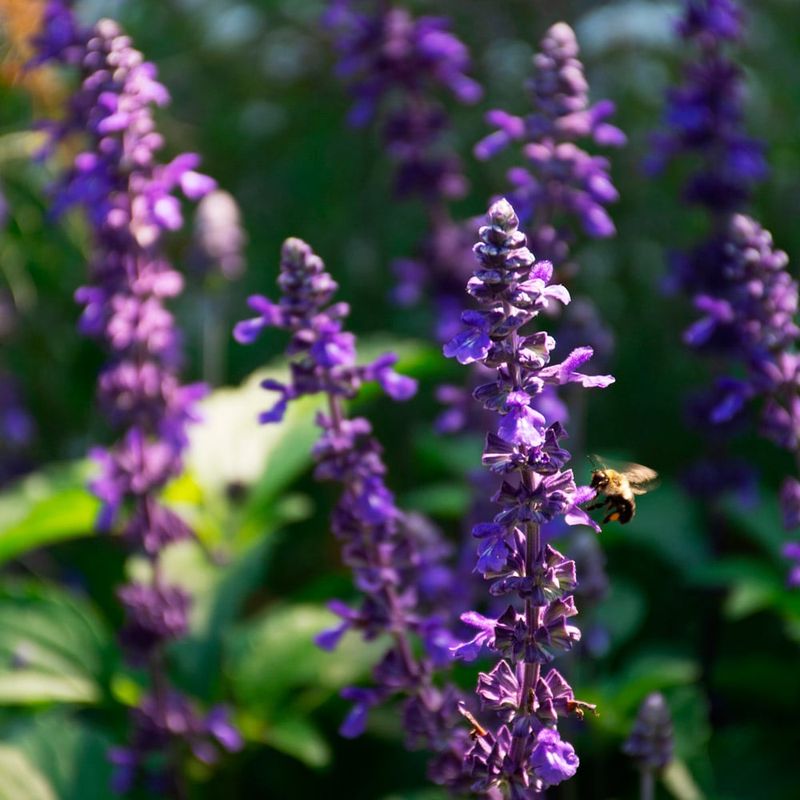
Summer in Texas brings temperatures that can break most plants. Salvia thrives when the mercury rises past 100 degrees Fahrenheit.
This heat tolerance makes it a practical choice for gardens across Central, North, and South Texas.
Established plants perform better than newly planted ones. After the first growing season, salvia develops deeper roots that help it access moisture and stay strong during heat waves. This adaptation allows it to bloom continuously even in the hottest months.
Many flowering plants wilt or stop blooming when exposed to extreme heat. Salvia keeps producing flowers through July and August, the toughest months in Texas. Gardeners appreciate this because it fills the gap when other plants struggle to perform.
Your Texas Garden Changes Every Week. Your Plan Should Too.
Gardening in Texas changes quickly throughout the season. Every Friday you’ll receive a simple weekly plan showing exactly what to plant, prune, fertilize, harvest, and protect so you never miss the right timing.
Full sun exposure does not damage salvia like it does more delicate species. In fact, most varieties prefer at least six hours of direct sunlight daily.
This sun-loving nature makes it perfect for open yards, parking strips, and areas without shade.
Heat stress shows up in plants as brown leaves, dropped buds, or stunted growth. Salvia rarely exhibits these problems in Texas gardens. Its leaves stay green and its stems remain upright even during the longest hot spells.
Gardeners in Dallas, Austin, San Antonio, and Houston all report success with salvia. The plant adapts to regional temperature variations without special care.
Whether you live in the humid Gulf Coast or the drier interior regions, salvia handles the heat that defines Texas summers with impressive resilience and continued beauty.
3. It Needs Very Little Water
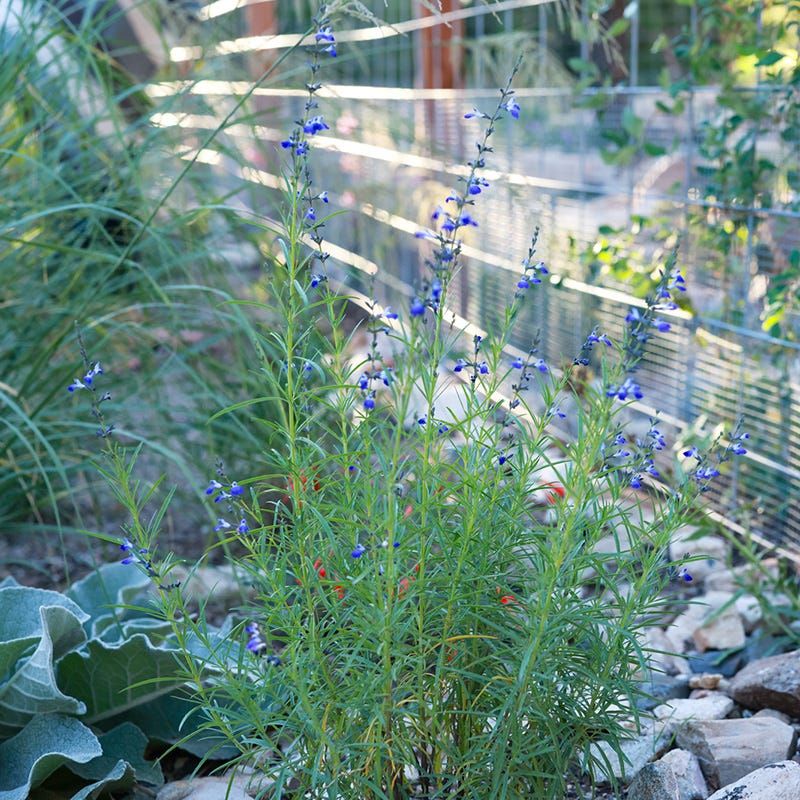
Water bills climb fast when you have a thirsty garden. Salvia helps keep costs down because it needs far less water than most flowering plants.
This drought tolerance makes it a smart choice for Texas homeowners who want beauty without waste.
Xeriscaping has become popular across Texas as water conservation grows more important. Salvia fits perfectly into these water-wise landscapes.
It provides color and texture while using a fraction of the water required by traditional garden plants.
Established salvia plants can survive on rainfall alone in many parts of Texas. During dry periods, a deep watering once every two weeks usually keeps them healthy. This minimal irrigation requirement saves time, money, and a precious natural resource.
Dry regions of West Texas and the Hill Country present tough growing conditions. Salvia performs well in these areas without constant watering.
Gardeners in places like Lubbock, Midland, and Fredericksburg rely on it for dependable color.
Root systems on salvia grow deep once the plant matures. These roots reach moisture that shallow-rooted plants cannot access.
This adaptation allows salvia to stay green and keep blooming even when surface soil dries out completely.
Water restrictions affect many Texas cities during summer months. Salvia helps gardeners maintain attractive landscapes while following local watering rules.
You can still have a colorful yard without violating drought ordinances or stressing about water use.
Native varieties require even less water than cultivated types. Texas gardeners who choose native salvia species create landscapes that thrive naturally.
These plants have evolved to handle the state’s unpredictable rainfall patterns and extended dry periods with remarkable efficiency.
4. It Blooms For A Long Time
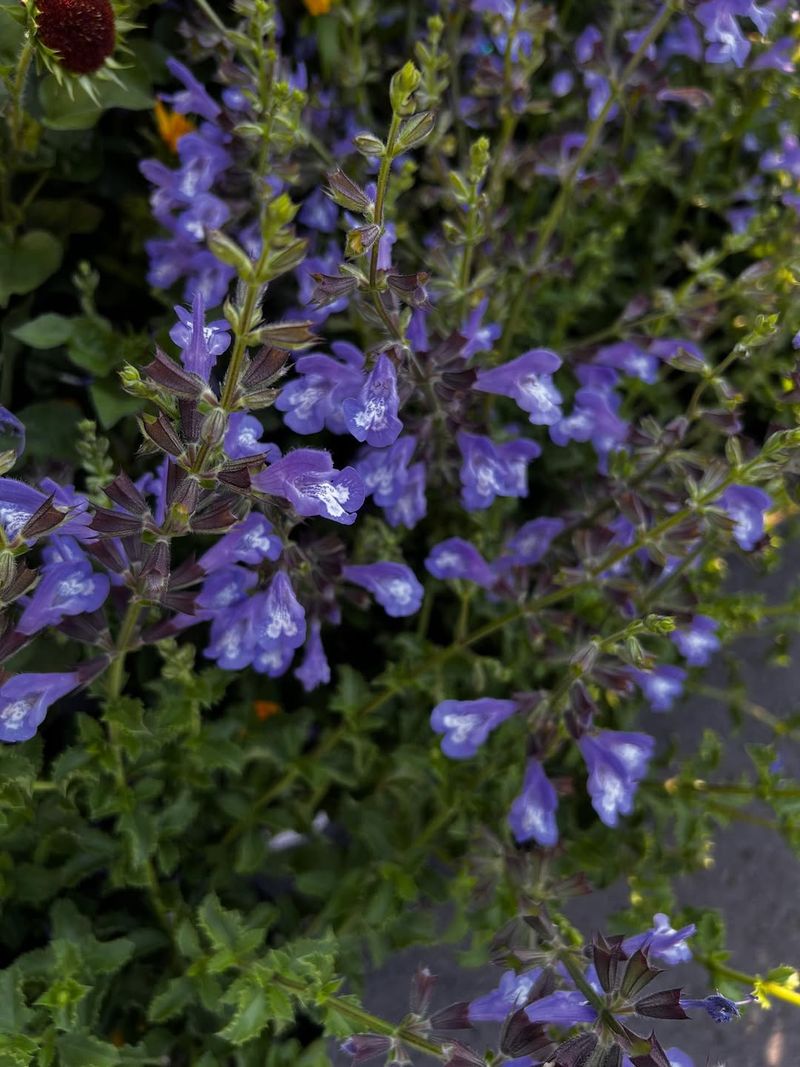
Most annual flowers bloom for a few weeks and then fade away. Salvia keeps producing flowers from spring through fall in Texas. This extended bloom period means months of continuous color without replanting.
Spring arrives early in much of Texas, often in March or April. Salvia begins blooming as soon as warm weather settles in.
Early flowers attract the first pollinators of the season and signal that the garden is coming back to life.
Summer heat stops many plants from flowering altogether. Salvia continues blooming straight through June, July, and August.
This persistence fills gardens with color during the months when most other flowers take a break.
Fall brings cooler temperatures and often triggers a second flush of blooms. Many perennial salvia varieties respond to light pruning by producing fresh flowers. A simple trim in late summer leads to renewed color that lasts until the first frost.
Gardeners who want year-round interest plant salvia as a foundation. In South Texas, some varieties bloom nearly all year. Even in North Texas, salvia provides color for seven to eight months annually.
Long-lasting flowers reduce the need for constant replanting. Annual flower beds require new plants several times each season.
Perennial salvia returns year after year and blooms for extended periods without replacement.
Texas landscapes benefit from plants that deliver consistent performance. Salvia provides reliable color from one season to the next.
This dependability makes garden planning easier and keeps outdoor spaces looking attractive with minimal effort and expense throughout most of the year.
5. Pollinators Are Drawn To It
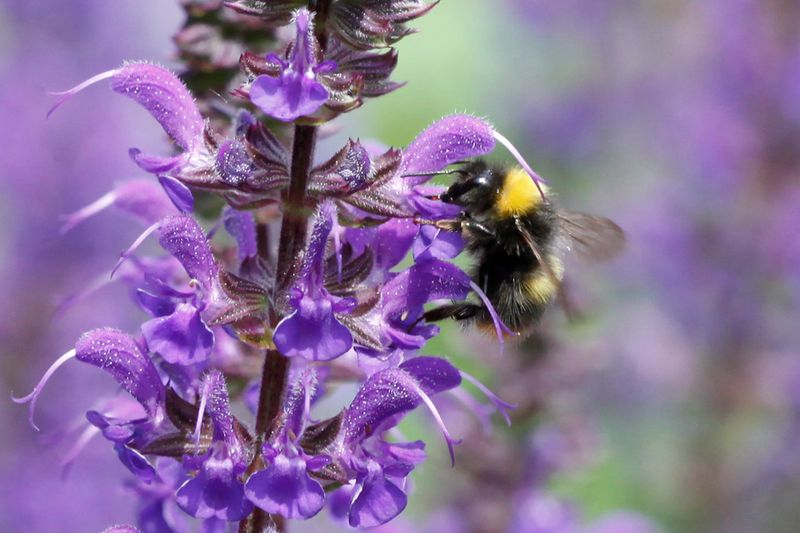
Hummingbirds zip through Texas gardens from spring through fall, searching for nectar-rich flowers. Salvia ranks among their top choices.
The tubular shape of salvia blooms fits perfectly with hummingbird feeding behavior, making it a magnet for these tiny birds.
Butterflies also flock to salvia in impressive numbers. Monarchs, swallowtails, and painted ladies all visit salvia flowers regularly.
Gardeners who want to support butterfly populations find that planting salvia makes a real difference.
Bees need reliable food sources throughout the growing season. Salvia provides nectar and pollen from spring until frost. Native bee species and honeybees both benefit from having salvia in the landscape.
Pollinator-friendly gardens support local ecosystems and food production. Many Texas crops depend on insect pollination.
By planting salvia, homeowners create habitat that helps both wild pollinators and agricultural systems.
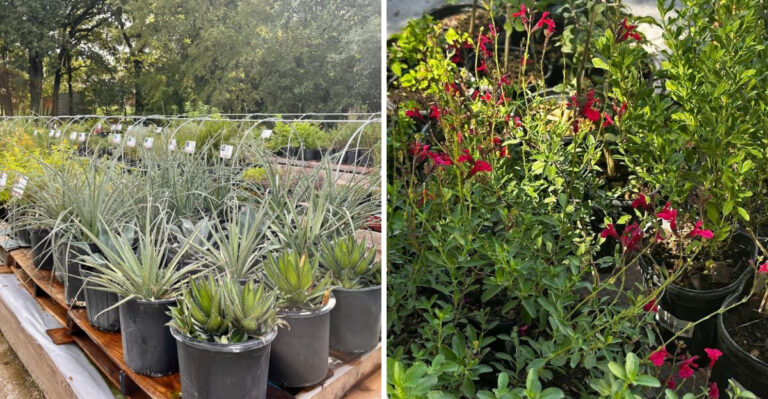
Salvia greggii, commonly called autumn sage, is especially popular in Texas. This native species attracts hummingbirds more reliably than almost any other plant. Its bright red, pink, or white flowers provide abundant nectar throughout the season.
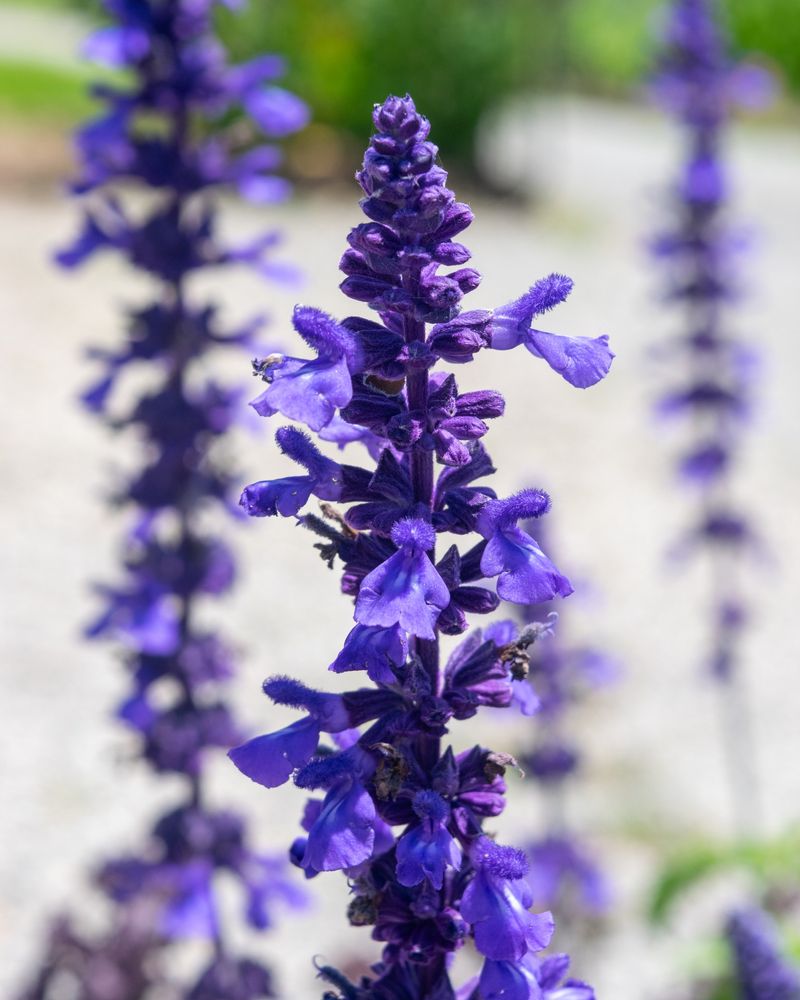
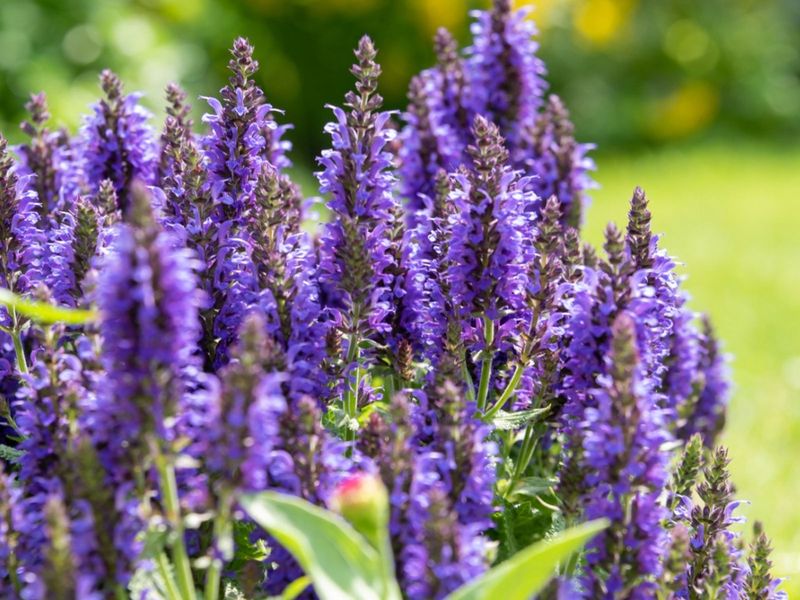
Salvia farinacea, known as mealy blue sage, offers striking purple-blue flower spikes. Butterflies and bees visit it constantly during summer months. This variety grows well across most of Texas and requires minimal care once established.
Creating a pollinator garden does not require exotic or difficult plants. Salvia provides everything pollinators need in one easy-to-grow package.
Texas gardeners who include several salvia varieties create landscapes that buzz with life and support critical wildlife populations throughout the entire growing season.
6. It Comes In Many Colors And Forms
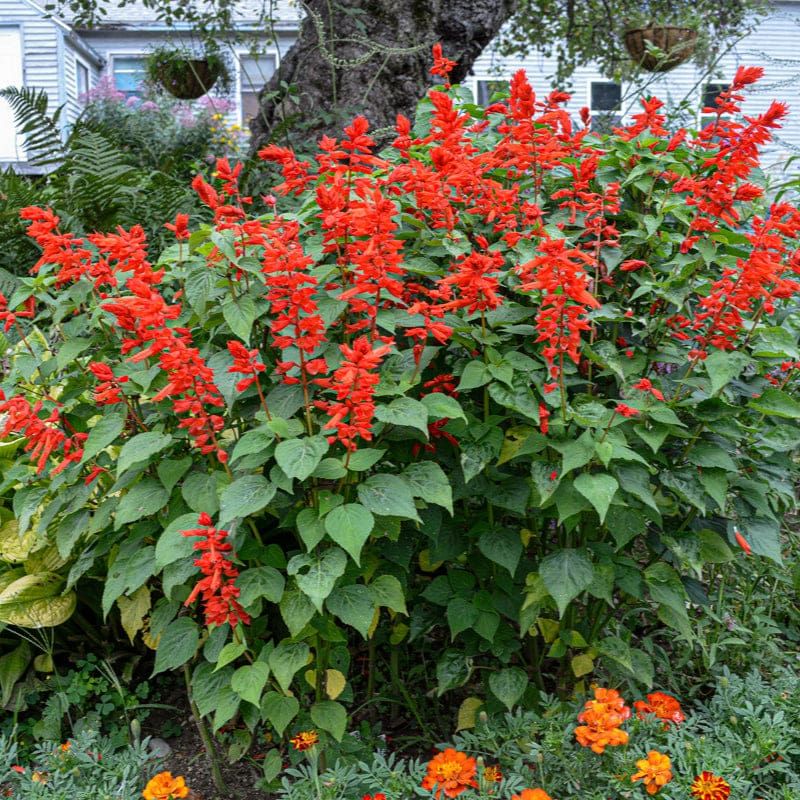
Red salvia blazes like fire in Texas landscapes. This bold color catches attention from across the yard and creates dramatic focal points.
Red varieties attract hummingbirds more than any other color, making them practical as well as beautiful.
Purple and blue salvia offers a cooler palette for gardens. These shades blend well with other plants and create calming spaces.
Many Texas gardeners use purple salvia as a transition between brighter colors in mixed borders.
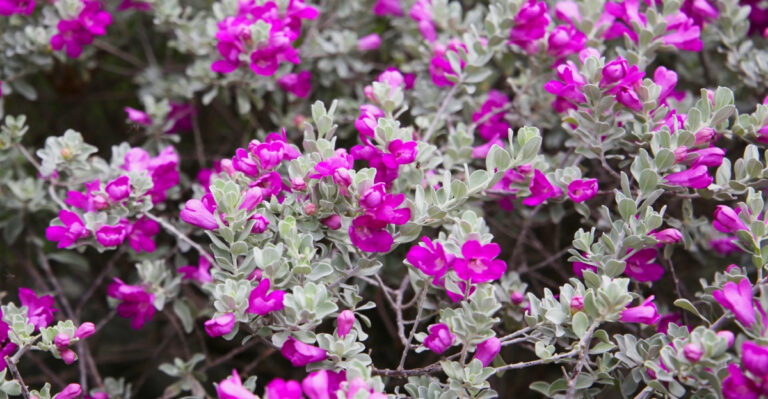
Pink salvia provides softer tones that work in cottage-style gardens. This color complements roses, daisies, and other traditional flowers. Pink varieties range from pale blush to deep magenta, giving gardeners plenty of options.
White salvia brightens shady areas and glows at dusk. Gardeners use it to lighten dark corners and create contrast against darker foliage.
White blooms also show up beautifully in evening gardens where families gather after sunset.
Compact varieties grow 12 to 18 inches tall and fit into small spaces. These work well in container gardens, along walkways, and in front of taller plants. Compact forms make salvia accessible for balconies and patios.
Tall varieties reach three to four feet and create vertical interest. These larger forms work as background plants or informal hedges. They fill space quickly and provide structure in new landscapes.
Shrubby types develop woody stems and permanent structure. These varieties function as small shrubs in the landscape.
Spreading forms cover ground and fill wide areas with color. This variety in form and color makes salvia adaptable to almost any Texas landscape design or gardening style.
7. Many Varieties Are Native To Texas
Native plants evolved in Texas over thousands of years. They adapted to local soils, rainfall patterns, and temperature extremes.
Native salvia species carry these adaptations, making them naturally suited to Texas conditions.
Maintenance requirements drop significantly when you plant natives. These plants do not need special fertilizers, frequent watering, or pest controls. They already know how to thrive in Texas because they developed here.
Harsh conditions challenge many garden plants. Native salvia handles drought, heat, poor soil, and pest pressure without help. This resilience comes from generations of natural selection in Texas environments.
Local ecosystems depend on native plants for proper function. Native salvia supports insects, birds, and other wildlife that evolved alongside it. These relationships create healthier gardens and stronger natural systems.
Pest resistance is built into native plants. They developed defenses against local insects and diseases over time. Gardeners who plant native salvia rarely deal with serious pest problems or plant diseases.
Soil adaptation means native salvia grows well without amendments. Texas soils vary widely, from alkaline caliche to acidic sand.
Native varieties handle these variations because they grew in similar conditions for centuries.
Water conservation becomes easier with native plants. Native salvia species need only natural rainfall once established. This reduces irrigation costs and supports sustainable landscaping practices across Texas.
Gardeners throughout Texas continue planting salvia because it works. Native varieties offer the best performance with the least effort.
They represent plants perfectly matched to Texas conditions, which explains why salvia remains the most widely planted flowering plant across the entire state year after year.