11 Fire-Hazard Plants You Should Remove From Your California Yards
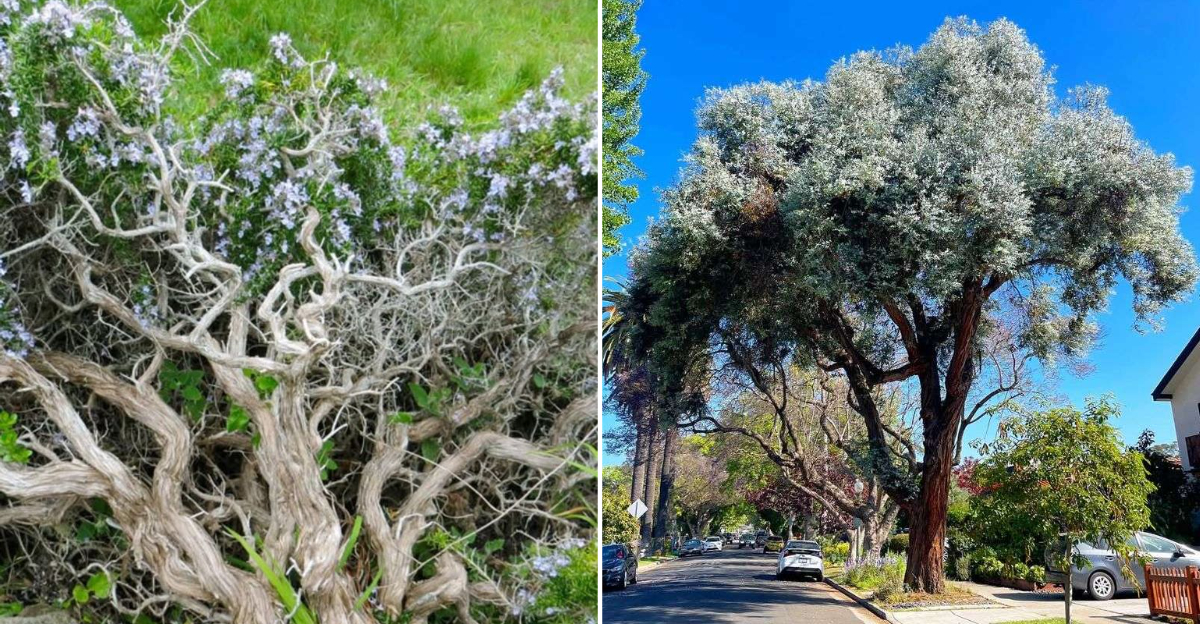
California living comes with sunshine, coastal breezes, and unfortunately, wildfire season. While defensible space and home hardening get plenty of attention, the plants growing just outside your door matter more than many homeowners realize.
Some popular landscaping favorites can ignite quickly, burn intensely, and send embers flying when conditions turn hot, dry, and windy.
That beautiful hedge or towering ornamental grass might look harmless, yet certain species contain oils, resins, or dry foliage that act like fuel.
The good news is that creating a safer yard does not mean sacrificing curb appeal. With a few smart swaps and strategic removals, you can lower fire risk while still enjoying color, texture, and privacy.
If you live in a fire prone region, taking a closer look at what is planted near your home could make a meaningful difference when it matters most.
1. Juniper (Juniperus species)
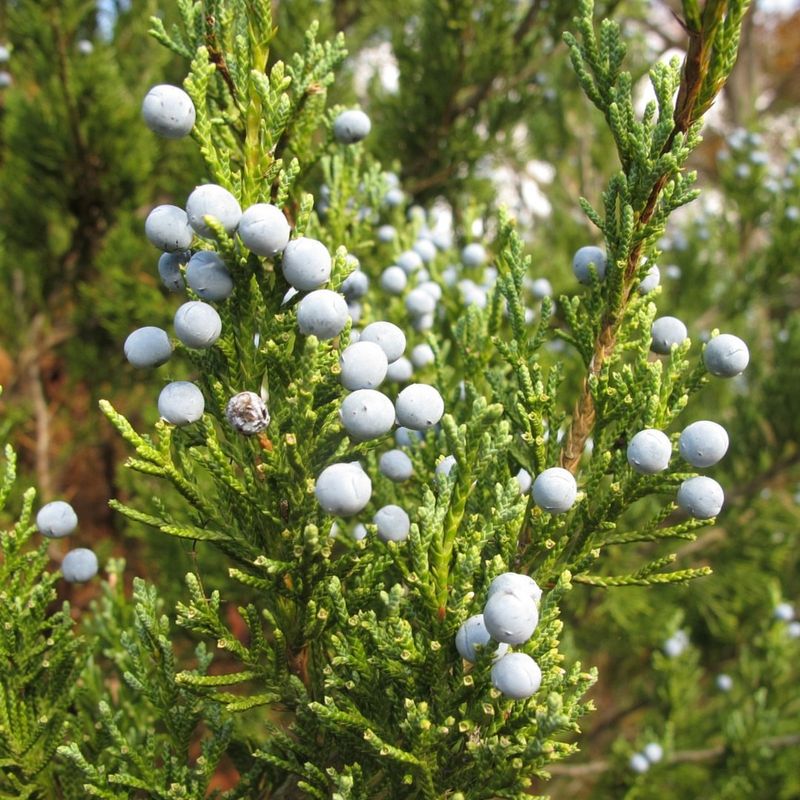
Walk past a juniper on a hot California afternoon and you might notice a sharp, almost medicinal smell in the air. That scent comes from the natural oils packed inside every branch and needle.
Those oils are exactly what makes juniper one of the most fire-prone plants you can have growing near your home.
Junipers hold onto dead, dry material deep inside their dense canopy. From the outside, they can look perfectly green and healthy.
But hidden underneath all that growth is a thick layer of brown, crispy debris that ignites almost instantly when exposed to a spark or ember.
In many California neighborhoods, junipers are planted along fences and property lines, which is one of the worst places for them. Fire can travel along a juniper hedge like a lit fuse.
CAL FIRE and local fire departments across the state have flagged junipers repeatedly as a top concern during fire season.
If you have junipers growing close to your house, fence, or any structure, removing them and replacing them with low-water, fire-resistant plants like lavender or sage is a much safer choice for your California property.
2. Italian Cypress (Cupressus sempervirens)

There is something elegant about a row of Italian cypress trees lining a driveway or standing tall along a garden wall. They are slender, dramatic, and instantly recognizable.
But in fire-prone California, that beauty comes with a serious hidden risk most homeowners never think about.
Italian cypress trees are packed with resinous, oil-rich foliage that burns intensely. Because they grow so tall and narrow, they act almost like a torch when they catch fire.
Flames shoot straight up and can easily reach rooflines, overhangs, and nearby trees in just seconds.
Another problem is how close these trees are often planted to structures. Homeowners frequently use them as privacy screens right next to walls, fences, and windows.
During a wildfire or even a wind-driven ember shower, that placement can turn a beautiful landscape feature into a serious danger. Fire agencies in Southern California and the Bay Area have listed Italian cypress as one of the most hazardous ornamental trees a homeowner can have.
Your California Garden Changes Every Week. Your Plan Should Too.
Gardening in California changes quickly throughout the season. Every Friday you’ll receive a simple weekly plan showing exactly what to plant, prune, fertilize, harvest, and protect so you never miss the right timing.
Replacing them with fire-resistant columnar plants like Italian buckthorn gives you a similar look without putting your home at greater risk during California fire season.
3. Eucalyptus
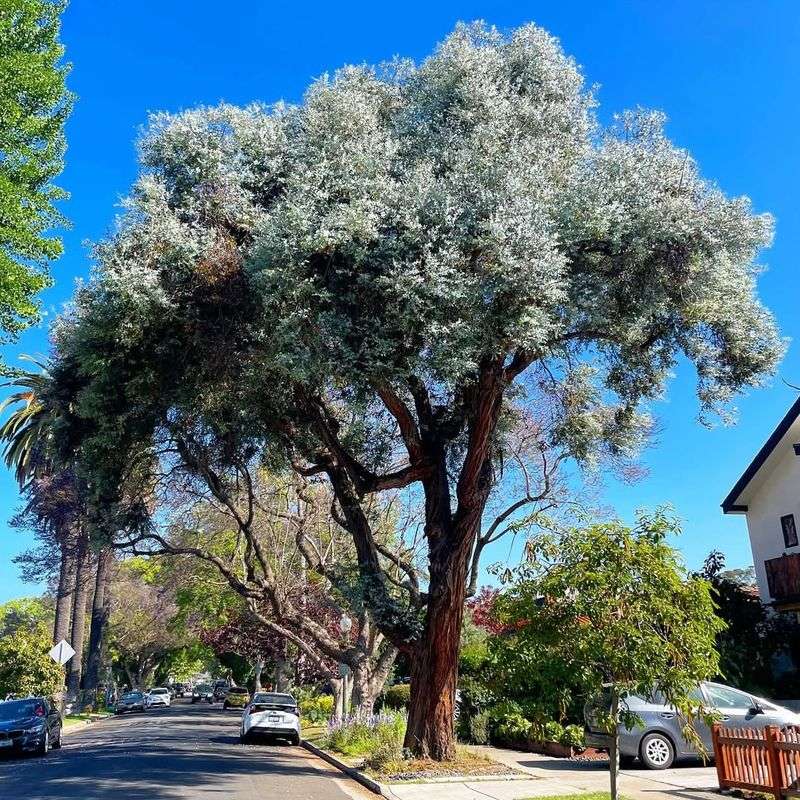
Few trees are as closely tied to California’s landscape as eucalyptus. Brought over from Australia in the 1800s, these towering trees were planted across the state for timber and windbreaks.
Decades later, they have become one of the biggest fire hazards in California communities.
Eucalyptus trees shed long strips of bark and drop oil-soaked leaves constantly. This creates a thick layer of dry, flammable material on the ground around them.
The leaves contain eucalyptol, a highly flammable oil that causes the tree to burn fast and hot. During a wildfire, burning bark can lift into the air and travel far, spreading embers to rooftops and dry vegetation blocks away.
The 1991 Oakland Hills fire, one of California’s worst urban wildfires, spread rapidly through neighborhoods dense with eucalyptus trees. That event changed how fire experts and city planners think about these trees forever.
Many California counties now discourage or even restrict planting eucalyptus near homes. If you have one growing close to your house, consulting with a certified arborist and your local fire department about safe removal is a very smart move.
Replacing it with a native, fire-resistant tree is even better for the long term.
4. Bamboo (Clumping and Running Types)
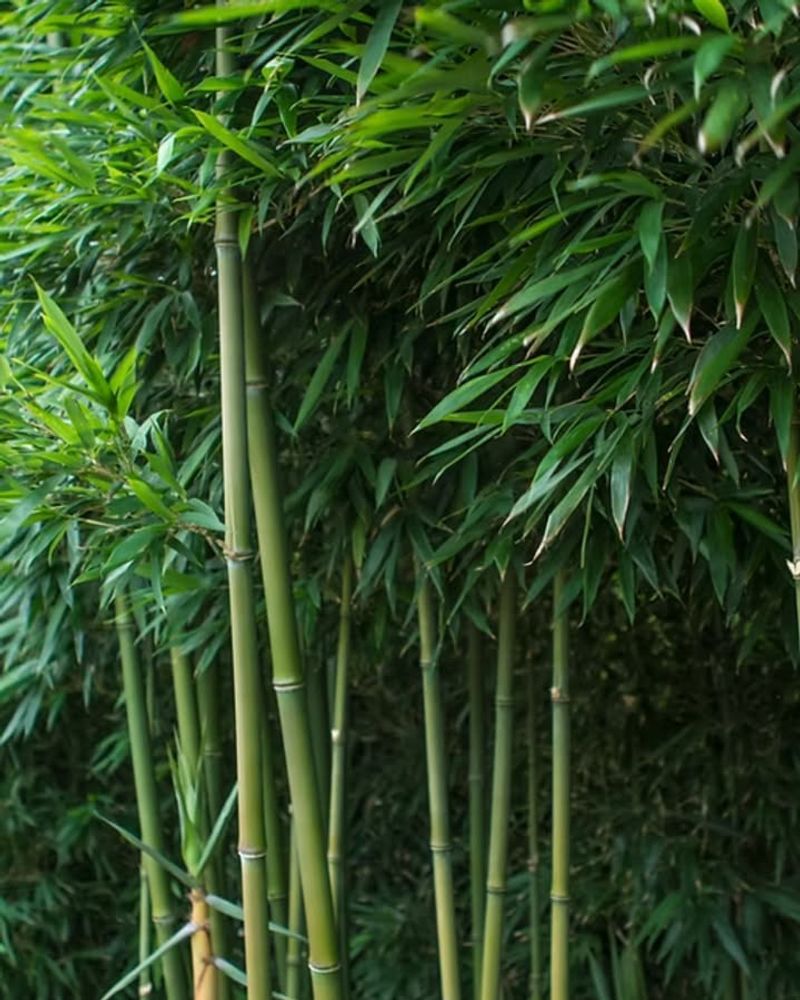
Bamboo has a reputation for being a fast-growing, low-maintenance plant, and that is exactly what makes it so popular in California backyards. Homeowners love it for privacy screens and garden borders.
But that fast growth and dense structure create a fire problem that many people overlook completely.
Both clumping and running bamboo varieties build up large amounts of dry, hollow canes over time. When those canes dry out, they become extremely flammable.
A bamboo grove near a fence or structure can carry fire quickly and unpredictably because the hollow canes act almost like chimneys, pulling air and heat upward.
Running bamboo is especially tricky because it spreads underground and can pop up in unexpected places, including under fences and close to foundations. Removing it is a serious project because the root system goes deep and wide.
Still, fire safety professionals throughout California strongly recommend clearing bamboo from defensible space zones around any home.
If you love the look of bamboo, consider replacing it with a clumping ornamental grass that stays lower and dries out less dramatically.
Keeping any plant well-watered and pruned also helps reduce fire risk, but removal is the safest option when bamboo is growing too close to structures.
5. Pampas Grass (Cortaderia Selloana)
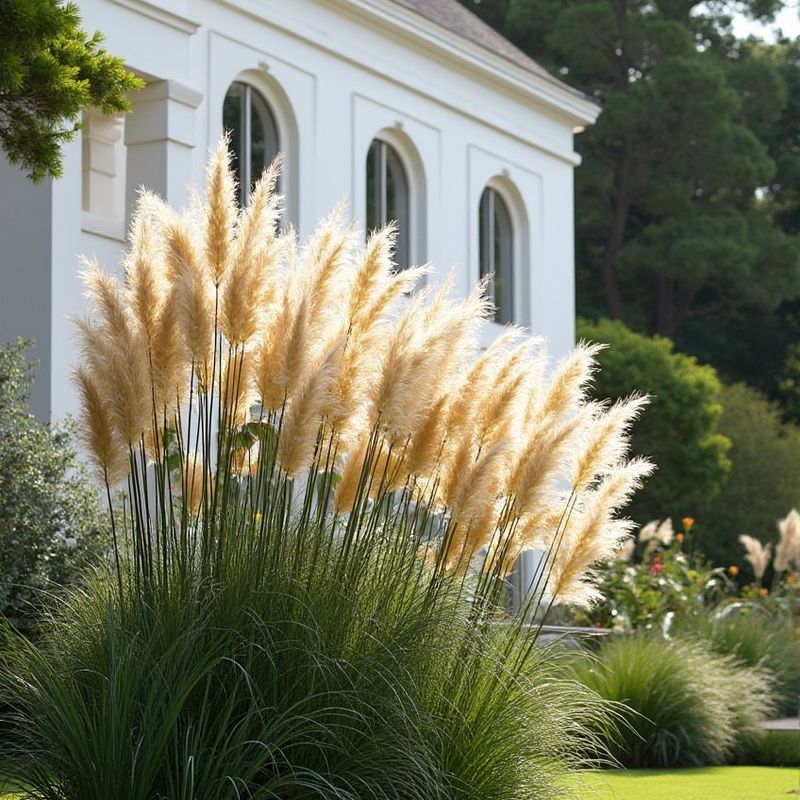
Those tall, feathery plumes swaying in a California breeze are hard not to admire. But once you understand how this plant behaves during fire season, it is very hard to look at it the same way again.
A single mature pampas grass clump can hold an enormous amount of dry, dead material at its base. The leaves are long, sharp, and paper-thin when dry.
They ignite easily and burn fast. Because the plant grows into a large, dense mound, it holds heat and fuel in a way that is hard to manage just by trimming the top.
Pampas grass is also invasive in many parts of California. It spreads aggressively and can take over hillsides and open spaces, creating large areas of continuous fuel for wildfires.
CAL FIRE has specifically called it out as a fire-hazard plant that homeowners in the state should remove from their properties. The good news is that there are beautiful, fire-resistant alternatives.
Native bunch grasses like deer grass or blue oat grass give a similar look without the same level of danger. Switching to these options is a smart and responsible choice for any California homeowner serious about fire safety.
6. Rosemary (Unchecked, Large, Woody Shrubs)
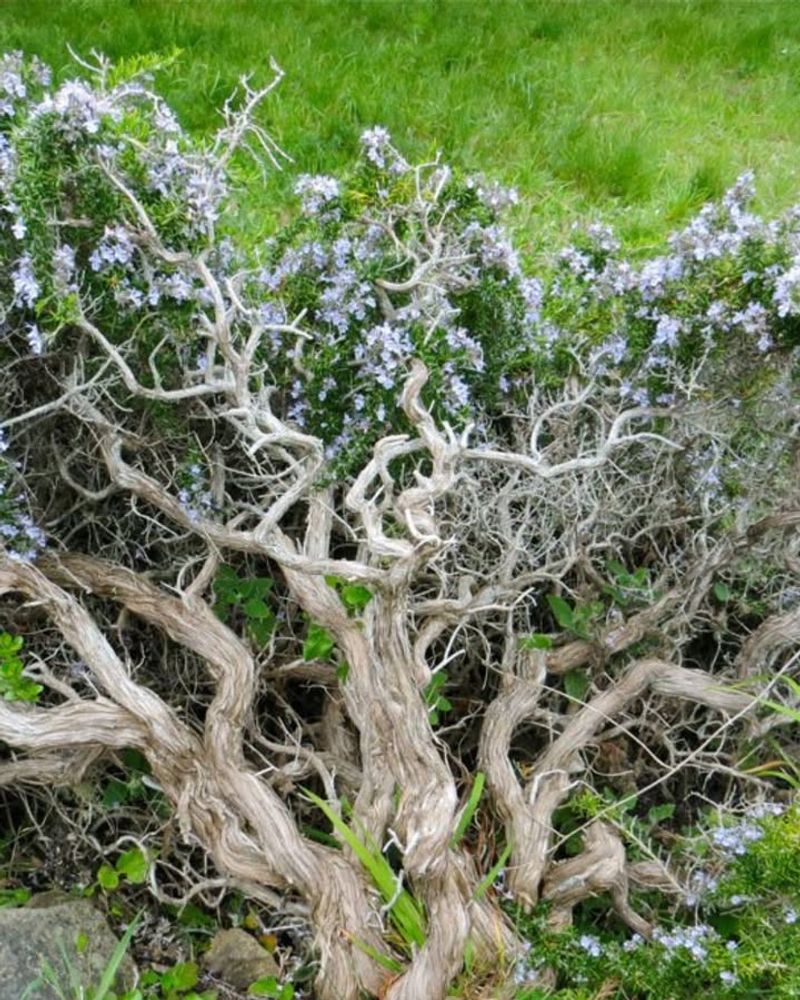
Rosemary is one of the most beloved plants in California gardens. It smells amazing, it grows easily in dry conditions, and it looks great along borders and walkways.
For many years, it was even recommended as a drought-tolerant, low-maintenance option for California landscaping. But there is a side of rosemary that most gardeners do not talk about.
The same aromatic oils that make rosemary smell so good also make it highly flammable. When rosemary grows large and woody, it builds up dense, oil-rich branches that burn intensely.
A big, established rosemary shrub growing near a wall or under a window can be a serious fire risk during dry California summers.
Small, well-maintained rosemary plants are generally considered lower risk. The problem comes when shrubs are left to grow unchecked for years, becoming large, woody, and full of dry interior material.
Fire safety guides from several California counties specifically list rosemary as a plant to manage carefully or remove from defensible space zones. If you love rosemary and want to keep some in your garden, keep it small, well-watered, and far from any structures.
For areas close to your home, replacing large rosemary shrubs with lower-growing, less oily ground covers is the safer choice.
7. Coyote Brush (Baccharis Pilularis)
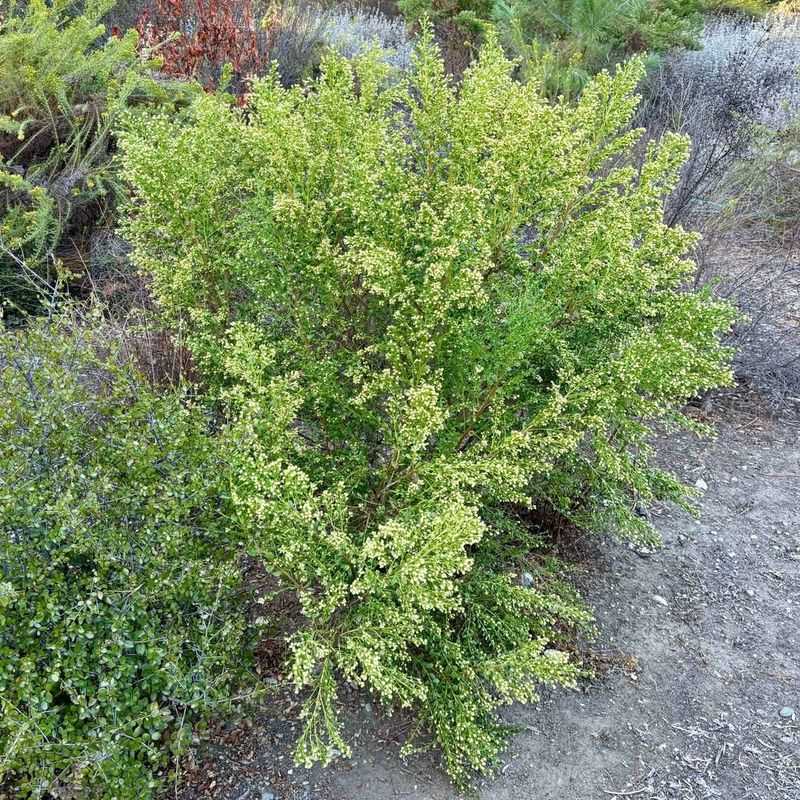
This brush is native to California, which makes it a little surprising to find it on a fire-hazard list. Native plants are usually celebrated for being well-adapted and eco-friendly.
And coyote brush does have real value in wild landscapes. The trouble starts when it grows close to homes and goes unmanaged for long stretches of time.
During the dry season, coyote brush dries out significantly and becomes a ready source of fuel. The shrubs are dense, grow quickly, and can spread across a yard or hillside in just a few seasons.
When dried out, they carry fire easily and burn hot. In foothill and coastal communities across California, coyote brush has contributed to rapid fire spread in residential areas.
The key issue is maintenance and placement. A coyote brush shrub that is regularly pruned and kept healthy poses far less risk than one that has been left alone for years in a dry corner of the yard.
Fire safety guidelines from California agencies recommend keeping native shrubs like coyote brush thinned out and well spaced, especially within 100 feet of a structure.
If coyote brush is growing densely near your home, working with a local fire-safe landscaping expert to thin or remove it is a practical and important step.
8. French Broom / Scotch Broom
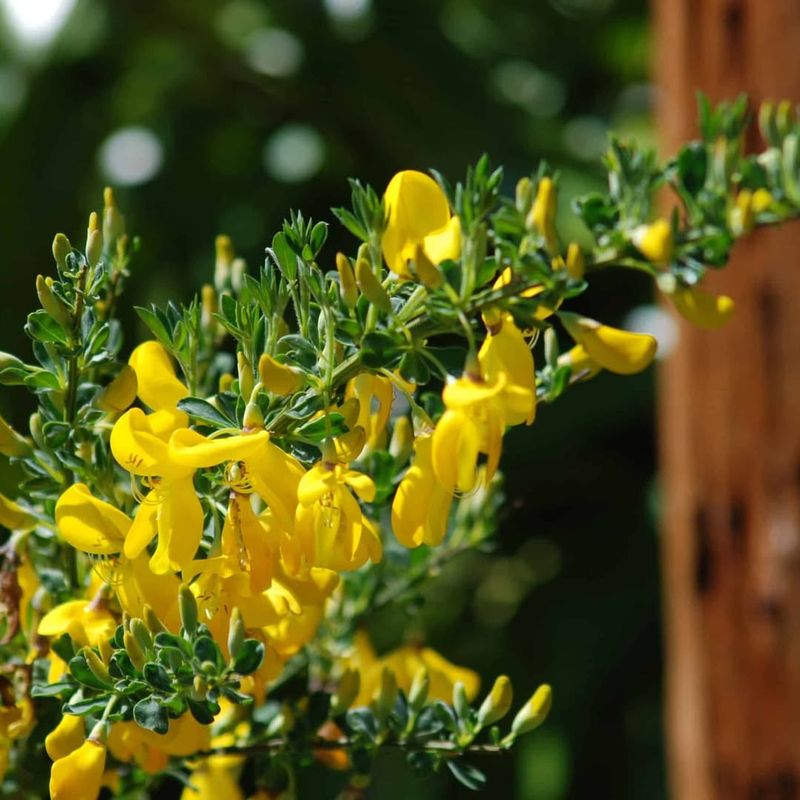
Pretty yellow flowers and fast growth make French broom and Scotch broom look like attractive additions to a California garden.
But these plants are considered invasive weeds across much of the state, and they are among the most flammable shrubs you can have growing near your home.
Both types of broom have waxy, oil-rich stems that ignite easily. They grow densely and spread aggressively, often taking over hillsides and roadsides within just a few years.
When they dry out in summer, they become enormous fuel loads that can carry fire across wide areas at terrifying speed.
Cal Fire and the California Invasive Plant Council both identify broom species as serious fire hazards and ecological threats. Removing them is strongly encouraged, not just for fire safety but also to protect native plant communities that broom tends to push out.
Getting rid of established broom is hard work because the plants seed prolifically and can resprout from the base. Pulling young plants before they go to seed, repeated cutting, and follow-up monitoring are all part of an effective removal strategy.
If you spot broom growing in your California yard or along your property line, removing it sooner rather than later will save you a lot of effort and reduce fire risk significantly.
9. Acacia
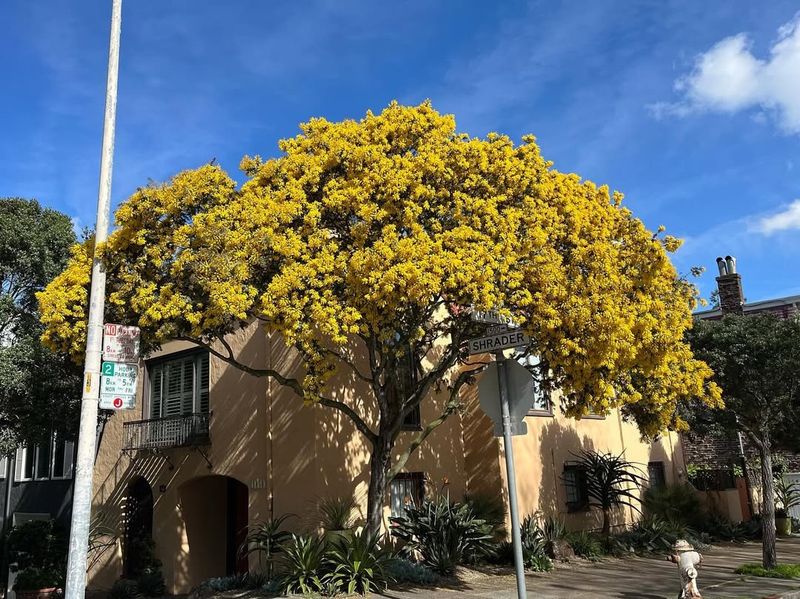
These trees are popular throughout California for their fast growth, feathery leaves, and cheerful yellow flowers. They provide quick shade and are relatively easy to grow in dry climates.
But what many homeowners do not know is that acacia is one of the most fire-prone trees you can plant near a structure in the state.
Acacia foliage contains oils and resins that make it burn readily. Like eucalyptus, acacia was introduced to California from Australia, and both share similar fire-adapted traits that make them dangerous in a landscape where wildfires are common.
Acacia also drops a significant amount of dry leaf litter, creating a continuous fuel source around its base.
Several acacia species have become invasive in parts of California, spreading beyond gardens and into wildland areas where they create additional fire risk. During dry, windy conditions, an acacia tree close to a home can catch and spread fire with alarming speed.
Fire safety experts in Southern California and the Central Coast region frequently recommend removing acacia from defensible space zones.
If you have an acacia tree in your yard, getting a professional assessment of its placement relative to your home is a wise first step. Replacing it with a native, drought-tolerant tree is a great long-term solution.
10. Leyland Cypress
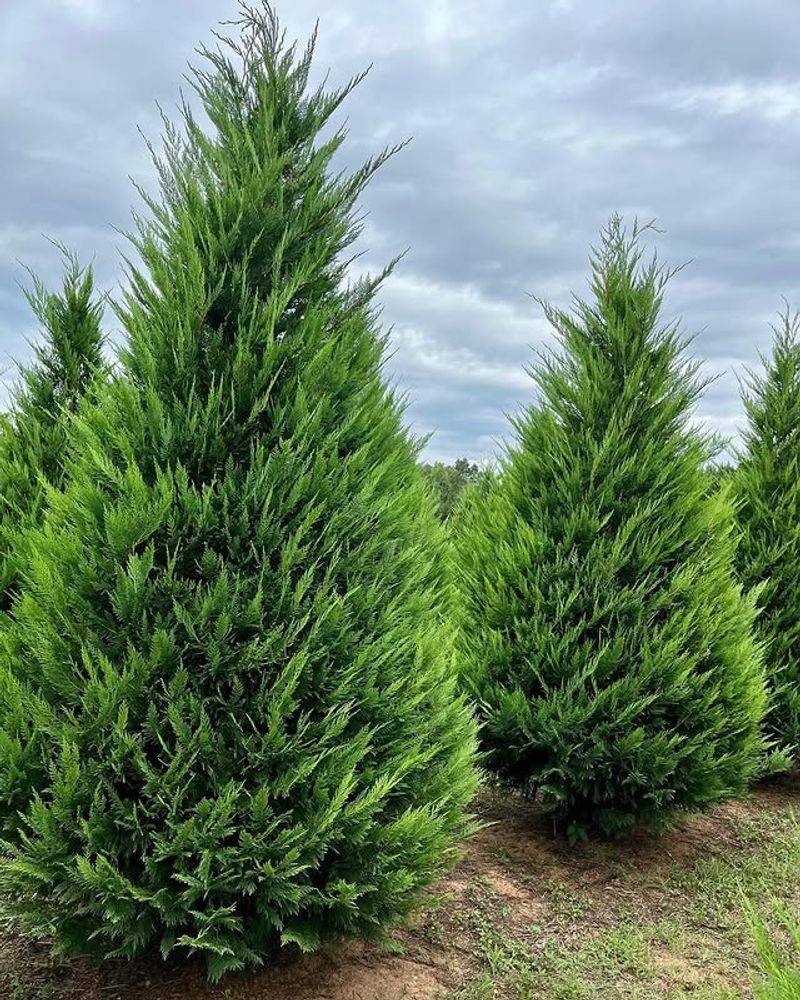
Leyland cypress is one of the most popular privacy trees sold at garden centers across California. It grows fast, gets tall quickly, and creates a dense green screen that homeowners love.
But that speed and density come with a fire risk that far too many people are unaware of when they plant it.
The interior of a Leyland cypress fills up with dry, dead foliage over time. From the outside the tree looks lush and green, but inside it is packed with brown, crispy material that lights up almost instantly.
Because these trees are often planted in tight rows close to fences, walls, and homes, a single ignition point can set off an entire line of them in moments.
Fire departments across Northern and Southern California have responded to structure fires where Leyland cypress hedges played a major role in spreading flames to homes.
The trees also tend to grow right up against buildings when planted for privacy, which puts them dangerously close to windows and eaves.
If you have a row of Leyland cypress near your home in California, having them assessed by a fire-safe landscaping professional is strongly recommended.
Replacing them with a fire-resistant hedge like clumping bamboo alternatives or native shrubs is a much safer long-term option for your property.
11. Dry Ornamental Grasses (Unmaintained)
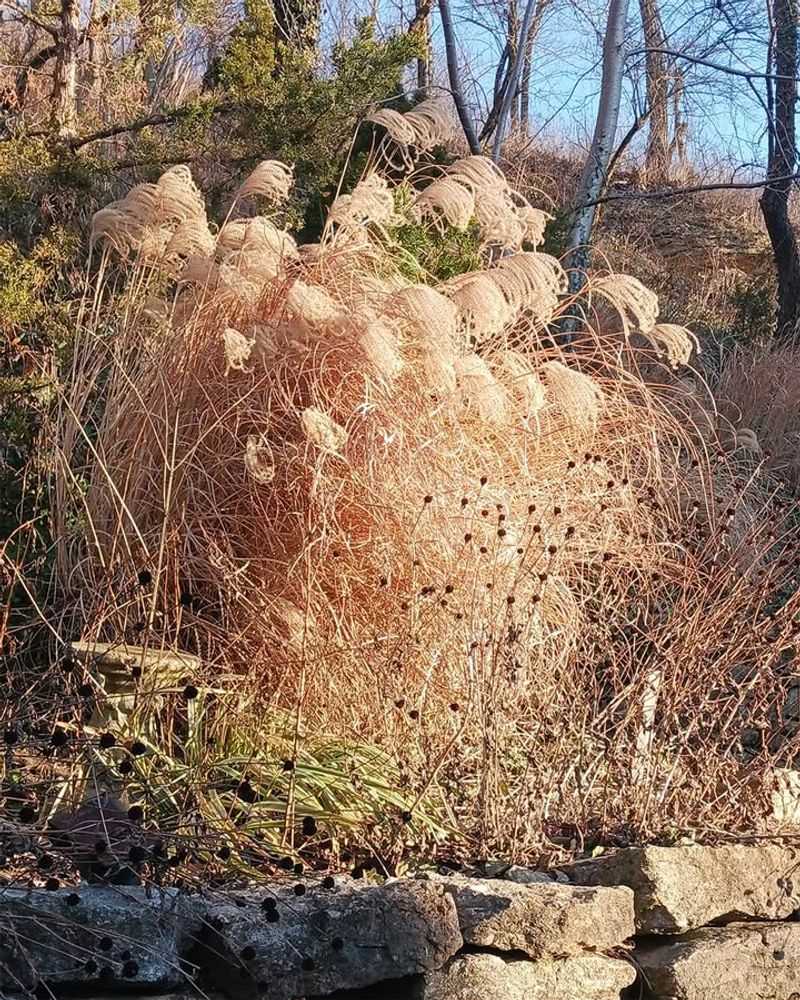
When they are green and well-maintained, the fire risk is manageable. The problem comes when they are left alone through dry California summers and allowed to turn completely brown and brittle.
A large clump of dry ornamental grass is essentially a pile of tinder sitting in your yard. It ignites from a spark or windblown ember almost instantly.
If it is growing near a fence, deck, or wall, the fire can transfer to a structure very quickly. Many homeowners do not realize how fast a single dry grass clump can go from smoldering to fully involved.
Varieties like fountain grass, Mexican feather grass, and miscanthus are especially common in California yards and especially risky when left unmaintained.
Some of these grasses are also invasive in parts of the state, spreading into wild areas and creating additional fire fuel. The solution does not have to be removing all ornamental grasses.
Cutting them back before dry season, keeping them well-watered, and choosing less flammable varieties are all practical steps. But if a grass clump is large, dry, and close to your home, removing it is the safest call.