9 Easy Indoor Plants Perfect For First-Time Texas Gardeners
Starting a garden indoors in Texas can feel exciting and a little intimidating, especially for first-time gardeners. Limited space, bright sun, and dry air make it important to choose plants that are forgiving and easy to care for.
The right indoor greenery can transform a small apartment, a sunny windowsill, or a corner of your home into a vibrant, living space without adding stress.
Easy indoor plants thrive in a range of conditions and bounce back even if watering or light isn’t perfect.
Many tolerate Texas heat, lower humidity, and occasional neglect, making them ideal for beginners. They bring color, texture, and a fresh feel to any room, while some even help purify the air.
Choosing the right starter plants gives first-time Texas gardeners confidence. With simple care and resilient species, anyone can enjoy a lush, lively indoor garden that brightens the home and adds a touch of nature year-round.
1. Snake Plant
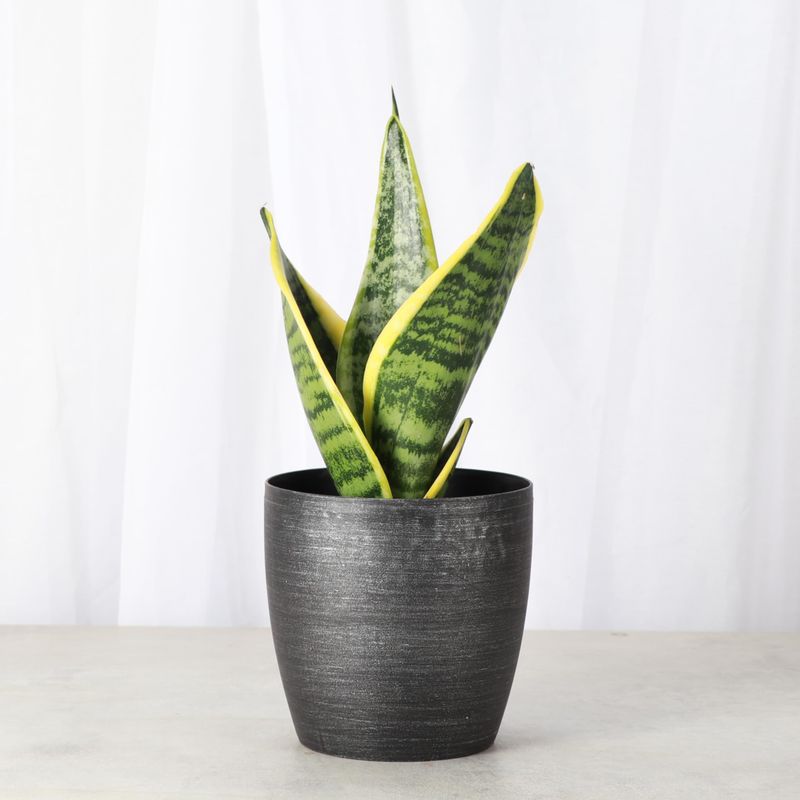
If there were a trophy for the most forgiving houseplant in Texas, the snake plant would win it every single time.
This tough, upright beauty has stiff, sword-shaped leaves that can grow several feet tall, and it handles just about anything you throw at it. Forgetting to water it? No problem at all.
Snake plants are incredibly drought-tolerant, which makes them a natural fit for the warm, dry indoor climate you often find across Texas homes.
They handle everything from low light in a dim bedroom to the bright sunshine pouring through a south-facing window. That kind of flexibility is rare and truly valuable for beginners.
Watering is simple: every two to three weeks is plenty. In fact, overwatering is the most common mistake people make with this plant.
Let the soil dry out completely before adding more water. The snake plant also quietly cleans the air in your home, filtering toxins while you sleep.
It is one of the few plants that releases oxygen at night, making it a smart choice for bedrooms. Texas gardeners, especially beginners, will love how little attention this plant demands while still looking sharp and stylish in any room.
2. ZZ Plant
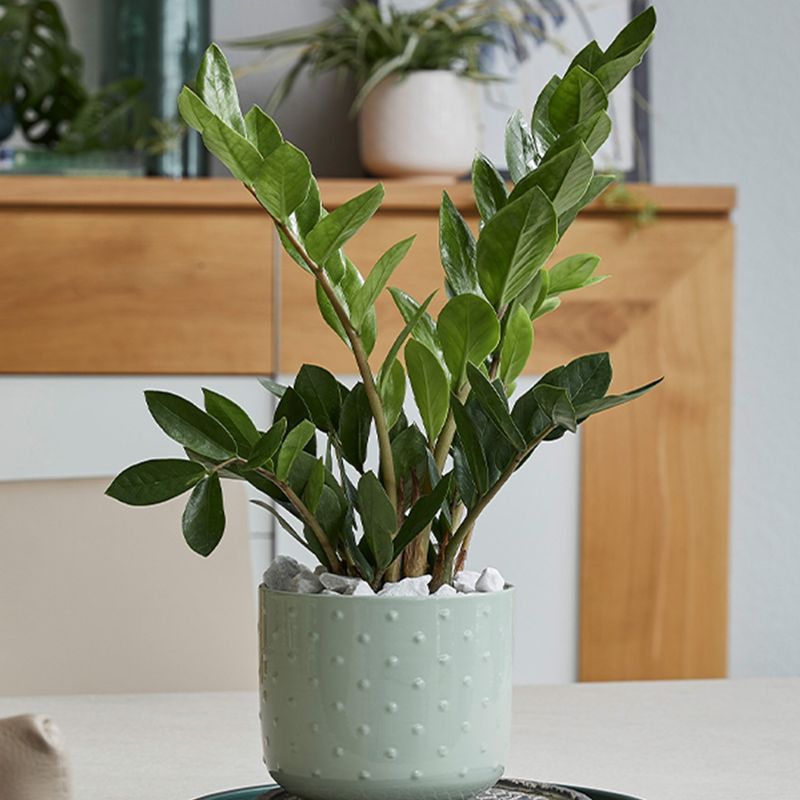
Some plants need constant attention. The ZZ plant is the complete opposite. Known for its thick, shiny, dark green leaves, this tropical beauty stores water in its roots, which means it can go weeks without a single drop and still look absolutely stunning.
For Texas apartment dwellers who may not have much natural light, the ZZ plant is a total game-changer. It thrives in low-light conditions that would stress most other plants.
A spot away from the window, near a hallway or a dim corner, works just fine. That makes it one of the most apartment-friendly plants available anywhere in the state.
Watering rarely is the key to keeping this plant happy. Once every three to four weeks during warmer months is usually enough.
In winter, you can stretch that even further. The ZZ plant grows slowly, so it will not outgrow its pot quickly, which saves you time and money on repotting.
Your Texas Garden Changes Every Week. Your Plan Should Too.
Gardening in Texas changes quickly throughout the season. Every Friday you’ll receive a simple weekly plan showing exactly what to plant, prune, fertilize, harvest, and protect so you never miss the right timing.
It is also resistant to pests, which is a huge bonus for beginners who are still learning the ropes. If you want a plant that practically takes care of itself while looking polished and professional, the ZZ plant belongs in your Texas home right now.
3. Pothos
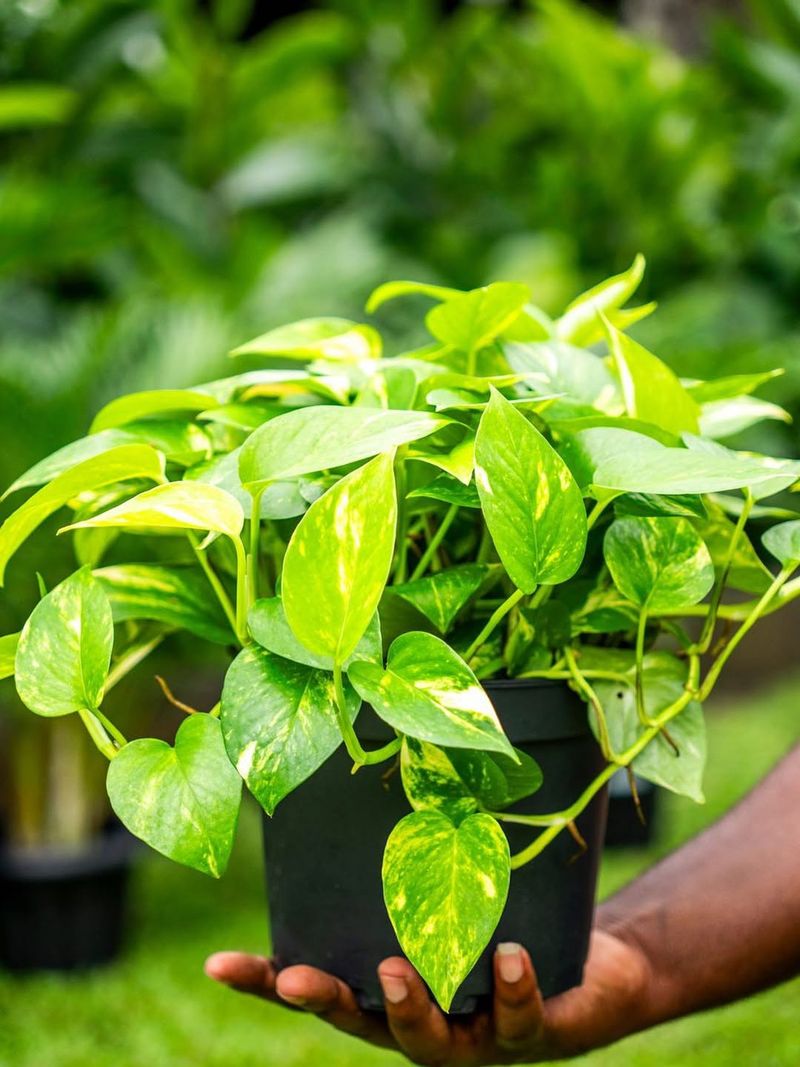
Walk into almost any Texas home with indoor plants, and you will likely spot a pothos trailing gracefully from a shelf or hanging basket. This plant has earned its popularity by being almost impossible to mess up.
Its heart-shaped leaves come in shades of green, yellow, and white, and it grows quickly once it gets comfortable.
Pothos tolerates uneven watering really well. If you forget for a week or two, the plant will bounce right back once you give it a drink.
It grows happily in low to medium light, which makes it easy to place in offices, bathrooms, or living rooms without stressing about sun exposure. In Texas, where rooms can get quite bright during summer, a spot with indirect light works best.
One fun thing about pothos is how easy it is to trim and shape. If the vines get too long, just snip them back, and the plant stays neat and compact.
You can even place those cuttings in a glass of water, and they will grow roots within a couple of weeks. That means free new plants to share with friends or neighbors.
For a first-time Texas gardener, pothos offers beauty, ease, and a little bit of plant-growing magic all in one.
4. Heartleaf Philodendron
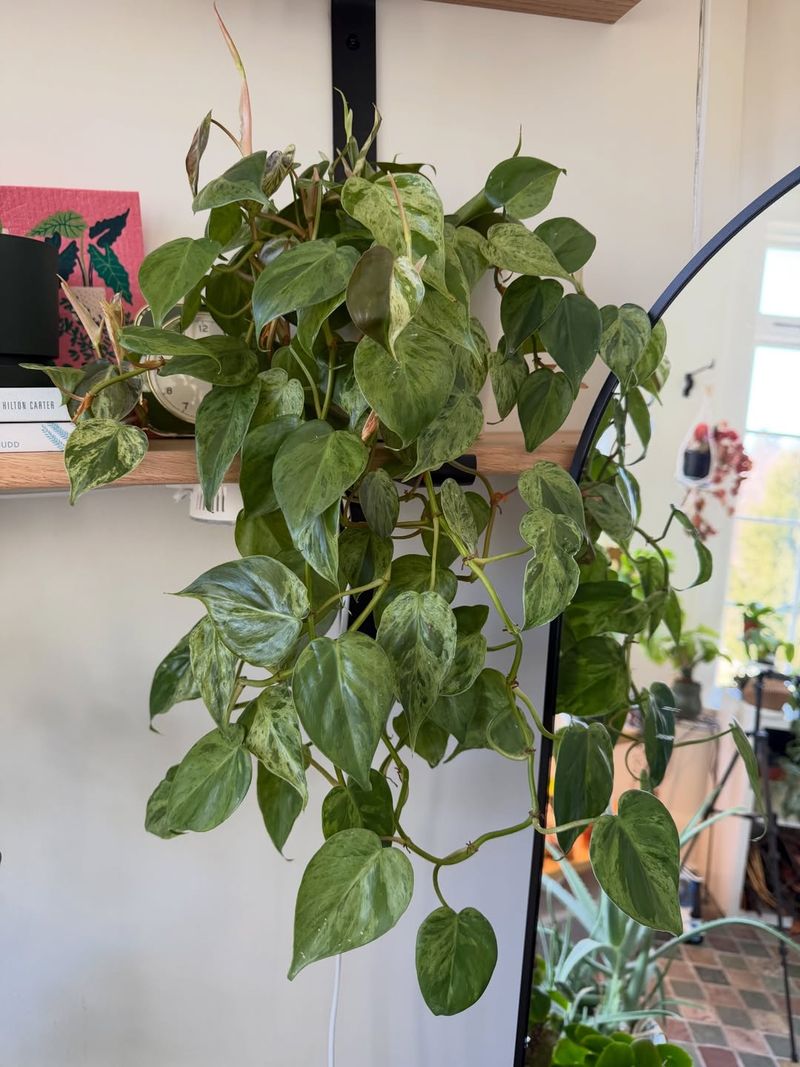
There is something genuinely charming about the heartleaf philodendron. Its glossy, deep-green leaves are shaped exactly like little hearts, and the way they cascade down from a shelf or pot gives any room a lush, jungle-inspired feel.
For someone just getting started with indoor plants in Texas, this one is hard to beat. Beginners love it because it is incredibly forgiving. Forgot to water it? It will forgive you.
Put it in a dim corner? It adapts. The heartleaf philodendron adjusts to a wide range of light levels, from low indoor lighting to bright, indirect sunlight.
That kind of flexibility is a real confidence booster when you are still figuring out your plant routine.
Shaping and maintaining this plant is also straightforward. You can train the vines to climb a small trellis or let them hang freely.
Trimming keeps it bushy and full. Water it when the top inch of soil feels dry, and avoid letting it sit in soggy conditions.
In Texas, the warm indoor temperatures actually work in your favor here, since this plant originates from tropical regions and loves warmth. Place it on a shelf in your living room or bedroom, and it will reward you with steady, beautiful growth all year long.
5. Peace Lily
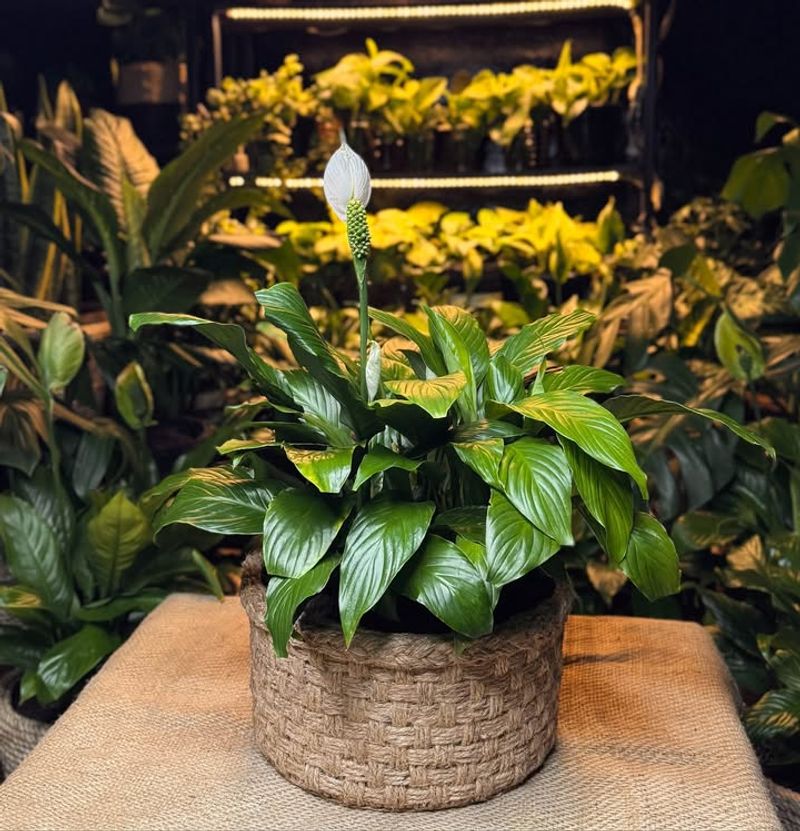
Imagine a plant that actually tells you when it is thirsty. That is exactly what the peace lily does.
When it needs water, the leaves gently droop downward as if sending you a quiet signal. Give it a good drink, and within a few hours, those leaves perk right back up. For a beginner, that kind of communication is genuinely helpful.
Peace lilies are one of the best choices for low-light indoor spaces across Texas. They do not need direct sunlight to stay healthy, making them ideal for rooms with small windows or shaded corners.
In fact, too much direct Texas sun can scorch their leaves, so keeping them in a bright but shaded spot is the sweet spot.
Beyond being easy to care for, peace lilies produce gorgeous white blooms that add elegance to any room. These flowers can last for weeks at a time, giving your space a fresh, polished look without any extra effort.
They also help improve indoor air quality, which is always a bonus. Water them about once a week, or simply wait for the droop signal.
For first-time Texas gardeners who want both beauty and simplicity, the peace lily delivers on every single level without any guesswork involved.
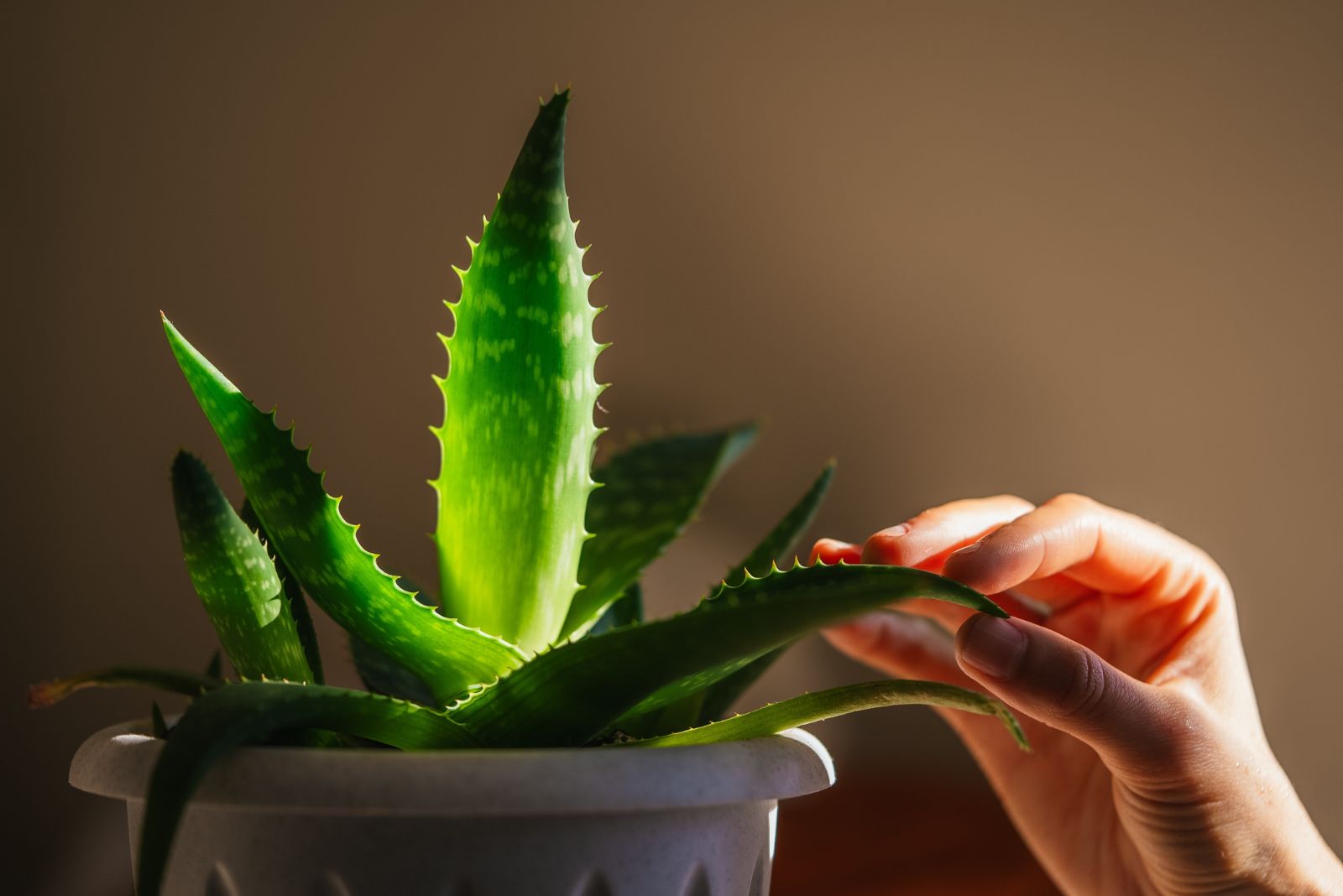
6. Aloe Vera
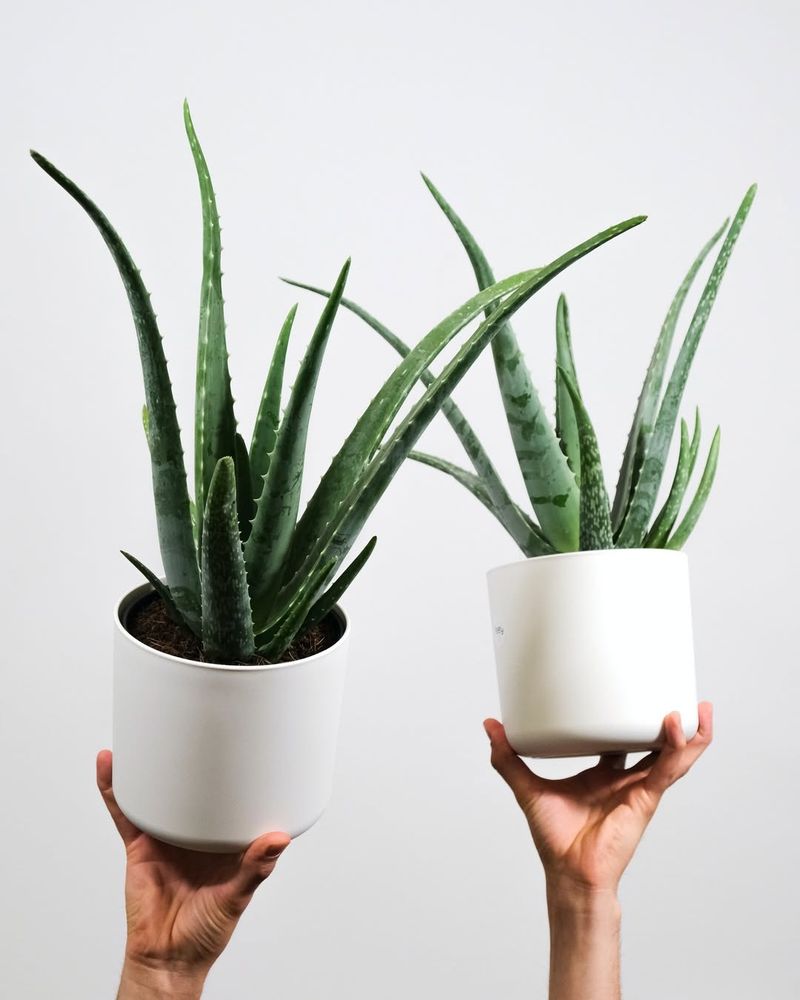
Aloe vera might just be the most practical plant you can grow indoors in Texas. Not only is it incredibly easy to care for, but it also has a gel inside its thick leaves that soothes minor burns, cuts, and skin irritation.
With Texas summers being as hot as they are, having aloe on your windowsill feels like a smart move.
This succulent absolutely loves bright light, and Texas has plenty of it. A south or west-facing window is the perfect home for aloe vera.
It soaks up the sunshine and rewards you with plump, healthy leaves. The dry indoor air that is common in Texas homes during summer and winter actually suits aloe very well, since it evolved in arid desert environments.
Watering needs are minimal. Water it deeply once every two to three weeks, and always let the soil dry out completely before the next watering.
Soggy soil is the one thing aloe truly dislikes. Use a cactus or succulent mix for the best results.
Aloe grows slowly, stays compact, and rarely needs repotting. It is one of those plants that quietly sits in the corner looking great while asking almost nothing in return.
For a first-time Texas gardener, aloe vera is a must-have addition to any sunny indoor space.
7. Spider Plant
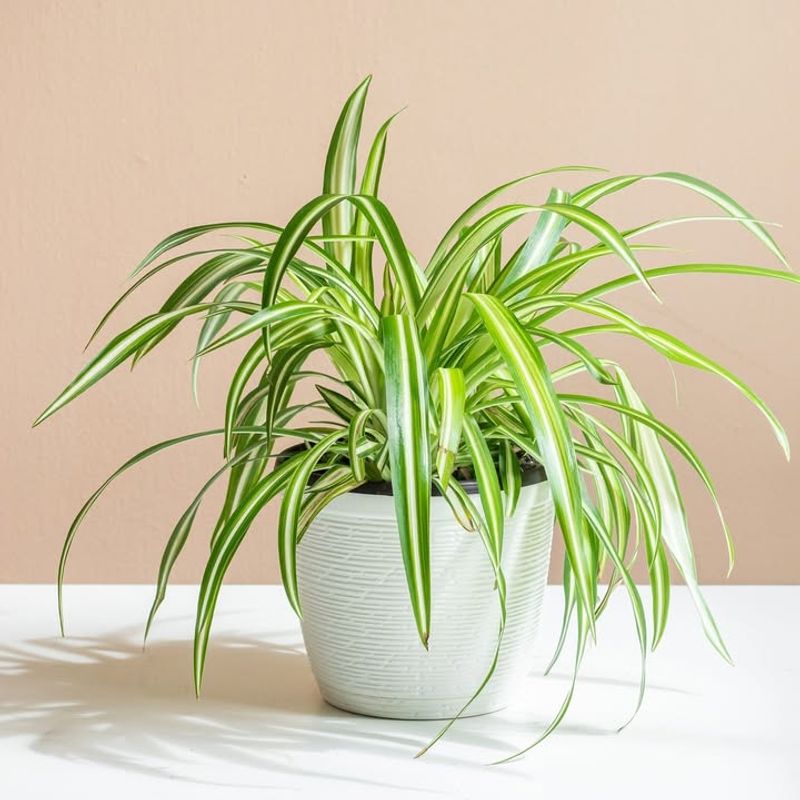
Few plants are as cheerful and lively as the spider plant. Its long, arching green-and-white striped leaves grow quickly, and before long, it starts sending out little offshoots called “spiderettes” or baby plants.
These tiny plantlets dangle from the mother plant like small green ornaments, making it one of the most visually interesting plants you can own.
Spider plants handle indoor temperature swings really well, which is great news for Texas homes where air conditioning runs hard in the summer and heating kicks in during cooler months.
That kind of temperature variation can stress sensitive plants, but spider plants barely notice.
They are adaptable, tough, and grow well in a range of lighting conditions from indirect bright light to lower-light areas.
Watering is simple and flexible. Keep the soil lightly moist during the growing season and water less in winter.
Spider plants are very forgiving if you miss a watering session here and there. The baby plants they produce are a wonderful bonus.
You can snip them off and place them in water or soil to grow brand-new plants. It is one of the easiest ways to expand your indoor garden for free.
For beginner Texas gardeners, spider plants bring energy, growth, and a fun hands-on experience right from day one.
8. Parlor Palm
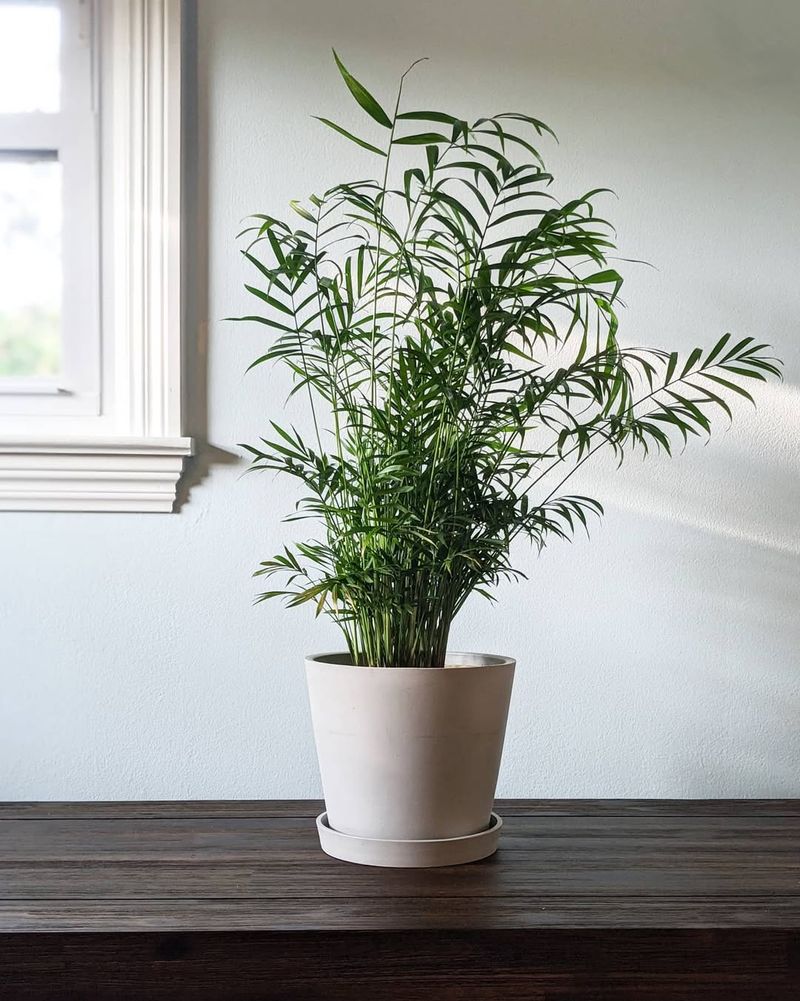
There is something undeniably sophisticated about a parlor palm. Its soft, feathery fronds fan out gracefully, bringing a touch of tropical elegance to any room.
Despite looking like something you would find in a fancy hotel lobby, this palm is surprisingly easy to grow indoors, especially in the warm climate of Texas.
Parlor palms handle lower light conditions better than most other palms, which makes them excellent for rooms that do not get a lot of direct sunshine. They prefer bright, indirect light but will manage just fine in shadier spots.
Avoid placing them in direct Texas afternoon sun, as the intense rays can scorch the delicate fronds.
Watering is straightforward: let the top inch of soil dry out before watering again. This palm does not like to be overwatered, so a light hand works best.
It grows slowly, which means it will not outgrow a small pot for a long time. That makes it a practical and budget-friendly choice for compact spaces like apartments or small rooms.
Humidity is something parlor palms appreciate, so occasionally misting the leaves or placing a small tray of water nearby can help. For Texas beginners wanting a touch of tropical style without a lot of fuss, this palm fits perfectly.
9. Cast Iron Plant
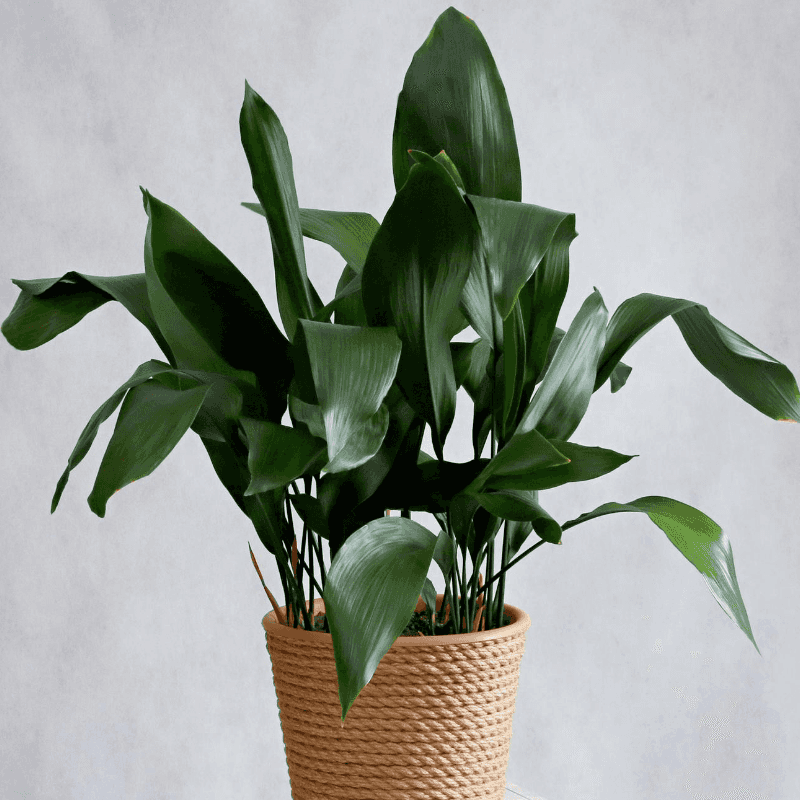
The name says it all. The cast iron plant earned its tough reputation by surviving conditions that would stress most other houseplants.
Dark corners, dry air, irregular watering, and fluctuating temperatures? This plant handles all of it without missing a beat.
For a first-time Texas gardener who is still building confidence, that kind of reliability is priceless.
In Texas homes, where certain rooms can get quite warm and lighting can be inconsistent, the cast iron plant fits right in. It thrives in low-light environments, making it one of the very few plants that actually does well in darker rooms far from any window.
Its broad, glossy dark-green leaves add a rich, lush look to spaces that might otherwise feel bare or dull.
Growth is slow and steady, so do not expect rapid changes. Water it roughly once every one to two weeks, and always allow the soil to dry out a bit between waterings.
This plant is not fussy about soil type and does not need frequent fertilizing. Pests tend to leave it alone, which is another reason beginners love it.
The cast iron plant is proof that you do not need a green thumb to grow something beautiful. Place it in your darkest room in Texas, and watch it quietly thrive season after season.