Should You Trim Azaleas Before Spring In Florida
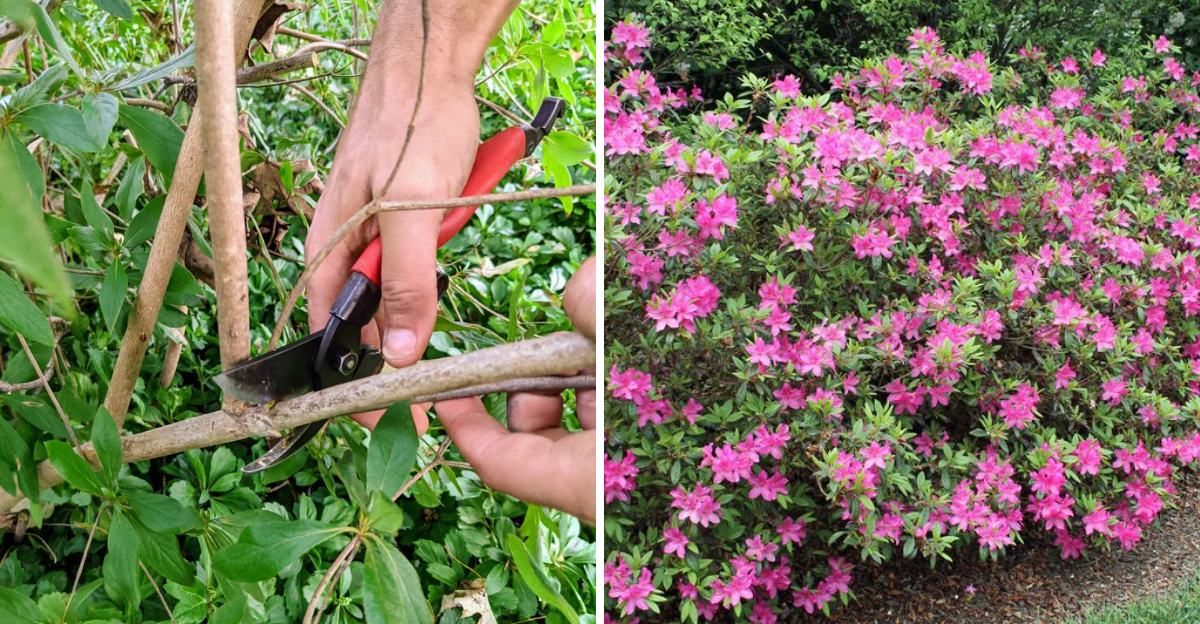
Spring in Florida does not tiptoe in quietly. It bursts onto the scene with heat, humidity, and a riot of color.
And right in the middle of that show sit azaleas, ready to steal the spotlight. But here is the twist most gardeners miss.
One wrong snip at the wrong time can silence that explosion of blooms before it even begins. Every year, countless Florida yards lose their spring spectacle because pruning happened too late, too early, or too boldly.
Azaleas set their flower buds long before you expect it. A simple trim meant to tidy things up can quietly remove the very blooms you waited all winter to see.
So the real question is not just about shaping a shrub. It is about protecting next season’s color, curb appeal, and that jaw dropping spring moment.
Before you reach for those pruning shears, timing matters more than you think.
1. Wait Until After Blooms Fade To Trim Azaleas

Timing is everything when it comes to pruning azaleas in Florida. Many gardeners make the mistake of grabbing their shears before the flowers even have a chance to finish their show.
Waiting until the blooms fade completely is the single most important rule to follow.
Once those last petals drop, your azalea is ready for a trim. Pruning right after blooming, typically in late winter or early spring in Florida, gives the plant plenty of time to grow new stems and set fresh flower buds for next year.
If you cut too soon, you risk snipping off the very buds that were forming for the upcoming season.
Florida’s mild winters mean azaleas sometimes bloom earlier than in cooler states, and in Southern and Coastal Florida, they may bloom as early as late winter. So keep a close eye on your plants each year to determine the best time to prune.
The blooming window can shift depending on your region and the variety you are growing. A good habit is to walk through your garden every few days during bloom season and note when the flowers start to look tired and worn.
That is your signal that pruning time has arrived, and acting quickly after that point gives your azaleas the best possible head start on next year’s stunning display.
2. Prune Azaleas Lightly To Encourage Healthy Growth
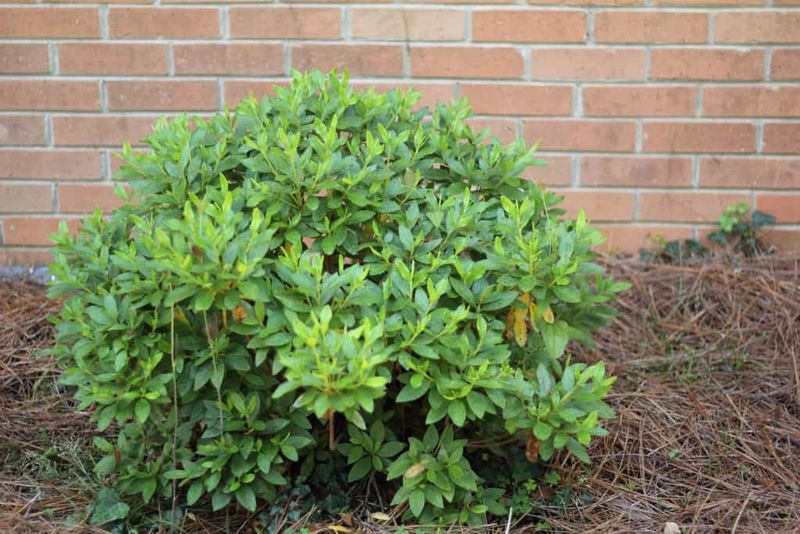
Less really is more when it comes to trimming azaleas. Heavy, aggressive cutting might seem like a good way to reshape a shrub, but it can actually stress the plant and slow down future blooming.
Even light pruning, if done too frequently, can weaken the plant over time. Light, thoughtful pruning is the approach that rewards Florida gardeners with lush, vigorous growth season after season.
When you prune lightly, you encourage the plant to push out new lateral branches, which means more flowering tips come next spring. Each cut should be made just above a leaf node or bud, using clean, sharp shears.
This precision helps the plant heal quickly and redirect its energy into producing strong new stems rather than recovering from rough cuts.
Your Florida Garden Changes Every Week. Your Plan Should Too.
Gardening in Florida changes quickly throughout the season. Every Friday you’ll receive a simple weekly plan showing exactly what to plant, prune, fertilize, harvest, and protect so you never miss the right timing.
Think of light pruning as a tune-up rather than a major overhaul. You are not trying to dramatically change the size of the plant overnight.
Instead, you are guiding it into a fuller, more balanced shape over time. Florida’s long growing season actually works in your favor here, since the warm weather gives azaleas plenty of time to bounce back and fill in beautifully.
Regular light pruning every year is far more effective than occasional heavy cutting and keeps your shrubs looking tidy and vibrant all year long.
3. Avoid Pruning Azaleas Too Early In Florida’s Warm Climate
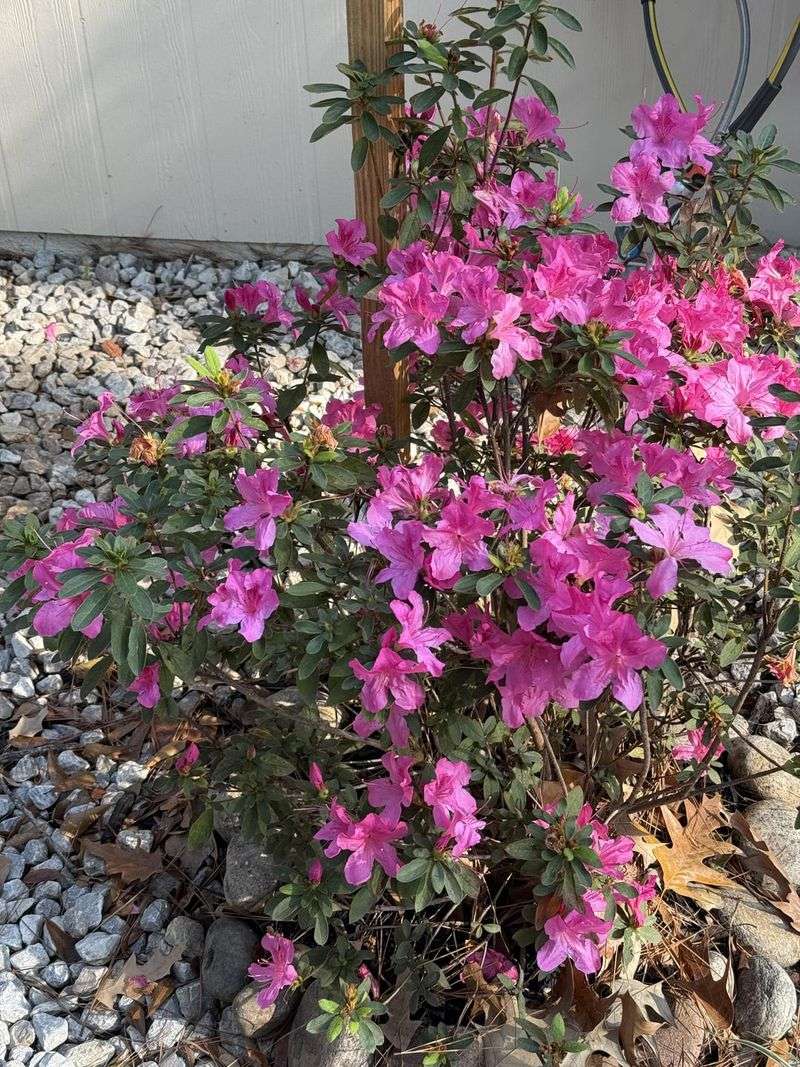
Florida’s warm climate is one of the best things about gardening in the Sunshine State, but it also comes with a few surprises for azalea growers. Because temperatures stay relatively mild through winter, azaleas in Florida often begin forming next season’s flower buds much earlier than gardeners expect.
Pruning too early can accidentally remove those developing buds before they ever get a chance to open. This is especially true in South Florida and coastal areas, where azaleas may start setting buds much earlier than expected.
Early trimming, especially before the current bloom cycle has finished, is one of the most common reasons Florida gardeners end up with sparse-looking azaleas in spring. The plant works hard throughout late summer and fall to set those buds, so cutting them off prematurely wipes out months of effort.
Patience pays off in a big way with these shrubs.
A helpful trick is to mark your calendar once blooming begins each year. Give the flowers at least two to three weeks to fully run their course before you even think about reaching for the pruning shears.
Central and South Florida gardeners especially need to be aware that their azaleas may bloom earlier than those in North Florida. Staying observant and flexible with your schedule, rather than following a rigid calendar date, will always produce better results for your garden.
4. Florida’s Coastal Regions May Need Different Azalea Pruning Times
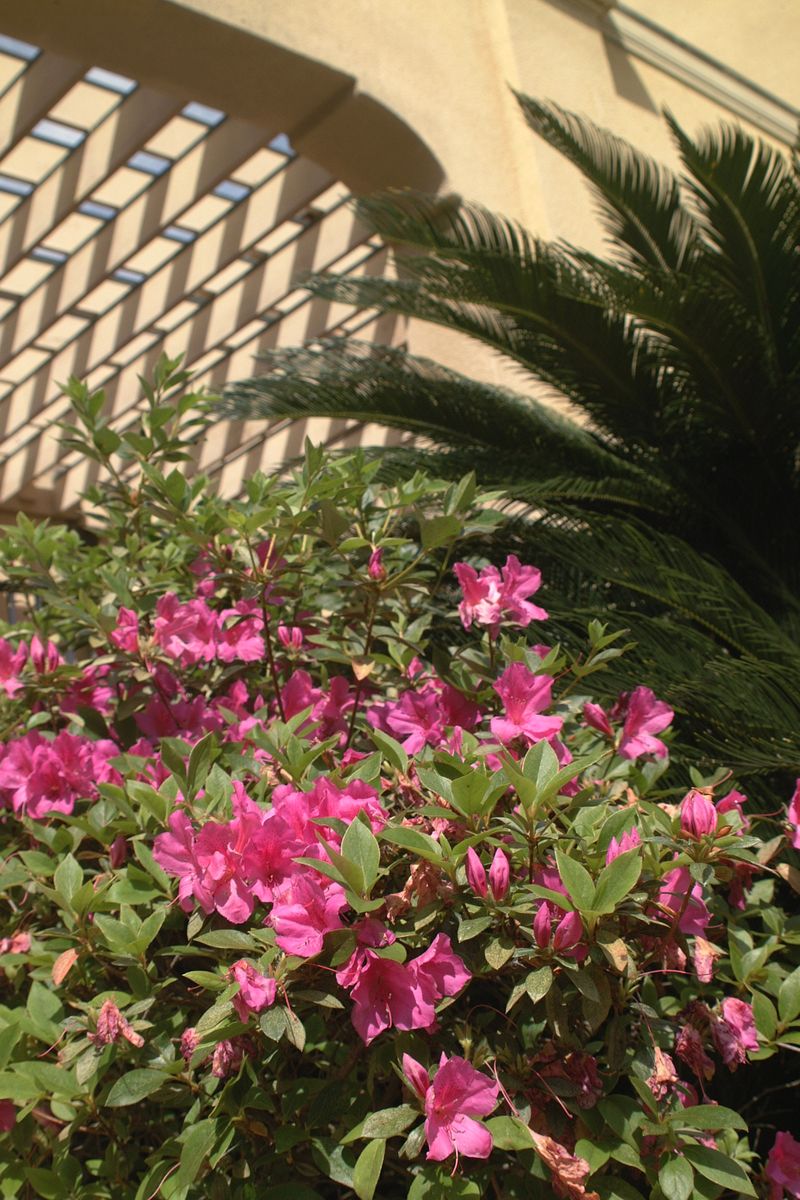
Gardening along Florida’s coast comes with its own set of rules, and azalea pruning is no exception. Coastal areas, from the panhandle beaches to the shores of South Florida, tend to experience milder winters and more consistent warmth throughout the year.
This means azaleas in these regions often break into bloom earlier than their inland counterparts.
If you live near the coast, keep a particularly close watch on your azaleas starting in late January. The combination of salt-tinged air, mild temperatures, and high humidity creates a unique environment where plants can behave a little differently than expected.
Additionally, coastal winds and salt spray can sometimes cause damage to azaleas, so gardeners should watch for signs of wear. Blooms may appear weeks ahead of schedule, which means your pruning window opens earlier too.
Coastal gardeners should also be aware that salt spray and wind can sometimes cause branch tips to look worn or tattered by late winter. Removing these affected tips right after blooming helps the plant redirect energy into fresh, healthy growth.
The good news is that coastal Florida’s extended growing season gives azaleas plenty of recovery time after pruning. Just be sure to finish any trimming well before mid-summer, since that is when bud formation for the following spring begins in earnest, regardless of where you live along Florida’s beautiful coastline.
5. Remove Withered Or Damaged Azalea Branches For A Cleaner Look
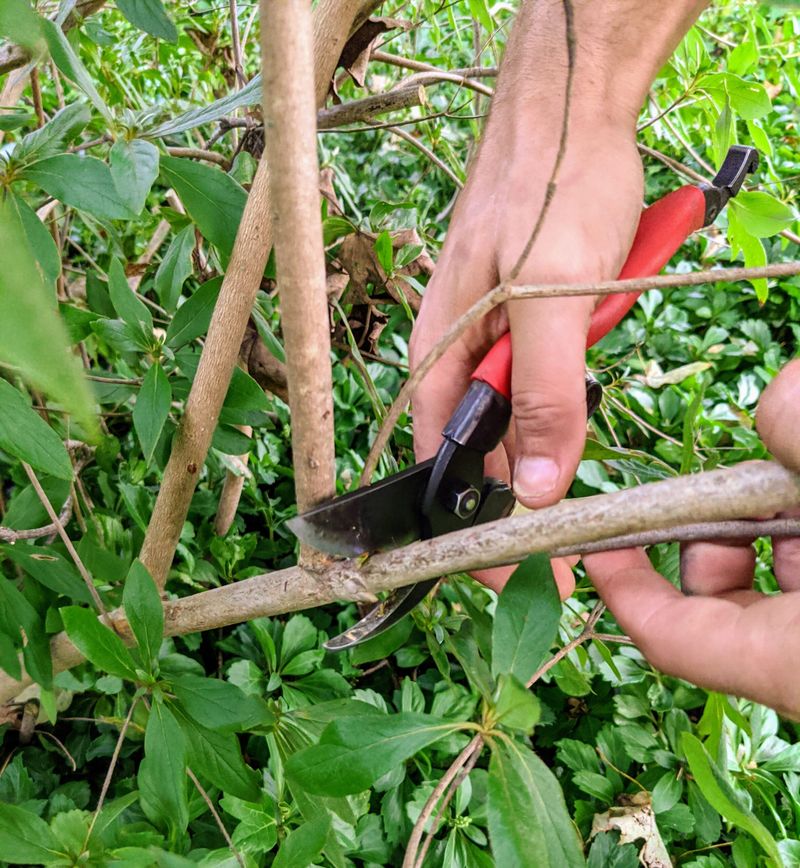
Every now and then, an azalea branch stops producing leaves or flowers and just sits there looking worn and tired. Removing these branches is one of the best things you can do for the overall health and appearance of your plant.
It is not about punishment for the shrub; it is about giving the rest of the plant more room and resources to thrive.
Branches that have been damaged by storms, freeze events, or pest activity can drain the plant’s energy if left in place. Spotting them is usually straightforward: look for stems that feel brittle, show no signs of new buds, or have bark that looks cracked and dry.
Also, check for signs of pest damage, such as wilting or discolored branches, as pests like aphids or spider mites can harm azaleas. Cutting these back to a healthy junction point encourages the surrounding growth to fill in the gap naturally.
Florida’s occasional cold snaps, especially in North Florida, can leave azalea tips looking rough by late winter. Do not panic when you see this.
Simply wait until after the bloom season ends and then carefully remove any sections that clearly did not recover. Using clean, sanitized pruning tools is important to prevent spreading any issues from one branch to another.
A little attention to these details keeps your azaleas looking polished, full, and ready to put on a spectacular show each spring.
6. Trim Azaleas To Prevent Overgrowth And Improve Airflow
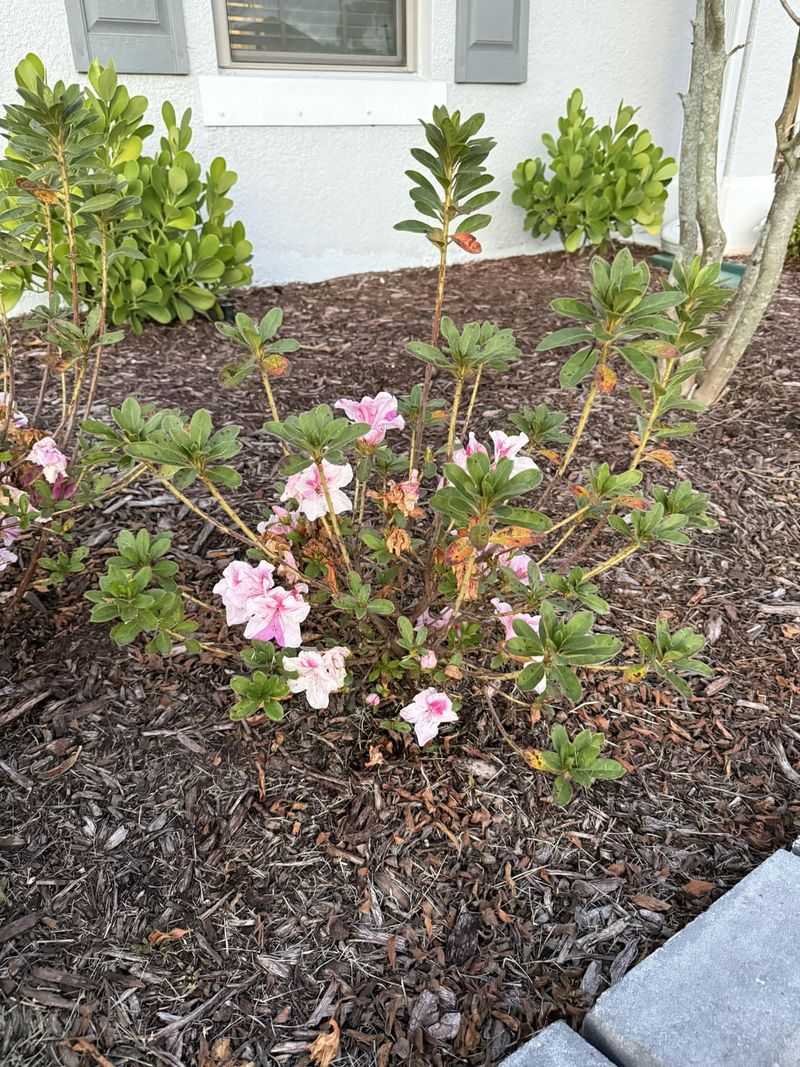
Left completely unchecked, azaleas can grow into thick, tangled masses that look more like wild hedges than garden shrubs. Florida’s warm, humid climate accelerates plant growth significantly, which means azaleas here can put on size faster than you might expect.
Regular trimming keeps things manageable and actually helps the plant stay healthier in the long run.
One of the biggest benefits of consistent pruning is improved airflow through the center of the shrub. Focus on thinning the interior by removing crossing branches, which helps the plant dry faster and prevents fungal issues common in Florida’s humid climate.
When branches grow too densely packed together, moisture gets trapped inside, creating the perfect conditions for fungal issues to develop. Florida’s high humidity already puts plants at a slight disadvantage in this regard, so thinning out the interior of your azalea is a smart preventative move.
To improve airflow, focus on removing some of the older, crossing branches that crowd the center of the plant. You do not need to take off a huge amount of material to make a meaningful difference.
Even removing a handful of congested stems can open up the shrub considerably. The result is a plant that dries out more quickly after Florida’s frequent afternoon rain showers, receives better light penetration throughout its canopy, and generally stays in stronger shape from one season to the next.
Consistent attention pays off beautifully over time.
7. Late Spring Pruning Is Best For Florida’s Azalea Varieties
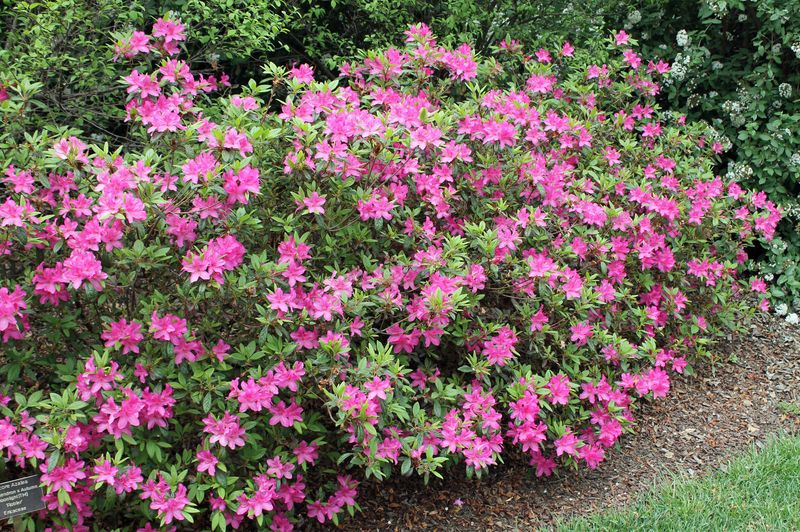
Not all azaleas are created equal, and Florida is home to several varieties that have their own preferred pruning schedule. The Southern Indica azalea, one of the most popular choices for Florida landscapes, tends to respond especially well to pruning done in late spring, right after its blooms have faded and new growth has just begun to emerge.
Late spring pruning works so well because it catches the plant at a moment of high energy. Fresh stems are pushing out, the root system is actively working, and the shrub is primed to respond to shaping with vigorous new growth.
Cutting at this stage gives the plant the entire summer to fill back in before it starts setting buds for the following year.
For Florida gardeners, late spring typically means sometime in April or May, depending on your location in the state. Be sure to finish pruning before June to avoid interfering with the bud-setting process, which begins in late summer.
North Florida gardeners may find their late spring window falls a bit later than those in Central or South Florida. The key is to complete your pruning before the end of June to avoid interfering with the bud-setting process that begins in late summer.
Matching your pruning schedule to your specific azalea variety and your local climate zone is the most reliable way to guarantee a breathtaking bloom display every single year.
8. Check Your Azalea’s Growth Pattern For Ideal Trimming Strategy
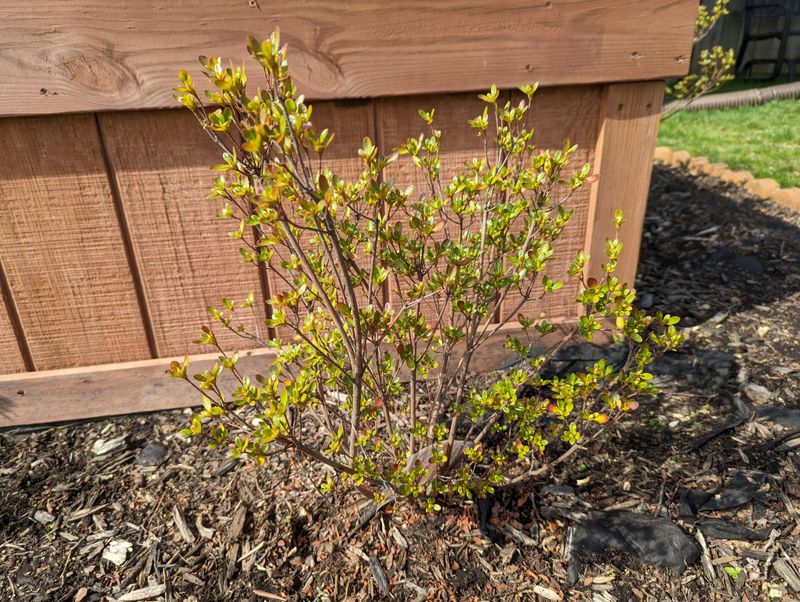
Before you make a single cut, spend a few minutes just looking at your azalea. Walk around it, crouch down to see the lower branches, and look at the overall shape from different angles.
Understanding how your specific plant grows is the foundation of a smart pruning strategy, and it takes less time than you might think.
Some azaleas grow in a naturally rounded, compact form and need very little help staying tidy. However, Florida’s warm, humid climate can encourage rapid growth, so azaleas may require more frequent pruning to stay balanced and healthy.
Others tend to send up tall, leggy shoots that throw off the plant’s balance. Certain varieties spread outward more than they grow upward, while others reach for the sky.
Each of these growth habits calls for a slightly different approach when it comes to where and how much you trim.
Florida gardeners working with a mix of varieties in the same yard should treat each shrub individually rather than applying a one-size-fits-all approach. Keep a simple garden journal where you note when each plant blooms, how fast it grows, and what issues you notice from year to year.
Over time, this information becomes incredibly useful for refining your pruning technique. A well-observed plant is a well-cared-for plant, and the payoff for that attention shows up every spring in the form of full, vibrant blooms that make your Florida garden truly stand out.