These Flowers Survive Texas Heatwaves Even Without Watering
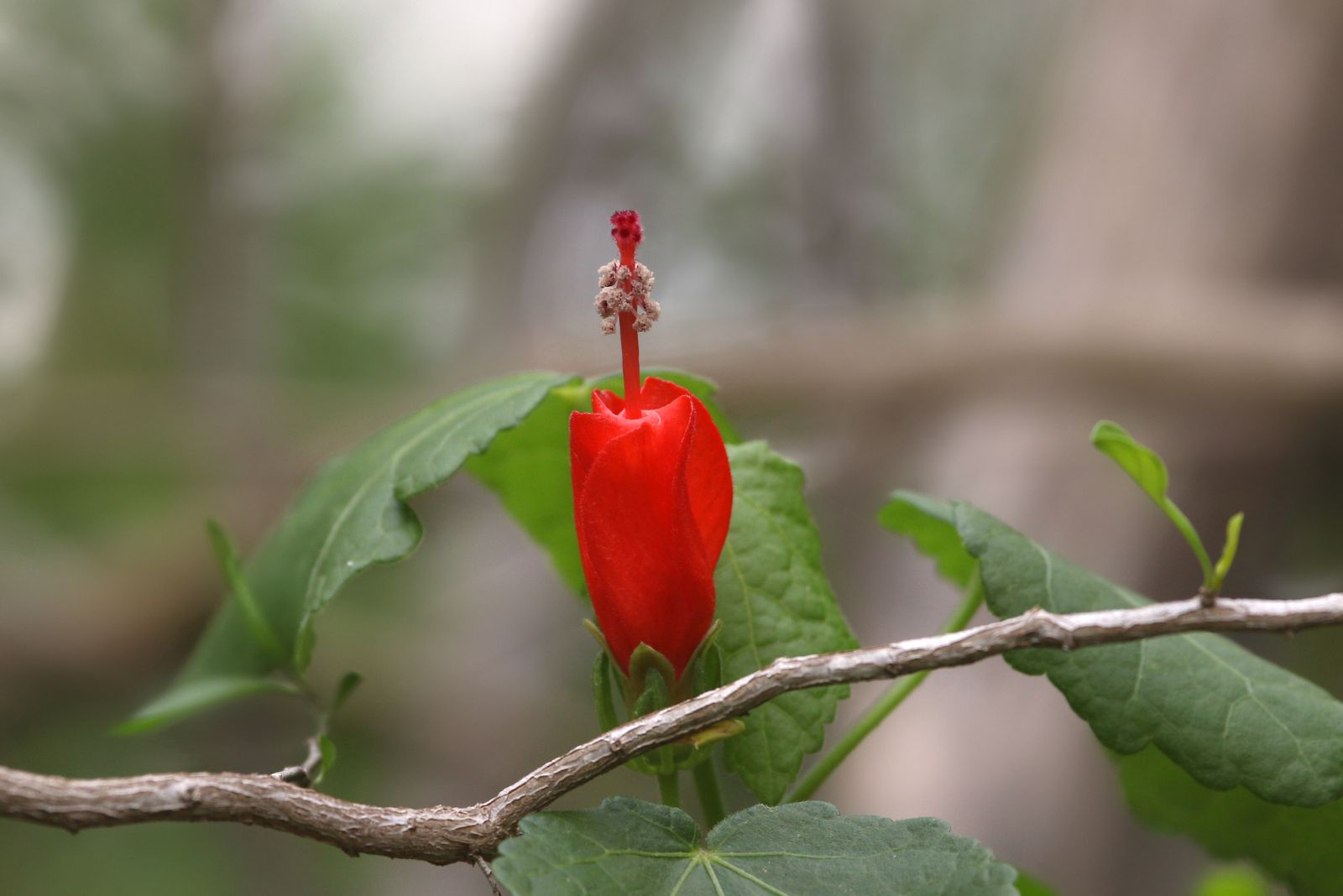
Texas heatwaves are no joke. With the sun blazing down and the temperatures soaring, it can be tough to keep your garden looking vibrant.
But what if there were flowers that could stand up to the heat without needing constant watering? The good news is, there are a variety of tough, drought-tolerant flowers that thrive in Texas’ harsh conditions.
These hardy blooms are built to handle long stretches of intense heat and minimal rainfall, making them perfect for a low-maintenance garden.
Not only do these flowers survive under the Texas sun, but they also bring stunning color to your yard, even when the weather gets scorching. Whether you have a busy schedule or just want to conserve water, these plants are the answer.
By choosing the right flowers, you can keep your garden looking beautiful throughout the hottest months without stressing over every drop of water.
1. Mexican Petunia (Ruellia Simplex)
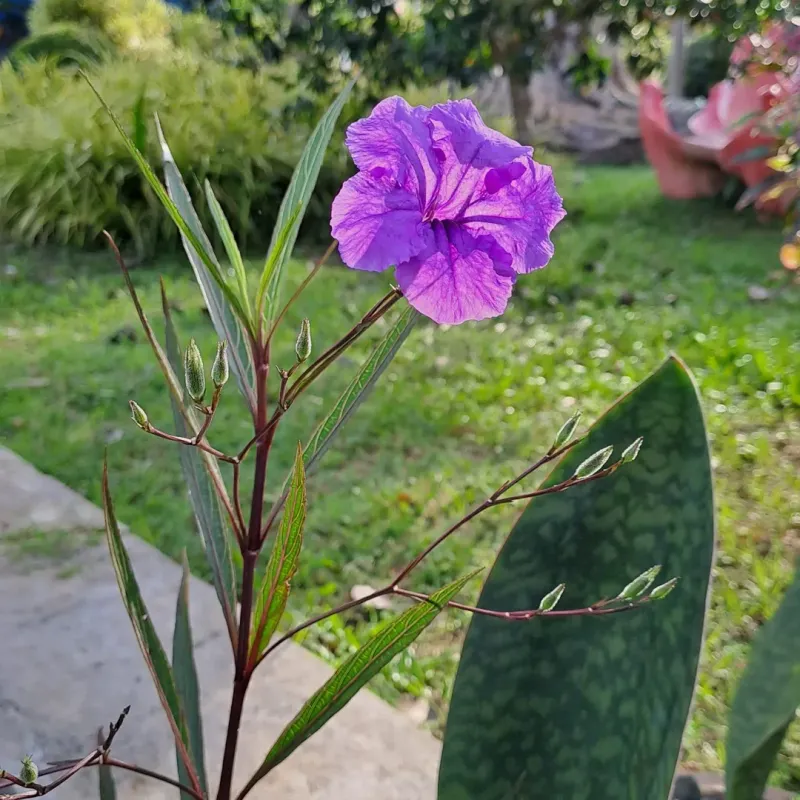
If you want a flower that laughs in the face of a Texas summer, Mexican Petunia is your answer.
This tough little plant keeps blooming even when temperatures soar and rain is nowhere in sight. It is one of the most reliable drought-tolerant plants you can add to a Texas garden.
Mexican Petunia grows between two and four feet tall and spreads about two to three feet wide. That makes it a solid choice for filling in garden beds, borders, or even containers on a patio.
The upright growth habit gives it a clean, structured look that works well in both formal and casual garden designs.
The flowers come in purple, pink, or white, and they bloom from summer all the way through fall. That is a long season of color, especially in a state like Texas where many plants struggle to push through the heat.
Butterflies and hummingbirds absolutely love this plant, so you get wildlife activity along with the blooms.
One thing to keep in mind is that Mexican Petunia can spread pretty aggressively once it gets comfortable. Deadheading the spent flowers or trimming it back occasionally helps keep it from taking over your entire garden bed.
In some parts of Texas, it is considered invasive, so checking with your local nursery before planting is always a smart move.
Once established, this plant needs almost no extra water. It thrives in full sun and handles poor soil with ease, making it a top pick for low-maintenance Texas landscapes.
2. Black-Eyed Susan (Rudbeckia Hirta)
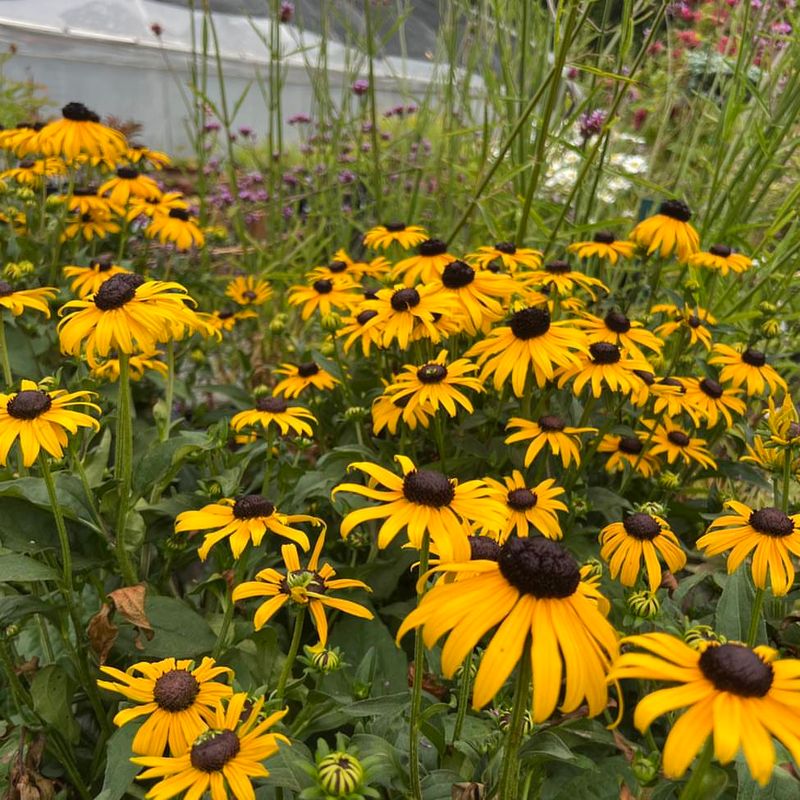
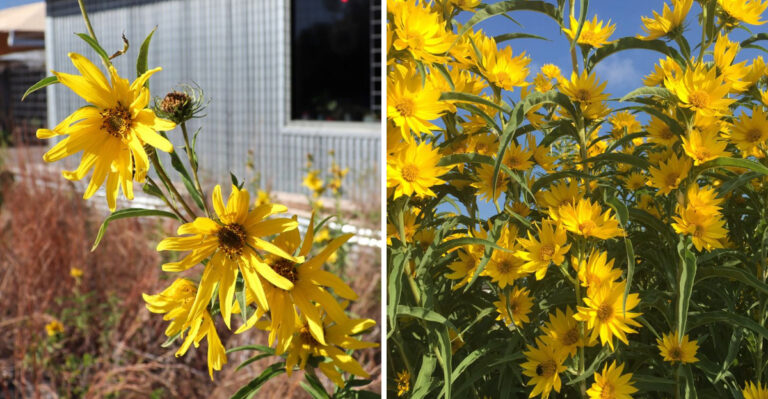
Few flowers say “Texas summer” quite like the cheerful Black-Eyed Susan. Those bold yellow petals surrounding a dark brown center are impossible to miss, and they keep showing up year after year even when conditions get rough.
This flower has earned its reputation as one of the toughest bloomers in the state.
Once established in your Texas garden, Black-Eyed Susan handles heat and drought with very little help from you. It grows one to three feet tall and spreads about one to two feet wide.
That compact size makes it easy to fit into almost any garden space, whether you have a large backyard or just a small front bed.
Your Texas Garden Changes Every Week. Your Plan Should Too.
Gardening in Texas changes quickly throughout the season. Every Friday you’ll receive a simple weekly plan showing exactly what to plant, prune, fertilize, harvest, and protect so you never miss the right timing.
Blooming from late spring all the way through fall, this plant delivers months of vibrant color.
Bees, butterflies, and other pollinators flock to the bright flowers, which makes your garden feel alive and buzzing with activity. Even birds enjoy the seed heads left behind after the blooms fade.
Did you know Black-Eyed Susan is actually a native wildflower across much of North America? That means it evolved to handle tough conditions naturally.
In Texas, where dry spells can stretch for weeks, native plants like this one have a built-in advantage. They know how to survive on what nature provides.
Plant it in full sun and well-drained soil for the best results. A little water during the first few weeks after planting helps it get established, but after that, it practically takes care of itself throughout the Texas summer.
3. Blanket Flower (Gaillardia Pulchella)
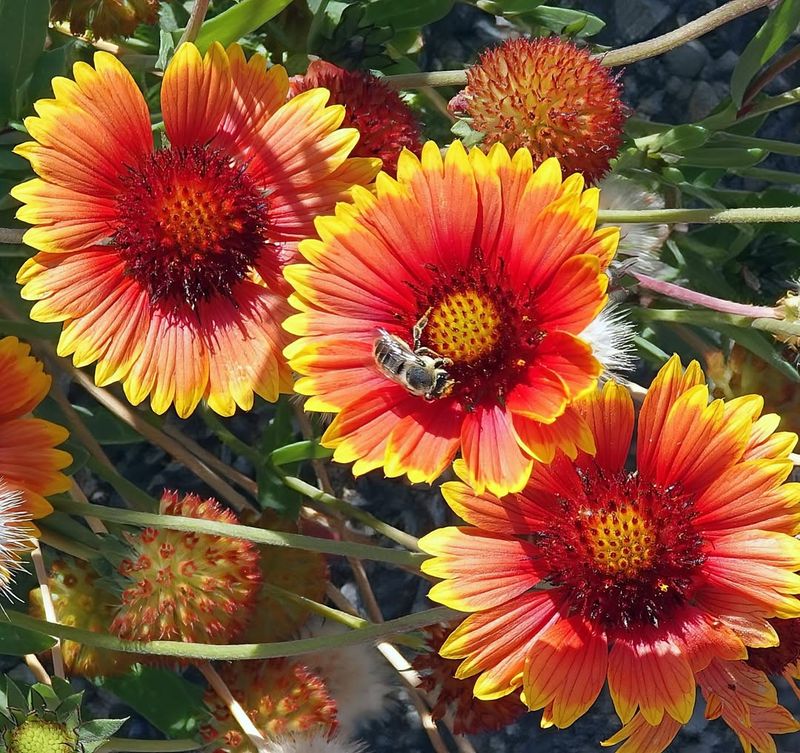
Picture a flower that looks like a tiny sunset sitting right in your garden. That is exactly what Blanket Flower brings to the table.
With its fiery red and yellow petals, this plant adds a burst of warm color that stands out even on the hottest Texas days.
Blanket Flower is extremely heat and drought tolerant, making it one of the best choices for Texas gardeners who do not want to babysit their plants.
It grows 12 to 18 inches tall and spreads 18 to 24 inches wide, giving it a nice low, spreading habit that works beautifully along walkways, garden edges, or in mass plantings.
This plant loves full sun and actually performs better in dry, well-drained soil. Rich, heavily watered soil can cause it to flop over or develop root issues.
So in Texas, where the heat bakes the ground and drains moisture quickly, Blanket Flower is right at home.
It can grow as either an annual or a perennial depending on your specific location in Texas. In warmer southern parts of the state, it often comes back year after year without replanting.
That makes it a great value plant for homeowners who want long-term color without repeated investment.
Pollinators absolutely love Blanket Flower. Bees and butterflies visit regularly throughout the blooming season.
Deadheading, which means removing faded blooms, encourages the plant to keep producing new flowers all summer long. For a low-effort, high-reward flower in the Texas heat, Blanket Flower is hard to beat.
4. Lantana (Lantana Camara)
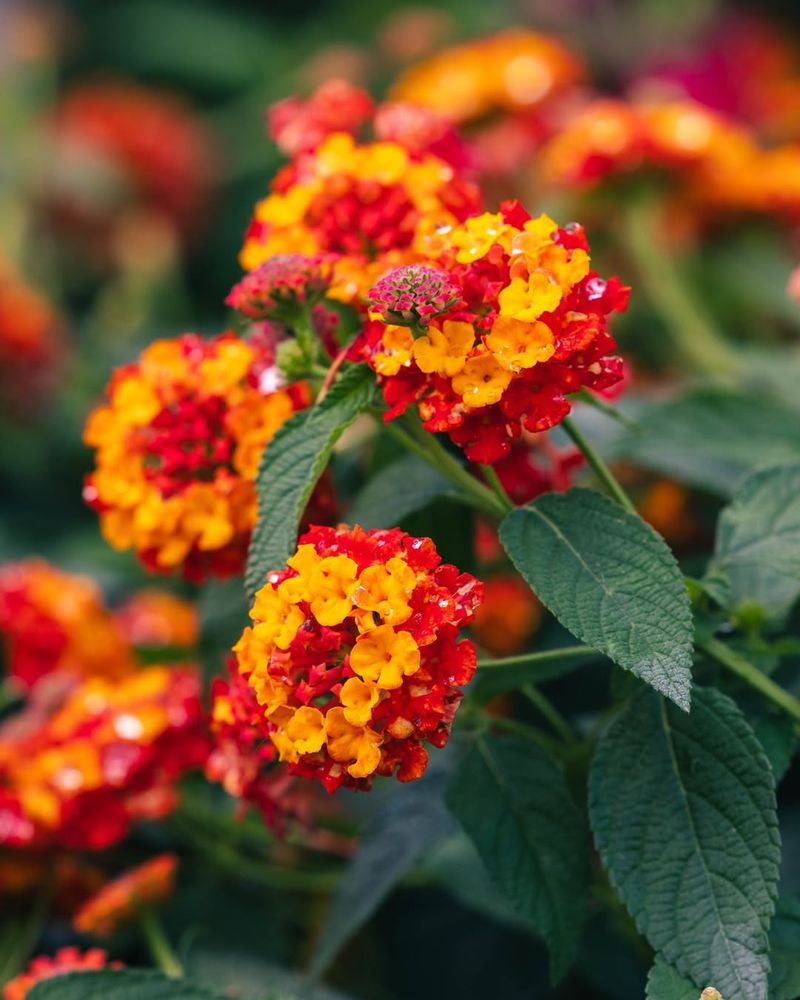
Ask any experienced Texas gardener about the toughest flowering plant around, and Lantana will almost always come up.
This plant is legendary for its ability to keep blooming through triple-digit heat without missing a beat. It thrives on neglect in a way that most other flowers simply cannot match.
Lantana grows one to three feet tall and spreads two to four feet wide. The clusters of tiny flowers come in a dazzling mix of oranges, reds, yellows, pinks, and purples, often with multiple colors appearing on the same flower cluster.
That layered color effect makes it one of the most visually striking plants you can grow in a Texas yard.
One of the coolest things about Lantana is that it blooms year-round in warmer parts of Texas. Even in central and northern parts of the state, it blooms heavily from spring through fall.
Butterflies and hummingbirds are drawn to it constantly, so your garden becomes a little wildlife hotspot whenever Lantana is in bloom.
Lantana handles hot, dry conditions like a champion. It prefers full sun and well-drained soil, and once established, it rarely needs supplemental watering.
In fact, overwatering is one of the few things that can actually hurt it. Less is more when it comes to caring for this plant in Texas.
It does spread vigorously, so trimming it back occasionally keeps it looking neat. For gardeners across Texas who want maximum color with minimum effort, Lantana is simply one of the best options available anywhere.
5. Turk’s Cap (Malvaviscus Arboreus)
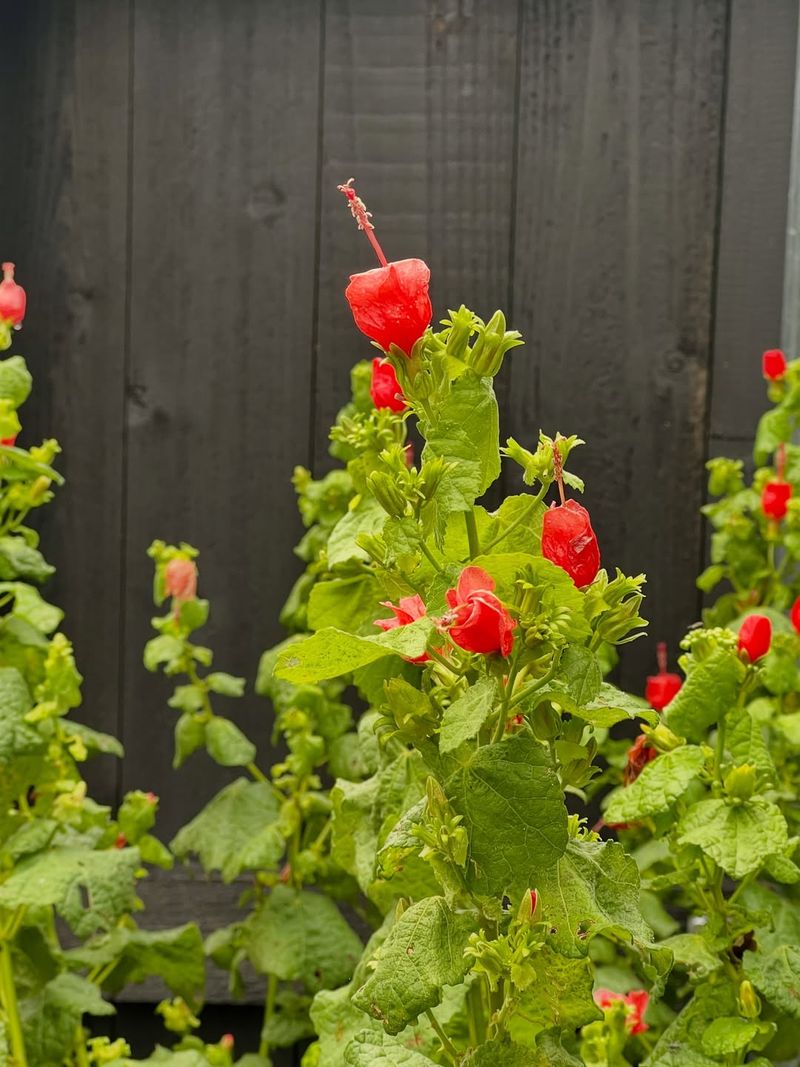
Not every garden gets full blazing sun all day, and that is where Turk’s Cap becomes a real game-changer. Unlike most drought-tolerant flowers that demand direct sunlight, this one handles both full sun and partial shade without complaining.
That flexibility makes it incredibly useful for tricky spots around Texas homes and landscapes.
Turk’s Cap grows three to four feet tall and spreads three to five feet wide, giving it a nice shrubby presence in the garden. The flowers are a vivid red or pink and have a unique twisted shape that looks like a partially open hibiscus bloom.
They never fully open, which gives them that distinctive curled, cap-like appearance that inspired the name.
Hummingbirds go absolutely wild for Turk’s Cap. The tubular flower shape is perfectly designed for hummingbird feeding, so planting it near a window or patio means you get a front-row seat to the show all summer and into fall.
It is one of the best hummingbird plants you can grow anywhere in Texas.
Once established, Turk’s Cap handles extreme heat and dry conditions with very little water. It is a Texas native, which means it evolved right here and knows how to survive the local climate.
Native plants are always a smart choice because they support local ecosystems and require far less maintenance than non-native species.
Planting Turk’s Cap under trees or along shaded fence lines where other drought-tolerant plants might struggle is a brilliant strategy. It fills those difficult spots with color and life from summer straight through the fall months.
6. Desert Marigold (Baileya Multiradiata)
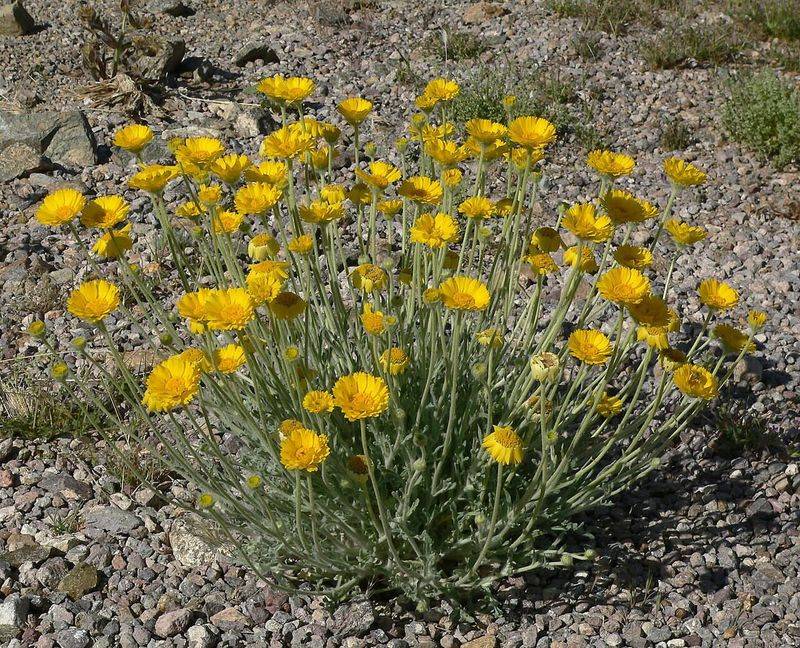
Some flowers look delicate but turn out to be incredibly tough. Desert Marigold is exactly that kind of plant.
Those cheerful, bright yellow daisy-like blooms might look soft and gentle, but underneath that pretty exterior is a plant built to handle some of the harshest growing conditions Texas has to offer.
Desert Marigold grows 12 to 18 inches tall and spreads about 12 to 18 inches wide. That compact, rounded shape makes it easy to use in rock gardens, along dry slopes, or in any spot where the soil tends to be poor and dry.
It actually performs best in well-drained or even sandy soil, which is exactly the kind of soil found in many parts of western and central Texas.
The bright yellow flowers bloom throughout the summer and can even push blooms into fall. In a season when many plants struggle to survive the relentless Texas heat, Desert Marigold just keeps going.
The flowers sit above the foliage on long stems, giving the plant a floaty, airy appearance that adds a lot of visual charm to dry landscapes. Full sun is where this plant thrives. The more sun it gets, the better it blooms.
Watering it too much or planting it in heavy clay soil can actually cause problems, so keeping things dry and sunny is the way to go in Texas gardens.
Pollinators, including bees and butterflies, visit the flowers regularly. For a bright, reliable burst of yellow color that practically takes care of itself across the hot Texas summer, Desert Marigold earns every bit of its reputation as a tough beauty.
7. Penstemon (Penstemon Spp.)
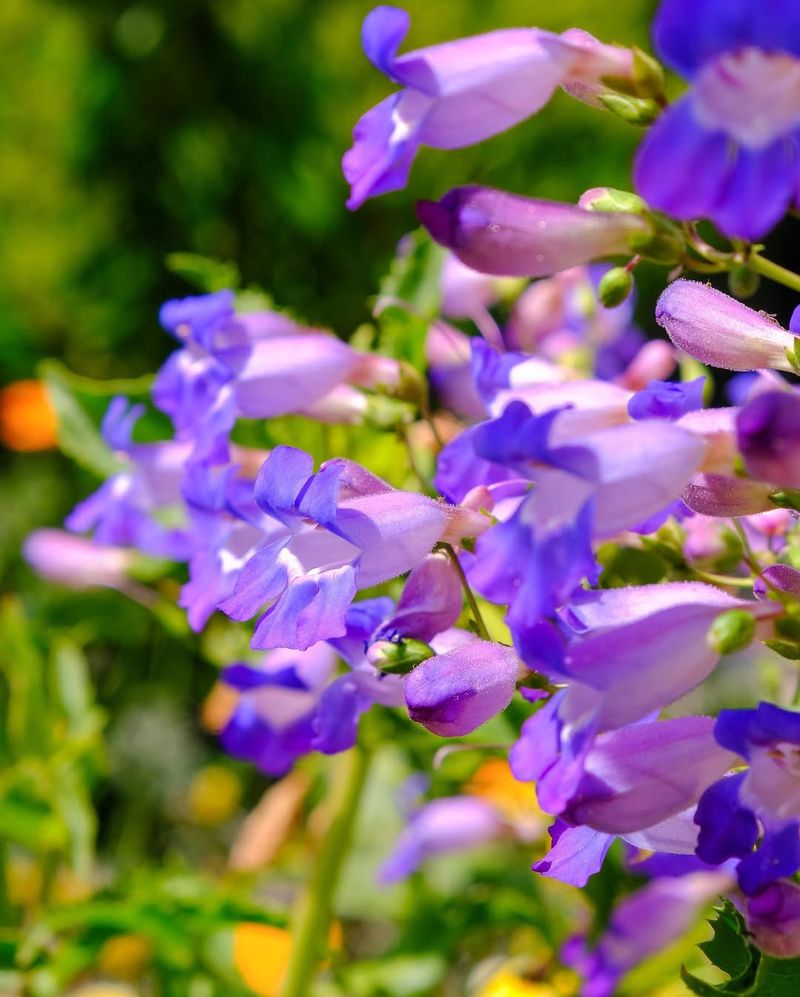
Walk past a blooming Penstemon in a Texas garden and you will almost certainly stop to look.
The tall, elegant spikes covered in tubular flowers in shades of purple, red, and pink have a dramatic quality that is hard to ignore. This plant brings vertical interest and bold color to any garden space.
Penstemon grows one to three feet tall and spreads about one to two feet wide. That upright growth habit makes it a great choice for planting behind shorter flowers or along fences where height adds visual depth.
Several species of Penstemon are native to Texas, which means they are perfectly adapted to the local heat and dry conditions.
Once established in a Texas garden, Penstemon needs very little water. It is heat tolerant and handles dry spells without much stress.
In fact, like Desert Marigold, it prefers well-drained soil and can struggle if the ground stays too wet for too long. Sandy or rocky soil suits it just fine, and that makes it ideal for many parts of the state.
Hummingbirds are the biggest fans of Penstemon. The long tubular flowers are shaped perfectly for hummingbird feeding, and you will often see them hovering around the spikes on warm summer mornings.
Bees and butterflies also visit regularly, making Penstemon a fantastic pollinator plant for Texas gardens.
Planting a mix of Penstemon varieties gives you a longer bloom season and a wider range of colors. Some species bloom in spring, others push into summer.
Together, they create a beautiful, low-maintenance display that brings life and movement to any Texas outdoor space all season long.