These Are The 8 Florida Native Plants You Should Prune In March
March hits Florida gardens with energy, and certain native plants demand attention to look their best. Pruning can awaken hidden blooms, strengthen branches, and create dramatic bursts of color.
Skipping the right cuts leaves shrubs tangled, flowers sparse, and roots stressed. Gardeners who understand which species thrive after a trim see transformations that amaze neighbors and friends.
Each plant reacts differently, and timing in March unlocks growth patterns that last all season. Vibrant textures, bold colors, and healthy, resilient plants reward careful hands.
A few strategic snips can turn overgrown spaces into lively, flourishing corners that seem almost alive. Florida’s native plants carry secrets of resilience and beauty, and March reveals them to those who act at the right moment.
1. Firebush Brings Energy Back To Your Garden
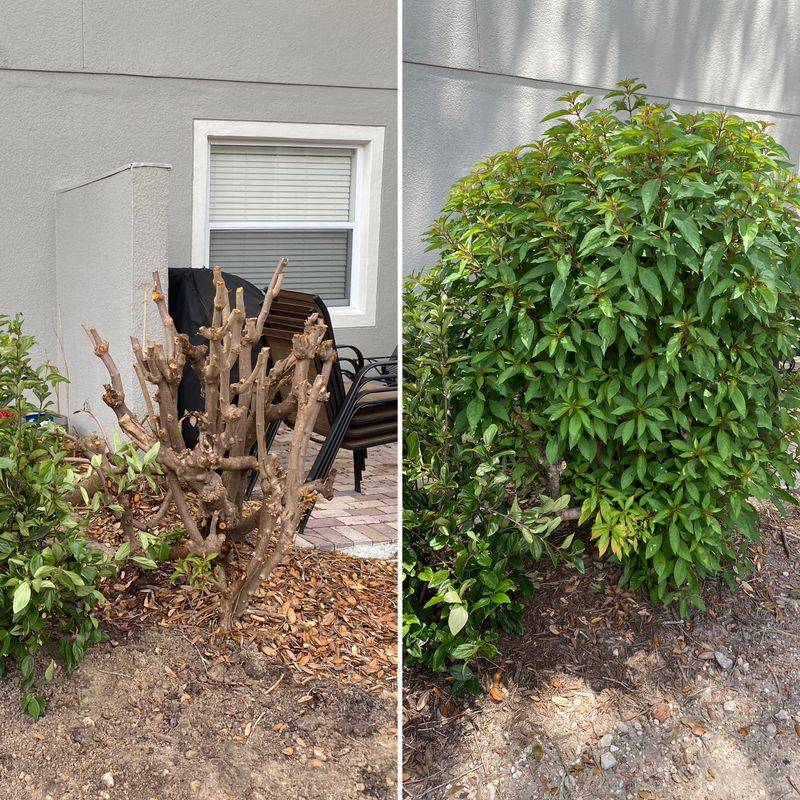
Few plants in a Florida garden put on a show quite like Firebush. With its bold orange-red tubular flowers and magnetic pull on hummingbirds and butterflies, this shrub is a true showstopper.
But by late winter, it can start looking a little tired and leggy, which is exactly why March pruning matters.
Light pruning in early March encourages fresh, vigorous branching and sets the stage for a season packed with blooms. According to UF/IFAS Extension, trimming Firebush before new spring growth begins helps the plant stay compact and produce more flowering stems rather than long, unproductive ones.
Light selective pruning encourages fresh growth and keeps the plant compact without removing too much at once.
South Florida gardeners especially benefit from this timing because the warm climate means new growth can emerge quickly after pruning. Use clean, sharp shears to make smooth cuts just above a leaf node.
Remove any crossing branches or stems that look weak or damaged. A little attention now rewards you with a fuller, more energetic Firebush that blooms generously from spring all the way through fall across Florida gardens.
2. Beautyberry Grows Fuller With A Little Care
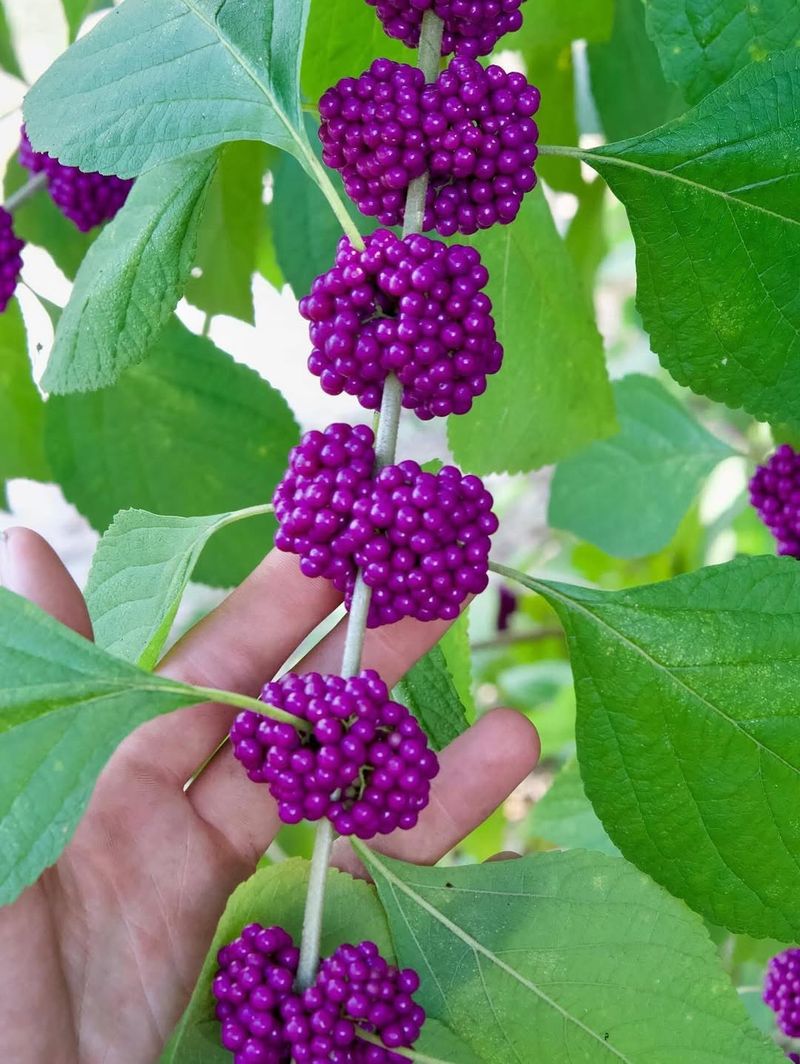
There is something almost magical about American Beautyberry, with its clusters of vivid purple berries lining every arching stem in late summer. But to get that spectacular berry display, the plant needs a structural tune-up in March before new growth kicks in.
Skipping this step often leads to a sparse, uneven shrub that underperforms all season.
UF/IFAS Extension recommends pruning Beautyberry hard in late winter, cutting stems back to about 12 to 24 inches from the ground. This approach stimulates dense new growth from the base, resulting in a fuller, more uniform plant.
The berries form on new wood, so the more vigorous young stems you encourage now, the more spectacular the berry display will be later in the year.
Prune just before new growth begins. Timing varies across the state – southern Florida may start earlier, northern Florida later.
Use loppers for thicker stems and hand shears for smaller ones. South Florida landscapes benefit from Beautyberry not just for its looks, but also because it attracts songbirds and provides excellent wildlife habitat throughout the warmer months ahead.
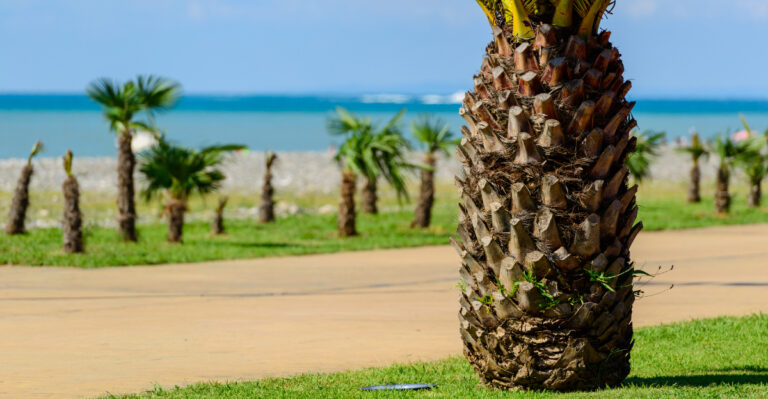
3. Saw Palmetto Stays Neat And Strong
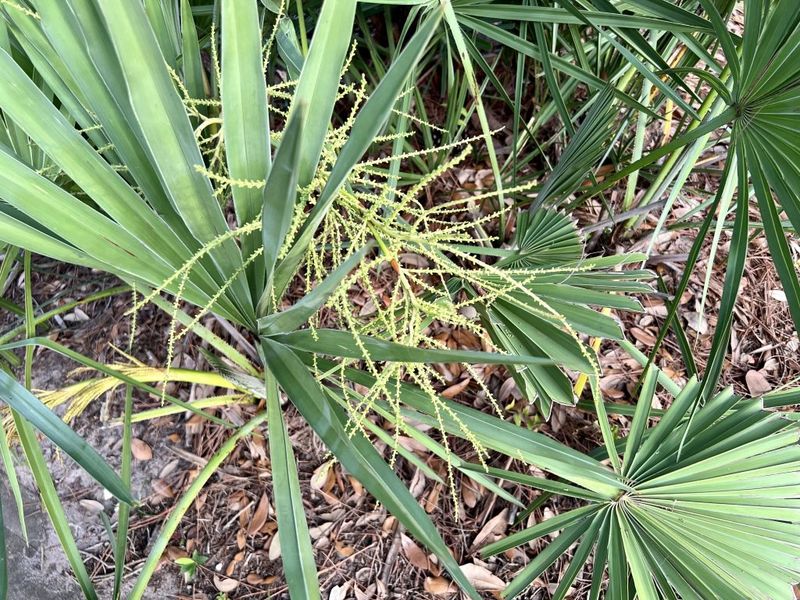
Saw Palmetto is one of Florida’s toughest and most iconic native plants, thriving in sandy soils and full sun from South Florida all the way up the peninsula. It is incredibly resilient, but that does not mean it looks its best without a little seasonal attention.
Your Florida Garden Changes Every Week. Your Plan Should Too.
Gardening in Florida changes quickly throughout the season. Every Friday you’ll receive a simple weekly plan showing exactly what to plant, prune, fertilize, harvest, and protect so you never miss the right timing.
Remove only older brown or damaged fronds to improve airflow and appearance, leaving healthy green fronds intact.
According to UF/IFAS guidelines, late winter trimming of Saw Palmetto focuses on removing older, brown, or drooping fronds that clutter the base of the plant. Cutting these away improves air circulation, reduces pest habitat, and gives the plant a much cleaner, more intentional appearance in the landscape.
Always cut fronds as close to the trunk as possible without damaging the growing crown.
One important note for Florida gardeners: avoid over-pruning. Removing too many healthy green fronds weakens the plant and stresses it unnecessarily.
Stick to fronds that are clearly past their prime. Sharp bypass loppers or a pruning saw work best for this job.
Wearing thick gloves is essential since the stems have sharp teeth, which is exactly where the plant gets its name. A neatly maintained Saw Palmetto adds genuine character to any Florida native landscape.
4. Muhly Grass Shows Its Best With Fresh Growth
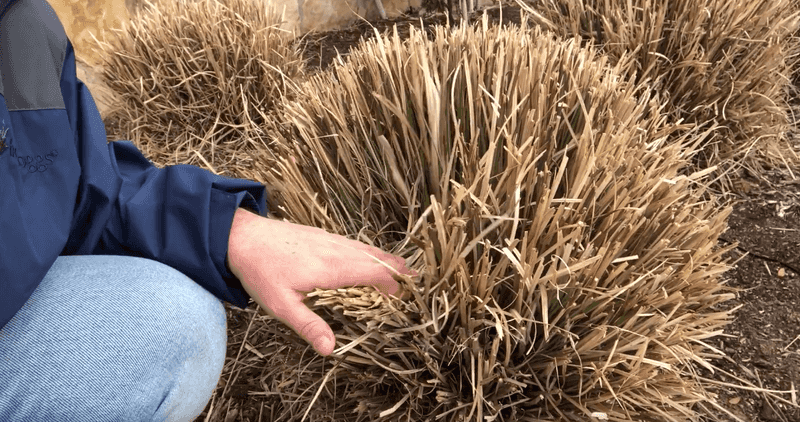
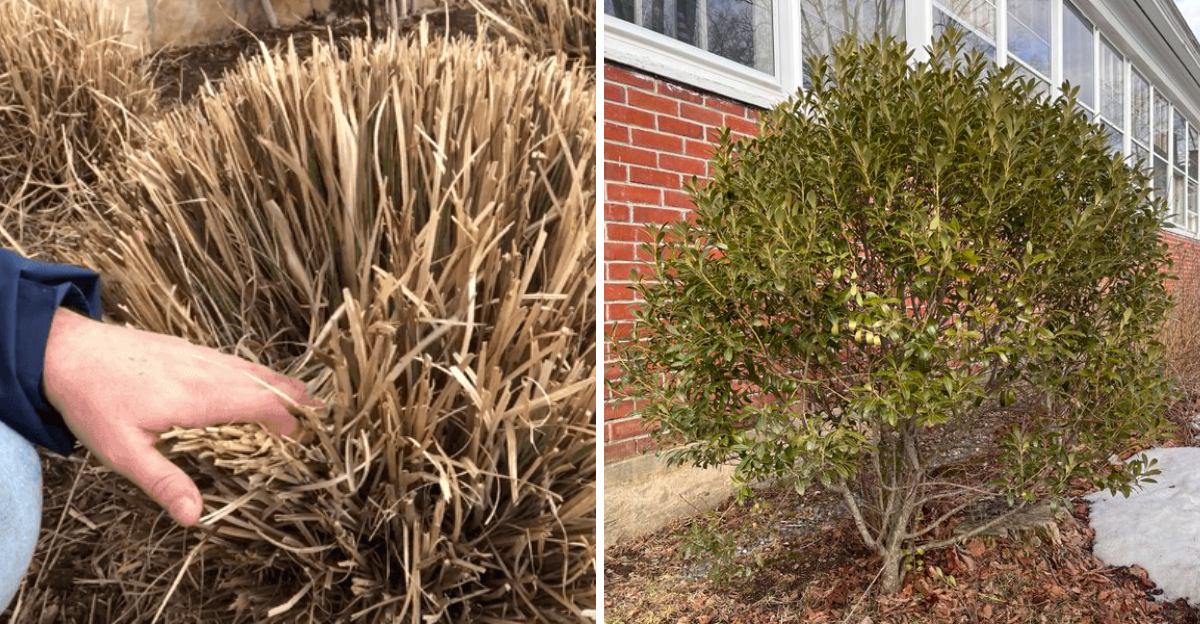
Every fall, Muhly Grass transforms Florida landscapes into something dreamy with its soft pink and purple flower plumes swaying in the breeze. But by late winter, those plumes have faded to tan and the old foliage looks worn and matted.
That is your cue to grab the shears and give it a fresh start in March.
Trimming Muhly Grass back in late winter is a straightforward task with a big payoff. UF/IFAS Extension advises cutting the clumps back to about four to six inches from the ground before new spring growth begins.
This removes the tired old foliage and makes room for bright, fresh green blades to emerge cleanly and vigorously. The result is a tidier, more vibrant ornamental display all season long.
South Florida gardeners often find that Muhly Grass rebounds quickly after pruning thanks to the warm temperatures. Use hedge shears or a strong pair of hand shears to cut the entire clump down in one pass.
Bundle the old foliage before cutting to make cleanup easier. Muhly Grass is low maintenance by nature, but this one annual trim in March keeps it performing at its absolute best across Florida gardens year after year.
5. Coontie Looks Healthier After A Simple Trim
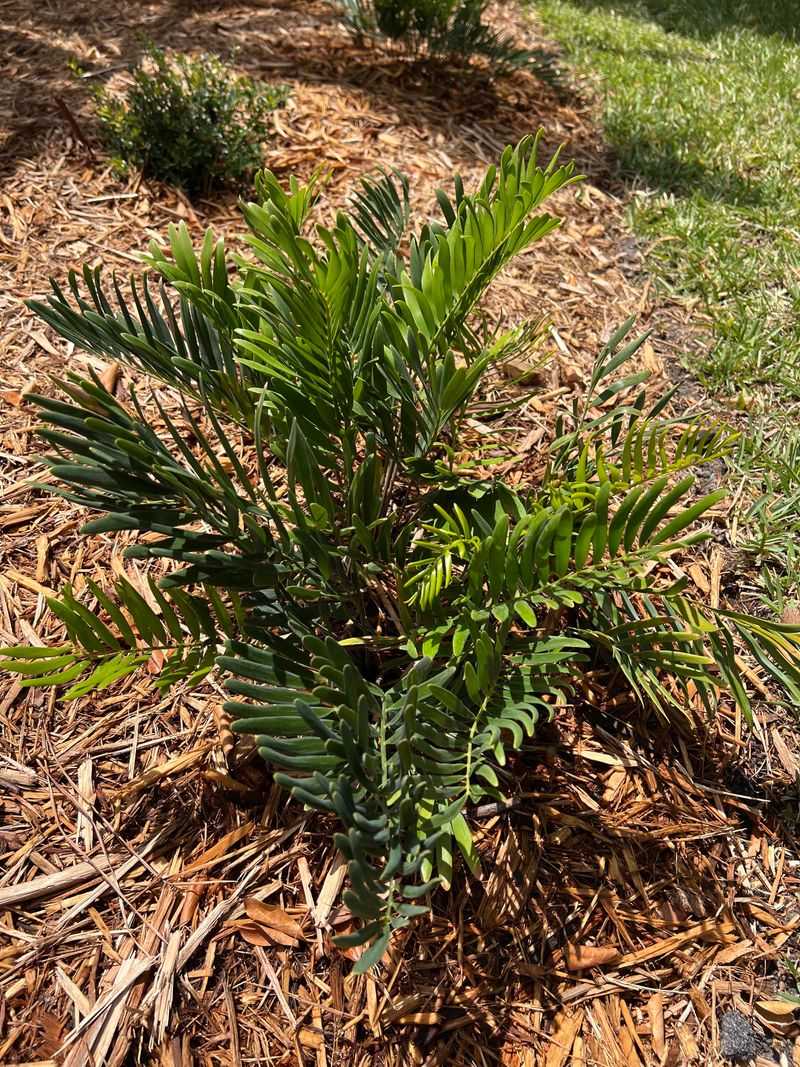
Coontie is a prehistoric-looking Florida native that has been growing across the state for thousands of years. As Florida’s only native cycad, it holds a special place in South Florida landscapes and butterfly gardens alike, serving as the sole host plant for the beautiful Atala butterfly.
By March, older fronds often look yellow or ragged, and a simple cleanup makes a world of difference.
Removing old or yellowing fronds improves appearance and allows sunlight to reach the center, while leaving healthy fronds to continue growing naturally. UF/IFAS recommendations suggest cutting away spent fronds at the base, being careful not to damage the central crown where new growth emerges.
This process improves the plant’s overall appearance and allows sunlight to reach the center more effectively.
Unlike more aggressive pruning tasks, caring for Coontie is gentle work. A pair of clean hand pruners is usually all you need.
Florida gardeners should look for fronds that have turned yellow, brown, or are lying flat on the ground. Leave all healthy, upright green fronds in place.
After trimming, a light layer of mulch around the base helps retain moisture and keeps the root zone comfortable as temperatures begin to climb through spring across Florida.
6. Red Cedar Feels Lively When Shaped Right
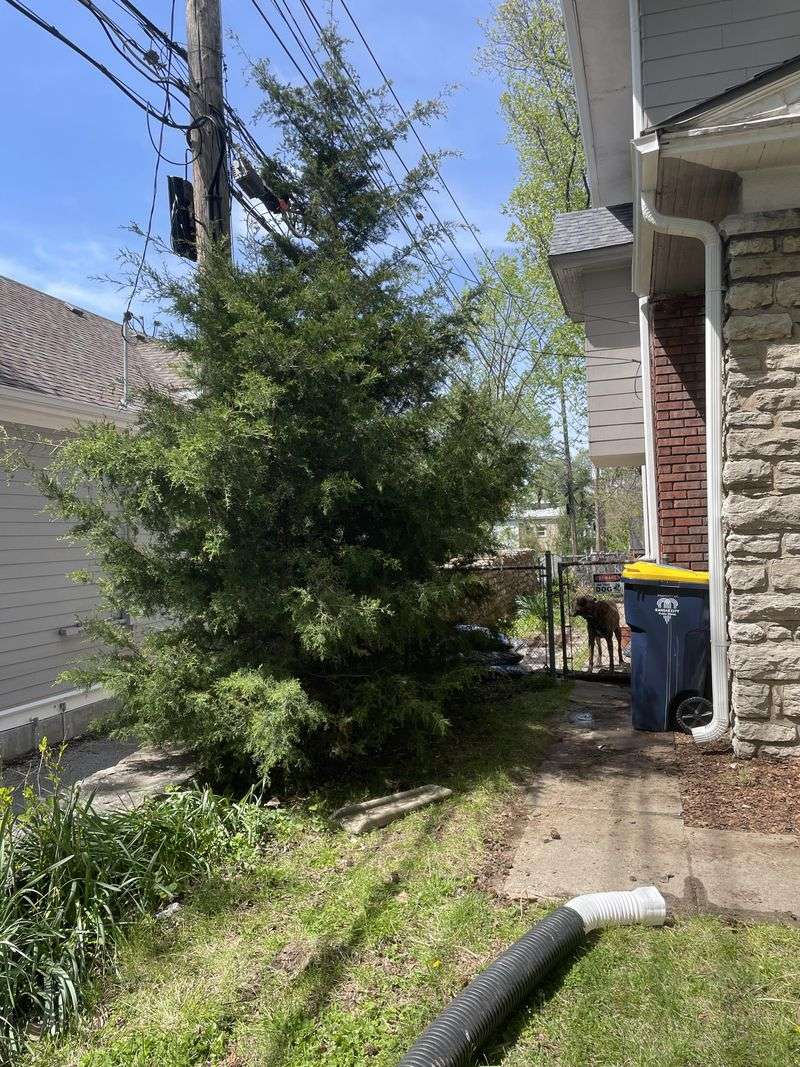
Eastern Red Cedar is a workhorse of the Florida landscape, offering year-round greenery, wildlife value, and remarkable drought tolerance. Cedar waxwings flock to its berries every winter, and its dense canopy provides excellent shelter for nesting birds.
By late winter, though, some trees develop crossing branches or uneven shapes that benefit from a thoughtful trim before spring arrives.
Shaping Red Cedar in March aligns well with UF/IFAS-approved pruning principles for evergreen trees in Florida. The goal is not a dramatic transformation but rather a gentle refinement.
Focus on removing branches that cross or rub against each other, as these can create wounds that invite pests and disease. Also look for any interior branches that block airflow through the canopy.
Always use clean, sharp tools when working with Red Cedar to ensure smooth cuts that heal efficiently. Avoid removing more than one-quarter of the canopy in a single session.
South Florida gardeners should note that Red Cedar grows quickly in warm climates, so staying on top of shaping each late winter keeps the tree from becoming overly dense or lopsided. A well-shaped Red Cedar adds structure and year-round beauty to any Florida native planting scheme without demanding much in return.
7. Gallberry Becomes Dense And Beautiful With Attention
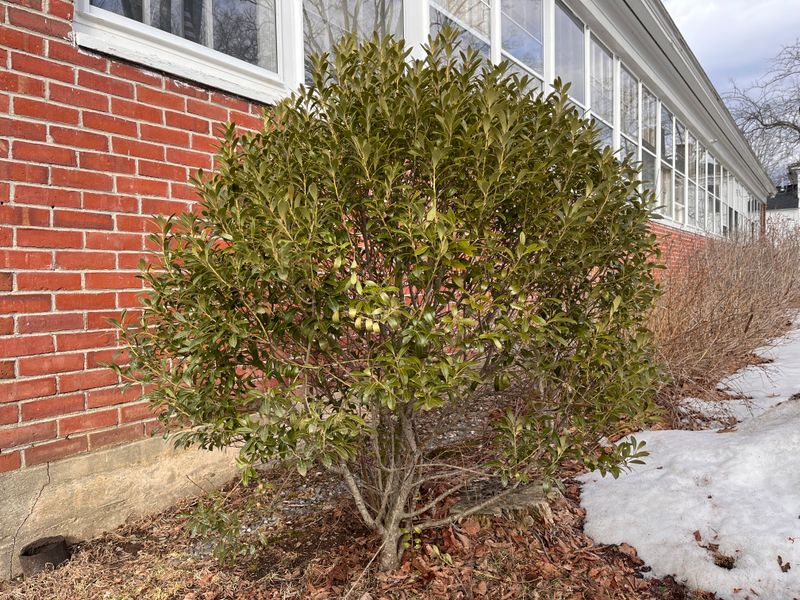
Gallberry might not be the flashiest plant in a Florida garden, but it is one of the most dependable. This evergreen native holly produces small black berries that wildlife absolutely love, and its dark, glossy leaves provide year-round structure in the landscape.
Left completely untrimmed, though, it can become open and uneven over time, losing the dense, lush form that makes it so appealing.
Selective pruning in March is the key to keeping Gallberry looking its best. UF/IFAS guidance on shrub pruning supports thinning out crowded interior growth to improve air circulation and light penetration.
This not only improves the plant’s appearance but also promotes healthier, more vigorous stems throughout the growing season. Removing about one-quarter to one-third of the oldest stems from the base encourages fresh growth from the center.
For Florida gardeners using Gallberry as a hedge or informal border, a light shearing in March helps maintain a tidy, uniform line before spring growth fills everything in. In South Florida landscapes, the warm climate means new foliage appears quickly after pruning.
Keep tools sharp and sanitized between cuts to prevent spreading any potential issues between plants. With a small investment of time in March, Gallberry delivers dense, beautiful structure all year long.
8. Black Eyed Susan Blooms Brightly After Cleanup
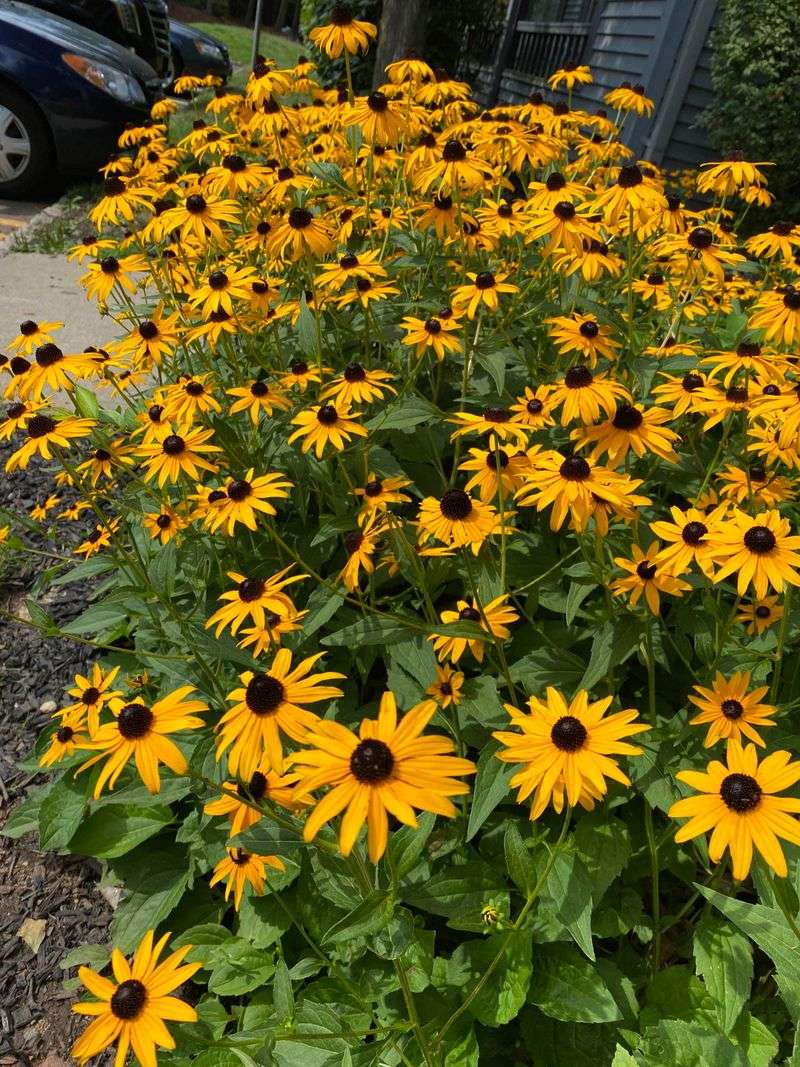
Black-eyed Susan is pure sunshine in plant form, and Florida gardeners count on its cheerful golden blooms to light up the landscape from late spring through summer. By the time March rolls around, last year’s stems are brown, brittle, and well past their prime.
Cutting them back now is the single most effective thing you can do to prepare for a spectacular bloom season ahead.
Trimming Black-eyed Susan in early March involves cutting old stems back close to the ground, leaving just a few inches of growth above the soil. According to UF/IFAS timing recommendations, this late-winter cleanup should happen before new basal growth gets too far along.
Removing the old stems clears the way for fresh rosettes to develop unobstructed and channel all their energy into producing strong, upright flower stems.
South Florida gardeners may notice new growth already emerging at the base by early March, which is perfectly normal given the warmer climate. Just be careful not to cut into any fresh green shoots during cleanup.
Compost or dispose of old stems rather than leaving them on the soil surface. A clean bed with a fresh layer of mulch after pruning sets up your Black-eyed Susan for its most vibrant, long-lasting bloom display of the year across your Florida garden.