What Florida Freeze Really Did To Succulents (And What To Do Next)
A sudden Florida chill just transformed your lush succulents into something unrecognizable. One day they looked perfect, and the next, those firm leaves turned soft and translucent.
This sight breaks the heart of any plant lover, but the damage goes much deeper than just a change in color. Your garden essentially suffered a massive internal shock that puts every single plant at a crossroads.
Most people panic at this stage. They see the collapse and assume the worst, often taking actions that accidentally seal the plant’s fate.
The reality is that your succulents are currently in a fight for survival. What you do in the coming days determines who makes it to spring and who ends up in the compost pile.
You need to understand exactly what happened inside those leaves to save the roots. Before you grab your garden tools or reach for the hose, learn the subtle difference between a lost cause and a survivor waiting for help.
1. Check Leaves For Soft Or Mushy Damage
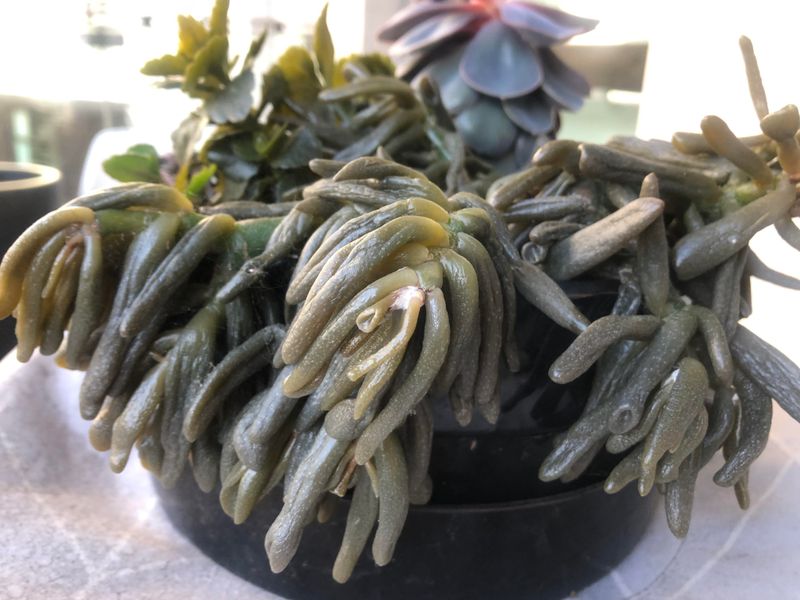
Walking through your garden the morning after a Florida freeze can be a sobering experience. Leaves that were firm and waxy just the night before may now feel soft, squishy, or look almost see-through.
That mushy texture is a classic sign that the water inside the plant’s cells froze and then burst, breaking down the internal structure of the leaf tissue.
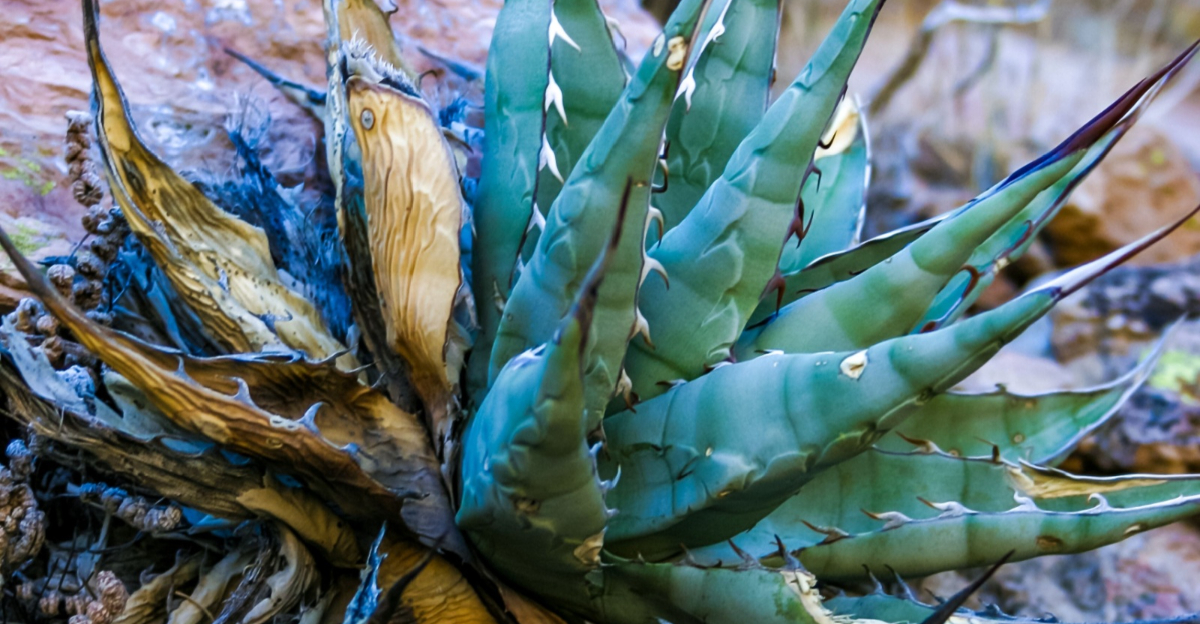
According to the University of Florida IFAS Extension, freeze-damaged succulents often show translucent or water-soaked patches that gradually turn brown or tan as the damaged tissue dries out. Thick, fleshy leaves like those on aloe or agave are especially prone to this kind of internal freezing because they store so much moisture.
The damage tends to show up first on younger, more exposed leaves at the top or outer edges of the plant.
When checking your succulents, press gently on each leaf rather than pulling or squeezing hard. If a leaf feels firm at the base but soft near the tip, only part of it may be affected.
Make notes or take photos so you can track which areas recover and which ones continue to decline over the coming weeks.
2. Do Not Rush To Prune Right Away
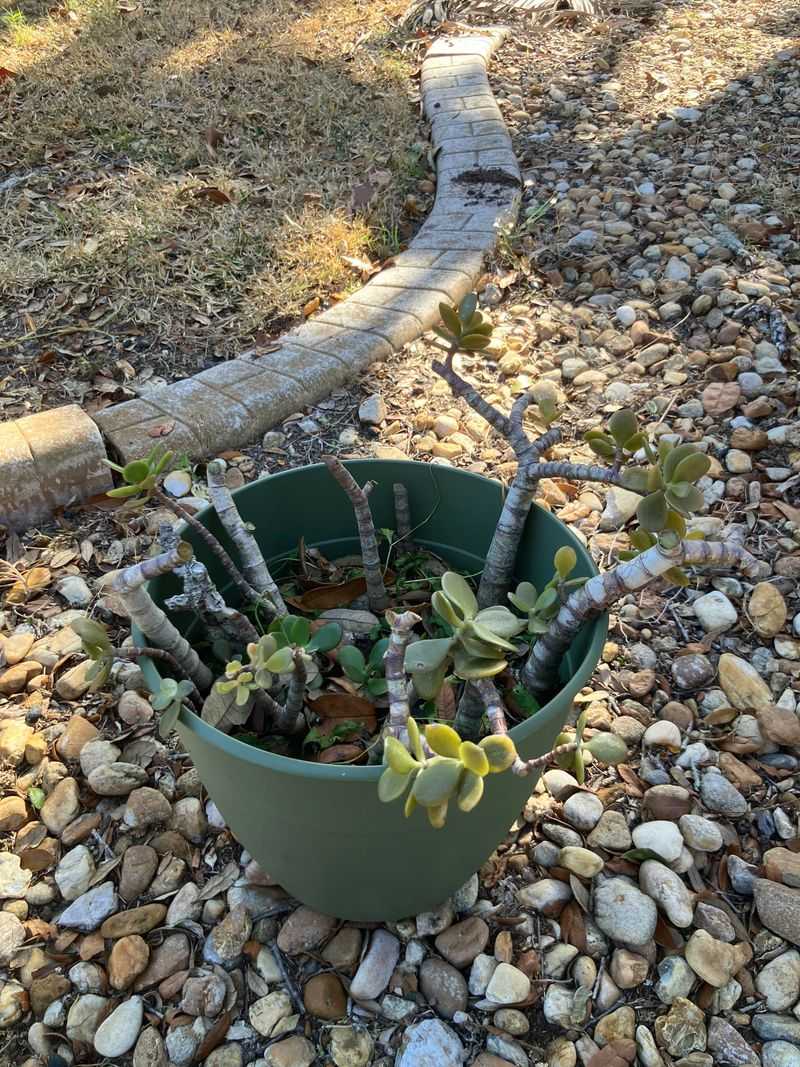
After a freeze, the instinct to grab your pruning shears and clean things up is completely understandable. Brown, collapsed leaves are not exactly pretty, and it feels productive to remove them right away.
However, cutting back too soon is one of the most common mistakes Florida gardeners make after a cold snap.
Damaged leaves and stems actually serve an important purpose in the days following a freeze. They act as a natural insulating layer over the tender, living tissue underneath.
If you remove that buffer too quickly and another cold night comes along, the newly exposed growth has no protection at all. The University of Florida IFAS Extension specifically advises against heavy pruning immediately after a freeze for exactly this reason.
Florida winters can be unpredictable, and a second frost event is always possible even after a warm stretch. Leaving the damaged material in place until temperatures stabilize gives your plant the best possible protection.
Your Florida Garden Changes Every Week. Your Plan Should Too.
Gardening in Florida changes quickly throughout the season. Every Friday you’ll receive a simple weekly plan showing exactly what to plant, prune, fertilize, harvest, and protect so you never miss the right timing.
You may feel like you are doing nothing, but patience is genuinely one of the most powerful tools in your recovery toolkit right now. Your succulents will reward that patience once spring warmth returns.
3. Wait For New Growth Before Cutting Back
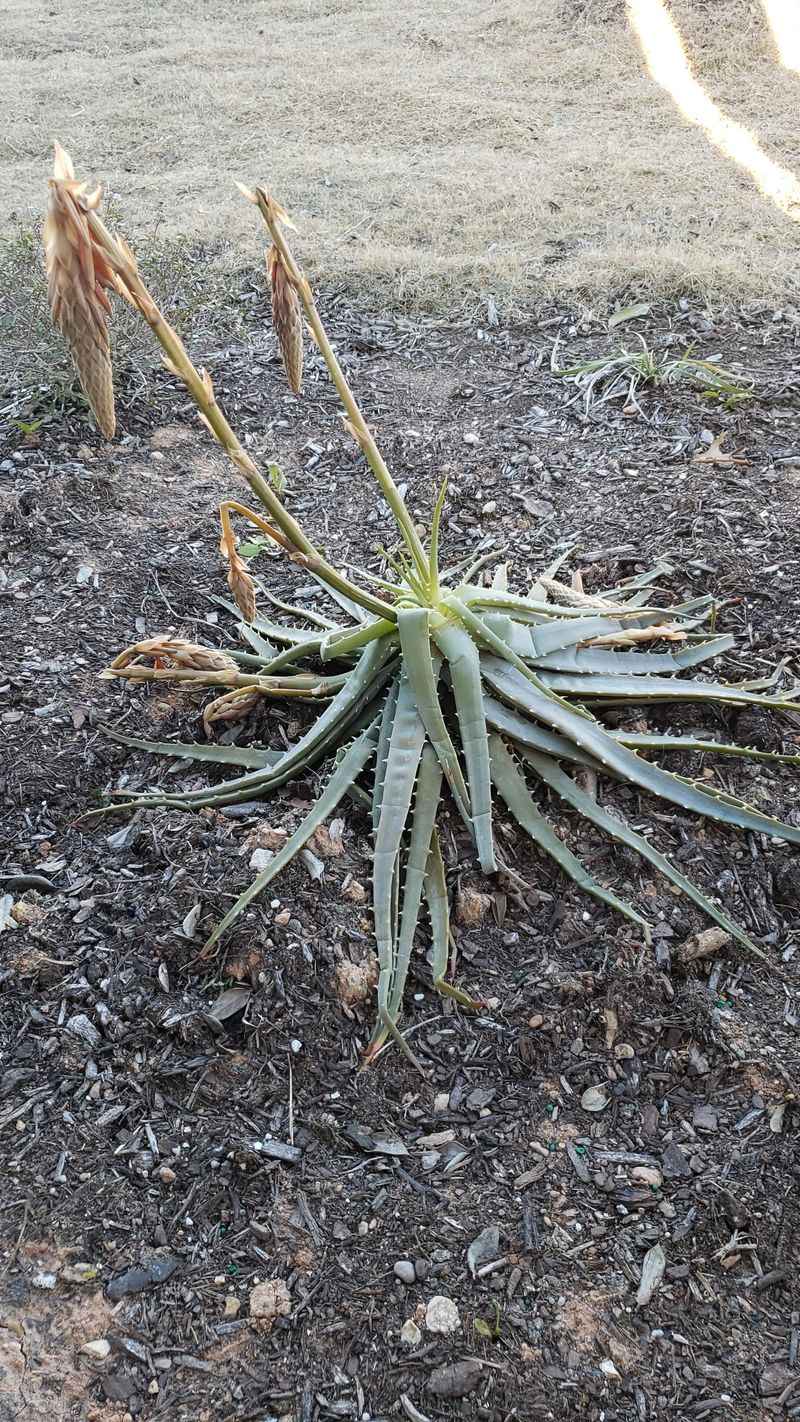
Spotting a tiny flush of fresh green at the center of a freeze-damaged succulent is one of the most encouraging sights a Florida gardener can see. New growth is the clearest signal your plant has survived and is ready to move forward.
Until you see that signal, trimming back damaged stems can cause more harm than good.
Once new leaves start pushing through, you have a reliable guide for where to make your cuts. Trim just above the point where healthy tissue begins, using clean, sharp scissors or pruning shears.
Cleaning your tools with rubbing alcohol before cutting helps prevent introducing bacteria or fungal issues into the fresh wound, which is especially important in Florida’s humid conditions.
Some succulents bounce back from the center outward, while others send up new shoots from the base or root zone. Either way, the appearance of new growth means the plant’s core is still functional and has enough stored energy to regenerate.
Give new growth a week or two to establish itself before doing any major trimming. Rushing this step can stress the plant all over again just as it is starting to recover its strength.
4. Move Potted Succulents To A Warmer Spot
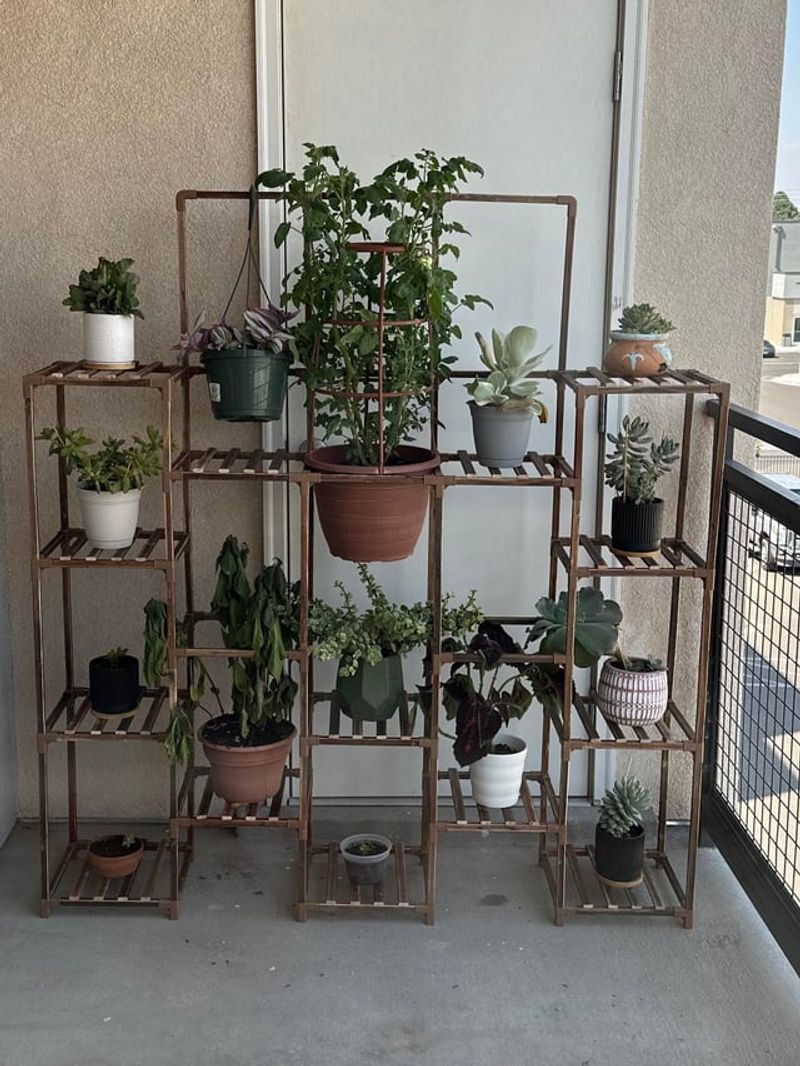
Container succulents have one huge advantage over their in-ground cousins after a Florida freeze: they can be moved. If your potted succulents took a hit during the cold snap, relocating them to a warmer, more protected spot can dramatically improve their chances of a full recovery.
A covered porch, a sunny lanai, or a bright south-facing window indoors are all excellent temporary homes during recovery. The goal is to give the plant consistent warmth and bright indirect light without exposing it to any additional cold stress.
Florida’s afternoon sun can be intense even in January, so avoid placing already-stressed plants in direct midday sun right away, as the sudden heat shift can cause additional shock to weakened tissue.
Keep the plant in its new spot until nighttime temperatures in your area stay reliably above 40 degrees Fahrenheit. Once Florida’s spring warmth settles in, you can gradually reintroduce the plant to outdoor conditions by placing it in partial shade for a week before moving it back to its usual sunny spot.
This gentle transition gives the recovering succulent time to rebuild its strength without facing too many environmental changes at once.
5. Keep Watering Light During Recovery
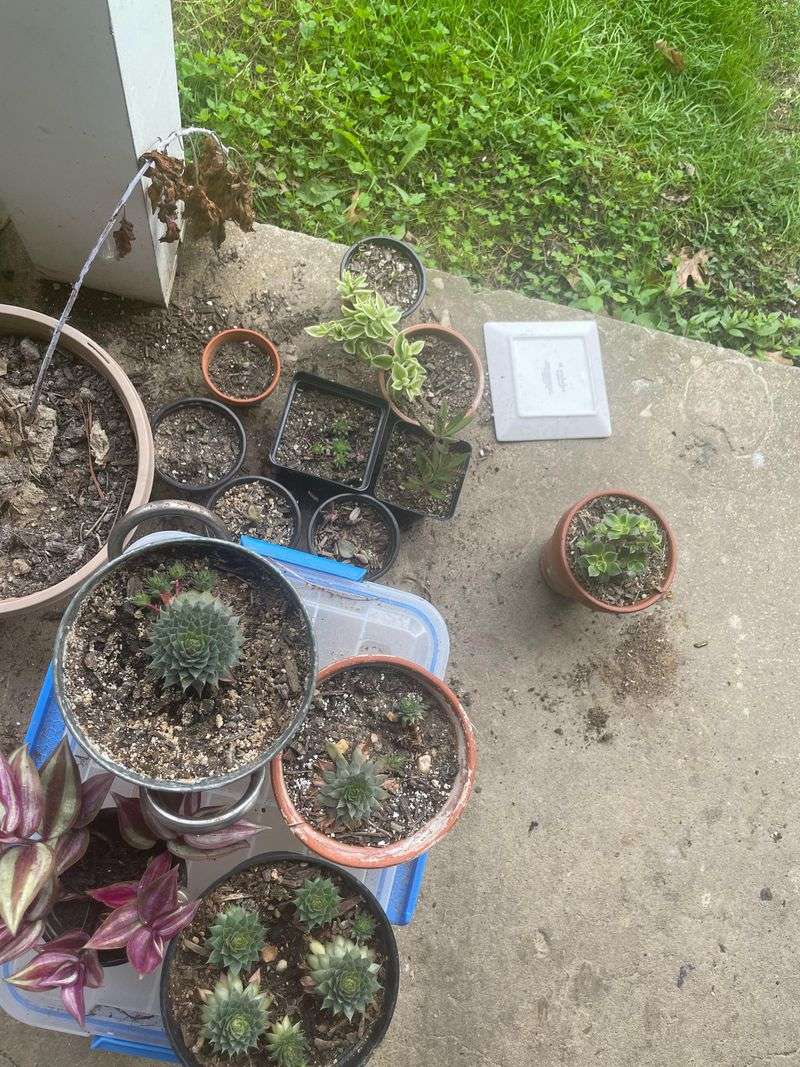
After a freeze, the temptation to water heavily and try to revive your succulents is real. However, freeze-damaged plants are far more vulnerable to root rot than healthy ones, and overwatering during recovery can turn a manageable situation into a much bigger problem.
Damaged tissue does not absorb water the way healthy tissue does. When you water too much while a plant is still in recovery mode, excess moisture sits around the roots and creates the perfect environment for fungal rot to set in.
According to UF IFAS Extension guidance, watering after a freeze should be done thoughtfully, with the goal of keeping soil slightly moist rather than wet.
In Florida, the combination of high humidity and warm post-freeze temperatures can accelerate rot in waterlogged soil surprisingly fast. Check the soil with your finger before watering: if the top inch still feels damp, wait another day or two.
Well-draining soil and pots with drainage holes become even more important during this period. Cutting back on watering frequency by about half compared to your normal schedule is a smart and practical approach until you start seeing healthy new growth returning on the plant.
6. Remove Fully Collapsed Leaves Carefully
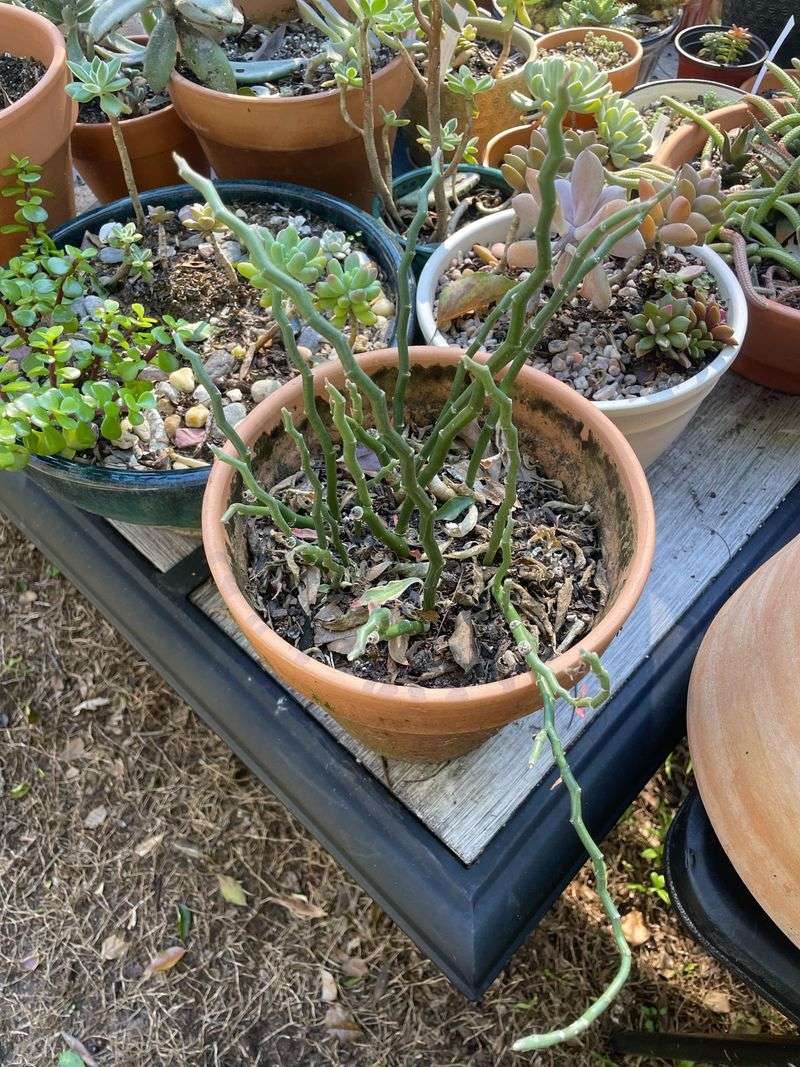
Not every damaged leaf needs to stay on the plant indefinitely. Leaves that are completely collapsed, fully brown, and pulling away from the stem on their own are not providing any protective benefit at that point.
Gently removing them can actually improve airflow around the plant and reduce the risk of mold developing in Florida’s humid air.
The key word here is gently. Tug lightly at the base of the leaf.
If it comes away cleanly with minimal resistance, it is ready to be removed. If it holds firm, leave it alone for now, because that connection may mean there is still some living tissue attached.
Forcing a leaf off too soon can damage the stem or the small growth nodes that sit at the base of each leaf, which are exactly the spots where new growth often emerges.
Dispose of removed leaves away from your garden beds rather than leaving them on the soil surface. Decomposing succulent tissue in Florida’s warm, moist conditions can attract fungal issues or pests.
After removing damaged leaves, give the area a day or two to dry out slightly before resuming any regular watering. Keeping things clean and dry around recovering plants gives healthy tissue the best possible environment to rebuild.
7. Expect Some Plants To Bounce Back Quickly
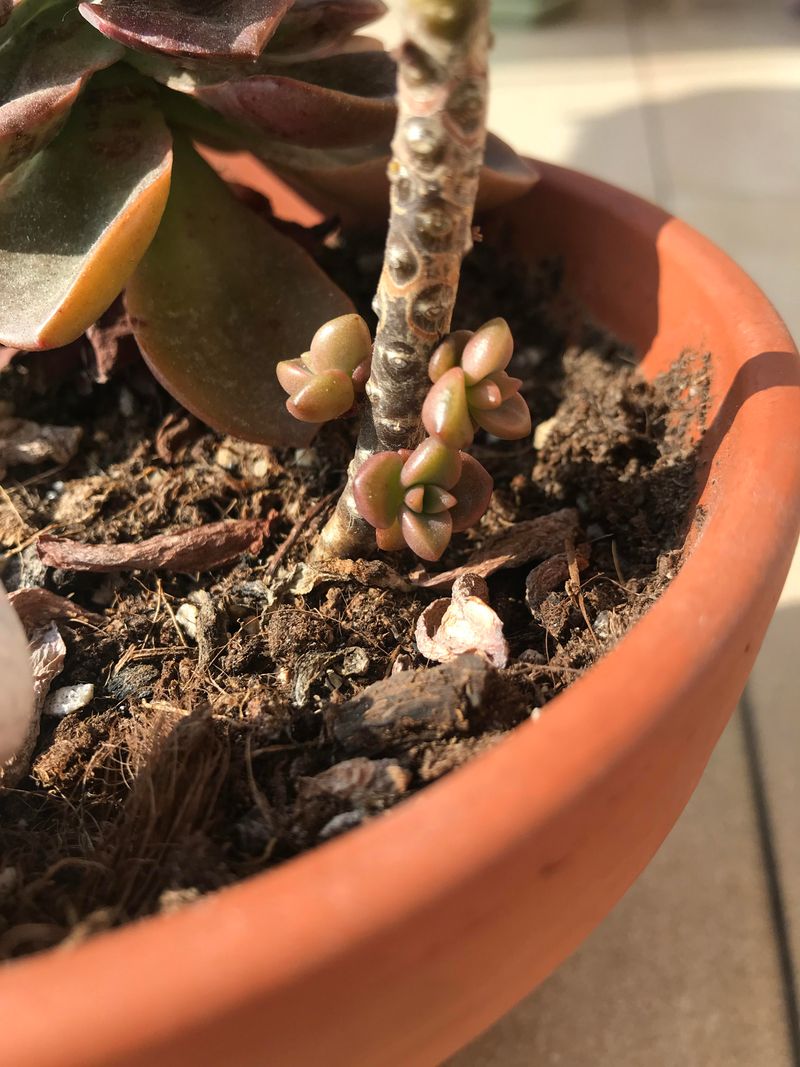
Florida gardeners who have been through a freeze before know that succulents can be surprisingly resilient. Some plants that looked completely finished just weeks after a cold snap come roaring back to life once temperatures climb back into the 70s.
The speed of Florida’s spring warmup is actually one of the biggest factors working in your favor right now.
Agave species are known for their toughness and can often push through significant freeze events with minimal lasting damage, especially larger, more established plants. Many aloe varieties grown across Florida also recover well once warm weather returns, sending up fresh green leaves from the center while the outer damaged ones dry up and fall away naturally.
Crassulas and echeverias in protected garden spots often surprise gardeners with how quickly they rebound.
Recovery timelines vary depending on how long temperatures stayed below freezing and how established the plant was before the cold snap hit. A mature, well-rooted succulent has far more stored energy to draw from during recovery than a recently planted one.
Keep a close eye on your plants over the next four to six weeks. Florida’s warm, sunny spring conditions create ideal conditions for succulents to rebuild quickly once the cold is truly behind them.
8. Replace Plants That Suffer Severe Freeze Damage
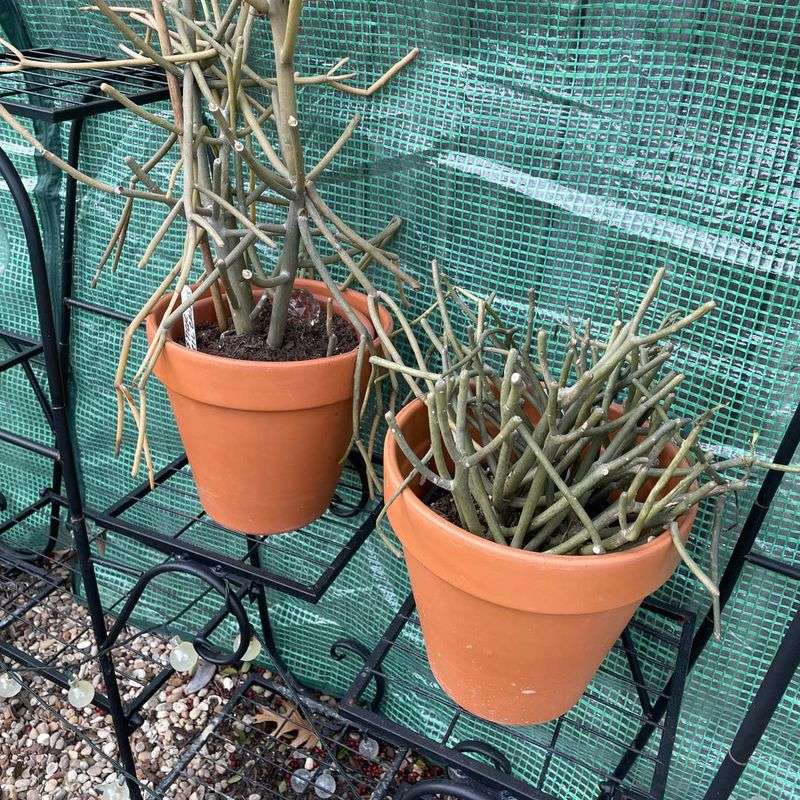
Sometimes, even with the best care, a succulent simply does not make it back after a hard Florida freeze. Tropical varieties like certain euphorbias and tender echeverias can suffer damage so extensive that no amount of waiting or careful watering will bring them back to a healthy state.
Recognizing when it is time to replace rather than rehabilitate is an important part of being a realistic and resourceful gardener.
Signs that a plant is not recovering include a stem that stays soft and mushy all the way to the soil line weeks after the freeze, a foul smell coming from the base, or zero new growth appearing despite consistently warm temperatures and proper care. At that point, removing the plant and refreshing the soil before replanting is the most sensible path forward.
Spring is actually a wonderful time to replant in Florida. Nurseries restock with fresh varieties after the cold season, and warm soil temperatures help new plants establish their roots quickly.
Consider choosing varieties with slightly better cold tolerance for spots in your garden that are most exposed to cold air. Options like agave, certain aloe hybrids, and cold-tolerant sedums can handle Florida’s occasional freezes with much greater ease going forward.