8 Best Flower Combos For Your Mailbox Garden In Florida
Your mailbox is the first thing people see, and right now, it might be telling the wrong story.
In Florida, most gardeners play it safe with whatever’s on sale at the nursery, stick it in the ground, and cross their fingers.
Two weeks later? Total disappointment.
The thing is, Florida’s climate is basically a cheat code for mailbox gardens. You’ve got sun, warmth, and a growing season that gardeners up north would trade anything for.
The secret isn’t working harder; it’s pairing the right flowers together. Some combos just click, popping with color, holding up through the humidity, and looking like a million bucks all season long.
We’ve done the homework, tested the combos, and found the pairings that actually thrive in Florida’s heat without throwing in the towel by July. Get ready to be the most talked-about house on the block.
1. Plant Coreopsis With Scarlet Salvia
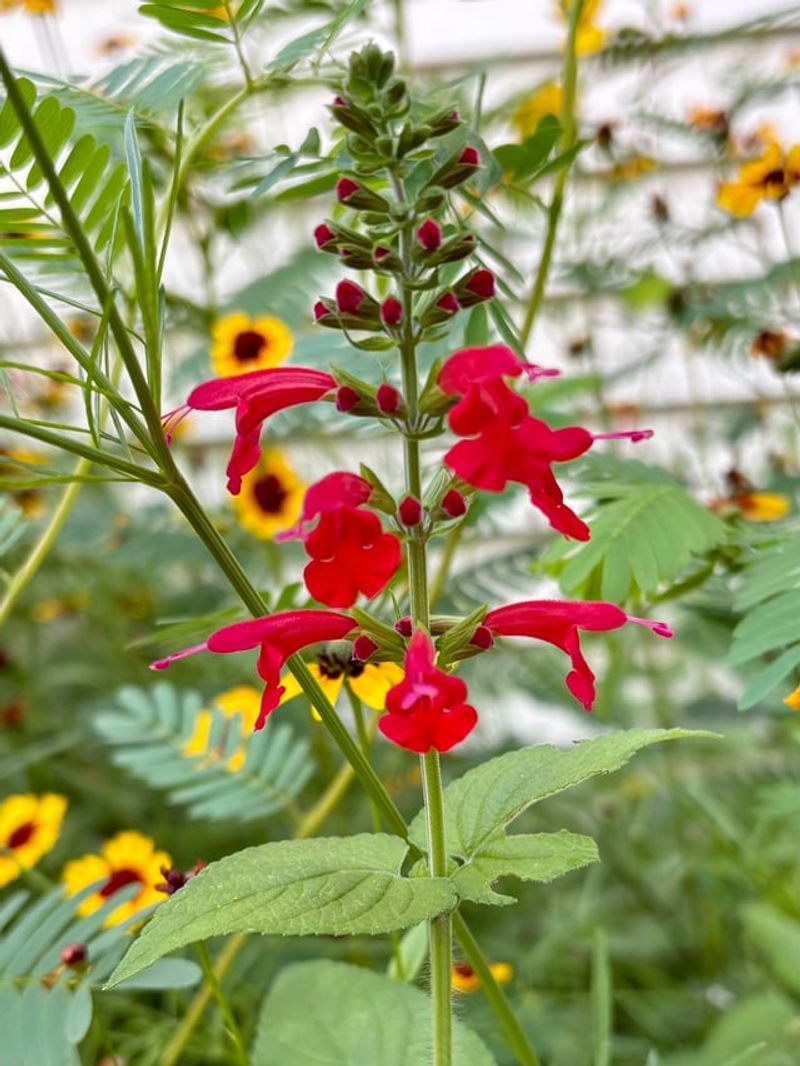
Few color combinations shout Florida sunshine louder than golden coreopsis paired with the fiery red spikes of scarlet salvia.
Coreopsis is Florida’s state wildflower genus, and Leavenworth’s tickseed (Coreopsis leavenworthii) is one Florida native species that thrives in full sun with well-drained or sandy soil.
It blooms heavily from spring through fall and stays relatively compact, usually reaching about one to two feet tall.
Scarlet salvia (Salvia coccinea) is a Florida native that grows taller, typically two to three feet, and its tubular red flowers are irresistible to hummingbirds and butterflies.
Placing the salvia slightly behind or to the sides of the coreopsis gives the bed a natural layered look with height toward the back and cheerful yellow in front.
That arrangement keeps the mailbox post and address clearly visible from the road.
Both plants prefer full sun and handle dry spells well once established, making them a practical match for curbside conditions. Coreopsis reseeds freely, so expect it to fill gaps on its own over time.
Scarlet salvia also reseeds and attracts hummingbirds, butterflies, and other pollinators, adding real wildlife value to a small space. Deadheading spent blooms on both plants encourages longer bloom seasons.
A two to three inch layer of mulch helps retain soil moisture and keeps roots cooler during Florida’s hottest months.
2. Pair Beach Sunflower With Muhly Grass
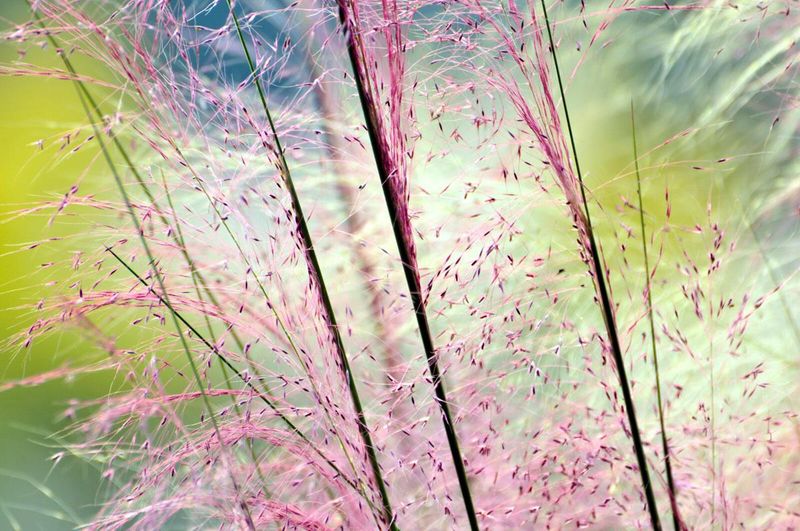
Sandy, sun-scorched curbside soil is practically a welcome mat for beach sunflower and muhly grass.
Beach sunflower (Helianthus debilis) is a Florida native groundcover that spreads low and wide, producing cheerful yellow blooms through much of the year in frost-free or mild parts of the state.
It handles poor, dry, sandy soil and salt air without complaint, which makes it one of the most dependable choices for roadside mailbox beds along Florida’s coast or in sandy inland areas.
Muhly grass (Muhlenbergia capillaris) brings a completely different texture to the pairing. It forms tidy clumps of fine-bladed grass that stay relatively low during spring and summer, then burst into spectacular clouds of pinkish-purple plumes in fall.
That late-season show gives the mailbox bed a second act just when many summer flowers are slowing down.
Your Florida Garden Changes Every Week. Your Plan Should Too.
Gardening in Florida changes quickly throughout the season. Every Friday you’ll receive a simple weekly plan showing exactly what to plant, prune, fertilize, harvest, and protect so you never miss the right timing.
For placement, tuck muhly grass to the back or side of the mailbox so the airy plumes frame rather than block the structure. Let beach sunflower spread across the front edge where it naturally stays low.
Both plants are drought tolerant once established and require very little supplemental watering. Avoid overwatering since both prefer lean, dry conditions.
Beach sunflower spreads by runners, so give it room or trim it back occasionally to keep the bed looking tidy and to maintain clear access for the mail carrier.
3. Mix Blanketflower With Spotted Beebalm
Warm tones rule this combination. Blanketflower brings bold, daisy-like blooms in rings of red, orange, and yellow that catch the eye from across the street.
For the most native-forward version of this pairing, look specifically for lanceleaf blanketflower (Gaillardia aestivalis), which is native to parts of Florida.
Be more cautious with the commonly sold Gaillardia pulchella, since UF/IFAS notes that recent research suggests it is not actually native to Florida, and Florida Wildflower Foundation also explains that its Florida-native status has been questioned.
If your goal is a strictly Florida-native mailbox bed, choose lanceleaf blanketflower or ask a local native plant nursery for the best regional Gaillardia option.
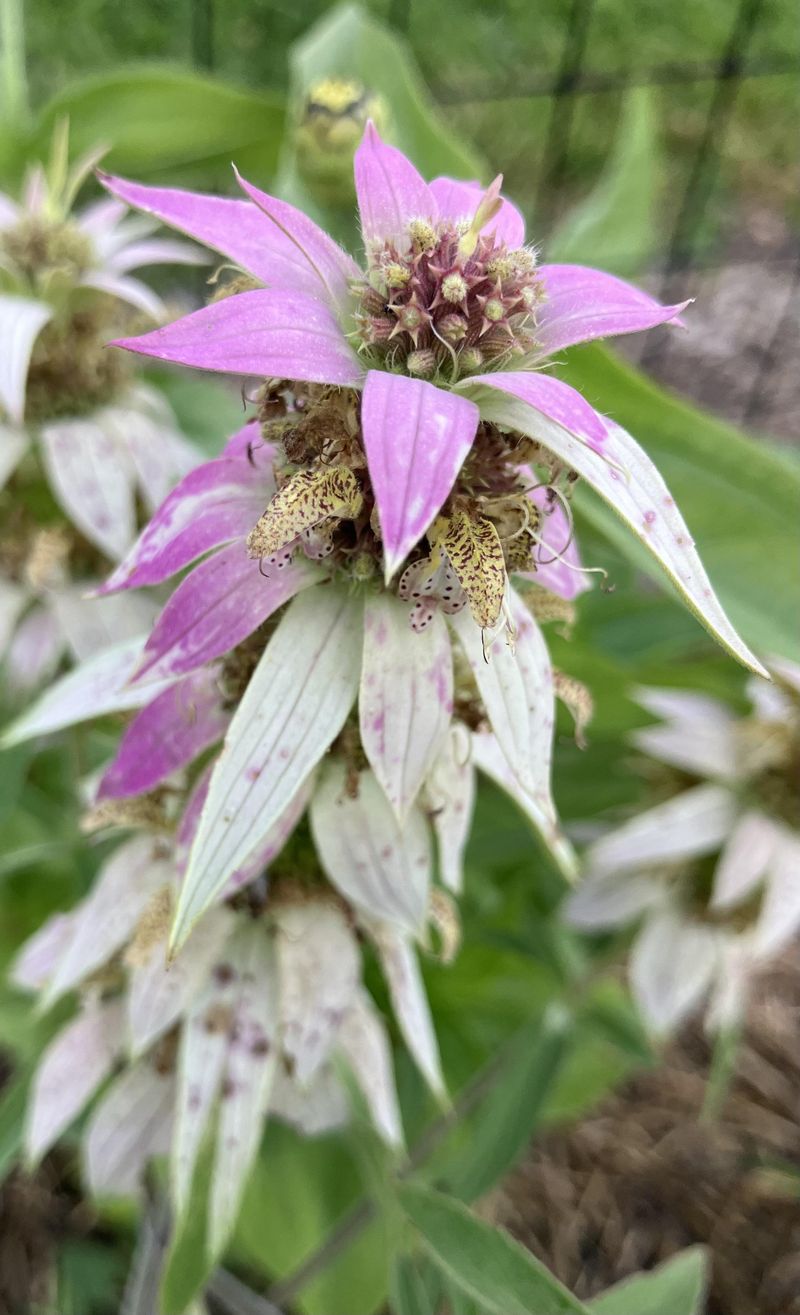
Spotted beebalm (Monarda punctata) is a genuine Florida native and a pollinator powerhouse. Its blooms are unusual, stacked whorls of small tubular flowers with spotted petals and showy bracts in pale lavender and pink.
Bees, butterflies, and beneficial wasps flock to it throughout its bloom season, which runs from late spring into summer. Both plants love full sun and well-drained, dry to average soil.
Together, the warm colors of blanketflower and the quirky structure of spotted beebalm create a roadside bed that looks intentional and interesting rather than just colorful. Keep spotted beebalm toward the back since it can reach two to three feet tall.
Blanketflower stays lower and works well along the front edge of the bed. Both plants handle drought well once established, which is a real advantage in Florida’s dry season.
4. Grow Sunshine Mimosa With Salvia
Replacing a patchy strip of turf around your mailbox with sunshine mimosa and salvia is one of the smarter swaps you can make in a Florida yard.
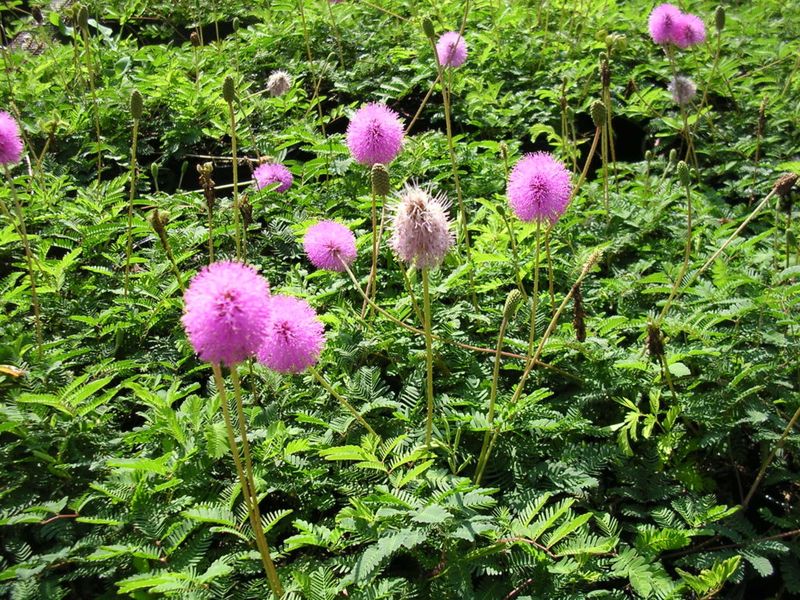
Sunshine mimosa (Mimosa strigillosa) is a Florida native groundcover that creeps low along the ground, rarely topping six inches in height.
Its bright pink powderpuff blooms pop up from spring through fall, and its feathery leaves fold when touched, which always gets a reaction from curious visitors.
Scarlet salvia (Salvia coccinea) rises above the mimosa mat with upright stems of tubular red flowers, giving the combo vertical interest and serious hummingbird appeal.
The contrast between the soft, spreading mimosa and the bold, upright salvia creates a layered look that reads as intentional and polished from the road.
Neither plant needs rich soil, and both handle Florida heat and sun without drama.
Give sunshine mimosa enough room to spread naturally since it does spread by runners and can crowd out smaller, delicate plants nearby.
Along a mailbox strip, that spreading habit is actually helpful because it fills in gaps and reduces bare soil where weeds might otherwise take hold.
Trim the edges a couple of times a year to keep growth within bounds and to maintain clear access to the mailbox door. This combination skips the high-maintenance flower bed routine while still delivering color all season long.
5. Blend Stokes Aster With Blue Eyed Grass
Soft blues and lavenders are harder to find in the Florida native plant palette, which makes the Stokes aster and blue-eyed grass combo genuinely special.
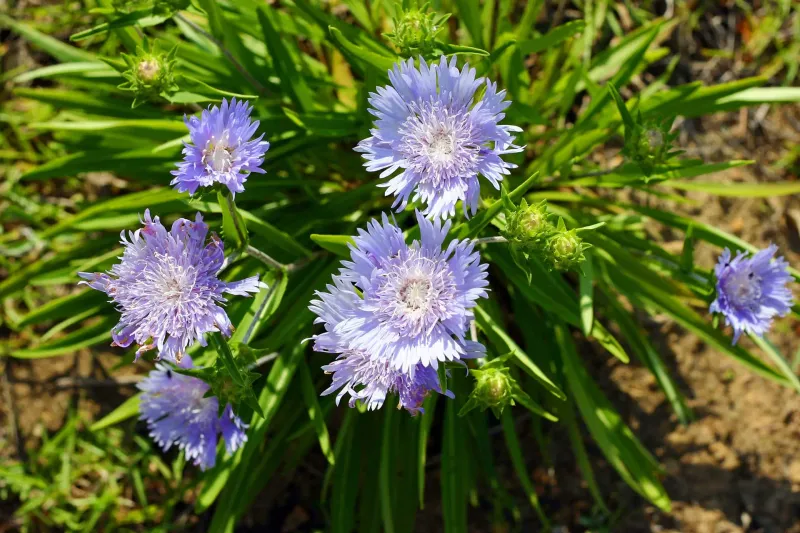
Stokes aster (Stokesia laevis) is a Florida native perennial that produces large, fluffy, lavender-blue blooms that look like oversized daisies.
It grows about one to two feet tall and wide, blooming mainly in late spring and early summer, and handles sun to part sun with moderate soil moisture.
Blue-eyed grass (Sisyrinchium angustifolium or related native species) is not actually a grass but a member of the iris family. It forms tidy clumps of narrow, upright foliage topped with small, star-shaped blue flowers in spring.
The fine texture of blue-eyed grass plays nicely against the bold blooms of Stokes aster, creating a bed that feels airy and refined rather than dense and heavy.
This combination works best in North and Central Florida or in mailbox beds that are not sitting in bone-dry, unirrigated roadside conditions. Both plants appreciate consistent moisture and do not handle extreme drought as well as some other native options.
Mulching generously around both plants helps retain soil moisture between rains. Avoid placing this combo in spots that stay waterlogged since neither plant tolerates standing water.
With the right conditions, this pairing rewards you with a cool, calm display that stands out on any street.
6. Pair Black Eyed Susan With Lovegrass
Golden flowers and swaying native grass create a meadow-inspired mailbox bed that looks like it belongs in the Florida landscape rather than being forced into it.
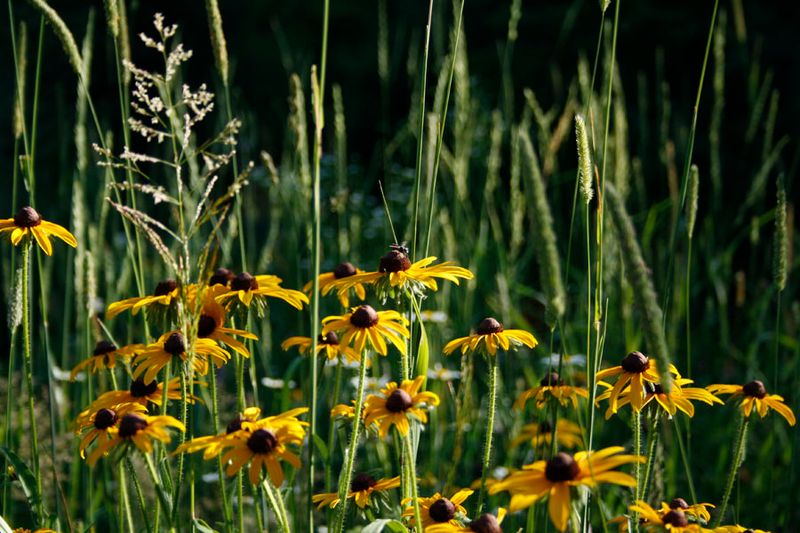
Black-eyed Susan (Rudbeckia hirta) is a Florida native wildflower with bold yellow petals surrounding a dark brown center.
It blooms from spring through fall, attracts bees and butterflies, and handles full sun and well-drained soil with ease. Plants typically reach one to two feet tall, keeping the mailbox visible above the blooms.
Elliott’s lovegrass (Eragrostis elliottii) is a Florida native grass that adds fine, feathery texture and graceful movement to the bed. It stays relatively compact, forms soft mounds, and produces delicate seed heads that catch the light beautifully in afternoon sun.
Unlike some ornamental grasses, Elliott’s lovegrass is well-behaved and not considered invasive in Florida.
For placement, use lovegrass as a backdrop or side accent behind or beside the mailbox post, and cluster black-eyed Susan toward the front or in small groups throughout the bed.
This arrangement creates depth and a naturalistic feel without blocking the mailbox address or flag.
Both plants thrive in full sun and dry to average well-drained soil. Once established, they need minimal supplemental watering.
Cutting black-eyed Susan back after a heavy flush of blooms often encourages a fresh round of flowers within a few weeks.
7. Mat Twinflower With Frogfruit
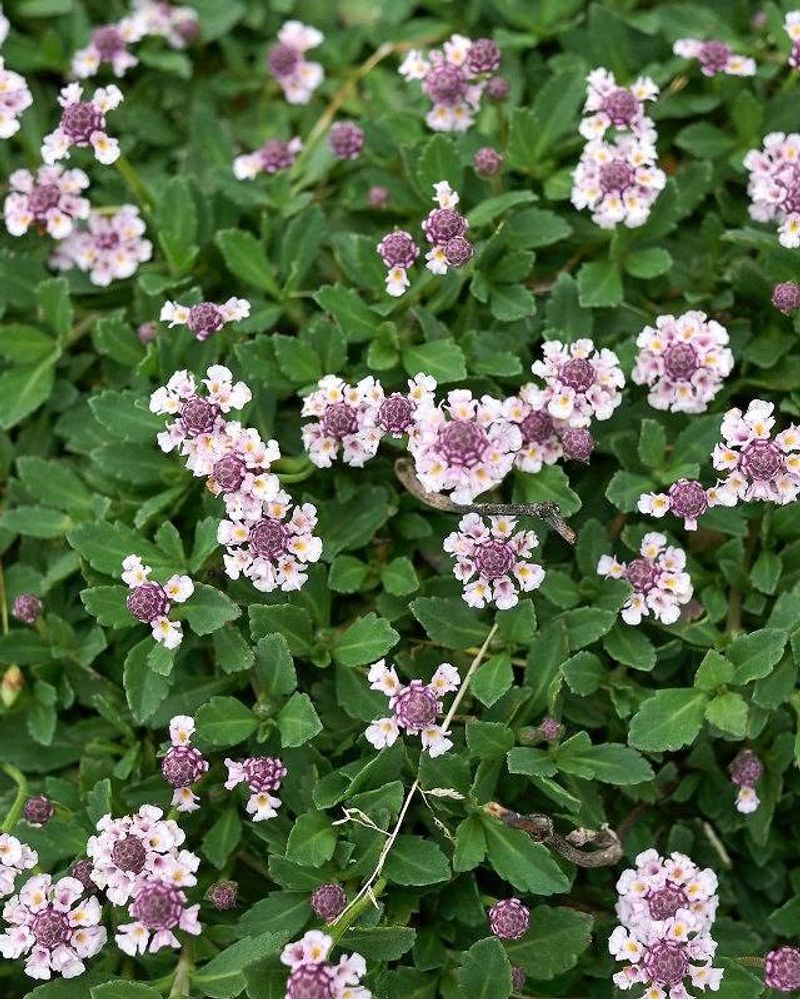
Ground-level color is often overlooked in mailbox gardens, but a mat of twinflower and frogfruit proves that low-growing natives can be just as rewarding as taller showstoppers.
Twinflower (Dyschoriste oblongifolia) is a Florida native that stays close to the ground, producing small, paired purple blooms from spring through fall.
It handles part sun to light shade and tolerates occasional dry spells once established, making it a solid choice for mailbox beds that are not in full scorching sun all day.
Frogfruit (Phyla nodiflora) is another Florida native groundcover that spreads into a dense, weed-suppressing mat. Its tiny white and lavender flowers are modest in size but mighty in pollinator value.
Phaon crescent and white peacock butterflies use frogfruit as a larval host plant, so planting it near your mailbox genuinely supports local butterfly populations. It handles sun and part shade and spreads readily by creeping stems.
Because frogfruit spreads energetically, plan to trim the edges every few weeks during the growing season to keep the bed looking neat and to prevent it from creeping into the road or sidewalk. Twinflower is less aggressive and fills in at a slower pace.
Together they create a living carpet that stays low enough to never obstruct your mailbox. Mulching around the edges helps define the bed and keeps maintenance manageable throughout the year.
8. Anchor Firebush With Coreopsis
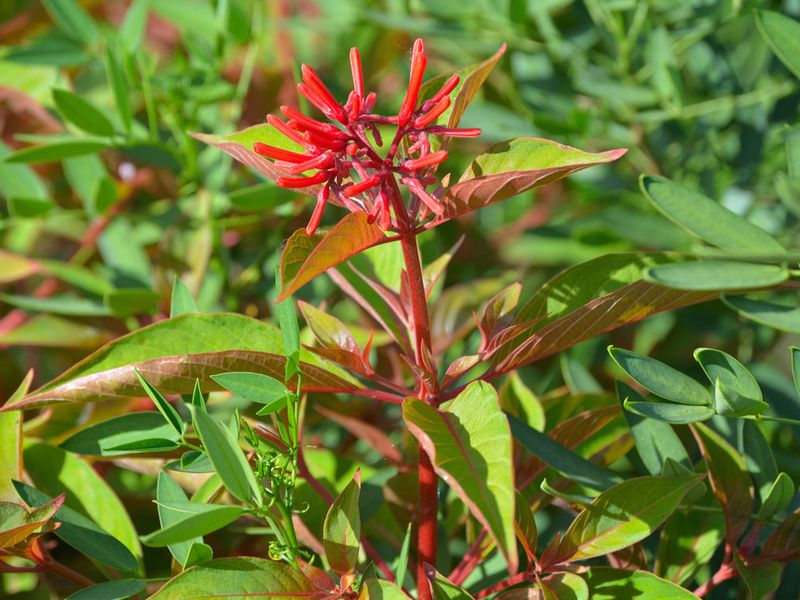
When your mailbox sits in a larger island bed with enough room for a shrub, native firebush and coreopsis make a striking and wildlife-friendly anchor planting. True native firebush, Hamelia patens, is the species to seek out.
It produces clusters of tubular orange-red flowers nearly year-round in South Florida and through the warmer months in Central and North Florida. Hummingbirds and butterflies visit it constantly, and its berries attract songbirds later in the season.
Be careful at the nursery. UF/IFAS warns that dwarf firebush (Hamelia patens var. glabra), often sold as “Dwarf” or “Compacta,” is not native.
For a native-focused planting, ask for true native firebush and check the botanical name before buying. Ask specifically for Hamelia patens and confirm it is the native form before purchasing.
The Florida Native Plant Society and UF/IFAS both recognize the importance of using the true native species for ecological plantings.
Firebush can grow six to ten feet tall if left unpruned, so plant it behind or beside the mailbox post and trim it regularly to keep it from blocking the address, the flag, or the mail carrier’s reach.
Coreopsis planted along the front edge of the island adds low, sunny yellow color that balances the height of the shrub and keeps the bed looking full at ground level.
Both plants thrive in full sun and well-drained Florida soil, and both handle dry spells with minimal fuss once established.