How To Care For A Christmas Cactus In March In Arizona For Better Blooms
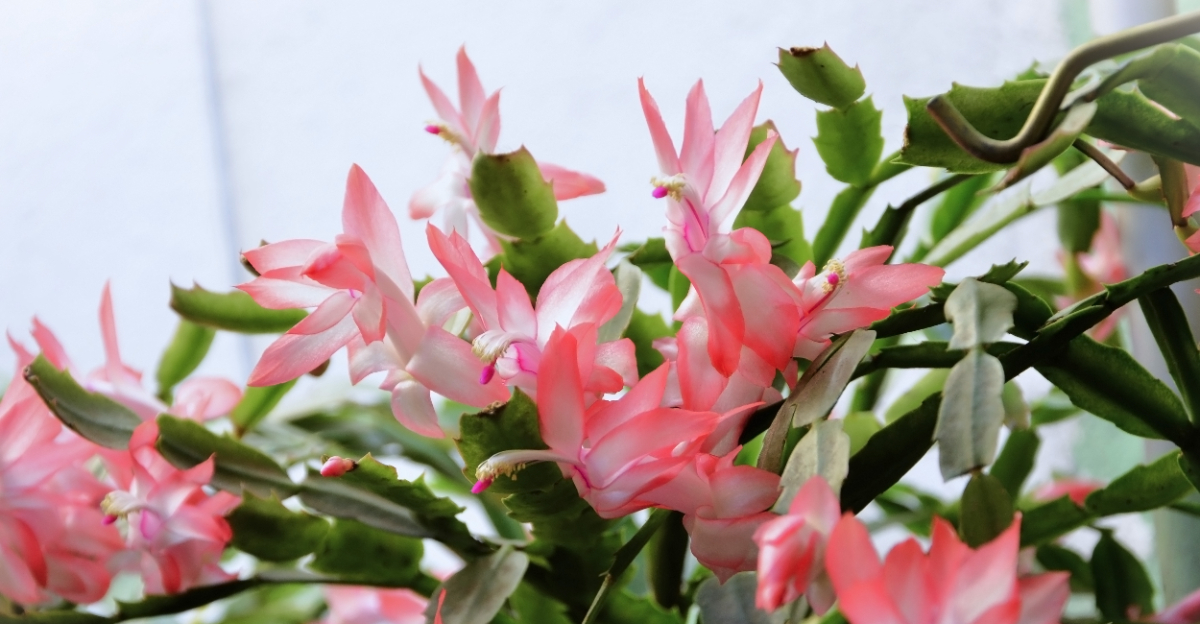
Christmas cactus plants are famous for their winter flowers, but what happens after the blooms fade often matters just as much. By March, many plants start pushing out fresh growth, and that quiet stage plays a big role in how well they bloom later.
It might not look dramatic on the surface, yet this is when the plant begins rebuilding energy and preparing for the months ahead.
In Arizona homes, the shift into spring brings stronger sunlight, warmer rooms, and drier air. Those small changes can affect how a Christmas cactus grows if care stays exactly the same as it was during winter.
Giving the plant a little attention now can make a noticeable difference down the road. Simple care habits in early spring help the plant stay healthy, grow fuller, and build the strength it needs for its next blooming season.
With the right approach in March, a Christmas cactus can stay vibrant and reward patient gardeners with better flowers later in the year.
1. Move The Plant To Bright Indirect Light
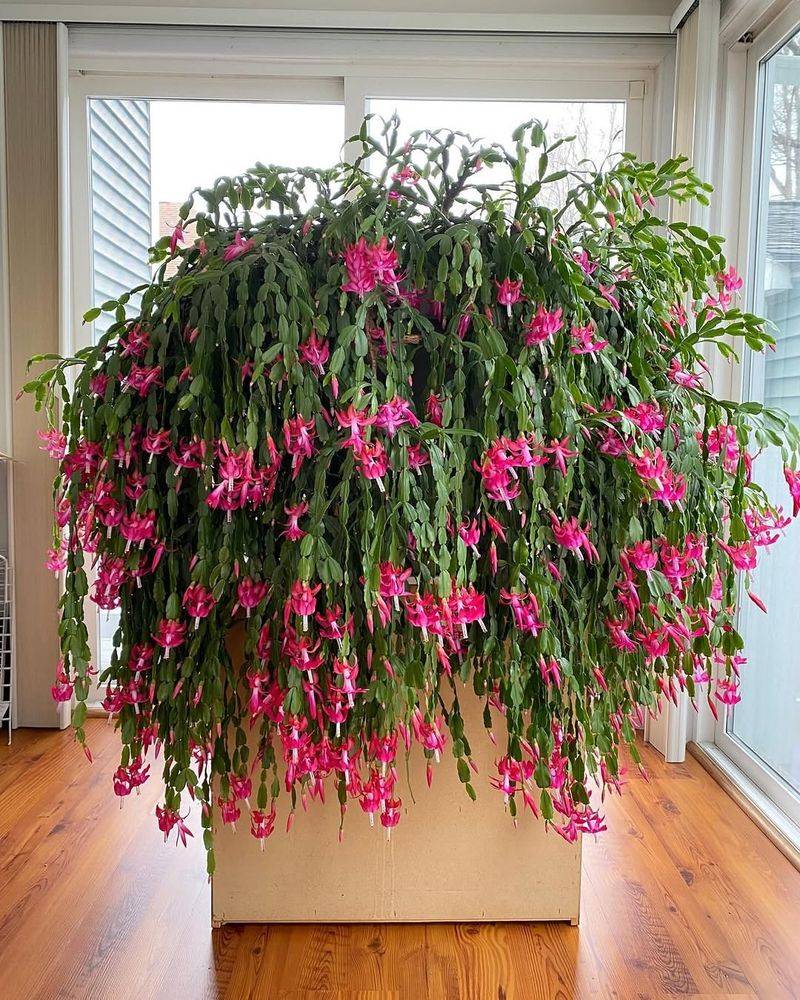
Lighting in Arizona is not the same as lighting anywhere else in the country. March sun here can be surprisingly intense, even when it feels mild outside.
A Christmas cactus sitting in a south or west-facing window can easily get more light than it bargained for, and that leads to yellowed, washed-out segments that struggle to push new growth.
Bright indirect light is the sweet spot for this plant coming out of its bloom cycle. An east-facing window works really well because it catches the gentler morning rays without exposing the plant to the harsh afternoon glare that Arizona is known for.
North-facing windows are another solid option, especially if your home gets a lot of reflected light from nearby walls or pavement.
Sheer curtains can be a real game-changer if you only have south or west windows available. Just hanging a light fabric panel between the plant and the glass softens the intensity enough to protect those flat green segments.
Pull the plant back a foot or two from the glass for extra insurance.
Good light during March encourages the plant to start building energy reserves through photosynthesis without stressing it out. Healthy light exposure right now is what fuels strong, plump new segments later in spring.
Think of March as the plant quietly refueling after a long season of blooming, and your job is simply to give it the right conditions to do that well.
2. Water Only When The Top Soil Feels Dry
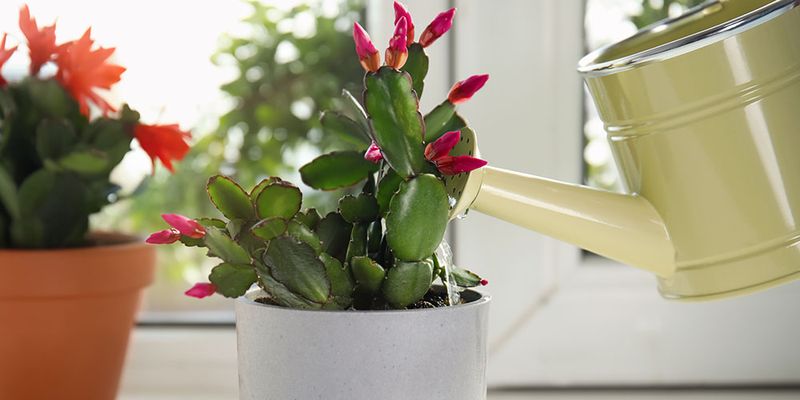
Overwatering is the number one mistake Arizona gardeners make with Christmas cactus in March. It sounds counterintuitive in a desert state, but indoor humidity levels and cooler early-spring temperatures slow down how fast soil actually dries out.
Roots sitting in wet soil for too long start to break down, and that spells serious trouble for next season’s blooms.
Stick your finger about an inch or two into the soil before you even think about reaching for the watering can. If it still feels damp or cool, walk away and check again in a few days.
Your Arizona Garden Changes Every Week. Your Plan Should Too.
Gardening in Arizona changes quickly throughout the season. Every Friday you’ll receive a simple weekly plan showing exactly what to plant, prune, fertilize, harvest, and protect so you never miss the right timing.
Only water when that top layer feels genuinely dry to the touch, and even then, water thoroughly but let all the excess drain completely from the pot’s drainage holes.
Arizona homes run air conditioning and heating systems that pull moisture out of the air, which can trick you into thinking the plant needs more water than it does. The soil surface might look pale and dry on top while the lower layers are still holding plenty of moisture.
Always check deeper before watering.
During March, the plant is in a low-activity phase, meaning it is not drinking water nearly as fast as it does during active growth or bloom time. Cutting back on watering frequency during this period protects the root system and keeps the plant healthy.
Getting this one habit right in March is honestly one of the biggest things you can do to set up a better bloom cycle for next winter.
3. Use Well Draining Cactus Potting Mix
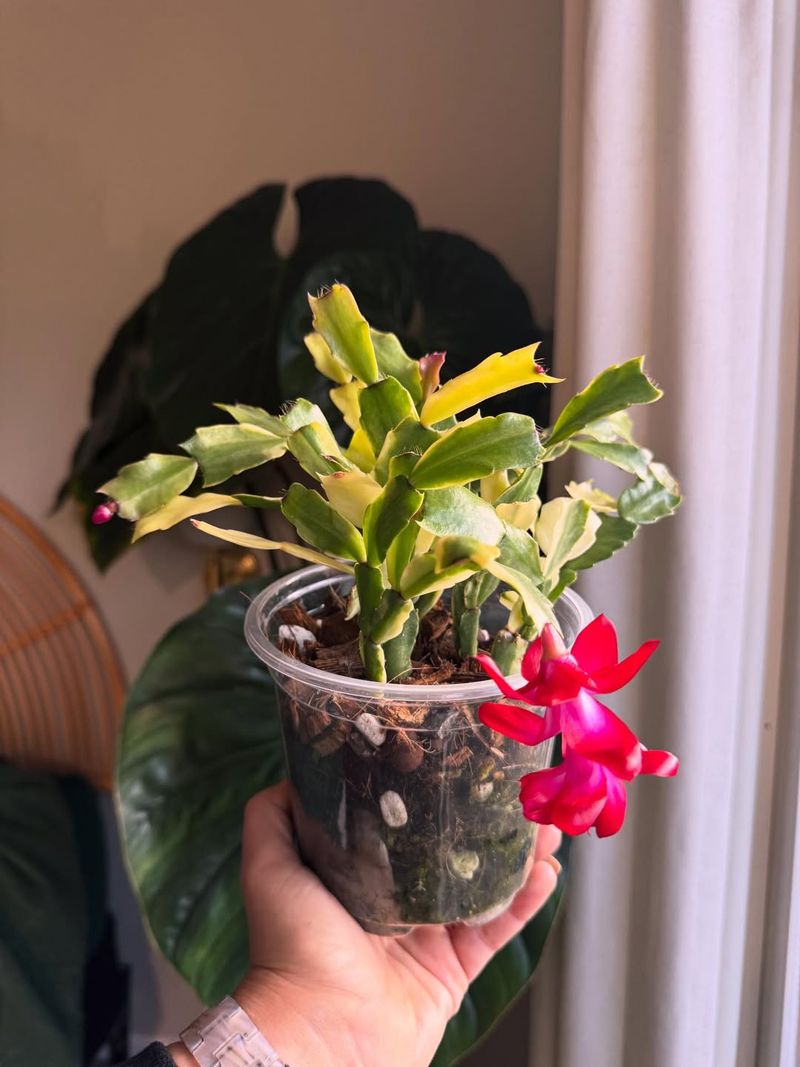
Soggy roots and Christmas cactus do not mix well, and the type of soil you use matters more than most people realize. Regular all-purpose potting mix holds onto moisture for a long time, which works great for some plants but not for this one.
In Arizona, where indoor temperatures can fluctuate quite a bit between day and night in March, having fast-draining soil keeps the root zone in a much healthier state.
A cactus and succulent potting blend is a reliable starting point. You can also mix regular potting soil with perlite at roughly a 50-50 ratio to create your own well-draining blend.
Perlite is those small white particles you sometimes see in commercial mixes, and they create tiny air pockets in the soil that help water move through quickly rather than pooling around the roots.
If your Christmas cactus has been in the same pot and soil for more than two or three years, March is actually a decent time to think about refreshing the mix. Older soil breaks down over time, loses structure, and starts compacting in ways that restrict drainage.
A fresh mix gives the roots room to breathe and access nutrients more efficiently.
Repotting does not have to mean moving up to a bigger container. Sometimes just refreshing the soil in the same pot is enough to give the plant a noticeable boost.
Arizona gardeners who pay attention to soil quality tend to see stronger, more consistent growth from their Christmas cactus year after year.
4. Rotate The Pot For Even Growth
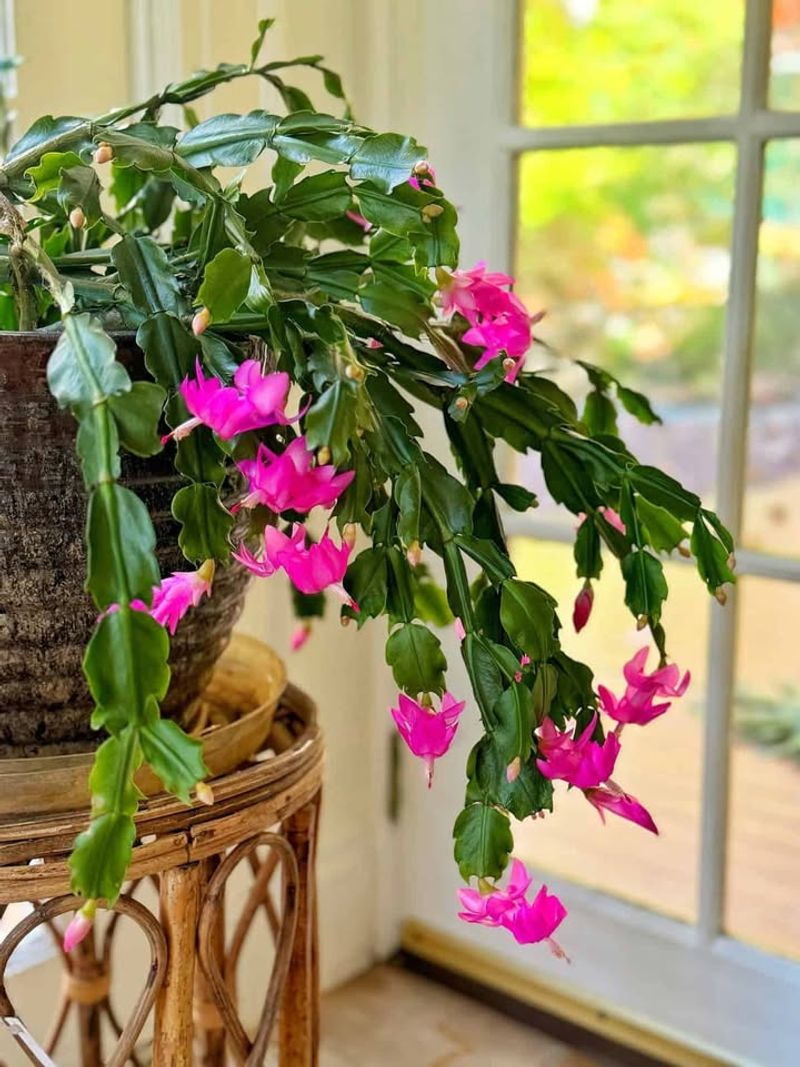
Walk past your Christmas cactus every few days and you might notice it slowly leaning toward the light source.
Plants always grow toward whatever light they can reach, and in Arizona homes where windows are often on just one or two walls, that lean can get pretty dramatic over time.
Uneven growth leads to a lopsided plant that looks awkward and actually blooms less consistently because only certain segments get the energy boost they need.
Rotating the pot a quarter turn every week or so keeps all sides of the plant exposed to roughly equal amounts of light.
It is a small habit that takes about five seconds and makes a noticeable difference in how balanced and full the plant looks by the time active growing season kicks in during late spring.
Be consistent with the rotation rather than doing it randomly. Pick a specific day, maybe every Sunday morning or every time you water, and turn the pot the same direction each time.
Consistency helps the plant adjust gradually rather than shocking it with sudden changes in light direction.
In Arizona, where light angles shift noticeably through March as the days get longer, rotation becomes even more useful.
What was a perfect indirect light spot in January might be getting more direct exposure by mid-March as the sun climbs higher in the sky.
Rotating keeps you paying attention to how the light is hitting the plant, which helps you catch any issues before they affect the health of those flat, jointed segments you want looking full and green.
5. Remove Weak Or Damaged Segments
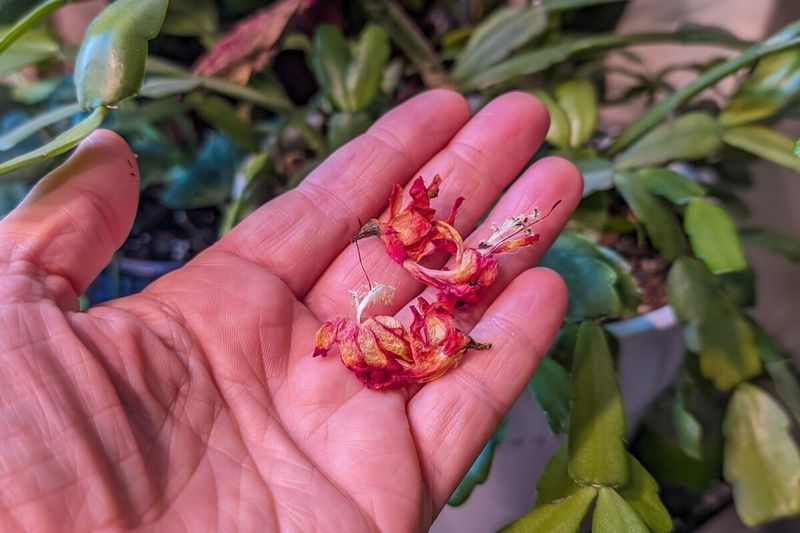
After a full bloom season, it is pretty normal to find a few segments on your Christmas cactus that look rough, shriveled, or discolored.
March is actually a good time to deal with those problem areas before the plant shifts its energy toward pushing new growth.
Letting weak or damaged segments stay on the plant means the roots keep sending resources to parts that cannot use them productively.
Removing damaged segments is simple and does not require any tools. Most Christmas cactus segments snap off cleanly at the joint when you give them a gentle twist.
If a segment is only partially damaged, you can remove just the affected portion by snapping it at the nearest healthy joint. No scissors needed, and no need to stress about it.
Focus on segments that look clearly unhealthy rather than removing anything that looks even slightly imperfect. Healthy segments are firm, plump, and deep green.
Ones worth removing tend to feel soft, look wrinkled, or show yellowing or browning that does not seem to be improving on its own.
Arizona homes can be quite dry in March, and low humidity sometimes causes segment tips to shrivel a bit even on otherwise healthy plants.
Before removing anything, make sure you are not pulling off segments that just need a little more consistent watering.
A quick adjustment to your watering schedule might be all that is needed. Removing only the genuinely weak parts keeps the plant tidy and redirects its energy toward the healthy growth that will eventually produce next season’s blooms.
6. Start Light Feeding To Support New Growth
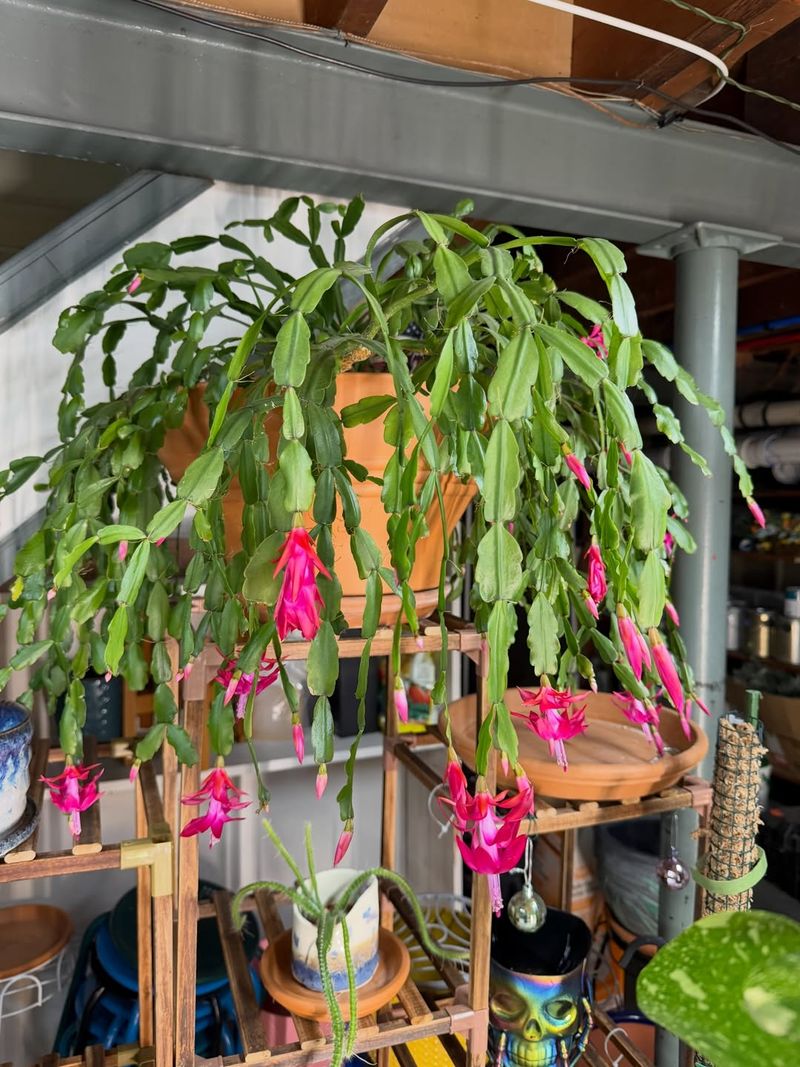
Fertilizing a Christmas cactus in March requires a careful hand, especially in Arizona where the growing season shifts a little earlier than in cooler states.
Right after blooming, the plant needs time to recover before it can efficiently absorb and use added nutrients.
Feeding too heavily too soon can actually stress the root system rather than help it.
If you start seeing tiny new segment growth emerging from the tips, that is your green light to begin very light feeding. A balanced, water-soluble fertilizer diluted to half the recommended strength works well for this stage.
Something with equal or close-to-equal nitrogen, phosphorus, and potassium numbers keeps things balanced without pushing the plant too hard in any one direction.
Feed no more than once every three to four weeks during early spring.
More frequent feeding during this recovery period does not speed up growth and can lead to salt buildup in the soil, which is already a concern in Arizona where water mineral content tends to run high.
If you notice crusty white deposits forming on the soil surface, flush the pot thoroughly with plain water to clear out any accumulated salts.
Holding off on any fertilizing at all until you actually see new growth is a perfectly reasonable approach too. Plenty of experienced Arizona gardeners skip March feeding entirely and wait until April or May when growth is clearly underway.
Either approach can work well as long as you are paying attention to what the plant is actually doing rather than following a rigid calendar schedule regardless of what you observe.
7. Keep The Plant Away From Intense Afternoon Sun
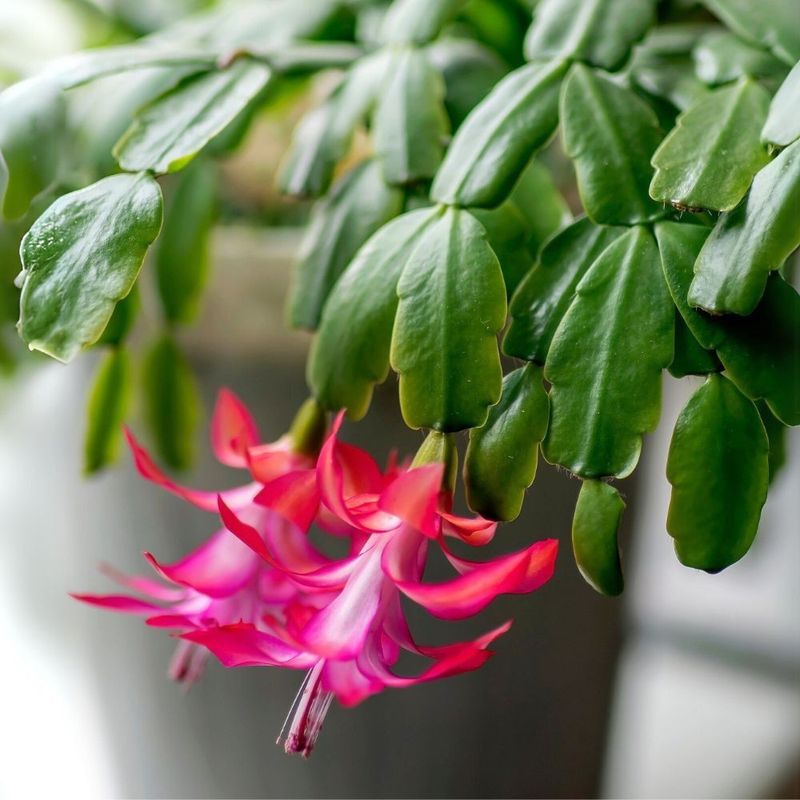
March afternoons in Arizona get warm fast, and that intense western sun pouring through a window can hit your Christmas cactus like a spotlight it never asked for.
Unlike true desert cacti, this plant evolved in Brazilian rainforest conditions where it lived under a canopy of trees.
Direct afternoon sun exposure here in Arizona can bleach the segments, cause them to turn reddish or purplish, and slow down the healthy growth you are trying to encourage right now.
Pay attention to where your afternoon shadows fall inside your home. A spot that gets soft, comfortable light in the morning might turn into a sun trap by two or three in the afternoon as the angle shifts.
Moving the plant even a few feet back from the window can make a meaningful difference without depriving it of the light it needs.
South and west-facing rooms are particularly tricky in Arizona during March because the sun is climbing higher in the sky each week. What felt like a safe distance from the glass in January might not be far enough by late March.
Keep checking the plant for signs of sun stress, including segments that start looking faded, pale, or slightly reddish along the edges.
A simple sheer curtain is one of the most practical solutions for Arizona gardeners dealing with strong afternoon light. It filters out the harshest rays while still letting plenty of bright, diffused light reach the plant.
Keeping afternoon sun intensity in check during March helps the plant stay focused on recovery and building the energy reserves it will need for a strong bloom next season.