Why Some California Aloe Plants Turn Brown (And How To Fix It)
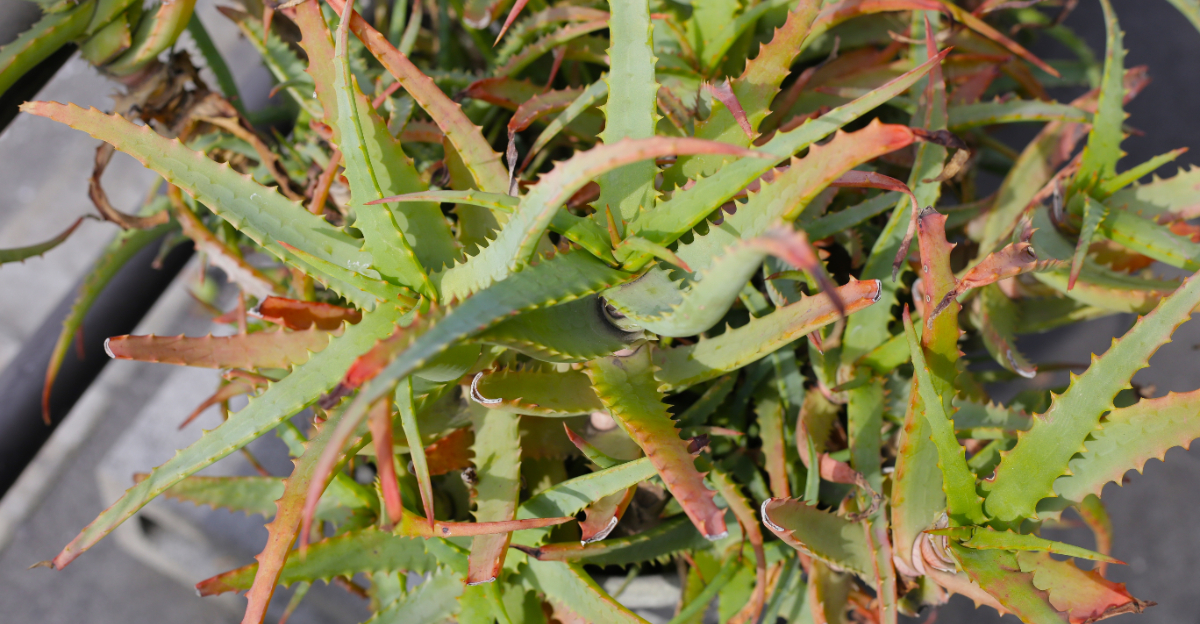
Aloe plants are a staple in many California gardens, prized for their sculptural leaves, low maintenance, and natural drought tolerance. Still, even the toughest aloe can show brown patches, shriveled tips, or discolored leaves that make you wonder what went wrong.
Browning doesn’t always mean the plant is doomed, it’s often a signal that something in its environment needs adjusting.
Too much sun, irregular watering, poor drainage, or even cold snaps can stress the plant and trigger discoloration.
Knowing how to spot the cause and respond quickly can save your aloe and keep it thriving for years.
With a few smart adjustments, you can restore vibrant green leaves, maintain healthy growth, and prevent future browning.
Paying attention to these subtle signs turns a stressed aloe back into a striking focal point, proving that even hardy California plants sometimes need a little extra TLC to stay at their best.
1. Sunburn Causes Browning
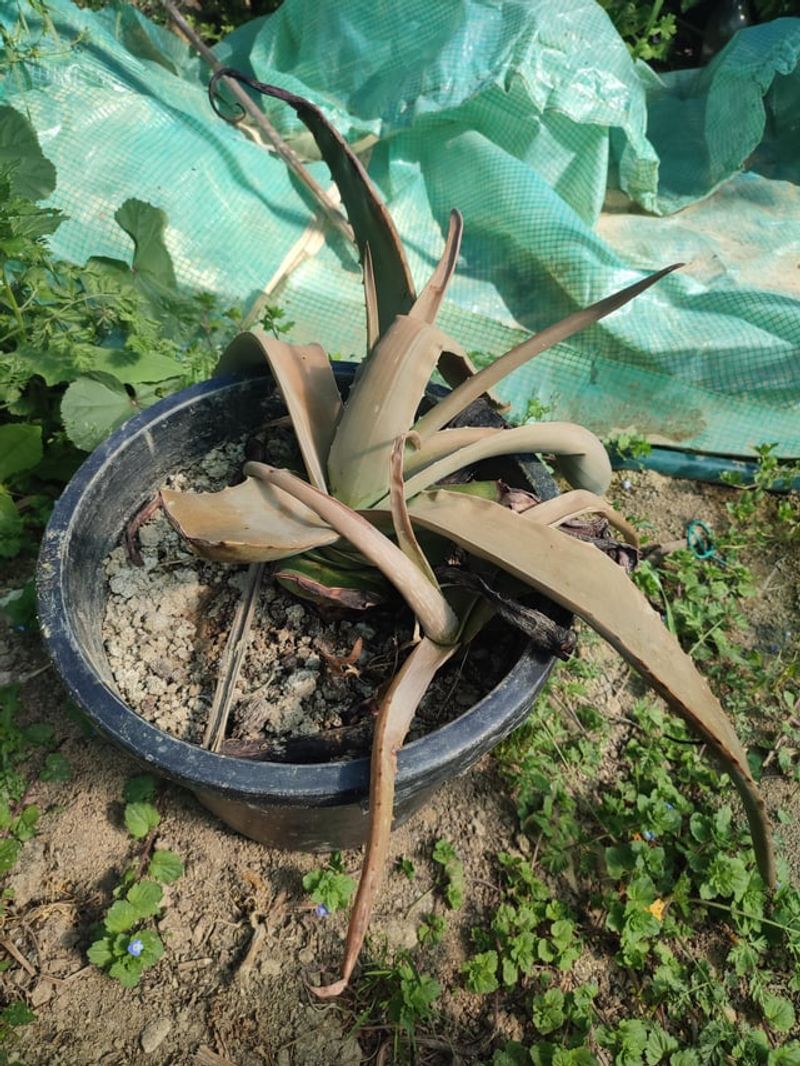
California sunshine is beautiful, but it can be brutal for aloe plants sitting in full sun all day. When the sun hits those thick green leaves too hard, the surface cells get damaged.
You will notice brown, reddish, or even bleached patches forming on the side of the leaf that faces the sun.
This is called leaf scorch, and it happens fast during hot California summers. Even though aloe loves bright light, there is a big difference between bright light and harsh, midday direct sun.
Moving your plant to a spot with morning sun and afternoon shade can make a huge difference.
If your aloe is near a south-facing window or on an exposed patio, try shifting it slightly. A sheer curtain or shade cloth can also help filter the light.
Once a leaf is scorched, the brown patch will not turn green again. But new growth should come in healthy if you fix the light situation quickly.
Acclimate your plant slowly if you move it to a brighter spot to avoid shocking it further.
2. Overwatering
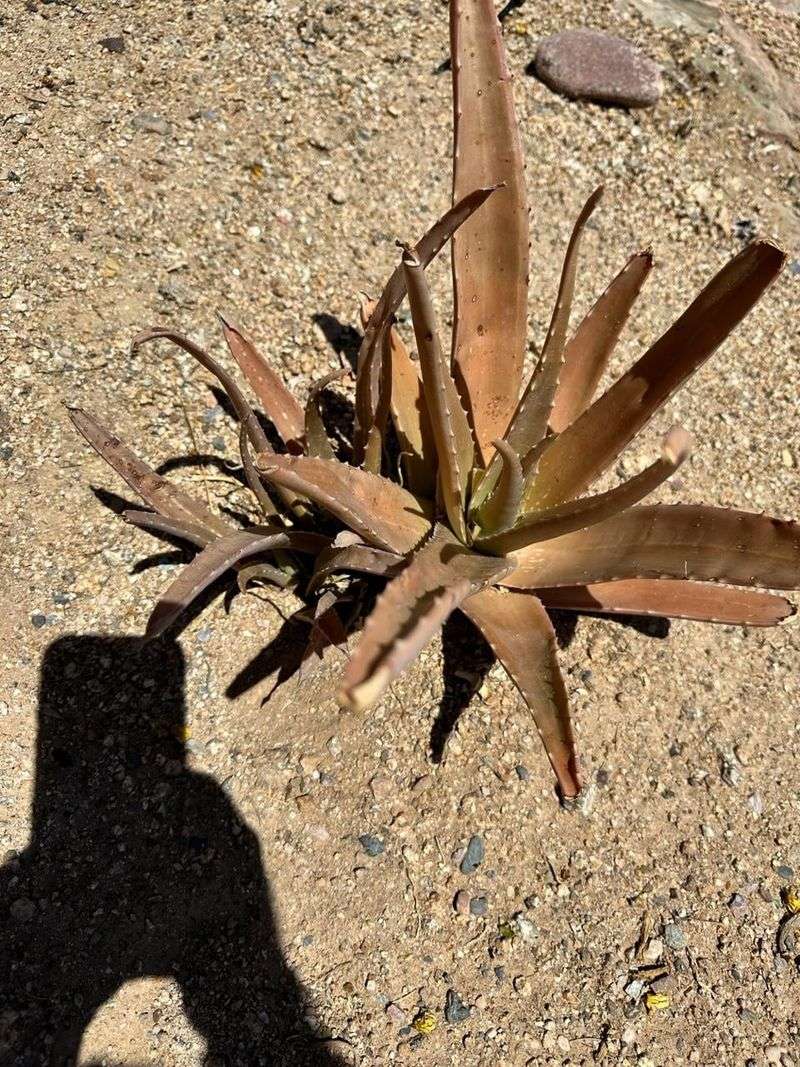
Too much water is one of the most common reasons aloe plants struggle in California. It might seem kind to water your plant often, especially during warm weather, but aloe stores water in its leaves and does not need frequent watering.
When the roots sit in soggy soil for too long, they start to rot.
Root rot cuts off the plant’s ability to absorb nutrients and water properly. The leaves then begin to turn soft, mushy, and brown from the base upward.
The texture change is a big clue. Healthy aloe leaves feel firm.
Rotting ones feel squishy and may even smell off.
To fix this, let the soil dry out completely before watering again. In California’s warm climate, this might mean watering only every two to three weeks during summer and even less in winter.
Always use a pot with drainage holes so excess water can escape. If root rot has already set in, remove the plant from its pot, trim away black or brown roots, let them air dry for a day, and repot in fresh, dry soil.
Your California Garden Changes Every Week. Your Plan Should Too.
Gardening in California changes quickly throughout the season. Every Friday you’ll receive a simple weekly plan showing exactly what to plant, prune, fertilize, harvest, and protect so you never miss the right timing.
3. Underwatering Shows Too
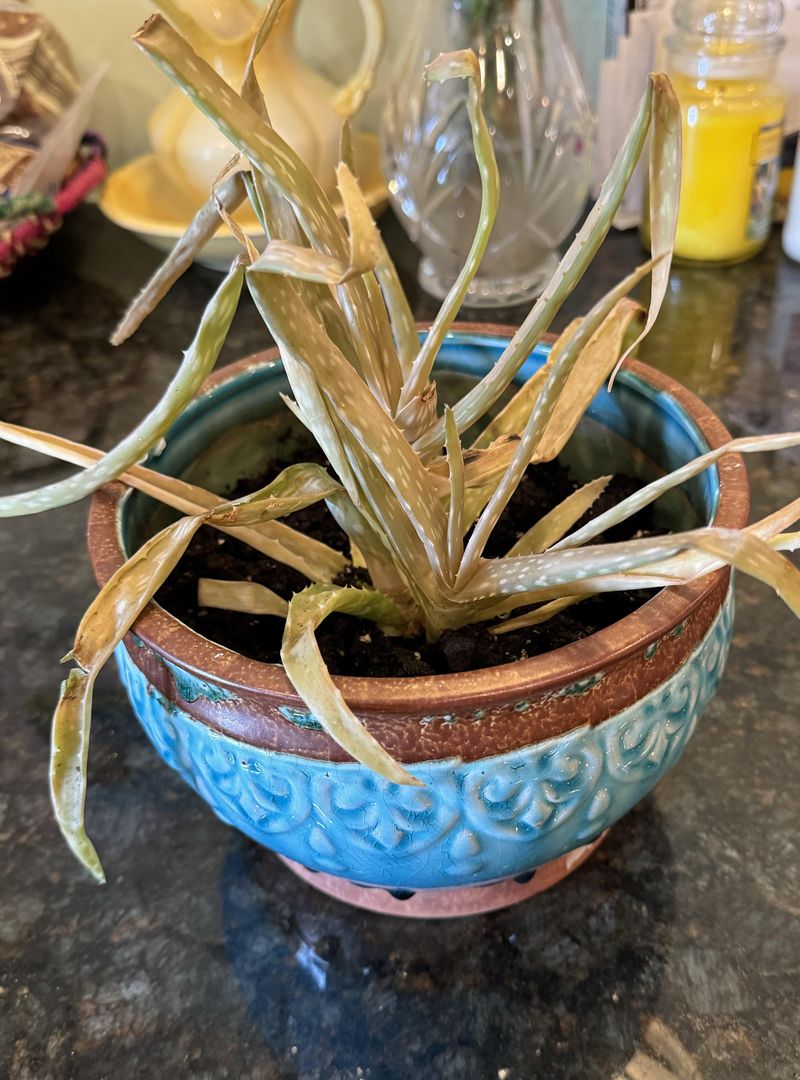
Just because aloe is a succulent does not mean it can go without water forever. When an aloe plant goes too long without a drink, especially in California’s dry inland regions, the leaves start to look thin and papery.
The tips turn brown first, and then the browning can spread down the leaf.
Unlike overwatering damage, underwatered leaves feel dry and slightly wrinkled rather than soft. The plant is basically using up all the water stored in its leaves to survive.
You might also notice the leaves curling inward or looking a bit deflated.
The fix is simple but needs to be done carefully. Give your aloe a deep, thorough watering and let the soil soak it up.
Make sure the water drains out the bottom of the pot. Do not water again until the top two inches of soil feel completely dry.
In hot, dry California summers, especially in places like the Central Valley or Inland Empire, check your plant more often. Consistency matters more than frequency.
A steady watering schedule keeps the plant hydrated without swinging between too wet and too dry.
4. Poor Soil Drainage Problems
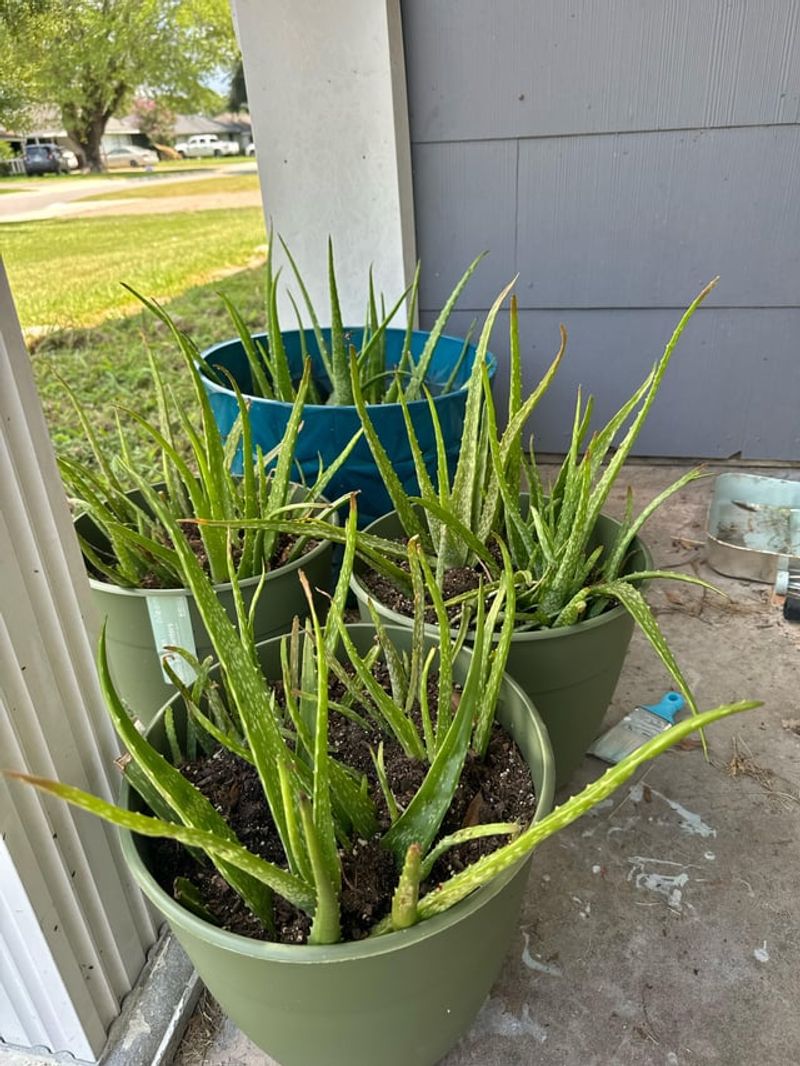
Even if you water your aloe just the right amount, the wrong soil can still cause browning. Regular potting mix holds too much moisture for aloe plants.
In California gardens, where some areas have heavy clay soil, this problem gets even worse. Water pools around the roots and has nowhere to go.
Aloe needs fast-draining soil to stay healthy. A cactus and succulent mix works great.
You can also mix regular potting soil with coarse sand or perlite to improve drainage. The goal is to let water flow through quickly so the roots never sit wet for long.
Choosing the right pot also plays a big role. Terracotta pots are a popular choice in California because they absorb excess moisture from the soil.
Plastic pots hold water longer, which can be risky. Always make sure your pot has drainage holes at the bottom.
If you plant aloe directly in the ground, build a slightly raised mound to encourage water runoff. Fixing your soil situation is one of the most effective long-term steps you can take to keep your aloe green and thriving in California’s varied growing conditions.
5. Cold Temperatures Stress Plants
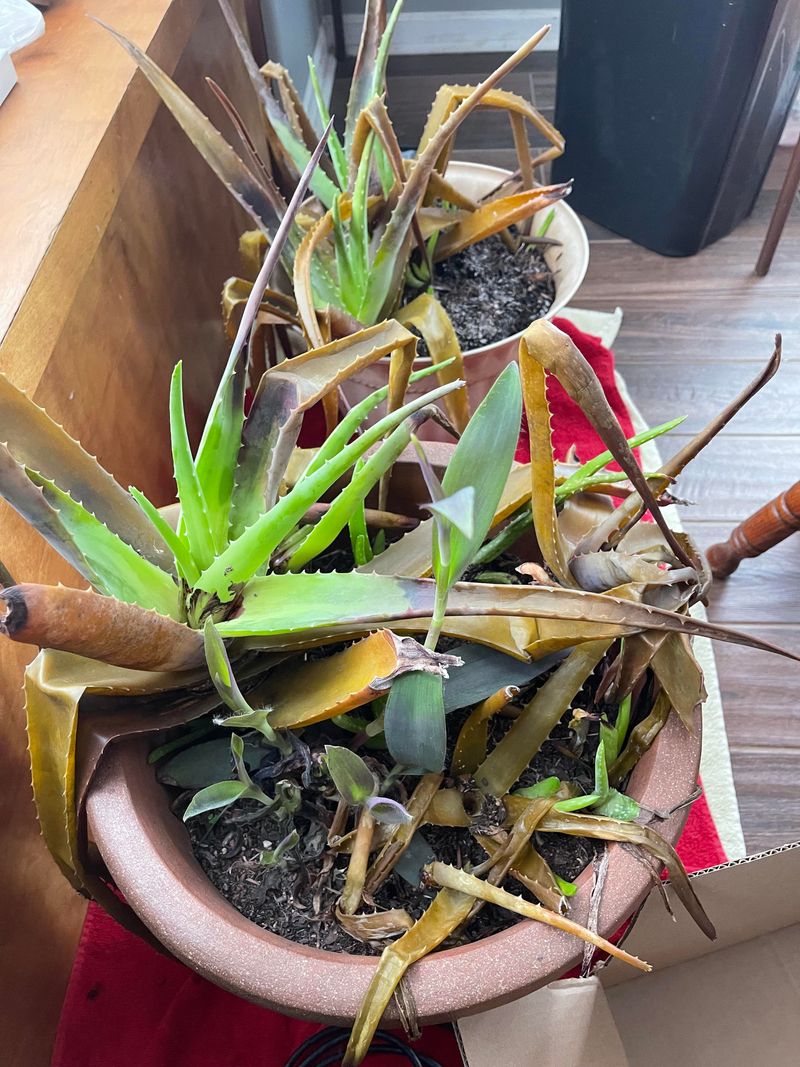
California has a reputation for warm weather, but parts of the state get surprisingly cold. Northern California, mountain areas, and even coastal regions can drop below 50 degrees Fahrenheit at night.
Aloe is a tropical plant at heart and does not handle cold well. Temperatures below 50 degrees Fahrenheit can cause real damage.
Cold stress shows up as brown, mushy patches on the leaves, often appearing overnight after a cold snap. The leaf tissue basically freezes and breaks down from the inside.
This damage looks similar to overwatering, which is why it often gets confused. Check the weather history if you are unsure what caused the browning.
To protect your aloe in California’s colder months, move potted plants indoors or to a covered patio when temperatures are expected to drop. If your aloe is planted in the ground, cover it with a frost cloth on cold nights.
Placing plants near a south-facing wall can also help trap warmth. Avoid planting aloe in low-lying spots where cold air tends to settle.
Once the damage is done, remove the affected leaves and give the plant time to recover in a warm, sheltered location.
6. Pests Can Damage Leaves
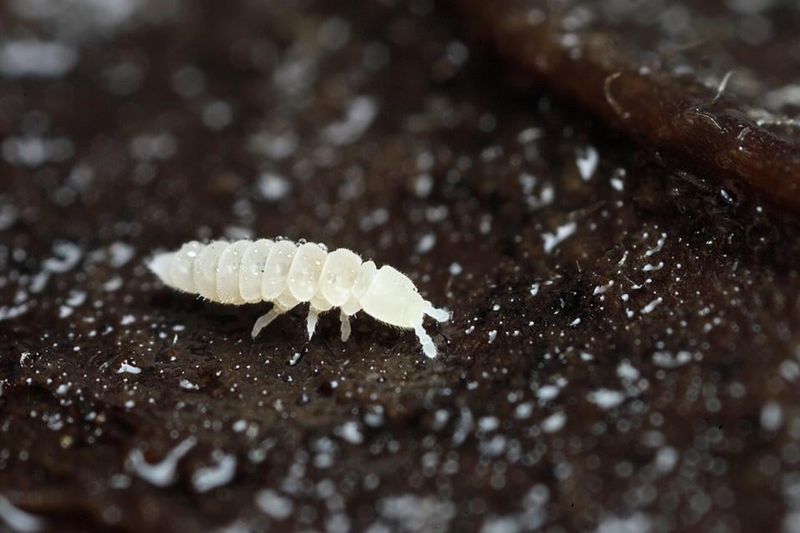
Bugs might be tiny, but they can cause serious trouble for aloe plants across California. Mealybugs are one of the most common pests.
They look like small white cottony clusters and love to hide in the tight spaces between aloe leaves. Aphids, spider mites, and scale insects can also show up and start feeding on the plant.
When pests feed on aloe leaves, they damage the plant tissue and drain its moisture. This leads to yellowing, browning, and even a sticky residue on the leaves.
Left untreated, a bad infestation can weaken the entire plant over time.
Catching pests early is the best strategy. Check your plant regularly, especially during warm California months when bugs are most active.
If you spot any pests, wipe the leaves with a damp cloth to remove them physically. For tougher infestations, spray the plant with diluted neem oil or insecticidal soap.
Make sure to get into all the crevices. Repeat treatment every week or two until the pests are gone.
Keeping your plant in good health with proper watering and light also makes it more resistant to pest attacks in the first place.
7. Fungal Infections Turn Leaves Brown
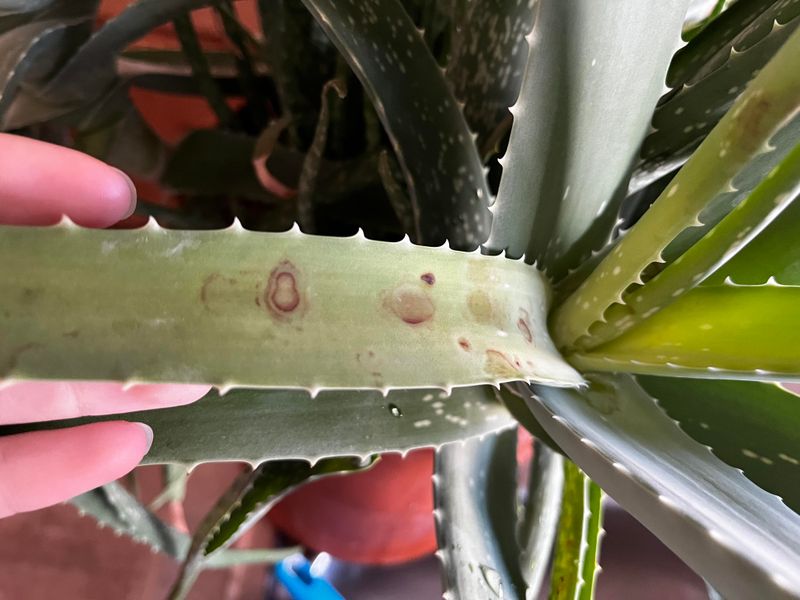
Fungal problems are less common in aloe plants, but they do happen, especially in coastal California areas with higher humidity. Overwatering and poor air circulation create the perfect environment for fungus to take hold.
Once a fungal infection starts, it spreads quickly if left unchecked.
Look for dark brown or black circular spots on the leaves. These spots often have a slightly sunken or water-soaked appearance.
As the infection spreads, the spots grow larger and the leaf may begin to feel soft. Unlike sunburn damage, fungal spots tend to appear in random locations rather than just on sun-exposed sides.
To treat a fungal infection, start by removing any badly affected leaves with clean scissors. Make sure to wipe your scissors with rubbing alcohol before and after cutting to avoid spreading spores.
Then apply a copper-based fungicide or a diluted neem oil spray to the remaining leaves. Improve air circulation around the plant by spacing it away from other plants.
Reduce watering and let the soil dry out more between sessions. In California gardens, especially near the coast, keeping your aloe in a breezy, open spot helps prevent fungal issues from coming back.
8. Quick Fixes To Restore Health
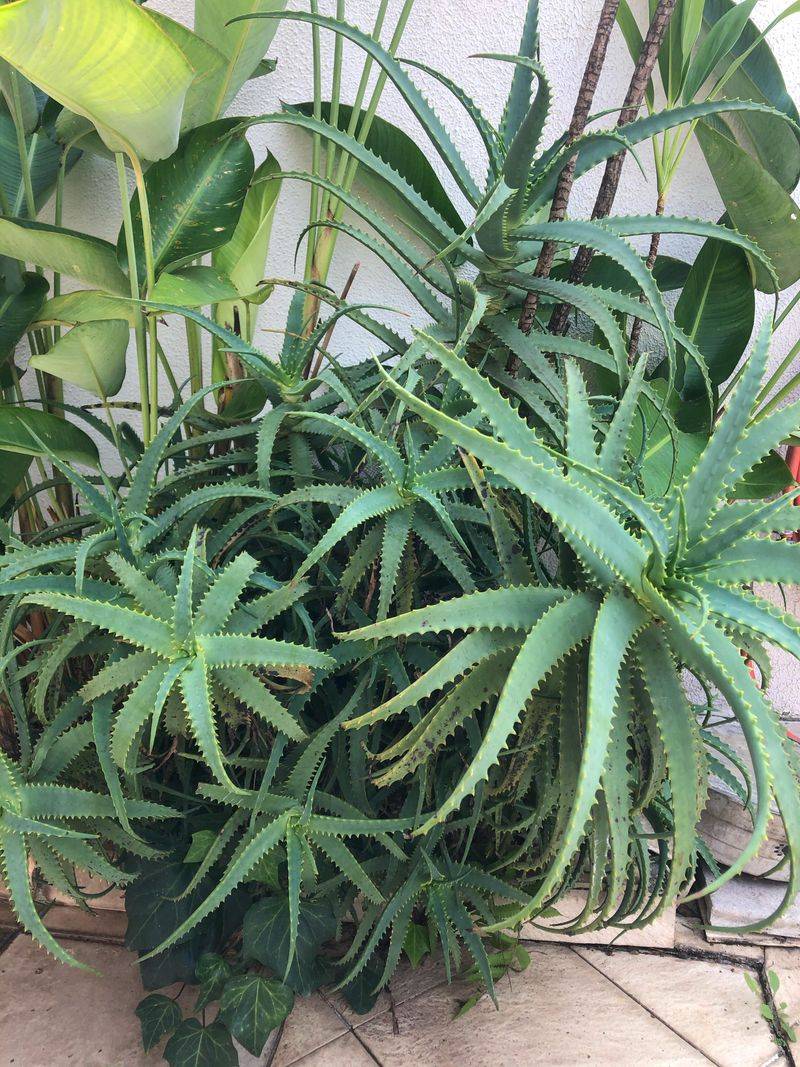
Once you figure out what is causing the browning, acting quickly gives your aloe the best chance to bounce back. Start by trimming away any brown or damaged leaves at the base using clean, sharp scissors.
Removing the damaged parts lets the plant focus its energy on new, healthy growth.
Next, check your watering habits and soil setup. If the soil stays wet too long, repot your aloe into a cactus mix with better drainage.
Add perlite if needed. Make sure the pot has drainage holes.
Water only when the soil is fully dry a couple of inches down.
Review your light situation too. In California, especially during summer, midday sun can be intense.
A spot with morning sun and afternoon shade works well for most aloe plants. If cold nights are an issue, bring potted plants inside or cover outdoor ones with frost cloth.
For pests or fungus, treat promptly and keep the area around the plant clean. Most aloe plants respond well to these changes within a few weeks.
With the right care, your California aloe can go from brown and stressed to lush and green again.