How To Prune Raspberries In Oregon This March For Maximum Fruit
Raspberry canes are little green party starters. A few snips this March produce a summer full of sweet, juicy berries.
Pruning does more than tidy plants. It directs energy to strong canes, opens the bush to sunlight, and makes fruit bigger and tastier.
Knowing which canes to cut and which to save may sound tricky, but it feels like giving your raspberries a makeover. Early spring works best because the plants stay dormant, so cuts heal quickly and new growth explodes later.
A short session now prevents a tangled mess later and ensures a garden full of red, delicious berries. A careful hand this month sets up a feast for the season.
Your raspberries will shine, and the effort delivers a rewarding harvest. Few gardening moments bring such excitement as the first ripe berry of summer.
1. Summer vs. Everbearing
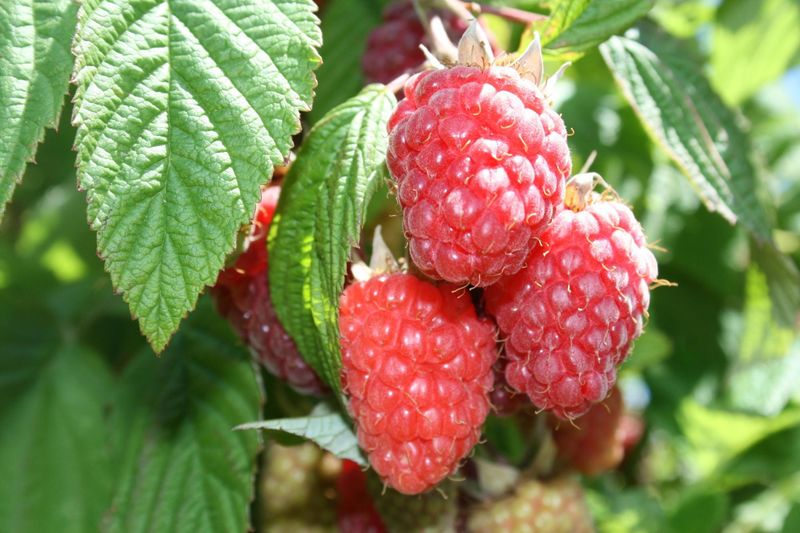
Not all raspberry plants are the same, and knowing what type you have is the very first step to pruning correctly. Oregon gardeners commonly grow two main types: summer-bearing and everbearing raspberries.
Each one has different canes, different fruiting schedules, and different pruning needs.
Summer-bearing raspberries produce fruit once a year, usually in June or July. They grow on second-year canes called floricanes.
After those canes fruit, they are done and need to be removed. Leaving them on the plant wastes the plant’s energy.
Everbearing raspberries, also called primocane-fruiting varieties, can produce two crops. They fruit in fall on new canes, and again the following summer on those same canes.
Oregon growers who want a bigger fall harvest often cut all canes to the ground in late winter instead. This skips the summer crop but gives you a much larger fall harvest.
Popular everbearing varieties in Oregon include Heritage and Caroline. Knowing your variety helps you plan your entire pruning schedule from start to finish, so you never waste effort or accidentally remove the wrong canes at the wrong time.
2. Best Time To Prune
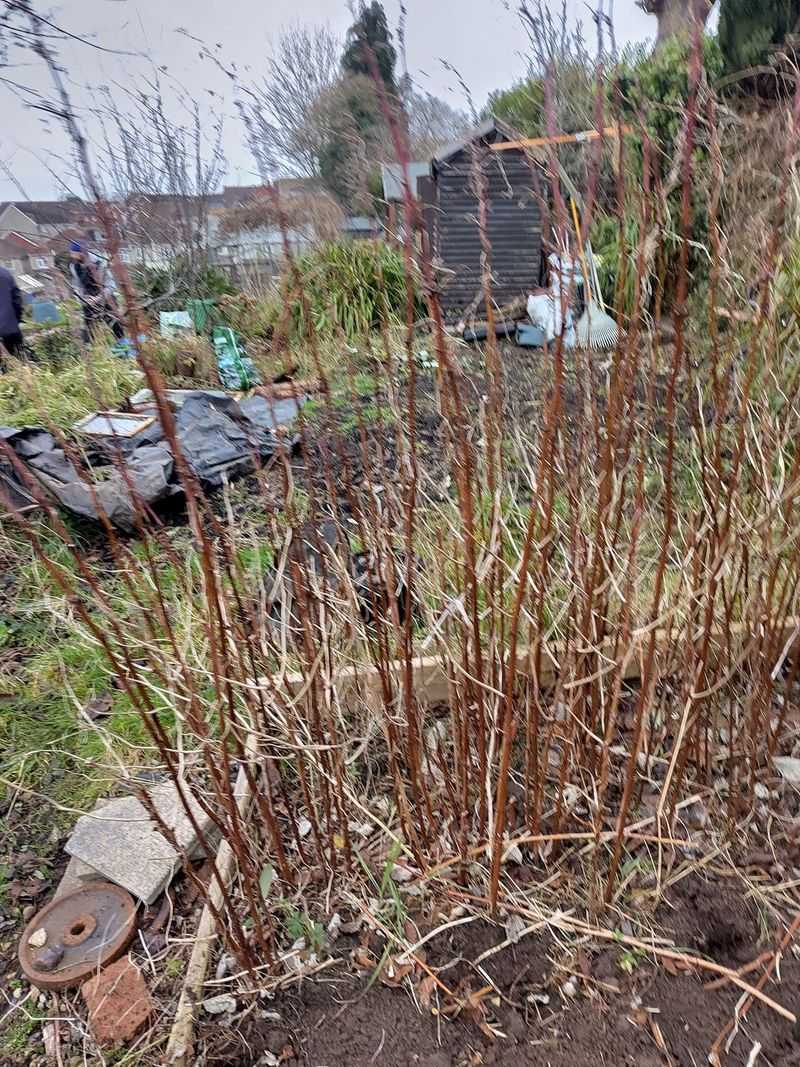
Timing is everything when it comes to pruning raspberries in Oregon. Prune at the wrong time and you could reduce your harvest or stress your plants unnecessarily.
Get the timing right, and your canes will grow stronger and produce more fruit than ever before.
For summer-bearing varieties, the best time to do your first round of pruning is right after harvest, usually in late summer. You remove the spent floricanes while the plant is still active.
Then you do a second round of pruning in late winter, between December and March, before new growth starts.
Everbearing varieties follow a slightly different schedule. If you want two crops, prune in fall after harvest and again in late winter.
If you want one big fall crop, wait until late February or early March and cut everything to the ground. Oregon’s mild winters make late winter pruning very manageable.
The ground rarely freezes hard, so you can get out there and work comfortably. Sticking to a consistent pruning schedule each year is the single best habit Oregon raspberry growers can build for long-term plant health and maximum fruit production.
Your Oregon Garden Changes Every Week. Your Plan Should Too.
Gardening in Oregon changes quickly throughout the season. Every Friday you’ll receive a simple weekly plan showing exactly what to plant, prune, fertilize, harvest, and protect so you never miss the right timing.
3. Remove Withered Canes
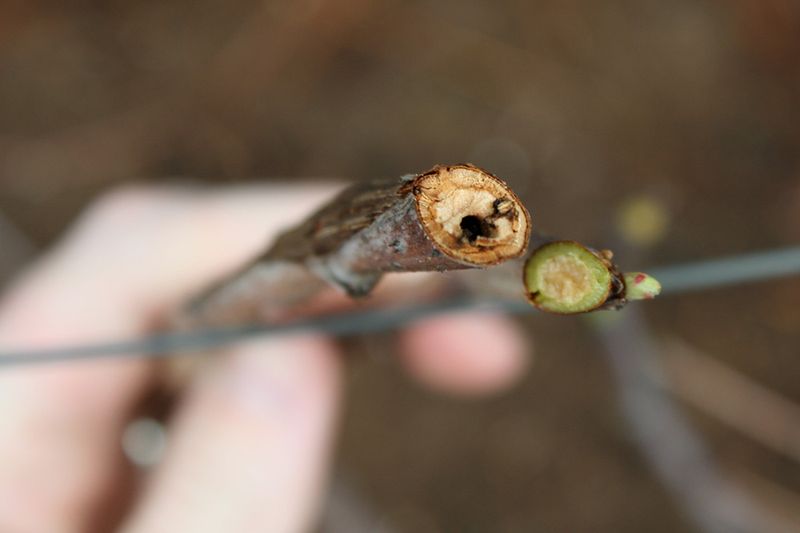
Walk into any raspberry patch that has not been pruned in a while, and you will quickly spot the problem. Withered, brown canes are tangled up with healthy ones, blocking sunlight and inviting disease.
Removing them is one of the most important things you can do for your Oregon raspberry plants.
Withered canes are easy to identify. They are dry, brown, and brittle.
They snap instead of bending. Healthy canes are green or reddish-brown and flexible.
Once you know the difference, sorting through your patch becomes pretty straightforward.
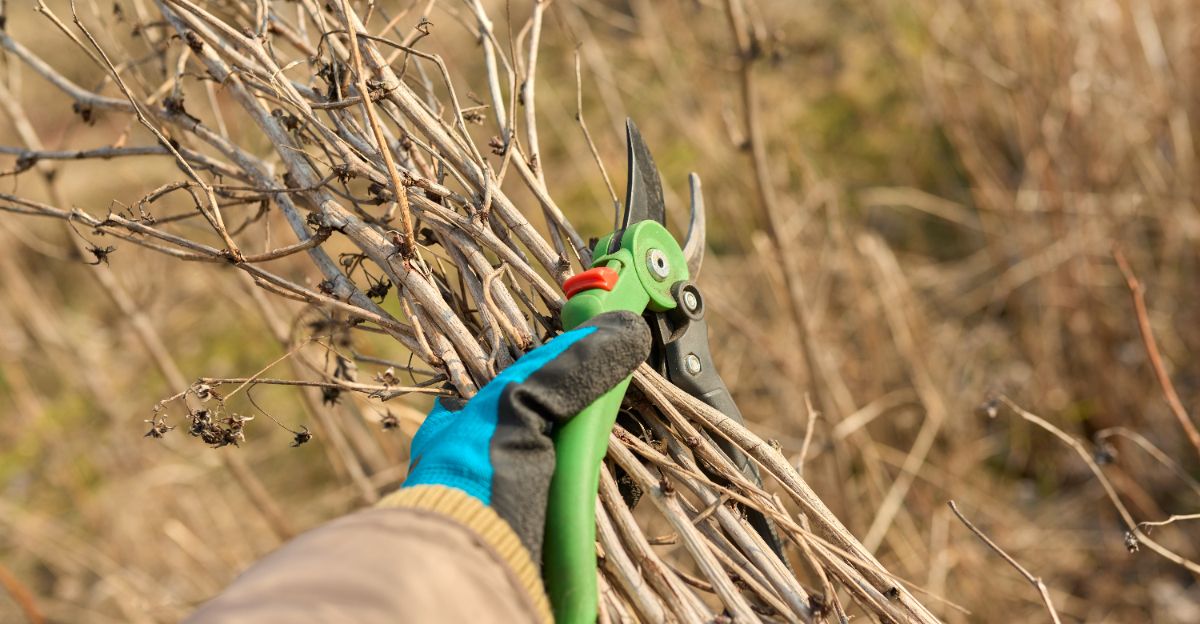
Use a sharp pair of bypass pruning shears to cut dead canes right at the base, as close to the soil as possible. Do not leave short stubs sticking up because they can harbor pests and fungal issues.
In Oregon’s wet climate, moisture gets trapped easily, and leftover stubs become a breeding ground for problems you do not want spreading to healthy canes. Remove all cut material from the patch and dispose of it away from your garden.
Composting diseased canes is not recommended. Clearing out withered growth opens up the canopy, improves airflow, and gives your living canes the space and light they need to thrive through the growing season.
4. Thin Overcrowded Stems

Raspberry plants spread fast. In just a couple of seasons, a small planting can turn into a tangled jungle of canes that crowd each other out.
Oregon’s growing conditions are so favorable that plants can go wild if you are not paying attention to spacing.
Thinning is the process of removing healthy but extra canes to give the remaining ones more room. For a hedgerow system, aim to keep the row about 12 inches wide.
Within that space, keep the strongest, thickest canes and remove the weaker, thinner ones. For summer-bearing types, aim for about four to six canes per foot of row.
For everbearing types, five to eight canes per foot works well.
Good spacing between canes means better airflow, which matters a lot in Oregon where spring moisture can linger and create conditions that fungal diseases love. When canes have room to breathe, they dry out faster after rain.
More sunlight also reaches the fruit, helping berries ripen evenly and develop better flavor. Thinning might feel wasteful at first because you are removing perfectly alive canes.
But your remaining plants will be stronger, healthier, and far more productive by the time harvest rolls around.
5. Cut Last Year’s Canes
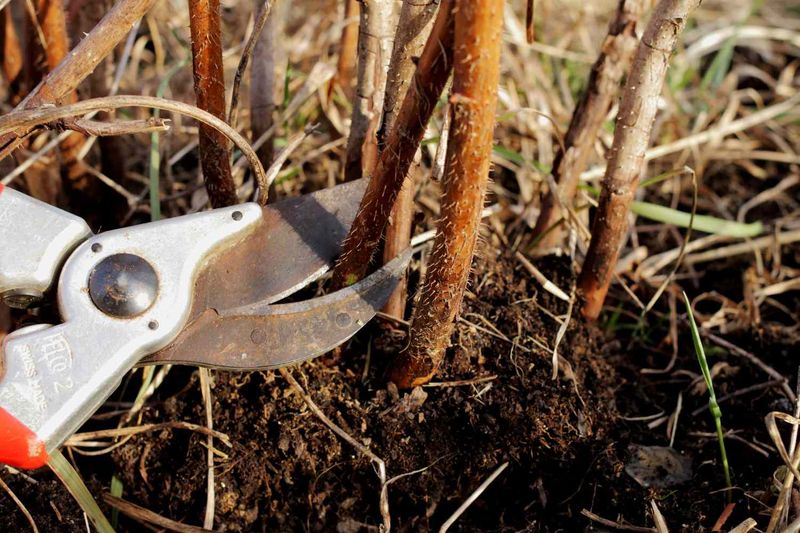
One of the most satisfying parts of raspberry maintenance is pulling out the old canes after they have done their job. Floricanes are the second-year canes that produced fruit during the summer.
Once they have fruited, they will never produce again. Keeping them around just wastes space and energy.
Identifying floricanes is simple. After harvest, they start to look ragged.
Their bark peels, they turn a darker brown, and the lateral branches that held fruit look dried out and spent. These are your targets.
Cut them right at the base with loppers or pruning shears, and pull the whole cane out of the patch.
In Oregon, the best time to remove floricanes from summer-bearing varieties is right after the last berries are picked, usually in late July or August. Do not wait until winter to do this job.
Removing them early gives the new primocanes more sunlight and airflow during the remaining growing season, which helps them mature and harden off properly before winter. Strong, well-matured primocanes are exactly what you need heading into Oregon’s rainy fall and winter months.
Healthy canes going into dormancy means a much better harvest waiting for you next summer.
6. Shorten New Growth
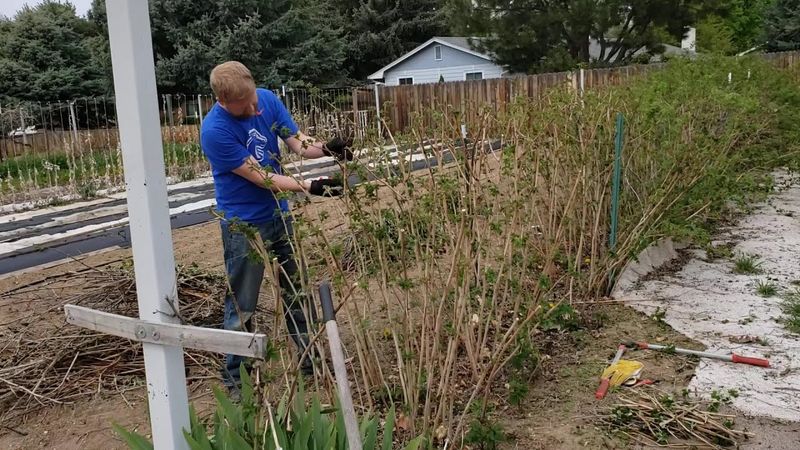
Letting new raspberry canes grow as tall as they want sounds harmless, but it can actually work against you. Very tall canes become top-heavy, flop over, and are harder to manage.
Shortening new canes, also called heading back, keeps the plant tidy and encourages better fruit production along the length of the cane.
For summer-bearing raspberries in Oregon, shorten the remaining primocanes to about 5 to 6 feet tall during your late winter pruning session. This height works well with most trellis systems and keeps the canes manageable during harvest.
Any growth above that point is usually weak and produces small fruit anyway.
For black and purple raspberries, a technique called tipping is used in late spring. When new primocanes reach about 3 feet tall, pinch or cut the top 3 to 6 inches off.
This encourages lateral branches to grow from the sides, which means more fruiting wood and a bigger harvest. It sounds counterintuitive to cut a growing cane, but the plant responds by branching out and becoming bushier.
Oregon gardeners who practice tipping on their black raspberries consistently report more berries per plant than those who skip this step. It is a small effort with a noticeable payoff come harvest time.
7. Train On Trellis
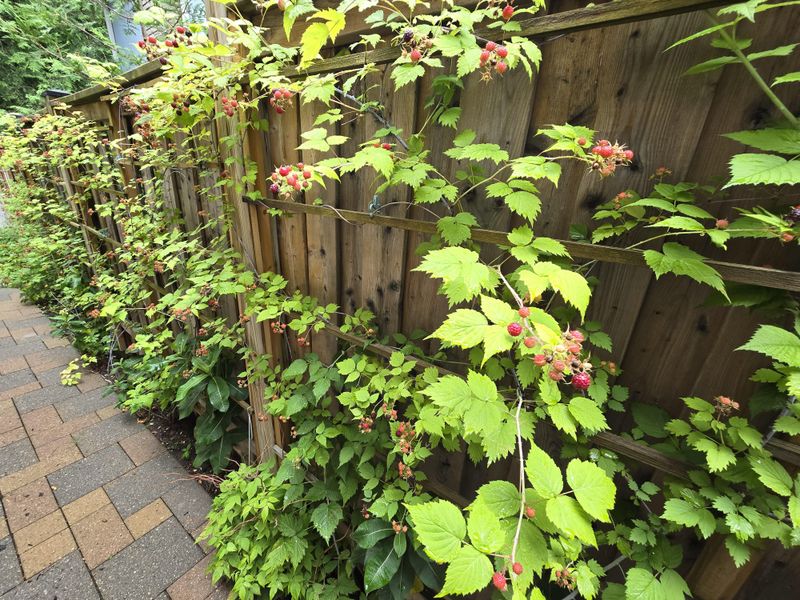
Raspberries without a trellis are a recipe for chaos. Canes flop over onto the ground, fruit gets muddy, and harvesting becomes a frustrating battle with thorns.
A simple trellis system changes everything and makes managing your Oregon raspberry patch so much easier.
The most common setup for home gardeners is a two-wire trellis. Set wooden or metal posts every 15 to 20 feet along your row.
Run one wire at about 3 feet high and another at about 5 feet high. After pruning, tie your remaining canes to the wires using soft garden ties or twine.
Space them out evenly so each cane has room to receive sunlight.
In Oregon, a good trellis also helps protect canes from wind damage during fall and winter storms. The Willamette Valley can get some strong gusts, and unsupported canes snap much more easily.
Training your canes to a trellis also makes it easier to spot and remove diseased or damaged wood during pruning. When canes are spread out and visible, nothing gets overlooked.
Harvesting is faster and more enjoyable too, since you can see exactly where the berries are hanging without digging through a tangled mess. A trellis is one of the best long-term investments you can make for your raspberry patch.
8. Mulch And Care
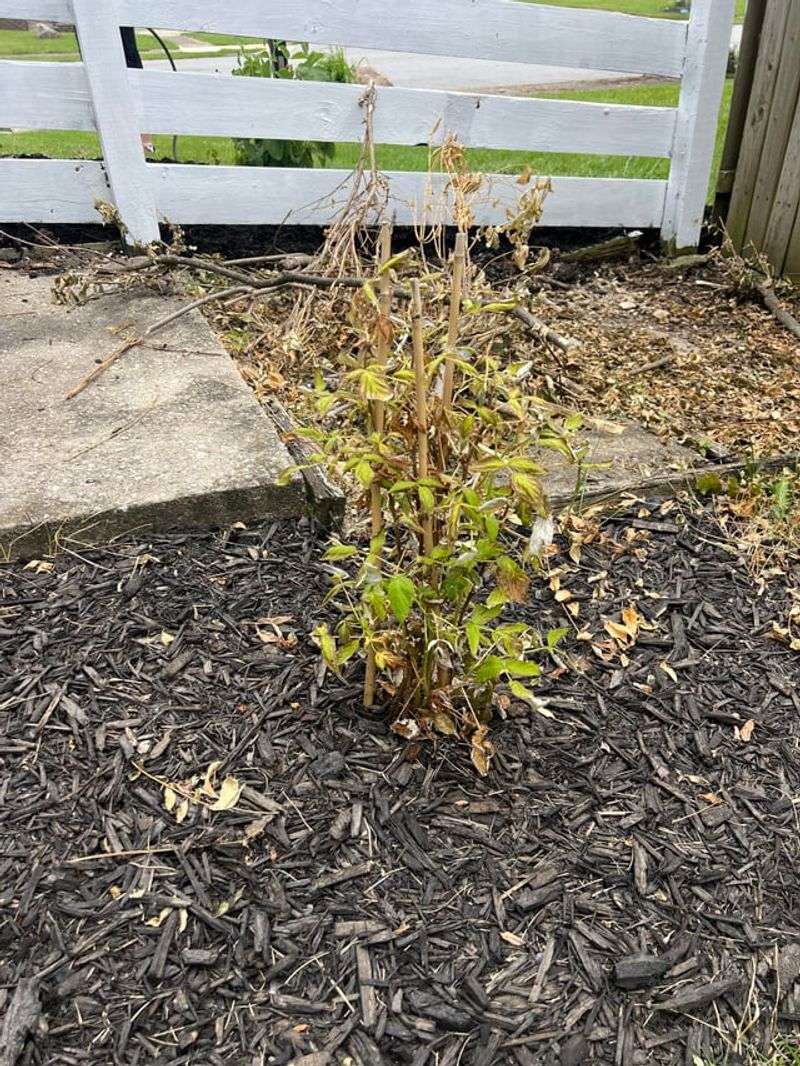
Pruning gets most of the attention, but what you do after pruning matters just as much. Mulching your raspberry patch is one of the easiest ways to support plant health and boost fruit production throughout the Oregon growing season.
Spread a 3 to 4 inch layer of wood chips, straw, or compost around the base of your canes after your late winter pruning session. Keep the mulch a few inches away from the cane bases to prevent rot.
Mulch holds moisture in the soil, which is helpful during Oregon’s dry summers. It also suppresses weeds that compete with your raspberry roots for nutrients.
Beyond mulching, a few other care steps will keep your plants performing well all season. Water deeply but less frequently, especially during dry stretches in July and August.
Fertilize in early spring with a balanced fertilizer to give canes the nutrients they need for strong growth. Watch for signs of pests like raspberry crown borer or diseases like cane blight, which are both common in the Pacific Northwest.
Catching problems early makes them much easier to manage. Oregon gardeners who combine smart pruning with consistent aftercare almost always end up with healthier plants and heavier harvests than those who prune alone and walk away.