What Seeds To Start Indoors In March In Detroit Michigan
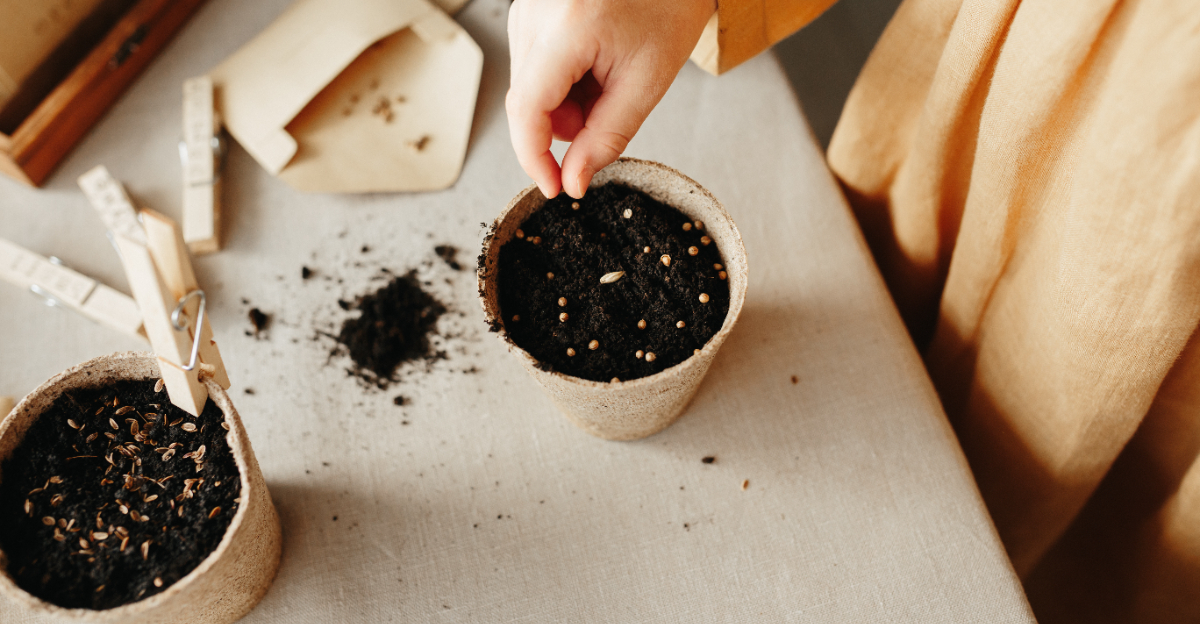
March in Detroit, Michigan can still feel like the tail end of winter, but it is actually the perfect moment to begin the gardening season.
While outdoor beds may not be ready yet, starting seeds indoors allows gardeners to get a valuable head start before the last frost arrives in late April or early May.
Across Detroit and nearby parts of Southeast Michigan, many experienced gardeners use March to begin growing seedlings on windowsills, under lights, or in small indoor setups.
These early starts give plants time to develop strong roots and healthy growth before they are moved outside.
By the time warm weather settles in, these seedlings are already well established and ready to take off. Getting seeds started now can lead to stronger plants and bigger harvests later in the season.
These are some of the best seeds Detroit gardeners should start indoors during March for the most successful results.
1. Tomatoes
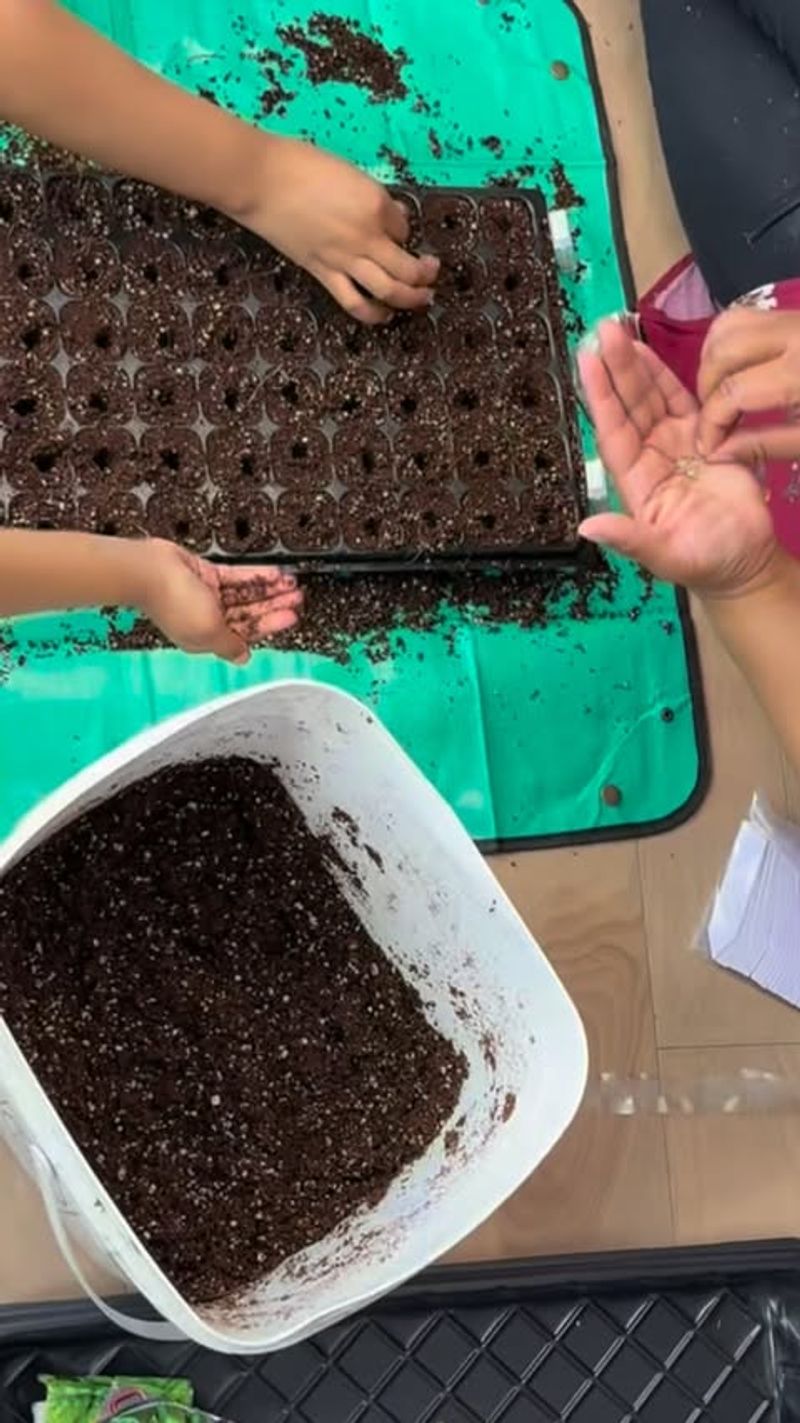
Nothing beats the taste of a homegrown tomato, and March is your green light to get them started indoors in Detroit. Tomatoes (Solanum lycopersicum) need a long growing season, which is why starting them inside 6 to 8 weeks before the last frost is the smart move.
Detroit’s last frost typically falls between late April and early May, making early March the ideal sowing window.
Fill small seed trays or pots with a quality seed-starting mix, then plant seeds about a quarter inch deep. Keep the soil warm, ideally between 70 and 80 degrees Fahrenheit, using a heat mat if needed.
Tomato seeds usually germinate within 5 to 10 days when kept consistently warm and moist.
Once seedlings sprout, move them under bright grow lights or a south-facing window for at least 14 to 16 hours of light daily. Weak light causes leggy, fragile seedlings that struggle outdoors.
When nighttime temperatures stay above 50 degrees, begin hardening off your transplants by placing them outside for short periods each day. After a week of this gradual adjustment, they will be ready to go into Detroit garden beds.
Popular varieties like Roma, Celebrity, and Early Girl perform especially well in Michigan’s climate and deliver a satisfying harvest all summer long.
2. Peppers
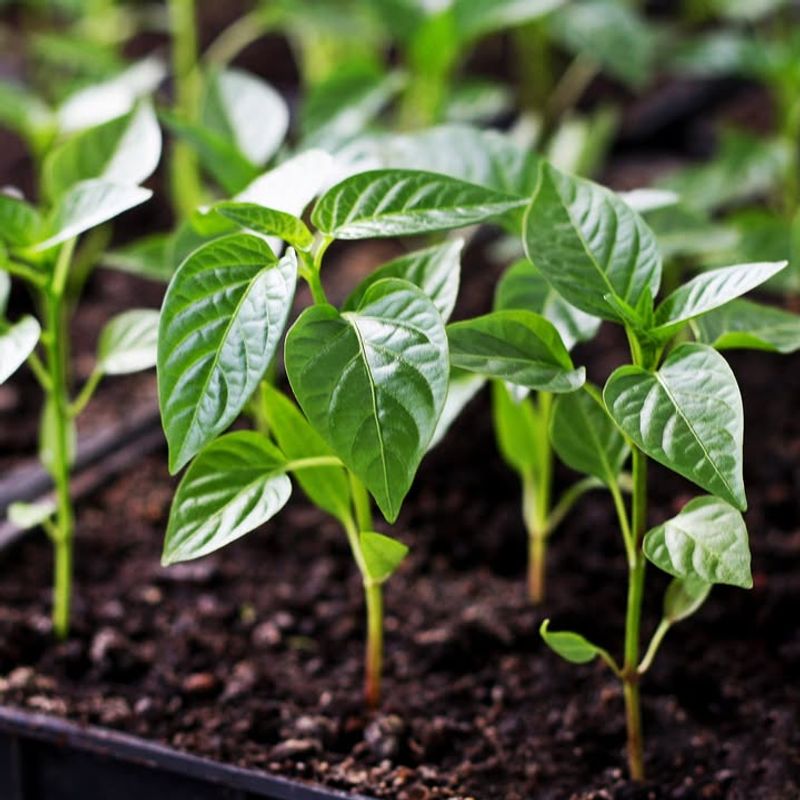
Peppers are slow starters, and that is exactly why they need to be sown indoors in March in Detroit. Capsicum varieties, whether sweet bell peppers or spicy jalapeños, need a long, warm growing season to produce a good harvest.
Starting them 8 to 10 weeks before transplanting gives them the time they need to really get going.
Pepper seeds germinate best when soil temperatures stay consistently between 75 and 85 degrees Fahrenheit. A seedling heat mat placed under your seed trays makes a huge difference, especially during Detroit’s still-chilly March nights.
Without bottom heat, germination can be slow and uneven, which eats into your growing window.
Once sprouted, pepper seedlings prefer bright light for 14 to 16 hours per day. Grow lights work better than windowsills alone during early spring in Michigan, since natural light is still limited.
Water seedlings when the top inch of soil feels dry, and avoid overwatering since peppers are sensitive to soggy roots. Feed young plants with a diluted liquid fertilizer once they develop their first true leaves.
Your Michigan Garden Changes Every Week. Your Plan Should Too.
Gardening in Michigan changes quickly throughout the season. Every Friday you’ll receive a simple weekly plan showing exactly what to plant, prune, fertilize, harvest, and protect so you never miss the right timing.
By the time late May arrives and Detroit’s soil warms up properly, your pepper transplants will be stocky, healthy, and ready to thrive in the garden. Expect a generous harvest of colorful, flavorful peppers through the summer and into early fall.
3. Eggplants
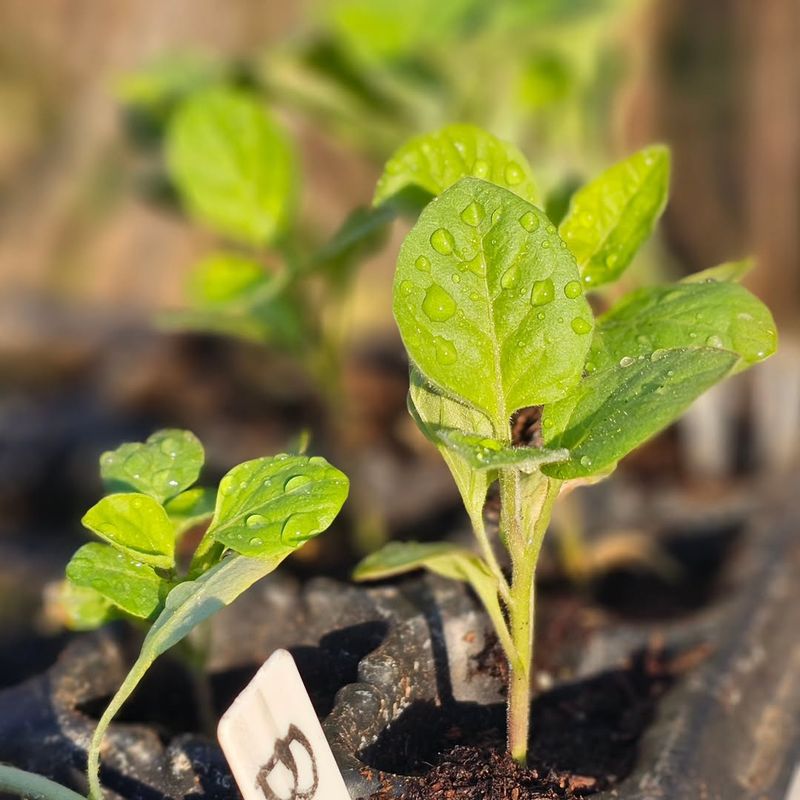
Eggplants are one of those crops that absolutely reward patience, and starting them indoors in March in Detroit is the key to a successful harvest.
Solanum melongena needs one of the longest growing seasons of any vegetable, often requiring 100 to 120 days from seed to first fruit.
Getting a jump start in early March gives Detroit gardeners the full growing window they need.
Sow eggplant seeds about a quarter inch deep in seed-starting mix and keep soil temperatures warm, around 80 to 90 degrees Fahrenheit for best germination.
Heat mats are practically essential for eggplants, since cool soil causes seeds to sit dormant rather than sprout. Germination typically takes 7 to 14 days under warm conditions.
After the seedlings emerge, give them plenty of bright light to prevent stretching. Eggplants are heavy feeders, so once the first true leaves appear, begin light fertilizing with a balanced liquid feed every two weeks.
These plants are even more cold-sensitive than tomatoes, so wait until Detroit’s soil is consistently warm, typically late May or early June, before transplanting outdoors. Harden them off slowly over 7 to 10 days before moving them to the garden.
Varieties like Black Beauty and Ichiban do particularly well in Michigan gardens and produce glossy, flavorful fruits worth every bit of the effort you put in during March.
4. Basil
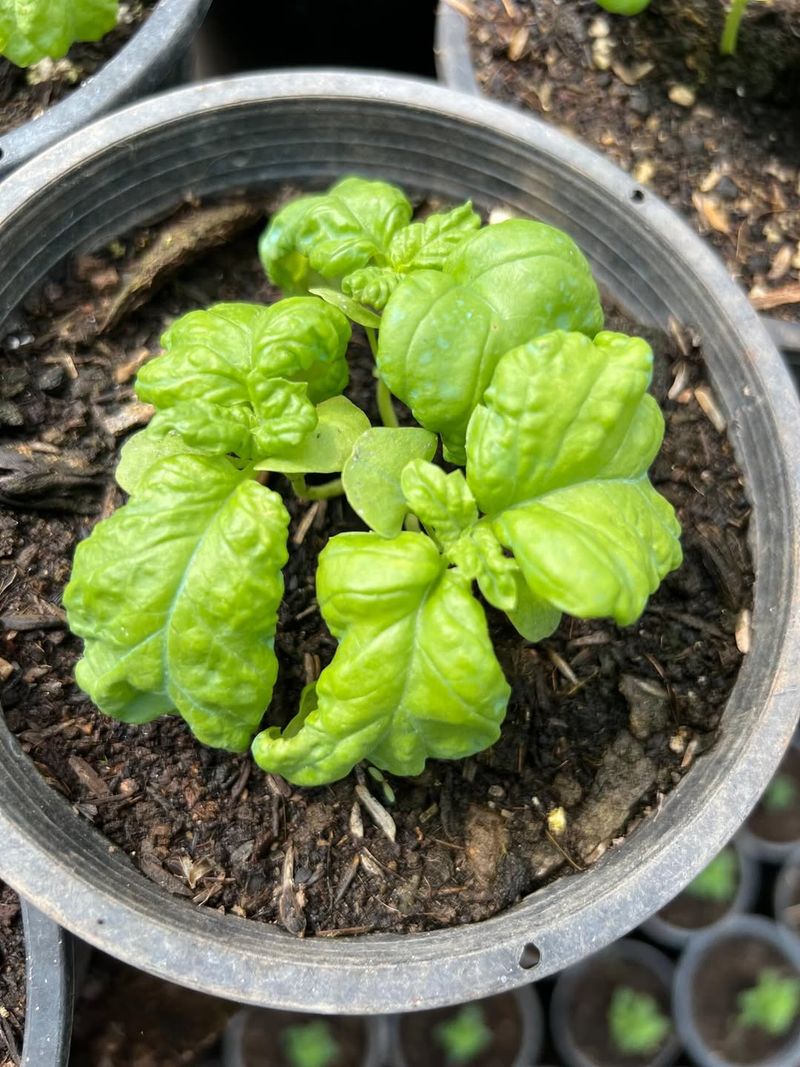
Fresh basil straight from your own garden is one of summer’s best rewards, and it all starts with sowing seeds indoors in March here in Detroit.
Basil (Ocimum basilicum) is extremely frost-sensitive, so it cannot go outside until all danger of frost has passed, which in Detroit typically means late May.
Starting seeds indoors 6 to 8 weeks early gives you a strong, leafy plant ready to hit the ground running.
Plant basil seeds just barely below the soil surface, about an eighth of an inch deep, in a warm spot with plenty of light. Soil temperature should stay around 70 degrees Fahrenheit for reliable germination, which usually happens within 5 to 10 days.
Basil seedlings are sun lovers, so place them in your brightest south-facing window or under grow lights for at least 6 to 8 hours of direct light daily.
Water at the base of the plant rather than from above to reduce the risk of fungal issues, which basil is prone to in humid indoor conditions. Thin seedlings to avoid overcrowding, keeping the strongest one per cell or small pot.
Once Detroit’s nighttime temperatures stay reliably above 50 degrees, begin hardening off your basil plants before moving them outdoors. Planted in a warm, sunny garden bed, basil grows quickly and pairs beautifully with your homegrown tomatoes all summer long.
5. Cabbage
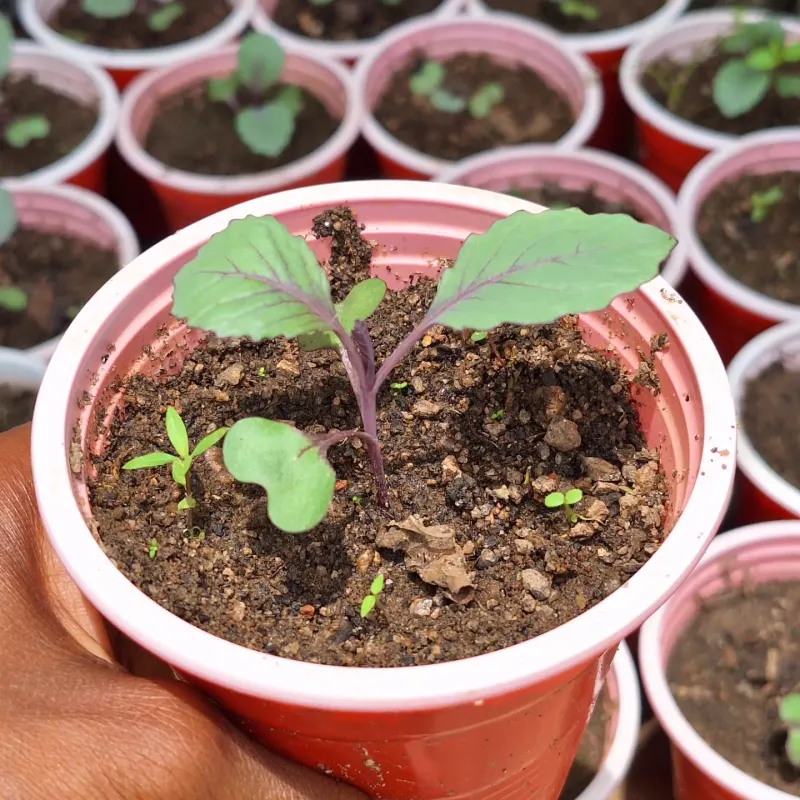
Cabbage is one of the toughest vegetables you can grow, and starting it indoors in March gives Detroit gardeners a big advantage for the spring season.
Brassica oleracea var. capitata is a cool-season crop that actually prefers being transplanted into the garden while temperatures are still mild, making it a perfect candidate for early indoor sowing.
Starting seeds 4 to 6 weeks before your planned outdoor planting date, which is typically early to mid-April in Detroit, puts you right on schedule.
Sow cabbage seeds about a quarter inch deep in seed-starting mix and keep the growing area around 65 to 75 degrees Fahrenheit for good germination. Seeds usually sprout within 5 to 10 days.
Once seedlings are up, they prefer slightly cooler conditions, around 60 to 65 degrees, which actually mimics the outdoor spring environment they will move into.
Provide bright light for at least 12 to 14 hours per day to keep seedlings compact and strong. Leggy cabbage seedlings struggle to establish outdoors, so good lighting indoors is non-negotiable.
Cabbage is one of the more frost-tolerant transplants, able to handle light frosts once hardened off properly. This means Detroit gardeners can move them to the garden a few weeks before the last frost date, getting a head start on a crunchy, satisfying harvest.
Varieties like Early Jersey Wakefield and Golden Acre thrive in Michigan’s spring conditions.
6. Broccoli
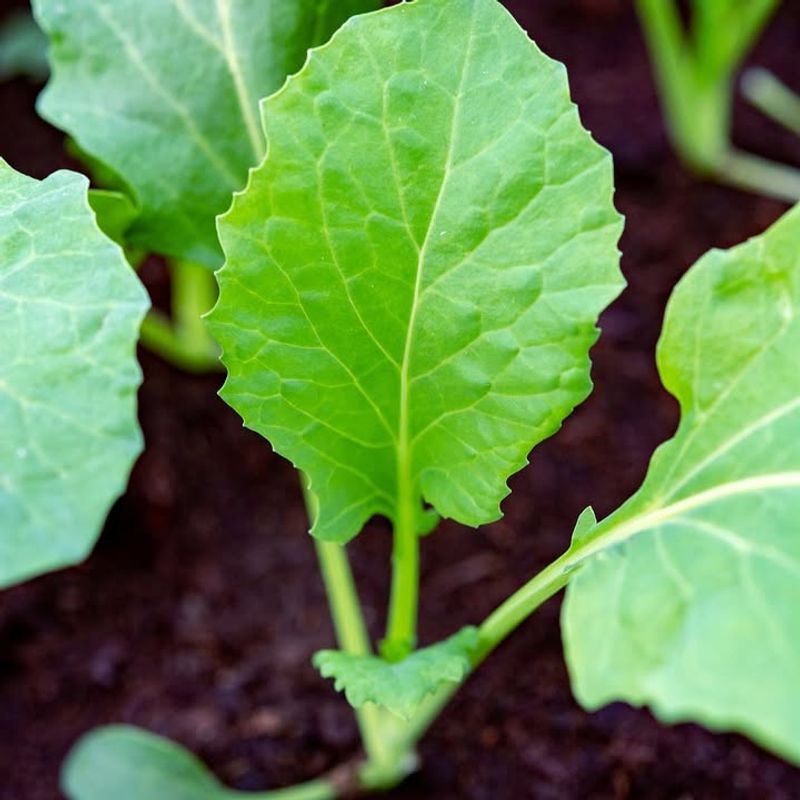
Broccoli is a powerhouse vegetable that loves cool weather, and starting it indoors in March sets Detroit gardeners up for a rewarding early harvest.
Brassica oleracea var. italica grows best when it matures during mild spring temperatures rather than summer heat, which can cause it to bolt and become bitter.
Sowing seeds indoors in early March and transplanting in late April gives you the perfect timing window for Michigan’s climate.
Start broccoli seeds about a quarter inch deep in seed-starting mix, keeping soil temperatures between 65 and 75 degrees Fahrenheit. Germination is typically quick, often just 5 to 7 days, which makes broccoli one of the more satisfying seeds to watch sprout.
Once seedlings emerge, move them to a bright location with 12 to 14 hours of light daily to keep growth compact and healthy.
Broccoli seedlings are fairly tough and can handle mild cold once hardened off properly, which works perfectly for Detroit’s April weather. Begin hardening off about a week before transplanting by setting seedlings outside in a sheltered spot for a few hours each day.
Gradually increase outdoor exposure before planting them in the garden. Broccoli is a heavy feeder, so mix compost into your garden bed before transplanting.
Varieties like Calabrese and Belstar are reliable performers in Michigan gardens and produce firm, full heads that make all the indoor effort completely worth it.
7. Cauliflower
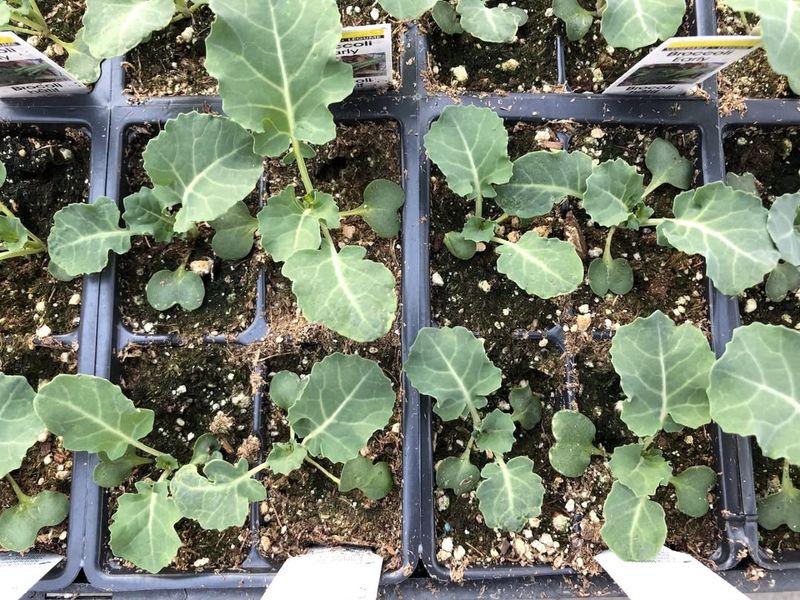
Cauliflower has a reputation for being a bit tricky, but starting it indoors in March in Detroit gives it the long, steady growth period it needs to succeed.
Brassica oleracea var. botrytis is a cool-season crop that needs consistent conditions from seedling stage all the way through to harvest.
It is more sensitive to temperature swings than broccoli or cabbage, which is why giving it a controlled indoor start is such a smart strategy for Michigan gardeners.
Sow cauliflower seeds about a quarter inch deep in seed-starting mix and keep soil temperatures around 65 to 70 degrees Fahrenheit for good germination. Seeds typically sprout within 5 to 10 days.
Once seedlings are up, keep them in a slightly cooler spot indoors, around 60 to 65 degrees, to mimic the outdoor conditions they will eventually grow in.
Bright light is critical for cauliflower seedlings. Without enough light, they stretch out and become weak, which makes outdoor establishment harder.
Use a grow light set to 12 to 14 hours daily for the best results. Cauliflower also benefits from consistent moisture throughout its growth cycle, so never let the soil dry out completely.
When plants reach 4 to 6 inches tall, begin hardening them off before transplanting into Detroit garden beds in late April. Varieties like Snowball and Amazing are well-suited to Michigan’s spring growing season and produce beautiful, tight heads.
8. Herbs (Parsley, Cilantro)
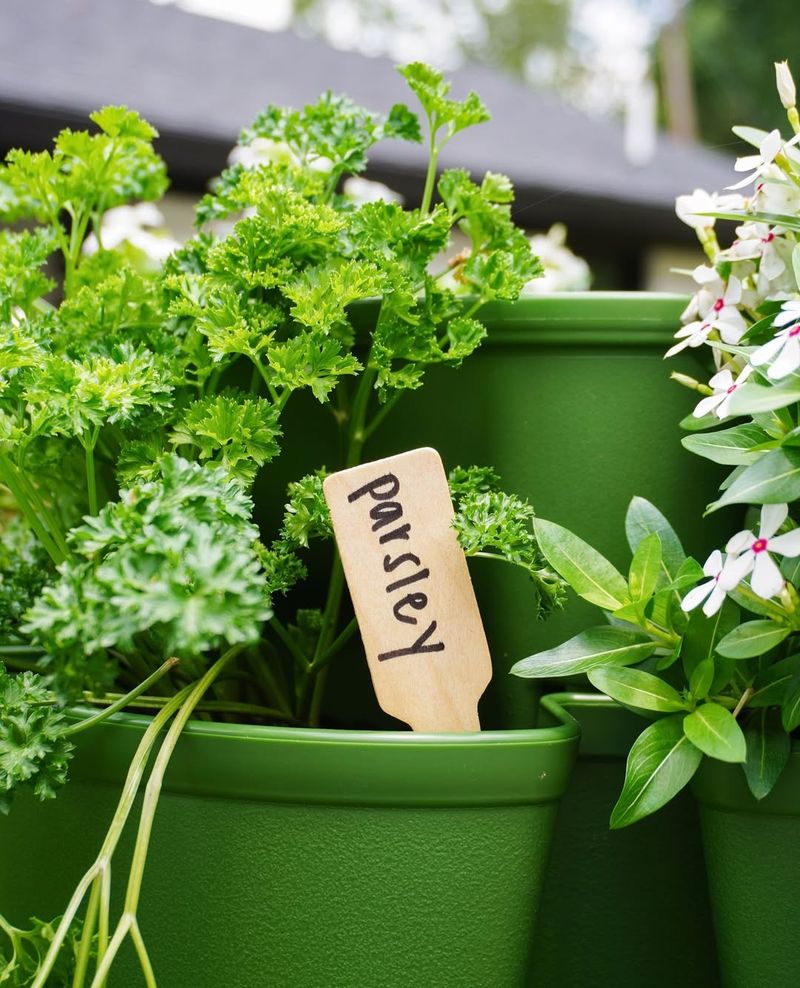
Fresh herbs straight from your own garden add incredible flavor to spring and summer meals, and March is the right month to get them started indoors in Detroit.
Parsley (Petroselinum crispum) and cilantro (Coriandrum sativum) are both easy to grow from seed and thrive when given an indoor head start before Detroit’s outdoor season begins.
Starting them in early March means you will have flavorful, ready-to-harvest herbs by the time the garden is in full swing.
Parsley seeds are notoriously slow to germinate, sometimes taking 2 to 4 weeks even under ideal conditions. Soaking seeds in warm water for 24 hours before planting can speed things up noticeably.
Sow parsley seeds about an eighth of an inch deep in moist seed-starting mix and keep soil temperature around 65 to 70 degrees Fahrenheit for best results.
Cilantro germinates faster than parsley, usually within 7 to 10 days, and prefers slightly cooler soil temperatures around 60 to 65 degrees.
One tip worth knowing: cilantro does not love being transplanted, so starting it in biodegradable pots that go directly into the soil reduces root disturbance.
Both herbs need bright light indoors, at least 6 hours of direct sun or 12 to 14 hours under grow lights.
Once Detroit’s outdoor temperatures are consistently above 50 degrees, your parsley and cilantro transplants will be ready to move outside and reward you with fresh, aromatic harvests all season long.