March Is The Best Time To Move These Florida Plants (Before Heat Stress)
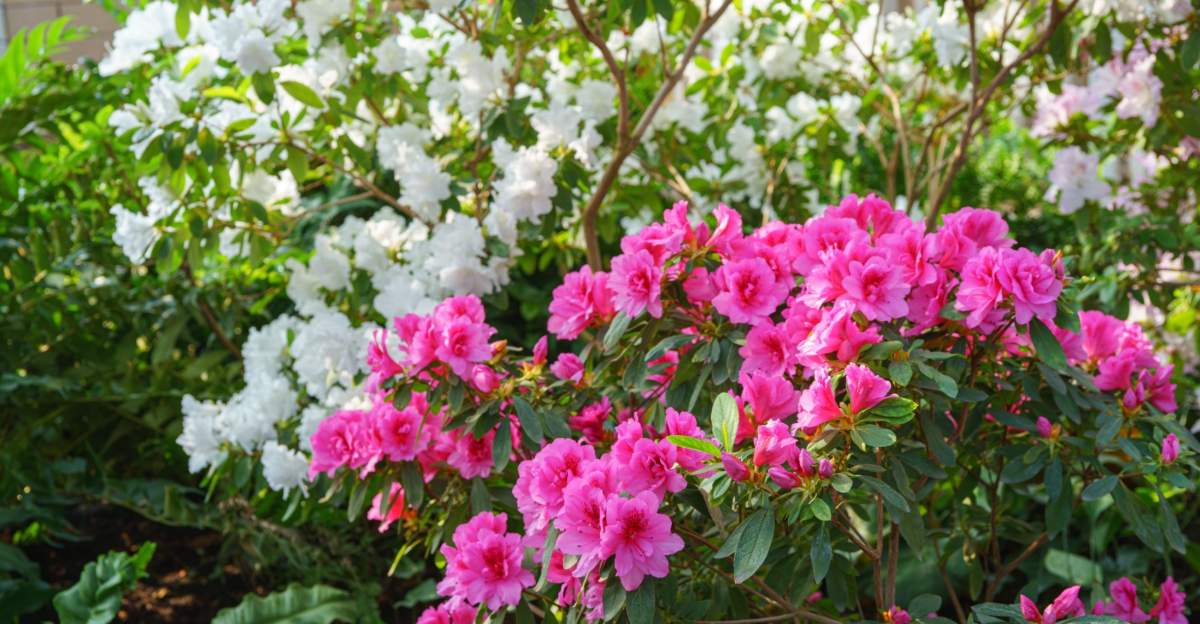
March is a sweet spot in the Florida garden calendar. The air is warming up, the days are getting longer, and plants are starting to wake up after the mild winter season.
It is also the moment when many gardeners realize a plant ended up in the wrong place. Maybe a shrub grew larger than expected.
A perennial looks crowded. A sunny spot turned out to be too shady or vice versa.
Moving plants is often the best solution, but timing matters more than most people think. Once Florida’s intense heat settles in, transplanting becomes much harder on plants.
Roots struggle to adjust, leaves wilt quickly, and recovery can take weeks. That is why experienced Florida gardeners often make their moves in March.
The soil is warm enough for roots to grow, but temperatures are still mild enough to reduce stress. It is the perfect window to relocate certain plants before the real heat of summer arrives.
1. Move Hibiscus Before Summer Heat Arrives
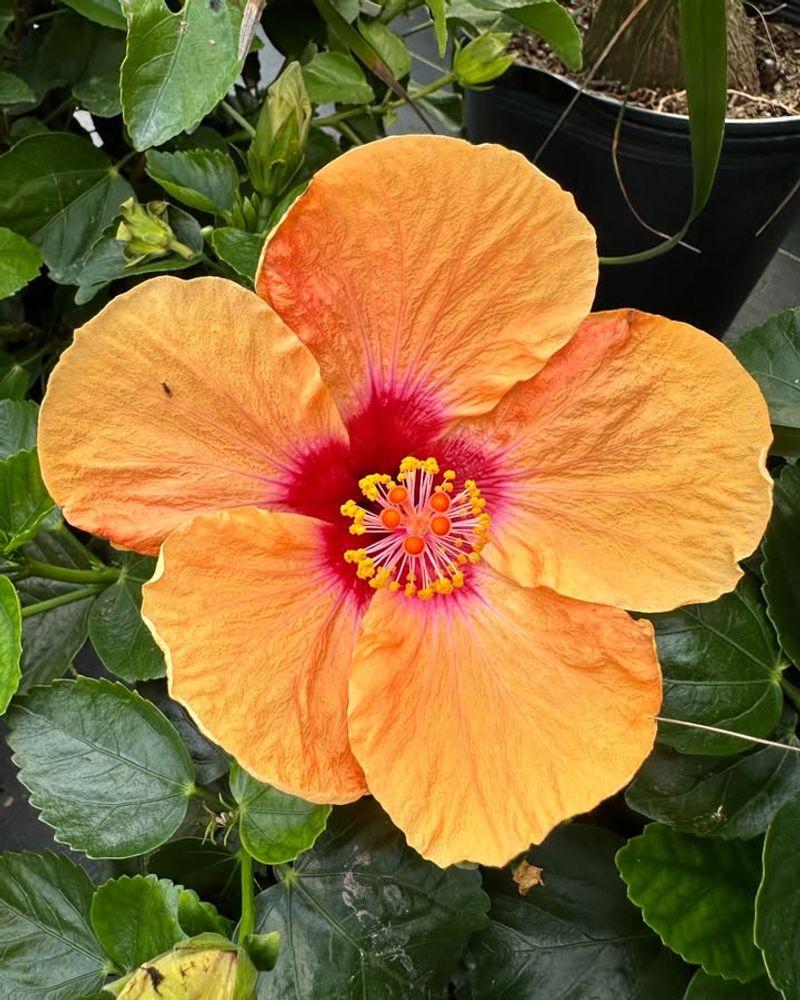
Few plants scream Florida quite like a tropical hibiscus in full bloom, and March is genuinely the best month to give one a new home. When you move hibiscus before summer heat kicks in, the plant has a real chance to push new roots into fresh soil while temperatures are still forgiving.
A hibiscus moved in July would spend most of its energy just surviving, not growing.
According to University of Florida IFAS Extension, tropical hibiscus performs best in full sun with well-drained, slightly acidic soil. When transplanting, dig a hole twice as wide as the root ball and just as deep.
Water the plant deeply the day before you move it so the roots are well hydrated going into the process.
After replanting, add a two-inch layer of mulch around the base without letting it touch the stem. This helps retain soil moisture and keeps roots cooler as temperatures begin climbing.
Water consistently for the first two to three weeks after the move. Avoid heavy fertilizing right after transplanting, since tender new roots can be sensitive to salts.
Give the plant a few weeks to settle before resuming a regular feeding schedule.
2. March Is Ideal For Transplanting Gardenias
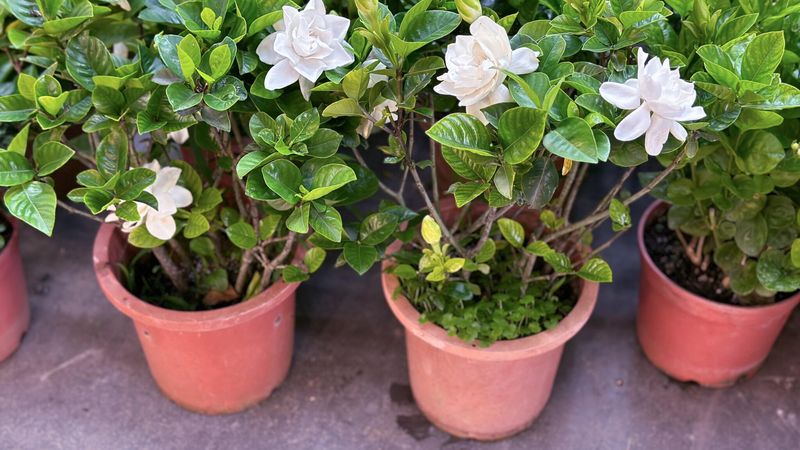
Gardenias are one of those plants that reward patience and good timing. Their creamy white flowers and intoxicating fragrance make them a favorite across Florida landscapes, but they are also surprisingly sensitive to environmental changes.
Moving a gardenia at the wrong time of year can set it back significantly, which is why early March is such a valuable window.
When gardenia roots get a chance to establish during mild spring weather, the plant enters summer with a solid foundation. Florida IFAS research highlights that gardenias prefer slightly acidic, well-drained soil with a pH between 5.0 and 6.5.
Before transplanting, test your soil and amend it with sulfur or acidic compost if needed.
Dig up as much of the root ball as possible to minimize root disturbance. Replant at the same depth the gardenia was growing before, since planting too deep can cause stem rot.
Your Florida Garden Changes Every Week. Your Plan Should Too.
Gardening in Florida changes quickly throughout the season. Every Friday you’ll receive a simple weekly plan showing exactly what to plant, prune, fertilize, harvest, and protect so you never miss the right timing.
Water thoroughly after planting and keep the soil consistently moist, not soggy, for the first several weeks. Gardenias moved in March often bloom beautifully by late spring, rewarding Florida gardeners with fragrant flowers just in time for warmer weather.
3. Firebush Handles Early Spring Moves Well
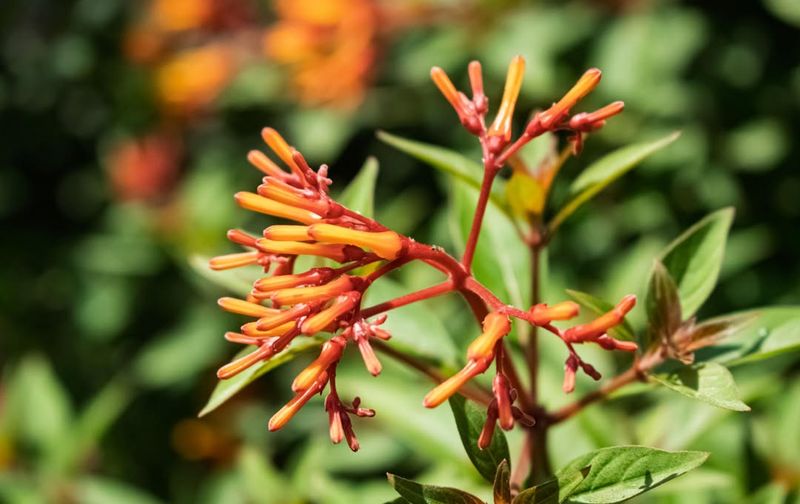
In Florida gardens, firebush is famous for handling a move like a champ. Hamelia patens, as it is scientifically known, thrives in Florida’s heat and humidity once established, but getting it settled before summer makes a noticeable difference in how quickly it bounces back.
March transplanting gives firebush the mild temperatures it needs to push new roots without the added pressure of intense sun and heat.
This semi-evergreen shrub is a magnet for hummingbirds and butterflies, making it a popular choice in pollinator-friendly Florida landscapes. It adapts to a range of soil types, from sandy coastal soils to heavier inland clay-based soils, as long as drainage is adequate.
When relocating firebush, prune it back by about one-third before moving to reduce the demand on the root system.
Plant it in a full sun to partial shade location and water it deeply right after replanting. For the first month, water every two to three days unless rainfall is adequate.
Firebush is considered drought-tolerant once established, but during those early weeks after a spring move, consistent moisture is what fuels recovery. Florida gardeners often find this plant rebounds faster than expected when moved in early spring.
4. Crotons Adapt Quickly When Moved In March

Bold, dramatic, and unapologetically colorful, crotons are among the most eye-catching shrubs in any Florida landscape. Their leaves can display a stunning mix of orange, red, yellow, and green, sometimes all on the same plant.
Moving crotons in March gives them the best shot at a smooth transition because mild temperatures reduce the shock that comes with any transplant.
Crotons can be fussy about environmental changes. When you move one, expect some leaf drop in the first week or two.
This is a normal stress response, not a sign that the plant is struggling beyond recovery. New growth typically appears within a few weeks once roots begin anchoring into fresh soil.
University of Florida IFAS recommends planting crotons in full sun to bring out the most vibrant leaf colors. Partial shade is tolerated, but the foliage tends to be less intense.
Dig a hole wide enough to accommodate the full root ball without cramping the roots. After replanting, water thoroughly and apply mulch to help retain moisture.
Avoid moving crotons on extremely windy days, since wind increases moisture loss through the leaves and adds unnecessary stress to an already adjusting plant. Florida gardeners who follow these steps typically see strong recovery within a month.
5. Relocate Ixora Before Heat Stress Begins
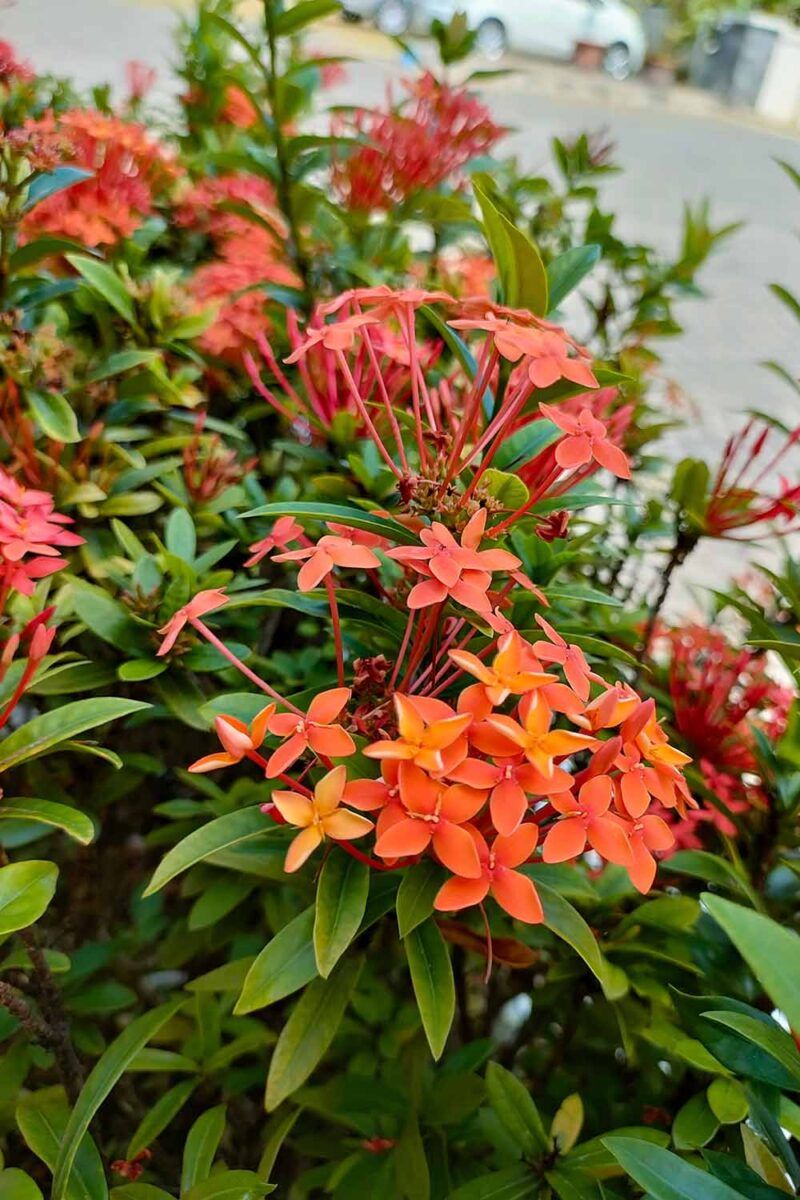
Ixora is a staple of South and Central Florida landscapes, valued for its clusters of bright red, orange, or yellow flowers that bloom almost continuously in warm weather. However, ixora is also one of those shrubs that benefits greatly from being moved at the right time.
March offers the kind of moderate temperatures that allow ixora roots to spread without the added challenge of summer heat pressing down on them.
Ixora strongly prefers acidic soil with a pH between 4.5 and 5.5. Before relocating your plant, check the soil pH at the new location and amend with sulfur if needed.
Florida’s sandy soils can sometimes be too alkaline for ixora, leading to yellowing leaves, a condition known as iron chlorosis.
When digging up ixora, try to keep the root ball as intact as possible. Replant at the same depth and water generously right after transplanting.
A layer of acidic mulch, like pine needles or pine bark, helps maintain the right pH and keeps roots cool. Ixora moved in March tends to establish well before summer arrives, rewarding Florida gardeners with those gorgeous flower clusters just as the warm season gets going.
6. March Is A Good Time To Move Azaleas

Azaleas are beloved throughout Florida for their spectacular spring flower displays, and moving them in March can actually work in your favor if done correctly. Right after bloom is often recommended, but early March, just before or during early bloom, still falls within an acceptable transplanting window.
The key is acting while temperatures remain mild and before summer heat raises the stakes.
Azaleas have shallow, fibrous root systems that are relatively easy to dig up intact. This makes them more forgiving during transplanting compared to deeper-rooted shrubs.
Florida IFAS Extension recommends planting azaleas in partially shaded spots with well-drained, acidic soil. Too much direct afternoon sun stresses azaleas, especially in South Florida where the sun is particularly intense.
Prepare the new planting hole by mixing in organic matter like peat moss or compost to improve drainage and lower soil pH. After transplanting, water deeply and mulch generously around the base, keeping mulch a few inches away from the main stem.
Azaleas are sensitive to overwatering, so check soil moisture before each watering session. Florida gardeners who move azaleas in March give them a full growing season to settle in before facing their first summer in a new spot.
7. Indian Hawthorn Transplants Well In Spring

When Florida landscapers want a shrub that rarely causes problems, they often choose Indian hawthorn. Its clusters of pink or white flowers appear in early spring, and its dense, rounded form makes it a natural fit for borders, foundation plantings, and coastal landscapes.
Moving Indian hawthorn in March lines up well with its natural growth cycle, giving it time to push roots before summer heat sets in.
This shrub is relatively tolerant of Florida’s sandy soils and salt spray, which makes it a popular choice in coastal communities. When transplanting, water the plant thoroughly the day before the move.
Use a sharp spade to cut a clean circle around the root zone, going at least twelve inches deep to capture as much of the root system as possible.
Replant at the same depth in a full sun location for best flowering performance. Indian hawthorn can tolerate partial shade but may produce fewer blooms.
After planting, water deeply and apply mulch to protect developing roots. Avoid over-fertilizing in the weeks right after transplanting.
Florida gardeners often appreciate how quickly Indian hawthorn settles into a new location when moved during the cooler, more forgiving conditions of early spring.
8. Move Podocarpus While Temperatures Are Mild

Podocarpus is a go-to plant for Florida homeowners who want a dense, elegant hedge or privacy screen. Its dark green, needle-like leaves give it a refined look that fits both formal and casual landscapes.
While podocarpus is generally tough and adaptable, moving it during the heat of summer puts unnecessary strain on the plant. March is a much smarter time to make the move.
Mild spring temperatures reduce moisture loss through the leaves while the root system adjusts to its new environment. Podocarpus can grow quite large, so when transplanting a mature specimen, be prepared to dig wide and deep to preserve as much of the root ball as possible.
Enlisting a helper makes the process easier and reduces the risk of dropping or damaging the root ball during the move.
Plant podocarpus in well-drained soil in full sun to partial shade. It tolerates Florida’s sandy soils well but benefits from a slow-release fertilizer application about six weeks after transplanting, once roots have had time to anchor.
Water consistently for the first month after the move. Florida gardeners who relocate podocarpus in March typically notice healthy new growth pushing out within four to six weeks, a reliable sign that the plant has taken hold.
9. Ligustrum Recovers Fast After A Spring Move

Ligustrum is one of the most forgiving shrubs a Florida gardener can work with. Its fast growth rate and adaptability to a range of soil types make it a practical choice for hedges, screens, and accent plantings across the state.
When moved in March, ligustrum tends to recover quickly because mild temperatures give roots time to establish without the pressure of peak summer heat.
One of ligustrum’s most useful qualities is its ability to tolerate hard pruning. Before relocating a ligustrum shrub, cut it back by up to one-third of its total height.
This reduces the leaf area the roots need to support and speeds up overall recovery after transplanting. It may look a little bare at first, but new growth fills in quickly.
Ligustrum performs well in full sun to partial shade and is not overly picky about soil, though it does best in well-drained conditions. Water deeply after transplanting and keep soil consistently moist for the first three to four weeks.
A light application of balanced fertilizer about a month after the move can help encourage new growth. Florida gardeners often find ligustrum is one of the easiest large shrubs to relocate, especially when the timing of the move falls in early spring.
10. Divide Muhly Grass Before Summer Heat

When muhly grass erupts into its famous cloud of pink-purple plumes in the fall, it stops people in their tracks. This native Florida grass is a showstopper, and March is the perfect time to divide and relocate established clumps before the hottest months arrive.
Dividing muhly grass in early spring refreshes older clumps that may have started to look hollow in the center and gives you new plants to fill in other areas of the landscape.
To divide muhly grass, use a sharp spade to cut through the root clump, separating it into sections that each contain healthy roots and foliage. Replant divisions at the same depth they were growing before, spacing them about two to three feet apart to allow room for their natural spreading habit.
Water each division thoroughly right after planting.
Muhly grass thrives in full sun and well-drained soil, which makes it a natural fit for Florida’s sandy landscapes. It is drought-tolerant once established, but newly divided clumps need regular watering for the first four to six weeks.
Avoid fertilizing heavily, since too much nitrogen encourages leafy growth at the expense of the stunning fall plumes. Florida gardeners who divide muhly grass in March can look forward to a full, healthy display come autumn.