These 9 Palm Trees Grow Surprisingly Well In Pots In Florida
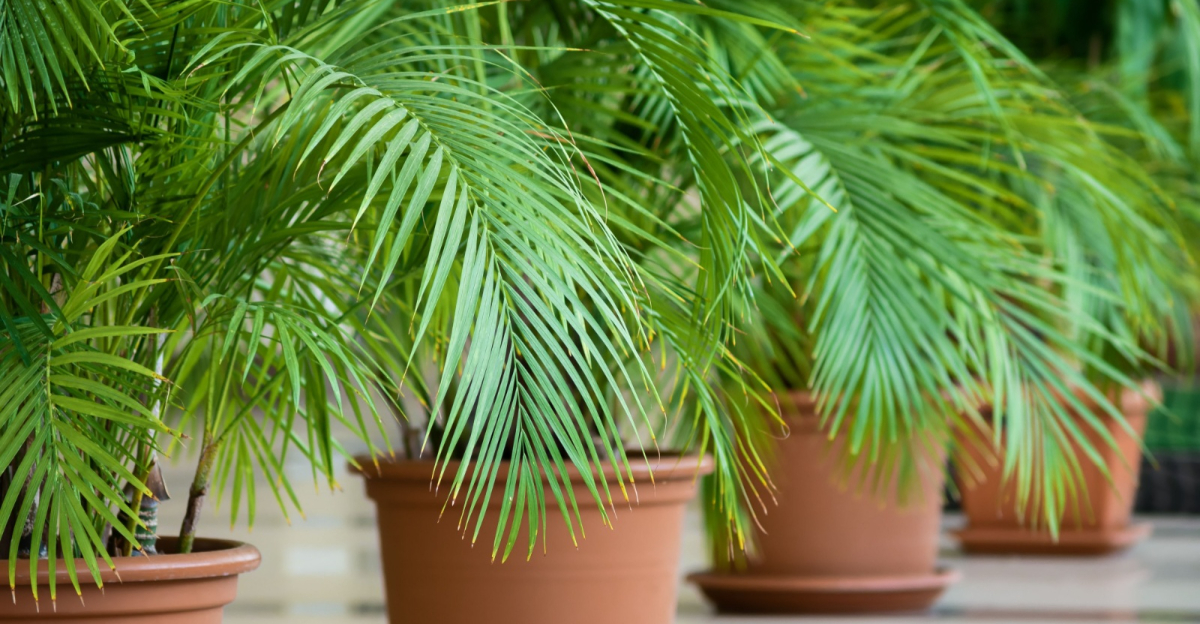
One palm tree can instantly make a space feel like Florida. A patio, balcony, or front porch can look ten times more tropical the moment a palm appears in the corner.
The problem is that many gardeners assume palms need a big yard to thrive. Tall trunks and wide canopies make them seem like plants meant only for large landscapes.
That assumption leaves a lot of Florida gardeners missing out. Several palm species actually grow extremely well in containers.
In the right pot with good drainage and the right amount of sunlight, these palms stay healthy, manageable, and surprisingly easy to care for.
For patios, pool areas, entryways, or small gardens, container palms can bring height, shade, and that classic Florida look without taking over the yard.
The key is choosing the right varieties that naturally adapt to life in a pot.
1. Pygmy Date Palm Fits Perfectly In Patio Pots
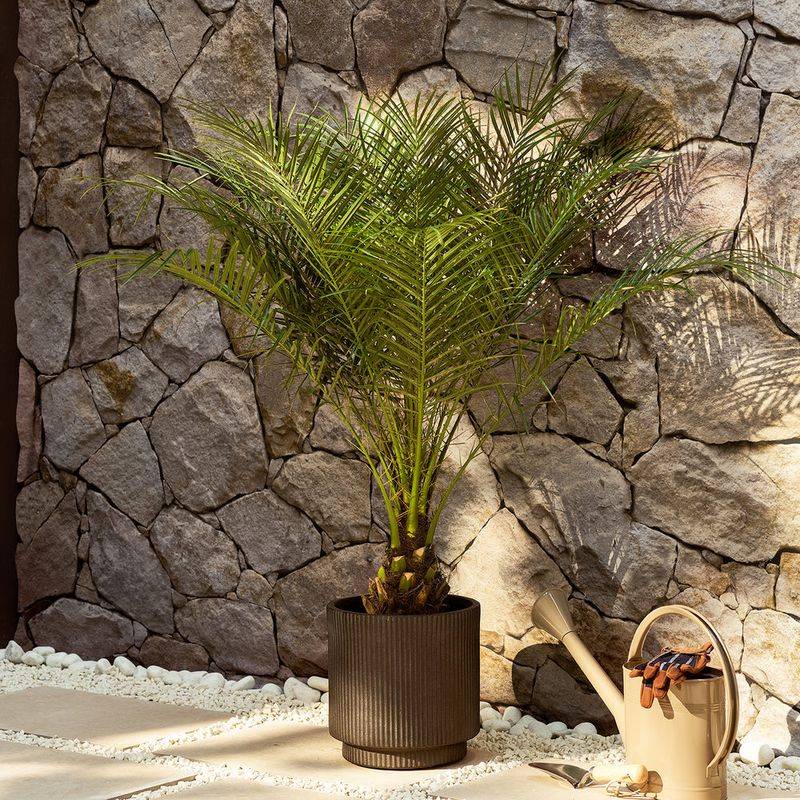
Few palms are as well-suited for patio containers as the Pygmy Date Palm, known botanically as Phoenix roebelenii. Reaching just 6 to 10 feet tall in a pot, it stays at a manageable size without losing any of its tropical charm.
Florida gardeners have long loved this palm for its graceful, arching fronds and slender, textured trunk that looks elegant in just about any container style.
When growing Pygmy Date Palm in pots, good drainage is the top priority. Use a quality palm potting mix with added coarse perlite to prevent soggy roots.
A container at least 18 to 24 inches wide gives the root system enough room to spread comfortably.
Fertilizing is important because container palms can run low on nutrients faster than in-ground plants. According to University of Florida IFAS Extension, palms in Florida are prone to potassium and magnesium deficiencies.
Use a slow-release palm fertilizer from spring through early fall to keep the fronds looking green and healthy. Water consistently during warm months, allowing the top couple of inches of soil to dry between waterings.
Full sun to partial shade works well for this beautiful, compact palm.
2. Areca Palm Brings Tropical Height To Containers
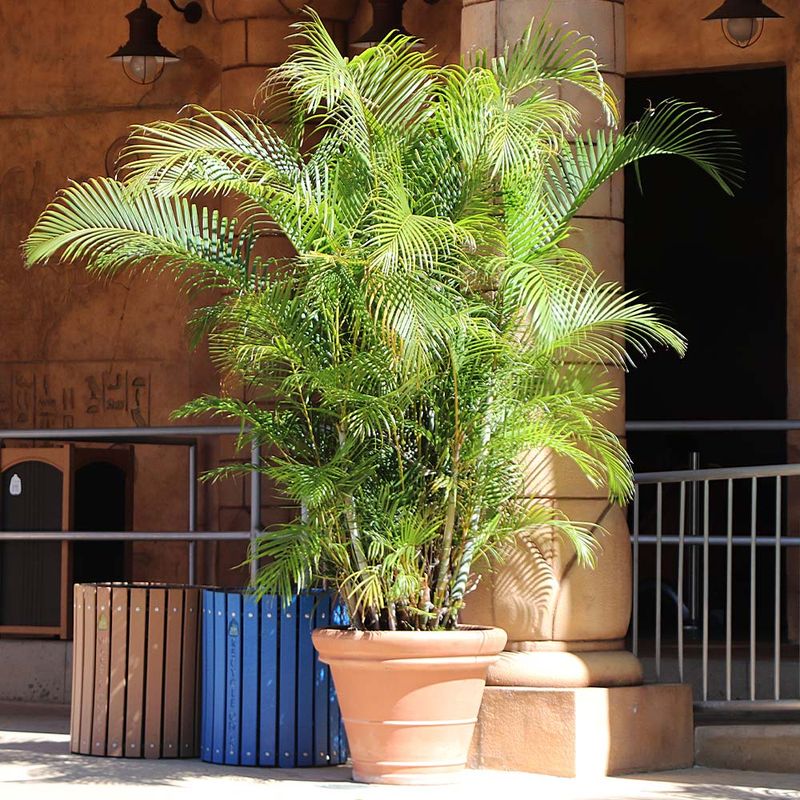
If you want height, movement, and that classic tropical resort feel on your patio or near your front door, Areca Palm delivers all of that and more. Botanically called Dypsis lutescens, this clustering palm produces multiple golden-green canes topped with feathery, arching fronds that sway beautifully in a warm Florida breeze.
It can reach 6 to 8 feet or more in a large container, making it one of the most dramatic potted palms available to Florida homeowners.
Areca Palm performs best in bright, indirect light or filtered sun. Direct midday sun in Florida summers can scorch the fronds, so placing the pot where it gets morning sun and afternoon shade tends to produce the healthiest growth.
Large containers, at least 24 inches wide and deep, give the clumping root system enough space to establish well.
Water regularly during the growing season, but never let the pot sit in standing water. University of Florida IFAS Extension recommends using a palm-specific slow-release fertilizer to prevent yellowing fronds caused by nutrient deficiencies.
Your Florida Garden Changes Every Week. Your Plan Should Too.
Gardening in Florida changes quickly throughout the season. Every Friday you’ll receive a simple weekly plan showing exactly what to plant, prune, fertilize, harvest, and protect so you never miss the right timing.
Areca Palm is also a popular choice for screened lanais and covered entryways across Florida, where it adds instant tropical style to any space.
3. Parlor Palm Thrives In Shaded Florida Patios
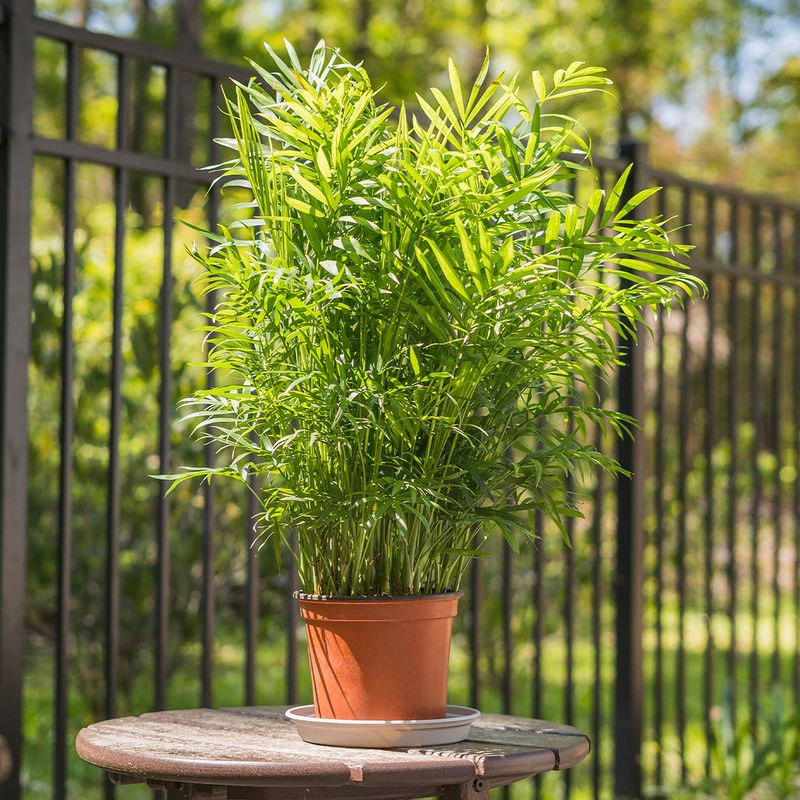
Not every Florida patio or porch gets full sun all day, and that is exactly where Parlor Palm earns its reputation. Chamaedorea elegans is one of the most shade-tolerant palms you can grow in a container, making it best suited for covered patios, shaded entryways, or indoor spaces where it stays protected from Florida’s intense heat and rain.
It grows slowly and stays relatively compact, typically reaching 4 to 6 feet in a pot over several years.
What makes Parlor Palm especially appealing for Florida gardeners is its adaptability. It handles low humidity, filtered light, and even air-conditioned indoor environments with ease, which means it transitions smoothly between an outdoor patio and an indoor living room.
That flexibility is hard to find in most tropical palms.
Pot Parlor Palm in a well-draining mix and choose a container with drainage holes to avoid root rot, which is a common issue in Florida’s wet season. Water when the top inch of soil feels dry, and avoid overwatering.
Feed with a diluted palm fertilizer every couple of months during the growing season. University of Florida IFAS Extension notes that Parlor Palm is a reliable, low-maintenance choice for shaded container settings throughout Florida’s warm climate zones.
4. Cat Palm Creates A Full Lush Look In Pots
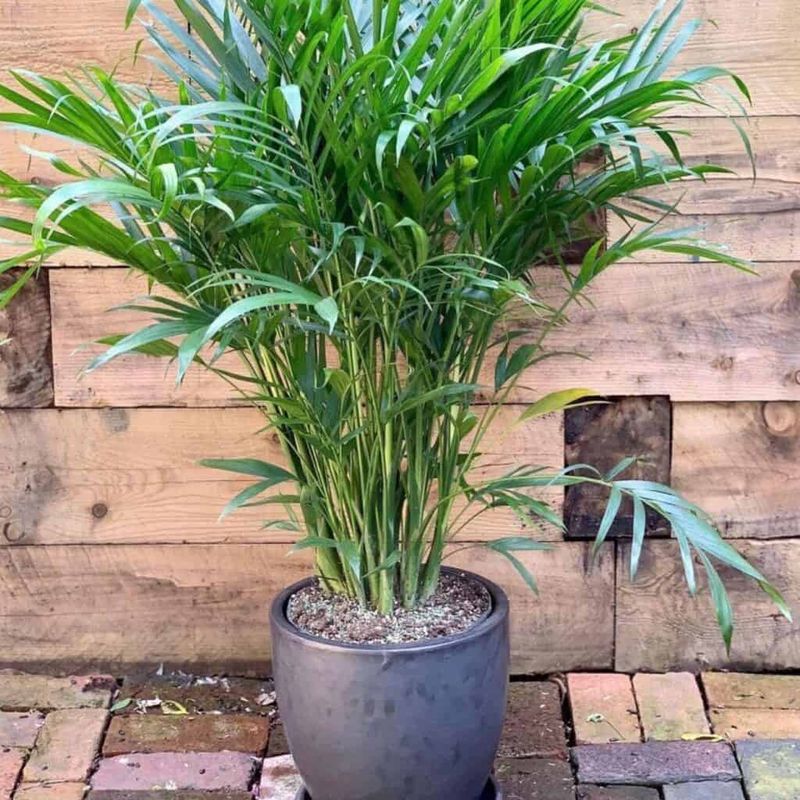
There is something almost jungle-like about a well-grown Cat Palm sitting in a container on a Florida patio. Chamaedorea cataractarum produces dense clusters of dark green, arching fronds that overlap and fill out beautifully, creating a full, lush tropical look that many other container palms simply cannot match.
Florida gardeners who want maximum visual impact from a single pot often reach for Cat Palm first.
Unlike some palms that look sparse in containers, Cat Palm fills in quickly and stays bushy at a manageable height of 4 to 6 feet. It prefers bright, indirect light or partial shade, making it a great choice for east-facing patios or spots that get filtered afternoon shade.
In Florida’s intense summer sun, too much direct exposure can bleach or scorch the fronds, so finding a partially shaded spot helps it look its best.
Keep the soil consistently moist but not waterlogged. Cat Palm is more sensitive to drought than some other species, so regular watering during Florida’s dry season is essential.
Use a well-draining palm mix and fertilize with a balanced palm fertilizer in spring and summer. Grouping Cat Palm with other tropical container plants creates a stunning layered effect on any Florida patio or poolside area.
5. European Fan Palm Stays Compact And Hardy
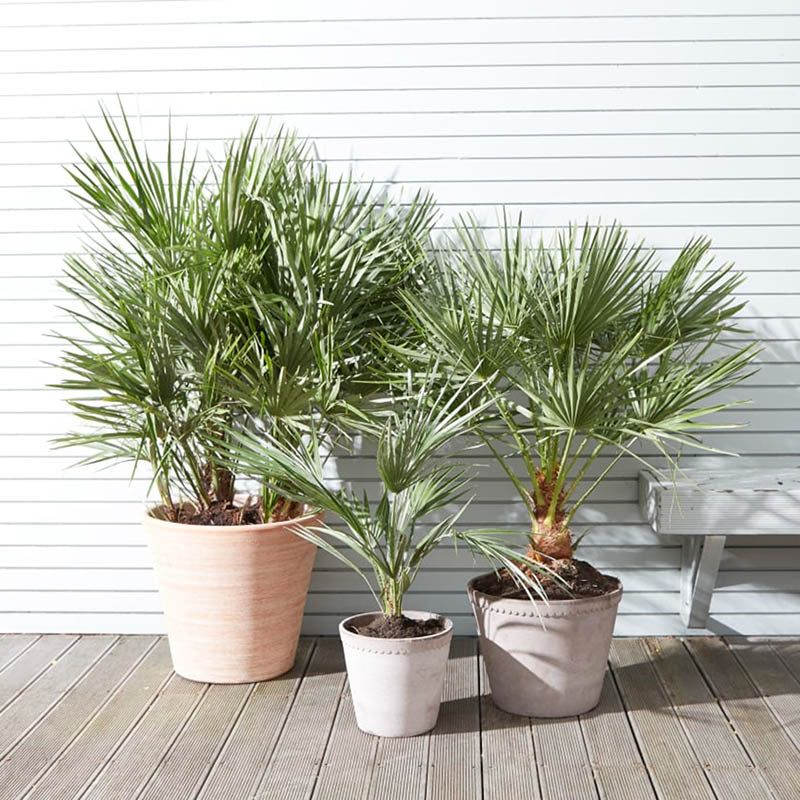
Toughness and good looks rarely come in the same package, but European Fan Palm manages both with ease. Chamaerops humilis is one of the hardiest palms available for container growing in Florida, tolerating heat, wind, salt air, and even mild cold snaps that would stress less resilient species.
Coastal Florida homeowners especially appreciate this palm because it handles salty breezes on balconies and waterfront patios without complaint.
Growing naturally as a clumping, multi-stemmed palm, it stays compact in containers, rarely exceeding 6 to 8 feet tall. Its stiff, fan-shaped leaves have a beautiful silver-green color that catches sunlight in a striking way.
Choose a wide, shallow container at least 20 inches across to accommodate its lateral spreading habit.
European Fan Palm is drought-tolerant once established, but younger container plants benefit from consistent watering during Florida’s dry season. Use a fast-draining palm soil mix and feed with a slow-release palm fertilizer in spring and summer.
According to University of Florida IFAS Extension, this palm performs well in Florida’s coastal and inland landscapes alike. Its slow growth rate means you will not need to repot frequently, making it a low-fuss, high-reward choice for busy Florida gardeners who want reliable beauty without constant upkeep.
6. Chinese Fan Palm Makes A Bold Container Statement
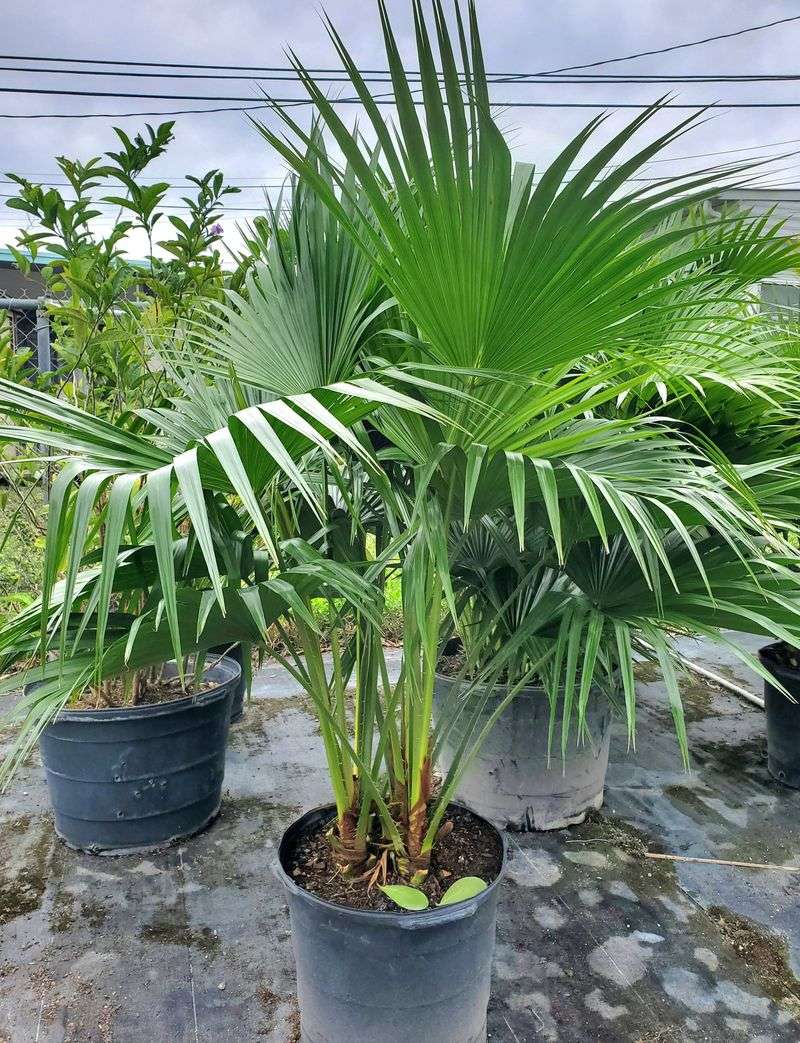
Bold, dramatic, and unmistakably tropical, Chinese Fan Palm commands attention wherever it is placed. Livistona chinensis produces large, circular fan-shaped leaves with distinctive drooping tips that give it a weeping, almost elegant appearance unlike any other container palm.
When placed near an entryway, beside a pool, or at the corner of a patio, it becomes an instant focal point that draws the eye and impresses visitors.
Chinese Fan Palm grows at a moderate pace and can eventually reach around 10 feet in a large container over time, though older plants may eventually need a larger pot or landscape space. It thrives in full sun to partial shade and handles Florida’s heat and humidity well.
Zones 10a through 11 are ideal, though it can perform in parts of Zone 9 with some protection.
Water needs are moderate, and this palm is somewhat drought-tolerant once established in its container. Use a well-draining palm potting mix and fertilize with a slow-release palm formula through the growing season.
Ganoderma fungal disease can affect mature landscape palms in Florida, so keeping container palms healthy and well-drained helps reduce stress-related issues.
7. Lady Palm Adds Elegant Texture To Entryways
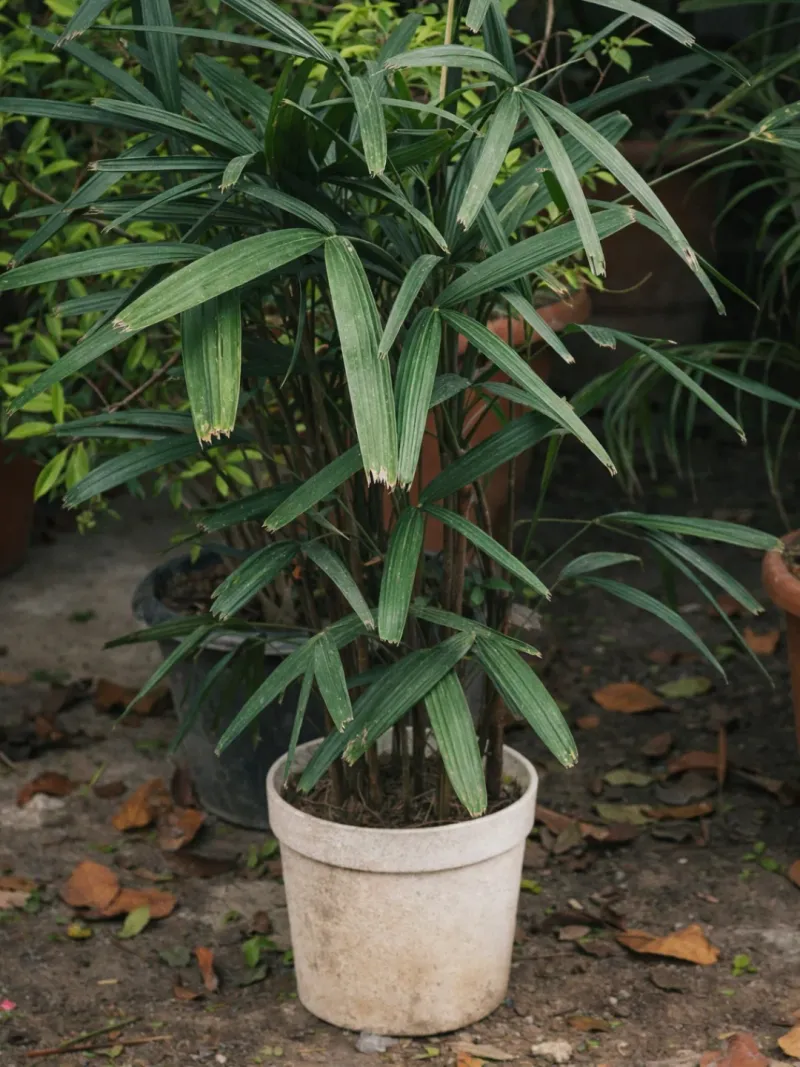
Rhapis excelsa, commonly called Lady Palm, brings a refined elegance to container growing that feels right at home framing a front door or decorating a shaded Florida patio. Its deep green, multi-lobed fan fronds grow on slender, bamboo-like stems and create a layered, textural appearance that looks polished and intentional in any setting.
Florida homeowners who want something a little more refined than a typical tropical palm often choose Lady Palm for its sophisticated look.
One of its best qualities is shade tolerance. Lady Palm handles low to moderate light conditions very well, making it an excellent choice for covered entryways, screened porches, and shaded garden corners where many palms would struggle.
It grows slowly, typically reaching 4 to 6 feet in a container, which means it stays neat and proportionate for years without needing repotting too often.
Water Lady Palm when the top inch of soil feels dry, and always use a container with drainage holes to prevent root rot during Florida’s rainy season. Feed with a balanced palm fertilizer in spring and summer.
University of Florida IFAS Extension recognizes Lady Palm as a reliable ornamental for Florida landscapes, and its adaptability to both indoor and outdoor container settings makes it one of the most versatile palms available to Florida gardeners.
8. Christmas Palm Brings Classic Florida Style To Patio Containers
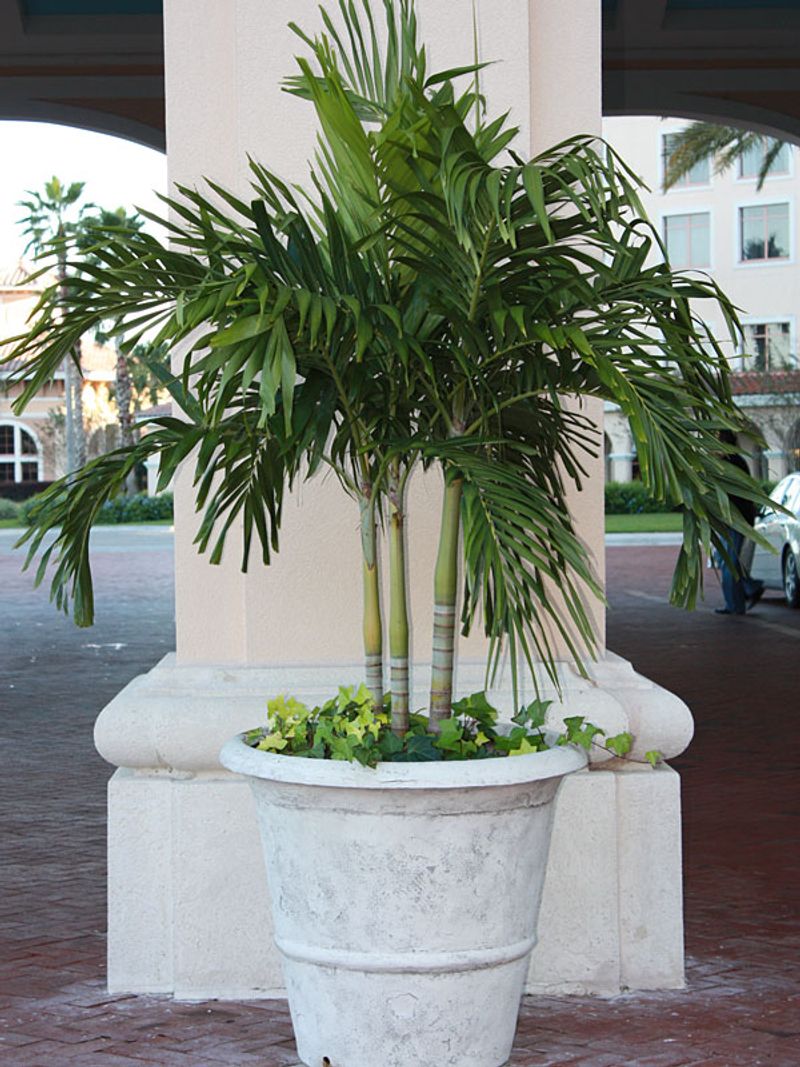
If you want a palm that instantly feels at home in a Florida container garden, Christmas Palm is one of the best choices available. Botanically known as Adonidia merrillii, this elegant palm is widely used across Florida patios, pool decks, and entryways because it stays relatively compact while still delivering that classic tropical look.
In containers, Christmas Palm typically reaches around 8 to 12 feet tall over time, creating height and structure without overwhelming the space. Its smooth gray trunk and arching green fronds give it a clean, resort-style appearance that works beautifully beside front doors, patios, and outdoor seating areas.
This palm thrives in Florida’s warm climate and performs well in full sun to partial shade. Choose a sturdy container at least 24 inches wide with good drainage to allow the roots enough space to develop.
A well-draining palm potting mix helps prevent soggy soil, which palms dislike.
Water regularly during the growing season but allow the top few inches of soil to dry slightly between waterings. Like most palms grown in Florida, Christmas Palm benefits from a slow-release palm fertilizer applied during spring and summer to prevent nutrient deficiencies.
One of the most charming features of this palm appears during the holiday season. Bright red ornamental fruits often develop in winter, giving the plant its festive name and adding an extra splash of color to Florida patios and container gardens.
9. Dwarf Palmetto Handles Florida Conditions With Ease
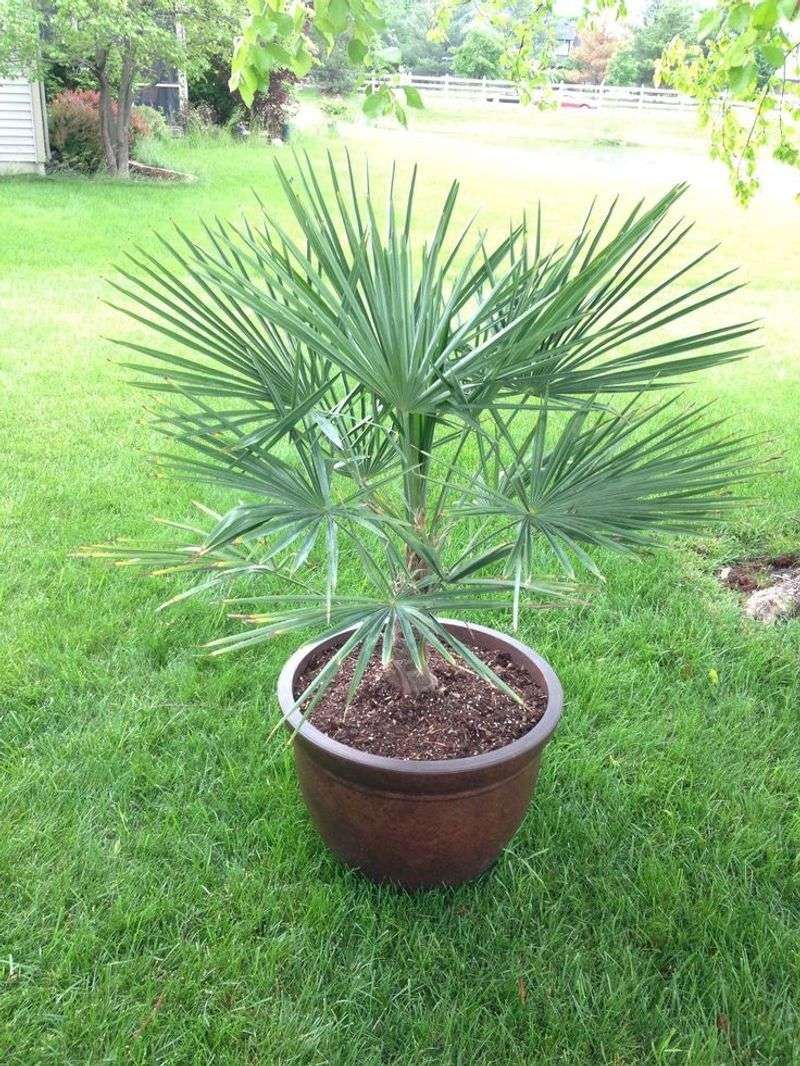
Florida has its very own container-worthy palm native to the region, and Dwarf Palmetto deserves far more attention than it typically gets. Sabal minor is naturally found growing in Florida’s understory forests and wetland edges, which means it is already perfectly adapted to the heat, humidity, and rainfall patterns that Florida gardeners deal with every single season.
That built-in toughness makes it a remarkably low-maintenance container option.
Dwarf Palmetto produces attractive fan-shaped, blue-green fronds that grow directly from the base without a prominent trunk, giving it a bold, architectural look in a large pot. It typically stays between 3 and 6 feet tall in containers, making it practical for patios, garden corners, and even covered outdoor spaces.
It handles both full sun and partial shade without much fuss.
Because it is native to Florida, Dwarf Palmetto is resistant to many of the pests and diseases that trouble non-native species. Water it regularly when young and getting established in its container, then reduce watering once it has settled in.
Fertilize lightly with a slow-release palm fertilizer in spring and summer. University of Florida IFAS Extension recommends Florida-native plants like Sabal minor as sustainable, resilient choices for Florida landscapes, and this one proves that native can also mean beautiful.