9 DIY Garden Edging Projects Florida Gardeners Can Make Without Much Effort
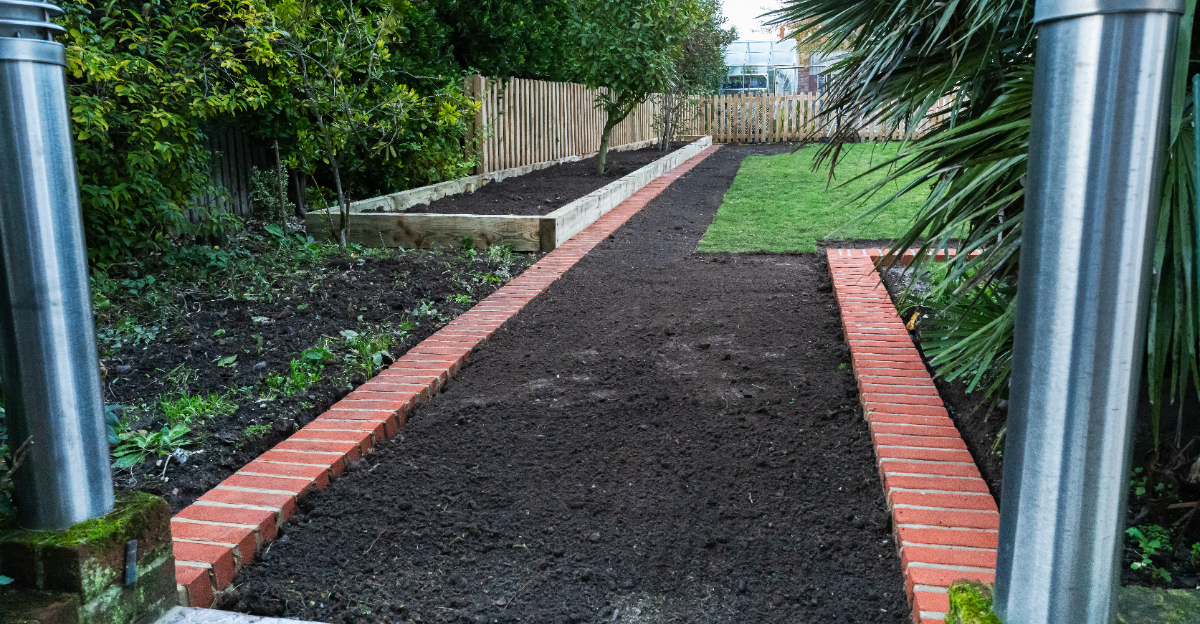
Garden edging is one of those things that makes an immediate difference without requiring a full weekend of work or a trip to a landscaping company.
A clean border between a bed and a lawn changes how the whole yard reads, and most Florida gardeners already have what they need to pull it off.
Store bought edging works, but it also looks like store bought edging. What goes in by hand tends to fit the yard better, costs less, and holds up surprisingly well in Florida’s rain and heat when it is done right.
Some of these projects are simple enough to start and finish in an afternoon. Some use materials most people already have sitting around.
All of them make a yard look more intentional without a lot of fuss.
1. Lay Brick Borders For Instant Curb Appeal
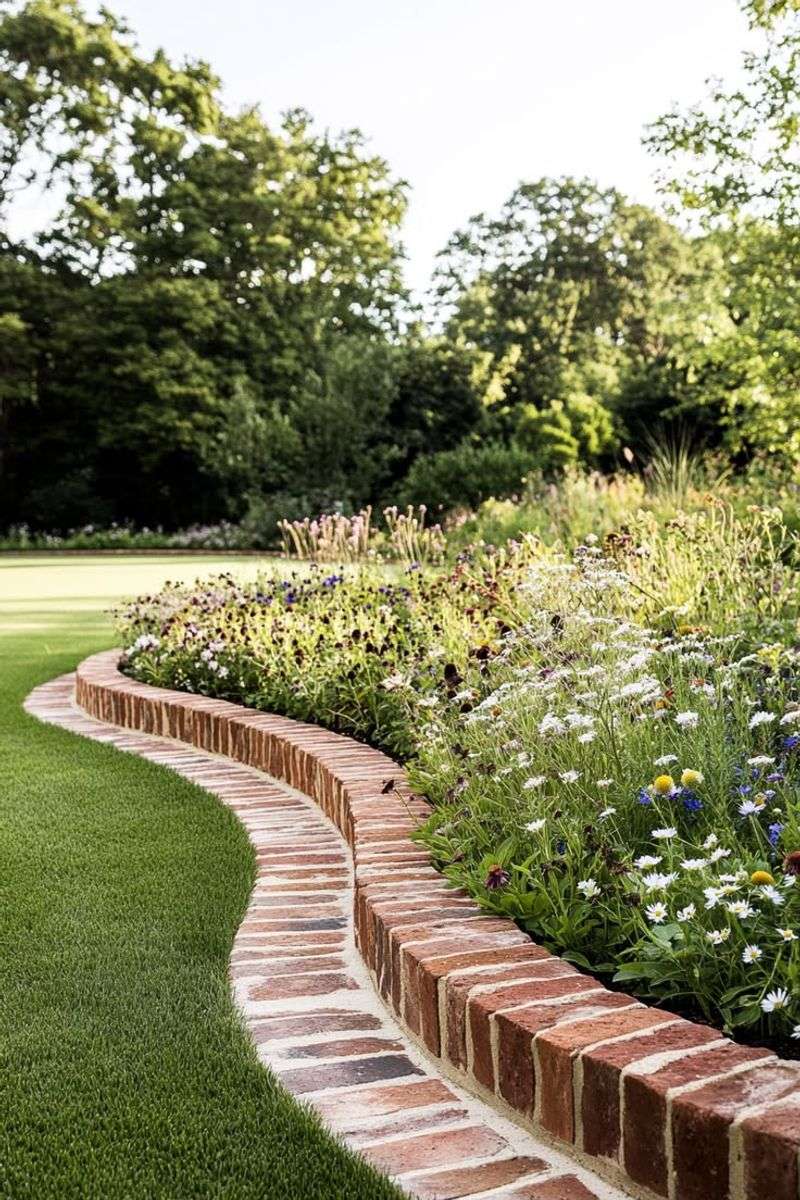
A clean brick border around a mailbox bed or front walkway can completely change the way a house looks from the street. Brick edging is one of the most classic DIY projects in Florida landscaping, and for good reason.
It is sturdy, widely available, and holds up well against humidity, heat, and the kind of heavy afternoon rain that rolls through most of the state nearly every summer day.
You can lay bricks flat for a low, subtle edge, set them upright for a taller border, or angle them in alternating directions for a sawtooth pattern that adds visual interest. Each style works well depending on whether you want something formal or more casual.
Reclaimed bricks from a salvage yard or old patio can save money, but check each piece carefully and skip anything with crumbling edges or deep cracks.
Start by digging a shallow trench along the bed edge and leveling the soil base before placing each brick. A rubber mallet helps seat pieces firmly without cracking them.
Leave just enough clearance for mower wheels to pass cleanly without catching the edge.
After heavy rain, sandy soil can shift a few pieces, so plan to reset any loose bricks as part of routine yard maintenance.
2. Set Paver Edging Along Mulch Beds
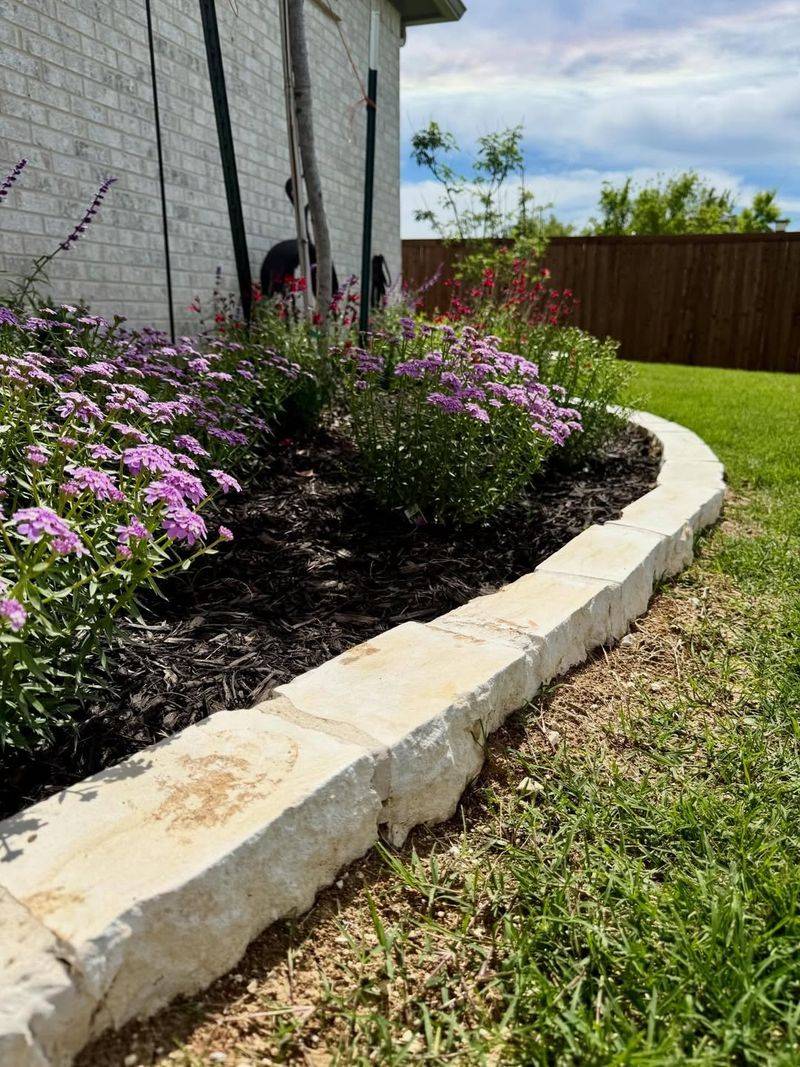
Mulch disappearing into the lawn after a heavy Florida downpour is one of the most frustrating yard problems homeowners deal with here.
Paver edging is one of the best solutions because the weight and size of pavers actually hold mulch in place better than lighter options like plastic strips or thin metal alone.
Pavers give beds a more finished, polished look than a simple dug trench, and they come in a wide range of styles and colors that can match or complement your home exterior.
They work especially well along curved entry garden beds, driveway borders, patio plantings, and any area where mulch tends to wash toward a sidewalk or street during summer storms.
Dig a shallow channel along the bed edge and add a thin, level base of sand or compacted soil before setting pavers tightly side by side. Check that mower wheels can pass nearby without bumping and dislodging pieces.
Your Florida Garden Changes Every Week. Your Plan Should Too.
Gardening in Florida changes quickly throughout the season. Every Friday you’ll receive a simple weekly plan showing exactly what to plant, prune, fertilize, harvest, and protect so you never miss the right timing.
Keeping each paver flush with the lawn surface makes mowing easier and reduces the chance of someone tripping on a raised edge.
In sandy Florida soil, even well-set pavers can shift slightly over time, so walk the border after heavy rains and press any loose pieces back into position.
3. Stack Natural Stones For A Sturdy Border
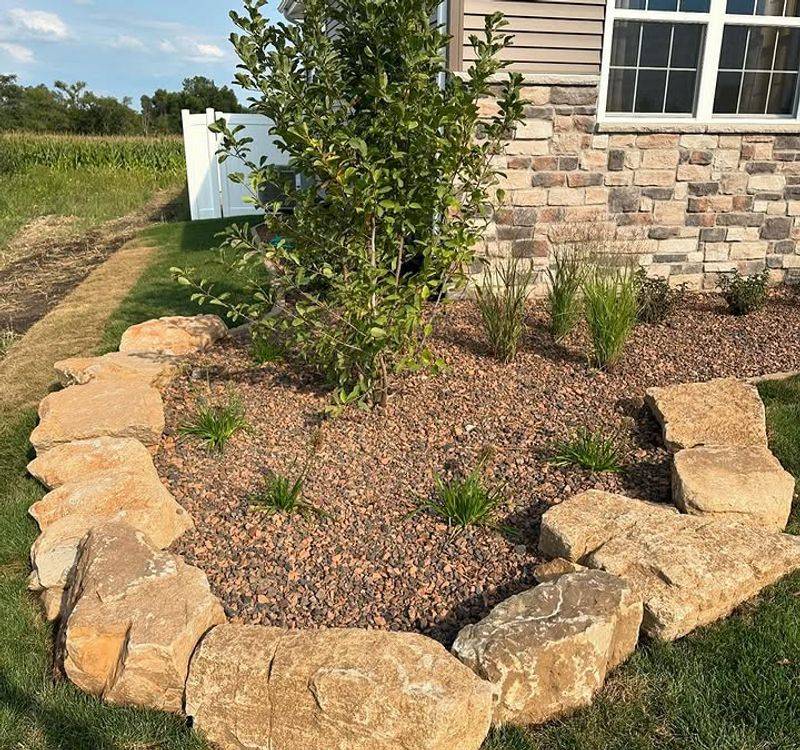
Sandy Florida soil has a way of sending lighter edging materials on an unplanned journey after a good soaking rain. Natural stone solves that problem with sheer weight and texture, staying put even when irrigation and summer storms hit the same bed twice in one week.
River rock, fieldstone, and local limestone all work well for low garden borders. The key is choosing pieces large enough to stay put on their own without needing mortar or stacking too high.
Nestle each stone partly into the soil so the base is stable, and keep the border low and intentional-looking rather than building a wobbly pile that tips over when someone brushes against it.
Natural stone adds a warm, organic look that pairs well with tropical plants, palms, and native Florida plantings. It is durable in heat and humidity and will not attract termites the way wood timbers can.
One important Florida-specific caution: rocks absorb and hold a lot of heat in full sun. Avoid pressing stones tightly against tender plant stems, especially in south-facing beds that bake through the afternoon.
A small gap between the stone edge and plant crowns lets air circulate and prevents heat stress on young or delicate plants during the hottest months.
4. Curve Metal Edging Around Tight Garden Beds
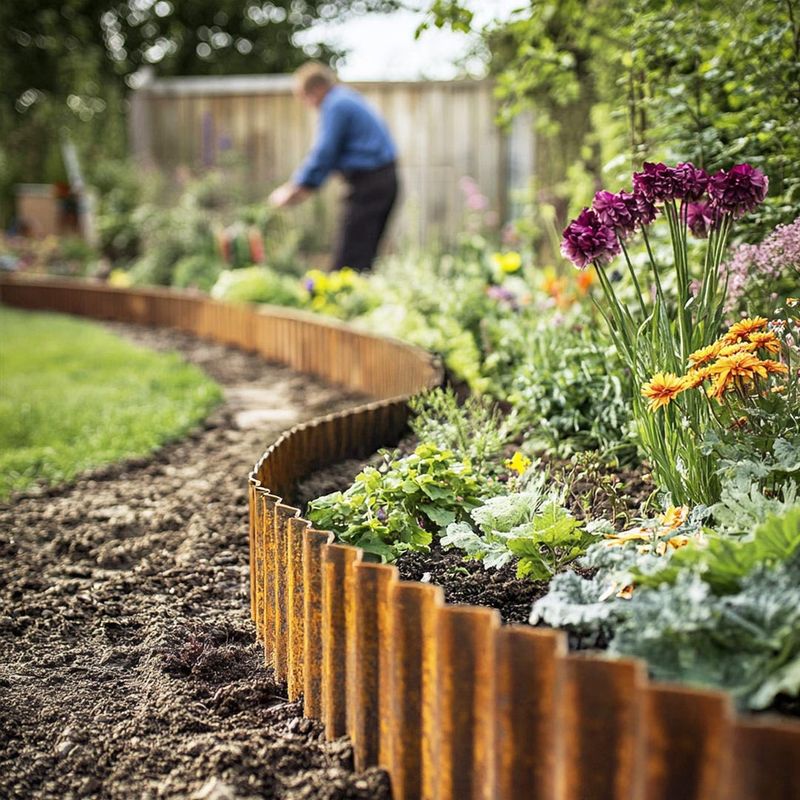
A crisp, clean bed edge with no grass creeping through is the kind of detail that makes a yard look professionally maintained even when you did all the work yourself on a Saturday morning.
Flexible metal edging delivers that sharp line without taking up much visual space, making it a great fit for modern beds, narrow borders, and curved areas where a bulkier material would look awkward.
Metal edging sits low, defining the bed edge at soil level so the focus stays on your plants rather than the border itself. It works especially well in tight spaces where pavers or bricks would feel too heavy or block the view of low-growing ground covers.
Florida yards benefit from metal edging specifically because it will not attract termites the way wood can, and it does not crack or soften in heat and humidity.
Install the edging by following the natural curve of the bed, pressing it firmly into the soil, and securing it with the stakes that typically come with the product. Keep the top edge even so mower wheels can roll past cleanly without bending the strip.
In sandy soil, repeated mowing vibration can gradually loosen stakes, so check the installation every few months and press any lifted sections back into place before the gap becomes a gap wide enough for grass to sneak through.
5. Pour A Simple Concrete Curb By Hand
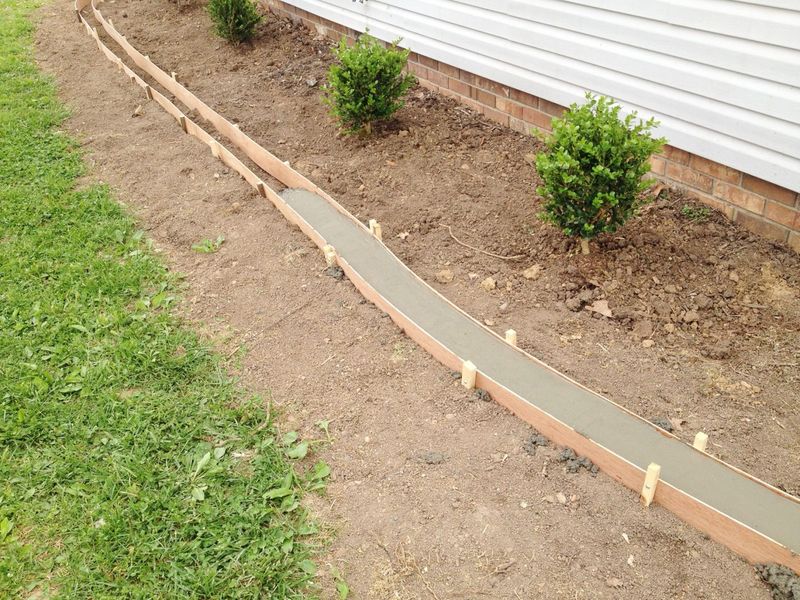
For homeowners who want a border that will genuinely stay put through years of Florida rain, summer heat, and fast-growing turf, a hand-poured concrete curb is one of the most permanent solutions you can build yourself without hiring a hardscape crew.
Kept small and simple, this is a very manageable weekend project.
Aim for short runs around a single bed, a mailbox planting, or a front walkway rather than trying to edge the entire yard in one pour.
Set up simple wooden forms to shape the curb, prepare a firm, level base so the concrete does not crack from shifting sandy soil, and keep the profile low and clean.
Curing time matters in Florida heat, so avoid pouring during the hottest part of the day and keep the surface lightly moist for the first day or two to prevent surface cracking.
Concrete handles humidity and rain extremely well once fully cured, and it will not rust, rot, or shift the way lighter materials can. The trade-off is permanence.
Unlike brick or stone, a concrete curb is difficult to move if you later want to reshape a bed, so take time to plan your bed lines carefully before mixing a single bag.
A slightly curved or gently angled curb looks more natural than a perfectly straight line in most Florida residential yards.
6. Shape Crushed Shell Into A Coastal Edge
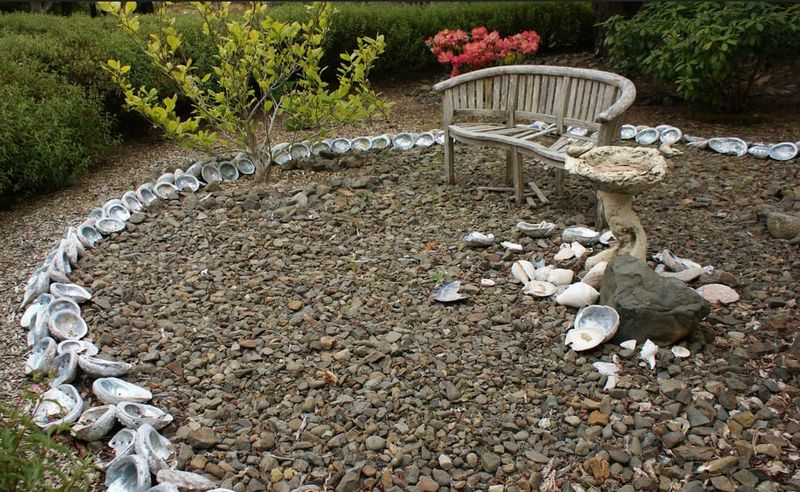
There is something unmistakably Florida about a yard that leans into its coastal roots, and crushed shell edging fits that look perfectly.
Shell creates a bright, casual border along beds, palm plantings, cottage-style paths, and patio gardens, and it costs far less than most hardscape materials when sourced locally.
Shell works best when contained within a defined boundary. Without a shallow trench or a secondary edge like metal or brick to hold it in place, shell spreads quickly under foot traffic and across the lawn after rain.
Lay a clean trench line first, then fill it with shell to the desired height. Some gardeners add landscape fabric beneath the shell layer in high-traffic areas to keep it from sinking into sandy soil too quickly, though fabric is not always necessary in lower-traffic beds.
Refresh the shell layer as it settles over time, which happens faster in Florida’s wet season than you might expect. Choose clean, rinsed material free of debris or strong odor.
One caution worth knowing: crushed shell is naturally alkaline, and as it breaks down slowly over time, it can raise soil pH in the immediate bed area.
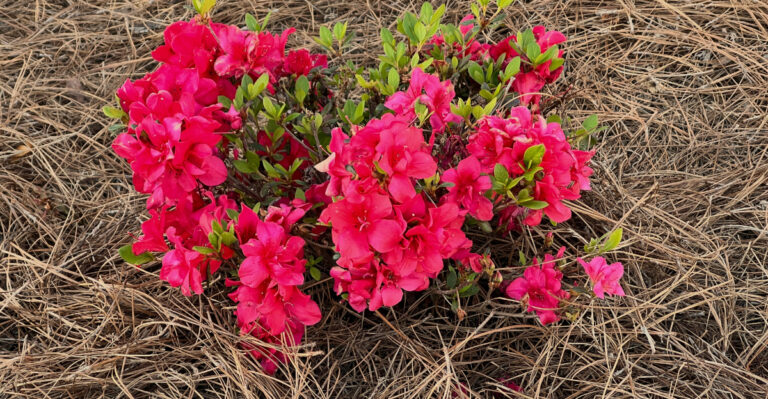
Acid-loving plants like azaleas, blueberries, and gardenias do better with a different edging material rather than shell pressed directly into their root zone.
7. Lay Gravel Strips Between Lawn And Beds
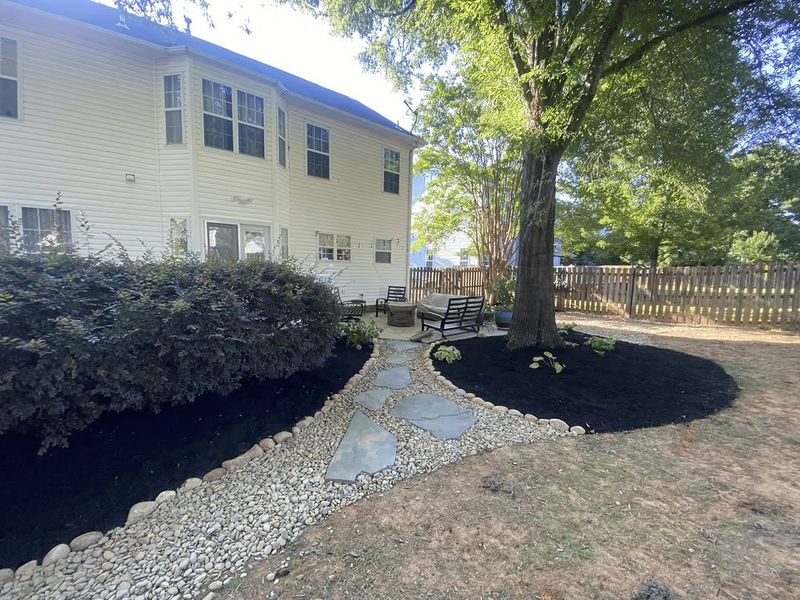
Grass that refuses to stay out of garden beds is one of the most persistent maintenance headaches in Florida yards.
A narrow gravel strip between the lawn and the bed edge gives turf roots a dry, loose zone that slows their spread while also creating a clean visual line that makes the whole yard look more organized.
Gravel strips work best when contained on both sides, with a hard edge like pavers, brick, or metal edging on the bed side and a clean cut line on the lawn side. Choose a gravel size that is large enough to stay put but small enough to look intentional.
Pea gravel and small river rock both work well. Keep the strip narrow, usually six to twelve inches wide, so it functions as a maintenance lane rather than a major design element.
One important safety note for Florida mowers: keep gravel well away from the mower blade path. Stones thrown by a mower blade are a real hazard, so position the strip where mower wheels roll along the edge rather than over it.
Gravel heats up significantly in full Florida sun, so avoid using it as a mulch substitute directly around plant stems or root zones. As a border strip, though, it is durable, low-fuss, and holds up through heavy rain without washing away.
8. Reuse Concrete Blocks For A Quick Raised Edge
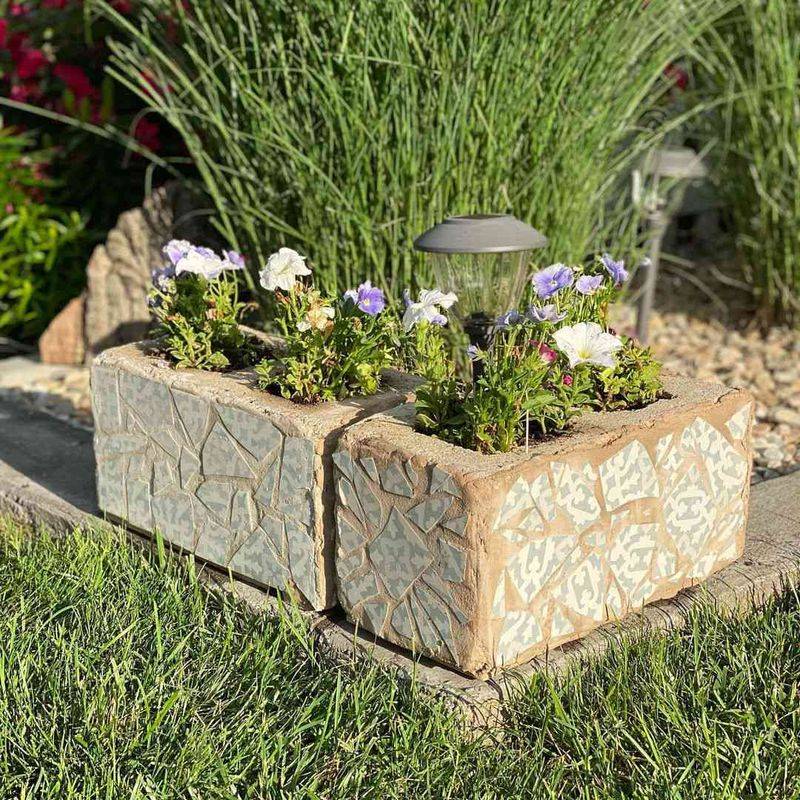
Budget does not have to limit a good garden border. Concrete blocks, including standard cinder blocks and smaller landscape blocks, are one of the most affordable and durable edging materials available at any Florida hardware store, and they can often be found secondhand for next to nothing.
A single row of blocks creates a slightly raised edge that holds soil, mulch, and compost in place around vegetable beds, side-yard utility gardens, and casual backyard borders where function matters more than formal style.
Level the first row carefully before adding any second row, because even a small tilt compounds quickly and makes the whole border look uneven.
Keep the stack low, ideally just one or two blocks high, to avoid creating an unstable wall that tips under pressure or after soil settles.
Concrete blocks are practically unbeatable in Florida weather. They will not rust, rot, or attract termites, and they handle heat, humidity, and heavy rain without flinching.
The honest trade-off is visual weight. A row of standard cinder blocks can look industrial in a formal front-yard setting, so they tend to work better in backyards and side yards where plants will eventually grow up and soften the look.
Pair them with sprawling herbs, trailing flowers, or dense ground covers to make the border feel more like a garden and less like a construction site.
9. Install Terracotta Edgers For A Warm Garden Border
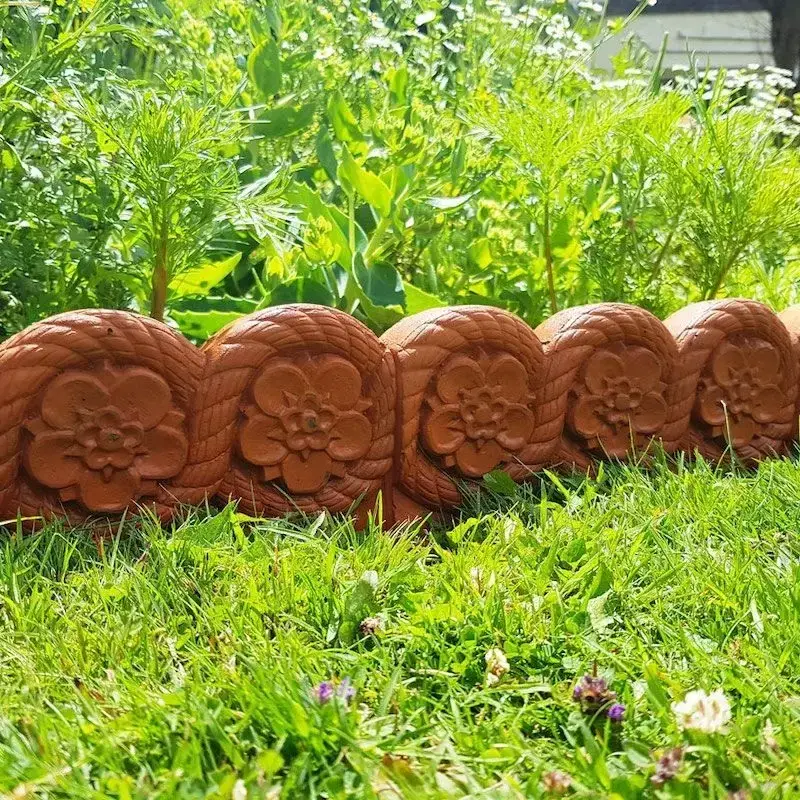
Not every Florida garden needs a heavy, industrial-strength border.
Herb gardens, cottage-style flower beds, and warm-toned landscapes near patios or entryways often look better with something that feels softer and more handcrafted, which is exactly what terracotta edging brings to the table.
Terracotta pieces come in scalloped, straight, and decorative profiles that add a warm, earthy look without competing with the plants around them. They pair especially well with lavender, rosemary, basil, marigolds, and other herbs and flowers that thrive in Florida sun.
The reddish-orange tone complements tropical plantings and Mediterranean-inspired yard designs that are popular across central and south Florida.
Set each piece firmly into the soil so it stands upright without rocking. Terracotta is heavier than plastic but lighter than concrete or stone, so it needs a stable, level base to stay in position through summer rains and irrigation cycles.
Choose outdoor-rated pieces specifically marked for garden use, since some decorative terracotta is made for indoor or sheltered settings and will crack with repeated exposure to moisture and Florida freeze events in northern parts of the state.
Place terracotta edgers in lower-traffic areas away from mower wheels and busy walkways.
A glancing hit from a mower deck or a heavy foot can chip or crack a piece, and replacements are not always easy to match once a style is discontinued.