5 Desert Plants To Plant In Arizona During March And 4 That Should Wait
March in Arizona is a total garden trap. One minute you’re basking in the perfect afternoon sun, convinced your yard is ready for a makeover, and the next, the nighttime chill is punishing your brand-new transplants.
It’s the ultimate “will-they-or-won’t-they” of desert gardening, and your nursery haul hangs in the balance.
The secret to a lush Arizona landscape isn’t just about what you plant – it’s entirely about timing.
Plant the wrong thing now, and you’re just inviting a season of sulking, stunted growth. Nail the timing, and your garden will explode with roots before the brutal summer heat ever kicks in.
Whether you’re in the scorching low desert or the cooler high country, I’ve broken down exactly what to tuck into the soil right now and what you absolutely need to hold off on. Ready to get your spring momentum started?
1. Desert Lavender Brings Silvery Leaves And Purple Blooms
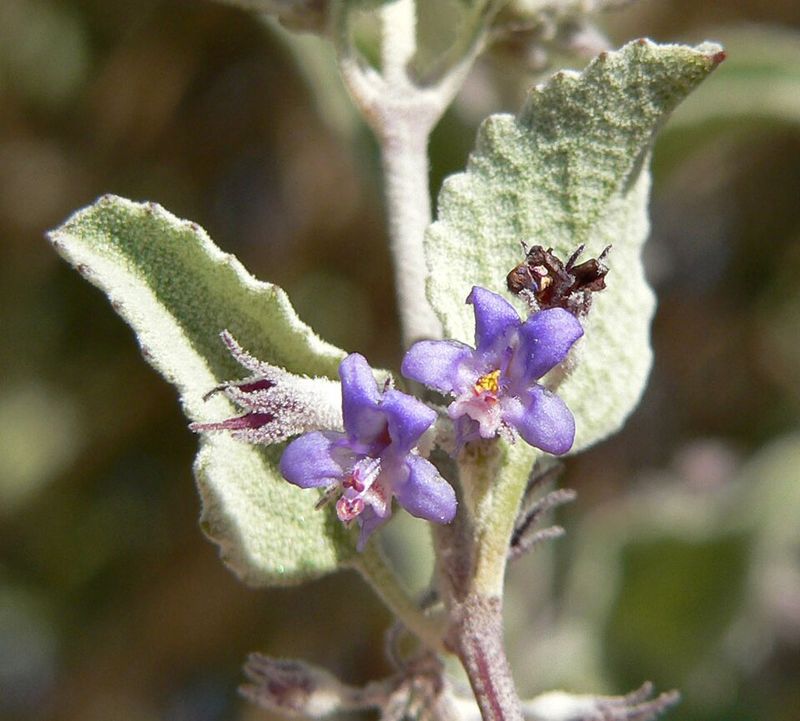
Walls that face south in an Arizona yard can create a microclimate warm enough to give desert lavender a real head start in March.
Often sold as Hyptis emoryi and sometimes labeled Condea emoryi, this desert shrub fits Sonoran and Mojave style landscapes and tends to respond well to early spring planting, when soil is warming but the harshest heat has not arrived yet.
Its silvery, aromatic foliage softens the look of rocky beds and gravel paths with a brushed, gray-green texture that reads calm and desert-appropriate.
Purple blooms can draw pollinators and add movement to a courtyard bed without needing a “flower-heavy” design to feel lively.
Desert lavender grows best in full sun with excellent drainage. Avoid low spots where water pools after storms, because lingering moisture around the roots can cause problems over time.
A slightly elevated planting spot can help, especially in yards with tighter soils.
For watering after a March planting, deep irrigation a couple of times per week early on can support establishment, then taper as new growth appears. Mulch choice matters in Arizona.
Organic mulch often cools the root zone more effectively than rock, while rock or decomposed granite can collect heat, especially heading into summer.
2. Texas Sage Adds Silver Foliage And Spring Color
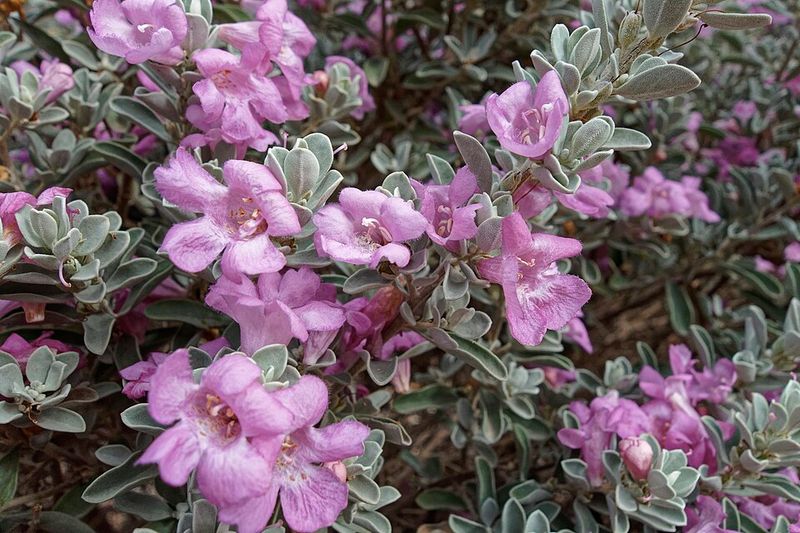
Few shrubs put on a showier display after monsoon humidity than Texas sage, and planting it in March gives it time to settle in before the hottest stretch arrives.
Leucophyllum frutescens, often called cenizo or barometer bush, thrives in bright sun and handles alkaline conditions well, which is part of why it’s used so widely in Arizona landscapes.
Its silver-gray foliage looks sharp against adobe walls, tan gravel, and the warm earth tones that define so many Arizona yards and driveways.
Full sun and fast-draining soil are a strong match, and lean soil can help keep growth sturdy rather than overly soft.
Spacing matters because mature size varies by variety and irrigation. Many landscape selections land around mid-single digits in width, so check the plant tag and give it room to breathe.
Your Arizona Garden Changes Every Week. Your Plan Should Too.
Gardening in Arizona changes quickly throughout the season. Every Friday you’ll receive a simple weekly plan showing exactly what to plant, prune, fertilize, harvest, and protect so you never miss the right timing.
Watering in the first weeks after planting should support deep roots without keeping the soil constantly wet.
A practical March tip is to hold off on heavy pruning right after planting. Let the shrub keep its foliage so it can fuel root growth, then shape later once you see steady new growth.
3. Jojoba Builds Tough Green Structure In Full Sun
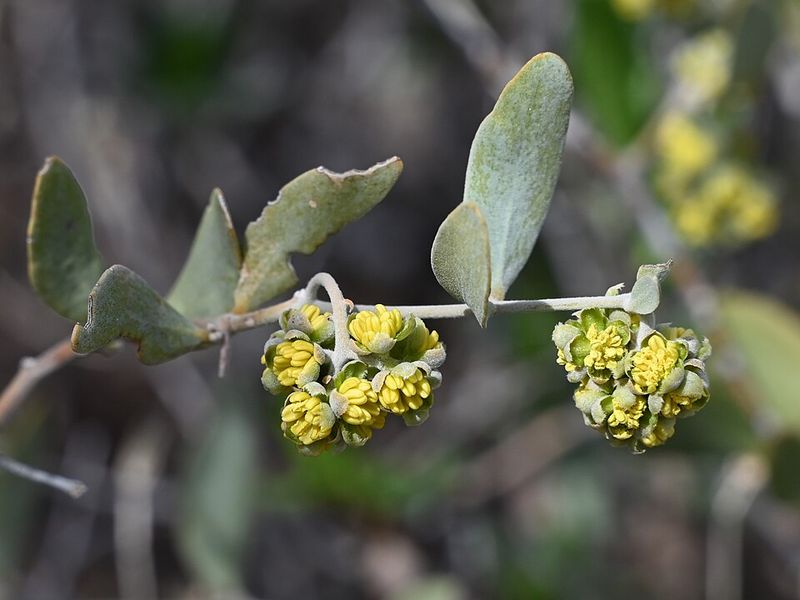
Gravel driveways and open sun-baked slopes in Arizona are some of the toughest planting spots imaginable, and jojoba handles them with quiet confidence.
Simmondsia chinensis is a slow-growing desert native valued for its oil-rich, nut-like seeds and dense, evergreen structure.
Planting it in March can take advantage of warming soil and milder days before the full force of summer arrives.
Jojoba grows well in full sun and tolerates poor, rocky soils with good drainage. It does not ask for much soil preparation, which is helpful in yards where caliche and decomposed granite make digging a workout.
Male and female plants are separate, and seed production requires both. Even without seeds, it still works well as a structural shrub.
After planting, deep watering once or twice per week at first can help roots expand into surrounding soil.
Over time it develops an extensive root system, which supports its reputation for resilience in dry conditions.
For mulch, use what fits your site goals. Organic mulch can help with cooling and moisture stability, while gravel blends with desert aesthetics but can add heat as summer approaches.
4. Brittlebush Brings Yellow Blooms And Handles Bright Sun
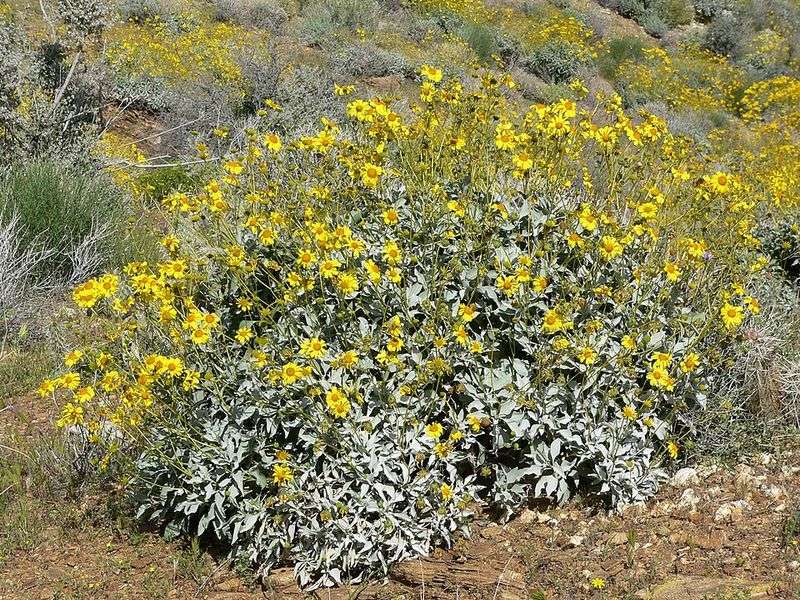
Roadsides across the Sonoran Desert light up with yellow every spring because of brittlebush, and that same color works beautifully in a yard that leans native.
Encelia farinosa is a small mounding shrub with silvery foliage and bright yellow daisy-like flowers that can stretch from fall into spring depending on conditions.
March can be a reasonable planting window, especially when the plant is not sitting in soggy soil or heavy irrigation zones.
This shrub thrives in full sun and lean, fast-draining soil. Slopes, rocky banks, and open desert-style beds tend to suit it, especially where water moves through quickly after rain.
Brittlebush can struggle in spots with frequent irrigation or poor drainage, so pairing it with other low-water plants is a smart match.
Watering after a March planting should support establishment without pushing lush growth. Brittlebush can drop leaves during drought, which is a normal response for this shrub.
A little extra water can keep it looking fuller, but a lighter approach often fits a native-style bed better. If you mulch, keep it light and pulled back from the stems.
5. Littleleaf Cordia Adds White Flowers And Soft Shape
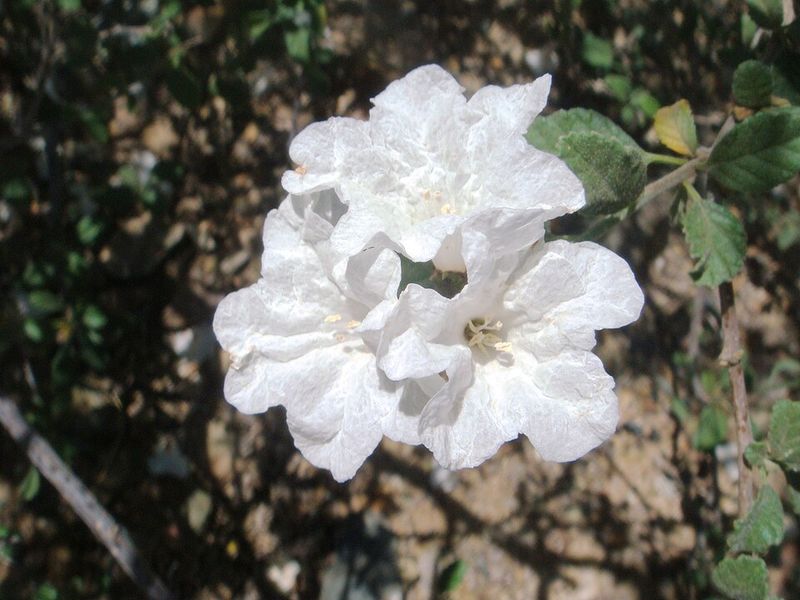
Tucked into a courtyard corner or softening the edge of a driveway, littleleaf cordia can look like it belongs in an Arizona landscape from day one.
Cordia parvifolia is used widely in low-desert landscapes for its airy shape and frequent white blooms that can run from early spring into fall, often in flushes that respond to warmth, humidity, and moisture.
Planting in March gives it time to establish roots before late spring heat ramps up.
Littleleaf cordia prefers full sun and well-drained soil. It can handle reflected heat near pavement and walls once established, especially with smart irrigation placement that encourages roots to spread outward rather than staying tight to the crown.
Its open branching structure makes it a nice “softener” plant, especially next to sharper shapes like agaves or boulders.
After planting, consistent but moderate watering for the first several weeks supports root growth. Deeper, spaced watering cycles tend to build stronger roots than frequent shallow watering.
Supplemental irrigation during late spring and summer can extend blooming and improve appearance, which is useful in years when natural moisture is limited.
Keep mulch a few inches away from the stem to avoid trapping moisture at the base.
6. However, Bougainvillea Performs Better After Frost Risk
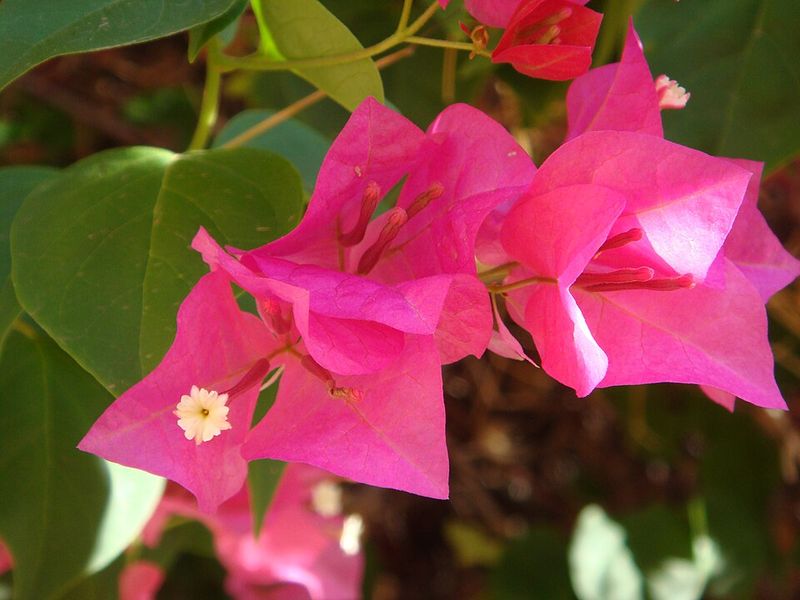
Colorful and dramatic, bougainvillea is one of the most requested plants at Arizona nurseries every spring. Those vivid bracts draped over a wall or pergola are hard to resist when March days start warming up.
The plant can also give quick payoff once it settles in, which is why people want it in the ground as soon as patio weather returns.
The catch is cold sensitivity.
Planting is generally recommended after danger of frost has passed, because a late cold snap can set back a new plant before it has rooted in.
Frost timing is not the same across Arizona, or even within one metro area. In Maricopa County, average last frost dates vary widely by location.
That variability shows up fast in real yards, especially near washes, open desert edges, or low-lying pockets where cold air settles.
A simple approach is watching nighttime lows and your own yard’s cold pockets. Warm walls and protected courtyards can reduce risk, while open low spots tend to frost first.
Waiting until nights are trending reliably mild often leads to faster growth and fewer setbacks. A temporary move that helps is keeping it in a container for a few extra weeks, then planting once the forecast looks steadier.
Planting in full sun with excellent drainage and lean soil supports long-term performance. Wind protection can help too, especially for young plants with tender new growth.
Training it early on a trellis or support can reduce breakage and make the plant look fuller sooner.
7. Lantana Grows Best Once Soil Warms
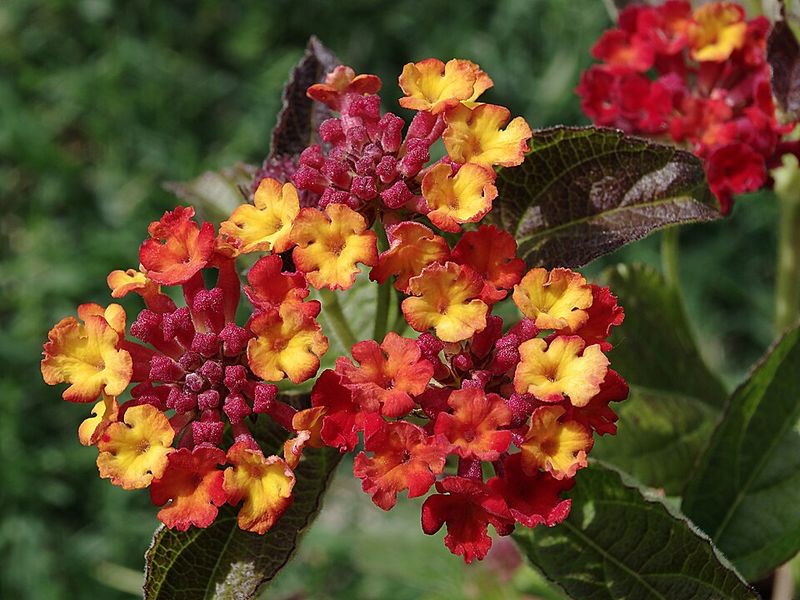
Bright, multicolored clusters and a long bloom season make lantana a familiar summer performer in many Arizona landscapes.
The temptation to plant it in March is real, especially when nurseries stock it early. Those fresh nursery plants can look ready to explode with growth, which makes it tough to walk past them.
Timing is more flexible than the draft suggested, but warmth still matters.
In low-desert areas, lantana can be planted in spring once local frost risk is easing, and March planting is listed as an option in some low-desert guidance.
Expect growth to be slow until soil and nights warm, which is normal for lantana. A small plant can look unchanged for a while, then suddenly start pushing new stems once warm weather sticks.
Cold nights can still cause leaf damage or stall establishment, especially on a new transplant.
Choosing a warm microclimate near a south or west-facing wall can help, and frost cloth can protect a plant during surprise cold snaps.
Even when leaves get nipped, the plant can rebound once temperatures stabilize, so avoid overreacting with heavy pruning too soon.
Once conditions are warmer, full sun and well-drained soil support strong growth. Deep watering during establishment helps, then irrigation can be adjusted based on heat, soil drainage, and how fast the plant is growing.
A little space for airflow can also reduce mildew issues later in the season, especially in sheltered courtyards.
8. Red Bird Of Paradise Likes Warmer Nights
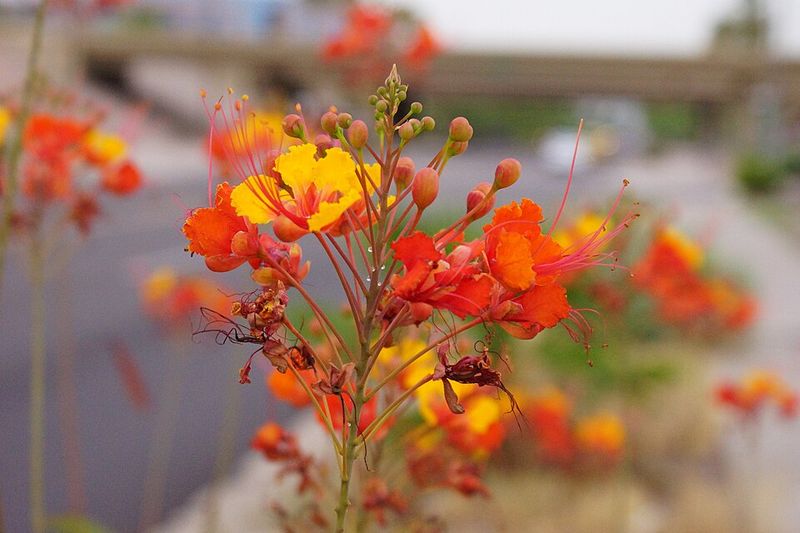
Striking orange-red blooms and feathery foliage make red bird of paradise a standout in Arizona summer landscapes.
Caesalpinia pulcherrima grows rapidly during warm months with adequate irrigation and is known for attracting hummingbirds and butterflies.
It also looks especially good against block walls where the flowers pop in the afternoon sun.
This plant does tend to “wake up” with heat, so March planting can lead to a slow start, especially when nights are still cool.
That does not mean it cannot be planted in spring, but it usually looks happiest once soil temperatures rise and cold snaps are less likely.
In colder events, stems can freeze back around the mid-20s Fahrenheit, and plants often regrow from the base once weather improves. That regrowth habit can surprise people, so it helps to give it time before assuming it failed.
A practical Arizona approach is planting after your local frost risk is fading, then using warm microclimates to your advantage. A protected south-facing bed often pushes earlier growth than an exposed corner.
Planting near rocks or a wall can also speed soil warming, which helps roots start moving sooner.
When timing is right, this shrub handles full sun and reflected heat well.
Deep, spaced watering during establishment supports a stronger root system, then irrigation can be adjusted based on heat and bloom performance.
Light tip pruning once it is actively growing can encourage a fuller, more shrub-like shape.
9. Plumeria Needs Real Warmth To Start Growing
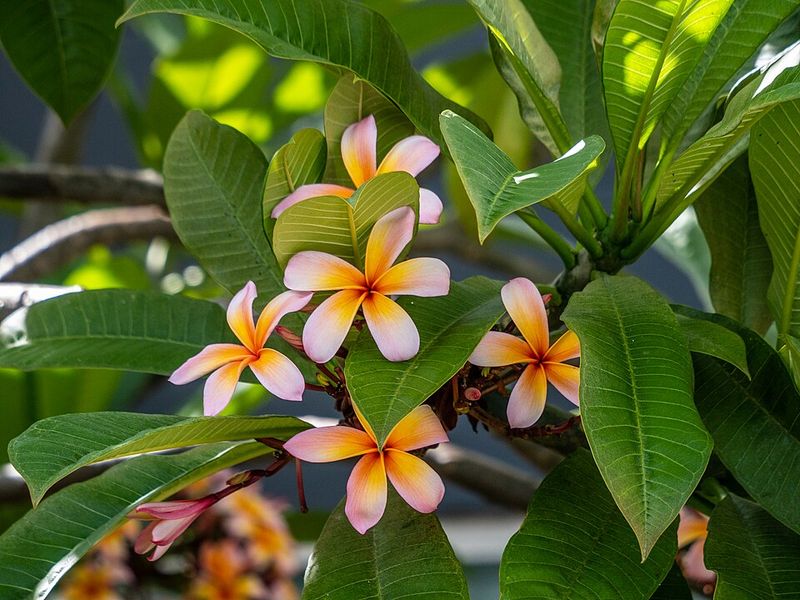
A blooming plumeria in an Arizona yard can feel like a tropical surprise, but the plant’s cold sensitivity is real.
Plumerias are best suited to warm climates and can suffer cold damage, which is why container growing is often recommended in areas that get chilly nights.
In early spring, the stems may look unchanged for weeks, even when the rest of the garden is waking up.
Planting or repotting too early in spring can increase the risk of problems tied to cool, damp conditions, especially when the plant is still dormant and not actively using water.
Many growers use nighttime temperatures as their cue, waiting until lows are consistently warm before pushing new growth.
The goal is avoiding a stretch where soil stays cool and wet while the plant is still basically asleep.
In Arizona, containers make management much easier. A pot can be moved under cover for a late cold snap and shifted into brighter light once nights warm.
Use a fast-draining mix, water lightly until you see active growth, and increase watering as leaves develop and temperatures rise.
Choosing a heavier pot can also help in windy areas, since top-heavy plumerias can tip once they leaf out.
Once heat is consistent, plumeria can grow strongly and reward patience with fragrant blooms in classic frangipani colors.
A warm wall or a spot that gets early-day sun often helps it hit its stride faster in desert yards.