4 Georgia Trees You Can Safely Prune In March And 5 To Leave Alone
March can feel like the perfect moment to grab the pruners in a Georgia garden. Trees are easier to evaluate before the canopy fully fills in, and many gardeners are eager to clean things up after winter.
But not every tree responds well to a March trim.
Some trees handle early spring pruning without any trouble and may even benefit from a light cleanup before new growth takes off.
Others are already preparing buds or moving energy toward spring growth, and cutting them now can lead to weaker flowering or unnecessary stress.
That is why early spring pruning needs a little restraint. A few trees are safe to shape, thin, or tidy in March, while others are better left untouched until later in the season.
Choosing the right timing keeps trees healthier and helps them move into spring growth without setbacks.
1. Crape Myrtle Responds Well To Late Winter Pruning
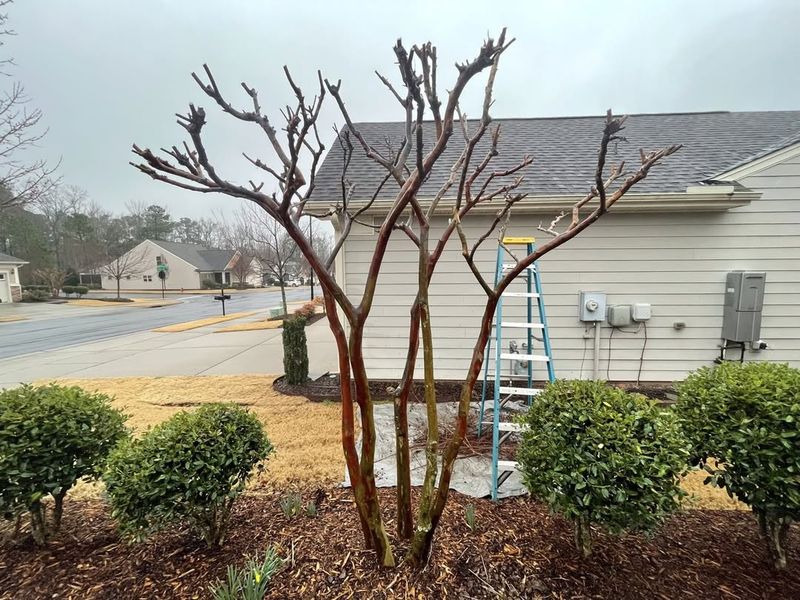
Crape myrtles are forgiving, and March is honestly one of the better times to work on them in Georgia. Before new growth kicks in, you can clearly see the branch structure, which makes it much easier to decide what stays and what goes.
Skip the heavy cuts. Topping a crape myrtle is a bad habit that spreads fast in neighborhoods, but it weakens the tree over time and leads to those ugly knobby stubs people call “crape murder.”
Instead, remove suckers growing from the base, trim any branches that cross or rub against each other, and clean up the lower limbs if needed.
Keep your cuts clean and sharp. Ragged cuts invite disease and slow healing.
A good pair of bypass pruners handles smaller branches well, and a pruning saw works for anything thicker.
Georgia summers hit hard, so a well-structured crape myrtle going into the warm season will handle the heat and humidity far better than one that was hacked back.
Light thinning also improves air circulation through the canopy, which helps reduce common fungal problems that show up during humid Georgia summers.
Pruning now also encourages strong new growth that will support the large flower clusters crape myrtles are known for later in the season.
2. Rose Of Sharon Tolerates Early Season Trimming
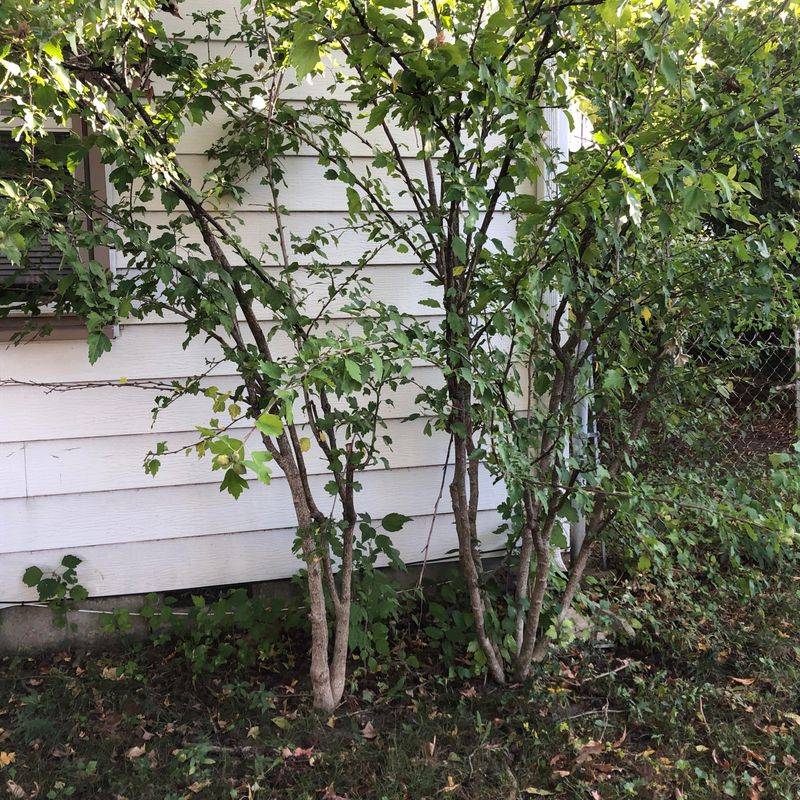
Rose of Sharon blooms on new wood, which is exactly why March trimming works so well for it. Cutting it back before growth starts pushes the plant to send out fresh, vigorous shoots that will carry all the summer flowers.
You can cut it back pretty hard if needed. Some Georgia gardeners take it down by a third or even half without any trouble.
If yours has gotten leggy or lopsided over the years, now is a great time to reshape it. Just make sure you are cutting just above a bud or branch junction so the plant knows where to push new growth.
One thing worth knowing: Rose of Sharon seeds itself aggressively. While you are pruning, pull any seedlings you spot nearby before they get established.
Sterile varieties are available if reseeding has been a problem in your yard. A little cleanup now saves a lot of weeding later in the season.
Your Georgia Garden Changes Every Week. Your Plan Should Too.
Gardening in Georgia changes quickly throughout the season. Every Friday you’ll receive a simple weekly plan showing exactly what to plant, prune, fertilize, harvest, and protect so you never miss the right timing.
Georgia springs warm up fast, so once you trim and the temps rise, this plant bounces back quickly and rewards you with months of blooms.
Rose of Sharon also tolerates shaping into a small tree form if lower branches are gradually removed over time.
Pruning in March gives the plant a clean framework before new growth begins, which helps it fill out evenly as the season progresses.
3. Vitex Handles Pre Growth Pruning Well
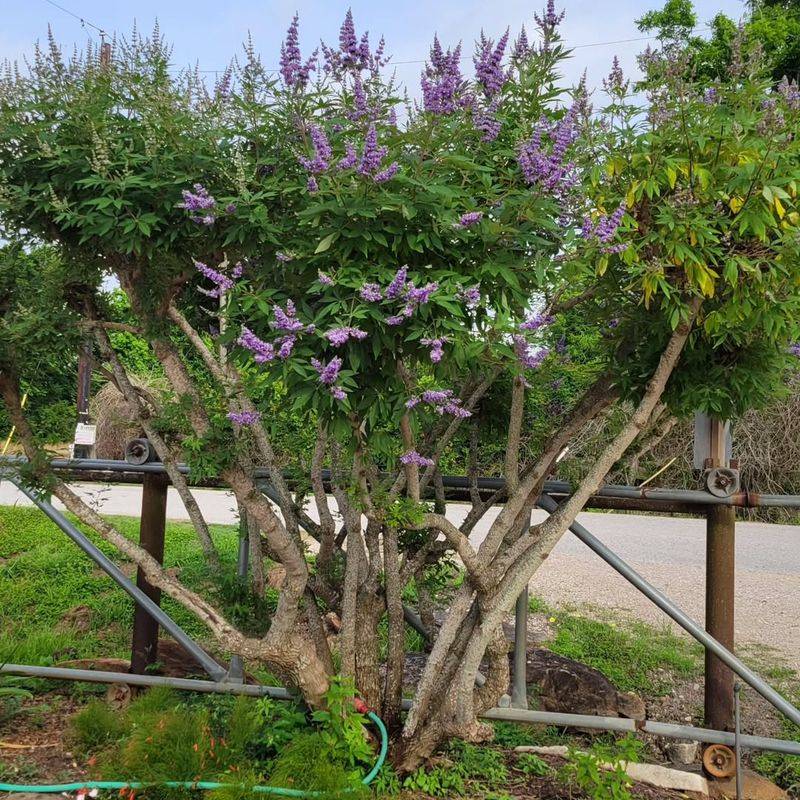
Vitex, sometimes called chaste tree, blooms on new wood every single season. That means cutting it back in March does not cost you any flowers.
In fact, a good prune before growth starts often results in bigger, more dramatic bloom spikes later in summer.
Georgia heat suits vitex perfectly, and plants left unpruned for a few years tend to get sprawly and open in the center. March is the window to fix that.
Cut back to a strong framework of branches, remove crossing wood, and let the plant rebuild from there. You can be fairly aggressive without worrying.
If your vitex has turned into more of a large shrub than a tree, you can also use this time to select a few main trunks and remove the rest, gradually training it into a cleaner shape. It responds well to that kind of guidance.
Vitex is drought-tolerant once it gets going, so a healthy structure heading into Georgia summers means less stress on the plant overall. Just avoid pruning too late into spring once leaf buds have already swelled and opened.
Vitex also attracts large numbers of bees and butterflies once the lavender flower spikes begin opening in early summer.
Vitex grows quickly once temperatures warm up, so a March pruning gives the plant a balanced shape before the new season’s growth begins.
4. Beautyberry Produces Better After Early Season Cutting
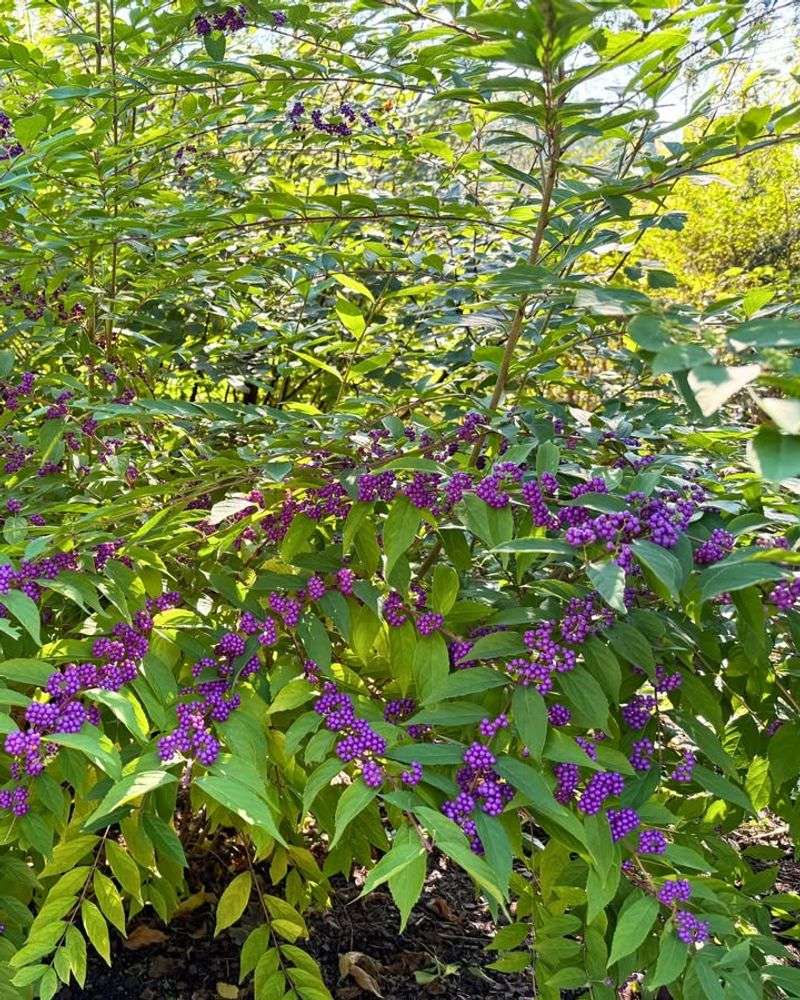
American beautyberry is one of those plants that actually looks better the harder you cut it. Pruning it down to about a foot from the ground in early March encourages long, arching branches that will be loaded with those bright purple berries by late summer and fall.
Left alone for too long, beautyberry gets woody and tangled in the center. New growth comes mostly from the tips, and the berry clusters end up sparse.
A hard cutback resets the whole plant and gives it a cleaner, fuller shape for the season ahead. Georgia gardeners who skip this step often wonder why their berries are so underwhelming.
Beautyberry blooms on new wood, so there is no risk of losing flowers by cutting early. The plant grows fast once Georgia temperatures climb, so by midsummer you would barely know it was cut at all.
Birds absolutely love the berries in fall, so a productive plant also helps local wildlife.
Use clean loppers or a pruning saw for older, thicker stems, and remove those stems completely rather than just trimming the tips. A little effort in March pays off big come September.
5. Dogwood Sets Flower Buds Before The Season Begins
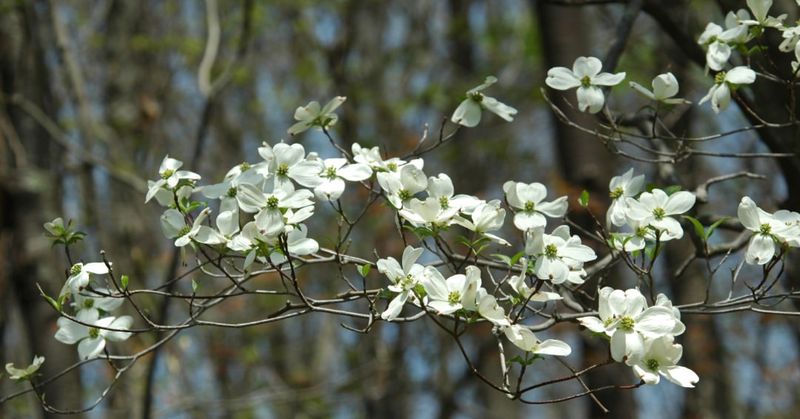
Pruning a dogwood in March is a mistake most Georgia gardeners only make once. By the time winter ends, those flower buds have already been sitting on the branches for months, fully formed and ready to open.
Cut the branches now and you are cutting off the blooms.
Dogwood flowers on old wood, meaning the buds develop on growth from the previous season. There is no way to rush new wood into producing flowers in the same year.
What you remove in March simply will not bloom again until next spring at the earliest.
Wait until after the tree finishes flowering, usually sometime in late April or early May here in Georgia, before doing any pruning. Keep cuts minimal because dogwoods do not heal as quickly as some other trees.
They are also more vulnerable to disease entry through fresh wounds, so sharp, clean tools are non-negotiable. Patience is the real skill with dogwoods.
Let them do their thing in spring, then step in with your pruners once the show is over.
6. Redbud Develops Blooms On Older Wood
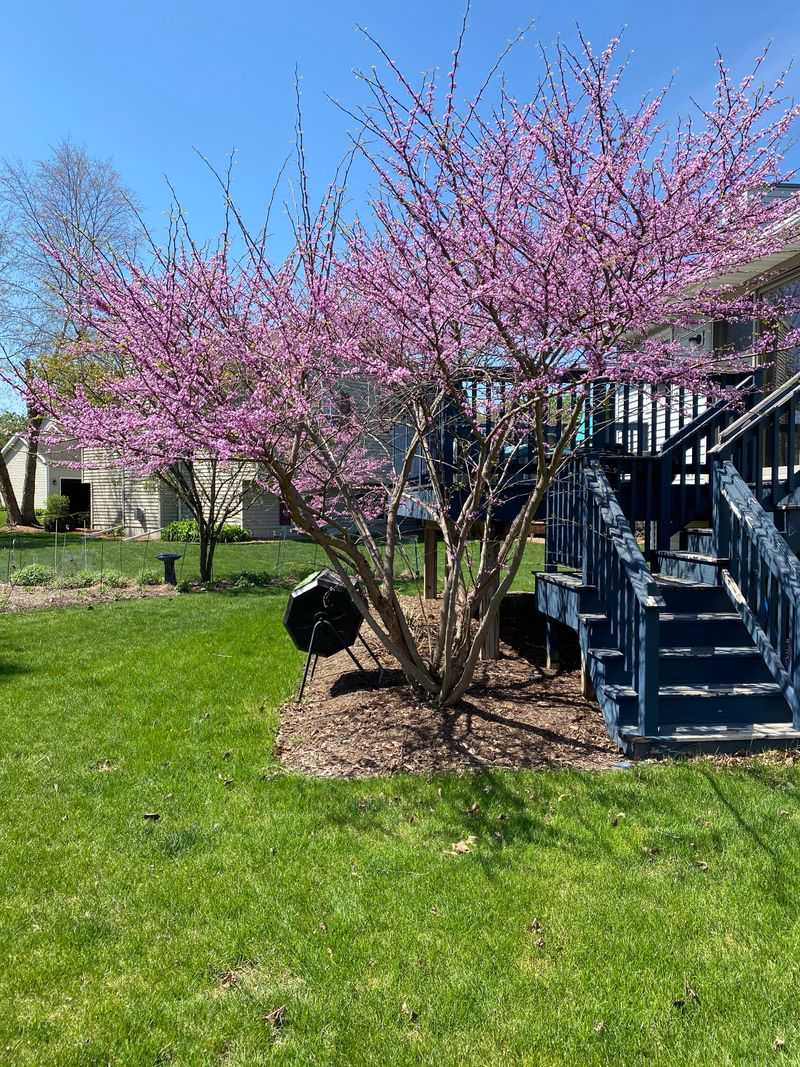
Redbuds put on one of the most striking displays of any tree in Georgia, and that show happens directly on older branches and even the trunk itself.
The flowers do not appear on new shoots but emerge from buds that formed on established wood the previous year.
Cutting a redbud in March removes exactly the wood that is about to bloom. Some gardeners make this mistake thinking they are helping the tree shape up before spring, but the result is a noticeably sparse flower display or none at all on the pruned sections.
If your redbud needs structural work, hold off until after it finishes blooming in April. Even then, keep pruning light.
Redbuds do not compartmentalize wounds as efficiently as some other species, which means large cuts can become entry points for decay over time. Remove only what is necessary, such as rubbing branches or anything that poses a safety concern.
In Georgia, redbuds leaf out quickly after blooming, so the window for post-bloom pruning is short. Mark your calendar in late March so you remember to check back in a few weeks when the timing is actually right.
7. Magnolia Forms Flower Buds Months In Advance
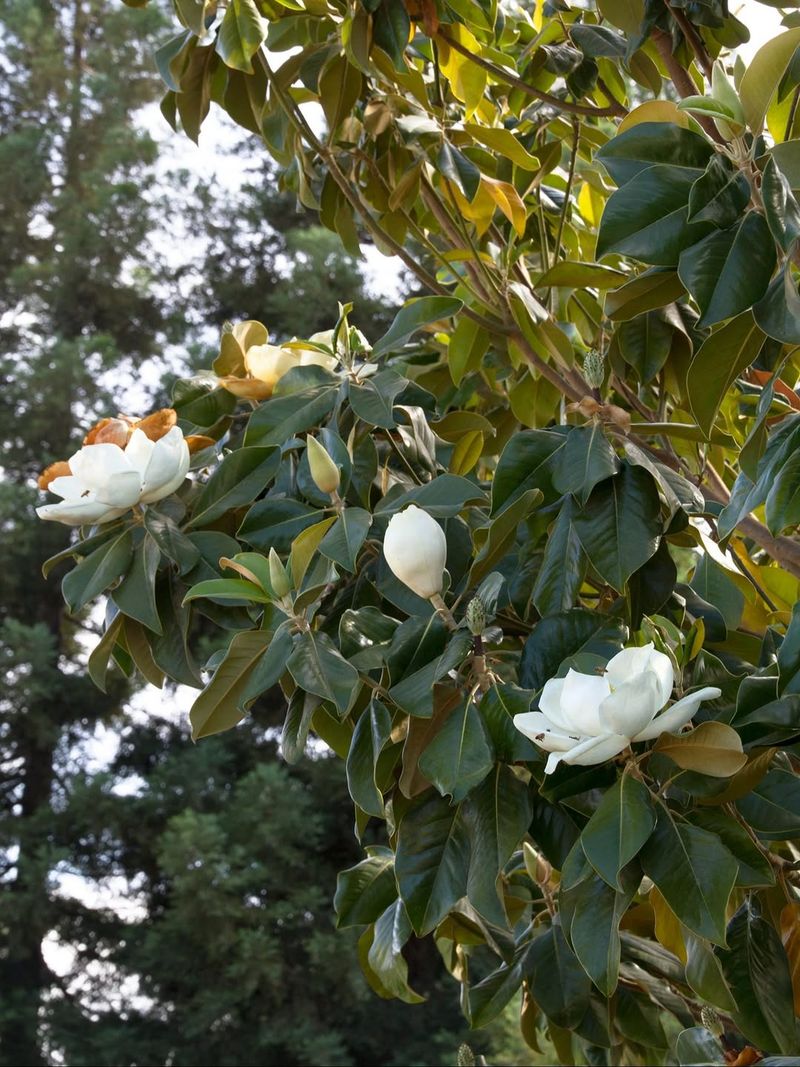
Southern magnolias are iconic across Georgia, and their large, fragrant flowers are something most homeowners look forward to every year.
What many people do not realize is that those blooms started forming on the branches way back in the previous growing season.
Pruning a magnolia in March cuts off buds that have been developing for months. You will not see the damage until the tree fails to bloom or blooms unevenly, and by then the season is already gone.
Evergreen magnolias also drop leaves heavily in spring as new growth pushes out old foliage, which some people mistake for a sign that the tree needs help. It does not.
Deciduous magnolias like star magnolia or saucer magnolia face the same issue. Their buds are even more visible in late winter, fuzzy and swollen on bare branches, clearly ready to open.
Touching them now disrupts that process. Save any pruning for right after bloom, and even then keep it minimal.
Magnolias are not fans of heavy cuts, and large wounds can linger for years. Georgia summers are tough enough on trees without adding unnecessary stress through untimely pruning.
Patience here is genuinely the best tool you own.
8. Cherry Tree Flowers On Growth From Last Year
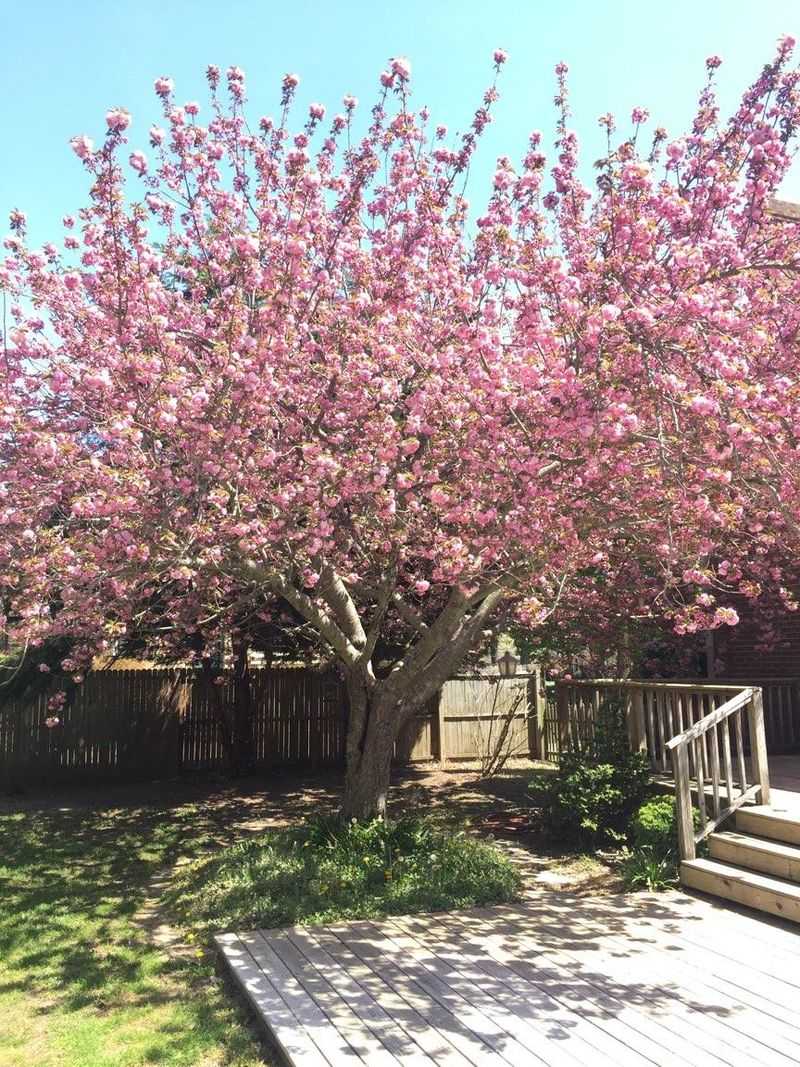
Flowering cherry trees put on a breathtaking display in Georgia, but that display depends entirely on wood that grew during the previous season. Prune in March and you are removing the very branches carrying this year’s flower buds.
Unlike crape myrtles or vitex, cherry trees cannot simply push out new growth and bloom in the same season. The buds are already there, locked in and ready.
Cutting them off means waiting a full year to see those blooms return on the new wood that grows this spring and summer.
After bloom is the right time to do any shaping or cleanup, typically in late April here in Georgia once the petals have dropped. At that point you can remove branches that are crowding the canopy or correct any structural issues.
Keep wound sizes small when possible since cherry trees are susceptible to certain fungal diseases that enter through pruning cuts. Clean tools matter a lot with this species.
Wipe your blades with rubbing alcohol between cuts if you suspect any disease is present. A healthy cherry tree properly cared for after bloom will put on an even better show the following spring.
9. Serviceberry Blooms From Established Buds
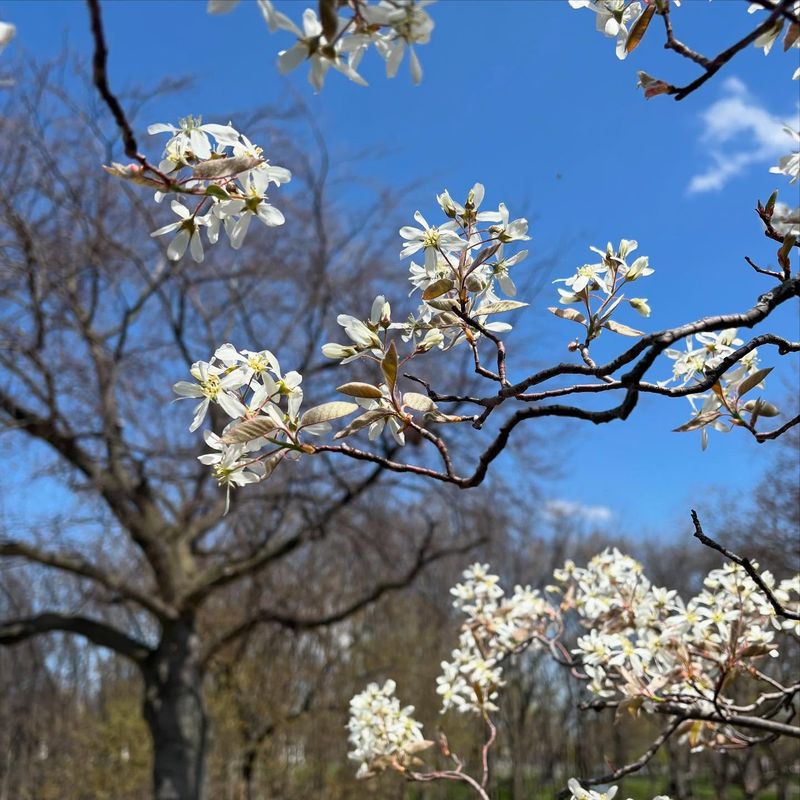
Serviceberry is one of the earliest trees to bloom in Georgia, sometimes flowering before most people even realize spring has arrived. Those early white blossoms come from buds that set on established branches during the previous year, not from any new growth.
Trimming a serviceberry in March cuts right into that bloom potential. Even removing a few branches can noticeably reduce the floral display, especially on younger trees that have not yet built up a large branch framework.
For a tree that blooms so briefly each season, losing even part of that show is a real disappointment.
Wait until after the flowers fade before doing any pruning, which usually means sometime in mid to late April in most parts of Georgia. At that point the tree shifts its energy toward leafing out and fruit development, and light structural pruning will not set it back.
Serviceberry fruit is edible and popular with birds, so a well-maintained tree benefits both your yard and local wildlife. Keep pruning sessions light and focus on removing damaged or tightly crossing branches rather than heavy reshaping.
Letting serviceberry establish its natural form with minimal interference generally produces the best long-term results.