10 Everyday Items Texas Gardeners Can Use As Unique Planters And Save Money On Pots
If you’ve spent any time gardening in Texas, you probably know how quickly the cost of pots can add up. One minute you’re grabbing a couple of containers at the garden center, and the next thing you know, the cart is full and the total makes you pause for a second.
Many longtime gardeners eventually realize something simple. You don’t always need fancy containers to grow great plants.
All around the house, there are everyday items that can easily become planters with just a little creativity.
Old kitchen pieces, forgotten buckets in the garage, even things headed for the recycling bin can suddenly find a second life on the patio or in the garden.
With a few drainage holes and the right soil, many of these items work just as well as store-bought pots.
Some of the most interesting containers in a garden rarely come from a garden store. In fact, a few of the best ones might already be sitting in your kitchen right now.
1. Tin Cans With Plenty Of Rustic Charm
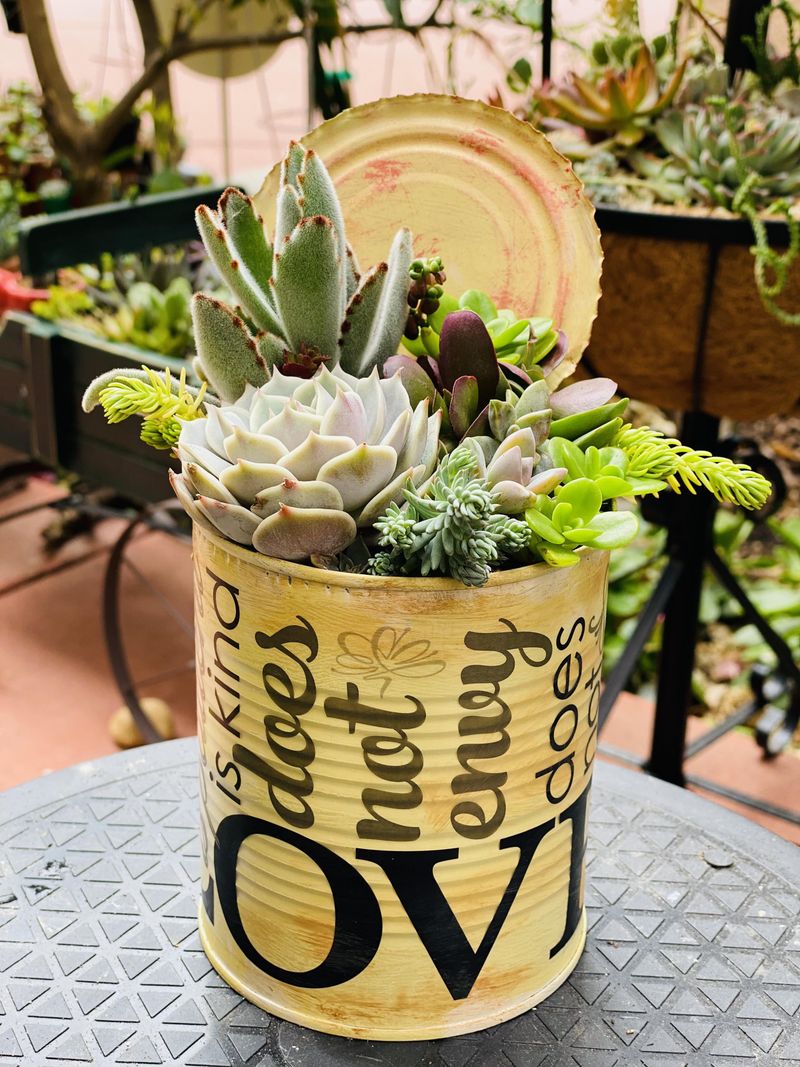
Walk through almost any Texas neighborhood on trash day and you will spot a goldmine sitting at the curb: empty tin cans. Before you toss those coffee cans, tomato cans, or soup cans into the recycling bin, think about giving them a second life as planters.
They are sturdy, free, and surprisingly stylish with a little creativity.
Start by washing the can thoroughly and using a hammer and nail to punch several drainage holes in the bottom. Without those holes, water will pool and suffocate your plant roots.
Once the holes are in place, fill the can with a good potting mix and plant herbs like basil, cilantro, or chives, all of which thrive in the warm Texas climate.
To make them look extra polished, grab some outdoor spray paint and add color or patterns. You can even wrap cans in twine for a rustic farmhouse vibe.
Grouping several painted cans together on a windowsill or porch railing creates a charming display. Tin cans heat up quickly in the Texas sun, so try placing them in a spot that gets morning light and afternoon shade to keep roots from overheating.
2. Food Grade Buckets That Mean Business
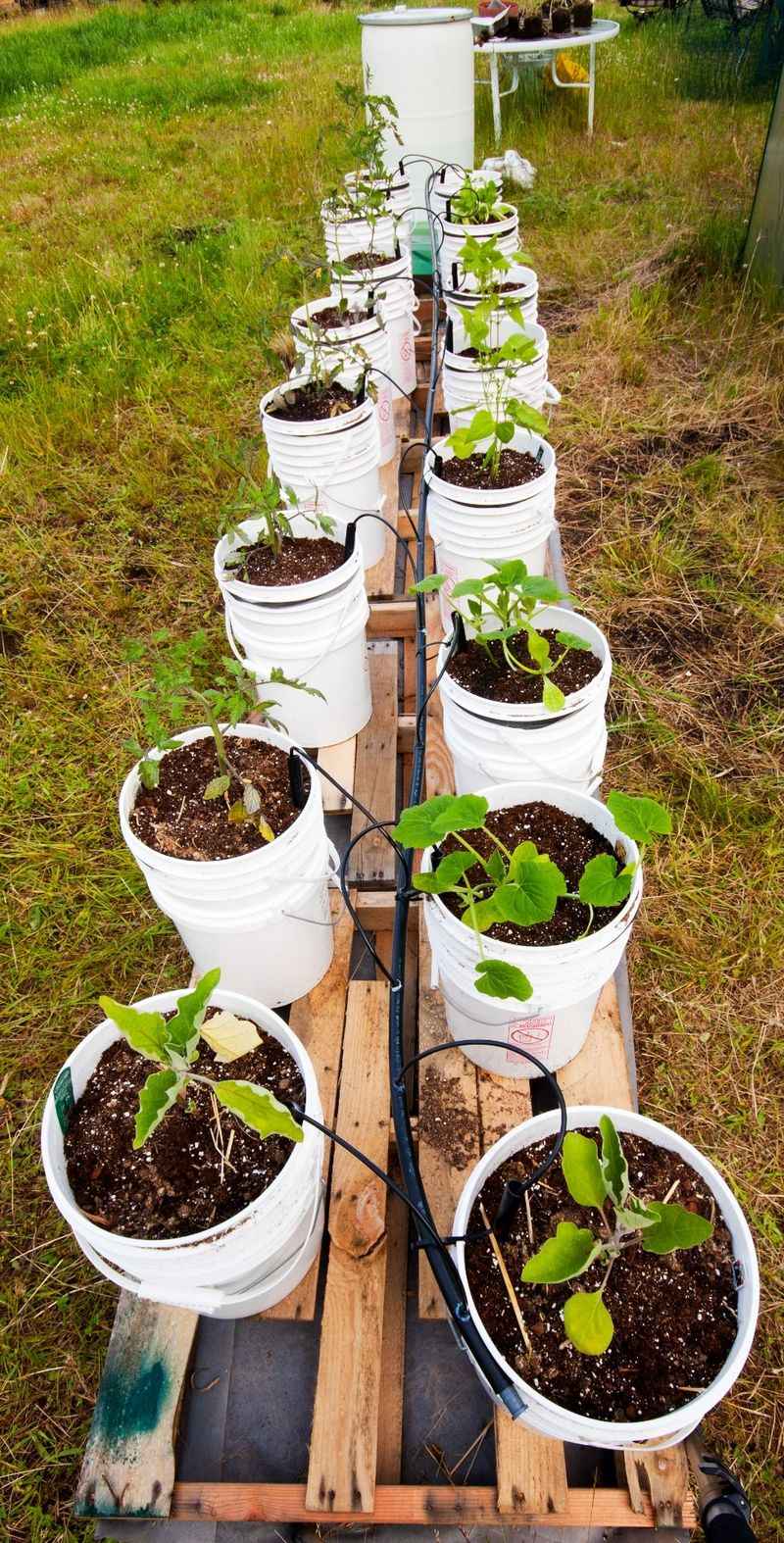
Anyone who has ever bought bulk items from a restaurant supply store or a big-box warehouse knows that food grade buckets are practically everywhere. Five-gallon buckets, in particular, are absolute workhorses in the garden.
Many Texas gardeners swear by them for growing tomatoes, peppers, and even squash right on their patios or driveways.
The key to success with these buckets is drainage. Drill at least four to six holes in the bottom before adding soil.
A good mix of potting soil and compost gives your plants the nutrients they need to flourish through the long Texas growing season. Because these buckets are so deep, they hold moisture longer than shallow containers, which is a real advantage during those blazing summer months.
Food grade buckets are also easy to move around, which matters a lot in Texas where temperatures can swing dramatically. If a cold front rolls through North Texas in the winter, you can simply carry your bucket plants inside or under a covered porch.
Your Texas Garden Changes Every Week. Your Plan Should Too.
Gardening in Texas changes quickly throughout the season. Every Friday you’ll receive a simple weekly plan showing exactly what to plant, prune, fertilize, harvest, and protect so you never miss the right timing.
Paint them with weather-resistant exterior paint, or wrap them in burlap for a more natural look. Best of all, many bakeries and delis give these buckets away for free, making them one of the smartest budget gardening moves around.
3. Old Colanders With Breezy Cottage Style
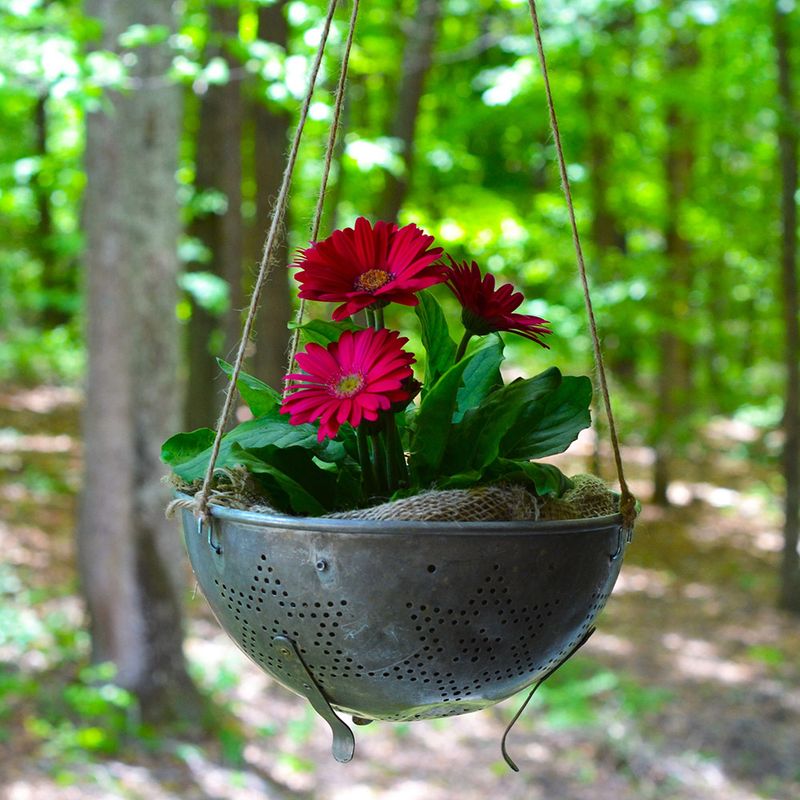
Picture a beat-up metal colander sitting in the back of your kitchen cabinet, forgotten and unused. That colander is secretly a perfect planter just waiting for its moment.
The holes already built into its design do exactly what drainage holes in a regular pot are supposed to do, making it one of the most naturally suited containers for growing plants.
Line the inside of the colander with a layer of burlap, a coffee filter, or even a piece of newspaper before adding potting mix. This keeps the soil from falling through the holes while still allowing water to drain freely.
Strawberries, trailing petunias, and compact herbs like thyme and oregano all do beautifully in colanders, especially in the warm Texas air.
Colanders also make stunning hanging planters. Thread a few lengths of sturdy rope or chain through the side handles, hang it from a porch beam, and you have an eye-catching display that costs almost nothing.
In Texas, where outdoor living spaces are practically a way of life, a hanging colander planter adds a quirky, charming touch to any porch or patio setup. Vintage enamel colanders are especially lovely and can often be found for pennies at local Texas thrift stores or estate sales.
4. Wooden Crates With Farmers Market Appeal
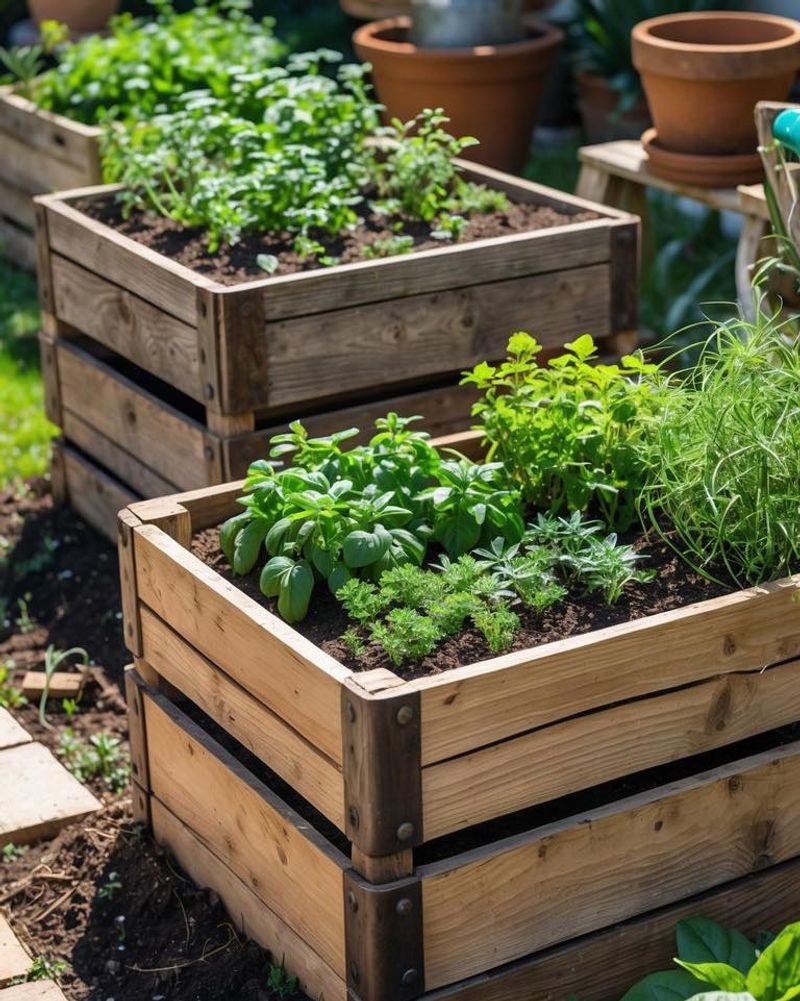
There is something undeniably warm and inviting about wooden crates filled with blooming plants. Maybe it is the natural texture of the wood or the way they remind you of old fruit stands and farmers markets.
Whatever the reason, wooden crates have become a favorite upcycled planter choice for gardeners all across Texas, from Austin backyards to San Antonio courtyards.
Before planting, line the inside of the crate with a heavy-duty landscape fabric or a thick plastic sheet with a few holes cut in the bottom for drainage. This protects the wood from rotting too quickly while still letting excess water escape.
Fill it with a quality potting mix and plant whatever suits your space, whether that is colorful zinnias, leafy lettuce, or fragrant lavender.
One of the best things about wooden crates is how easily they stack and arrange. Stack two or three crates at different heights to create a tiered garden display that looks like something out of a home decor magazine.
You can also stain or paint them to match your outdoor furniture for a pulled-together look. Keep in mind that untreated wood will weather faster in the Texas heat and humidity along the coast, so sealing the outside with exterior wood sealant will make your crate planters last much longer.
5. Teapots With Their Charming Storybook Look
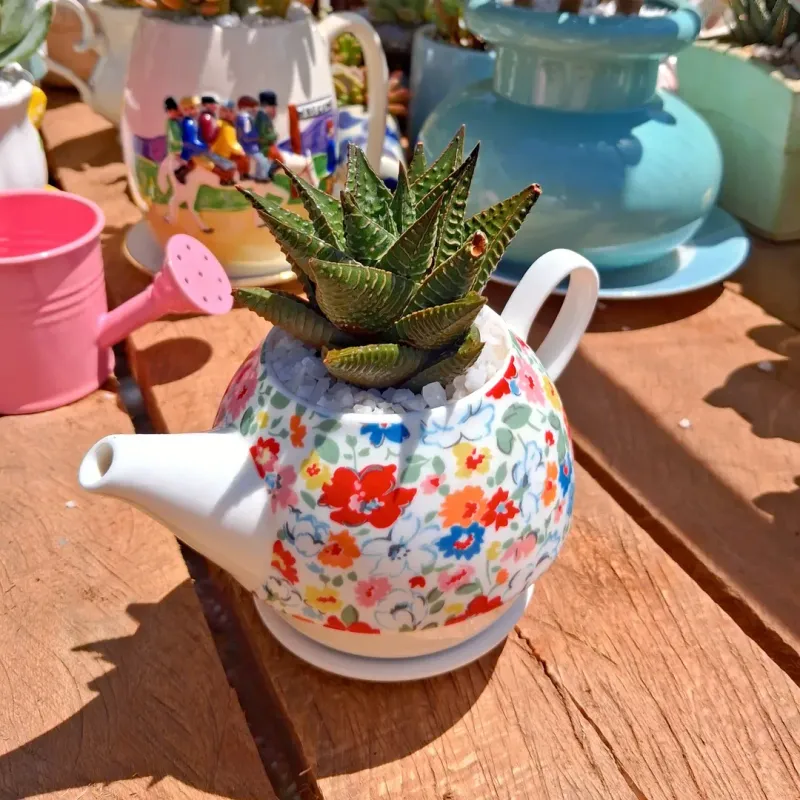
Cracked teapots, chipped teapots, teapots missing their lids: they are all destined for the trash unless a creative gardener steps in. In Texas, where cottage gardens and eclectic outdoor spaces are beloved, an old teapot planted with a trailing succulent or a cluster of violas can become the most talked-about piece in your yard.
Most teapots already have a small opening at the spout that allows some drainage, but it is worth drilling a small hole in the bottom as well to make sure water does not sit and rot your plant roots. Use a well-draining soil mix, especially if you are planting succulents, which are incredibly popular across the drier regions of West Texas.
Sedums, echeverias, and small haworthias all look stunning spilling out of a colorful teapot.
Grouping several teapots of different sizes and patterns together creates a whimsical, storybook effect that guests will absolutely love. Place them on a garden wall, a vintage side table, or along a garden path for maximum charm.
Thrift stores and garage sales throughout Texas are full of old teapots at rock-bottom prices, so building a whole collection does not have to cost more than a few dollars. It is one of those ideas that looks expensive but is anything but.
6. Dresser Drawers Full Of Vintage Personality
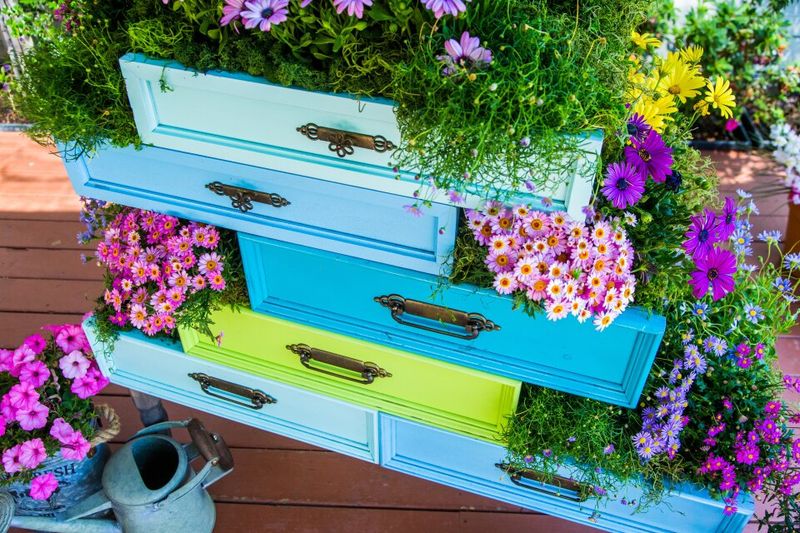
Furniture does not always have to leave the garden when it leaves the house. An old dresser drawer can easily become a roomy planter that holds far more soil than a typical flower pot.
That extra space is especially helpful in Texas, where summer heat dries out small containers quickly.
The depth of most drawers makes them great for growing herbs, leafy greens, or compact vegetables like bush beans and peppers. Many gardeners even turn several drawers into a stacked display, arranging them on a patio at different angles so each one holds a different mix of flowers.
Petunias, trailing lantana, and sweet potato vine can spill over the edges and soften the look of the wood.
A few small drainage holes drilled into the bottom are usually all it takes to make the drawer garden-ready. Because many older drawers are made from solid wood, they can handle outdoor use surprisingly well when placed in a shaded or partially protected area.
Some gardeners line the inside with landscape fabric before adding soil to help protect the wood and keep soil from washing out.
The best part is the personality it brings to the space. A weathered drawer filled with flowers has a relaxed, lived-in charm that brand-new planters rarely match.
7. Old Boots Giving Worn In Garden Charm
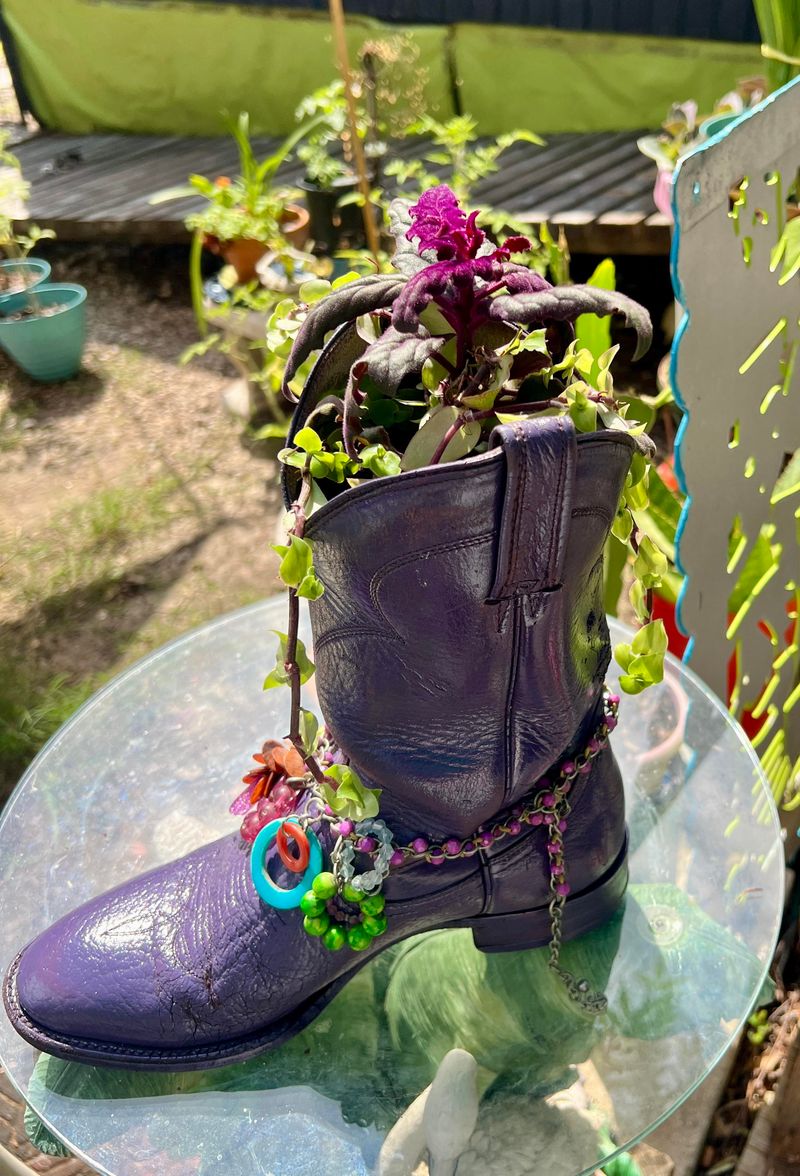
Every gardener eventually ends up with a pair of boots that have seen better days. Maybe the soles are worn, maybe a seam finally split after one too many muddy afternoons in the yard.
Instead of tossing them out, many Texas gardeners give those boots a second life as quirky, surprisingly useful planters.
Tall boots work especially well because they hold a decent amount of soil while still being compact enough to tuck into small spaces. A pair placed near a garden path or porch step instantly adds personality.
Bright annuals like marigolds, calibrachoa, or moss rose can spill over the top and create a fun contrast with the rugged look of the boot.
Drainage is simple. A few holes punched through the sole usually solve that problem quickly.
Some gardeners also add a little gravel in the bottom to help water move through the soil during heavy summer rains. Boot planters also make great conversation pieces.
A row of mismatched boots filled with flowers can bring a playful feel to a garden, especially in spaces where you want things to feel relaxed rather than perfectly formal.
Once they are planted up and set in place, those old boots start telling a new story in the garden.
8. Wheelbarrows Making A Big Garden Statement
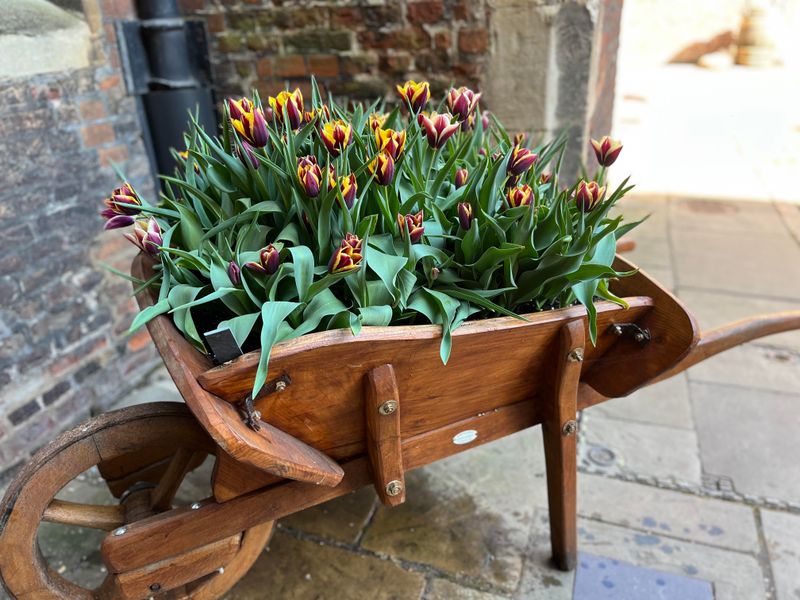
Few garden tools feel as classic as a well-used wheelbarrow. After years of hauling mulch, compost, and soil around the yard, some eventually retire from heavy work.
That is often when they begin a new life as one of the most eye-catching planters in the garden.
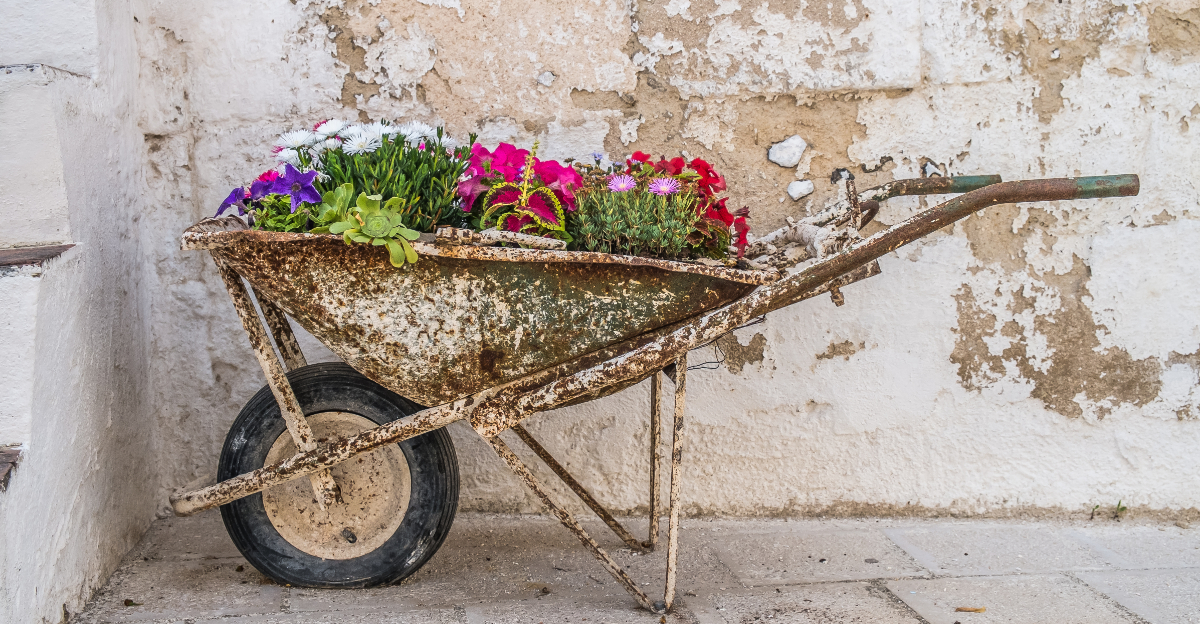
A wheelbarrow planter offers something most containers cannot match: space. The large basin allows gardeners to grow a wide mix of plants together, creating a small mobile flower bed.
In Texas, heat-tolerant flowers like zinnias, lantana, pentas, and purslane can thrive in this kind of setup while adding bright color through much of the warm season.
Many gardeners tilt the wheelbarrow slightly forward so water drains easily and plants spill toward the front. A few drainage holes drilled through the bottom help prevent soggy soil during rainy stretches.
Because wheelbarrows are easy to move, they can also be repositioned as the sun shifts through the seasons.
Some people keep the look simple with one type of plant, while others fill the container with a mix of trailing flowers, upright blooms, and even a few herbs.
Once it is planted and placed in the yard, the wheelbarrow often becomes the kind of garden feature visitors notice right away.
9. Bundt Pans With A Fun Retro Twist
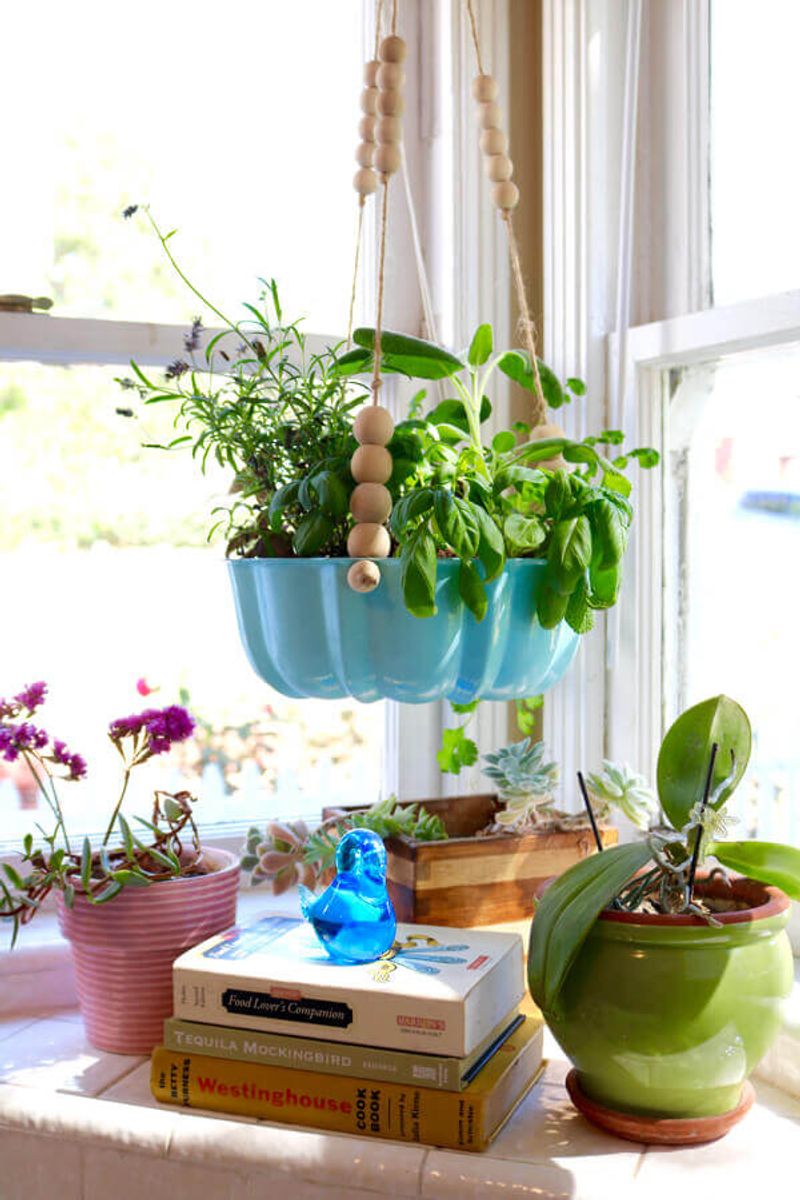
Here is a fun one that not many people think of right away: a bundt pan. That distinctive ring shape with the hole in the center is not just great for cakes.
It actually creates one of the most visually interesting planters you can make from a kitchen item. The shape allows plants to cascade over the edges and even grow up through the center hole if you place a tall plant there.
Before filling a bundt pan with soil, drill a few small drainage holes in the bottom. Because the pan is relatively shallow, use a well-draining mix that includes perlite or coarse sand.
Succulents are hands-down the best choice for bundt pan planters because they love the fast-draining conditions and do not mind a bit of heat, which is ideal for the Texas climate.
Set the finished planter on a patio table, a garden wall, or a decorative plant stand for a real conversation starter. Guests will do a double-take when they realize your beautiful succulent arrangement is sitting in a bundt pan.
Vintage bundt pans with decorative fluted edges look especially elegant and can often be found at estate sales and flea markets across Texas for just a dollar or two, making this one of the most affordable creative planter ideas on this list.
10. Plastic Bottles Turned Into Clever Little Planters
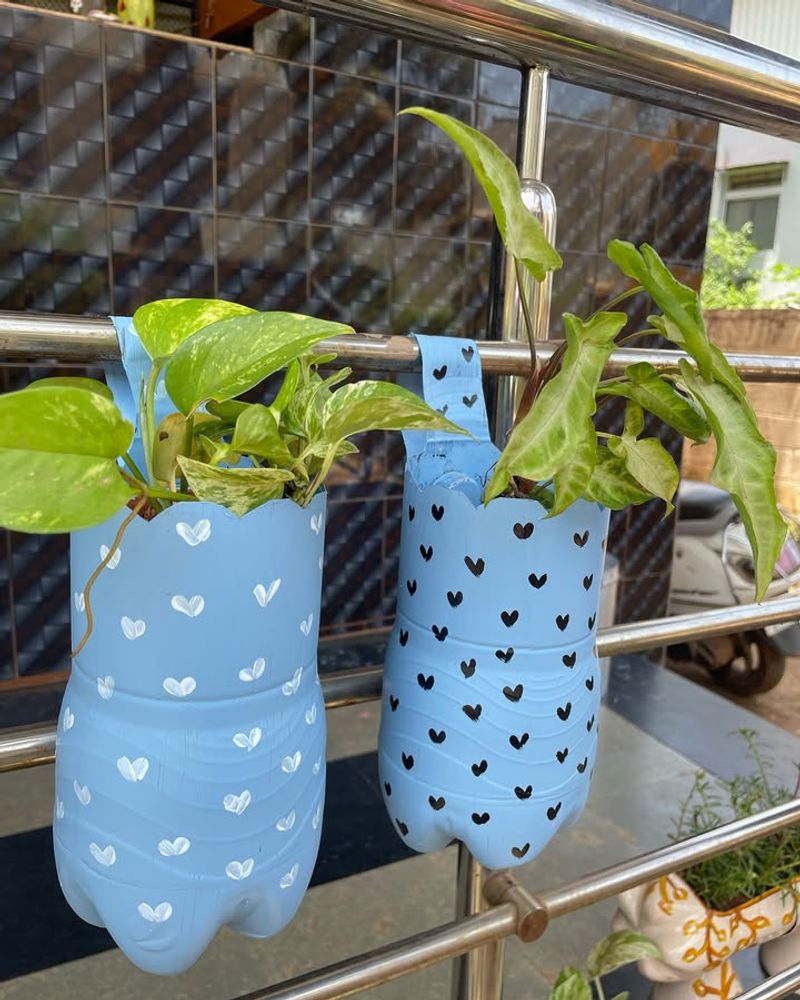
Nearly every household in Texas goes through plastic bottles regularly, and most of them end up in the recycling bin without a second thought. With just a pair of scissors and a few minutes, those bottles can become functional, space-saving planters that cost absolutely nothing.
Large two-liter soda bottles work especially well. Cut the top third off the bottle and flip it upside down inside the bottom section to create a self-watering planter, or simply cut the bottle in half and use the bottom portion as a standard pot.
Poke several holes in the bottom for drainage, fill with potting mix, and plant small herbs, lettuce, or flowers. Bottles can also be hung horizontally on a fence or wall by cutting an opening on one side, creating a vertical garden that saves precious ground space.
Vertical bottle gardens are particularly popular in smaller Texas yards, apartment balconies, and community gardens where space is limited. Painting the outside of the bottles with weather-resistant spray paint makes them look more polished and also helps block light from reaching the roots, which prevents algae from growing in the soil.
It is a small, easy fix that makes a big difference in how long your bottle planters last through the Texas heat and rain.